REVIEW · FUJIKAWAGUCHIKO MACHI
Scenic Spots of Mt Fuji and Lake Kawaguchi 1 Day Bus Tour
Book on Viator →Operated by VIP Japan Tours · Bookable on Viator
Mt. Fuji views, timed for real life. This 9–10 hour bus tour turns a long journey into a set of easy, guided stops—so you can focus on the scenery instead of train transfers. You’ll ride with live commentary and spend focused time at famous spots like Chureito Pagoda and the lakeside parks.
I especially like the smart structure: central Tokyo pickup (Shinjuku) and a Shinjuku return that’s meant to get you back for dinner. I also like that most admissions are free or included, and the van is air-conditioned for comfort on a full day. The main drawback to keep in mind is simple: the schedule is tight, and you’ll still need stairs for the best viewpoint—plus traffic can add time on both ends.
In This Review
- Key points before you go
- Why This Mt. Fuji Day Bus Loop Starts in Shinjuku
- Price and Logistics: What $59.94 Really Covers
- Meeting Point and the Shinjuku-Only Return Plan
- Stop 1: Chureito Pagoda at Arakurayama Sengen Park (Stairs Included)
- Stop 2: Lake Kawaguchi and Kawaguchiko Craft Park by the Water
- Optional lunch choices (pick your vibe)
- Stop 3: Oishi Park Flowers With Fuji Reflections
- Stop 4: Saiko Iyashi no Sato Nenba for Thatched-Roof Japan
- The Live Guide Commentary: Why the Bus Part Matters
- Weather, Traffic, and What to Do With Uncertainty
- November adds a foliage-focused adjustment
- Fitness and Comfort: What the Day Asks From You
- Who Should Book This Tour (and Who Might Skip It)
- Should You Book This One-Day Mt. Fuji and Lake Kawaguchi Tour?
- FAQ
- How long is the Mt. Fuji and Lake Kawaguchi day bus tour?
- How much does the tour cost?
- Is lunch included?
- What lunch options are available?
- Where is the meeting point?
- Where do you get dropped off at the end of the tour?
- Is the viewing platform near Chureito Pagoda accessible without stairs?
- Will the guide speak English?
- What if weather or traffic affects the schedule?
- Can I cancel for a full refund?
Key points before you go
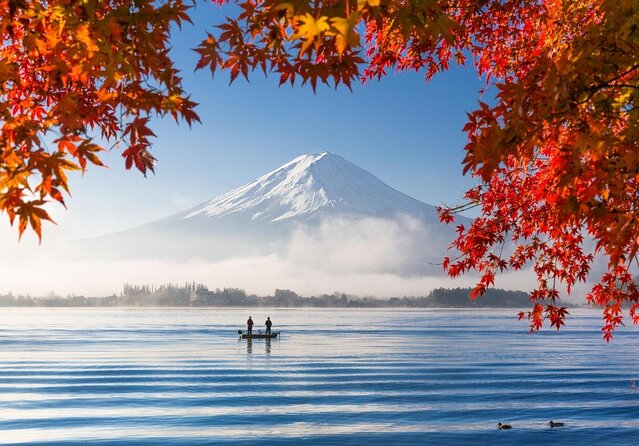
- Stair climb for Chureito Pagoda: you’ll trade minutes for one of Japan’s most photographed Fuji backdrops
- Lake Kawaguchi + craft browsing: Kawaguchiko Craft Park pairs well with a lakeside stroll
- Lunch is optional, but the choices are very specific: wagyu, houtou, raw salmon bowl, or vegan curry rice
- Oishi Park is a quick-photo stop: great for seasonal flower reflections, less time for wandering
- Thatched-roof village with admission included: Saiko Iyashi no Sato Nenba saves you a ticket step
- Shinjuku-only drop-off: plan your evening around the west exit return
Why This Mt. Fuji Day Bus Loop Starts in Shinjuku
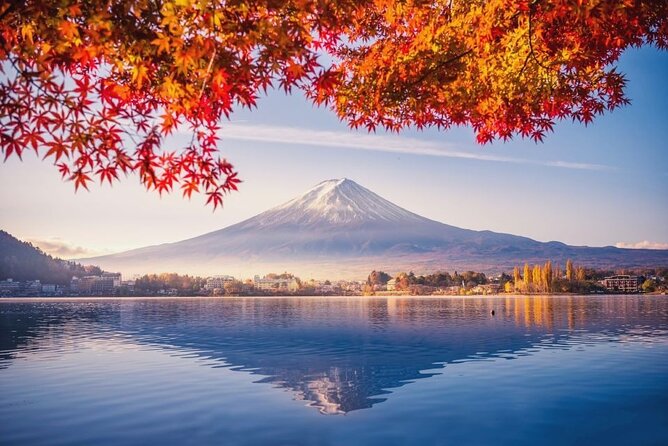
Mt. Fuji day trips can fail in a very basic way: you spend half your day commuting. This tour avoids that problem by starting in central Tokyo and running a single all-day route with guided transfers.
You’re looking at about 9 to 10 hours total, with a return to Shinjuku timed to let you keep your evening plans. In practice, that means fewer “what time is the last bus/train?” moments and more time at the view points you came for.
Price and Logistics: What $59.94 Really Covers
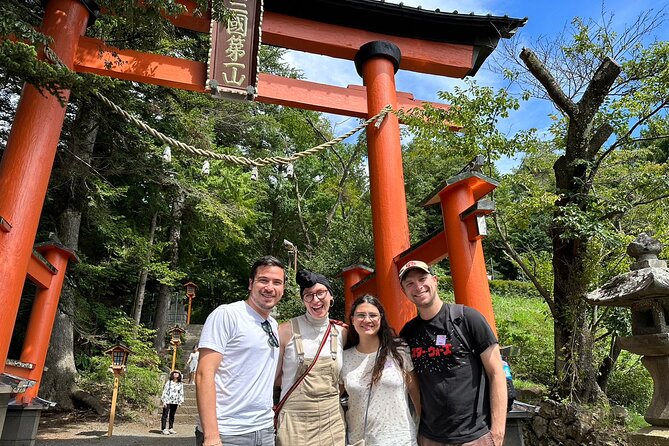
At $59.94 per person, the value is in what’s included on the ground. You get an air-conditioned vehicle, live guide commentary, and all taxes/fees/handling.
On top of that, admissions are not a big extra cost at the key stops: Chureito Pagoda (free) and the lakeside parks (free) cover most of the route, and the entrance for Saiko Iyashi no Sato Nenba is included. Lunch is the only clearly optional add-on, which is helpful if you’d rather eat on your own schedule.
Meeting Point and the Shinjuku-Only Return Plan
The meeting point is Shinjuku Post Office (1-chōme-8-8 Nishishinjuku). The tour asks you to arrive about 10 minutes early, because the guide is tied to a specific assigned bus, and arriving at the wrong place can mean you miss the tour with no refund.
One more practical thing: the tour’s only drop-off option is Shinjuku Station, west exit. If your hotel is east of the station, double-check your route home before you book so you’re not scrambling late in the day.
If your departure option includes a shuttle bus (there are multiple shuttle starting points), you can avoid that by selecting the Shinjuku LOVE Object departure location. That choice matters because shuttle time is still time you’re losing before you start seeing views.
Stop 1: Chureito Pagoda at Arakurayama Sengen Park (Stairs Included)
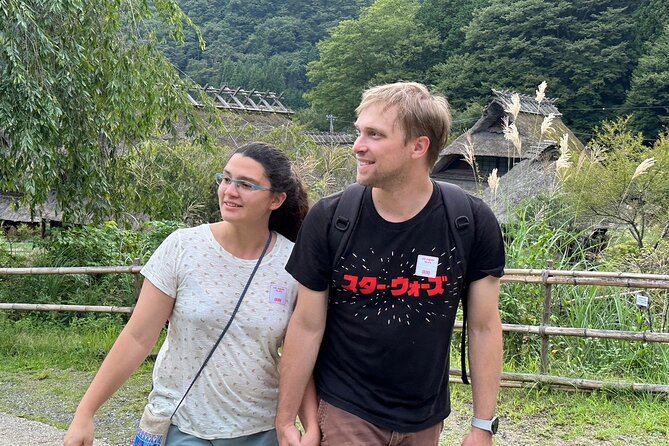
This is the headline stop, and it’s famous for a reason. You’ll climb up to the view area at Arakurayama Sengen Park to see the Chureito Pagoda with Mt. Fuji in the background.
The big thing to plan for is the stairs. The tour notes that reaching the viewing platform requires climbing, so if stairs are a hassle for you, come ready for it (comfortable shoes and a steady pace help more than you’d think).
Time is also a consideration. Even though this stop is listed as about 1 hour, your actual moments at the top depend on how quickly your group moves and how long you linger for photos. If you’re the type who wants to walk around at a relaxed pace, you may find this stop runs faster than you’d like.
Stop 2: Lake Kawaguchi and Kawaguchiko Craft Park by the Water
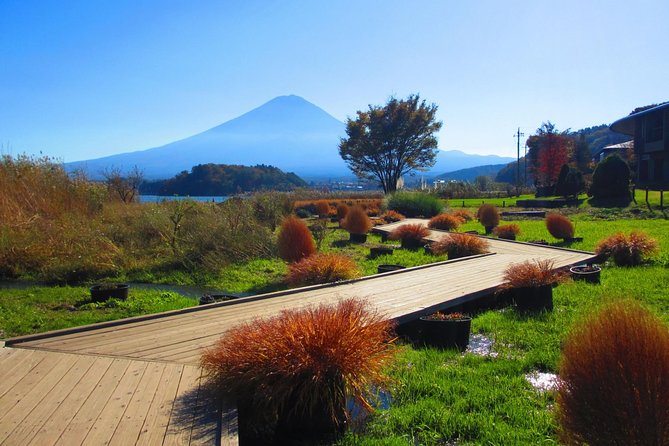
Lake Kawaguchi is the scene-setter for the day. After the Fuji viewpoint, this stop shifts the mood from mountain spectacle to lakeside calm.
You’ll visit Kawaguchiko Craft Park, and the time here includes room for browsing and an easy stroll along the lakeshore. That combination is a good match for people who love small finds—handmade items and local goods—without turning the day into a shopping marathon.
Optional lunch choices (pick your vibe)
Lunch is optional, but you’re offered clearly defined regional options when booking:
- Wine Japanese Beef Steak (Wagyu)
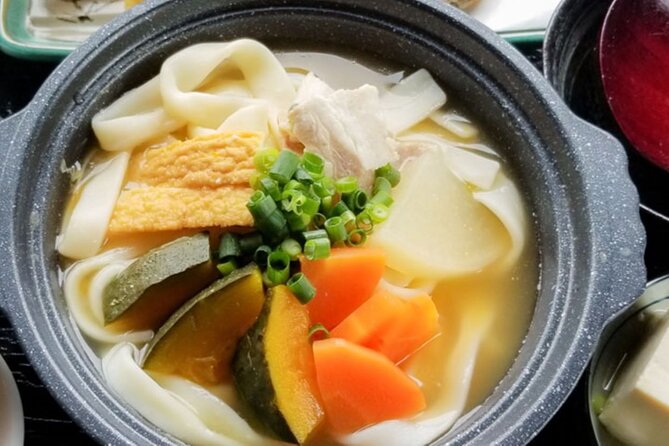
- Houtou noodles (a Yamanashi specialty)
- Raw salmon bowl
- Vegan curry rice
This is useful because it removes the need to hunt for food right after a viewpoint. The trade-off is you’ll want to decide ahead of time which style fits your day, especially since optional meals can affect how long you feel you have for the rest of the stop.
Stop 3: Oishi Park Flowers With Fuji Reflections

Oishi Park is the “seasonal postcard” stop. It’s known for flower displays along the banks of Lake Kawaguchi, and the timing is designed for you to catch the classic look: flowers up front, Mt. Fuji behind.
You’ll typically have about 30 minutes here. That’s enough to get the key photos and take in the big view, but it’s not enough for a long, slow wander—especially if you run into crowded viewpoints or you stop frequently for angles.
If you care about photography, this is where you’ll want to move efficiently. Arrive ready to shoot, pick your best spot quickly, then enjoy the remainder without constantly checking the clock.
Stop 4: Saiko Iyashi no Sato Nenba for Thatched-Roof Japan
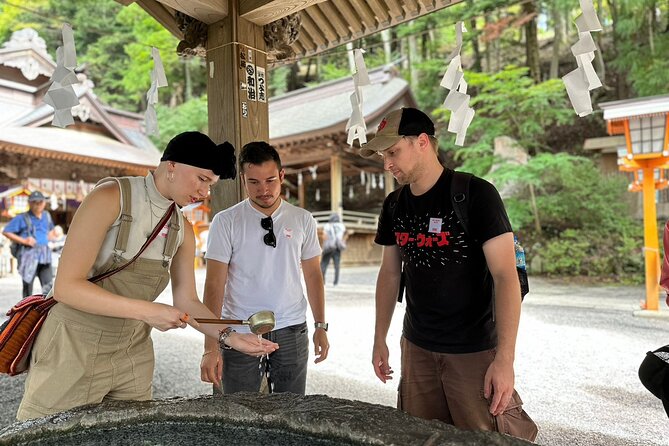
The final stop shifts from modern scenery to an older style of village life. Saiko Iyashi no Sato Nenba sits on the banks of Lake Saiko, and the entrance is included.
Here, the centerpiece is the village stroll through thatched-roof houses. Even if you’re not a museum person, this stop works because you can walk at your own pace and look at details—roof shape, layout, and the overall atmosphere of a traditional settlement.
The stop is listed at about 1 hour, which is a fair amount of time for wandering and picking up small snacks or gifts. The key downside is that at the end of a long day, your energy level decides how much you’ll enjoy the slower pacing.
The Live Guide Commentary: Why the Bus Part Matters
The driving time can feel long on a Fuji day trip, but the tour is set up so you get more than just transportation. You’ll have live commentary on board, and the tour notes that English and Chinese commentary might be provided together depending on the group.
In the real world, good commentary changes how you experience the scenery. It helps you understand what you’re looking at—why certain viewpoints work, how weather affects what you see, and what to focus on at each stop.
I’ve seen this tour run with guides like Mitsuko, Eric, Keiko, Omar, and George, and the consistent theme is that the guide plays an active role in keeping the day moving while pointing out what matters.
Weather, Traffic, and What to Do With Uncertainty
Fuji days can be dramatic. You can get a crystal-clear view, or you can get clouds that hide the peak for most of the route.
The tour indicates the schedule may change without notice due to weather and road traffic conditions. It also notes the tour departs regardless of weather or traffic unless you’re notified otherwise by the operator, so you should assume you’re going out unless you hear otherwise.
Traffic is the other big factor. The route involves driving out and back from Tokyo, and travel time depends on the time of day. One practical mindset: treat the ride back as a normal city-traffic gamble, and don’t stack your dinner plan at the exact end of the tour without a buffer.
November adds a foliage-focused adjustment
If you’re traveling in November, the itinerary may shift after Lake Kawaguchi Craft Park to include a corridor of more than 400 maple trees for autumn color. If you’re chasing seasonal beauty, this is a meaningful upgrade to the usual lakeside rhythm.
Fitness and Comfort: What the Day Asks From You
This tour is listed as requiring moderate physical fitness. You’re not trekking for hours, but you do have walking and—most importantly—stairs at Chureito Pagoda’s viewing platform.
Wear shoes you can trust on uneven ground and consider moving at a steady, patient pace once you start climbing. If you’re traveling with older family members or someone who hates stairs, this is the part that will determine whether the stop feels enjoyable or stressful.
Comfort-wise, the air-conditioned bus is a plus. After a long ride, you’ll appreciate any air-conditioned break you can get before the next walking segment.
Who Should Book This Tour (and Who Might Skip It)
This is a great pick if you want a structured Mt. Fuji highlights route without dealing with trains and transfers. It also fits well if you like having a guide manage timing so you can stay focused on photos and scenery.
You might rethink it if you strongly dislike group pacing. With a maximum of 99 travelers, it can get busy at photo stops, and you’ll likely spend more energy coordinating your movements than you would on a self-guided day.
If you’re bringing a very young baby, think carefully. The schedule is long, and large-group environments can be tough when you need flexibility. If you’re in that situation, plan around comfort first, not sightseeing checklists.
Should You Book This One-Day Mt. Fuji and Lake Kawaguchi Tour?
Book it if you want the efficient “greatest hits” of Fuji and the lakes—Chureito Pagoda, Lake Kawaguchi, Oishi Park, and a traditional lakeside village—all handled by a single guided bus day. The included admissions and live commentary help justify the price, especially when you factor in what it saves you in transit planning.
Skip it or consider alternatives if you hate stair climbs, want lots of free time to wander without a clock, or you’re worried about traffic eating into your day. The route can feel rushed at the viewpoints when everyone is lining up for photos.
If you choose this tour, the best strategy is simple: go in expecting a busy but well-paced day, wear comfy shoes, arrive early at Shinjuku, and give yourself grace for the weather. Mt. Fuji rewards that mindset.
FAQ
How long is the Mt. Fuji and Lake Kawaguchi day bus tour?
The tour runs about 9 to 10 hours.
How much does the tour cost?
The price is $59.94 per person.
Is lunch included?
Lunch is not included. You can choose an optional lunch during booking.
What lunch options are available?
The optional lunch choices are Wine Japanese Beef Steak (Wagyu), Houtou noodles, Raw Salmon Bowl, or Vegan Curry Rice.
Where is the meeting point?
The meeting point is Shinjuku Post Office (1-chōme-8-8 Nishishinjuku, Shinjuku City, Tokyo 163-8799, Japan).
Where do you get dropped off at the end of the tour?
The only drop-off location is Shinjuku Station, west exit.
Is the viewing platform near Chureito Pagoda accessible without stairs?
No. Reaching the viewing platform next to Chureito Pagoda requires climbing stairs.
Will the guide speak English?
There is live commentary, and depending on participant numbers, English and Chinese commentary might be given in the same bus.
What if weather or traffic affects the schedule?
The tour schedule may change due to weather, road traffic, and unforeseen conditions. The tour may depart unless you’re notified otherwise by the operator, and delays can happen depending on conditions.
Can I cancel for a full refund?
Yes. You can cancel up to 24 hours in advance for a full refund.