REVIEW · ASAKUSA
Tokyo Sumo Entertainment Show with Chicken Hot Pot and Photo
Book on Viator →Operated by Asakusa Sumo Stable · Bookable on Viator
Sumo, dinner, and a ringside grin. This Asakusa show mixes real dohyo action with comedy, bilingual explanations, and the classic chicken chanko-nabe meal from a sumo-style table setup.
I especially like how the night teaches you the rules without turning into a lecture, thanks to the MC Mikey and the lively bilingual commentary. I also love that you get a proper meal experience—all-you-can-eat chanko-nabe plus sides—so you’re not just watching, you’re eating like a wrestler.
One thing to keep in mind: this is an entertainment-based show with retired wrestlers, so if you want strict, formal sumo training or nonstop tournament-style bouts, you’ll want to adjust expectations.
In This Review
- Key things I’d circle before you go
- Asakusa Sumo Club: the room where sumo gets real
- Inside the show: retired wrestlers, rules, and a ring-chance finale
- The chanko-nabe feast: chicken hot pot with sides and extra drinks
- Photos, the gift, and how the end moment usually feels
- Price and value: what $106.12 buys you in 2 hours
- Who should book (and who should hunt a stable visit instead)
- Should you book this Asakusa sumo show with chicken hot pot?
- FAQ
- How long is the Tokyo sumo show and chicken hot pot experience?
- Where does the experience start?
- Is there a meal included?
- Will I be able to participate in the ring?
- Is the show explained in English?
- Are vegetarian or vegan meals available?
- Are the performers active sumo wrestlers?
- How large is the group?
- What is the cancellation policy?
Key things I’d circle before you go
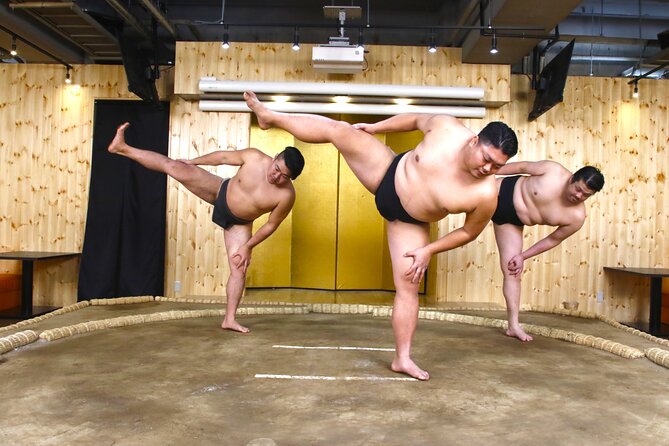
- A real dohyo ring setting in Asakusa with tiered seating that keeps you in the action
- MC Mikey + bilingual commentary makes rules and rituals easy to follow
- Retired sumo wrestlers do the technique demo and playful matches up close
- A lottery chance to step into the ring (a big hit for kids and adults)
- Chicken chanko-nabe all-you-can-eat plus a complimentary drink
- Photo moment and a take-home gift after the show
Asakusa Sumo Club: the room where sumo gets real
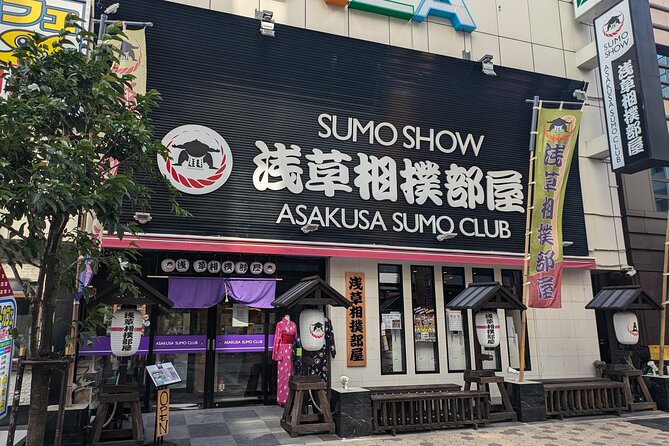
This experience happens at Asakusa Sumo Club, right in the Asakusa neighborhood, at 2-chōme-10-12 Asakusa, Taito City. If you’re staying in east Tokyo, this is one of the easier “evening plans” because it’s described as near public transportation and the activity ends back at the meeting point.
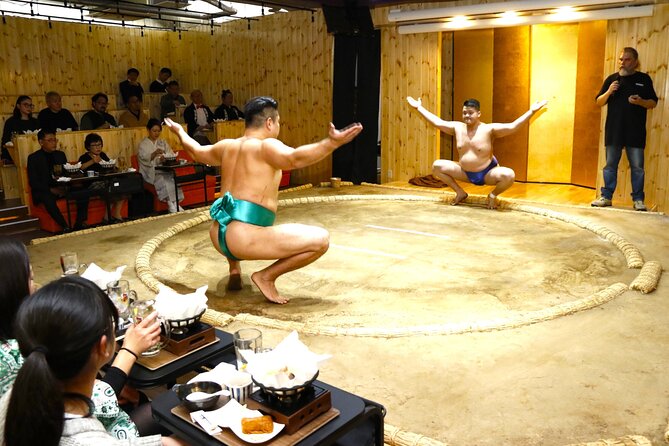
The big reason to show up is the setup: there’s a true dohyo ring at the center of the venue. That matters, because sumo isn’t just about throws—it’s about the space, the ritual, and what the ring means. From your seat, you’re watching the wrestlers inside a room designed around sumo, not beside it.
The show starts with a geisha dance, then the MC and staff bring in humor and context. You’ll get bilingual, live explanations about sumo heritage and combat rules, which is ideal if you’re new to the sport. The vibe tends to be light, with audience energy, while still giving you something practical to understand what you’re seeing.
One small practical tip: because the event is capped at a maximum of 60 travelers, you can often improve your view just by arriving early. A front-row seat is the kind of detail that changes how fun the whole night feels.
You can also read our reviews of more tours and experiences in Asakusa.
Inside the show: retired wrestlers, rules, and a ring-chance finale
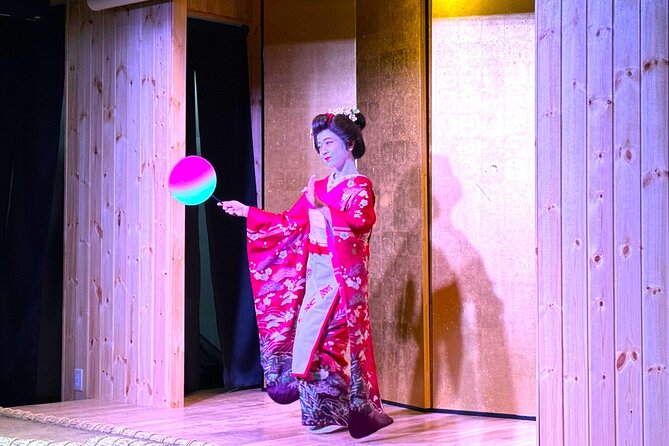
This is a performance night with retired sumo wrestlers, not a formal stable training session. That distinction helps you decide what you want from the evening. If you want the rules, the rhythm, and the “how sumo works” story, this works well. If you want constant, serious wrestling at full intensity, you may feel you’re watching a demo-style program more than a pure match.
Here’s what you can expect once things begin:
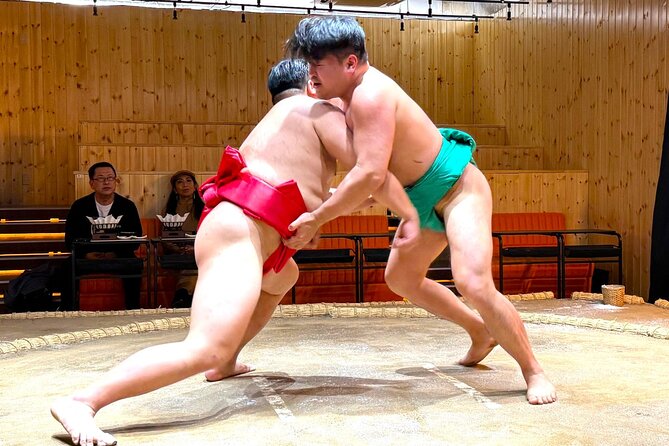
You’ll see traditional techniques demonstrated close up, including the kinds of training actions you’d recognize as sumo’s foundation. You may also catch playful matches between retired wrestlers, which are staged to keep things understandable and fun for mixed audiences.
Then comes the interactive part. There’s a sumo challenge and a real chance to step into the ring for a friendly bout. The data says participants are chosen by lottery, so you’re not guaranteed—but the chance itself is a major reason families and first-timers rate this so highly.
What I like about this structure is that it gives you three different layers in about two hours:
1) explanations you can actually remember
2) close-up visuals of technique
3) a participation moment that turns learning into a story you’ll still be telling later
The downside is also tied to that format. The show is built for entertainment, and some people looking for more nonstop wrestling may want more ring time between the jokes and explanations. If that’s you, aim to treat this as a friendly intro to sumo culture rather than a replacement for watching serious bouts.
The chanko-nabe feast: chicken hot pot with sides and extra drinks
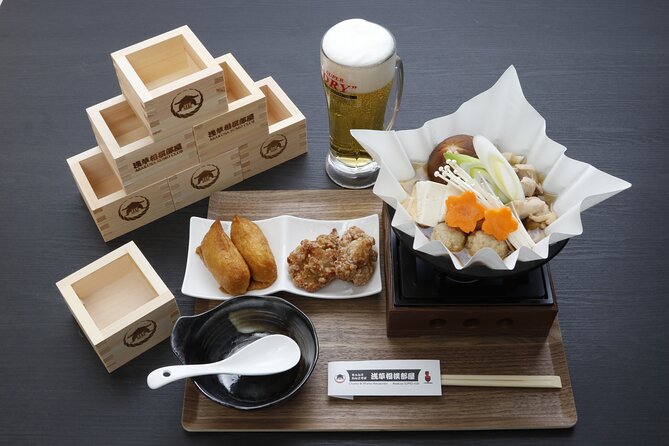
The food is not an afterthought here. Dinner is part of the experience, centered on chanko-nabe, a chicken hot pot meal that’s a classic in sumo dining. You’ll have an all-you-can-eat setup from a ringside seat, which changes the whole pacing. Instead of rushing through a quick bite before the show, you’re settled in for the entire program.
Chanko-nabe is hearty, and it’s designed to be eaten in a steady rhythm—warm, filling, and meant to keep energy up. The show includes a variety of Japanese side dishes, and you’ll also get a complimentary drink. Reviews also point out that dessert is part of the meal flow, with at least one note that one serving of dessert was enough to feel full.
You should expect service to be efficient. One of the common themes in feedback is that food gets delivered quickly and reliably while the show runs. The meal becomes “fuel” for the laughs and action, not something you worry about mid-performance.
Dietary note: vegetarian and vegan meals are available upon request at least 2 days in advance. If that applies to you, don’t wait until the last minute—requesting early is the best way to avoid stress.
If you’re picky about the food style, here’s the honest caution: a small number of comments suggest the meal wasn’t appealing to everyone. Still, the all-you-can-eat format and the fact that it’s built around chanko-nabe means most people who like Japanese comfort food end up happy.
Photos, the gift, and how the end moment usually feels
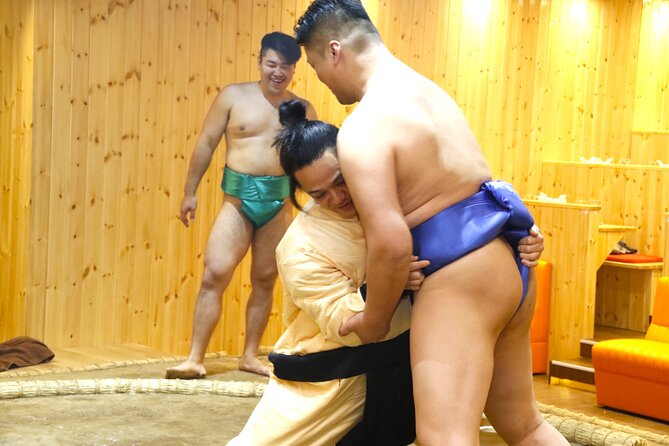
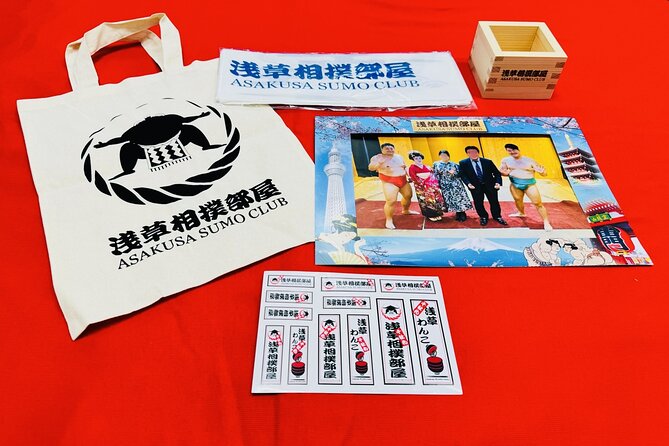
This tour includes a photo component, and after the show you’ll also receive a gift to take home. That’s part of why many people treat the night like a “Tokyo keepsake” evening, not just a meal with a performance.
Photo opportunities happen at the end. The photo experience can be hit-or-miss depending on lighting and where you stand. One review called out that the lighting for the photo spot was tough and that nobody looked their best in the final result. That’s not the majority of feedback, but it’s worth keeping in mind if photos are your priority.
The good news: even with that caveat, the rest of the evening is built for close-up participation. When the ring chance and audience energy land well, the photo is just the icing, not the main event.
Also pay attention to drink flow. You’ll get at least one choice of drink included, and while the show runs you can buy additional drinks during the demonstrations. If you’re the type who likes to keep hydration up while you’re watching and eating, this is a comfortable setup.
Price and value: what $106.12 buys you in 2 hours
At $106.12 per person for about 2 hours, you’re paying for a package: sumo-themed entertainment + instruction + an all-you-can-eat dinner. The value here is mostly about convenience and completeness.
In many Tokyo activities, you pay for one thing: a performance, a lecture, or a meal. This plan gives you all three in one ticket and keeps you in the same venue for the whole time. It also comes with an instant confirmation after booking and uses a mobile ticket, which cuts down on hassle when you’re juggling trains and dinner plans.
The group size cap of 60 travelers matters, too. Smaller groups usually mean the staff can keep the show moving and keep interactions manageable. You’re also more likely to have a good seat choice if you arrive with time to spare.
Now the honest value-check:
- If you’re new to sumo and want a friendly, guided intro plus dinner, this is a strong deal.
- If you already follow sumo closely and want hardcore match viewing, you may prefer active sumo stable training elsewhere in Tokyo.
The show itself even signals this: it’s explicitly positioned as entertainment with retired wrestlers. That’s not a flaw; it’s a format. Just be sure the format matches what you want tonight.

Who should book (and who should hunt a stable visit instead)
This is a great fit if you want:
- an easy first-time sumo experience
- a family-friendly evening with interaction
- a dinner plan that doesn’t require extra searching
- bilingual explanations so you aren’t left guessing
Kids tend to do especially well with this kind of setup because there’s a stage-like ring environment, audience participation, and a chance to step into sumo action. Several notes highlight that the event feels engaging for all ages and that the laughter-to-learning ratio stays comfortable.
It’s also a good option for solo travelers who want a structured plan. You’ll be in a small group, you get guided explanations, and you’ll always have the meal and show to anchor the evening.
Who might want something else:
If you specifically want formal training, you’ll likely get more from visiting an active sumo-beya (sumo stable) elsewhere in Tokyo. That’s because this show is based on an entertainment format with retired wrestlers, and the emphasis is on culture and rules as much as it is on match intensity.
One more reality check: some comments note that retired wrestlers may not match the stereotypical “very large” look of modern TV sumo imagery. They’re still strong, but the night is still best understood as a demonstration of techniques and culture rather than a tournament spectacle.
Should you book this Asakusa sumo show with chicken hot pot?
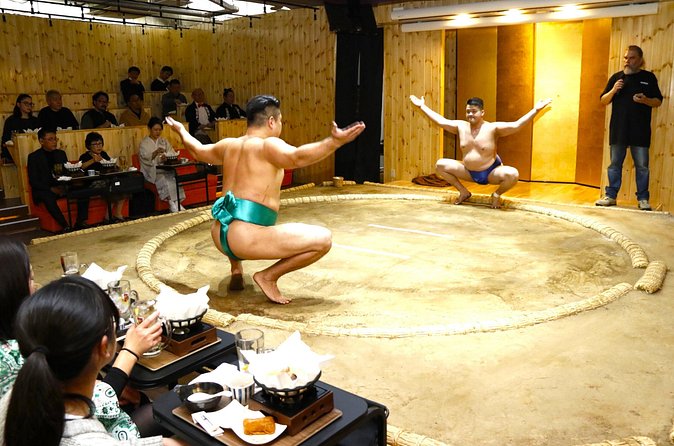
Yes, I’d book it if you want a fun, guided introduction to sumo that includes a real sit-down meal. The biggest strengths are the bilingual, rules-focused explanations, the close-up technique show around a real dohyo, and the fact that you get an all-you-can-eat chanko-nabe dinner instead of a small snack.
Skip it (or plan differently) if your top priority is serious, formal sumo viewing. Also consider your expectations if you care a lot about photo quality—there’s at least one caution about lighting at the photo spot.
If you want a “Tokyo night that feels distinctly Tokyo” and you’re okay with entertainment-style pacing, this is one of the easiest value plays in Asakusa.
FAQ
How long is the Tokyo sumo show and chicken hot pot experience?
It lasts about 2 hours (approx.).
Where does the experience start?
The meeting point is 2-chōme-10-12 Asakusa, Taito City, Tokyo 111-0032, Japan.
Is there a meal included?
Yes. You get an all-you-can-eat chicken chanko-nabe hot pot meal plus a variety of Japanese side dishes, along with a complimentary drink.
Will I be able to participate in the ring?
You may get a chance to step into the ring for a friendly bout. Participants are chosen by lottery.
Is the show explained in English?
The show includes bilingual live commentary, designed for visitors.
Are vegetarian or vegan meals available?
Yes, vegetarian and vegan meals are available if you request them at least 2 days in advance.
Are the performers active sumo wrestlers?
No. This is an entertainment-based show featuring retired sumo wrestlers.
How large is the group?
The maximum group size is 60 travelers.
What is the cancellation policy?
You can cancel for free up to 24 hours in advance for a full refund.