REVIEW · BANYUWANGI
Banyuwangi/Bali: Ijen Volcano Midnight Blue Fire Guided Tour
Book on GetYourGuide →Operated by Epic Escapes Indonesia · Bookable on GetYourGuide
Blue fire at 2 a.m. sounds wild, and it works. This Mount Ijen midnight hike is all about timing, safety, and getting to the crater area before the big crush. I love that Haqim, also known as QimQim, brings energy, a steady rhythm, and a calm approach when things get tricky at a real volcano.
What I like most: you’re set up from the start with key safety gear like a gas mask with respirator and a bright headlamp, and you get coached on pacing so you’re not just “survive the hike” stressed. I also really like the payoff structure: blue fire (not guaranteed), sulfur-miner sights, then sunrise with hot coffee or tea and explanations from the rim. The main drawback to consider is that conditions at Ijen can limit access now, so blue fire and how close you get can depend on safety rules and weather.
In This Review
- Key Things You’ll Notice on This Ijen Midnight Blue-Fire Trip
- Midnight Start in Banyuwangi (and the Long Bali Route)
- Why the Ijen Blue Fire Hike Feels Different Than Most Tours
- Safety Rules at Ijen: Expect Fumes, Slippery Steps, and Real Constraints
- Gear That’s Included (and What You Still Need to Bring)
- The Exact Night Timeline: Pickup, Hike, Summit Area, Sunrise Tea
- Blue Fire and the Sulfur Miners: What You Can Hope to See Now
- QimQim’s Hike Style: Pacing, Crowd Control, and Check-Ins
- How Hard Is It, Really? Fitness, Heights, and Breathing
- Value Check: What $15 Buys You (and What It Doesn’t)
- Who Should Book This Ijen Midnight Blue-Fire Tour?
- Quick Reality Notes Before You Go
- Should You Book This Tour?
- FAQ
- What time does pickup happen from Banyuwangi?
- Is blue fire guaranteed on this tour?
- Can I go down into the crater?
- What gear is included for the hike?
- Does the tour include food?
- What should I bring with me?
- Is this a private tour?
- What about the Bali departure option?
- Is Mount Ijen ever closed?
Key Things You’ll Notice on This Ijen Midnight Blue-Fire Trip
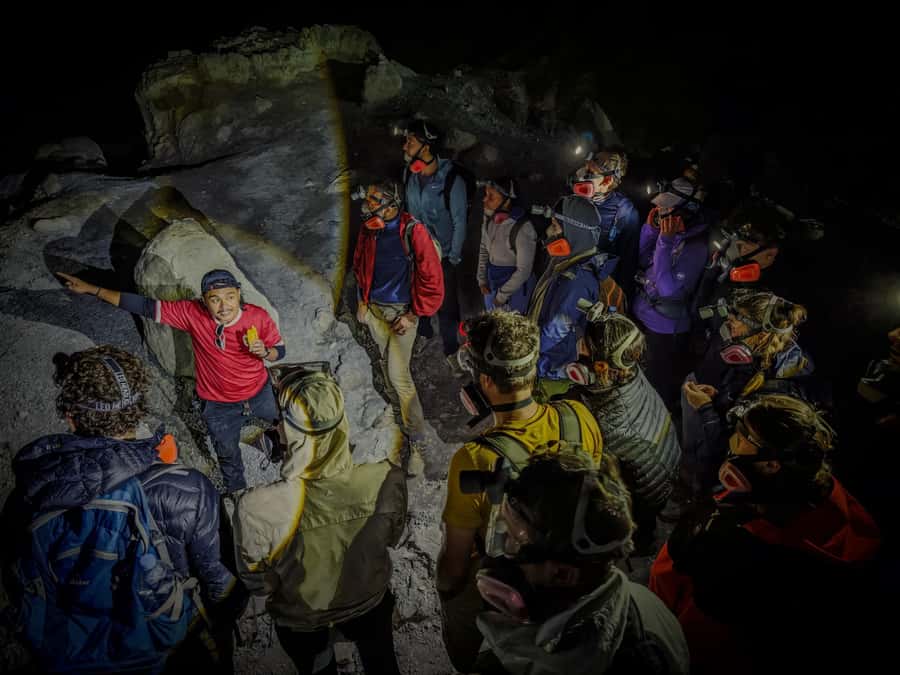
- QimQim (Haqim) runs the hike style: fun energy, strict attention to timing, and check-ins for people who need support.
- You’re geared for fumes and darkness with a gas mask/respirator and a headlamp (not something you scramble for last minute).
- Early arrival matters: the goal is to reach the blue-fire area and sunrise viewpoint before it becomes crowded.
- Blue fire is possible, not promised—miners sometimes extinguish flames, and weather can affect visibility.
- Crater access has safety limits after the July 2024 earthquake, so you may see blue fire from an off-limit distance.
- Sunrise comes with warmth: hot coffee/tea at the viewpoint while you watch the volcano wake up.
Midnight Start in Banyuwangi (and the Long Bali Route)
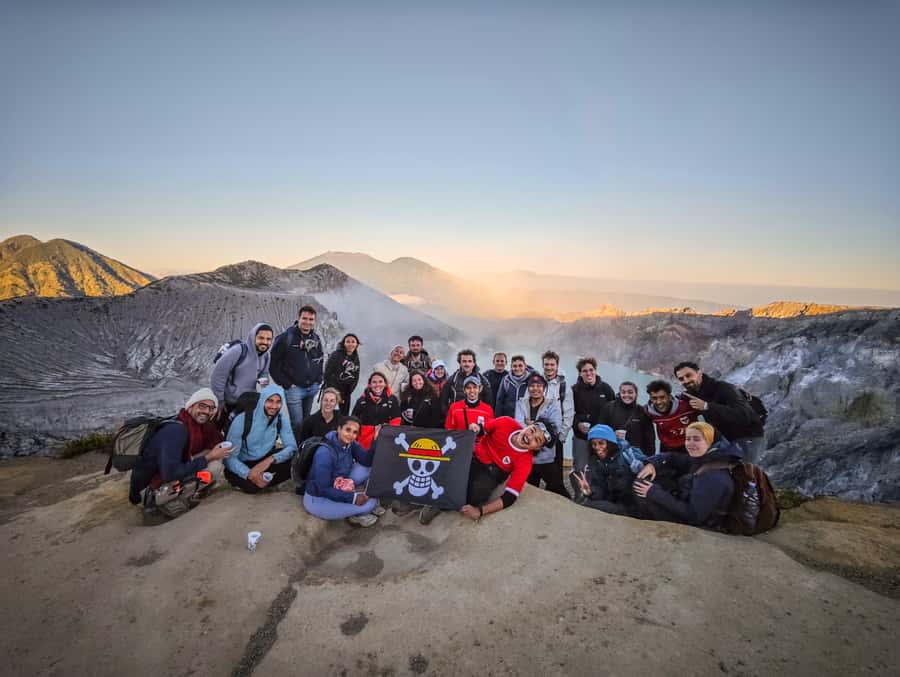
If you’re based in Banyuwangi, you’ll get picked up around 11:00–11:30 p.m. and head out by shared car. The schedule is designed for one thing: arrive in time to hike while it’s still dark, then be in position for the blue fire and sunrise.
If you’re starting from Bali, expect a longer travel day. The Bali option includes a drive to Gilimanuk and a ferry crossing that you do yourself. Then a driver and guide meet you on the Java side (Ketapang port) and take you toward Paltuding, the hiking starting point. That added transit is real, so go into it with your hydration and snacks ready and a flexible mindset.
You can also read our reviews of more tours and experiences in Banyuwangi.
Why the Ijen Blue Fire Hike Feels Different Than Most Tours
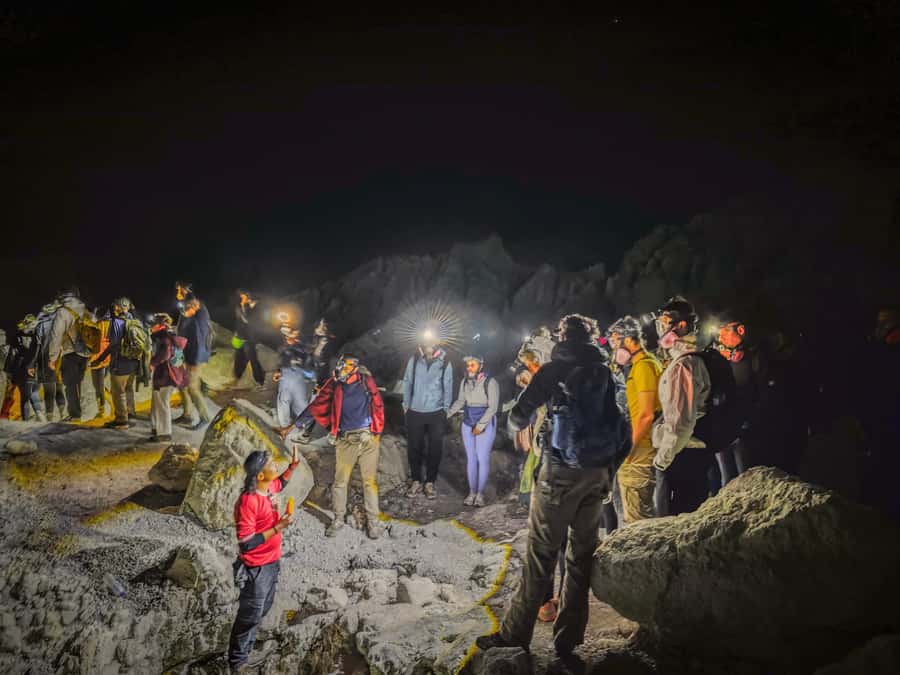
Mount Ijen isn’t a “walk to a view” hike. It’s a night-and-early-morning mission, and the magic comes from being in the right place at the right moment.
Two things make this experience stand out for me (as a way to travel, not just as a sight):
- The tour is built around access and timing. Many people show up late and miss the calm window. This tour is structured to get you to the action early, with the group moving as one.
- You’re not just watching; you’re learning what you’re seeing. The blue flames, the sulfur mining, and the volcano’s behavior are explained so it lands as science and human work—not only a photo moment.
And yes, it’s physically demanding. But it’s also very human: cold air at night, warm drinks at dawn, and the satisfaction of earning the view.
Safety Rules at Ijen: Expect Fumes, Slippery Steps, and Real Constraints
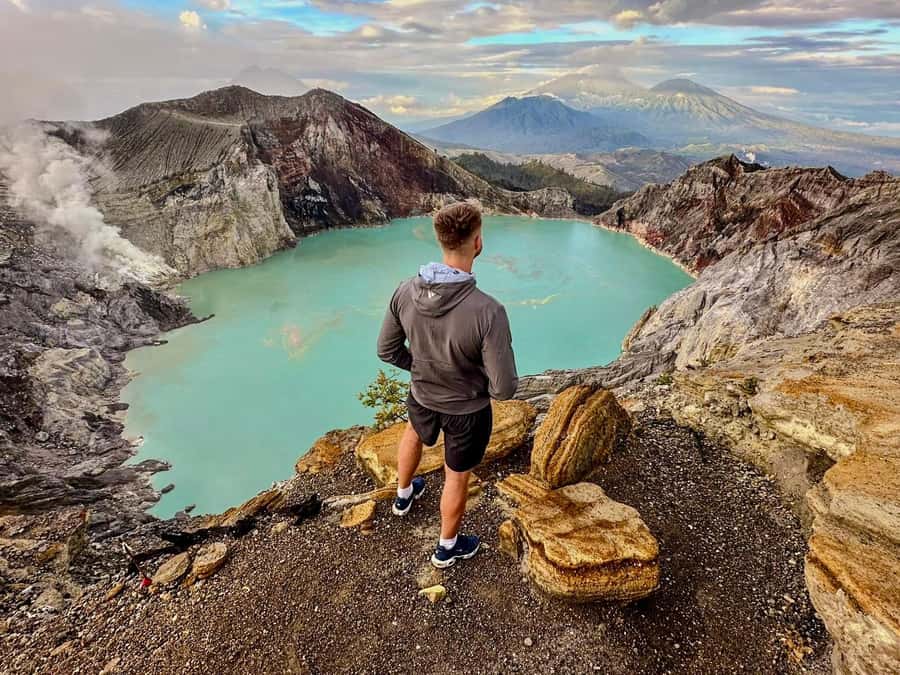
This is not a casual hike. Ijen operates under strict safety conditions because of volcanic activity and air quality.
Here’s what the tour data clearly signals:
- You must follow the guide’s instructions for any descent where fumes and safety conditions apply.
- After the July 2024 earthquake, crater access has been limited. The provided info says tourists are not allowed to go down to the crater (blue fire area) and can see the blue fire from about 500 meters off the rim.
- The tour also mentions that descending is only allowed if sulfur fumes are deemed safe and if you’re physically fit for a steep descent of about 900 meters—but the earthquake safety note strongly limits crater access in general.
So the best way to plan your expectations: you should be ready for a scenario where you might not get the floor-level crater experience you’ve seen in older videos.
Also, the tour is not for people who fear heights. In addition, it lists asthma and heart conditions as concerns. In real terms: if your breathing or pulse gets stressed easily, this volcano can be a bad match.
Gear That’s Included (and What You Still Need to Bring)
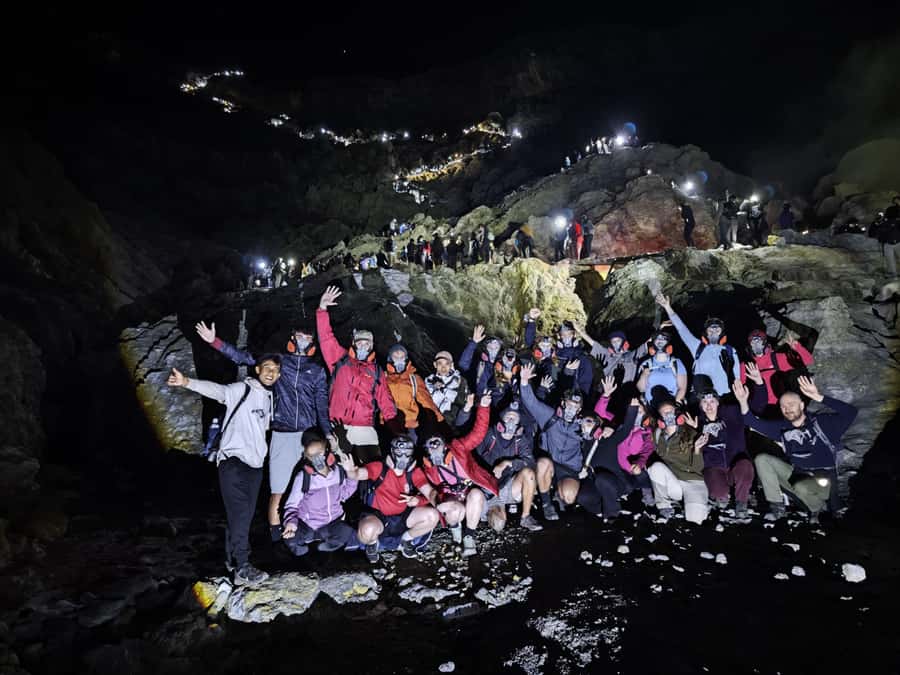
This tour comes with several key items that matter at night and at a volcanic crater:
- Gas mask with respirator
- Bright headlamp
- Mt Ijen National Park entry fee
- Trekking equipment
- Coffee/tea on the summit / viewpoint
- Health certificate listed as included
- Administration/tickets included
- Pickup/drop-off in the Banyuwangi central area (and Bali option, if selected)
What you still need to bring yourself:
- Warm clothing (it’s cold up high at night)
- Snacks
- Hiking shoes
- Jacket + rain gear
- Long pants
- Cash (for anything personal)
- Personal medication
One practical tip: don’t treat the “summit viewpoint” coffee/tea as dinner. The tour data says food and drinks are not included, so pack enough calories to keep you steady on the climb.
The Exact Night Timeline: Pickup, Hike, Summit Area, Sunrise Tea
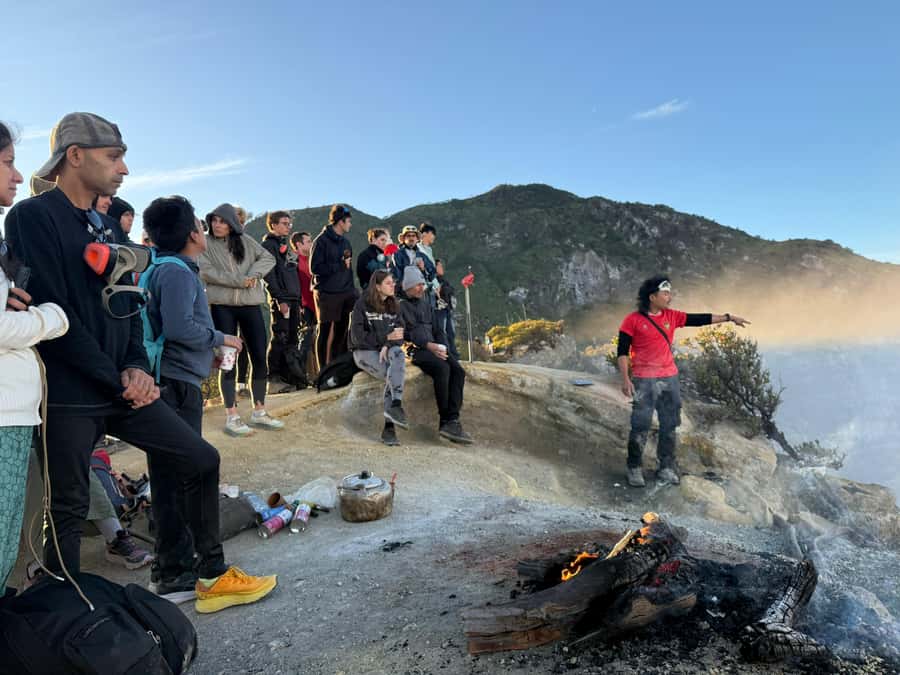
The Banyuwangi version is built for a clean flow from night into dawn.
- 11:00–11:30 p.m.: pickup from your accommodation area in Banyuwangi, then shared-car travel toward Ijen
- 1:30 a.m.: arrival at the Ijen parking area, briefing, and time to relax before the hike
- 2:00 a.m.: hike begins
- ~3:00 a.m.: reach the summit and descend toward the crater area (subject to safety rules and current access limits)
- 4:00–4:30 a.m.: climb to the sunrise viewpoint
- ~5:00 a.m.: coffee break at the viewpoint (hot coffee or tea prepared and served)
- 5:00–6:00 a.m.: sunrise window with panoramic views, plus free time to take photos and hear history and volcano explanations
- ~6:00 a.m.: descend back to the parking area
- 7:00–7:30 a.m.: rest moment
- 7:30–8:00 a.m.: return trip to Banyuwangi
- ~9:00 a.m.: arrive back in Banyuwangi
This timing is part of the value. You’re not waiting around in the dark. You’re moving, reaching the main spots early, then being in place for sunrise without the chaos.
Blue Fire and the Sulfur Miners: What You Can Hope to See Now
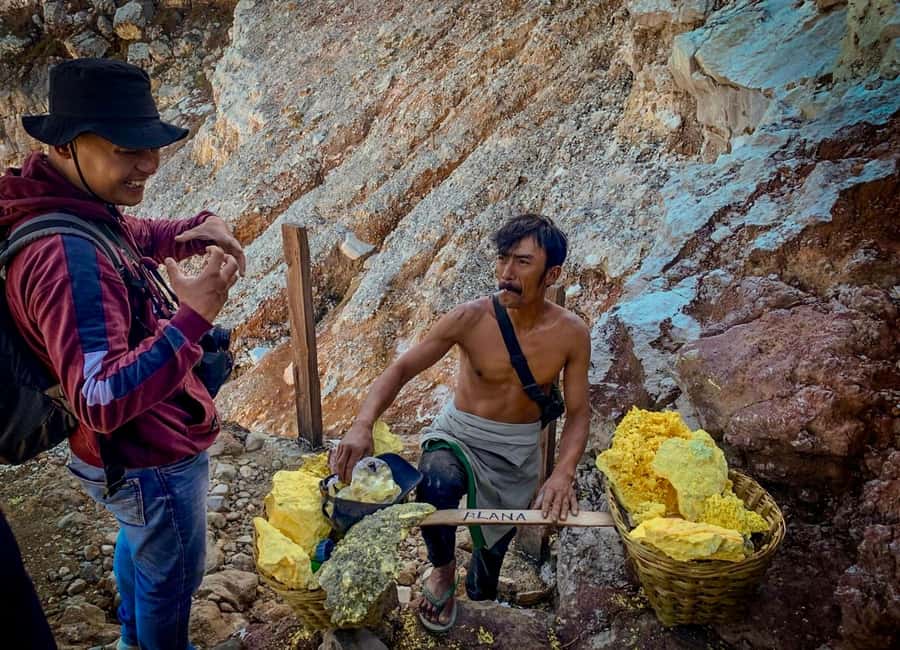
The headline is obvious: blue flames. But the details matter because they affect your expectations and your photos.
The tour data says:
- You may see the blue fire, but it’s not guaranteed.
- Visibility depends on weather and conditions.
- Miners sometimes extinguish the blue flames so they can continue sulfur mining work more effectively.
Then there’s the access reality after the earthquake:
- The info explicitly notes you may not be allowed to go down to the crater floor (blue fire area).
- You can still see blue fire from an off-limit distance (around 500 meters from the rim).
So what should you do?
- Be mentally prepared that you’re chasing a moment, not a guarantee.
- Show up with patience. Even if you don’t get flames, the crater area and miner activity still make Ijen intense and unique.
QimQim’s Hike Style: Pacing, Crowd Control, and Check-Ins
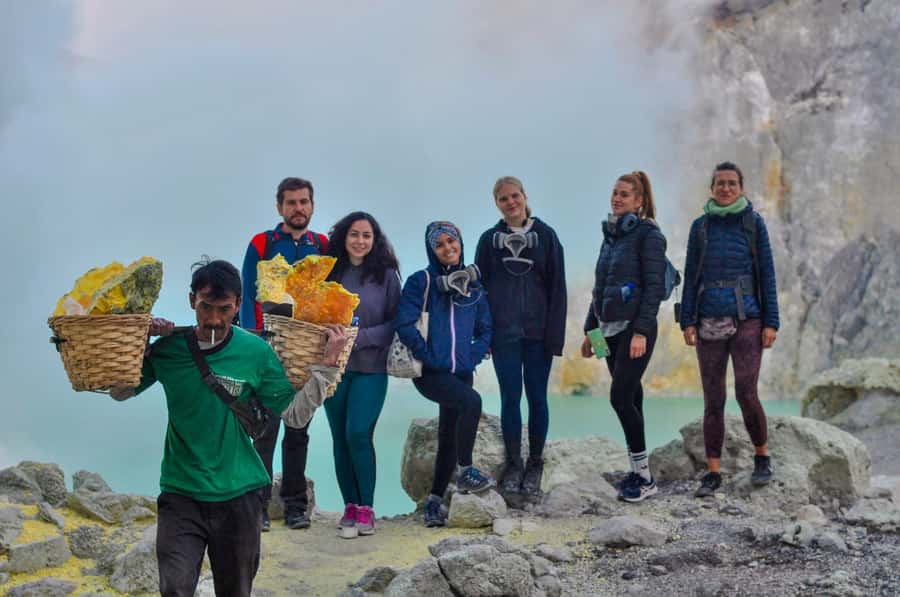
The biggest reason people rave about this tour is not only the volcano. It’s the guide style.
The guide named in the provided information is Haqim, nicknamed QimQim. Across the reviews, QimQim is described as enthusiastic, engaging, punctual, and strong at handling situations. A common theme: he helps the group reach the blue fire area and sunrise viewpoint early, which means less crowd pressure when it’s time for photos.
A practical advantage of moving early:
- You spend time with the blue flames before the biggest wave of hikers arrives.
- At sunrise, you have room to breathe, take pictures, and listen instead of being pushed into a line.
From the review notes, you might also work with team members such as Ron Ron, Rosif/Rosief, Bagus, Wahyu, Sule, Qi Qi, Saiful, Ahmad, and Raffi. The consistent idea is the same: multiple guides help manage pace and safety so the climb feels controlled.
And in hard moments, people report support—step-by-step help on steep sections and quick responses if someone feels unwell.
How Hard Is It, Really? Fitness, Heights, and Breathing
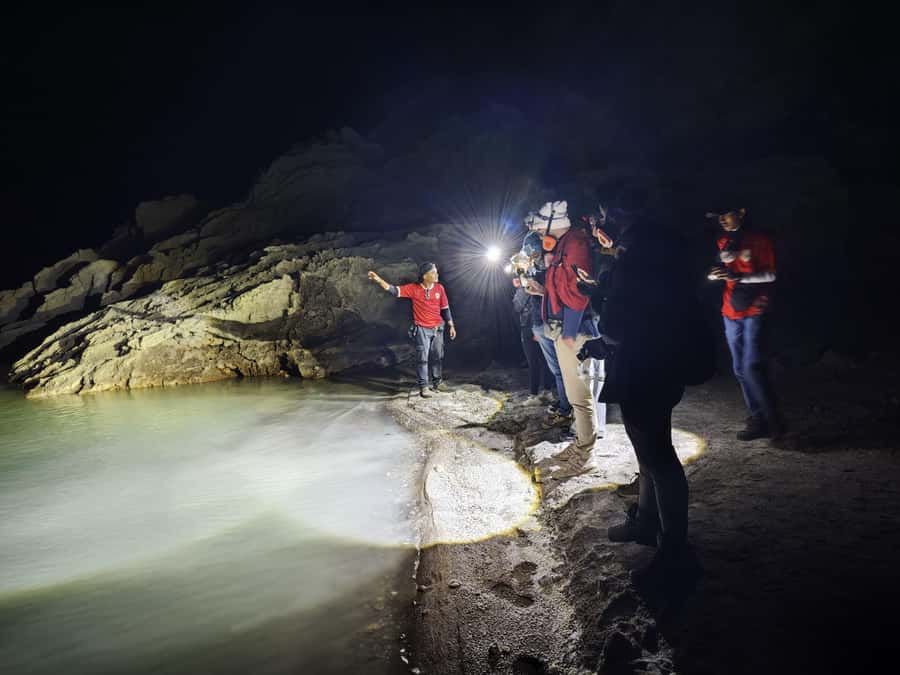
This is a tough hike, and the tour data is very direct about who shouldn’t attempt it.
Not suitable (from the tour information):
- Wheelchair users
- People with low level of fitness
Also, you should think twice if you:
- Have a fear of heights
- Have asthma or heart conditions
The hard parts you should expect based on the nature of Ijen and the tour notes:
- Cold + darkness early in the morning
- Steep, uneven footing
- Fumes risk near crater areas (hence the gas mask and safety rules)
- Crowding on the return if you’re not positioned early
The good news is that the guide team focuses on pace management. Many reviews highlight that people could descend at their own pace and still catch the sunrise.
Value Check: What $15 Buys You (and What It Doesn’t)
At $15 per person, the value comes from what’s included, not the headline price.
Included value you’d normally pay for or scramble to arrange elsewhere:
- National park entry
- Guide
- Safety gear (gas mask/respirator and headlamp)
- Trekking equipment
- Tickets/administration
- Pickup and drop-off in Banyuwangi central area
- Hot coffee/tea at the viewpoint
Not included:
- Food and drinks
So the real cost to you becomes:
- Food/snacks you bring
- Any upgrades you choose to make transit easier (especially if you start from Bali)
For me, the main value question is simple: can you handle a physically hard night hike and cold sunrise? If yes, the included gear and early timing make the price feel like a bargain. If no, you might still see the crater—but you could end up stressed rather than satisfied.
Who Should Book This Ijen Midnight Blue-Fire Tour?
This tour is a strong fit if you:
- Want maximum odds of seeing blue fire and a peaceful sunrise window
- Like guided structure and safety-focused pacing
- Can hike at night and climb back up at dawn
- Are okay with a small-group feel since it can be shared with other participants
It might be the wrong fit if you:
- Need an easy hike (this is not it)
- Have respiratory or heart issues, or asthma triggers
- Hate steep steps or heights
- Want a fully guaranteed blue fire experience
Also, check the schedule note: Ijen is closed every first Friday of the month. If your dates land there, you’ll need a different plan.
Quick Reality Notes Before You Go
- The tour says blue fire is not guaranteed.
- Other participants can join, so this is not a private tour.
- You’ll need to send passport info for the Mount Ijen ticket and provide a health certificate.
- If you start from Bali, prepare for a longer travel day (drive + ferry + meeting on Java side).
- The pickup time from Banyuwangi Train Station or Ketapang port is listed as needing to be ready at 23:00.
- Languages are English, Indonesian, and Malay.
Should You Book This Tour?
I’d book this if you want the classic Ijen experience with strong guide leadership and a real focus on timing. The combination of gas mask + headlamp, sunrise tea/coffee, and a team that pushes for early access is exactly what turns this from a line-watching activity into a moment you remember.
Don’t book if you’re expecting a gentle walk, or if your body or mind can’t handle cold, steep steps, heights, and breathing stress near a volcanic area. And keep your expectations flexible about blue fire and crater access given current safety limits.
If you’re in good hiking shape and you respect the safety guidance, this is one of the better ways to tackle Ijen from Banyuwangi or even from Bali—because you’re paying for the hardest parts (timing, gear, guide support), not just buying a ticket.
FAQ
What time does pickup happen from Banyuwangi?
Pickup in Banyuwangi is listed around 23:00 to 23:30. If you’re meeting at Banyuwangi Train Station, you should be ready at 23:00.
Is blue fire guaranteed on this tour?
No. Blue fire is described as not guaranteed. Weather conditions and how the miners manage flames can also affect what you see.
Can I go down into the crater?
The information says that after the July 2024 earthquake, tourists are not allowed to go down to the crater (blue fire area). You may still see blue fire from about 500 meters off the rim, and any descent where allowed must follow the guide’s safety instructions.
What gear is included for the hike?
Included items are a gas mask with respirator and a bright headlamp, plus trekking equipment and the Mt Ijen National Park entry fee.
Does the tour include food?
No. Food and drinks are not included. Coffee or tea is included at the summit/viewpoint.
What should I bring with me?
Bring warm clothing, snacks, hiking shoes, a jacket, rain gear, long pants, cash, and any personal medication.
Is this a private tour?
No. It may be shared with other participants, so it’s not private.
What about the Bali departure option?
The Bali option includes pickup in Bali, driving to Gilimanuk port, ferry crossing by yourself, then meeting at Ketapang port and heading to Paltuding for the hike.
Is Mount Ijen ever closed?
Yes. Mount Ijen is closed every first Friday of the month.