REVIEW · TOKYO
Mt. Fuji, Hakone Full-Day Private Tour with English Driver Guide
Book on Viator →Operated by NIHON HORIZON TOUR · Bookable on Viator
Chasing Mount Fuji by car is different. I love the easy hotel pickup and the way the private driver can tailor stops around Hakone and the Fuji Five Lakes. I also like the full day of viewpoints packed into a 10-hour schedule, from Subaru Line 5th Station to Hakone’s red torii. One watch-out: on some days the 5th station or activities can shift, and time can feel tight in rain or traffic.
You’ll ride in a comfortable, air-conditioned private vehicle with a driver who speaks English, plus a mobile ticket to keep things smoother. You can also pick a focus point around Hakone or Mt. Fuji, or let your guide suggest the best fit for the conditions.
In This Review
- Key moments that make this tour worth your time
- Price and what you’re really buying with a private group of up to 7
- The real logistics: 10 hours, many stops, and why weather changes everything
- Hotel pickup in Tokyo: the easiest start you’ll find for Fuji day trips
- Mt. Fuji Subaru Line 5th Station: the altitude payoff and the souvenir reality
- Lake Kawaguchiko: Fuji reflections, cruise energy, and the Kachi Kachi option
- Oshino Hakkai: snowmelt ponds with a calm, old-Fuji vibe
- Owakudani Kurotamago: steaming volcanic drama and the black egg story
- Hakone Lake Ashi and the red torii: where photos get real
- Arakurayama Sengen Park and Chureito Pagoda: the viewpoint rhythm (and why two stops appear)
- Saiko Iyashi no Sato Nenba and Fuji-Q Highland: culture village energy plus one included thrill stop
- Guide style can make or break the day: what I’d ask before you go
- Lunch, queues, and how to avoid wasting your precious minutes
- Should you book this Mt. Fuji and Hakone private tour?
- FAQ
- How many people are included in a group booking?
- How long is the tour?
- Is hotel pickup and drop-off included?
- What’s included in the price besides the vehicle and guide?
- Are entrance fees included for all stops?
- Do I get to customize the itinerary?
- What if the weather is bad for seeing Mt. Fuji?
Key moments that make this tour worth your time
- Hotel pickup and drop-off so you’re not wrestling trains or taxis
- Mt. Fuji views at altitude at the Subaru Line 5th Station (weather dependent)
- Fuji Five Lakes stop with Lake Kawaguchiko options like a cruise or ropeway up to Kachi Kachi Mountain
- Oshino Hakkai ponds + Owakudani black eggs for classic Fuji area culture and volcanic energy
- Hakone Lake Ashi and the red torii at Hakone Shrine along the shore
Price and what you’re really buying with a private group of up to 7
This tour runs $495.51 per group (up to 7), so the math gets friendly fast if you’re traveling as a family or a small group. You’re paying for two things most people struggle to organize on their own: one vehicle with hotel pickup and a plan that strings together far-flung spots in a single day.
What’s also important is what’s not included. Lunch and most activities have extra fees, and Fuji-related entrance costs apply at the 5th Station. Still, the value can hold up if you’re the type who wants to see a lot in limited time without spending your day stuck in transit.
Just be honest about the day’s pacing. With up to a dozen stops on the schedule, you’re not doing a slow museum stroll. You’re doing fast, high-impact sightseeing where timing matters.
You can also read our reviews of more tours and experiences in Tokyo.

The real logistics: 10 hours, many stops, and why weather changes everything
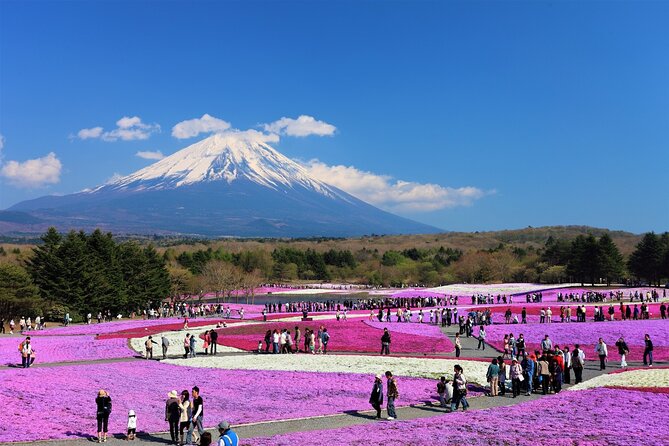
This is a 10-hour, hotel-to-hotel style day. That time limit is why the route is built around short visits (often 30 minutes) and a few longer pockets (like the 1-hour Arakurayama Sengen Park and the 1-hour Fuji-Q Highland stop).
Here’s the practical part: when clouds roll in, you lose the one thing everyone came for—clear Mt. Fuji views. The tour itself is explicit that it requires good weather, and cancellation due to poor weather is possible. On bad-weather days, your guide may adapt the plan so you still get meaningful sights rather than just driving to viewpoints that can’t deliver.
One more timing note from the fine print: if the day runs longer than 10 hours, there’s an extra charge of 5,000 yen per extra hour after 10 hours. In rain or with delays, that can matter. My advice: build in patience, and if your must-see is weather-sensitive (like Fuji viewpoints), ask your guide how they plan to prioritize it early.
Hotel pickup in Tokyo: the easiest start you’ll find for Fuji day trips
Starting with pickup is the whole point of a private tour from Tokyo. You don’t have to figure out the train transfers, lug bags, or time your day around schedules that don’t care about your photography goals.
Expect an air-conditioned vehicle, plus a driver/guide who speaks English. You can also request your pickup address, and the tour notes that you’ll be dropped back either toward Tokyo or toward the Mt. Fuji/Hakone area depending on what you choose.
I particularly like how this format supports flexibility. If you’re traveling with kids, or if someone in your group needs slower breaks, the driver can adjust how you spend your short windows. That’s the difference between “seeing places” and “having a workable day.”
Mt. Fuji Subaru Line 5th Station: the altitude payoff and the souvenir reality
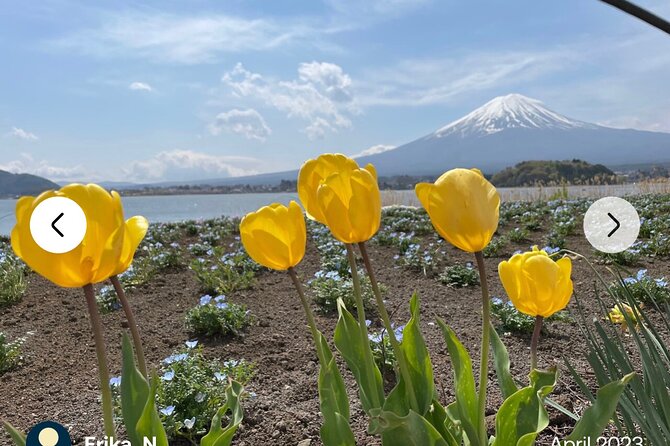
The 5th Station sits at about 2,300 meters above sea level, and that’s why it matters. If the sky is clear (and not rainy), you can get a close, dramatic view of Mt. Fuji, plus a feel for what climbers experience when they reach the higher zone.
You’ll also find a concentrated mix of things tourists actually want here: a lot of souvenir shopping and the general buzz of people planning for (or imagining) the climb. The station is also described as a key point for climbers aiming to go up to the summit.
The drawback is simple: weather. When visibility drops, the “wow” factor drops with it. It can also happen that the 5th Station isn’t available on a given day, so have your expectations anchored in more than one viewpoint. If that happens, you’ll be glad the route includes other photo spots later.
Lake Kawaguchiko: Fuji reflections, cruise energy, and the Kachi Kachi option
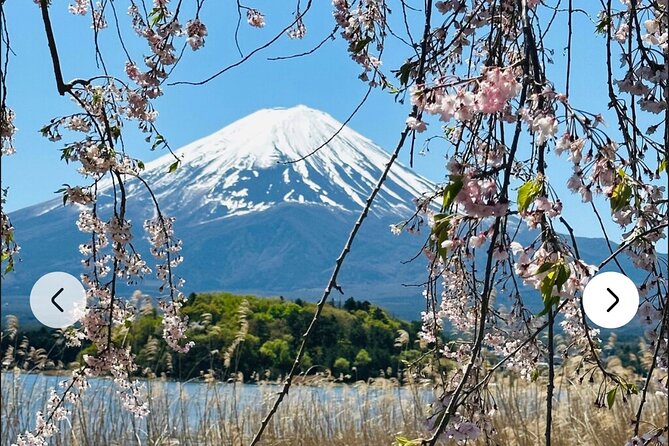
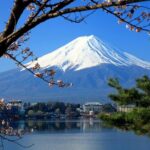
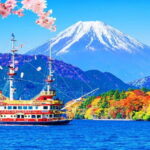
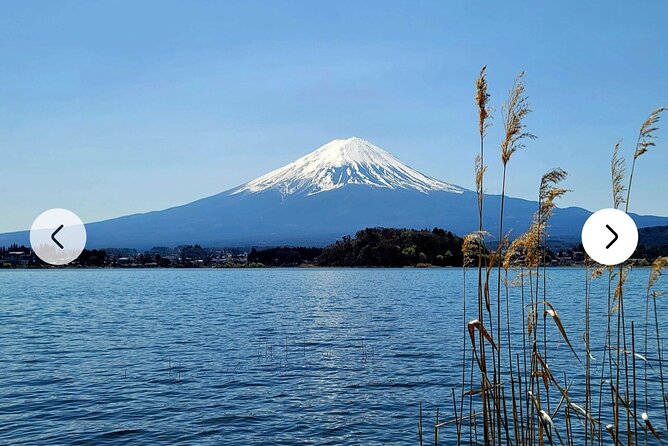
Lake Kawaguchiko is the gateway to the Fuji Five Lakes area, and it’s where the day starts to feel like real Fuji country rather than just a road trip. The lake is positioned as a place where you can see very close views of Mt. Fuji when conditions cooperate.
This stop gives you optional experiences tied to the lake. You can do a ship cruise on Lake Kawaguchiko, and there’s also a ropeway option connected to Kachi Kachi Mountain (often described as a cable car experience). The idea is to give you multiple ways to chase the same goal: that clean Fuji view over water or from a higher vantage point.
Time-wise, plan for around an hour at the lake area (plus another short stop focused on the boat and the Kachi Kachi connection). If you’re sensitive to seasickness, note that the cruise segment is time-boxed, so ask your guide what’s realistic before you commit. If you’re more focused on photos, you may prefer the higher viewpoint rather than spending time on the water.


Oshino Hakkai: snowmelt ponds with a calm, old-Fuji vibe
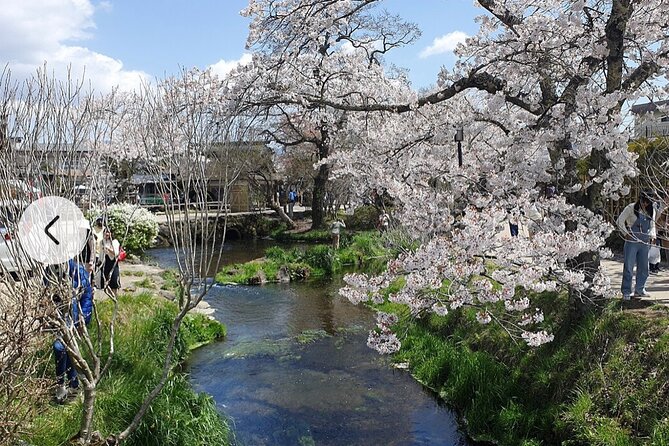
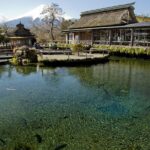
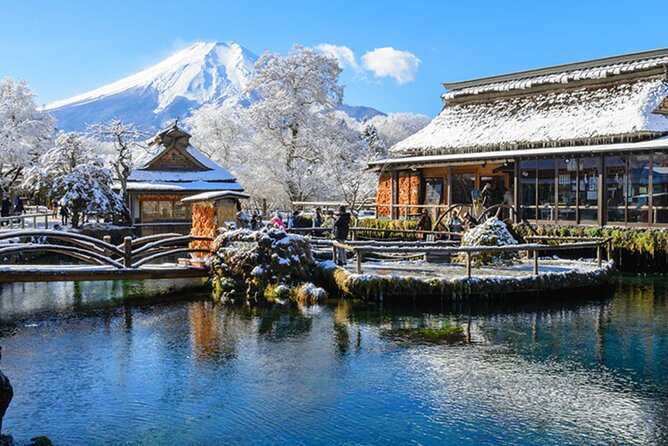
Oshino Hakkai is the Eight Seas of Oshino: eight ponds fed by snowmelt in the Fuji Five Lakes area. This stop is often the “slow down and look” moment in a fast itinerary.
The pacing is short (about 30 minutes), but the ponds are the kind of place where even a brief walk helps you reset your eyes after busier viewpoints. It also works well as a non-weather-dependent cultural break. Even when Mt. Fuji is hidden behind clouds, you still have water, stone, and the distinctive look of the area.
If you only have one “nature-and-culture” stop that feels different from the ropeway and torii-photo moments, this is usually the one.
Owakudani Kurotamago: steaming volcanic drama and the black egg story
Owakudani is all about the volcano. You’ll see steaming thermal vents, and the stop is specifically tied to the famous black eggs (boiled in the sulfurous waters). Even if you don’t buy snacks, the area itself has a strong sensory presence—steam, smell, and that raw feeling of geothermal activity.
This part of the itinerary is free at the listed stop, but it’s still a meaningful diversion. It’s also a good reminder that Mt. Fuji is not just a pretty mountain. It’s a living volcanic system that shapes the region.
The practical downside: steam and weather. If it’s windy or rainy, the experience can be less comfortable. Wear a layer that handles cool air and keep a small towel handy if you’re sensitive to dampness.
Hakone Lake Ashi and the red torii: where photos get real
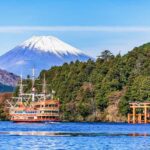
From the Fuji Five Lakes area, you move into Hakone territory. At Lake Ashinoko, the highlight is the Hakone Shrine red torii gate along the shoreline, known as the Gate of Peace (heiwa no torii).
This stop is shorter (around 30 minutes), so the goal isn’t a long cruise day. It’s more about getting that signature torii-in-the-water photo and soaking up the scenic Hakone mood—often with Mount Fuji visible in the distance if the day cooperates.
The stop list also includes Kitaguchi Hongu Fuji Sengen Jinja Shrine, which connects the region’s spiritual identity to Mt. Fuji. It’s described as one of about 1,300 Asama shrines, devoted to volcanoes generally and Mt. Fuji in particular, and part of the Mt. Fuji UNESCO World Heritage setting.
If you like when a trip answers the why, not just the what, this shrine segment adds depth without adding time pressure.
Arakurayama Sengen Park and Chureito Pagoda: the viewpoint rhythm (and why two stops appear)
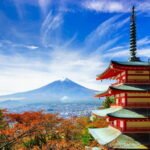
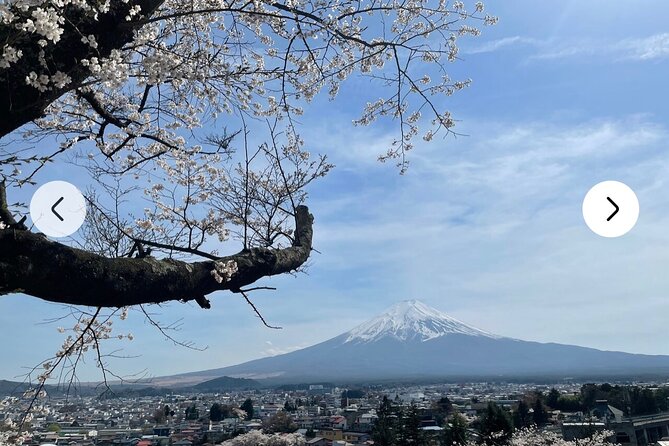
This is the famous viewpoint area near Fujiyoshida: Arakurayama Sengen Park with panoramic views, and the Chureito Pagoda overlooking the city with Mt. Fuji in the distance when possible.
The schedule includes both Arakurayama Sengen Park (about 1 hour) and a separate Chureito Pagoda stop (listed as 1 hour, with the pagoda described as five storied). In practice, you should treat these as one connected sightseeing zone. The second stop likely functions as extra time for photos, viewpoints, or a slower circuit if the first is rushed.
Reality check: these spots can get crowded, and in poor visibility you’re mostly photographing the pagoda silhouette rather than Fuji. If your timing allows, aim to hit the pagoda when light is most flattering and take a few minutes for different angles instead of rushing one shot.
Saiko Iyashi no Sato Nenba and Fuji-Q Highland: culture village energy plus one included thrill stop
Saiko Iyashi no Sato Nenba is a reconstructed traditional village with over 20 restored thatched-roof buildings, located on the shores of Lake Saiko. This stop is brief, but it’s a nice shift from volcanic vents and lake views into lived-in rural visuals. Even if it’s reconstructed, it gives you a stronger sense of everyday Japan beyond the famous postcard points.
Then there’s Fuji-Q Highland at the Fuji-Q Highland Tourist Information Center. The interesting twist here is that admission for this stop is listed as included, and you get about 1 hour.
One hour is not enough to do the whole park. So think of it as time to pick one or two highlights or just wander the area. If you’re traveling with thrill-seekers, this is a bonus. If you’re not into amusement parks, treat it as a scheduled break in the middle of a long day.
Guide style can make or break the day: what I’d ask before you go
This tour is sold as a private experience with an English-speaking driver/guide. In real life, “guide” can mean different levels of engagement. Some days you’ll get someone who actively shares context, helps with timing, and even factors in early starts to avoid traffic.
Some guide names tied to great experiences include Hussain and Nomi, Hassan, Rana, Adeel, Sunny, and Zain Ali (and sometimes Prince). People also describe certain guides as good with photography and helpful in keeping the day moving.
But there’s also a caution worth taking seriously: not every day’s driver offers the same amount of walking-and-explaining once you arrive at each stop. On a few trips, people felt more like they were being transported than guided. If you want true commentary at every stop, it’s smart to set expectations early by asking your guide what they will do at each location—walk-throughs, quick explanations, or mostly waiting in the car.
Lunch, queues, and how to avoid wasting your precious minutes
Lunch and food aren’t included, and most stops are time-boxed. That means you need a strategy for meals and restroom breaks. Don’t treat this like a day where you can “figure it out later,” because you’re working within short windows like 30 minutes at several sites.
Keep a snack in your bag and plan for cashless vs cash-based purchases. Entrance and activity costs you should plan for include:
- Mt. Fuji 5th Station admission (¥2,100 per person)
- Optional activities like ropeway/cable car or ship cruise (listed as an extra $15 per person)
- Most other stops are listed as free at the stop level (like Oshino Hakkai and Owakudani in the schedule)
If your group includes people who want to sit down and take their time, decide in advance where you’ll spend extra minutes and where you’ll be quick. That keeps the day from feeling stressful.
Should you book this Mt. Fuji and Hakone private tour?
Book it if you want a high-efficiency day that takes you from Tokyo to Mt. Fuji viewpoints, into the Fuji Five Lakes area, and then on to Hakone’s signature torii-and-lake scenery—without train transfers or taxi wrangling.
Skip it or choose a different style if your top priority is relaxed pacing, or if you need a deeply guided, walk-with-you narration at every stop. Also think twice if you’re extremely dependent on one specific weather-sensitive viewpoint, like a clear look from Subaru Line 5th Station.
FAQ
How many people are included in a group booking?
The tour price is listed per group up to 7 people.
How long is the tour?
The duration is about 10 hours.
Is hotel pickup and drop-off included?
Yes. Pickup and drop-off are included, and you can send your pickup address as a special requirement.
What’s included in the price besides the vehicle and guide?
The included items listed are an air-conditioned vehicle, highway toll tax, gasoline/patrol, and an English-speaking driver/guide. Mobile ticket is also included.
Are entrance fees included for all stops?
No. Mt. Fuji 5th Station admission is not included (¥2,100 per person). Ropeway/cable car or ship cruise costs are also not included (listed as $15 per person). Some stops like Oshino Hakkai and Owakudani are shown as free, and Fuji-Q Highland admission is listed as included for that stop.
Do I get to customize the itinerary?
Yes. The tour notes that you can choose one place around Hakone or Mt. Fuji, or the driver guide can suggest the best option.
What if the weather is bad for seeing Mt. Fuji?
The experience requires good weather. If it’s canceled due to poor weather, you’ll be offered a different date or a full refund.