REVIEW · TOKYO
Tokyo: Ramen Tasting Tour with 6 Mini Bowls of Ramen
Book on GetYourGuide →Operated by Tokyo Ramen Tours · Bookable on GetYourGuide
Six bowls, one great ramen education. In Tokyo, you get to taste three award-winning ramen shops and learn how style, broth, and noodles change the whole experience. You also get to choose your favorites from 11–12 options, then narrow it down to six mini bowls meant for sampling.
What I really like is the structure: 6 mini bowls instead of one big bowl, so you can compare flavors without feeling ruined halfway through. The other big win is the teaching style, with guides using slides/handouts (and even tablets) to explain ramen origins and preparation in plain English. One catch: this tour involves about 3 kilometers of walking, so comfy shoes matter if your fitness level is more couch than city.
In This Review
- Key things you’ll notice on this ramen tour
- Why six mini bowls are the smarter way to eat ramen in Tokyo
- Price and what you’re really paying for at $122
- The walking route: what 3 kilometers feels like at ramen speed
- How the tasting works: choosing 6 bowls from 11–12
- Shibuya Route ramen: Hokkaido classics, tonkotsu fusion, curry comfort
- Shinjuku Route ramen: Tokyo classics, rich chicken paitan, and luxe chicken or fish
- Ueno Route ramen: Kyushu depth, tsukemen dipping texture, and modern Tokyo bowls
- The ramen lesson: origins, types, and preparation you can use later
- What’s included, and what you should plan for yourself
- Dining comfort and etiquette: how to get the most from each stop
- Who should book this Tokyo ramen tasting tour?
- Should you book it? My honest take on the decision
- FAQ
- How many ramen bowls do I taste on the tour?
- How long is the Tokyo ramen tasting tour?
- Where does the tour start and end?
- What neighborhoods are included?
- Is the tour vegetarian or vegan friendly?
- How much walking is involved?
Key things you’ll notice on this ramen tour
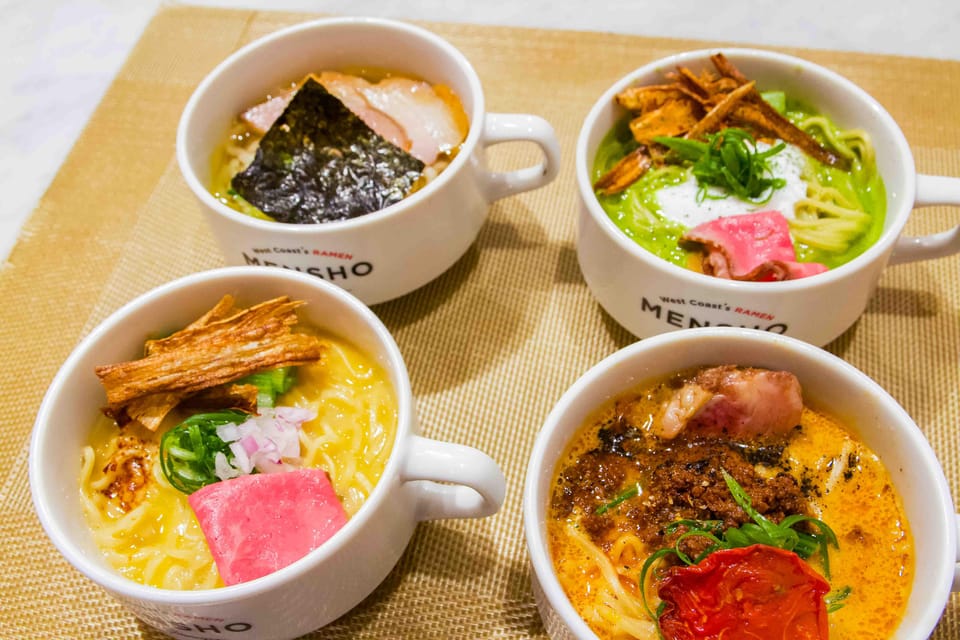
- You pick your 6 ramen from 11–12 choices, then compare styles shop to shop
- Mini bowls are about 1/4 size, designed for tasting instead of stuffing
- Three neighborhoods in one evening, including Shibuya or Shinjuku depending on the route
- English-language guidance with visual aids like slides and tablet-style explanations
- Small group size (max 8) keeps the pace friendly and questions easy to ask
Why six mini bowls are the smarter way to eat ramen in Tokyo
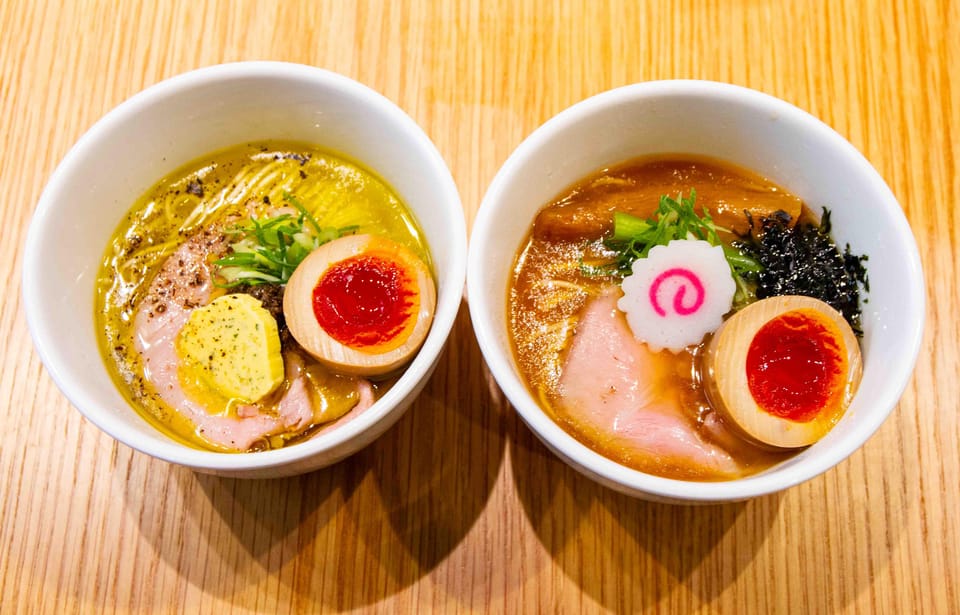
Tokyo has a lot of ramen. The usual problem is simple: you can’t taste much if you commit to one bowl. This tour solves that by serving six mini bowls at three different shops, each around 1/4 the size of a full bowl.
That size matters. Mini bowls are built for comparison. You can notice how the broth texture changes, how the noodle bite differs, and how toppings shift the overall taste. By the end, you’re not just full—you’re starting to speak ramen. You can point to what you liked and say why, instead of just ranking bowls in a blur.
The other smart part is choice. You don’t just get assigned a set menu. You get to choose 6 ramen from 11–12 options, which lets you steer the tour toward your comfort zone or your curiosity. Want something creamy and pork-forward first? You can. Want curry or something less expected? You can try that too.
You can also read our reviews of more tours and experiences in Tokyo.


Price and what you’re really paying for at $122
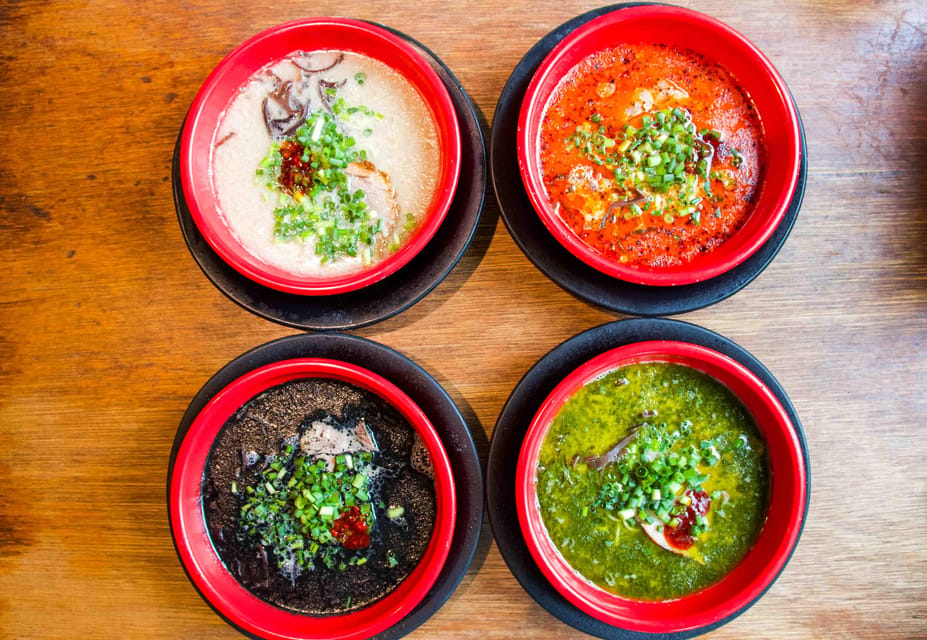
At $122 per person for about 3 hours, this isn’t a cheap snack crawl. You’re paying for three things at once: guided context, curated shop stops, and multiple servings without the usual planning headache.
Here’s how I think about value. You’re getting six ramen tastings plus one beverage, which adds up fast in Tokyo if you’re paying full bowls at multiple places on your own. Then there’s the time savings: you’re not hunting for “the right” shop for each style, and you’re not figuring out ordering through a language barrier.
And the guide adds real value because this tour isn’t just eating. It’s learning how ramen became what it is in Japan and why a tonkotsu bowl tastes different from a curry bowl or a dipping-style bowl. When the guide is strong, the whole meal becomes a lesson you can actually use later when you’re picking where to eat next.
If you’re the type who already knows your ramen favorites and just wants one perfect bowl, you might prefer to spend your money on a single high-end meal. But if you want a fast education plus variety, the math starts to make sense.
The walking route: what 3 kilometers feels like at ramen speed
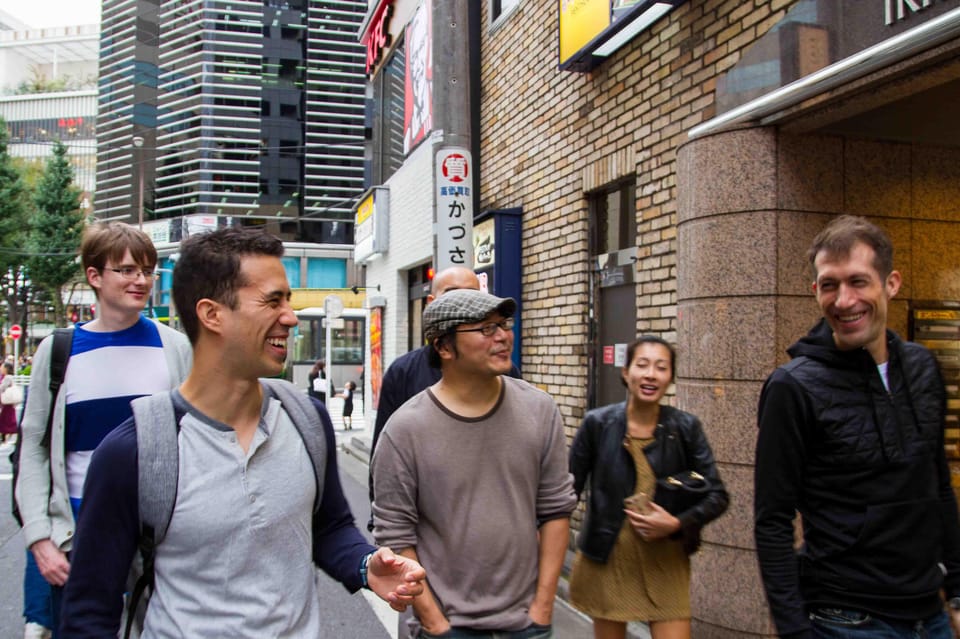
The tour is around 3 kilometers (1.86 miles) of walking, and it’s not really optional. That walking is part of the experience because ramen shops are often tucked into streets where you’ll feel Tokyo at street level, not just from inside a subway car.
That said, you should plan your energy. Three hours plus six tastings means your body has to keep up. You’ll likely move between neighborhoods (and you may use short transit segments to connect them), but the main point is you’re on your feet.
So how do you make this work?
- Wear shoes you can stand in for a while.
- Don’t treat this like a late-night “one more thing” if you’re already tired.
- Eat a light meal earlier if you can, or skip lunch. With mini bowls, you can still end up comfortably full.
If you have low fitness or you’re traveling with mobility limits, this is the part to take seriously.
How the tasting works: choosing 6 bowls from 11–12
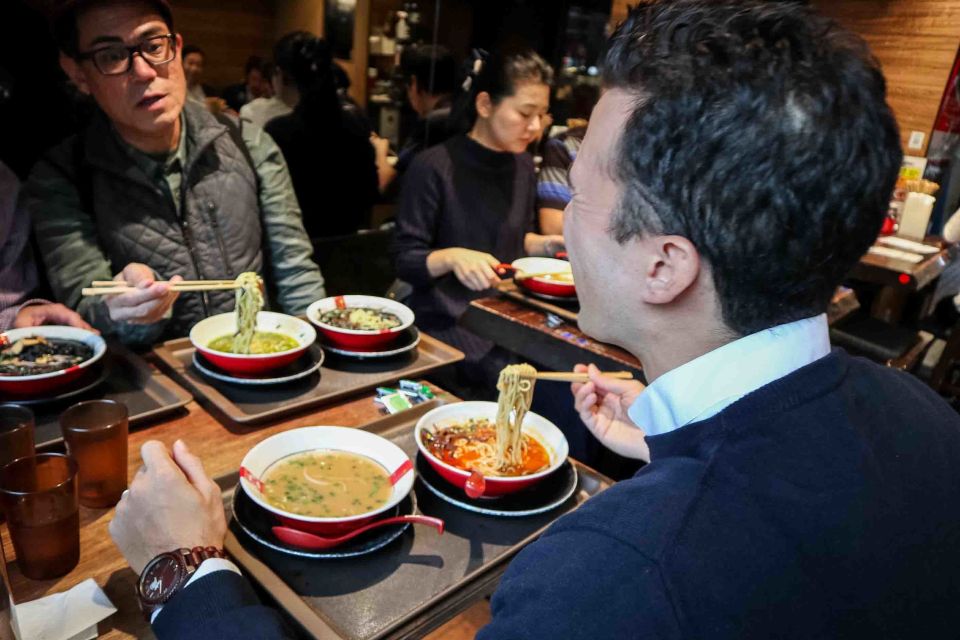
This tour is built around decisions. At each stage, you’ll sample six completely different mini bowls. The mini bowls are about 1/4 of a typical full portion, and that’s intentional: you should be able to taste, compare, and still enjoy the final stop.
You’ll also learn what you’re eating. Expect the guide to connect each bowl to a bigger ramen category—broth style, noodle type, and how preparation changes the flavor.
A big detail that helps: the tour guides often use visual tools. Some tours lean on slides or handouts, and you may also see tablet-style explanations. It’s the difference between hearing random ramen facts and actually being able to remember the basics while you’re eating.
When you choose your bowls, think like a sampler:
- Pick at least one “classic” broth type (for a baseline).
- Pick one bowl that sounds adventurous (curry, dipping style, chicken-rich paitan, and so on).
- Save a comfort pick for the last stop so you finish happy, not just full.
Shibuya Route ramen: Hokkaido classics, tonkotsu fusion, curry comfort
On some days, the route starts with Shibuya. If you book for the Shibuya route, you’ll stop at three ramen shops, each with a distinct style:
Shop 1: Classic Hokkaido ramen
Hokkaido ramen often signals a comforting regional approach. On this tour, it’s a great first stop because it sets up what “regional identity” tastes like—what makes a style feel local instead of generic.
Shop 2: Fusion tonkotsu ramen
This is where pork-bone flavor usually brings body and depth. The fusion angle can mean you’ll get something slightly unexpected, which is good because you’re not just repeating the same taste. You’re training your palate to recognize tonkotsu structure while still having something new to notice.
Shop 3: Savory curry ramen
Curry ramen changes the game. The broth becomes more aromatic and warming, and the whole bowl often tastes less like a single-note pork or soy experience and more like a complete flavor profile. It’s a satisfying finale if you’re curious about how far ramen flavors can stretch.
What makes this route especially fun is the contrast: you move from a classic regional feel to richer pork-bone style to a curry-forward bowl. By the end, you’ll understand why ramen isn’t one thing.





Shinjuku Route ramen: Tokyo classics, rich chicken paitan, and luxe chicken or fish
Other days run a Shinjuku route instead. This one also has three stops with three clear personality styles:
Shop 1: Classic Tokyo ramen
Starting with Tokyo-style gives you a baseline that many people associate with familiar ramen flavors. It helps you calibrate so the later bowls feel easier to compare.
Shop 2: Modern tori paitan (rich chicken ramen)
Tori paitan shifts the focus. Instead of pork-bone richness, you’re in chicken territory—often creamy, smooth, and comfort-focused. This is a smart stop if you want to understand how “rich” can come from different animals and different broth techniques.
Shop 3: Luxurious chicken or fish ramen
This final bowl is designed to feel more refined, depending on what the shop serves that day. The key is that you’re not just changing ingredients—you’re tasting how ramen can be treated like a more delicate dish.
If you like the idea of ramen that feels a bit more modern and chicken-forward, this Shinjuku route is a strong fit.
Ueno Route ramen: Kyushu depth, tsukemen dipping texture, and modern Tokyo bowls
Some tours run through Ueno. If your date uses this route, you’ll taste:
Shop 1: Classic Kyushu ramen
Kyushu styles often bring a deeper, bolder approach. Think of this as the “traditional power” stop—something that tastes like regional ramen has a long memory.
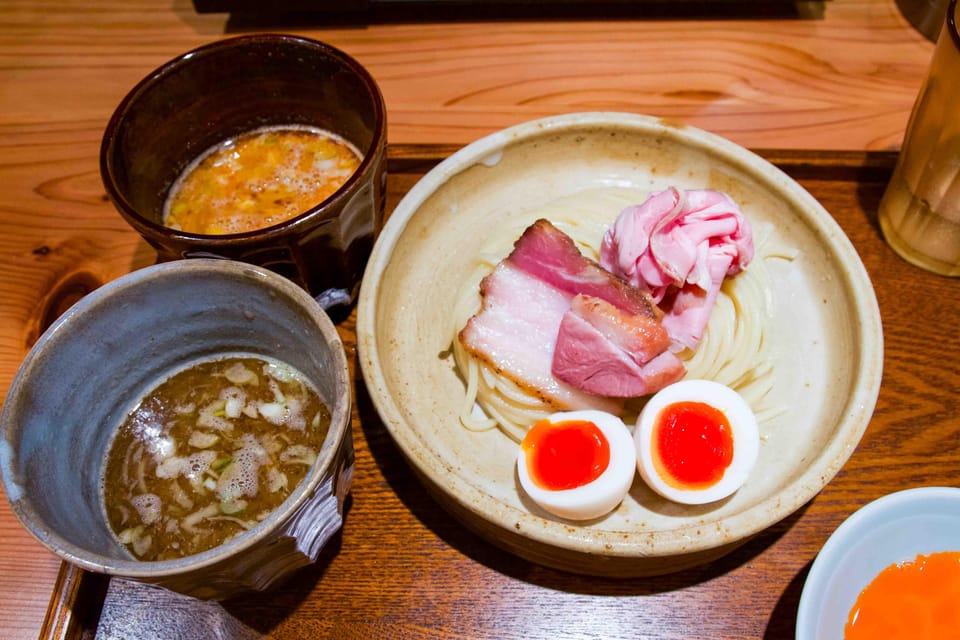
Shop 2: Contemporary tsukemen (dipping ramen)
Tsukemen is a texture lesson. You dip noodles into broth rather than eating everything together in one bowl. That changes everything: noodle texture stays firmer, and the broth hits more intensely because it’s separate.
Shop 3: Modern Tokyo ramen
Finishing with modern Tokyo helps close the loop. You’ll get a sense of how ramen evolves with time—what gets refined, what gets simplified, and what becomes a new normal.
The Ueno route is a great choice if you want variety in format, not just flavor. Tsukemen especially makes this tour feel like more than a tasting line-up.
The ramen lesson: origins, types, and preparation you can use later
What sets this tour apart is the way it teaches ramen. You’re not only eating bowls; you’re building a mental map.
Expect the guide to cover basics like:
- where ramen comes from and how it developed in Japan
- major ramen categories (broth style, noodle style, and how the bowl is assembled)
- what to pay attention to in preparation, not just taste
And because the guide often uses slides/tablet visuals, it tends to stick. One reason people love this experience is that it turns ramen into something you can understand. After the tour, you’re more likely to order confidently, recognize differences quickly, and avoid getting stuck in the tourist trap of ordering the same style over and over.
I also like that the tour doesn’t act like ramen is mysterious. It’s food science plus culture, and that makes the whole thing easier to follow.
What’s included, and what you should plan for yourself
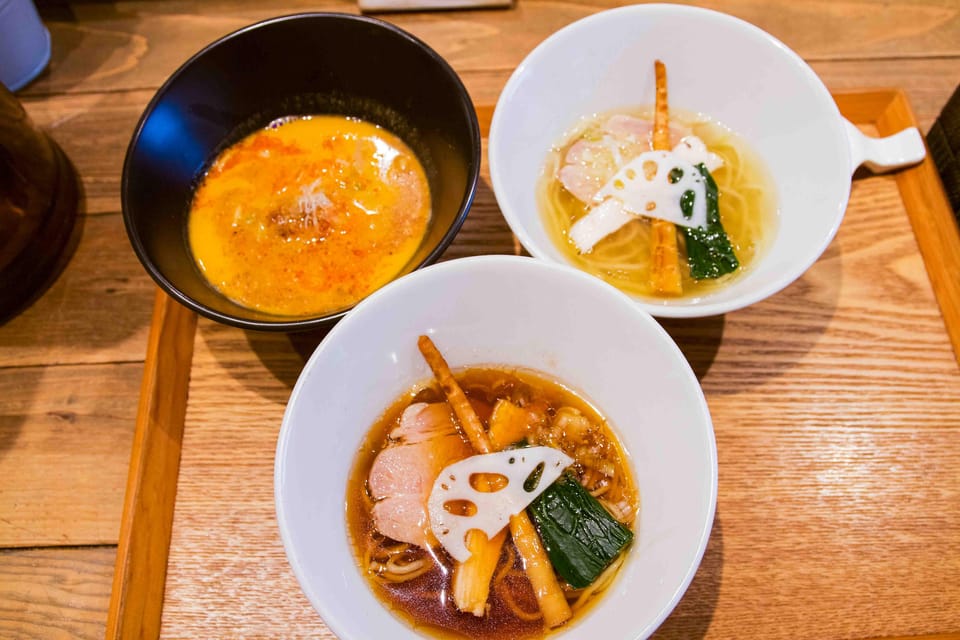
You get 6 mini bowls of ramen and 1 beverage. That’s it for the food and drink side.
You should plan for:
- your train/subway ride if needed (train tickets aren’t included)
- water needs, especially if you’re walking a lot before and after
- your appetite level
A practical tip: don’t show up starving in a way that makes you scarf the first bowl. Part of the point is tasting and comparing. Slow down, chew a bit, and notice the broth feel.
Also note one important diet detail: all ramen broths contain chicken, pork, and fish. If you’re vegan or vegetarian, this isn’t the right tour. There’s a separate vegan/vegetarian ramen tasting tour instead.
Dining comfort and etiquette: how to get the most from each stop
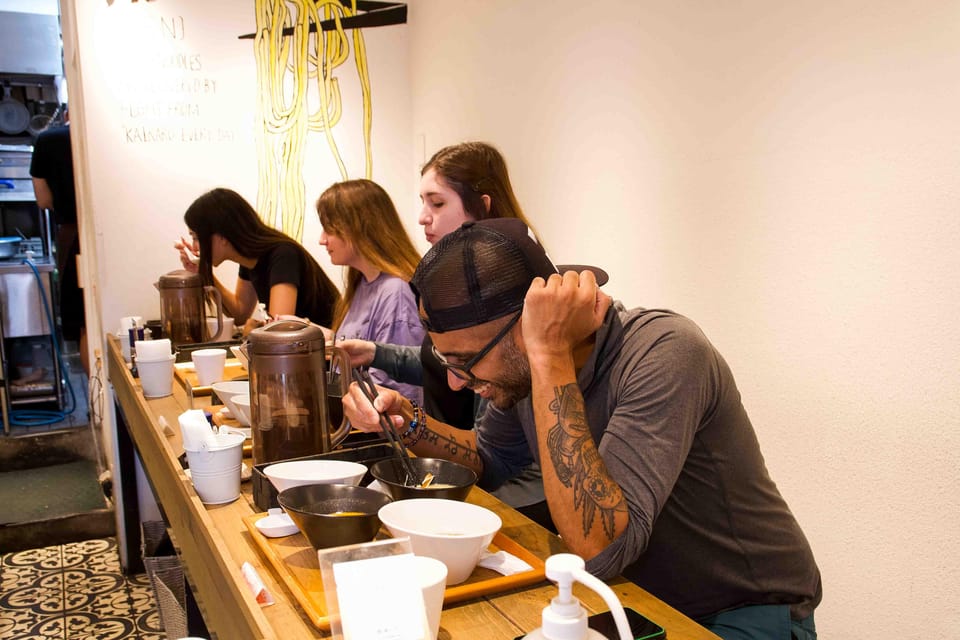
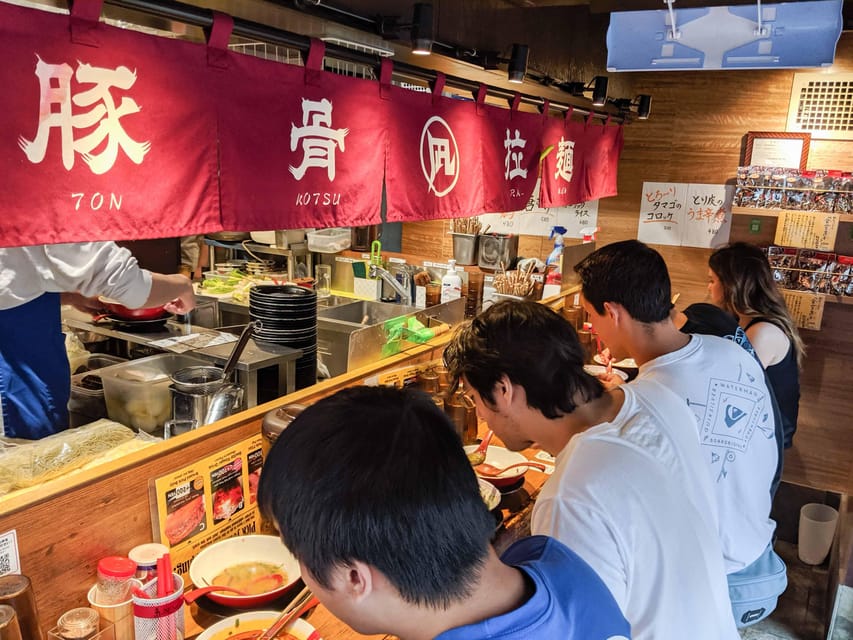
Even when you’re just sampling, you’re still in real ramen restaurants. The pacing can feel fast, and the shops can be small.
What helps:
- Keep your questions simple and focused so the guide can translate quickly.
- Watch how others eat. You’ll often see people using chopsticks and eating with confidence.
- When you’re choosing, pick one bowl that you can describe easily afterward. It helps you remember the differences.
And because this is a small group of up to 8, you’re less likely to feel rushed or lost. It also makes it easier to hear the guide when you’re standing in line or seated close together.
If rain hits, the guide may adjust. You might find that the plan can include a taxi for the last leg if weather gets rough.
Who should book this Tokyo ramen tasting tour?
This tour fits best if you:
- want to learn ramen basics fast and not just eat
- like variety and want to compare styles in a short time
- enjoy walking through Tokyo neighborhoods like Shibuya or Shinjuku
- value a small-group English guide who can answer questions
It’s also ideal for people who like food education but don’t want a classroom. You’re eating while you learn.
Consider skipping it if you:
- only want one ramen bowl and prefer independent exploration
- can’t handle about 3 kilometers of walking
- need vegan/vegetarian broth options (choose the separate tour instead)
Should you book it? My honest take on the decision
Book this tour if you want a structured ramen experience: three neighborhoods, six mini bowls, and an English guide who explains ramen in a way you can actually remember. The mini portion strategy is the big reason it works. It lets you taste more kinds without the usual ramen regret.
Don’t book it if you’re more of a choose-one-and-go eater. Tokyo can be great for that too. You can absolutely find excellent ramen without a tour. But if your goal is ramen variety plus ramen literacy, this is one of the more efficient ways to get there in a single evening.
If you do book, show up with comfortable shoes and a light plan for earlier meals. Then let yourself enjoy the comparisons. That’s where the tour pays off.
FAQ
How many ramen bowls do I taste on the tour?
You taste 6 mini bowls of ramen. The mini bowls are about 1/4 the size of full bowls, and you choose the 6 ramen from a selection of 11–12 options.
How long is the Tokyo ramen tasting tour?
The tour lasts about 3 hours.
Where does the tour start and end?
The tour starts in Shibuya and ends in Ebisu, or in Shinjuku depending on the day and route.
What neighborhoods are included?
You visit three ramen stops in three Tokyo neighborhoods. Routes include Shibuya or Shinjuku, and Ueno is also part of some routes.
Is the tour vegetarian or vegan friendly?
No. All ramen broths contain chicken, pork, and fish. There is a separate vegan/vegetarian ramen tasting tour for people who need meat-free broth.
How much walking is involved?
There is a good amount of walking, about 3 kilometers (1.86 miles), so it may not be ideal for people with low fitness levels.