REVIEW · TOKYO
Tokyo Food Tour Taste Fresh Delights at Tsukiji Market
Book on Viator →Operated by Localized Walking & Food Tours · Bookable on Viator
Tsukiji looks chaotic. That is the whole point of this tour: you get a guide to steer you through Tsukiji Outer Market without missing the best stalls. I like that it stays focused on food and local context, not a long history lecture. Plus, it runs as a small-group outing, so you’re not swallowed by the crowd.
What I really like is the built-in appetite. You get around 5–8 food samples, so you can try more than you’d likely commit to on your own. The other big win is the pacing and attention—guides can answer questions as you go, which matters when you’re surrounded by unfamiliar seafood, signage, and sudden lines.
One consideration: this is an active walking experience in a busy outdoor market area, and it requires good weather. If you hate crowds or don’t like standing in line for tastings, plan for a bit of sensory overload.
In This Review
- Key highlights you’ll feel right away
- Tsukiji Outer Market: why a guided walk is the smart move
- What you’re paying for: $90 for tastings, not just sightseeing
- Meeting point to finish: how the route works
- Stop at Tsukiji Fish Market: what you actually experience
- How the tastings tend to feel (and what to expect)
- The guide advantage in a crowded market
- Extra stops you might encounter: shrine and knife shop
- Eating strategy: come hungry, and plan your day around it
- Small group size (max 12) and why it improves the food
- Weather, walking, and comfort: the realistic side
- Is the included brunch enough for a full meal?
- Who this Tsukiji food tour is best for
- Should you book? My decision guide
Key highlights you’ll feel right away
- Chaos-taming guide route through Tsukiji’s outdoor and indoor lanes
- 5–8 included tastings plus brunch, so you’re not rationing your curiosity
- Small group size (max 12) for easier questions and tighter navigation
- Real market context about sushi and how the stalls operate
- Food-and-shop flow that ends where you can keep browsing
Tsukiji Outer Market: why a guided walk is the smart move
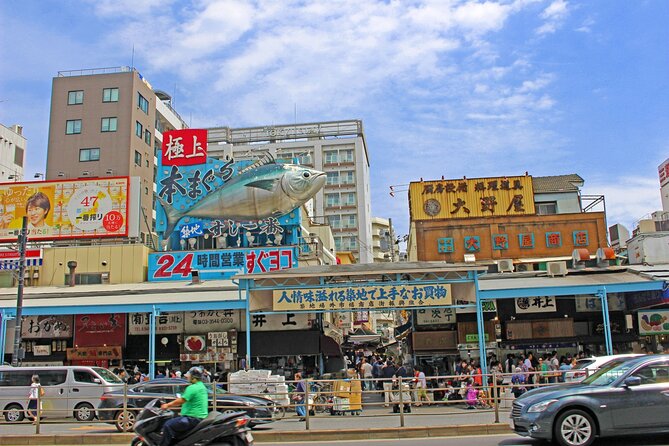
Tsukiji is famous, but that fame comes with a downside: it can feel like information overload. Streets get crowded fast, stall names repeat, and the best stuff is often in the middle of the mess—right where you can get turned around.
This tour is designed for that exact problem. You’re not just walking around for the photos. You follow a route that helps you see what matters and eat what you’re most likely to enjoy. The whole experience is short enough to fit a busy Tokyo day, but structured enough that you won’t burn time wandering.
I also appreciate that the tour isn’t trying to turn Tsukiji into a museum. Instead, it treats the market like what it is: a working food environment. That difference changes how you experience it. You notice what people are ordering, you learn how stalls think, and you start to understand why certain items show up again and again.
You can also read our reviews of more tours and experiences in Tokyo.

What you’re paying for: $90 for tastings, not just sightseeing
At $90 per person, the value mostly comes from what you avoid. Eating in Tsukiji can get expensive if you guess wrong and then still feel pressured to buy something because you’re already there.
Here, you’re paying for a bundle:
- Brunch is included
- You get around 5–8 tastings built into the route
- The guide handles the navigation and the stall-to-stall timing
That means you’re less likely to overpay for a single meal or waste the first hour trying to figure out what to order. And because the tour is only about 2 hours 30 minutes, you can still do your own shopping and extra wandering afterward without feeling like the tour hijacked your whole day.
One more practical win: the tour uses a mobile ticket, which makes it easier to find the right meeting point and stay organized when you’re already juggling train directions and change-of-plan crowds.
Meeting point to finish: how the route works
The tour starts at LAWSON Tsukiji 4 Chome Store (4-chōme-8-1 Tsukiji, Chuo City). That is a very specific landmark, which is helpful in a place where signage is dense and street layouts can confuse you.
It ends at the Tsukiji Outer Market, specifically so you can keep shopping after the tour. That ending strategy matters. Tsukiji can tempt you into buying snacks and small gifts on the spot. Leaving you at the outer market means you can turn your tastings into actual purchases while the ideas are fresh.
The group limit is 12 travelers, which generally keeps things calmer than the bigger bus-style crowd flow. It also makes it more likely your guide can steer you around bottlenecks instead of just forcing you to wait them out.
Stop at Tsukiji Fish Market: what you actually experience
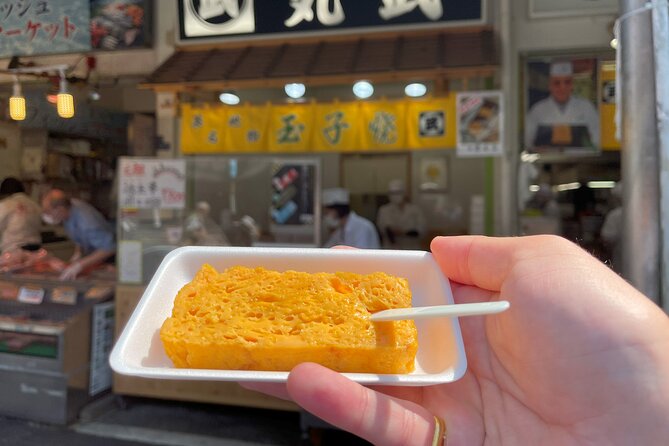
Your main stop is the Tsukiji Fish Market Outer Market area. This is where the tour’s education and eating work together.
You’ll walk around the outer market and the route is built around places where you can:
- taste a variety of seafood-focused items
- learn the history and significance tied to sushi and the market’s scale
- get practical context that you wouldn’t pick up just by wandering
How the tastings tend to feel (and what to expect)
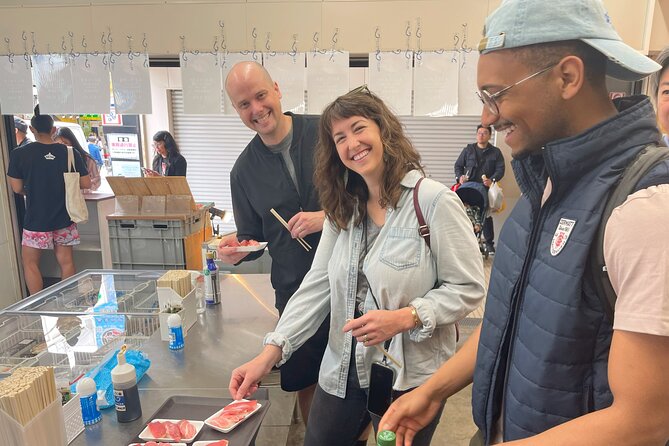
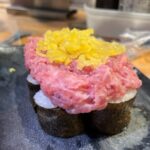
The tour description points to a range of seafood options, including sushi and oysters, with other items chosen based on what’s appealing along the way. From the experience details shared by previous guests, you can also expect variety like:
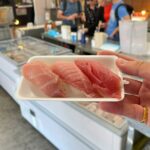
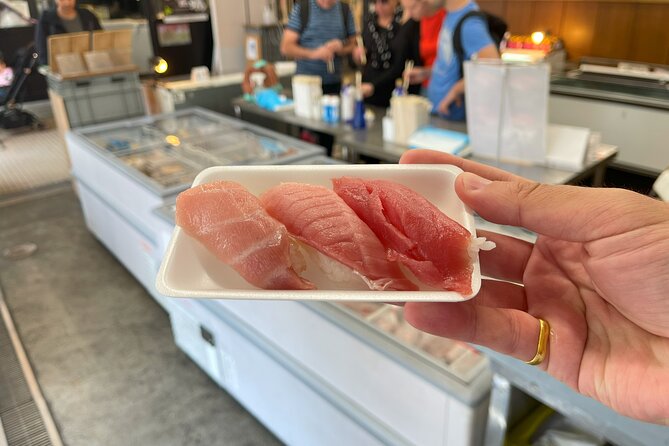
- tuna described as among the freshest
- dishes such as miso cod and tamago
- oysters and other seafood bites
- drinks and sweet stops like ice cream
- even items as adventurous as puffer fish
Keep in mind: the exact lineup depends on what’s available and what your group ends up craving. That’s not a bad thing. It means the tour can shift toward what makes sense that day instead of sticking to a script that ignores reality.




The guide advantage in a crowded market
The most praised part of this tour is the guide’s ability to tame the chaos. In a market where lines form quickly and stalls look similar from a distance, navigation is everything.
A good guide does a few things at once:
- gets you to the right spots without wasting time
- explains what you’re eating and why it matters
- helps you avoid common tourist mistakes, like walking past the stall that would have been your best tasting option
Guides you may hear about in past groups include Keiko and Miyu. Both show up in feedback as patient, clear in English, and especially good at explaining what you’re seeing—like the significance of stalls and how the market ecosystem works.
Extra stops you might encounter: shrine and knife shop
Some tours like this add small cultural or shopping moments so the day feels rounded, not just like a snack parade. In previous experiences, guests mention a shrine visit and a later stop at a Japanese knife store, plus behind-the-scenes style access to what sells and why.
You might not get every add-on every time, but it’s a good clue about the tour’s style: food first, with smart side-quests that connect to everyday Japanese culture.
Eating strategy: come hungry, and plan your day around it
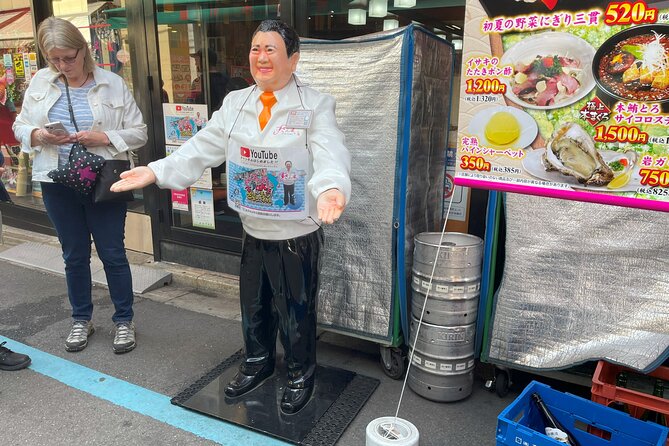
This is a “come hungry” tour for a reason. With around 5–8 samples plus brunch, you’ll probably eat more than you expect by the first half.
That has two consequences for planning:
- Don’t schedule a heavy second meal right after. You’ll likely still be full.
- Keep your late afternoon free for browsing and easy snacks, not for a sit-down restaurant you’ll regret.
Also, Tsukiji is a place where you might be tempted by visuals rather than taste. Having the route and tasting guide helps you sample items you may not choose in a hurry—especially if you’re not fluent in food terms or seafood types.
A practical tip: if you have dietary needs, you’ll want to speak up before the tour starts. The data says most travelers can participate, but it doesn’t list food restrictions. Your best move is to confirm how your guide can handle preferences for things like allergies or non-seafood diets.
Small group size (max 12) and why it improves the food
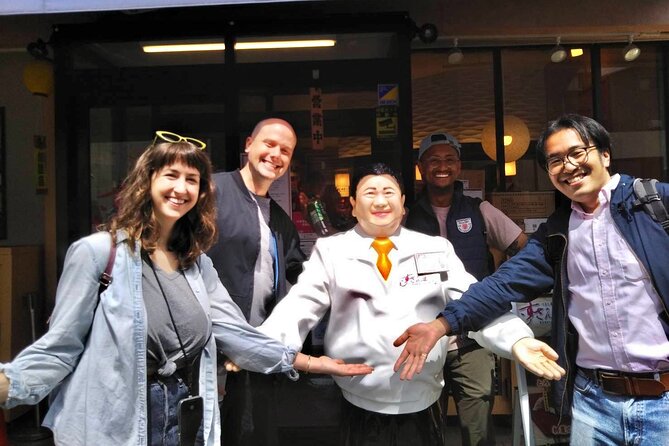
Max 12 isn’t just a number. In a place like Tsukiji, it changes how you experience the stalls.
Smaller groups tend to mean:
- more flexibility if you’re curious about a specific item
- fewer long gaps between tasting stops
- easier conversation with your guide while you’re waiting in line
In the feedback, guests highlight that guides can respond to questions and even customize the route based on likes and dislikes. That’s exactly what you want when you’re paying for included tastings and don’t want to spend money on food you didn’t care about.
Weather, walking, and comfort: the realistic side
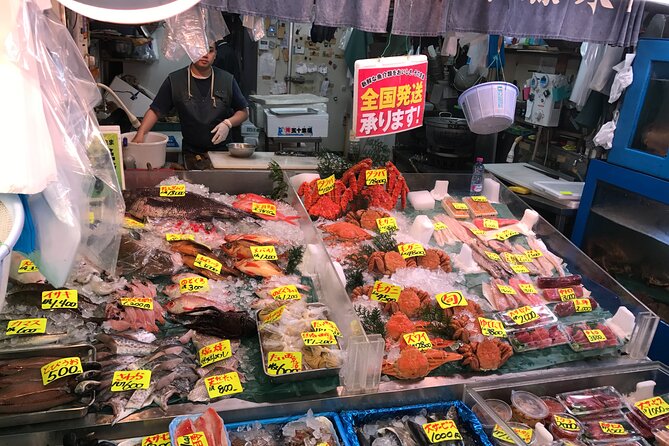
This tour requires good weather, which makes sense. You’re moving through a market area where being stuck inside rain or cold wind would be miserable.
It’s also a walking experience. You’re not touring from one bench to another. If you’re sensitive to lots of standing and narrow crowded paths, wear comfortable shoes and plan for some slow maneuvering around other groups.
If you go on a day when the market is extra packed, your guide’s job becomes even more valuable. That’s when having someone who knows how to cut through congestion (and when to wait) makes the whole tour feel smooth instead of stressful.
Is the included brunch enough for a full meal?
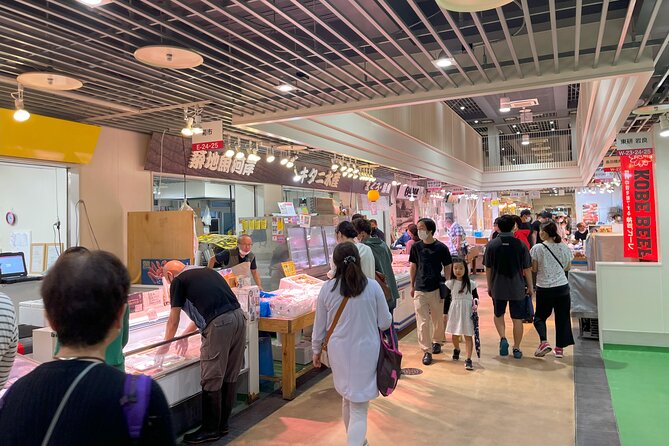
Brunch plus multiple tastings usually covers a big part of your day. The tour is designed to be a self-contained food experience that also leaves time to shop.
You should still plan for personal taste. If you tend to eat light, the sample sizes might be plenty. If you eat like a true market explorer, you may want to do some casual shopping afterward—souvenirs and snacks you can nibble later.
The nice part is that the tour ends where it’s easiest to continue. You’re not forced to backtrack to catch a train right away.
Who this Tsukiji food tour is best for
This tour is a strong match if you want:
- an easier first visit to Tsukiji Outer Market
- seafood-focused sampling that covers different styles
- a guide to explain what you’re looking at, not just where to stand
It also seems well suited for mixed ages based on prior experiences, including groups with kids. The reason is simple: the route is short and food-driven, so there’s less time wasted on long explanations nobody asked for.
If you’re the type who hates guided tours and would rather wander completely on your own, you might not love the structure. But if you want to reduce decision fatigue in one of Tokyo’s busiest food zones, this is the exact kind of plan that works.
Should you book? My decision guide
Book this tour if you:
- want Tsukiji without the stress of figuring out what’s worth your time
- like seafood and want multiple tastes instead of one big meal
- appreciate small-group attention in a crowded market
Think twice if you:
- can’t stand busy pedestrian areas and lines
- need a very strict dietary plan (the data doesn’t spell out guarantees)
- are visiting on a day with questionable weather, since the experience requires good conditions
If your goal is a fast, satisfying, food-first introduction to Tsukiji Outer Market—then this 2.5-hour guided tasting route is a solid bet. You’ll leave full, informed, and ready to shop with better instincts than you’d have on your first walk in.