Varanasi can overwhelm fast. This tour helps you make sense of it with local guides who know the city by heart. You’ll see major ghats and temples, then slip into narrow streets and everyday life that most visitors miss.
Two things I really like: the stop-by-stop explanations that turn landmarks into living rituals, and the fact that the pace leaves room to ask questions. Akash, Badal, and Nivas (and others) come up again and again for clear English, patience, and not rushing you.
One possible drawback: it’s still Varanasi, with crowds, stairs, and intense scenes at cremation sites. If you prefer a fully relaxed day, you’ll want to mentally plan for that.
In This Review
- Key highlights you should care about
- Why this 3-hour Varanasi tour feels different from a checklist
- Meeting at Manmandir Ghat: a practical start point
- Dashashwamedh Ghat: where the riverfront story begins
- Vishalakshi Temple: a stop that slows your eyes down
- Nepali (Kathwala) Temple: the meaning behind a name
- Manikarnika Ghat: the most emotional stop on the route
- Manikarnikeshwar Mahadev (Kashi Khand): a temple with a story
- The alley, market, and food-stall parts: where Varanasi feels real
- Water, tea/coffee, and a simple budget check
- Guide quality is the whole point here
- Timing tips: when to do this on your trip
- Who should book Hidden Secrets of Varanasi
- Should you book this tour or skip it?
- FAQ
- How long is the guided tour?
- What is the meeting point for the tour?
- What does the price include?
- Are food and transportation included?
- How big is the group?
- Is the tour suitable for most people?
- Are service animals allowed?
- Can I get a full refund if I cancel?
Key highlights you should care about
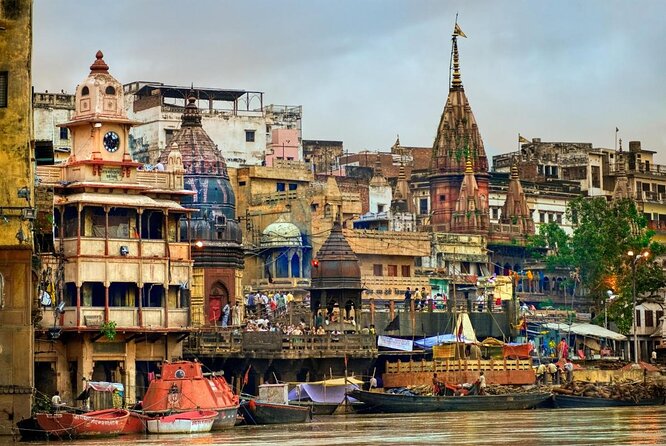
- Local, multi-generational guides who can explain why places matter beyond the postcard version
- Ghats plus temples plus alleyways, not just the big-name stops
- Manikarnika Ghat narration that frames the cremation ground with context and meaning
- Included bottled water and tea/coffee, so you can keep moving
- Small-group feel (max 25) that makes questions and follow-along easier
Why this 3-hour Varanasi tour feels different from a checklist
Varanasi is ancient, spiritual, and chaotic, sometimes in the same five minutes. What works here is not more information, it’s the right order and the right local voice.
This tour is built around seeing the riverfront and temple spaces, then translating what you’re looking at into something you can understand. You start at a specific meeting point near the ghats, and you end back there, so you’re not stuck figuring out directions on day one.
For me, the value is the pairing: big sights like Dashashwamedh Ghat and smaller, less-touristed pockets that help you understand modern life along the river. If you only do one guided block in Varanasi, this is the kind that helps you explore afterward without feeling lost.
You can also read our reviews of more tours and experiences in Varanasi.

Meeting at Manmandir Ghat: a practical start point
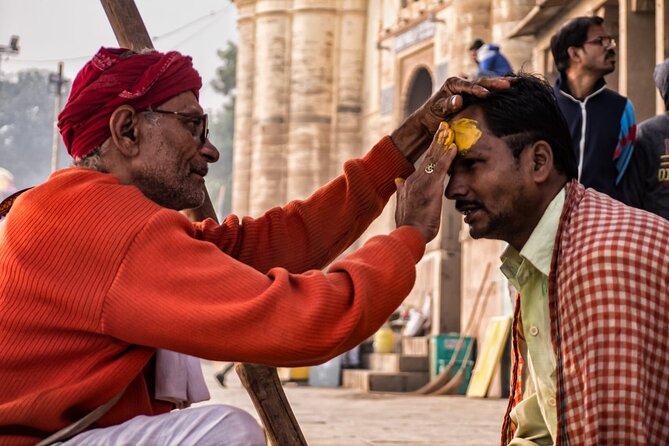
You’ll meet at the Virtual Experiential Museum Varanasi, at Manmandir Ghat (Bangali Tola), with a specific landmark-style address listed for the pickup point. Starting near the riverfront matters because it reduces the usual first-day stress of getting oriented in old lanes.
The tour uses a mobile ticket, which is handy in a city where paper tickets can get mislaid. It also has a clear end back at the meeting point, so you can plan your next stop or dinner without playing transportation roulette.
Also worth noting: the group size is capped at 25 travelers. That’s small enough for your guide to manage the walking pace and keep an eye on everyone, especially in busy crossings.
Dashashwamedh Ghat: where the riverfront story begins
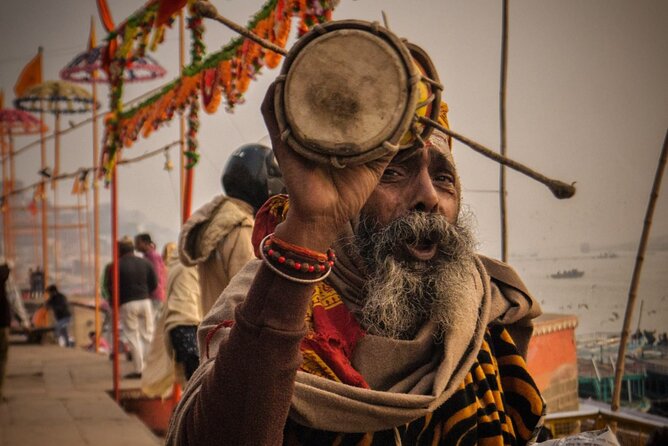
Your first stop is Dashashwamedh Ghat, one of the city’s oldest and most important riverfront ghats. This is close to the old Vishwanath Temple area, which is exactly why it sets the tone for the rest of the walk.
Expect not just views, but explanations of how this part of the Kashi area connects to worship, tradition, and daily routines along the Ganges. The ticket note here is simple: the entry is free for this stop, so you don’t lose time to extra payments.
What you’ll likely appreciate most is how the guide frames the riverfront as a system, not a single attraction. When you understand that, the next ghats and temples make more sense.
Vishalakshi Temple: a stop that slows your eyes down
Next comes the Vishalakshi Temple (also known as Vishalakshi Gauri Temple). This stop is linked to the goddess Vishalakshi, described as an aspect of Parvati.
This is one of the moments where the tour’s structure helps: after the energy of the ghat, the temple gives you a different pace and a different kind of focus. You’re not just seeing architecture; you’re learning how devotees connect belief to place.
Admission here is listed as included, so you can keep the rhythm of the tour without stopping for ticket steps. The short time window also works well if you’re the type who gets tired of slow sightseeing.
Nepali (Kathwala) Temple: the meaning behind a name
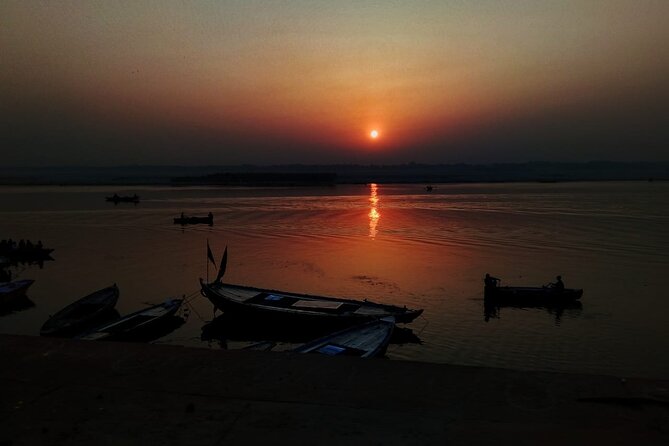
Then you head to the Nepali Temple, also called Kathwala Temple. It’s referenced with other names like Shri Samrajeswar Pashupatinath Mahadev Mandir, and it’s described as an old and well-known temple in Varanasi.
One reason I like this stop is that it hints at how Varanasi isn’t just one tradition frozen in time. It’s layered—names, communities, and connections show up in temples across the old city.
Admission is marked as included here too. So again, you’re spending time learning rather than handling logistics.
Manikarnika Ghat: the most emotional stop on the route
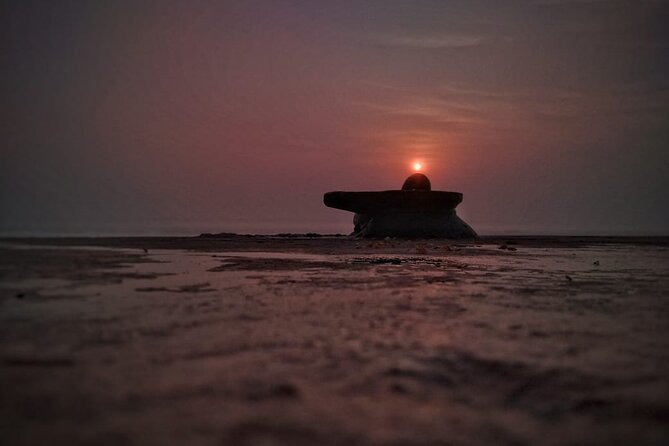
The tour’s most serious moment is Manikarnika Ghat, described as a sacred cremation ground for Hindus and one of the holiest cremation grounds along the ghats of the Ganges.
This is not a quick photo-op stop. With a guide, it becomes easier to understand what you’re seeing and why people treat it with such care and meaning. The tour includes about 25 minutes here, which is long enough for context, not just a glance.
If you’re sensitive to intense visuals, plan for that upfront. It can be spiritually powerful and also emotionally heavy. You’ll get more out of the visit if you go in with curiosity and a bit of patience rather than expecting a normal tourist rhythm.
Manikarnikeshwar Mahadev (Kashi Khand): a temple with a story
Right after Manikarnika Ghat, you visit the Manikarnikeshwar Mahadev Temple in the Kashi Khand area. The description notes a specific religious idea: devotees who take a bath in Manikarnika and worship Manikarnikeshwar are said not to see their mother’s womb again, interpreted as no rebirth.
This kind of explanation is exactly what transforms the experience from sights to meaning. You’re seeing how the city connects ritual action to belief about life and afterlife.
The linga location is described as underground, and the stop is shorter (about 10 minutes) with admission included. If you like stops that are brief but concept-heavy, this works.
The alley, market, and food-stall parts: where Varanasi feels real
The core itinerary is built around major sites, but the tour also aims to show narrow streets, markets, popular food stalls, and less touristic spots. That matters because Varanasi isn’t only spiritual landmarks. It’s also daily life: shops, small temples in corners, and people moving through their routines.
Some guides also highlight details you might otherwise miss, like street art in old lanes and tiny “pause” spaces where worship happens quietly. You might also get small choices along the way, such as tasting tea or local snacks if you’re interested, since food isn’t included but your guide can point you toward what’s worth trying.
One practical note: because food and drink beyond the included tea/coffee aren’t part of the package, you’ll want to budget for snacks if you plan to eat while walking.
Water, tea/coffee, and a simple budget check
Included in the tour:
- Bottled water
- Coffee and/or tea
Not included:
- Food and drink
- Transportation
So the tour is priced as a guide-led experience with small comforts, not a full meal plan. At $24.55 per person for about 3 hours, it’s usually good value if you care about interpretation and don’t want to spend time piecing together routes on your own.
You’ll get the best spend-to-time ratio if you treat it as your “orientation block.” After this kind of guided start, wandering later is less stressful.
Guide quality is the whole point here
This tour is sold as a local-guides experience, and the reviews back up that the guide is where the magic happens. Names that show up repeatedly include Akash, Badal, and Nivas, with many people praising English clarity, humor, and the ability to answer questions on the spot.
What I look for in a Varanasi guide is a mix of three skills:
- explaining what you’re looking at without turning it into a lecture
- keeping a pace that feels manageable in crowded lanes
- reading your comfort level, especially near sensitive areas like Manikarnika
From the way guides are described, that balance is a big part of why people feel comfortable. More than once, the tone is described as friendly, patient, and attentive, which matters in a city where people can be persistent about attention, purchases, and photos.
Timing tips: when to do this on your trip
This tour is often best as a first-day plan. Why? You get the main landmarks plus the local logic behind them, so later you can navigate the ghats and lanes with less confusion.
Because the tour requires good weather, avoid booking it as a random filler. If rain is in the forecast, it may get changed or refunded. Also, since it’s a short walking route, you’ll feel the schedule more than you would on a long bus day.
If you’re arriving from travel fatigue, mornings can help. That’s when your brain is more able to process both spiritual symbolism and street-level details.
Who should book Hidden Secrets of Varanasi
This is a strong fit if you:
- want a guided start to understand how the city works
- like history and religion explained in plain language
- want ghats and temples plus real street context, not just big monuments
- would rather follow a local through maze-like alleys than try alone
It may not be the best fit if you:
- need a fully quiet, low-crowd day
- get overwhelmed by intense religious scenes
- prefer tours that skip emotional or sensitive stops
Should you book this tour or skip it?
I’d book it if you want to understand Varanasi fast and in a way you can carry with you as you explore. The included bottled water and tea/coffee are small perks, but the real value is the structure: major ghats, temple stops with meaning, and the alley-and-market context that turns the city from a blur into something you can name.
If you’re uneasy about cremation-ground proximity, read your comfort level carefully and go in prepared. With the right guide, the framing can help you make sense of what you’re seeing without turning the day into shock.
FAQ
How long is the guided tour?
The tour runs for about 3 hours.
What is the meeting point for the tour?
The start point is the Virtual Experiential Museum Varanasi, at Manmandir Ghat, Bangali Tola, Varanasi, Uttar Pradesh 221001, India. The tour ends back at the same meeting point.
What does the price include?
It includes bottled water and coffee and/or tea. Some temple admissions are listed as included on the route, while Dashashwamedh Ghat entry is listed as free.
Are food and transportation included?
No. Food and drink and transportation are not included.
How big is the group?
The tour has a maximum of 25 travelers.
Is the tour suitable for most people?
Most travelers can participate.
Are service animals allowed?
Yes, service animals are allowed.
Can I get a full refund if I cancel?
You can cancel up to 24 hours in advance for a full refund. If you cancel less than 24 hours before the experience’s start time, the amount paid is not refunded.