REVIEW · NUSA LEMBONGAN
Open Water Course in Nusa Lembongan – Get Certified on remote island (next Bali)
Book on Viator →Operated by Dive Concepts Bali · Bookable on Viator
Breathing underwater changes how you travel. On Nusa Lembongan, just off Bali, you can earn your SSI Open Water certification in about 3 days, with real ocean practice, solid equipment support, and even a strong push for manta-ray sightings when conditions allow.
I especially liked two things: the teaching felt clear from day one, and the whole setup is practical, with gear included and a comfortable base at the school (Wi‑Fi, lockers, bathrooms, and a restaurant).
One thing to keep in mind: underwater plans can shift with weather and visibility. If manta-ray opportunities don’t line up, you may not get every site option people hope for.
In This Review
- Key highlights at a glance
- Open Water Certification on Nusa Lembongan: Why this place makes sense
- Your 3-day flow: what happens from day one to certification
- Step one: classroom theory that you can actually use
- Step two: shallow-water skill training (at least 5 sessions)
- Step three: open-water sea sessions (at least four ocean sessions)
- Crystal Bay, Mangrove Point, Toyapakeh, Jungut Batu: how the sea stops matter
- Crystal Bay
- Mangrove Point
- Toyapakeh
- Jungut Batu Beach
- What makes the instruction feel safe and fast
- Equipment and facilities: practical support that prevents stress
- Price and value: is $461.48 per person a good deal?
- Group size and the private experience: what “only your group” changes
- Weather reality: when the sea changes plans
- Who should book this course (and who might want another option)
- Should you book it or keep shopping?
- FAQ
- What certification do I get?
- How many sea sessions are included?
- Is scuba gear included?
- What facilities are available at the dive center?
- Where are the training locations during the course?
- What is the minimum age and fitness level?
- Are digital photo or video souvenirs included?
- What if weather is poor?
Key highlights at a glance
- SSI Open Water certification to 18m (60 feet), so you’re training for real depth limits, not just basics
- At least four open-water sea sessions plus the course’s skill work, under a certified instructor’s supervision
- Gear included end-to-end, from mask to tank to fins, so you arrive ready
- Comfortable on-site facilities, including Wi‑Fi, lockers, bathrooms, and a restaurant
- Multiple nearby sea stops during your course: Crystal Bay, Mangrove Point, Toyapakeh, and Jungut Batu Beach
- Instructors praised by name, including Silvère, Loïc, Kaka, and Pablo, for calm, patient coaching
Open Water Certification on Nusa Lembongan: Why this place makes sense
Nusa Lembongan is one of those Bali-adjacent stops that feels calmer, more island-y, and less rushed. That matters for an Open Water course because you’re not just visiting a pretty spot—you’re learning a new skill with new gear and new breathing rhythm. The calmer the environment, the easier it is to focus on what the instructor is saying instead of what the sea is doing.
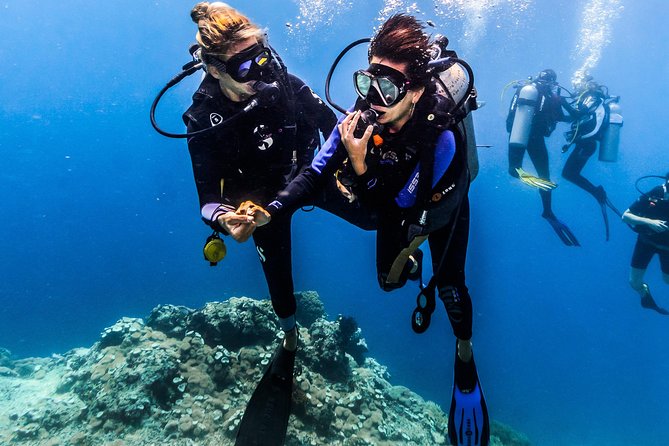
This course is built around the standard SSI Open Water path: theory to understand the basics, practice in shallower water, then open-water sea sessions so you can show you can control your skills when you’re no longer in the kiddie pool.
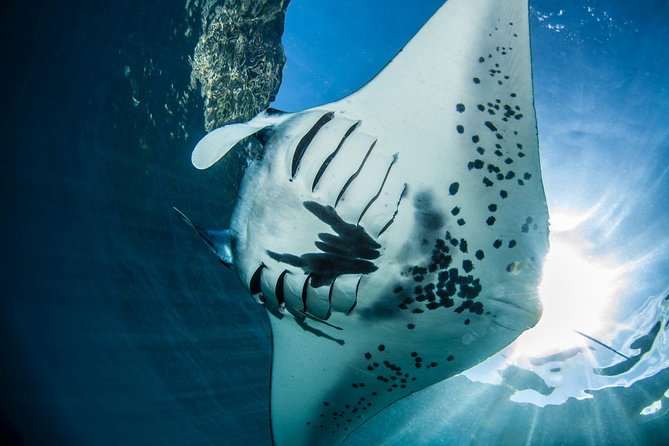
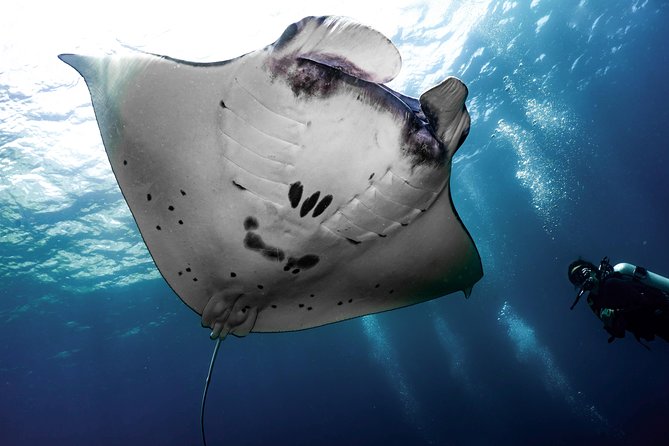
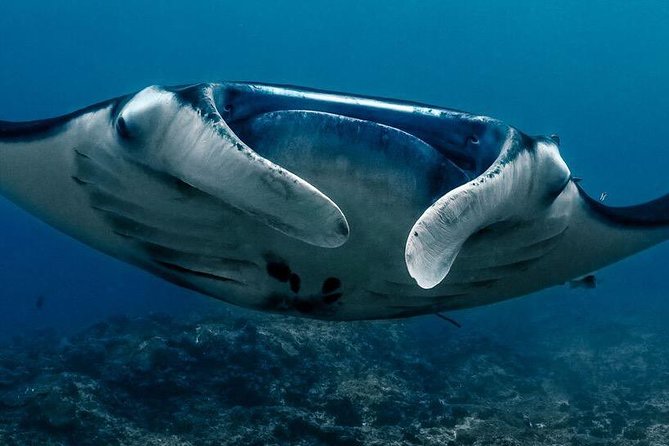
And yes, Lembongan has a strong reputation for marine life. The experience is marketed around manta rays, and at least one recent course participant noted manta access wasn’t possible at the time. So I treat that as a goal, not a guarantee—like booking a snorkeling day in the tropics: you go for the chance, and you still get value even if the star animal doesn’t show up.
You can also read our reviews of more tours and experiences in Nusa Lembongan.
Your 3-day flow: what happens from day one to certification
Expect a tight, packed schedule. The course runs about 3 days and is designed so you can complete the full certification progression without dragging it out for a week.
Here’s the basic structure, in plain terms:
Step one: classroom theory that you can actually use
You’ll develop your knowledge of diving basics—how breathing works underwater, how buoyancy and control matter, and how to stay safe while you learn new procedures. This part isn’t meant to be a book report. It’s meant to give you mental handles, so the skills on the next days feel less random.
If you’ve ever thought scuba sounds intimidating because there’s so much to remember, this is where that fear gets managed. You’re building a framework before you’re asked to perform.
Step two: shallow-water skill training (at least 5 sessions)
You’ll do basic exercise training in shallow water—either a beach or a swimming pool—at least 5 sessions. This is where you learn the movements without fighting strong currents, big depths, or heavy exposure to open sea conditions.
You’re also learning how to work with your equipment: regulator breathing, mask comfort, controlled movements, and basic drills. The goal is simple: you should leave the shallow stage with fewer surprises on the next stage.
Step three: open-water sea sessions (at least four ocean sessions)
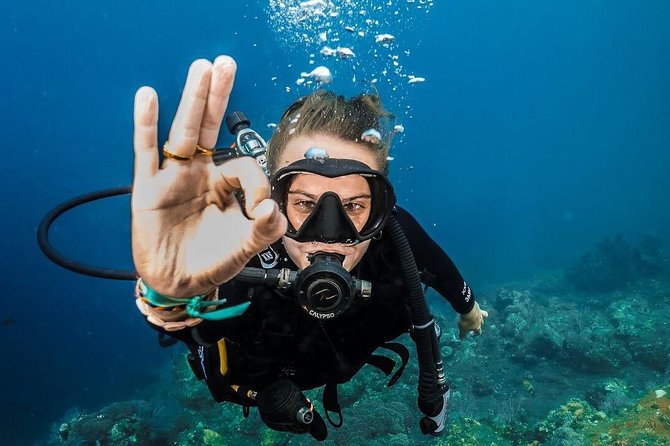
Then comes the real test: at least four ocean sessions in deeper water. This is where your SSI Open Water certification comes from—because you’re practicing technique while you’re actually out in the environment you came to explore.
The course is capped around SSI’s Open Water depth limit of 18 meters / 60 feet. That number matters. It means the instruction isn’t just “try it once.” You’re training your ability to operate at the depth you’re certified for.
Crystal Bay, Mangrove Point, Toyapakeh, Jungut Batu: how the sea stops matter
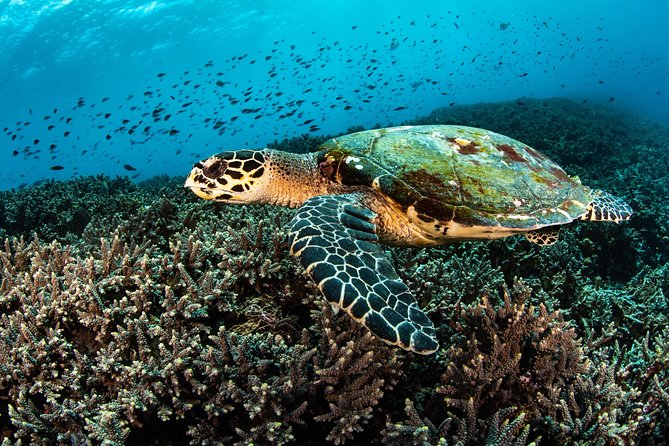
The itinerary includes four named sea stops: Crystal Bay, Mangrove Point, Toyapakeh, and Jungut Batu Beach. Even without fancy promises attached to each name, this structure usually helps because it gives you variety in conditions and scenery across the course.
Here’s how I’d think about those stops during your training:
Crystal Bay
This is one of the first sea locations you’ll work with. Early sessions are where you confirm you can manage basic skills while the water environment feels more like the real world than training water.
Mangrove Point
A stop with mangroves in the name usually signals a different kind of coastline and water feel than open bays. For you, that translates to: more variety in how you approach buoyancy and staying calm while the surroundings change.
Toyapakeh
Toyapakeh is included as another key location for your open-water practice. At this stage, instructors typically move from teaching-as-you-go to making sure you can perform your skills consistently and safely.
Jungut Batu Beach
Jungut Batu Beach rounds out the set of locations during the course. This is often where the day’s flow and your comfort level start to peak, because by then you’ve already done the earlier sessions and you’re not starting from zero anymore.
A quick reality check: one course participant mentioned that manta-ray access wasn’t possible during their training window. So I’d plan your mindset like this—go in expecting great marine life, but don’t treat any one stop as guaranteed.
What makes the instruction feel safe and fast
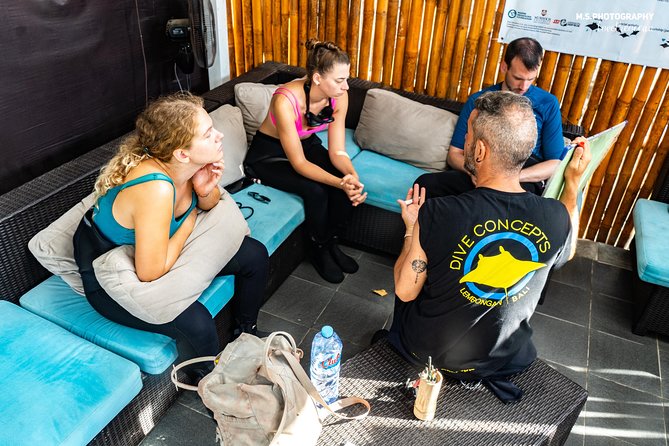
What really separates a good Open Water course from a stressful one is how coaching lands when you’re learning something new. In the reviews I’m using to guide this write-up, instructor calm and clear explanations show up again and again, with names attached.
I’ve seen instruction quality described with instructor names like Silvère, Loïc, Kaka, and Pablo. The common thread: they explain lessons clearly, adapt to the student’s level, and keep a steady pace when the student gets nervous.
And that matters because the first time you’re underwater, your brain can go into panic mode fast—especially if you’re already worried about remembering everything. When an instructor is patient and calm, you get the chance to learn instead of just survive the schedule.
Also, it helps that the course is structured: shallow water first, then open-water sessions. That pacing reduces the chance that you’re thrown into deeper water before you’ve found comfort with the basics.
Equipment and facilities: practical support that prevents stress
One of the best parts of this package is what’s included. You get necessary scuba gear—mask, tank, fins, and the rest of the required setup—so you’re not spending time hunting gear rentals on arrival.
That might sound minor, but it’s huge for a 3-day course. You want to spend your energy on learning and building comfort, not on gear troubleshooting.
The dive school base also gets high marks for day-to-day comfort: Wi‑Fi, lockers, bathrooms, and a restaurant, plus a change room. Those details matter more than people think. After wet sessions, you’ll want a place to rinse, change, and reset without improvising.
Price and value: is $461.48 per person a good deal?
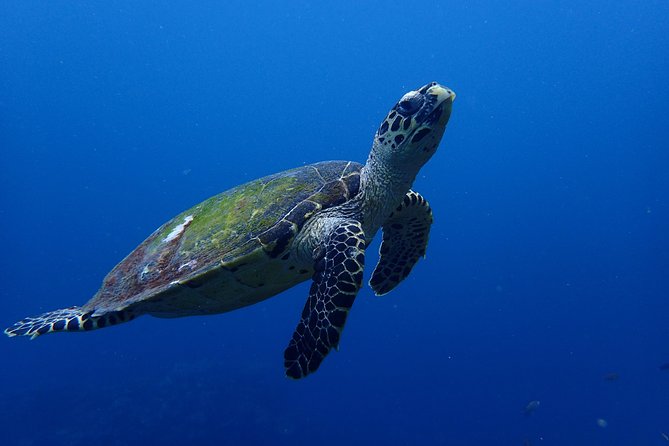
At $461.48 per person, this is not a budget-only activity. But it’s also not just a few pool sessions for a certificate.
What you’re paying for is:
- SSI Open Water course structure (the full progression)
- Certified instructor guidance across shallow and ocean sessions
- Gear included
- A set schedule over about 3 days
- On-site facilities that make the downtime tolerable
So the value question becomes: will the instruction quality and the sea practice count for you? If you want real certification, not just a try-something trip, this price starts making sense—especially because gear is included and the course is designed to finish in days, not weeks.
One more value factor: it’s commonly booked ahead (on average, about 35 days). That’s a clue that good instructors and specific schedules can go quickly. If you’re aiming for a certain timeframe, don’t wait until the last minute.
Group size and the private experience: what “only your group” changes
This is described as a private tour/activity, meaning only your group participates. For a beginner certification, that can be a big deal.
Smaller group attention typically means:
- you’re less likely to get rushed
- instructors can correct technique more easily
- you may progress at a smoother pace if you need extra reassurance
Of course, you still follow course standards. Private doesn’t mean you skip required drills. It just means the coaching attention likely feels more human.
Weather reality: when the sea changes plans
This experience requires good weather. If it’s canceled due to poor conditions, you’ll be offered a different date or a full refund.
That’s not just fine print. It’s part of the island rhythm. Also, remember the manta-ray goal: one participant said manta access wasn’t possible at the time. So I recommend you treat the manta-ray angle as a bonus if conditions allow, not as the only reason to do the course.
If you do come with flexibility, you’ll likely end up happier—because your core goal is certification and competence, not a single animal sighting.
Who should book this course (and who might want another option)
This Open Water course is a strong match if:
- you want an SSI certification you can build on
- you’re okay with learning basics fast and practicing them over 3 days
- you’re in a moderate physical fitness range
- you meet the minimum age of 10 years
- you like the idea of a remote-feeling island base near Bali
You might think twice (or at least mentally prepare) if:
- you’re extremely anxious about underwater skills and need a lot of time—this course moves at a structured pace
- you’re traveling with tight timing and can’t shift dates if weather causes schedule changes
Should you book it or keep shopping?
Book this if you want a legit SSI Open Water certification with real ocean practice, included gear, and an instruction team that’s been praised for clarity and patience—especially by people who mentioned instructors like Silvère, Loïc, Kaka, and Pablo.
Think twice if you’re only hunting one outcome, like manta rays at a specific site. This course aims for manta-ray experiences, but conditions can decide what’s possible. Your best bet is to book for the certification and the chance for outstanding marine life—then let the sea surprise you.
If you want, tell me your experience level (first-timer vs. any snorkel/intro), your travel month, and whether you care most about certification speed or wildlife. I can help you decide if this is the right fit for your Bali-area trip.
FAQ
What certification do I get?
You complete an SSI Open Water course and earn SSI international certification. It’s structured so you can train for a depth limit of 18 meters (60 feet).
How many sea sessions are included?
The course includes at least four ocean sessions in deeper water, plus additional shallow-water practice sessions.
Is scuba gear included?
Yes. The package includes the necessary scuba gear, from mask to tank to fins, so you don’t need to bring or rent your own equipment.
What facilities are available at the dive center?
The dive center facilities include Wi‑Fi, lockers, bathrooms, and a restaurant, plus a change room.
Where are the training locations during the course?
Your course uses multiple sea stops: Crystal Bay, Mangrove Point, Toyapakeh, and Jungut Batu Beach.
What is the minimum age and fitness level?
The activity requires a minimum age of 10. You should have a moderate physical fitness level.
Are digital photo or video souvenirs included?
No. Digital souvenir photos/videos are not included and are available to purchase.
What if weather is poor?
This experience requires good weather. If it’s canceled due to poor weather, you’ll be offered a different date or a full refund.