REVIEW · TOKYO
Tokyo: Imperial Palace Japanese History Walking Tour
Book on GetYourGuide →Operated by Sunrise Adventure · Bookable on GetYourGuide
Tokyo’s Imperial Palace grounds feel like a time machine. This guided walk turns big, confusing eras into a clear story you can follow step by step, from Edo Castle’s footprint to the emperor’s world in the Eastern Gardens.
I really like two things here: the English-speaking guide who keeps the pace lively and answers questions (I’ve heard everything from Mika to Natsumi to Laki), and the chance to see real palace-garden details like koi ponds, bamboo, and small corners most people miss. One thing to plan for up front: this tour does not include access to the Inner Palace.
In This Review
- Key points you’ll care about
- First Steps at Wadakuramon Fountain Park and the Otemon Gate
- Shogun’s World to Emperor’s Palace: What You’re Really Seeing
- Eastern Gardens Highlights: Koi Ponds, Samurai Houses, and Gifted Trees
- Bamboo Forest and Photo Spots That Actually Help
- The Edo Ranking System Walkthrough: Farmer to Daimyo to Shogun
- Guide Energy: Mika, Natsumi, Laki, Alexandre, and More
- How Long It Takes and Why the Pace Works
- Price and Value for a $32 Imperial Palace Grounds Tour
- Weather, Walking Fitness, and Who This Tour Fits
- Should You Book This Imperial Palace Japanese History Walking Tour?
- FAQ
- Where is the meeting point for the Imperial Palace walking tour?
- How do I get to the meeting point?
- What language is the tour offered in?
- Does this tour include access to the Inner Palace?
- What parts of the palace grounds will you visit?
- What is included in the price?
- What should I bring or wear?
- Is the tour suitable for wheelchair users or people with mobility issues?
- Can I cancel for a refund?
Key points you’ll care about
- Easy meeting point: Starbucks near Wadakuramon Fountain Park with a Sunrise Adventure sign
- Shogun-to-emperor storyline: the castle layout changed, but the place still tells the tale
- Eastern Gardens must-sees: royal koi, a samurai-house spot, and gifted trees from across Japan
- Bamboo forest and photo stops built into the route
- Guide touches that matter: heat-friendly breaks and practical help (like mosquito spray when needed)
First Steps at Wadakuramon Fountain Park and the Otemon Gate
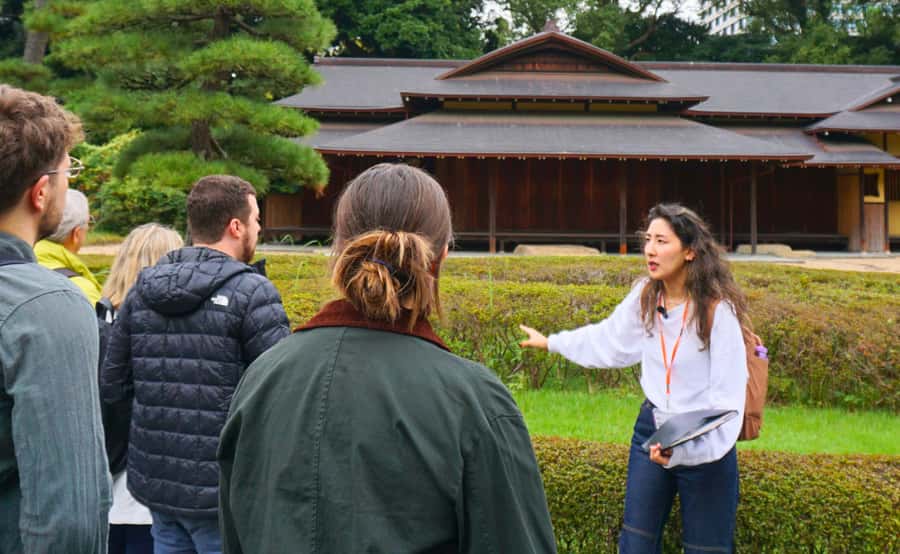
The tour starts close enough to transit that you do not need a giant commute. You’ll train to Tokyo Station or Otemachi Station, then walk about 5 to 10 minutes to Wadakuramon Fountain Park. In the park, you meet your guide at Starbucks. The guide holds a sign for Sunrise Adventure, so it’s hard to get lost.
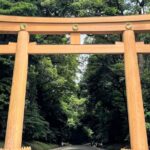
Once you’re assembled, you head toward the Imperial Palace area, aiming for the dramatic Otemon Gate. This is a good moment to set expectations. The original shogun-era castle you’re picturing from textbooks is not physically there anymore, but the grounds still sit on top of the old power center’s story. Your guide makes sense of what changed, what stayed, and why it matters.
One practical note: this is a walking tour in an open-air palace environment. It runs rain or shine, so bring weather-appropriate clothes and shoes you can move in. Also, the rules are strict about what you can bring, including no smoking, no drones, and no weapons or sharp objects.
You can also read our reviews of more tours and experiences in Tokyo.


Shogun’s World to Emperor’s Palace: What You’re Really Seeing
The star idea of this tour is watching Japan’s political center shift over time. You start with the shogun era and the place associated with Edo Castle’s power, then connect it to how the area evolved into the emperor’s palace.
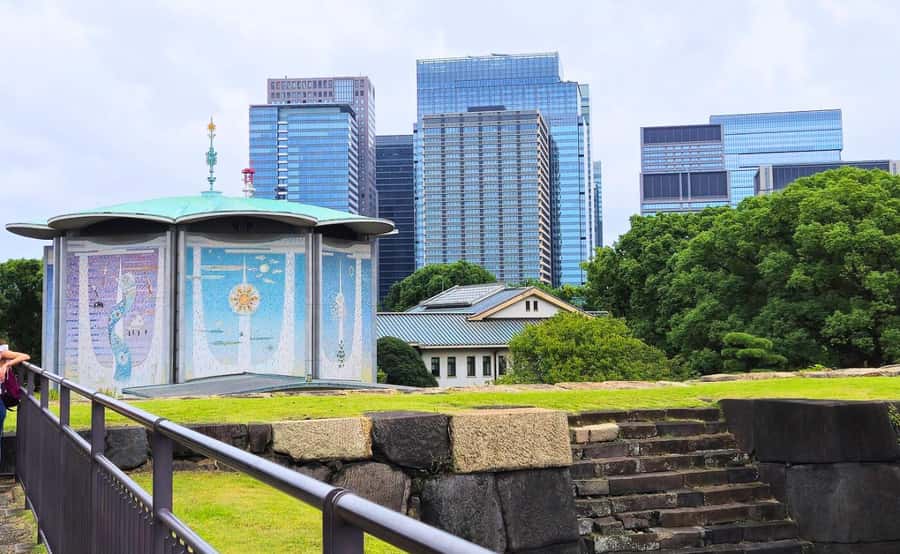
You’ll hear the key story behind the scenes: the castle that once stood here was transformed away from what people imagine when they say shogun’s castle. Even though the buildings are gone, the tour uses visuals to keep the past clear. There’s a miniature model you’ll see on the route that helps you picture what the layout looked like.
That matters because Tokyo can be a little too modern. Without context, the Imperial Palace grounds can feel like “nice gardens near big buildings.” With the guide, you understand it as a political machine built to control time, people, and access. You do not just look at walls and gates. You get a map for why the spaces were shaped the way they were.
Your guide also points out the site where Edo Castle stood centuries ago, including the fact it dates back more than 350 years in the Edo era context. The result is simple: you can walk the grounds and feel like you’re tracking history, not just sightseeing.
Eastern Gardens Highlights: Koi Ponds, Samurai Houses, and Gifted Trees
The route focuses on the Eastern Gardens, and that’s where the tour gets both peaceful and interesting. You move at a comfortable walking pace, with story stops that break up the “just keep walking” feeling that sometimes happens on group tours.
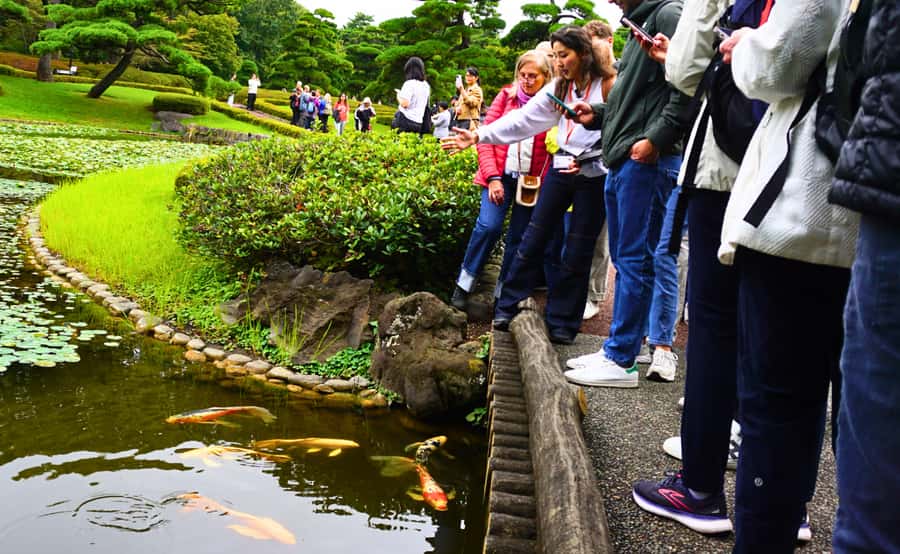
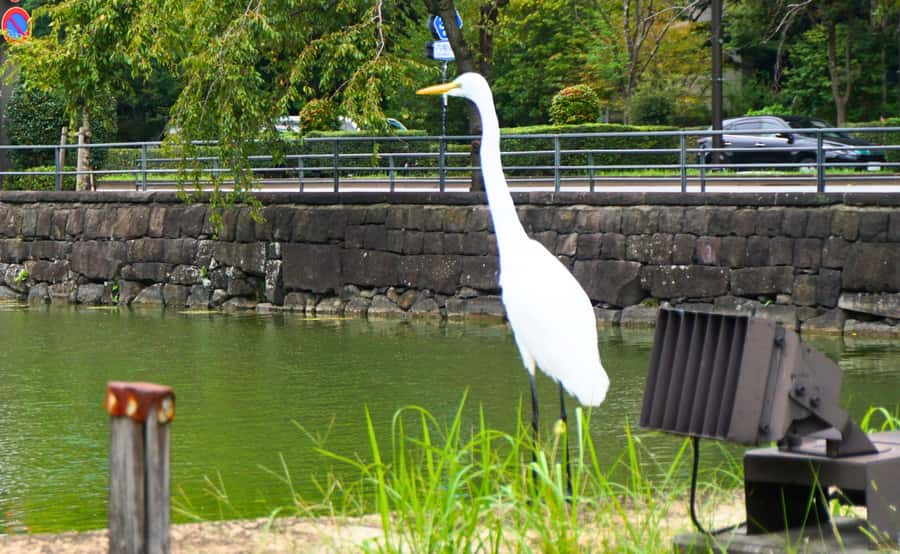
One moment that people seem to remember is the stop for the royal koi fish. It’s not just pretty scenery. Your guide explains why these details matter in a court setting, where nature and symbolism were not separate things. You’ll also hear about the palace’s relationship with water features and garden design choices that were used to communicate calm and order.
You’ll also see a spot tied to an old samurai house style. Again, the building itself may not be what you expect if you’re imagining a full recreated district. But the point is to connect the social world of the samurai class to the place where political authority played out.
And then there are the trees. You’ll admire trees from all over Japan that were gifted to the emperor years ago. I love this detail because it turns the garden into more than a local park. It becomes a network—Japan sending pieces of itself to the center of power.
There’s also a theme of texture throughout: shade under trees, occasional quiet corners, and the kind of garden rhythm that lets you breathe. Even if you’re not a hardcore history person, it’s an easy way to switch from city noise to calm without falling asleep.
Bamboo Forest and Photo Spots That Actually Help
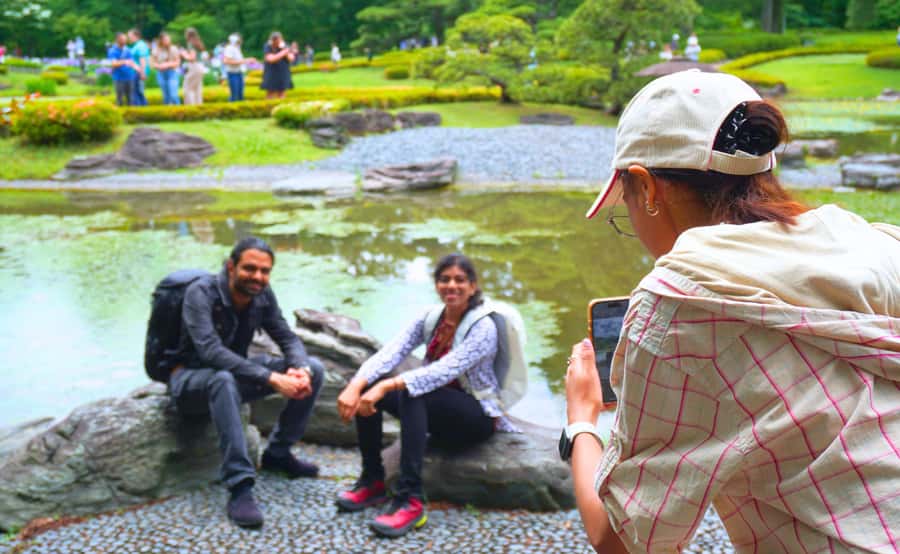
Part of the value here is that the garden stops are not random. You get bamboo forest time and plenty of built-in photo opportunities, which matters when you’re visiting with a camera and you want pictures that feel like they belong here.
The bamboo area gives you a different texture than the rest of the palace grounds. It also tends to look great in different light, so it’s a nice stop even if the weather turns cloudy. And because this tour keeps you moving through the garden’s major sections, you’re not spending the whole time wondering where to go next.
Photo advice I’d give you based on how these stops work: take a few wider shots first, then circle for close-ups. Koi and bamboo do not photograph the same way from every angle. Quick back-and-forth saves you later.
Also, the guides seem to think about comfort. In hot weather, you may get small heat-friendly gifts and frequent shade suggestions. In nature-heavy spots, I’ve heard mosquito spray came out when needed. That kind of practical help makes a short tour feel like someone planned for your actual afternoon, not just their script.
The Edo Ranking System Walkthrough: Farmer to Daimyo to Shogun

One of the best teaching moments on this tour is how your guide brings the old ranking system to life. You’ll uncover the ranking ladder: Farmer, Samurai, Daimyo, Shogun. It sounds like a school diagram, but on the ground it clicks into place as social structure.
Here’s why this matters for you. In modern Japan, you can feel the shadow of class roles in architecture, etiquette, and even who sat where in public life. When you understand the hierarchy, you start seeing why certain spaces existed. You also understand why access to power was controlled so tightly.
Your guide also connects the ranking system to how Edo Castle functioned as the hub of authority before the later transitions. It’s not just names and dates. It’s a story about responsibility, status, and the way rulers organized society.
If you’ve ever felt that Japanese history is “all samurai all the time,” this walk corrects that. You get samurai, yes, but you also get the farmers and the wider system that supported the warriors.




Guide Energy: Mika, Natsumi, Laki, Alexandre, and More
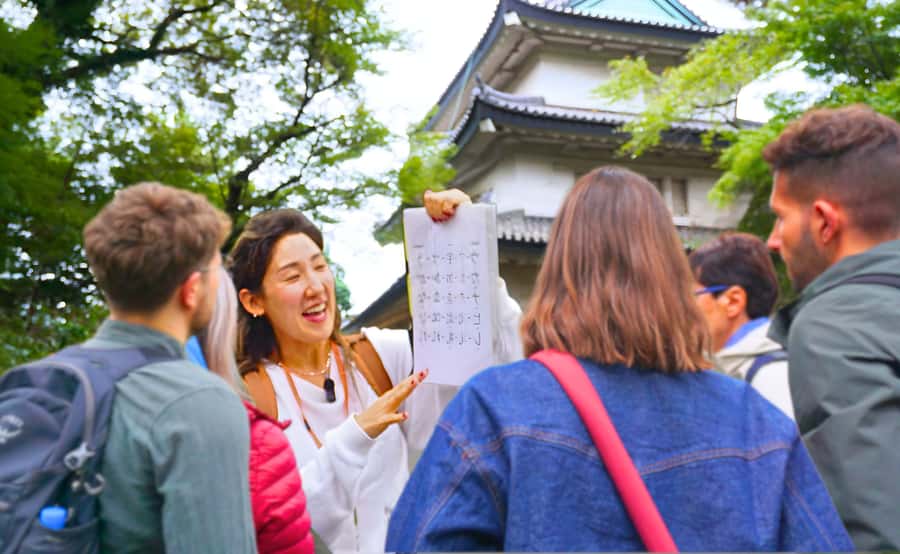
A tour like this lives or dies by the guide. This one gets rave reviews for a reason: the guides are very good at pacing the story and keeping it clear in English (and often French as well). You’ll see guides with different styles, but the common thread is that they treat your questions as part of the fun.
For example, I’ve seen repeated praise for guides like Mika and Natsumi, with people calling out how clearly they explained the castle and Edo period stories, plus how well they handled questions. There are also strong mentions of Laki (and guides with similar spellings like Lakki/Lucky) for humor, friendliness, and going beyond the scheduled route at least for their group’s time.
Some guides also offer extra cultural guidance that makes your day smoother. There are mentions of etiquette and food recommendations, plus advice on where to eat after the tour. One guide even paired the experience with the option of a private upgrade that could include a tea ceremony, which tells you the guides think beyond just walking.
What you’re buying is not only garden access. You’re buying an interpreter for how Japan’s political history sits inside ordinary-looking spaces—gates, trees, ponds, and pathways.
How Long It Takes and Why the Pace Works

The tour is built as a short walk through the palace grounds, usually paced so you can enjoy the garden without feeling rushed. Some groups describe it as lasting about two hours, which makes it a great first-day activity when you’re still getting your bearings.
Because the Imperial Palace grounds are large, a do-it-yourself plan can turn into lots of wandering and a lot of “wait, what am I looking at?” The guided pace solves that problem. You get a sequence: gate area, garden stops, the koi and bamboo moments, then the Edo-to-imperial story connections along the way.
The other reason the pace works is that it’s not a sprint. You get time to stop, look, and listen. And when it’s hot, the route includes shade whenever possible, which many guides seem to actively manage.
Price and Value for a $32 Imperial Palace Grounds Tour
At $32 per person, this tour sits in the category of “pay for clarity.” You’re not paying for access to restricted interiors (because the Inner Palace is not included). You’re paying for expert storytelling, a focused route, and the small extras that turn garden viewing into an experience.
Here’s what your money covers, based on what the tour includes: photo spots, the Eastern Gardens experience, bamboo forest time, and viewing the royal koi fish area. You also get a guide who can help with other travel tips if you ask. That last part is small but real value. When you land in Tokyo, knowing where to eat or what to do next can save you time and energy.
So if you’re deciding whether this is worth it, consider the alternative. Without a guide, you’ll still see a beautiful place. But you might miss the why. With the guide, you leave understanding how Japan’s power structure changed, where Edo Castle fits, and how the emperor’s palace context shapes what you see.
For $32, that trade is usually a win—especially if you’re the type who likes your photos and your stories to match.
Weather, Walking Fitness, and Who This Tour Fits
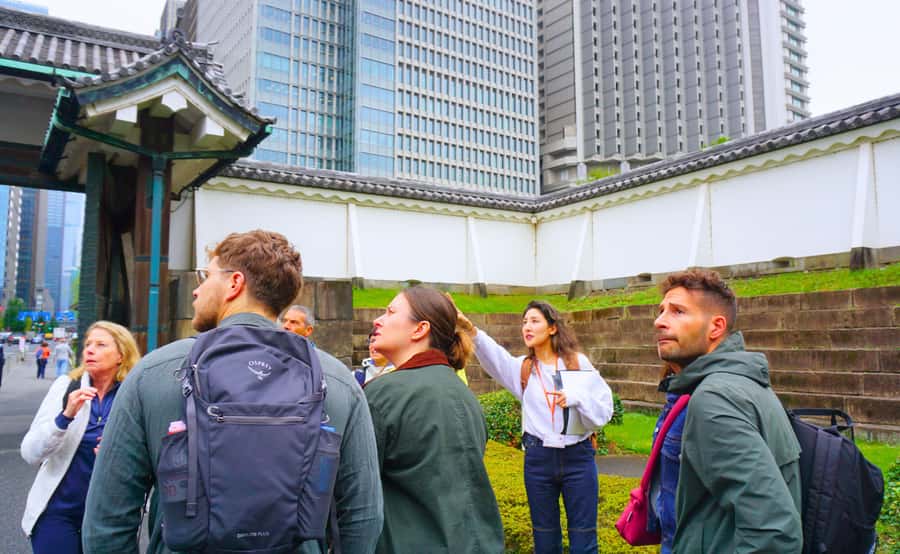
This is a rain-or-shine tour, which means you should plan for wet sidewalks, slick shoes, and occasional umbrella gymnastics in crowds. Wear clothes that match the weather. Also, bring water and a layer you can handle if the temperature swings.
On the health side, the tour is not recommended for everyone. It is not suitable for people with mobility impairments, wheelchair users, those with back problems, heart problems, those who are pregnant, people with recent surgeries, or those with low fitness. If any of those apply to you, it’s worth thinking twice because this is still a walking tour through the palace grounds.
One more practical rule: don’t plan on bringing anything sharp. Weapons and sharp objects are not allowed, as are smoking, alcohol and drugs, and drones. It’s usually simple, but it’s good to know before you show up with travel habits you might use elsewhere.
Should You Book This Imperial Palace Japanese History Walking Tour?
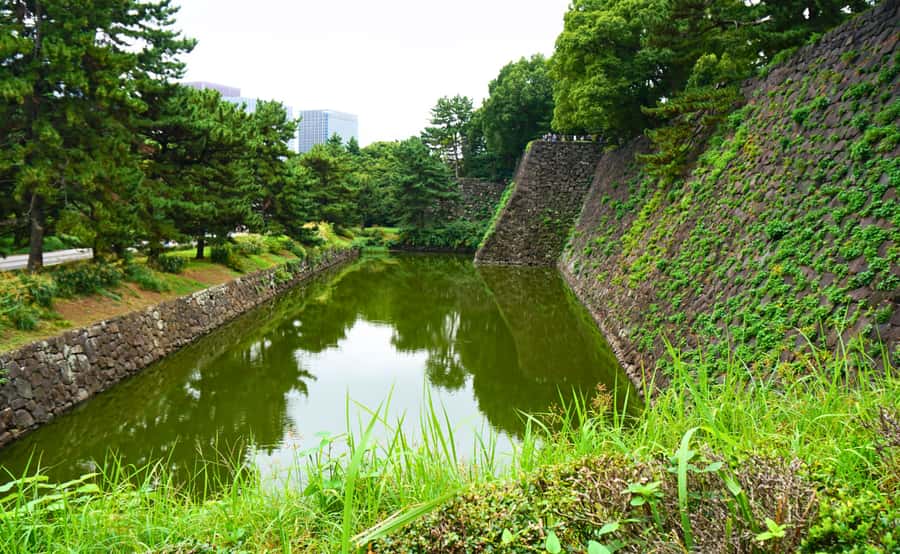
Book it if you want a Tokyo highlight that feels both calm and meaningful. This tour is especially good for first-timers who want the big political story—shogun to emperor—translated into what you can actually see in the Eastern Gardens.
Skip it (or at least reconsider) if you’re expecting Inner Palace access. This tour explicitly does not include that. Also, if walking pace and outdoor time are an issue for you, the health restrictions list makes it clear this is not an easy fit for everyone.
If you want a short, well-guided way to understand Edo Castle’s footprint and the social ranking system behind it, this is strong value. And if you end up with a guide like Mika or Natsumi or Laki, you’re likely to walk out with history that sounds like a story, not like a textbook.
FAQ
Where is the meeting point for the Imperial Palace walking tour?
Meet your guide at Starbucks inside Wadakuramon Fountain Park. The guide will be holding a sign with the Sunrise Adventure logo.
How do I get to the meeting point?
Take the train to Tokyo Station or Otemachi Station, then walk about 5 to 10 minutes to Wadakuramon Fountain Park.
What language is the tour offered in?
The tour is offered in English and French.
Does this tour include access to the Inner Palace?
No. Inner Palace access is not included because it is not open to the public.
What parts of the palace grounds will you visit?
The tour focuses on the Imperial Palace Eastern Gardens, with stops that include areas like the Otemon Gate and garden features such as bamboo forest and koi fish viewing.
What is included in the price?
Included items are great photo spots, beautiful garden viewing, bamboo forest, royal koi fish, and a guide who can help with other travel tips.
What should I bring or wear?
Wear clothes fitting for the weather, because the tour runs rain or shine. Bring appropriate rain or comfortable walking gear.
Is the tour suitable for wheelchair users or people with mobility issues?
No. It is not suitable for wheelchair users and people with mobility impairments.
Can I cancel for a refund?
Yes. You can cancel up to 24 hours in advance for a full refund.