REVIEW · TOKYO
Tokyo: Kimono Dressing, Walking, and Photography Session
Book on GetYourGuide →Operated by AKIZAKURA · Bookable on GetYourGuide
Tokyo feels different in a kimono. In Yanaka, you get real silk (not the cheap, stiff kind) plus hands-on kimono etiquette for walking, sitting, and shrine manners, and then you get photo guidance in a calmer old-town setting. One consideration: the route can include stairs and a short climb, so plan carefully if your legs are sensitive.
I like how the experience is built around you, not a crowd. You pick from 50+ kimono or yukata options after booking, and AKIZAKURA’s upcycled kimono umbrella adds a visual signature to your shots. It also runs rain or shine, with a plastic umbrella included if the weather turns.
For me, the biggest value is what you learn in the quiet moments: how to hold yourself in kimono so you look natural in photos, and how to follow basic shrine etiquette so the visit feels respectful, not like a costume stop.
In This Review
- Key Points You’ll Care About
- Yanaka’s Old-Tokyo Streets Are Built for Kimono Photos
- Choosing Your Kimono (and Why Winter vs Summer Changes Everything)
- Dressing With Care: From Accessories to the Final Look
- Walking Like You Mean It: Etiquette Coaching You’ll Actually Use
- Shrine Time in Yanaka: Photos Plus Traditional Prayer Manners
- AKIZAKURA’s Upcycled Umbrella Adds Style and Story
- Photos With an iPhone 14 Pro (and When to Pay for the Pro Upgrade)
- Rain or Shine: What Changes on a Wet Day
- Price and Value: Is $67 a Good Deal for Tokyo Kimono?
- Who Should Book This, and Who Might Want a Different Plan
- Should You Book This Kimono Dressing and Photo Session?
- FAQ
- What’s included in the price?
- Do I need to bring my own kimono?
- Can I choose the kimono design in advance?
- How do I find the meeting point?
- What if it rains?
- Which months use kimono vs yukata?
- Can I book a professional photographer?
- Can I add hair and makeup?
- Is tea ceremony available as an add-on?
- Do children pay the same price?
- What’s the cancellation policy?
Key Points You’ll Care About
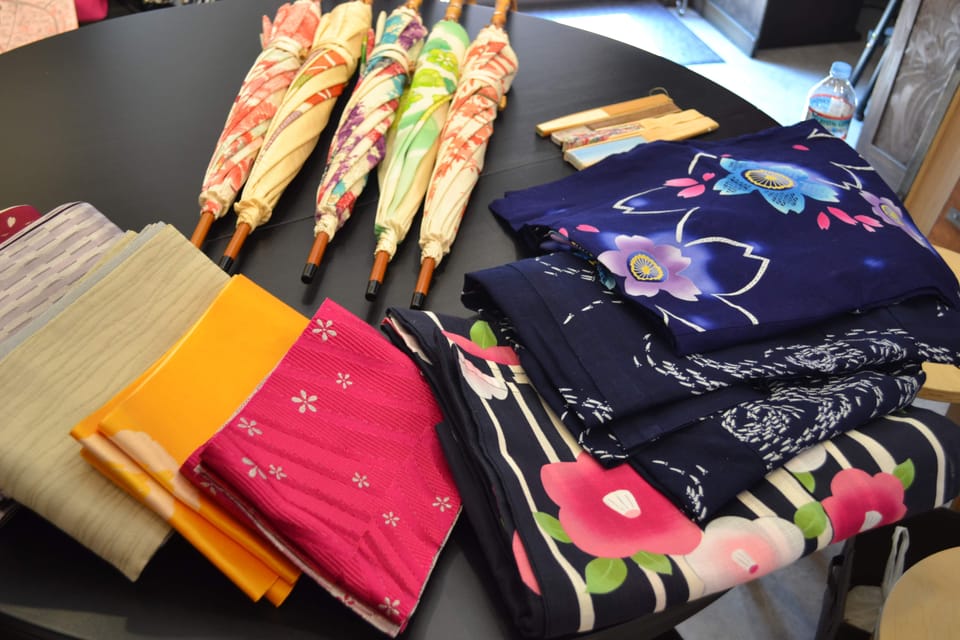
- Real silk kimono and traditional accessories are included, with winter kimono and summer yukata depending on the season
- Choose from 50+ outfits after you book, before the day of your session
- Kimono walking and behavior coaching so you don’t feel awkward in photos
- Yanaka shrine photography in a less overrun area, with traditional prayer guidance available
- AKIZAKURA upcycled umbrella as a built-in prop and style cue
- iPhone 14 Pro shooting included, with optional professional upgrades
Yanaka’s Old-Tokyo Streets Are Built for Kimono Photos
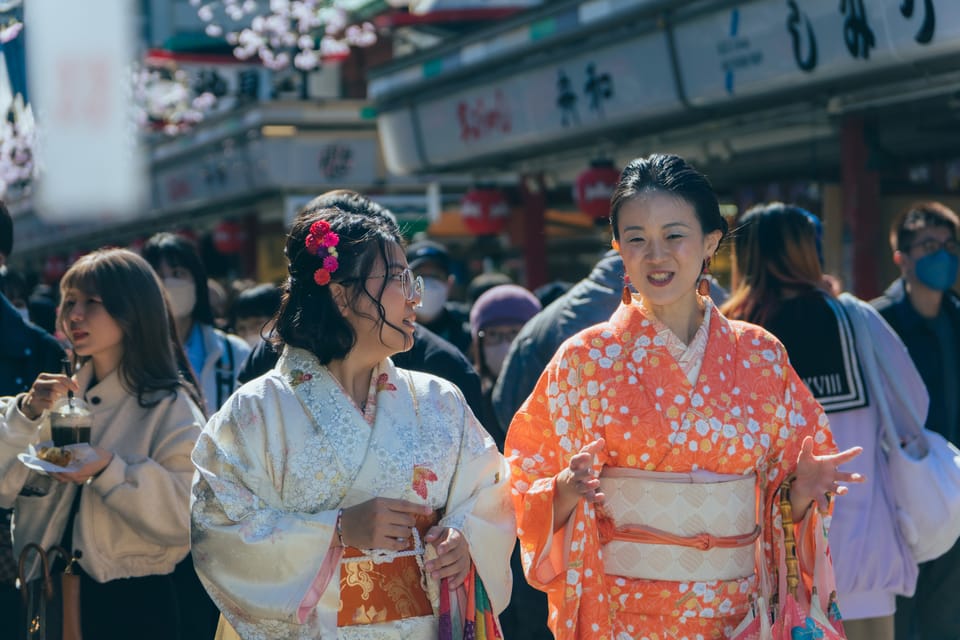
Yanaka is one of those Tokyo neighborhoods where you can actually slow down. That matters, because kimono don’t work like casual clothes. You can’t rush. You move more deliberately, your steps change, and suddenly your surroundings feel more like a scene than a checklist.
You’ll be starting near Sendagi Station—about a five-minute walk from there. After you book, you’ll receive a more detailed meeting point with photos, which is helpful because Tokyo station areas can be confusing when you’re dressed up and carrying accessories.
The route itself focuses on photogenic spots around the shrine area and the older streets nearby. From the way the day is structured, you’re not just posing in front of one landmark. You’re walking between spots while the guide helps with posture and timing, so the photos look like a story instead of random snapshots.
You can also read our reviews of more tours and experiences in Tokyo.

Choosing Your Kimono (and Why Winter vs Summer Changes Everything)
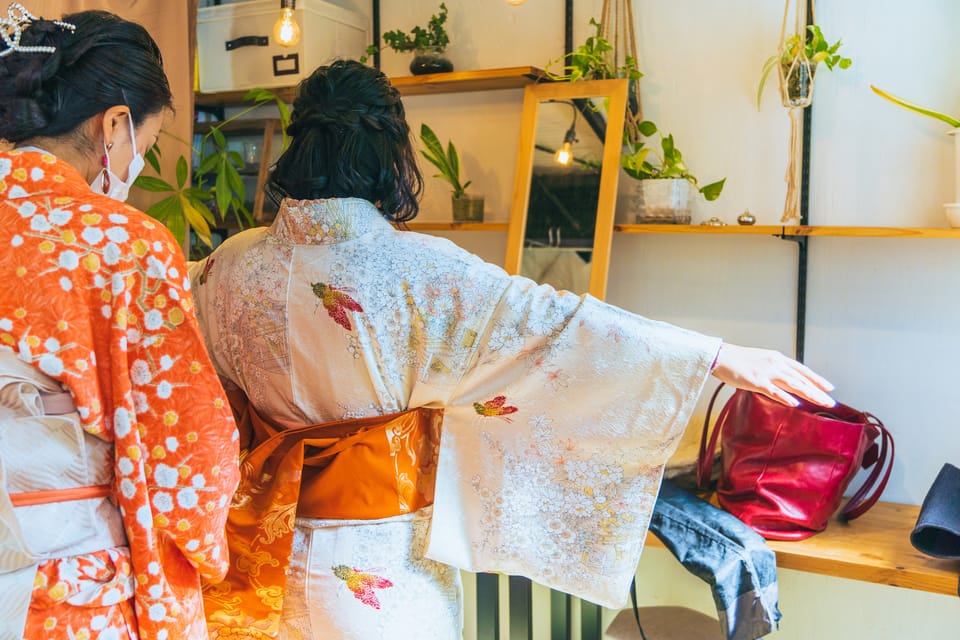
This is not a one-size-fits-all rental situation. After you book, you’ll choose your kimono (or yukata) after booking and before the day of the tour—by the day before. You’ll be able to pick from more than 50 options, so it’s not just about grabbing whatever is available.
You should also know the seasonal swap: winter sessions include kimono, and summer sessions include yukata (cotton summer kimono). That affects how the outfit feels and how it photographs. Yukata tends to look lighter and more airy in outdoor light, while winter kimono often photograph with deeper texture and more drama.
If you’re the type who cares about how clothing feels on your body, pay attention to fit and comfort. The included accessories and the dressing time help make the outfit sit correctly, which is exactly what you want for both comfort and good photos.
Dressing With Care: From Accessories to the Final Look
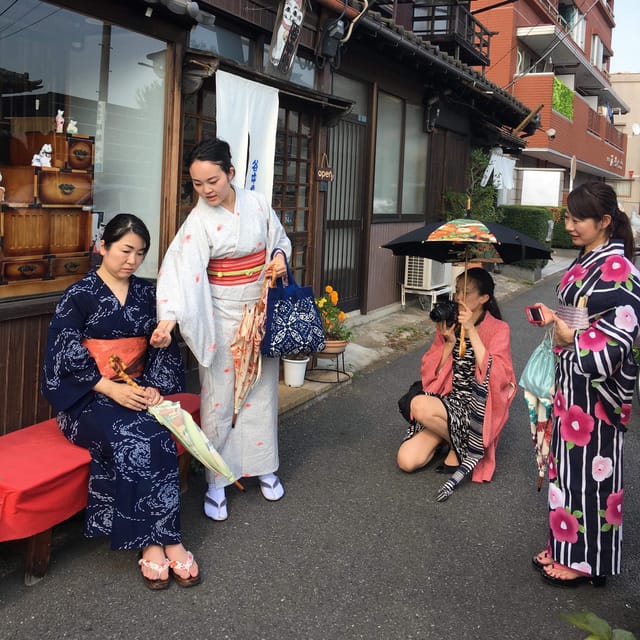
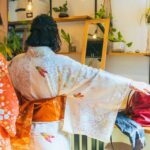
You’ll get dressed with your kimono plus all the necessary accessories. That’s a big deal, because kimono styling isn’t just putting on fabric. The experience is set up so you end with a complete, properly worn outfit rather than a look that’s missing key parts.
In the reviews, people talk about the dressing process feeling step-by-step and comfortable, which usually means two things: you’re not left guessing, and you don’t spend half the tour untangling things. It also helps if you’ve never worn kimono before—this is the kind of experience where the guide’s attention makes you feel confident quickly.
One practical point: you’re dressed before you head out, so wear easy shoes only until you’re fully styled. Once you’re in kimono, you’ll follow the walking technique your guide gives you, and that’s when the “how do I move?” feeling turns into “oh, I get it now.”
Walking Like You Mean It: Etiquette Coaching You’ll Actually Use
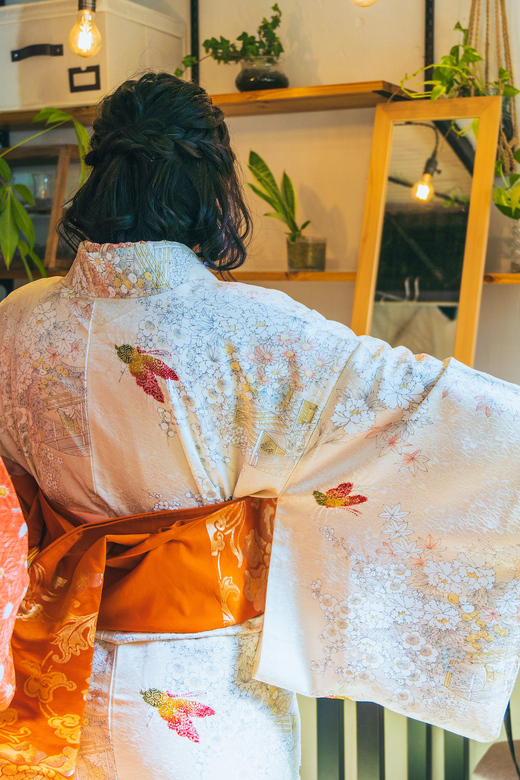
Kimono change your movement. That’s why the guide focuses on how to walk and behave in kimono, including how to sit down and how to position yourself for photos.
This is one of my favorite parts of the experience because it solves a common problem. If you’ve ever seen kimono photos where the person looks stiff or uncomfortable, it’s usually not about the outfit—it’s about posture. Here, you get coaching while you’re in the moment, so you can adjust immediately.
You’ll also learn basic manners for shrine time. That means you’re not just wearing the clothing and going through a photo routine. You’ll learn how to participate respectfully in the shrine prayer tradition if you’d like, and the guide will explain what you’re doing before you do it.
And yes, your photos benefit. When your hands and steps are correct for kimono, your pictures look natural. Even with a phone camera, good technique beats random posing.
Shrine Time in Yanaka: Photos Plus Traditional Prayer Manners
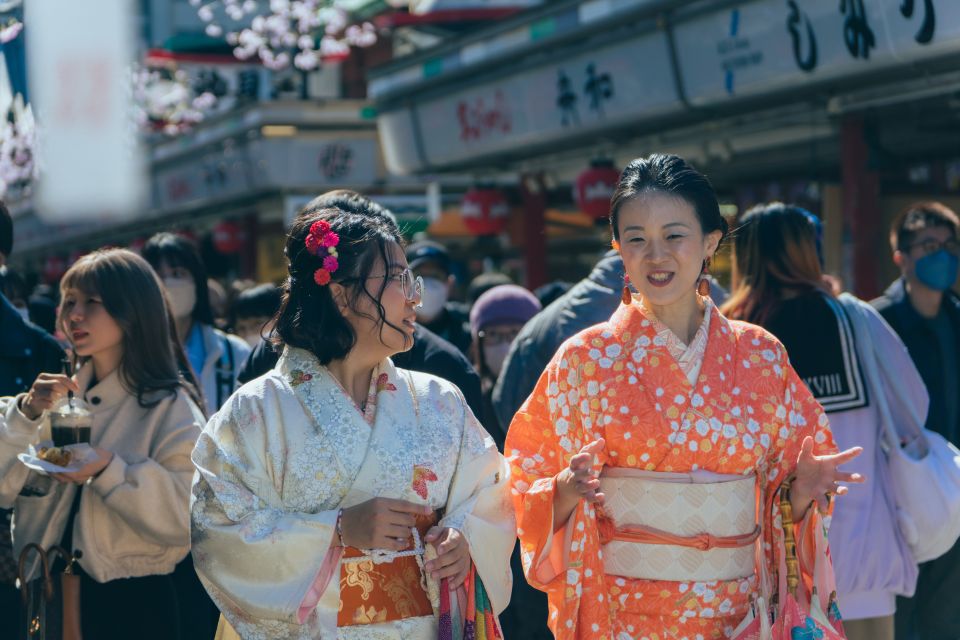
The day includes a walk to a shrine and photo time on the grounds. The shrine is a highlight for a reason: it gives you both atmosphere and structure. You can photograph classic architectural views, but you also have moments of ritual and quiet.
From the experience description and the feedback people shared, you can opt into traditional shrine prayer behavior—learning what to do and then doing it as you’re guided. That turns the visit into something more meaningful than a souvenir stop.
Photo spots happen along the walk and around the shrine area. What you’re really buying with this portion is guidance on where to stand, when to look up, and how to capture kimono nicely in an outdoor setting. The photos come from you being guided between locations, not just being told to stand still.
One thing to keep in mind: the shrine walk can involve stairs and a short climb. If you have knee or leg issues, plan for slower pacing and consider whether kimono footwear and stair steps will feel manageable.





AKIZAKURA’s Upcycled Umbrella Adds Style and Story
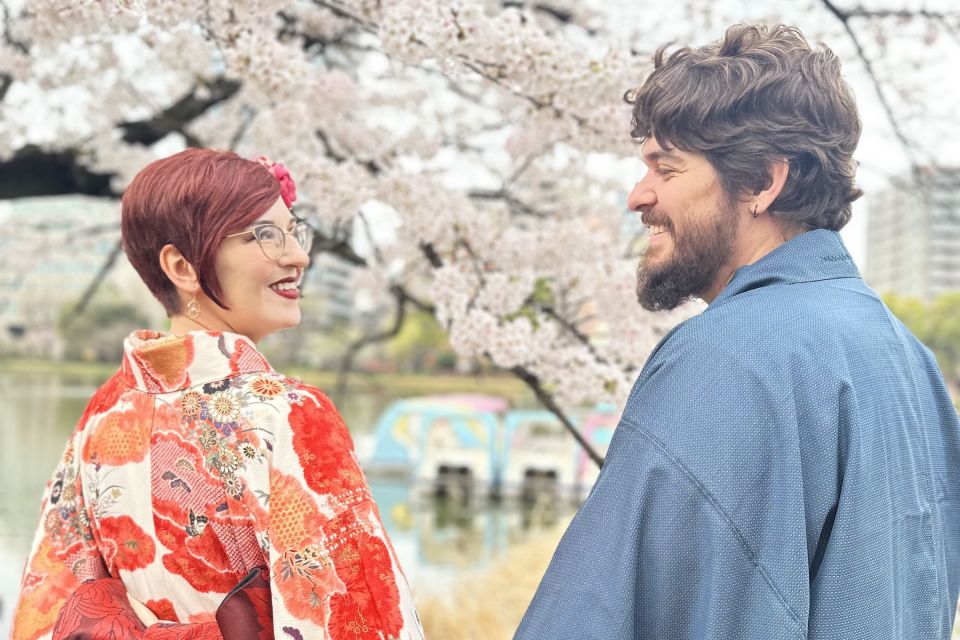
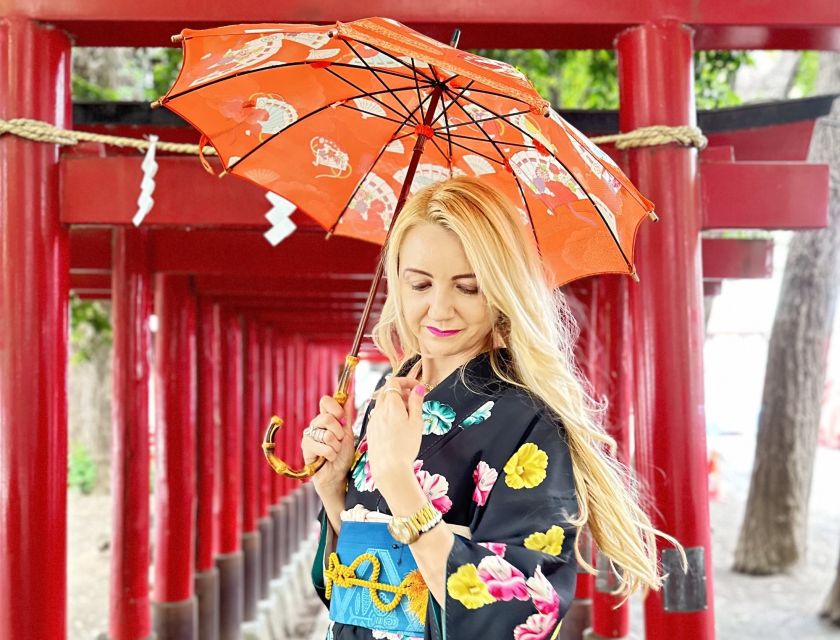
Included with the experience is a kimono upcycling umbrella from AKIZAKURA. The umbrella isn’t just there for rain. It’s part of the visual identity of your outfit day.
In photos, it gives you a tall shape and a clean prop to hold, which matters when you’re wearing sleeves and can’t gesture normally. It also adds a little modern-meets-traditional layer, because the umbrella is described as upcycled rather than a generic accessory.
If you’re thinking about what makes a kimono session look special in photos, it’s usually the little elements that make the scene cohesive—umbrella included.
Photos With an iPhone 14 Pro (and When to Pay for the Pro Upgrade)
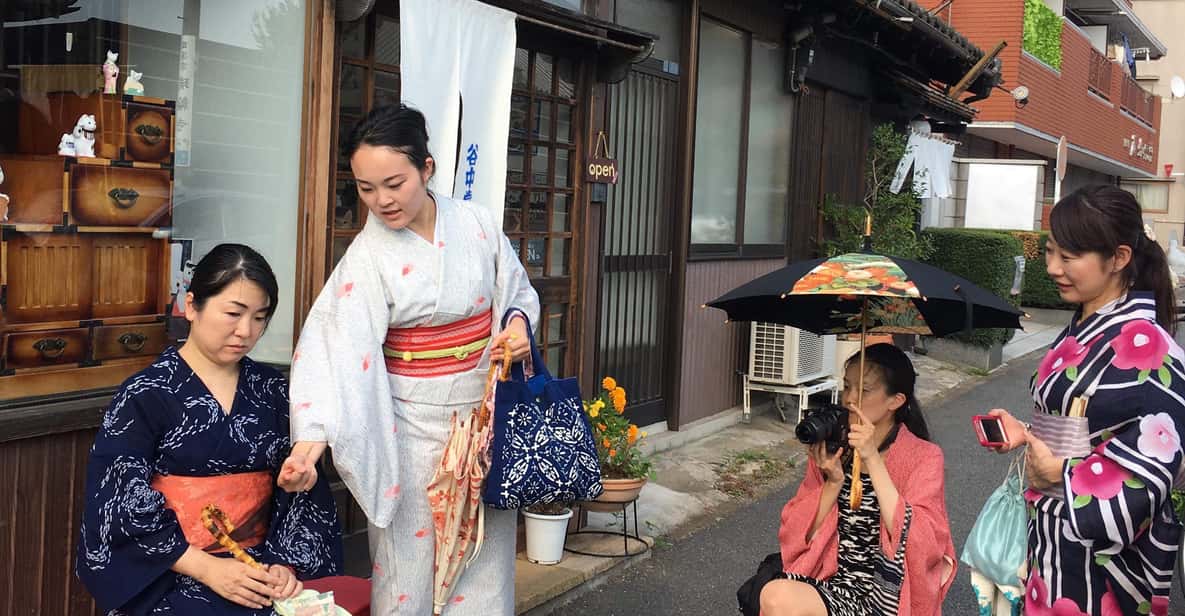
Photography is built into the experience. You get shooting with an iPhone 14 Pro as part of the price, and the guide directs you on poses so you’re not stuck guessing.
What I like here is that your photo outcome isn’t dependent on you knowing how to pose. Multiple people describe getting lots of photos—some mention very high numbers like 190 or 230—because the guide keeps shooting at different spots and angles.
You can also upgrade. If you want a professional photographer’s shoot, it’s available for an additional JPY 13,000. If you’re the one in your group who cares about getting a “keep forever” set of portraits, this can be worth considering—especially for families or couples.
Other add-ons also affect your final look: professional hair and makeup can be added for extra cost. Some people also added a tea ceremony option, which can shift the day from “photo session” into more of a full cultural experience.
Rain or Shine: What Changes on a Wet Day
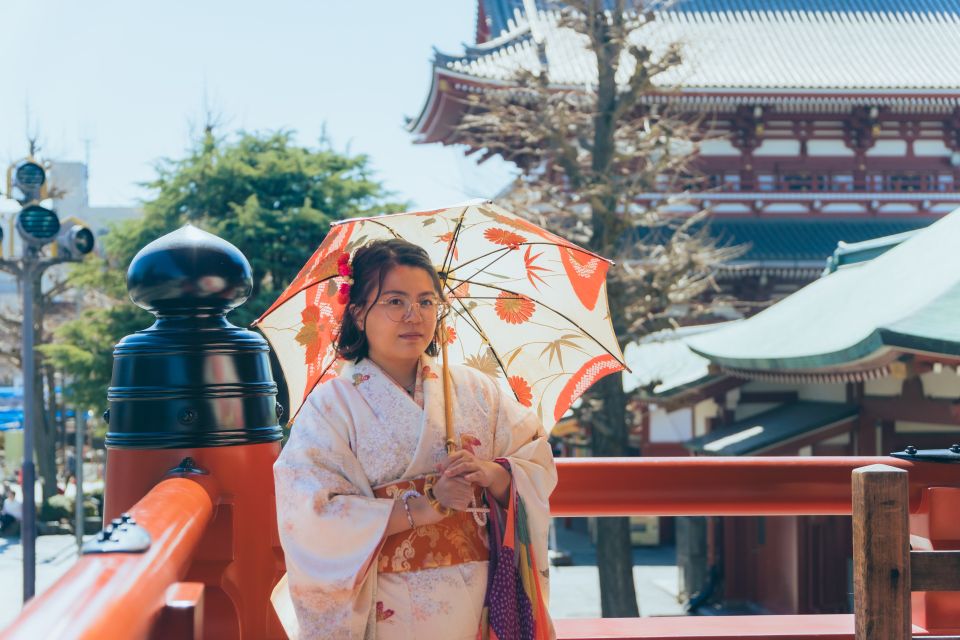
This tour runs rain or shine. If it’s raining, you’ll have a plastic umbrella included, and you’ll still make it out for photos.
This matters because kimono fabric can feel delicate in bad weather, and the session is planned so you’re not just rescheduling because of clouds. In wet conditions, your guide’s job becomes more about timing and positioning—keeping you comfortable and still capturing good light and composition.
You’ll want to dress smartly in advance. The tour doesn’t say anything about changing the route in storms, so assume you’ll walk outside. If you’re sensitive to cold or wet conditions, bring layers that you can manage before dressing.
Price and Value: Is $67 a Good Deal for Tokyo Kimono?
$67 per person can feel like a lot at first glance. But in this case, you’re not paying just for photos. You’re paying for:
- Real silk kimono or yukata (traditional production mentioned)
- All necessary accessories
- A guided dressing process
- Kimono walking and behavior coaching
- AKIZAKURA upcycled umbrella
- Photo shooting using an iPhone 14 Pro
- Weather support (plastic umbrella if rain)
That’s a lot bundled into one set price, especially in Tokyo where standalone kimono rentals plus a photographer or guide can add up fast.
The optional upgrades are there if you want the day to look extra polished: professional photographer (+JPY 13,000), plus hair/makeup and tea ceremony at additional cost. You can do the base experience and still walk away with a complete kimono day plus a photo set.
If you’re traveling with someone who loves photos, or you want a cultural activity that doesn’t depend on you speaking Japanese, this value makes more sense.
Who Should Book This, and Who Might Want a Different Plan
This fits best if you want:
- A kimono day in a calmer neighborhood than the biggest tourist hotspots
- Real outfit styling with coaching so you feel comfortable
- A shrine visit with etiquette guidance, not just photos
- A photo set that’s planned and directed, even if you’re not a confident model
It may be less ideal if:
- You have significant mobility issues. The shrine approach can involve stairs and some climbing.
- You’re expecting a full, long, multi-stop day with lots of museum time. This experience is focused on dressing, walking, shrine time, and photography rather than city-wide sightseeing.
On the flip side, solo travelers often do great here because the guide directs everything. Couples and small groups also tend to love it because the photos can turn out more personal.
Should You Book This Kimono Dressing and Photo Session?
If your goal is a real kimono experience with practical guidance and photos that look natural, I’d book it. The big reasons are the included silk kimono quality, the etiquette coaching, and the fact that your guide helps you move and pose correctly while you’re walking through Yanaka and around the shrine.
If you’re tempted by the upgrades, choose based on your priorities:
- Add professional photographer if you want portraits that feel more like a studio result.
- Add hair and makeup if you want your kimono look to be extra camera-ready.
- Consider tea ceremony if you want a more cultural add-on beyond the walk and photos.
One last check: if you have knee or leg concerns, ask about the shrine approach when you book so you can plan pacing.
If you want a Tokyo moment that feels traditional, respectful, and photo-friendly without fighting crowds, this is a strong pick.
FAQ
What’s included in the price?
The price includes your kimono or yukata, all necessary kimono accessories, an AKIZAKURA kimono upcycling umbrella, shooting with an iPhone 14 Pro, and a plastic umbrella if it rains.
Do I need to bring my own kimono?
No. The kimono or yukata and all required accessories are included.
Can I choose the kimono design in advance?
Yes. After booking, you’ll choose your kimono (from 50+ options) by the day before the tour.
How do I find the meeting point?
After booking, you’ll receive a detailed meeting place with photos. The meeting point is about a 5-minute walk from Sendagi station.
What if it rains?
The tour runs rain or shine. A plastic umbrella is included for rainy weather.
Which months use kimono vs yukata?
The experience includes kimono in winter and yukata in summer.
Can I book a professional photographer?
Yes. Professional photographer shooting is available for an additional JPY 13,000.
Can I add hair and makeup?
Yes. Professional hair and makeup can be added for an additional fee.
Is tea ceremony available as an add-on?
Yes. A tea ceremony can be added for an additional fee.
Do children pay the same price?
All people accompanying the tour are charged, except children under 2 years old, regardless of whether they are dressed in kimono.
What’s the cancellation policy?
You can cancel up to 24 hours in advance for a full refund.