REVIEW · TOKYO
Tokyo: Daikoku JDM Fast Furious Drift Style Car Experience
Book on GetYourGuide →Operated by MisiuJDMX · Bookable on GetYourGuide
Daikoku night feels like a movie set. This Tokyo experience trades the usual temple-and-mall loop for JDM car culture, highway passes with skyline views, and real stop-and-look moments at places like Tatsumi and the famous Daikoku Parking Area. Two things I especially like: the guide-led conversation (car talk plus daily life in Japan) and the chance to see everything from calmer classics to seriously wild builds.
One drawback to plan around: you can’t guarantee which exact cars show up at the meeting points. That uncertainty is part of the fun, but if you only want one specific model, this is still a best-effort scene rather than a scheduled car show.
In This Review
- Key takeaways before you go
- Why Tokyo’s Daikoku and Wangan nights hit different than sightseeing
- Price and value: what $123 buys you (and what it doesn’t)
- Your route from Dōgenzaka: the landmarks you see from the road
- Autobacs Shinonome: why a parts store stop belongs on this kind of night
- Tatsumi 1st PA for 15 minutes: quick meet culture, less pressure
- Daikoku Parking Area: the one-hour scene that makes people book again
- Highway storytelling: C1 and Wangan roads with real context
- Who the guides are matters: Mori, Michael, and Karim as examples of the vibe
- What you might see at Daikoku and Autobacs (and how to not feel disappointed)
- Timing, weather, and the reality of a timed car meet
- How this tour fits different kinds of people
- Practical tips: what to bring and the rules that shape comfort
- Should you book this Daikoku JDM car-culture experience
- FAQ
- How long is the Tokyo Daikoku JDM car experience?
- What does the price include for $123 per person?
- Which stops are included and is Daikoku guaranteed?
- What languages are the live guides?
- Is smoking or alcohol allowed in the vehicle?
- Is this tour suitable for children or wheelchair users?
Key takeaways before you go
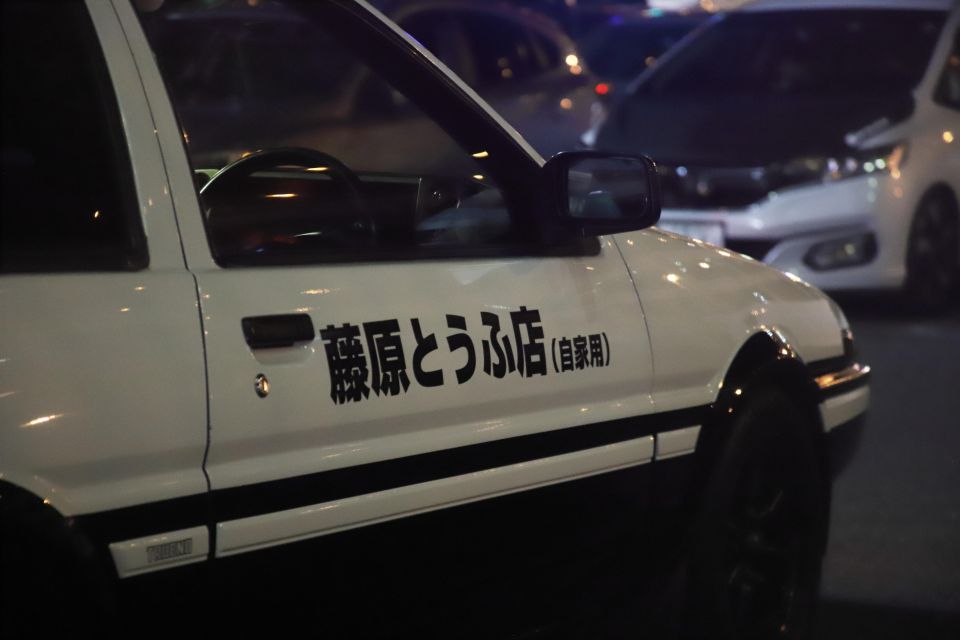
- One big anchor stop: Daikoku Parking Area for about an hour, plus extra car-meet stops along the way
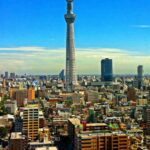
- Highway views plus city landmarks like Rainbow Bridge, Skytree, and Tokyo Tower from the road
- You’ll talk with a guide who mixes driving stories, tech, and Japan-life context
- Autobacs Shinonome + Tatsumi PA give you contrast between shopping energy and meet-up culture
- Cars vary by night and day; the best approach is to bring curiosity, not a checklist
- Small groups or private rides keep the vibe more personal, especially for questions
Why Tokyo’s Daikoku and Wangan nights hit different than sightseeing
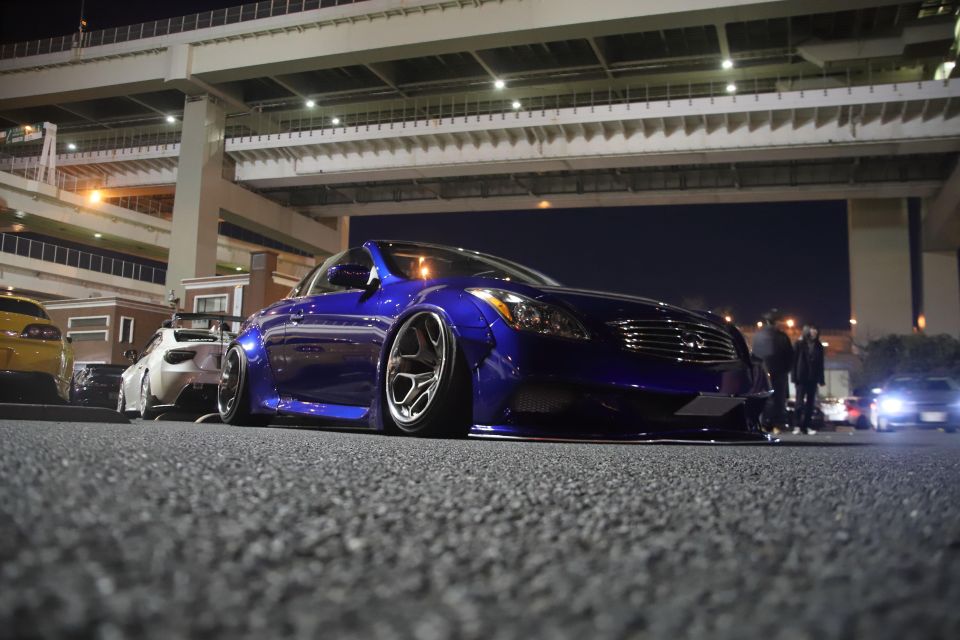
This isn’t a museum day. You’re riding through Tokyo and the Yokohama area with a focus on the street-car scene, the meet-up culture, and the places that car fans actually reference.
I like that the drive includes iconic views (Rainbow Bridge, Skytree, Tokyo Tower) while the stops do the emotional work: you get to stand near cars, talk to people when the mood allows, and soak up the atmosphere at Daikoku. It feels less like checking boxes and more like getting a real snapshot of how some Tokyo neighborhoods behave after dark.
The key mindset: you’re going for the scene, not a guaranteed lineup. On one night you may see an R34 next to a newer GT-R vibe; another night the mix changes. That’s why so many people come back.
You can also read our reviews of more tours and experiences in Tokyo.
Price and value: what $123 buys you (and what it doesn’t)
At $123 per person for a 4-hour private or small-group format, the value is mostly in two buckets: transportation by an experienced driver/guide, and a structured route with meaningful stops. You’re not paying for admission tickets. You’re paying for time, local know-how, and the ability to get to the right places without guessing.
What’s included is transportation and a live guide. What’s not included is food and drinks, so treat this as an evening car outing, then eat after. Also, you’ll want to remember the rules: no smoking in the vehicle, no alcohol in the vehicle, and no food in the vehicle.
If you’re a car person, this price often feels fair because the stop time at Daikoku is substantial for a half-day format. If you’re not a car fan, the highways and landmark passes can still be fun, but the main payoff will be the people, the cars, and the stories.
Your route from Dōgenzaka: the landmarks you see from the road
Pickup can start at 2-chōme-29-8 Dōgenzaka, 東叡堂ビル (and the drop-off is back there). Another option starts at Roppongi Hills. From there, you’ll pass sights like Rainbow Bridge and Tokyo Skytree, then continue through the Tokyo-to-Yokohama orbit with scenic road views.
A couple landmarks are called out as pass-by moments: Rainbow Bridge, Skytree, Haneda Airport, Tokyo Tower, and Yokohama. Even when you’re not getting out for long, the timing matters. The route is built around evening light, traffic flow, and access to the meet points.
Here’s the practical reality: traffic and weather can shift timing, and weekend schedules depend on day/time. The host still aims for at least three stops on the way, and Daikoku Parking Area is always included.
Autobacs Shinonome: why a parts store stop belongs on this kind of night
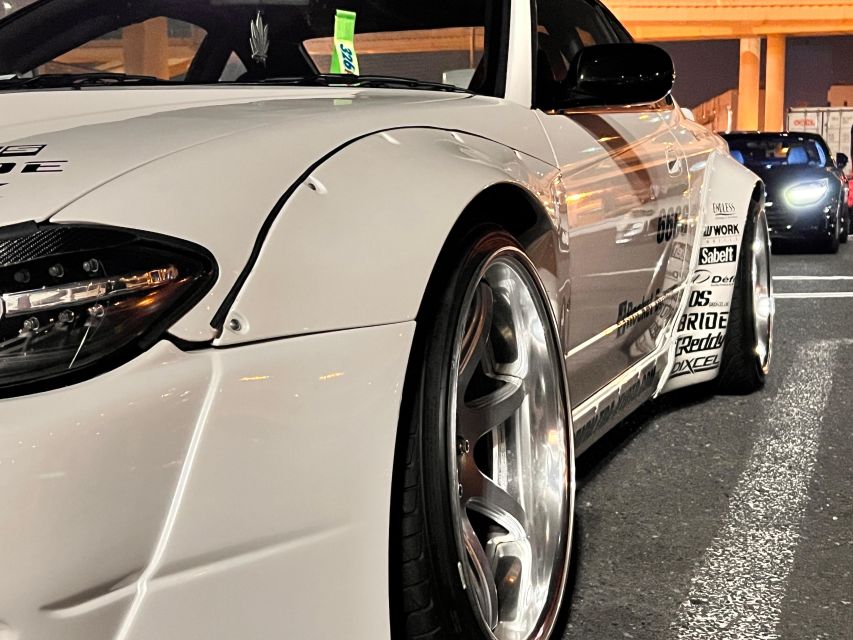
One stop is autobacs Shinonome, with about 25 minutes on-site. This is a smart contrast to the highway-and-meet rhythm: you shift from looking at cars to looking at the supporting world that fuels the scene.
What you can expect here is retail energy. You’ll likely see tuning brands, wheels/tires vibe, and the kind of merchandise that makes car people geek out. If you’re the type who loves the details behind builds, this stop can feel like walking through the “how it’s made” side of the culture.
Time is short, so I’d use it like this:
- scan parts and tuning displays quickly
- take photos if allowed in-store areas
- if you want something, be ready to decide fast (because the visit is timed)
Tatsumi 1st PA for 15 minutes: quick meet culture, less pressure
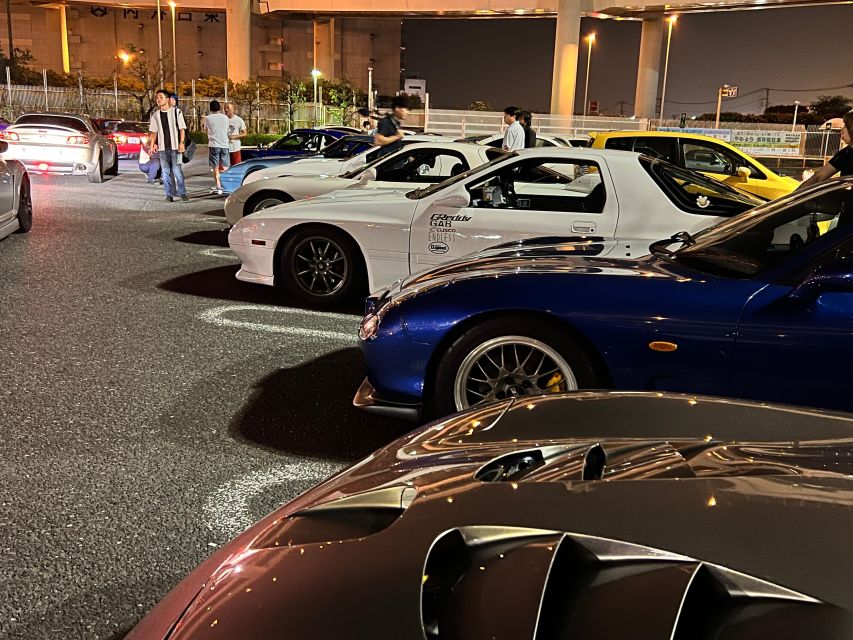
Another stop is Tatsumi 1st PA, typically around 15 minutes. This is the “speed visit” part of the plan. You get the atmosphere without a long standing session.
Why it works: it keeps you moving toward Daikoku while still letting you experience a Japanese meet setting beyond the single famous parking area. You’re getting variety in how the car culture shows up, and it helps set context before you hit the bigger scene.
If you’re the kind of person who asks questions, a short stop is still enough to catch the feel: where people park, how they talk, and what kind of cars tend to be around. Then you roll on with your guide’s commentary.

Daikoku Parking Area: the one-hour scene that makes people book again
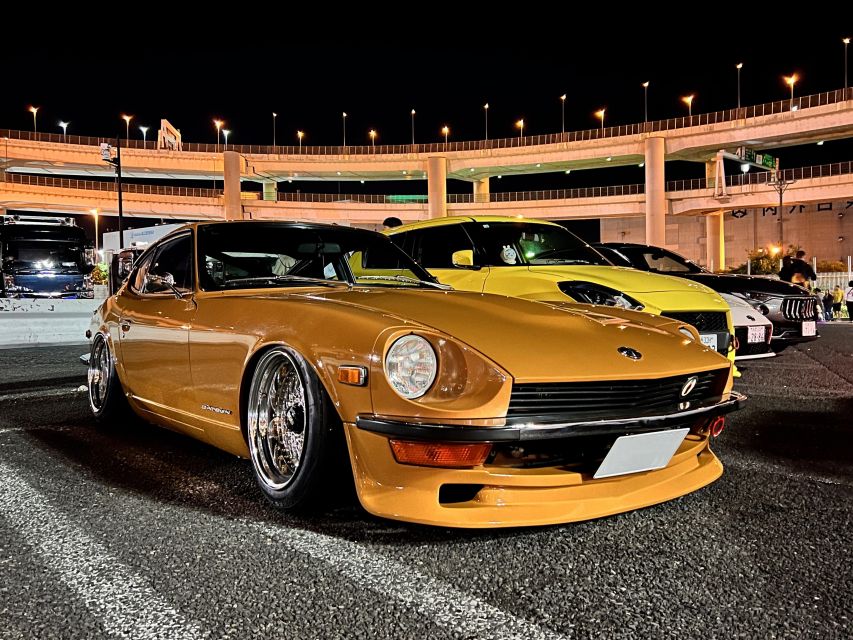
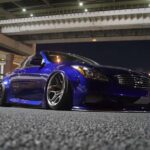
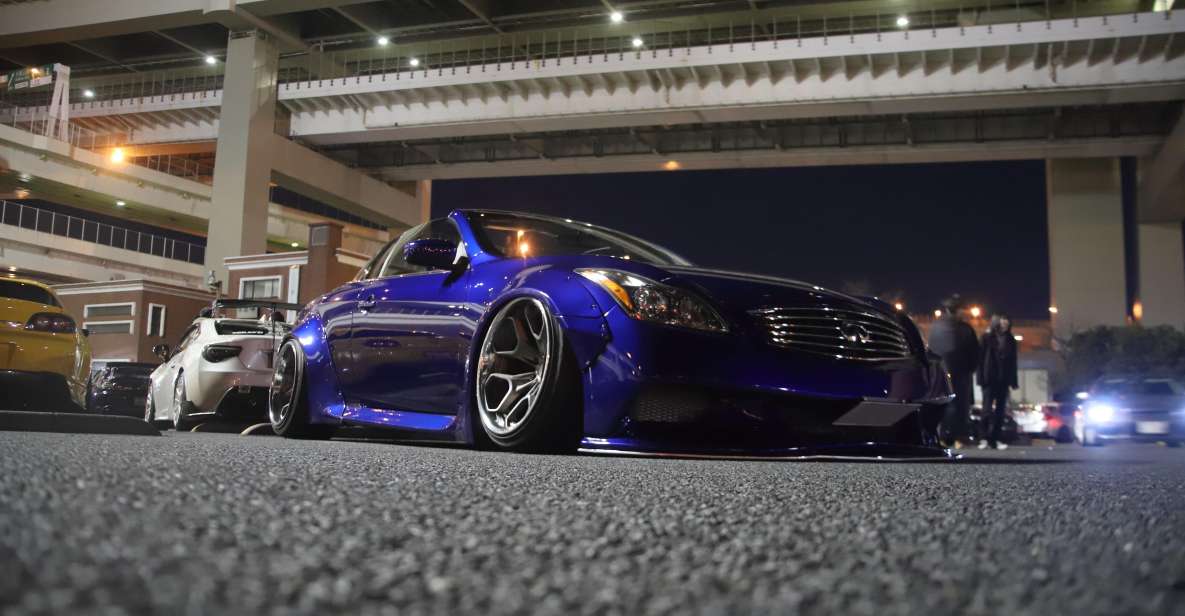
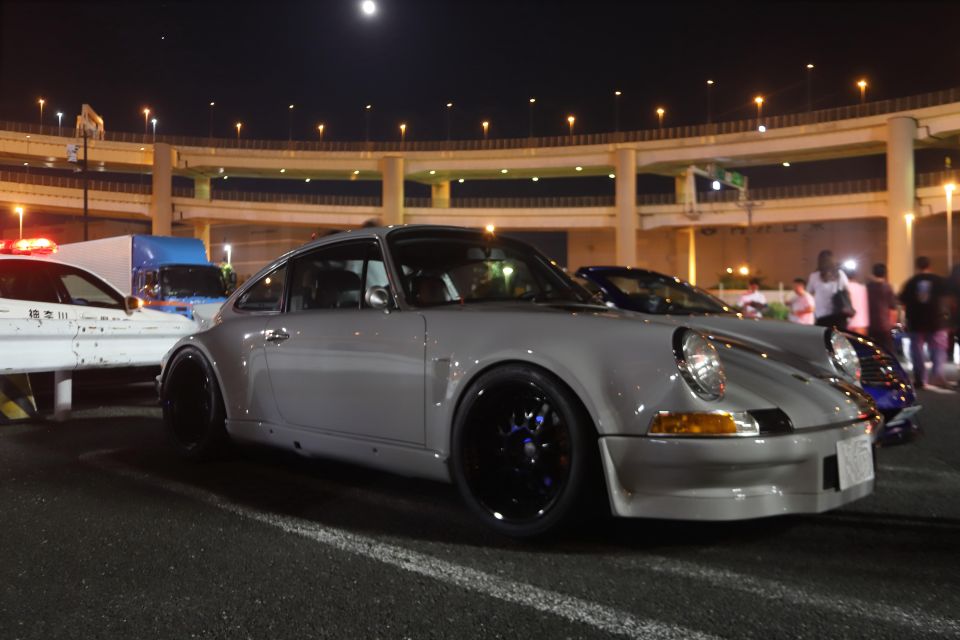
Daikoku Parking Area is the headline stop for about one hour. This is where the street-car culture becomes real in front of you: tuned sedans, custom builds, and a mix of eras and tastes.
The first thing I’d tell you is to manage your expectations. There’s no guarantee on the type or number of cars you’ll see. That’s stated clearly, and it’s true in spirit: this is an impromptu meet, not a scheduled show. The payoff is that you get a snapshot of what’s active that night.
Second, make the time count. If you want photos, pick spots where you can walk a loop without doubling back. If you want to talk, watch how people are behaving and join in when the moment feels friendly.
A few review details hint at how the evening can play out. On one Saturday-night experience, the lot reportedly had a police shutdown around 8pm, but the group still got plenty of time for photos and car viewing. That’s not a promise, but it’s a useful reminder that the schedule can tighten as the night goes on.
Highway storytelling: C1 and Wangan roads with real context
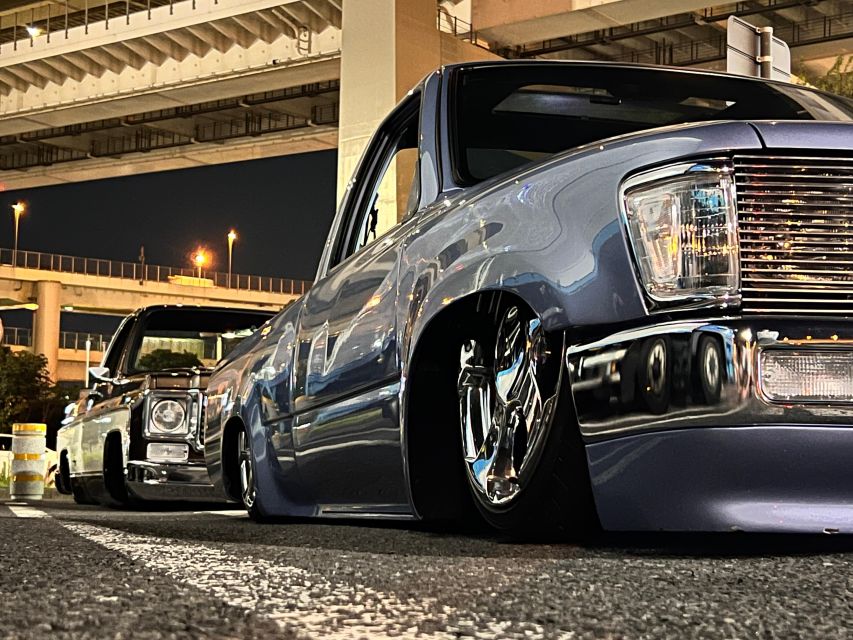
The core ride includes iconic highway stretches like C1 and the Wangan area. You’re not just getting points from A to B. You’re using the drive time for car stories and Tokyo context, then translating that into the stops where people gather.
This is where the guide’s personality matters most. You’ll hear history and current-car-scene realities mixed with what it’s like living in Japan. It’s not just technical jargon. It’s also about people: how the car culture grew, what’s changing, and why some builds get done the way they do.
From the guide names shared in past experiences, you may ride with someone like Mori or Michael (also seen as Karim). People often praise the way the guide keeps conversation flowing and answers questions during the drive, not after you’ve already left the car.
Who the guides are matters: Mori, Michael, and Karim as examples of the vibe
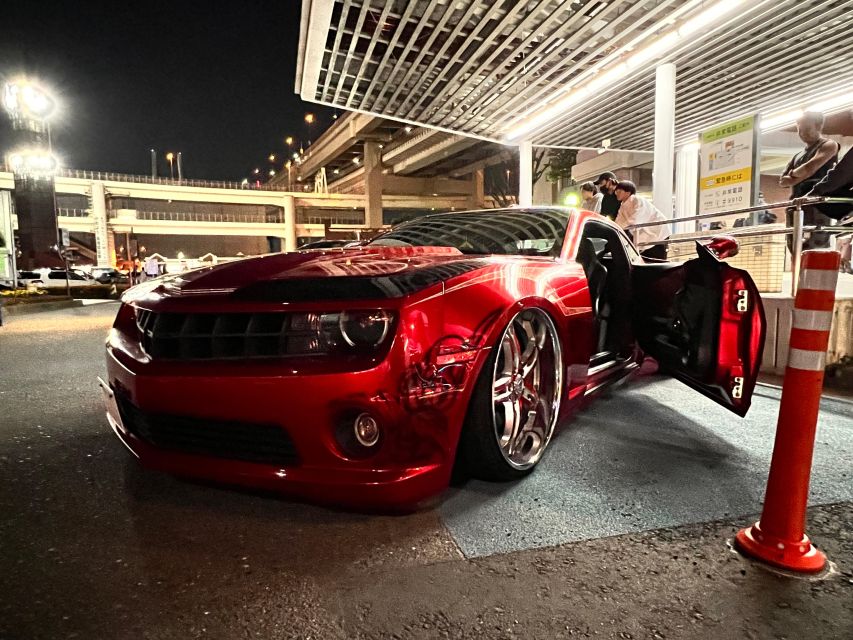
This tour runs by professionals with long insider experience in the auto industry. You’ll see it in the pacing: they keep the group moving, explain what you’re looking at, and make stops feel purposeful rather than random.
In particular, guides like Mori and Michael are highlighted for strong commentary and easy conversation. Karim is also mentioned as a friendly host who knows the roads and adds extra context around what you’re seeing on the way.
One detail I really like: the guide approach includes real conversation, not just a script. When a group leans in on car topics, the host can steer that energy into useful explanations about brands, locations, and Japan life.
What you might see at Daikoku and Autobacs (and how to not feel disappointed)
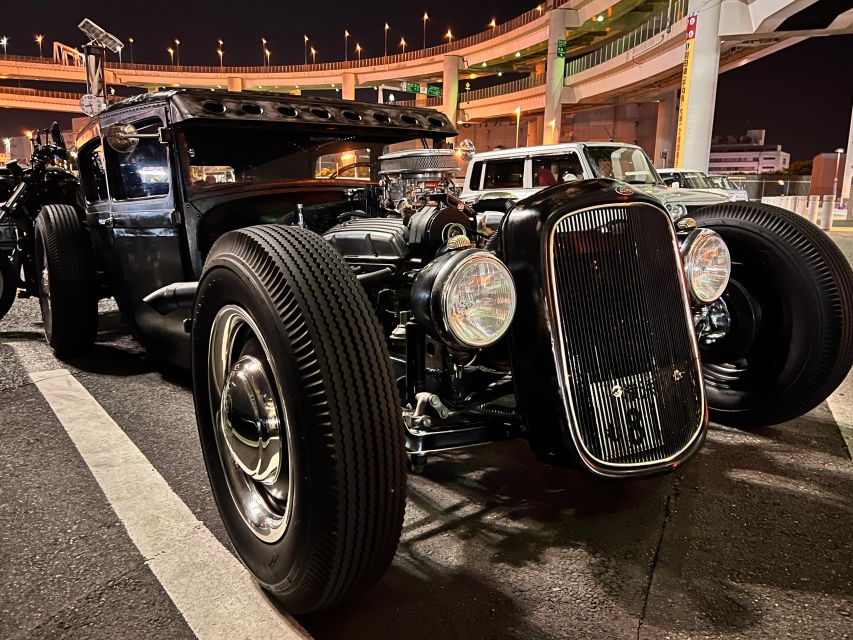
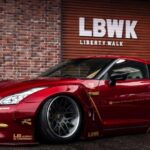
You’re likely to see a mix of custom JDM, Euro, and American cars, including everything from classic favorites to more extreme builds. Past snapshots include everything from 90s JDM legends to modern GT-Rs, plus non-Japanese exotics like an R8 or Murciélago.
Some people even reference movie-related cars in the scene, like a Paul Walker-era Supra Mark IV being spotted during one tour. Again, you can’t count on that happening, but it shows the range that can appear when the crowd is right.
So here’s the trick for your mindset: think of Daikoku as a live street-car museum with rotating exhibits. You’ll still enjoy it more if you go in ready to appreciate whatever shows up, not only what you hope to find.
Timing, weather, and the reality of a timed car meet
This experience is about 4 hours total. That’s enough time to see several locations, enjoy a longer Daikoku stop, and still have daylight/dusk views depending on the starting time.
Weather matters because you’re outside at car meets. The good news: the tour still runs in less-than-perfect conditions, and the experience can remain worthwhile even when it’s raining. The challenge is what you wear and how much time you’re comfortable standing around.
Also remember: weekends can affect the exact route and the “other two” stop locations. Daikoku stays the constant, while the additional spots may come from a set including Tatsumi, Umihotaru, Autobacs, or Gaienmae.
How this tour fits different kinds of people
Best match:
- You love cars, tuning, or JDM culture and want a night that feels like part of the community
- You want a guided route that brings you to famous spots without guessing or risking wrong turns
- You’re okay with “impromptu meeting” energy rather than a scripted car show
It can also work if you’re not the biggest gearhead, because you’re still riding through Tokyo at night with landmark passes. The scenery helps. The conversations help. The whole thing is a break from the usual sightseeing churn.
I’d skip it if you want guaranteed, ticketed access to a specific attraction (this one is dependent on the night’s scene). And it’s not suitable for children under 5 or for wheelchair users.
Practical tips: what to bring and the rules that shape comfort
Bring your passport. That’s the only required item listed.
For comfort, plan around these vehicle rules: no smoking, no alcohol, and no food in the vehicle. If you get hungry, plan to eat before or after (since food and drinks are not included).
Vehicle format can change. There are options for a JDM Performance sedan or van, or a JDM Legend-style vehicle. For larger parties, you might split into two vans depending on group size and remaining seat availability.
Finally, talk to the provider if you’re traveling with children who need a booster seat (ages 5–7). They specifically ask you to contact them before your tour date for that situation.
Should you book this Daikoku JDM car-culture experience
If you want a Tokyo night that mixes street-car culture, real stops, and guided context, this is an easy yes. The Daikoku Parking Area hour is the centerpiece, and the drive-through landmark views keep the experience from becoming only “stand and stare.”
Book it if:
- you like the idea of an impromptu meet and can enjoy variety
- you value a guide who talks cars and Japan life, not just directions
- you’ll enjoy a conversation-forward evening
Skip it if:
- you need a guaranteed car lineup
- you’re traveling with mobility needs that prevent the tour from being suitable
- you expect food included or a fully kid-friendly schedule
FAQ
How long is the Tokyo Daikoku JDM car experience?
It lasts about 4 hours.
What does the price include for $123 per person?
The price includes transportation and a live guide. Food and drinks are not included.
Which stops are included and is Daikoku guaranteed?
Daikoku Parking Area is included on every experience. Other stop locations can vary by day and time, with options selected from Tatsumi, Umihotaru, Autobacs, and Gaienmae.
What languages are the live guides?
The guide languages listed are English, Japanese, Polish, Italian, and German.
Is smoking or alcohol allowed in the vehicle?
No. Smoking, alcoholic drinks, and food are not allowed in the vehicle.
Is this tour suitable for children or wheelchair users?
It’s not suitable for children under 5, and it’s not suitable for wheelchair users. If your child needs a booster seat (ages 5–7), you should contact the provider before your tour date.