REVIEW · TOKYO
Tokyo Private Tour by Vehicle with English-Speaking Chauffeur
Book on Viator →Operated by Tokyo Grand Tours · Bookable on Viator
Tokyo can feel like a puzzle. This private chauffeur tour gives you the pieces: Senso-ji, Skytree views, Tsukiji food streets, Meiji Jingu calm, and Shibuya energy, all with English commentary from the driver between stops. I like two things most: hotel pickup and drop-off that removes logistics stress, and the Pocket Wi-Fi that keeps you oriented without wrestling apps. One consideration: it’s priced per group (up to 4), so it’s best value when you can fill the car.
The day runs about 7 to 9 hours, and you can stick to a classic lineup or shape it with your guide. That flexibility matters in Tokyo, where weather, hours, and your own energy level can change the plan fast. If you want a tour that feels easy, not rushed, this is a strong way to see the icons without getting buried in directions.
In This Review
- Key highlights to look for
- How this private car day makes Tokyo simpler
- Price and whether it’s good value for your group
- Building your day: set itinerary or custom route
- Senso-ji Temple: Tokyo’s old heartbeat in Asakusa
- Skytree: the view stop (and the only major paid entry)
- Tsukiji Outer Market: where food + atmosphere do the work
- Imperial Palace East Gardens: a calm break from the action
- Meiji Jingu: the shrine stop that feels like a reset button
- Shibuya Crossing and Takeshita Street: modern Tokyo in two speeds
- What makes the included details worth noticing
- Guide performance: what to expect from English-speaking chauffeurs
- A few watch-outs before you go
- Should you book this Tokyo private chauffeur tour?
- FAQ
- How long is the Tokyo private chauffeur tour?
- Where does the tour start and where does it end?
- Is hotel pickup included?
- Is the Skytree admission included?
- What’s included in the tour price?
- Can I customize the itinerary with the driver?
Key highlights to look for
- Private English-speaking chauffeur: commentary while you’re in the car between stops, with the route adjusted to your preferences.
- Hotel pickup plus drop-off: you spend less time scheduling trains, cabs, and transfers.
- Pocket Wi-Fi: helpful for navigation and messaging during the day.
- Icon stops that cover Tokyo’s moods: temple tradition (Senso-ji, Meiji Jingu), food streets (Tsukiji), and modern city chaos (Shibuya).
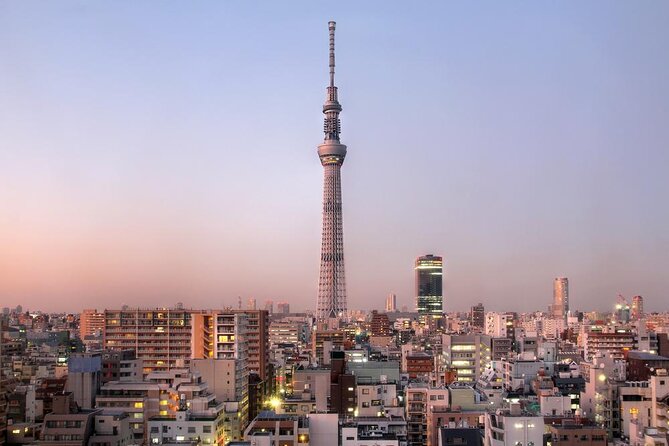
- Skytree is a ticket add-on: the tower itself has a separate admission, so you’ll want to plan for that if it’s on your must-do list.
How this private car day makes Tokyo simpler
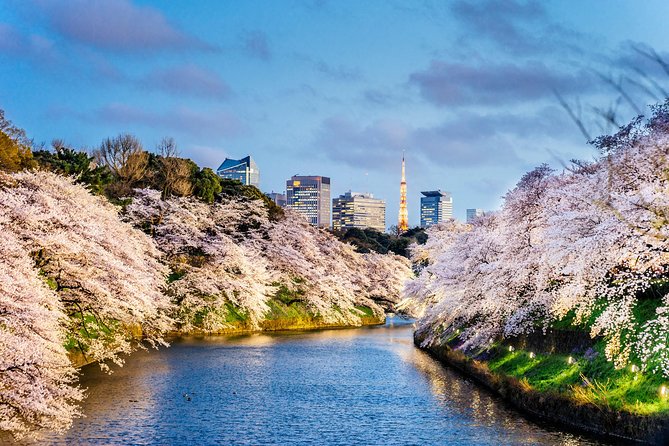
Tokyo is great at doing everything. It’s also great at making you work for it. This tour removes the biggest friction points: getting around efficiently, finding parking, and timing multiple neighborhoods.
You’re traveling in a private vehicle just for your group (up to 4). That means you’re not doing the stop-and-start shuffle of a large group bus, and you can take a little extra time at the places that grab you. The driver gives information between sights while you’re moving, which is a practical way to learn without adding a bunch of walking time.
You’ll start at ANA InterContinental Tokyo (1-chōme-12-33 Akasaka) and the tour ends back at the meeting point. Hotel pickup and hotel drop-off are included, so in practice you should expect pickup from your place and a return near the starting area.
You can also read our reviews of more tours and experiences in Tokyo.

Price and whether it’s good value for your group
The tour price is $468.91 per group (up to 4) for roughly 7 to 9 hours. If you split it four ways, you’re effectively around $117 per person for a full-day plan with a car, driver, and Pocket Wi-Fi.
That’s where the value lands: if you would otherwise spend your day hopping between areas with taxis, or if you don’t want to stress about the subway system, the private vehicle can be money well spent. It also helps if you’re traveling with someone who doesn’t enjoy lots of transfers, or you’re trying to make a short Tokyo window count.
If you’re only 1–2 people, the cost per person rises quickly. In that case, I’d weigh what you truly want: one “great day of iconic stops” with low friction, or a cheaper day using trains on your own.
Building your day: set itinerary or custom route
This experience is designed for two styles of visitors:
1) You want the classics in a sensible order.
2) You want to mix the icons with your own must-sees.
The tour offers options for either a set plan or customizing with your English-speaking chauffeur. That matters more than it sounds. Tokyo’s best moments often depend on small choices: where you want to eat, how long you want to linger, and what you skip when the day feels too hot or too crowded.
From the guide names that commonly come up (Moshe, Oriol, Richard, Sam, Mattia, and Shlomo Moshe), the pattern is similar: drivers tend to use the car time to explain context and help you understand what you’re looking at, instead of just listing facts.
Senso-ji Temple: Tokyo’s old heartbeat in Asakusa
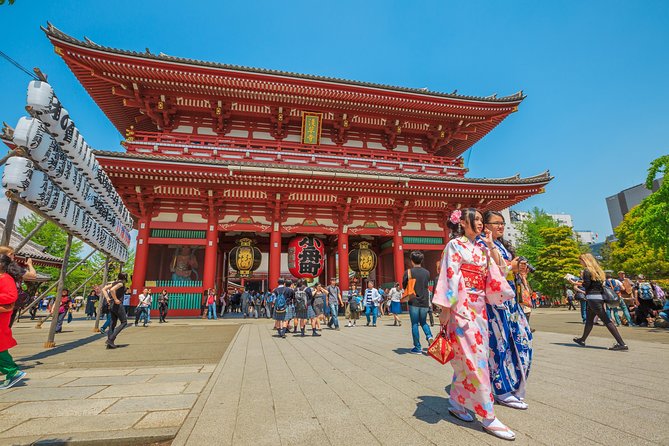
Senso-ji is the opening act for a reason. The stop is about 1 hour 5 minutes, and admission is listed as free.
This is Tokyo’s most prominent and historic temple area, associated with Asakusa and the city’s older identity. The key thing to know is that Senso-ji isn’t just a single building. You’re entering a whole atmosphere: temple gates, surrounding streets, and the sense that people are here for the experience, not just photos.
Practical tip: Give yourself time to walk slowly through the approach area, not just rush to the main structures. Even if you’re not a history nerd, the vibe teaches you a lot about how daily life and tradition sit side-by-side in Tokyo.
Skytree: the view stop (and the only major paid entry)
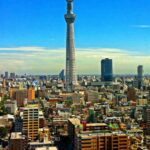
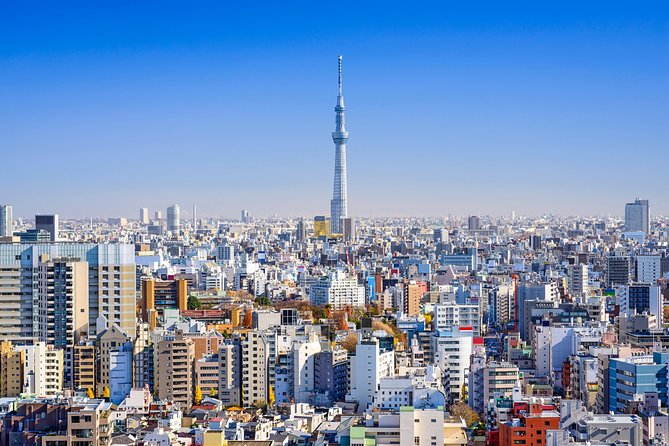
Tokyo Skytree is the “big picture” moment. The itinerary lists about 1 hour 20 minutes, and admission isn’t included.
Skytree is described as the world’s tallest tower at 634 meters, so the promise is straightforward: height, skyline, and that wow-you-are-in-a-mega-city feeling. If your goal is to orient yourself in Tokyo visually, this is one of the best stops.
What to watch: Because tickets aren’t included, budget for the admission separately if you plan to go up. Also, if you’re traveling on a day with poor weather, your view might not be as dramatic as the photos you’ve seen.




Tsukiji Outer Market: where food + atmosphere do the work
Tsukiji Outer Market is typically around 1 hour 30 minutes, with admission listed as free.
This is where Tokyo turns edible. Expect a street-market scene built around seafood and quick bites, including both raw and cooked options. The Outer Market is the part most people mean when they say Tsukiji, and it’s known for energy, variety, and lots of places you can snack while you walk.
A realistic approach: Don’t plan one “perfect” meal here. Instead, think of it as a tastings loop. Order small things, share, and move on. If you try to do everything in one sit-down meal, you’ll fight the crowd and lose time.
Imperial Palace East Gardens: a calm break from the action
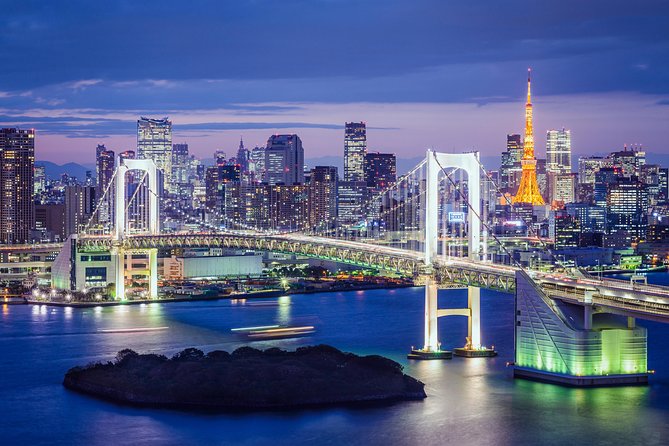
Next comes a quieter tone shift: the Imperial Palace East Gardens. This stop is positioned as part of the inner palace area and tied to the former site of Edo Castle’s innermost defensive circles.
The itinerary doesn’t list a specific “minutes” length for this particular stop in the information you provided, but it’s clearly meant as a breath-between-neighborhoods moment. It’s a good counterweight after temple streets and market bustle.
What you’ll appreciate: the slower pace. You won’t come here for entertainment-level sights. You come for space, gardens, and a different side of how Tokyo protects and preserves important historic ground.
Meiji Jingu: the shrine stop that feels like a reset button
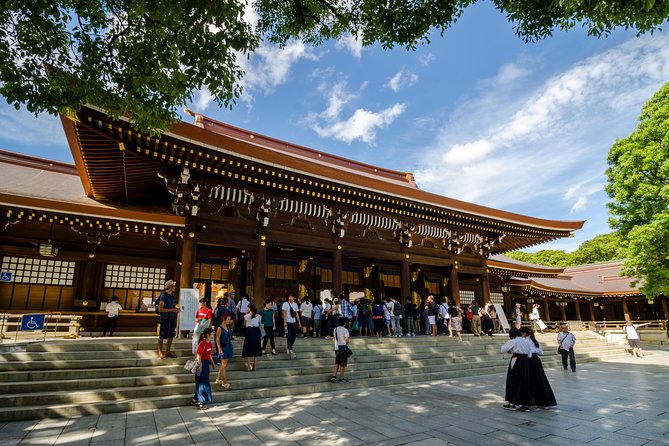
Meiji Jingu is scheduled for about 1 hour 20 minutes, with admission listed as free.
You’re visiting a major shrine dedicated to Emperor Meiji and his consort Empress Shōken, completed in 1920. People often expect “another shrine,” but this one has a special feel because it’s set up to let you slow down. The surrounding forested grounds help it work like a reset.
Practical advice: Wear comfortable shoes and take your time. This stop rewards walking at a human pace, not sprinting for the highlights.
Shibuya Crossing and Takeshita Street: modern Tokyo in two speeds
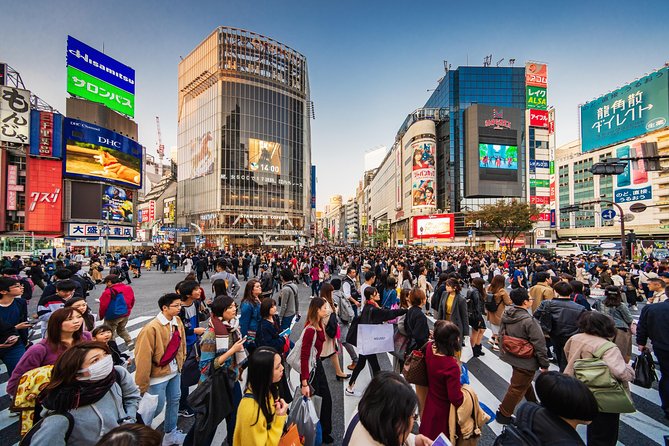
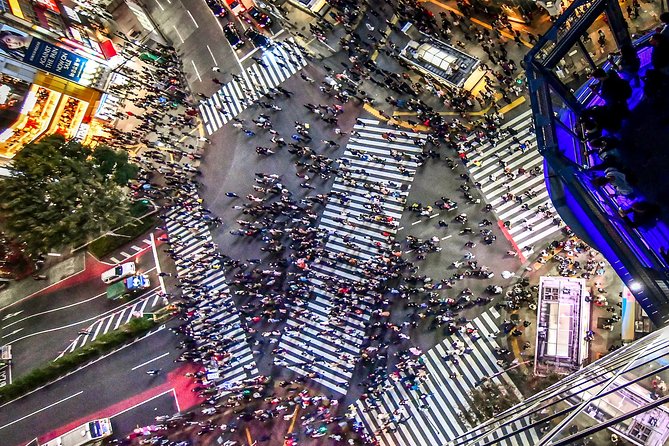
Shibuya Crossing is the famous stop, listed at about 50 minutes. Admission is free.
This is described as the busiest intersection in the world. Translation: you’re standing in the middle of an urban choreography where crowds move like they’ve practiced. It’s loud, it’s fast, and it’s very Tokyo.
Then you roll into Harajuku’s youth-fashion zone via Takeshita Street, scheduled for about 1 hour 5 minutes, also free. This is the place for colorful street style, quirky vintage shops, and cosplay culture.
How to enjoy it: Decide what kind of Shibuya moment you want.
- If you want the iconic crossing and quick photos, keep Shibuya short.
- If you want to shop and browse, budget time for Takeshita and nearby lanes so you don’t just circle the main strip.
What makes the included details worth noticing
A lot of “private tours” feel like someone booked a car and handed you a list. This one includes a few small things that make the day smoother:
- Bottled water: simple, but on a full-day Tokyo plan, it matters.
- Driver explanations between destinations: that’s your walking-guide substitute for much of the time. Since a dedicated walking guide is not included, your understanding comes mainly from what the driver tells you while you’re in transit.
- Pocket Wi-Fi: this helps you keep moving confidently even if you step off the exact route for a snack or a photo.
Your car ride time becomes part of the tour. That’s why the driver quality matters so much. In the feedback you were given, names like Moshe and Oriol show up again and again for making stops feel understandable and easy.
Guide performance: what to expect from English-speaking chauffeurs
The tour is built around an English-speaking chauffeur, but it also notes the experience may be operated by a multi-lingual guide. In real life, that usually means you’ll get good communication, plus the ability to ask questions while you’re traveling.
From the guide styles reflected in the feedback:
- Some drivers tailor the day tightly to preferences and walking comfort.
- Others add context on culture, neighborhoods, and how to navigate the city.
- Several guides are described as flexible about pick-up timing within reason and willing to adjust the order when it helps your interests.
If you want the best day, come ready with a short priority list: two “must-do” stops and one “maybe” stop. Then let the driver fill in the rest with a logical route and practical timing.
A few watch-outs before you go
No tour is perfect. Here are the main things I’d keep in mind based on the information available:
1) No walking guide. You get explanations while moving, not a full-on guide escort inside every location. If you want deep on-the-ground interpretation at each site, plan to ask your driver questions before you arrive or rely on your own quick reading during visits.
2) Lunch choices can make or break the vibe. Some plans include restaurant suggestions, and not every suggestion fits every taste. If you’re sensitive to touristy menus, you’ll likely have a better day if you ask for options rather than accepting the first recommendation.
3) Weather and closures can disrupt the day. If a stop is closed or conditions are intense, a good driver can help you switch priorities. Still, it’s wise to keep an attitude of flexible sightseeing.
4) Cost is easiest to justify with a full car. If you’re traveling as a solo or couple, it may feel expensive compared with public transit. If you’re traveling as a family or two couples, it’s much easier to see the value.
Should you book this Tokyo private chauffeur tour?
Book it if you:
- Want a stress-light full day with hotel pickup, a private vehicle, and an English-speaking driver.
- Like the idea of hitting Tokyo’s big icons in one go: Senso-ji, Skytree, Tsukiji, Meiji Jingu, Shibuya, and Takeshita Street.
- Would rather adjust the day on the fly than follow a rigid group bus schedule.
Skip or consider alternatives if you:
- Prefer to explore by train and don’t mind planning routes.
- Expect a dedicated walking guide at every stop.
- Are traveling solo or with just one other person and need the lowest possible cost.
If you want Tokyo to feel manageable, not like a constant navigation test, this is a strong pick. It’s one of those days where the real luxury is time: time to move efficiently, pause where it’s interesting, and end your day without transit fatigue.
FAQ
How long is the Tokyo private chauffeur tour?
The tour duration is approximately 7 to 9 hours.
Where does the tour start and where does it end?
The tour starts at ANA InterContinental Tokyo by IHG, 1-chōme-12-33 Akasaka, Minato City, Tokyo 107-0052, Japan, and it ends back at the meeting point.
Is hotel pickup included?
Yes. Hotel pickup and hotel drop-off are listed as included.
Is the Skytree admission included?
No. Skytree admission is listed as not included.
What’s included in the tour price?
Included items are bottled water, the driver (with information provided between destinations), hotel pickup and drop-off, private tour with private vehicle transport, and Pocket Wi-Fi.
Can I customize the itinerary with the driver?
Yes. You can choose from a set itinerary or create your own with your English-speaking driver.