REVIEW · HIROSHIMA
Hiroshima Historical Walking Tour – Why A-Bomb was Dropped
Book on GetYourGuide →Operated by Localized Walking & Food Tours · Bookable on GetYourGuide
A two-hour walk with big questions. This Hiroshima tour connects Gokoku Shrine and Hiroshima Castle to the reasons the atomic bomb was targeted, then lands you at the Peace Memorial Museum with a clearer line from strategy to human cost. I especially like the step-by-step guided storytelling, and I like the photo-friendly stops that help you keep your bearings. The main drawback is that it’s emotionally heavy, so give yourself room for that.
You start in front of the Hiroshima Gokoku-jinja Torii gate near the main hall and walk for about 150 minutes with a live English guide. You’ll visit major sites including the Atomic Bomb Dome and Hiroshima Peace Memorial Park, with enough pacing to stay focused even when the theme is hard. If you want context before you go deeper on your own, this format really works.
In This Review
- Key things I’d prioritize on this Hiroshima walk
- Meeting at Gokoku-jinja: why this starts with memory of soldiers
- Hiroshima Castle photo stop: seeing the military logic behind the target
- The short in-between stop: a quick pause to connect themes
- Hiroshima Gate Park (30 minutes): slowing down in the city’s middle ground
- Atomic Bomb Dome: what you’re looking at and how to read it
- Peace Memorial Park and the museum finish: from facts to a living message
- Value for $35: what you gain in 150 minutes
- What makes the guides matter here (and how to use that)
- Practical tips so you enjoy this (without numbing out)
- Who should book this Hiroshima walk
- Should you book it?
- FAQ
- Where does the tour meet?
- How long is the Hiroshima Historical Walking Tour?
- Is there a live guide, and is it in English?
- What are the main places included in the tour?
- What is the price per person?
- Is the tour wheelchair accessible?
- Is tipping included in the price?
- Do you offer free cancellation and reserve-pay-later?
Key things I’d prioritize on this Hiroshima walk
- A clear answer to why Hiroshima was chosen (not just the date and headlines)
- Gokoku Shrine first, so you understand how the city thought about soldiers and sacrifice
- Hiroshima Castle with a guided focus, including a 20-minute stop built for photos and context
- Hiroshima Gate Park time (30 minutes) to slow down and connect the city layout to the story
- Atomic Bomb Dome and Peace Park in sequence, so the shift from military significance to human impact lands fast
- Ending at the Peace Memorial Museum, which gives your self-guided time a strong framework
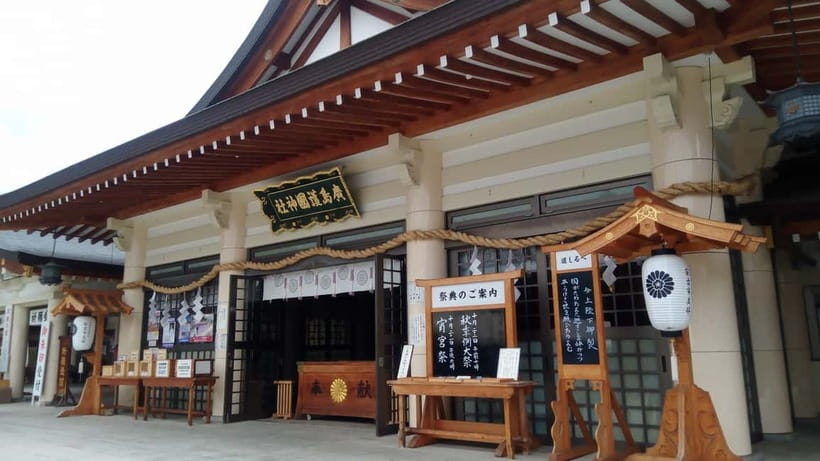
Meeting at Gokoku-jinja: why this starts with memory of soldiers
Most Hiroshima tours start at the memorial sites. This one starts at Hiroshima Gokoku-jinja, at the Torii gate in front of the main hall. That choice matters. Before you hit the Peace Memorial Park, you first meet the wartime worldview that shaped how people understood duty, loss, and national service.
Gokoku Shrines are not just pretty gates and quiet paths. With the guide’s explanations, you start to see why places like this were part of Hiroshima’s daily moral landscape before 1945. It also helps you grasp a key point you’ll keep running into later: the bombing is not only a single moment. It’s the final hit of a long chain of decisions, beliefs, and military planning.
If you get a guide like Chihiro, you’re likely to hear a more personal Hiroshima perspective, including family-connected meaning around peace advocacy. That kind of point of view can change how you read the stones and markers. You won’t just memorize dates. You’ll understand why the city has so much care for remembrance.
You can also read our reviews of more tours and experiences in Hiroshima.

Hiroshima Castle photo stop: seeing the military logic behind the target
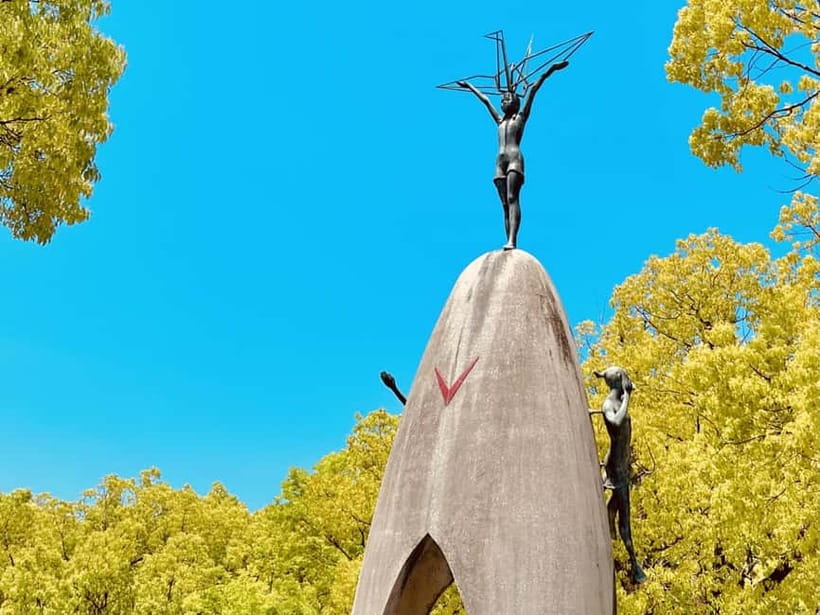
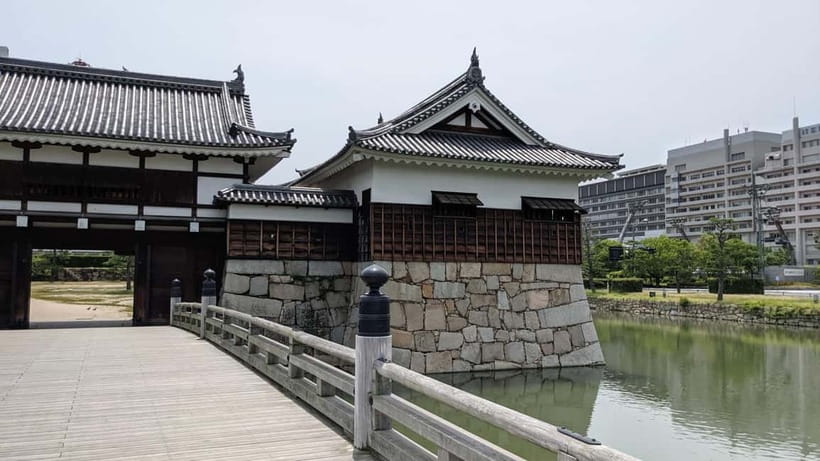
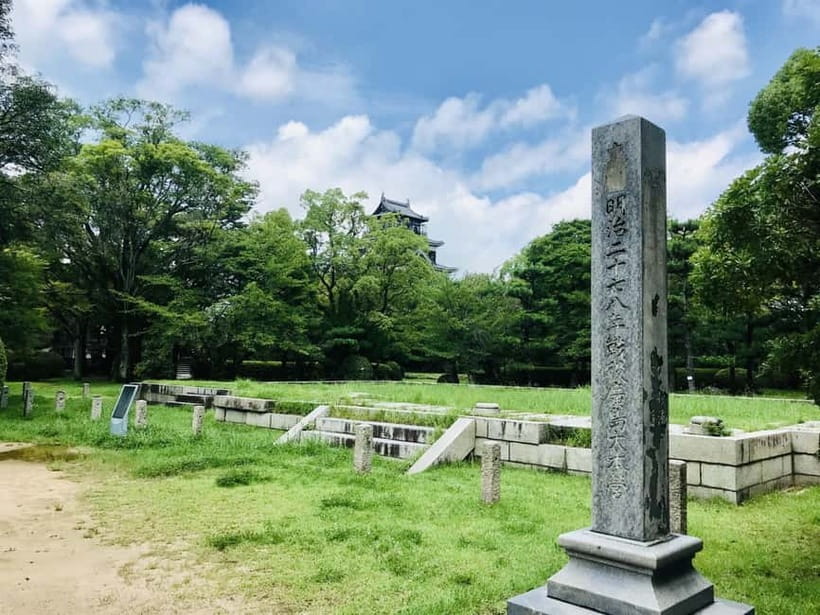
Next comes Hiroshima Castle, with a photo stop plus a visit and guided tour time (about 20 minutes). This is where your brain starts mapping the city for real. A castle isn’t automatically a bombing explanation. But guided interpretation turns it into one: why Hiroshima had strategic value and how the city fit into Japan’s military picture.
Even if you’re not into castle architecture, the value here is orientation. Your guide helps you connect the dots between Hiroshima as a functional hub and Hiroshima as a symbol. That’s exactly what you need before the Peace Park, because otherwise everything can feel like separate exhibits.
One practical tip: use the castle segment to take photos you’ll actually use later. It’s easier to remember the outlines of a place when you’ve got the guide’s story in your ear. When you reach the Atomic Bomb Dome, that memory of Hiroshima’s pre-bomb shape helps you understand why the Dome is so visually stark today.
The short in-between stop: a quick pause to connect themes
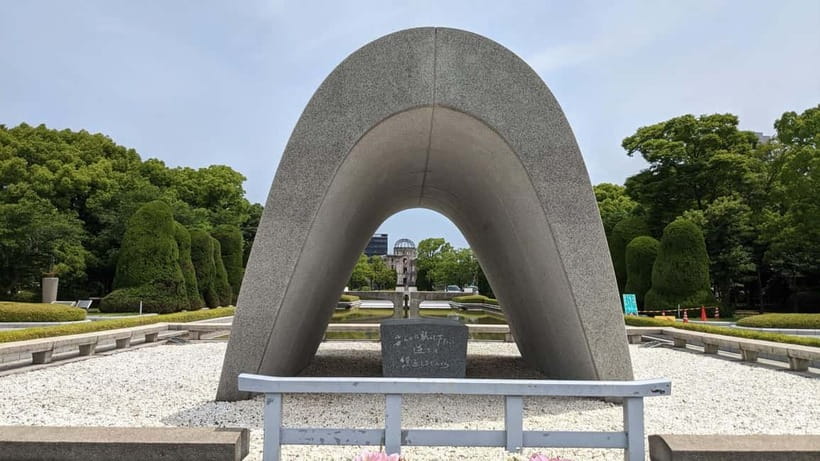
After the castle area, you’ll have another short guided visit (about 10 minutes). The name of the site can vary day-to-day, but the purpose stays the same: it’s a bridge stop. You’re moving from military context toward the urban spaces that the bombing impacted, and the guide uses the time to keep the narrative from jumping.
This part is also where you’ll feel the tour’s pacing. The structure isn’t one long sprint. It’s a sequence of focused stops, which matters when the subject is heavy. You’ll have time to ask side questions and refocus, instead of getting carried along like a checklist.
Hiroshima Gate Park (30 minutes): slowing down in the city’s middle ground
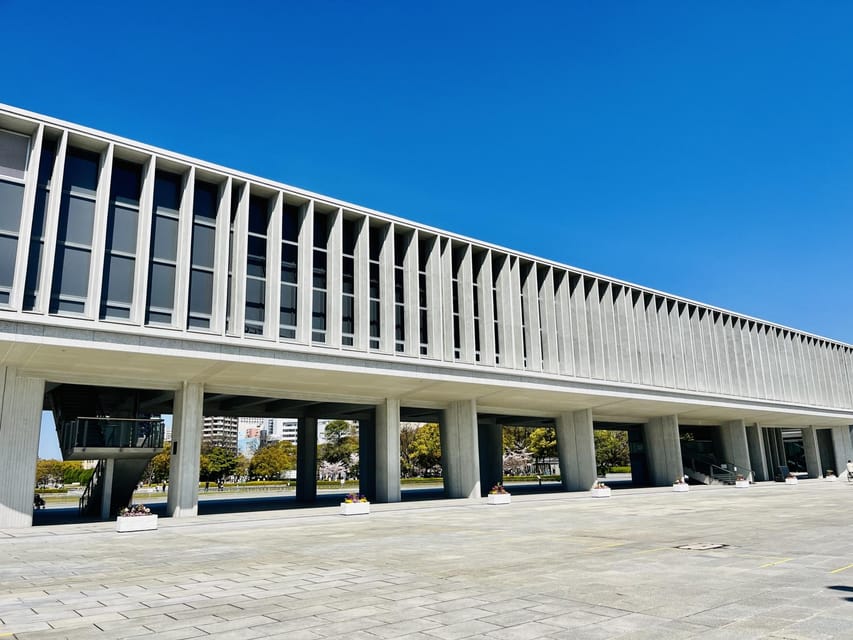
The tour then spends about 30 minutes at Hiroshima Gate Park. Parks can feel like a break in a walking tour, but here it’s more than that. This is a moment for spatial thinking. Your guide ties the city’s layout to the story you’re building—how people moved, what was nearby, and why the target made sense from a planning standpoint.
This is also where you’re likely to take your best non-museum photos. With the guided timing, you’re not rushing through it. You’re using the stop to reset your eyes before the most famous landmark on the route.
If you’re the kind of visitor who likes to process as you walk, this park time helps. When you finally reach the Atomic Bomb Dome, you’ll be ready to notice how the setting makes the historical point hit harder.
Atomic Bomb Dome: what you’re looking at and how to read it
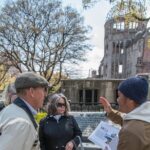
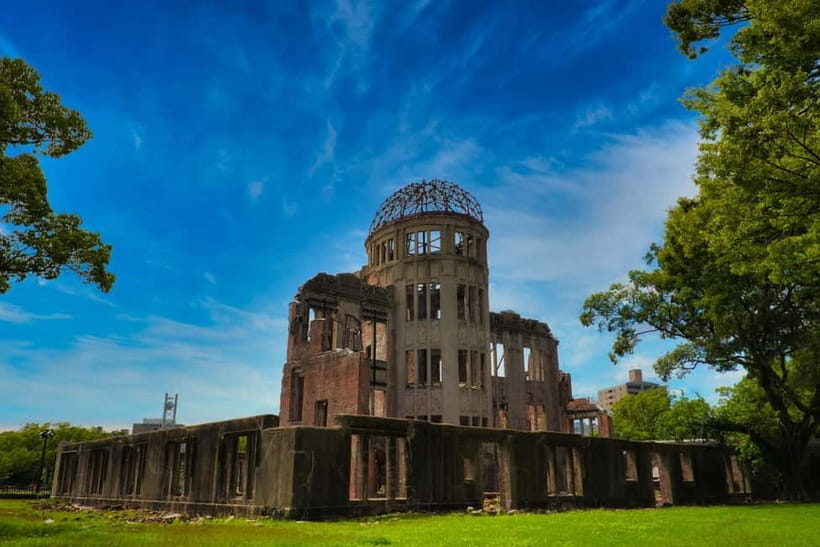
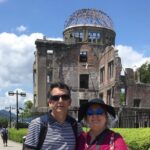
Then comes the Atomic Bomb Dome, visited with guided time of about 20 minutes. This is the stop many people come for, but it’s still worth slowing down and letting your guide frame it.
The Dome works because it’s visual evidence—an object that survived when so much around it did not. With the guide’s explanations, you start seeing it as more than a photograph. It becomes a marker of impact, a reminder of the limits of war planning when it meets real bodies and real life.
What I like about this tour’s order is that the Dome doesn’t land as a random tragedy. You’ve already walked through pre-bomb significance, then the city’s key spaces, then the Dome itself. That sequencing helps you avoid the common feeling of learning facts in a vacuum.
Also, plan to stand there a little longer than you think. The guide’s narration gives you the meaning, but your eyes do the rest. Give the Dome a minute, then look again. The second look usually sticks more.
Peace Memorial Park and the museum finish: from facts to a living message
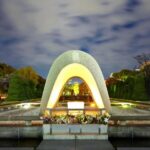
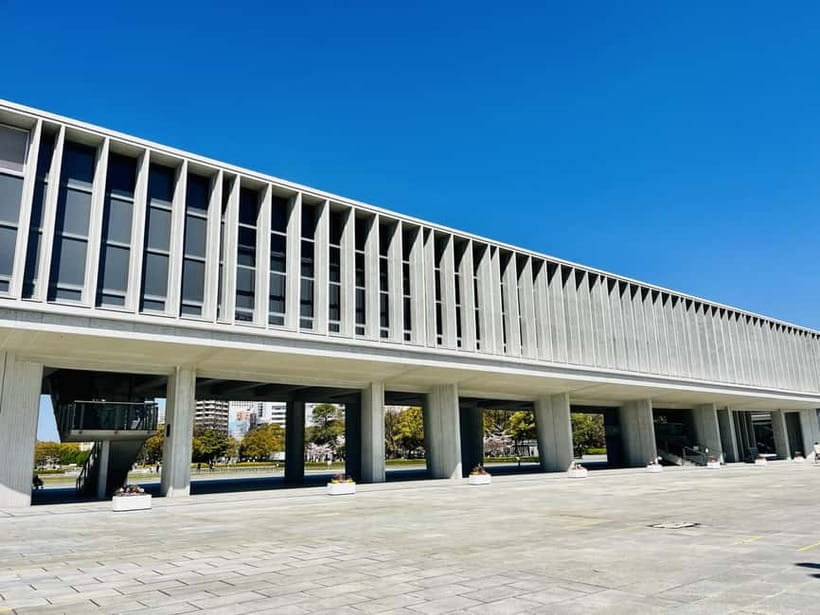
You finish the walking portion at Hiroshima Peace Memorial Park with about 30 minutes of guided time. This is where the tone changes clearly—from strategic questions to the human outcome and the long aftermath.
The guide’s job here is delicate, and you’ll feel it in the way the story is told. People often say Hiroshima is somber. They’re right. But the park doesn’t only ask you to feel sadness. It pushes you toward meaning: why the city keeps insisting on peace, and how remembrance can be a form of responsibility.
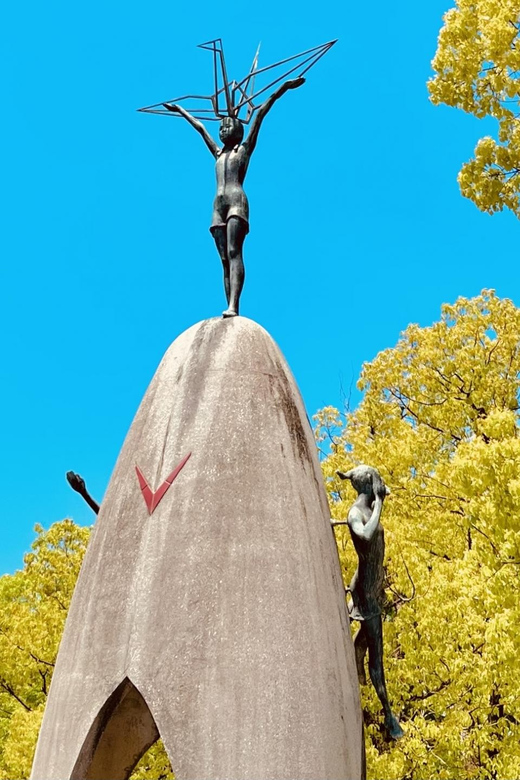
Many guides also point out parts of the park that travelers often miss when they only skim on their own. For example, you might be guided toward the Children’s Peace Monument and the symbolism of origami cranes. When a guide explains why the cranes matter, it gives the park’s message more texture than a single plaque.
Finally, you end at the Hiroshima Peace Memorial Museum. Ending there is smart. By the time you reach the museum, you already understand the building blocks: why Hiroshima had military relevance, why the bomb was delivered, and how the city’s identity changed after 1945. That makes your museum time feel less like reading in the dark.
If you’re planning to go inside the museum right away, this tour gives you a head start. If you plan to return later, you’ll still have a framework that makes the museum’s sections feel connected.
Value for $35: what you gain in 150 minutes
At $35 per person and 150 minutes, this tour sits in the sweet spot between a quick overview and a full day of museum-only time. You’re not trying to do everything. You’re getting the “why” and the “so what” built around a tight route.
The real value is not only that you get a guide. You get a specific narrative order: shrine and castle context first, the Atomic Bomb Dome next, then Peace Park, then museum finish. That structure turns your visit into a story instead of a pile of stops.
Also, the guide-led pacing seems intentional. People consistently mention that the pace feels manageable, with time for photo moments and small breaks. In practice, that means you’re less likely to feel rushed at the sites that matter most.
What makes the guides matter here (and how to use that)
Across recent groups, the guide names that show up again and again include Chihiro, Thomas, and Emi. Different guides bring different strengths:
- If your guide is Chihiro, you can expect strong personal perspective and a focus on peace advocacy.
- If your guide is Thomas, you’ll likely get detailed history tied to clear explanations and patience for side questions.
- If your guide is Emi, you might notice a storytelling style that feels both local and emotional, with smooth English delivery and a thoughtful rhythm.
You can’t always pick your guide, but you can use the format. Bring questions. Ask why Hiroshima mattered beyond the obvious. Ask how the city’s memorial message was shaped over time. With a good guide, those questions don’t derail the tour—they sharpen it.
Practical tips so you enjoy this (without numbing out)
This is not sightseeing-as-usual. It’s a guided walk through one of the hardest events of the 20th century. A few small choices help:
- Wear comfortable walking shoes. The route is short enough for most people, but it’s still real walking.
- Bring a water bottle and a plan for breaks. Guides often build in short pauses so you can process.
- Don’t overload your schedule on the same day. After Peace Park and the museum finish, you’ll probably want quiet time.
- If you’re sensitive to emotion, tell the guide. You don’t need details. Just let them know you’d like pacing support.
One more practical note: the tour is wheelchair accessible, which helps if mobility is a factor. If you need accommodations, make sure you check with the provider before you go so the day runs smoothly for you.
Who should book this Hiroshima walk
This is a great fit if you want:
- context before the museum
- a guided path that connects military and cultural meaning
- English narration that keeps the story clear
It’s also a good choice if you like walking with purpose. You’re not just moving from landmark to landmark. You’re building understanding as you go.
If you only want a short, purely visual tour, you might find it too story-driven. If you want a lighter experience, this is probably not it. The theme is heavy. The point is to understand it with care.
Should you book it?
Yes—if you’re ready to think and feel. I recommend booking this walk when you want more than dates and photos. The order of sites helps your understanding land in the right place, and the ending at the Peace Memorial Museum makes the rest of your day more meaningful.
Skip it only if you know you can’t handle emotional historical material, even in a respectful guided format. Otherwise, $35 for a live English guide plus a well-paced sequence of Hiroshima’s most important sites is a solid value—and a smart way to get meaning out of your time in the city.
FAQ
Where does the tour meet?
You meet in front of the Hiroshima Gokoku-jinja Torii gate near the main hall.
How long is the Hiroshima Historical Walking Tour?
The tour lasts about 150 minutes.
Is there a live guide, and is it in English?
Yes. It’s a live tour guide speaking English.
What are the main places included in the tour?
The tour includes Hiroshima Gokoku Shrine, Hiroshima Castle, Hiroshima Gate Park, the Atomic Bomb Dome, Hiroshima Peace Memorial Park, and it finishes at the Hiroshima Peace Memorial Museum.
What is the price per person?
The price is $35 per person.
Is the tour wheelchair accessible?
Yes, it is wheelchair accessible.
Is tipping included in the price?
No. Tips for the guide are not included.
Do you offer free cancellation and reserve-pay-later?
Yes. You can cancel up to 24 hours in advance for a full refund, and you can reserve now and pay later.