REVIEW · HIROSHIMA
Hiroshima City 4hr Private Walking Tour with Licensed Guide
Book on Viator →Operated by Japan Guide Agency · Bookable on Viator
Hiroshima is heavy, but this tour is practical. You get a private 4-hour walk paced to your group, with a licensed local English-speaking guide who can explain what you’re seeing in plain language, not a script. It’s an easy way to mix the emotional core of Hiroshima with calmer gardens and a real city landmark.
What I like most is the balance: the tour targets both the Peace Memorial area and the everyday city highlights like Hiroshima Castle and Shukkeien’s garden. I also love that you can ask questions as you go, and the guides use local context to make WWII history feel connected to Hiroshima’s people today.
One consideration: it’s still a lot of walking, and much of it is outdoors. If it’s hot, you’ll want to plan for shade breaks and water, and you may not want to push your pace too hard.
In This Review
- Key things to know before you go
- Hiroshima in Four Hours: The Value of a Private Walk
- Meeting Up Fast: Pickup on Foot (and When Trains Enter the Story)
- Peace Memorial Museum: Prepare Your Heart, Then Let the Guide Do the Explaining
- Hiroshima Castle: A Castle in the Middle of the City
- Shukkeien Garden: Calm Hours That Actually Matter
- How Guides Turn a Tour into a Personal Day
- Price and Value: Why $122.70 Can Still Feel Worth It
- Walking, Time, and Comfort: The Small Things That Make or Break It
- Who This Tour Fits Best (and Who Might Want Something Else)
- Should You Book It?
- FAQ
- How long is the Hiroshima city private walking tour?
- Is this tour private?
- Where does pickup happen?
- Which stops are included?
- Are entrance fees included?
- Are there different start times?
Key things to know before you go
- Pickup on foot inside Hiroshima means fewer hassles than a long meet-up hunt
- A licensed guide helps you make sense of difficult sites without feeling lost
- Peace Memorial Park plus another anchor (castle and/or garden) gives you variety in one half-day
- Shukkeien Garden is a genuine pause between heavy monuments
- Private pacing works well for families, couples, and first-timers who hate group herding
Hiroshima in Four Hours: The Value of a Private Walk
If you only have half a day in Hiroshima, a private walking tour is the smartest format. You’re not waiting for a large group to gather, and you’re not scanning signs alone while the meaning slips past. Instead, you get a local guide who can slow down for the moments that hit hardest, then move you along when you’re ready.
This is also one of those rare tours where the “it’s famous for being intense” part doesn’t swallow the whole experience. You still face the history at Peace Memorial Park, but you also get Hiroshima’s other sides—castle views, garden calm, and the feeling of a city that rebuilt.
The price is about $122.70 per person for about 4 hours, and that’s worth thinking about in terms of what you’re buying. You’re not paying for a ticket bundle. You’re paying for a licensed guide’s time plus the structure that keeps you from wasting hours figuring things out. You’ll also typically cover around 2 major sites in that timeframe, with flexibility to fit the flow of your interests and walking pace.
You can also read our reviews of more tours and experiences in Hiroshima.

Meeting Up Fast: Pickup on Foot (and When Trains Enter the Story)
The meeting style is one of the smooth parts. You meet your guide on foot within a designated area in Hiroshima, with pickup offered from your hotel or train station. That matters because it reduces the awkward start: you’re not trying to recognize a person in a crowd while holding luggage, maps, and time pressure.
Now, Hiroshima is practical, not complicated. Even when people arrive by cruise or need a transport leg, guides can help with the route using public transport (like trams) when needed. Just remember transportation fees and any entrance fees are not included, so you’ll budget for what you physically use during the walk.
If you want the day to go smoothly, the best move is to share your exact meeting location and any timing constraints before the start. Multiple guides note that they check details ahead of time and adapt the plan for your group.
Peace Memorial Museum: Prepare Your Heart, Then Let the Guide Do the Explaining
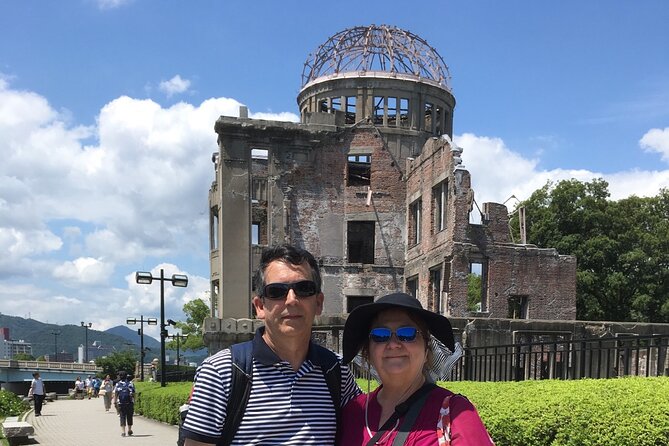
This is the emotional center of the tour. You’ll spend about 1 hour at Hiroshima’s Peace Memorial Museum, which is not included in the tour price as an admission ticket, so you’ll pay on-site.
What makes a guide especially useful here is not “extra facts.” It’s the order and the wording. Peace Memorial content can feel overwhelming if you’re reading everything cold. A good guide helps you understand what you’re looking at—what happened, what was lost, and what Hiroshima decided to build afterward.
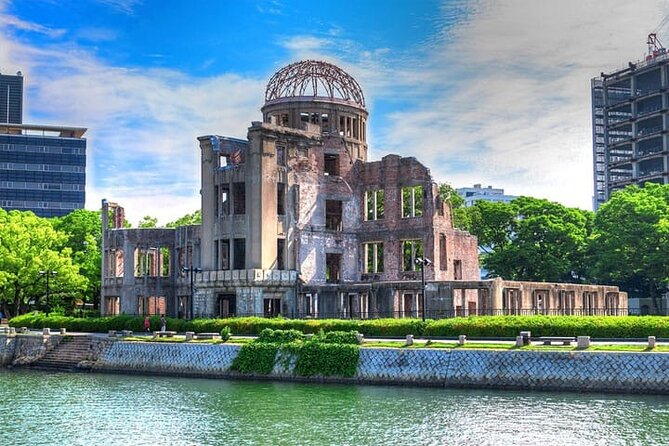
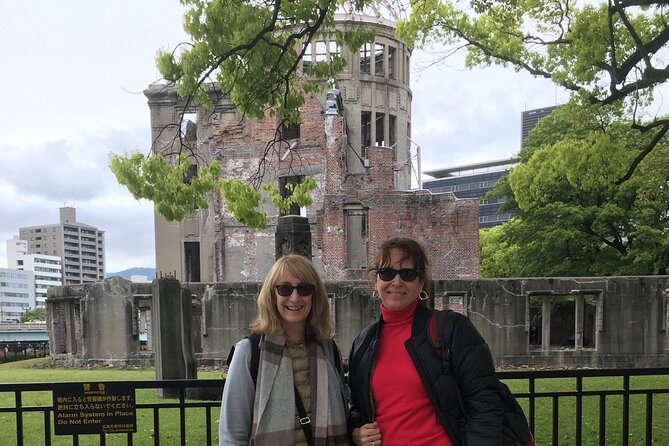
Many guides also connect the museum to what surrounds it: the larger Peace Memorial Park setting, memorials, and the iconic parts of the area people associate with August 6. Guides often point out key viewpoints so you don’t just walk past the monuments like they’re generic sculptures.
Two practical tips that show up again and again from guide style:
- Build in pauses. One guide even waited through a queue in the sun for museum tickets while the family rested in shade. That’s the kind of thinking that keeps the day humane.
- Ask questions in the moment. You can ask anything from history questions to day-to-day Japan questions, and the guide can connect the sites to modern Hiroshima. That’s a big part of what makes the day feel personal rather than like a checklist.
Also, set your expectations: this is a heavy tour. If you’re bringing kids or someone who gets distressed easily, tell your guide early. Guides can often adjust pacing so the experience lands, without steamrolling your group.
Hiroshima Castle: A Castle in the Middle of the City
After the museum comes the contrast—Hiroshima Castle. This stop is about 1 hour, and entrance fees are not included.
What I like about this choice is that it turns the history from “only tragedy” into “also recovery and identity.” Even if you’ve seen castles elsewhere in Japan, Hiroshima’s version has its own story and location logic. It’s called Carp Castle, and it’s built on a plain inside the city rather than on a mountaintop. That changes the feeling of the place: it’s less about isolation and more about how the city sits around it.
A good guide helps you see the castle as part of Hiroshima’s shape and culture, not just a photo spot. They often tie it to themes of rebuilding and the way Japanese cities carry layered history—war, restoration, and civic pride.
If you’re visiting in hot weather, remember you may be moving between open areas. You’ll get more value if you’re willing to slow down for views rather than rushing the “top points.”
Shukkeien Garden: Calm Hours That Actually Matter
Shukkeien is one of the best “reset” stops you could pick for Hiroshima. The garden is about 1 hour, and admission fees aren’t included.
This is a Japanese garden designated as one of Japan’s Top 100 Historical Parks and a National Scenic Spot, which tells you it’s not just pretty—it’s preserved with intention. But the real reason it works on this tour is emotional pacing. You’ve just absorbed hard history at Peace Memorial. Then you get an hour where the landscape design and quiet movement give your mind somewhere else to land.
One guide highlighted how even small details can become memorable. In one case, a family-focused day ended up watching turtles together in the garden—one of those moments that feels gentle and human after the weight of the museum.
Practically, Shukkeien can also be a great stop if your group includes mixed ages. It’s not silent-technique-only. You can wander, rest, take photos, and still feel like you’re doing something culturally meaningful.
How Guides Turn a Tour into a Personal Day
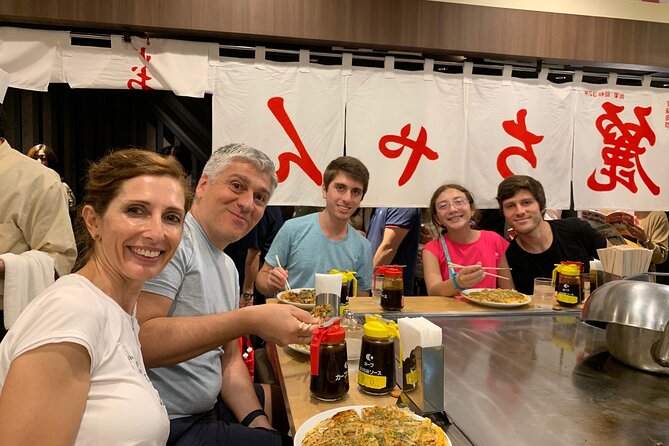
In Hiroshima, the guide quality really shows. The best experiences I’ve seen from this tour format have one common thread: the guide doesn’t just explain facts, they share perspective.
Some examples from the guide lineup you might encounter:
- Kyoko has a reputation for smooth logistics and adapting to special meeting situations, including helping people coming in via cruise.
- Mari and other guides often make the day feel thoughtful rather than rushed, with practical breaks and conversation that goes beyond the usual history lecture.
- Yuko stands out for making communication easy, including explaining the day clearly and keeping things interactive.
- Sei is known for attention to comfort and timing, including handling museum ticket queues while the group rested.
- Minori Tanaka demonstrated flexibility with family needs, adjusting the route when a toddler needed food, water, and shade.
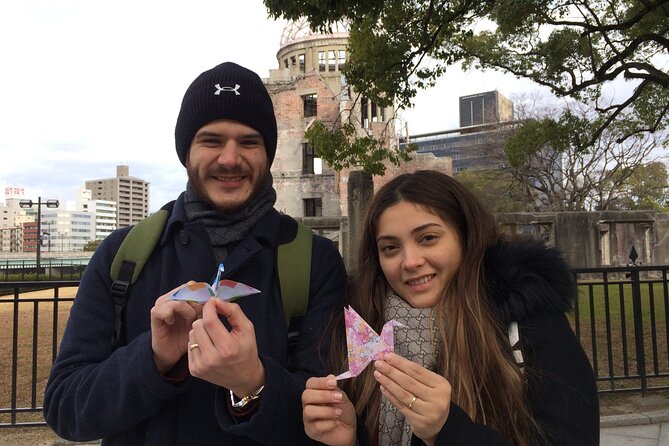
- Erika has a friendly streak that can turn learning into an activity, including teaching origami cranes.
- Kahori included thoughtful additional context around Hiroshima’s WWII story, including time spent at a surviving school building used as a relief center after the blast.
- Tomoyo is frequently praised for depth of knowledge and turning difficult history into something you can process, not just memorize.
- Kazuko has a way of wrapping the day with a more positive note while still respecting the seriousness.
You won’t know your guide’s exact style ahead of time, but you can choose how you approach the day:
- Bring questions. Even simple ones—what this monument means, why it looks the way it does—help the guide steer.
- Tell them what you care about most: WWII facts, Japanese culture, modern Hiroshima, or a lighter pace.
- Ask for a timing reality check. If you’re visiting in peak heat, let the guide know you want regular breaks.
That’s why private tours often feel better than packaged group days. You get the same sites, but you don’t have to manage the group vibe in between.
Price and Value: Why $122.70 Can Still Feel Worth It
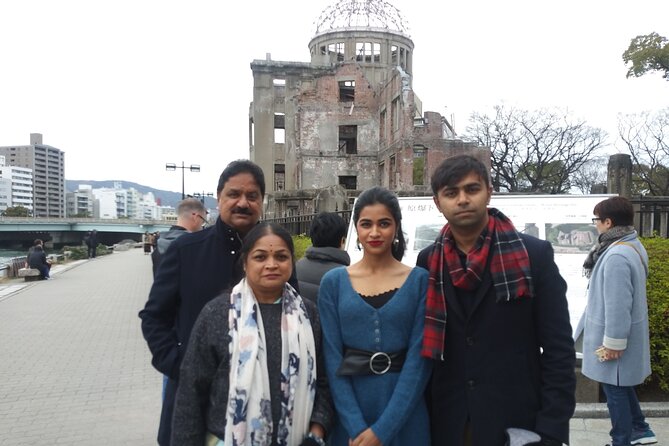
Let’s talk money like a grown-up. This tour is priced at $122.70 per person and runs about 4 hours. It includes a licensed local English-speaking guide and the private format, plus a mobile ticket for the tour.
But entrance fees and lunch are not included. Transportation fees are also not included. So what are you really paying for?
You’re paying for:
- A guided route that connects the emotional and cultural parts of Hiroshima instead of scattering your time.
- Interpretation at each stop, so you don’t just look at objects—you understand why they matter.
- Time savings, especially if you’re new to the city or trying to fit Peace Memorial content into a limited schedule.
- Private pacing, which is especially valuable for families, older visitors, and anyone who doesn’t like being pushed along.
If you’re the type who reads signage and enjoys self-guided travel, you might feel the cost is high. If you want meaning fast, and you’d rather spend your energy absorbing the sites than planning routes, then the price tends to make sense.
Walking, Time, and Comfort: The Small Things That Make or Break It
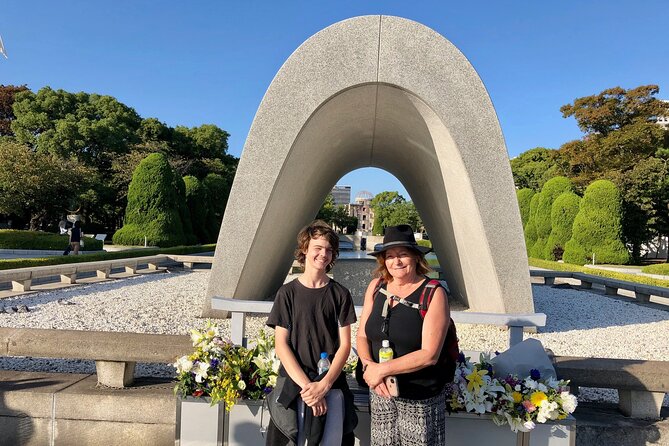
This is a walking tour, and that’s not a minor detail. It’s the core of the experience.
Most of your time is outside, and you’ll cover ground between stops. That means your comfort matters more than usual. I strongly suggest you:
- Wear shoes you can handle on pavement and longer walking days.
- Bring water and a hat if you’re visiting in warmer months.
- Plan for shade breaks when possible, and don’t be shy about asking the guide to slow down.
A private guide helps because you can respond to how the day actually feels, not how a schedule says it should feel. One guide even showed a queue-handling approach—while tickets were being purchased, the group had a break. That kind of planning can prevent the day from becoming a test of stamina.
Also, expect that the tour content can feel emotionally intense. If you need to step away and breathe for a minute, build that into your mindset. The day is easier when you treat those pauses as part of the plan, not as interruptions.
Who This Tour Fits Best (and Who Might Want Something Else)
This tour fits best if:
- You want a guided, English-speaking explanation for Peace Memorial Park.
- You prefer a private format over a large group.
- You have only about half a day and want Hiroshima’s core landmarks without stress.
- You enjoy seeing the “heavy and moving” sites plus gardens and a castle in the same window.
It might be less ideal if:
- You don’t want to handle serious themes and prefer a lighter introduction to Hiroshima.
- You can’t do much walking or mostly outdoors time.
- You want a day focused only on one site, like spending the full time at the museum area without detours.
Should You Book It?
If you’re weighing this against a self-guided day, I’d book it when you care about context. Peace Memorial Park is too important to leave purely to signage and guesswork. A licensed guide changes the quality of your experience because they connect what you see to what it means—and they can keep the pace human.
I’d especially recommend it for first-timers who want the “big three” feel: Peace Memorial, Hiroshima Castle, and the calm break of Shukkeien. And if you’re traveling with family, the private pacing is a real advantage. Just go in knowing it’s a serious subject with a walking component, so bring comfort and patience.
FAQ
How long is the Hiroshima city private walking tour?
It’s about 4 hours.
Is this tour private?
Yes. Only your group participates.
Where does pickup happen?
Pickup is on foot within a designated area in Hiroshima. You meet your guide within the set pickup area.
Which stops are included?
You can expect to visit Hiroshima Peace Memorial Park and the Peace Memorial Museum, Hiroshima Castle, and Shukkeien garden.
Are entrance fees included?
No. Entrance fees are not included, including the museum admission ticket.
Are there different start times?
Yes, you can choose between morning and afternoon start time options.