Waking up at 1–2am can be worth it. This Mt. Batur sunrise trekking outing takes you up in the dark with a guide, then you reach the crater rim in time to watch the sun break over the island. You’ll also get a simple warm breakfast and a hot drink before heading back down.
I especially like the “all handled” feel: hotel pickup from many popular Bali areas, an English-speaking trekking guide, and gear like head flashlights and trekking poles. One more big win is the people factor—guides such as Ageng, Wira, Yus, Nick, and Komang Raka show up as calm, encouraging leaders who help the group keep a steady pace on steep, slippery bits.
The one drawback to plan for is weather. When clouds and rain roll in, you may still climb, eat, and head to the hot springs, but the sunrise view can be blocked. Add in that the trail is steep enough that you’ll want decent footwear and a moderate fitness level.
In This Review
- Key Points You Should Care About
- Mt. Batur Sunrise: Why the Crater Rim Matters
- The 1–2am Reality: How the Timing Works
- Step-by-Step: What the Morning Feels Like
- The Hot Springs Upgrade: When You’ll Appreciate It
- Coffee Plantation Stops: A Nice Extra (If Included in Your Package)
- Guide-Led Safety on an Active Volcano Trail
- Price and Value: Is $39 a Smart Deal?
- Where You’ll Stay Makes a Difference: Pickup and Transfers
- Group vs Private: How the Feel Changes
- Weather: The One Variable You Can’t Beat
- What to Bring (So You Don’t Regret It at 1am)
- Who This Tour Suits Best (And Who Might Want Another Option)
- Should You Book Mt. Batur Sunrise Trekking?
- FAQ
- What time does the Mount Batur sunrise trek start?
- How long is the experience?
- What’s included for trekking equipment?
- Is there a guide and what language do they speak?
- Where does hotel pickup and drop-off happen?
- What if weather ruins the sunrise?
Key Points You Should Care About
- Crater rim focus: You’re not just walking for photos—you’re timing the climb for the sunrise show at the rim.
- Gear included: Head flashlight and trekking poles are part of the package, which saves you from buying or packing basics.
- Warm start after the workout: Breakfast and hot tea/coffee help you reset after the early climb.
- Hot springs upgrade: A geothermal soak is available to soothe tired legs after the descent.
- Guide-led safety on an active volcano: You’re hiking with licensed guidance, not improvising on your own.
- Weather can change the outcome: If clouds hide the sky, you’re still getting a great hike, just with a different sunrise.
Mt. Batur Sunrise: Why the Crater Rim Matters
Mt. Batur is an active volcano, so the experience is designed around doing it safely with a guide. What I like about this setup is that it’s aimed at the moment most people really came for: the sunrise view from the crater rim. That means you’re not wandering around at random—your timing matters, and the climb is paced so you’re there when light starts to cut through the darkness.
One practical detail: the gear helps you hike efficiently in low visibility. You’ll have a head flashlight so you don’t have to hold a torch in both hands. Trekking poles are also included, and they’re not just for show. On steep trails, poles help you control your footing and reduce stress on knees when you’re going down later.
Also, don’t expect a lazy walk. Multiple guides are described as steady, encouraging, and hands-on at tricky sections—guides like Yus and Nick in particular seem to focus on group pace and confidence. That matters because the trail can feel harder than people imagine once you’re actually climbing.
You can also read our reviews of more tours and experiences in Seminyak.


The 1–2am Reality: How the Timing Works
Most Mt. Batur sunrise treks revolve around extremely early pickups, and this one is no exception. You’re typically collected in the pre-dawn window, then transferred to the trail start. The total outing runs about 8 hours (approx.), which includes trekking, breakfast, and the return.
Why does timing matter? Because the sunrise is both the highlight and the most weather-dependent part of the day. You want your legs warmed up and your attention focused before the sky brightens. A rushed group or late start can throw off your viewing spot and your whole mood. That’s why punctual pickup shows up as a repeated theme in the experience—drivers such as Indra, Simon, Ketut, and Gede are described as prompt and friendly, and that makes the night start feel less stressful.
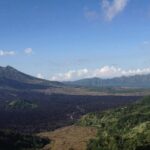
On the physical side, the uphill portion is often described as around 1.5 hours for the climb to the top area/rim, depending on the group and conditions. You’ll likely pause at times for breath and footing checks. If you’ve never hiked on steep volcanic terrain, plan for more effort than you’d guess from the distance.
Step-by-Step: What the Morning Feels Like
Here’s the rhythm you should expect, in human terms.
Stop 1: Mount Batur
You’ll hike to the crater rim in the dark, guided by a licensed trekking leader. The head flashlight and poles are meant for this exact phase—tight steps, uneven ground, and slopes where you need traction and control. Guides such as Ageng, Wira, Yus, and Komang Raka show up in the story pattern as patient and motivating, helping people keep moving without panicking.
During the climb, you’ll also notice why “moderate fitness” is the right label. It’s not a long distance trek, but it is a steep ascent. Reviews also point out slippery spots and high inclines, so you’ll be happier if your shoes have grip and you’re comfortable walking uphill for short bursts with pauses.
At/near the rim: sunrise moment + breakfast
Once you arrive, the tour typically includes a warm light breakfast and a hot drink like tea or coffee. This is more than a perk. After cold air and a steep climb, warm food and something hot help you feel human again before the descent. Plus, having breakfast after you’ve watched the first light gives you a clean emotional arc: work hard, see the payoff, then refuel.
Return down
The good news: the climb is the challenge, and the return is where you benefit from pole use. When the ground is slick, poles can help you reduce knee strain and keep your steps short and steady.
The Hot Springs Upgrade: When You’ll Appreciate It
The package offers an upgrade to soothe tired muscles in geothermal hot springs at/near the end of the trek. If you’re on the fence, here’s my practical take: you’ll probably enjoy it more if you plan to spend the rest of your day gently.
Why? After a steep hike, your quads and calves take the hit, and a warm geothermal soak can feel like a reset button. Reviews also describe hot spring time as relaxing and worth it when paired with the sunrise hike. At the same time, one caution shows up: the hot springs can be crowded, which can cut into the calm factor. If you hate shared, bustling soak sessions, factor that into your expectations.
Timing matters here too. You’re already awake early and moving most of the morning, so the hot springs function as a recovery stop. Even if you skip the upgrade, you’ll still get the core experience: guide-led crater rim sunrise and breakfast.
Coffee Plantation Stops: A Nice Extra (If Included in Your Package)
Some versions of the day add a coffee tasting stop at a plantation. In the stories connected to this experience, you might see tastings that include different teas and coffees, sometimes with references to luwak coffee.
If your itinerary includes it, this is a decent way to round out the morning with something lighter after the climb and soak. If your package doesn’t include it, don’t assume you’ll automatically have the stop—your main anchor points are the guide, the crater rim sunrise timing, and the breakfast/hot drinks.
Guide-Led Safety on an Active Volcano Trail
An active volcano hike sounds dramatic, but what you actually want is good trail leadership: knowing where to step, when to pause, and how to keep a group together.
The tour provides a licensed English-speaking trekking guide, and the reviews highlight consistent qualities you should look for in a guide: patient pacing, encouragement on difficult stretches, and good coordination through the crowd. Names like Ageng, Wira, Yus, Nick, Guzman, and Veera appear as examples of guides who helped with timing, safety, and even photos—like making sure people got good sunrise pictures without losing the group.
A funny but true point from this kind of hike: your biggest “enemy” isn’t the altitude. It’s losing balance on slippery volcanic footing when you’re tired and trying to keep up. That’s why guides who slow the pace when needed (and who use trekking poles well themselves) make a real difference.
Price and Value: Is $39 a Smart Deal?
At $39 per person, the value comes from what’s included, not from what’s optional.
You’re getting:
- Pickup and drop-off from a wide set of Bali areas (Kuta, North Kuta, Sanur, Seminyak, Canggu, Ubud, Kintamani)
- All fees and taxes
- A licensed English-speaking guide
- Head flashlight and trekking poles
- Warm breakfast plus hot tea/coffee
- A water bottle
- Group or private format depending on your selected package
So you’re not just buying a hike ticket. You’re buying transport, gear, and leadership at an early hour when DIY gets annoying fast. Even if you could organize a climb on your own, you’d still face the “how do we get there, safely, with the right timing?” challenge. Here, that problem is handled.
The upgrade options (like hot springs) can add comfort, but they’re not the foundation. The foundation is reaching the right spot for sunrise with guided safety.
Where You’ll Stay Makes a Difference: Pickup and Transfers
This tour covers pickup/drop-off for many parts of Bali, which is a big advantage if you’re not staying near Ubud. Still, note the private-transfer detail: the description calls out 2-way private transfers from the Ubud area only.
In plain terms: if you’re based in Ubud, you may get the smoother private transfer experience. If you’re elsewhere (Seminyak, Canggu, Kuta area, Sanur), you should expect pickup and drop-off as listed, but not necessarily the exact same transfer style as Ubud private service.
Either way, having pickup included is a huge convenience for a 1–2am departure. You’re not trying to find a driver, negotiate a meeting time, and then still make it to the trail.
Group vs Private: How the Feel Changes
This is where your expectations should match your booking choice.
It can be a joined-in group, or private depending on the package you pick. The experience data also states that it’s a private tour/activity in the sense that only your group will participate for the private option.
What you’ll feel in practice:
- In a joined group, you’ll be hiking at a shared pace and watching for sunrise timing with others.
- In a private setup, you often get a more personalized rhythm, especially if your group is slower, faster, or just needs more breaks.
Either way, the guide’s role doesn’t change: they manage the climb, safety, and the sunrise timing.
Weather: The One Variable You Can’t Beat
This is the big one. The sunrise is weather dependent, and the experience explicitly notes it requires good weather. If conditions are poor and the trek can’t deliver the sunrise view, you should expect an alternate date or a full refund.
Even on a cloudy day, you may still end up with a great hike, good breakfast, and a geothermal soak option. But if sunrise is your #1 goal, pack for a realistic outcome: you’re going for the view, but you’re also going for a guided volcanic morning and the crater rim atmosphere.
What to Bring (So You Don’t Regret It at 1am)
The tour includes trekking poles, a head flashlight, and a water bottle, so you don’t need to overpack gear. Still, I strongly recommend you bring:
- Good traction shoes with grip for slippery sections
- Warm layers for the early morning (it can feel cold before sunrise)
- A light rain layer in case the sky turns
- A small willingness to move slowly on the steep parts (this is not a race)
One more tip: if you hate feeling rushed, ask your guide to keep the group pace comfortable. Guides like Yus and Nick are described as encouraging and safety-focused, and that’s exactly what you want when you’re tired but motivated.
Who This Tour Suits Best (And Who Might Want Another Option)
This trek is best for people who want an active start and a memorable sunrise payoff. You’ll also likely enjoy it if you like guided experiences where the stress is removed: pickup, gear, route direction, and pacing decisions are handled.
It’s especially a good fit for:
- Couples who want a shared once-a-lifetime morning
- First-time Bali visitors who want a signature activity without planning
- Travelers who are okay with early starts and steep climbs
You may want to rethink if:
- You’re not comfortable with steep, slippery uphill walking
- You expect a relaxing stroll (this is a real climb)
- You’re extremely sensitive to cold early mornings
Should You Book Mt. Batur Sunrise Trekking?
Book it if you want a classic Bali “wake up early for a reason” experience, with guided safety, included trekking gear, and a morning schedule that gets you to the crater rim for sunrise timing. The $39 price makes sense when you factor in transport, guide service, and what you receive right after the climb—warm breakfast and hot drinks.
Skip or choose carefully if weather can make or break your trip mood. Clouds and rain can hide the sunrise, and the hot springs can be crowded. Still, even when the sky doesn’t cooperate, you’re left with a guided volcanic hike and a solid recovery plan—just with a different sunrise outcome.
FAQ
What time does the Mount Batur sunrise trek start?
Most departures are very early, with hotel pickup in the 1am to pre-dawn window, so you’re ready to start climbing in the dark.
How long is the experience?
The total duration is about 8 hours (approx.), including pickup, trekking, breakfast, and return.
What’s included for trekking equipment?
You’ll be provided trekking equipment, including a head flashlight and trekking poles.
Is there a guide and what language do they speak?
Yes. The tour includes a licensed English-speaking trekking guide.
Where does hotel pickup and drop-off happen?
Pickup and drop-off are listed for Kuta, North Kuta, Sanur, Seminyak, Canggu, Ubud, and Kintamani.
What if weather ruins the sunrise?
This experience requires good weather. If it’s canceled due to poor weather, you’ll be offered a different date or a full refund. You can also cancel for a full refund if you cancel up to 24 hours in advance.