REVIEW · TOKYO
Tokyo: Tsukiji Fish Market Food and Culture Walking Tour
Book on GetYourGuide →Operated by Japan Wonder Travel · Bookable on GetYourGuide
Tsukiji feels like food on fast-forward. I love the mix of Wagyu beef skewers and street-snack tastings, plus the way the guide connects what you’re eating to Japanese food culture. One thing to plan around: on Wednesdays and Sundays, the market closure can change what you’re served (like omelet, fish cake, and fruit).
The tour runs as a small group (2 to 8), and you meet your English guide at the main gate of Tsukiji Honganji-Temple before heading into the maze of stalls. It’s a straightforward plan: guided wandering, multiple stops for samples, then a satisfying end plate—either sushi or a seafood bowl depending on the day—before you return to the temple area.
In This Review
- Key Highlights You’ll Actually Care About
- Meeting at Tsukiji Honganji-Temple: Start With Context, Not Confusion
- Tsukiji Outer Market on a Guided Route: How You Get Value in 3 Hours
- The Tastings: Wagyu Skewers, Omelet, Fish Cake, Fruit, and Other Hits
- Chef-Fresh Food Culture: Why Tsukiji Still Matters
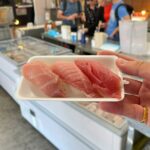
- The Finale: Sushi or a Seafood Bowl (and How That Affects Your Day)
- Price and Logistics: Is $96 for 3 Hours Worth It?
- Wednesdays, Sundays, and Closed-Day Changes (So You Don’t Get Surprise-Disappointed)
- What To Wear and Bring: Make the Market Easier on Your Feet
- Alcohol and Age Notes: Don’t Assume Drinks Are Included
- Who Should Book This Tsukiji Tour (and Who Should Skip It)
- Should You Book This Tsukiji Fish Market Food and Culture Walking Tour?
- FAQ
- How long is the Tsukiji Fish Market Food and Culture Walking Tour?
- What does the tour cost?
- Where do I meet the guide?
- How big is the group?
- What food is included?
- Is the tour vegetarian, vegan, halal, or gluten-free friendly?
- What happens if the market is closed?
- Does the tour include sushi or a seafood bowl?
- Is the tour wheelchair accessible?
Key Highlights You’ll Actually Care About
- Wagyu beef skewers plus a full sequence of other classic market bites
- Guided route through the Tsukiji Outer Market (the part most visitors can access)
- Clear context for what you’re tasting, including the market’s role in Tokyo’s food scene
- Small group format (2 to 8) so you’re not just swallowed by the crowd
- Final meal is either sushi or a fish bowl, depending on the day
- Real-world expectation setting: certain food items can’t be served on closed market days
Meeting at Tsukiji Honganji-Temple: Start With Context, Not Confusion
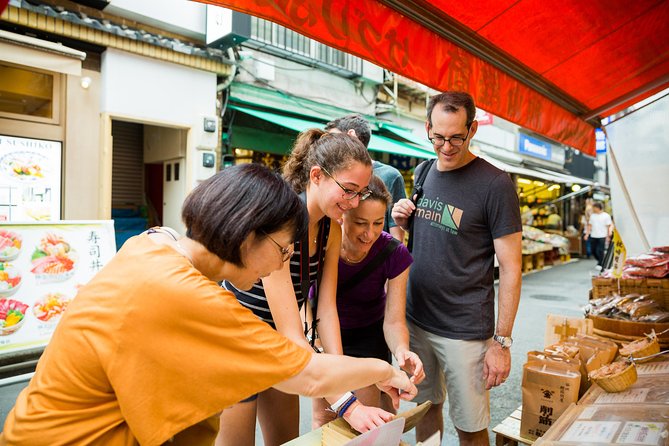
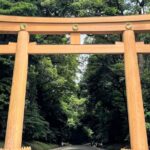
You kick off at the main gate of Tsukiji Honganji-Temple. That sounds like a random detail until you get there and realize it’s a smart mood-setter: you’re not dropped into chaos with a vague map and a hope. Instead, you start with a calm, clear orientation point, and then you move into the market area with momentum.
I like this setup because Tsukiji can overwhelm you fast. The outside market is a crowded patchwork of vendors, steam, signage, and people pushing forward like it’s their job. Beginning at the temple gives you a simple anchor—where to regroup, where to ask questions, and where to start tasting without wasting energy.
Also, the tour is designed to be walked at a moderate pace. If you’re planning your day with long museum stops or lots of stairs later, build in some breathing room. Your legs will notice this one.
You can also read our reviews of more tours and experiences in Tokyo.


Tsukiji Outer Market on a Guided Route: How You Get Value in 3 Hours
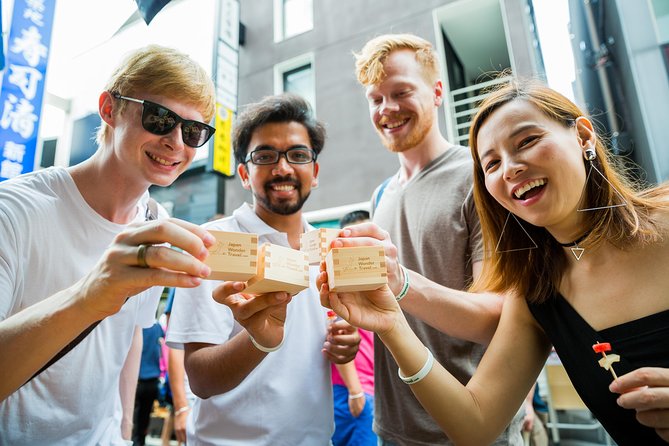
The heart of the experience is the guided walk through the Tsukiji Outer Market. The route is long enough to feel like you truly moved through the area, but not so long that you get fried before the food shows up. You spend a first segment getting your bearings—then you go deeper into tastings and vendor stops.
What you’re really buying here is translation. Tsukiji is not hard because the food is complicated; it’s hard because the environment moves quickly and the choices are endless. A good guide helps you:
- find the stalls where people actually go for specific bites
- understand what each item is (and how locals think about quality)
- keep the line-jumping chaos from eating your whole budget of time
In the reviews data, guides are often praised by name—people call out the way their hosts steer them to the right places and keep the experience smooth even when it’s packed. Names that come up include Kenji, Miki, Nazu, Nori, Daichi, Luna, and Shun. You’ll see the same pattern repeated: the guide isn’t just carrying a group; they’re managing the route like a food order.
One small caution: the market can be noisy and crowded, and rain makes it even harder to hear. If you’re sensitive to audio—bring a little patience and keep close to your guide.
The Tastings: Wagyu Skewers, Omelet, Fish Cake, Fruit, and Other Hits
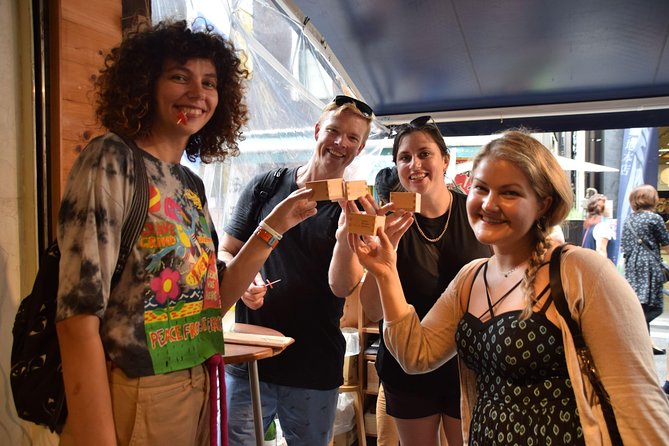
This is a food tour, not a slideshow. You’ll eat and sample multiple items while walking. The included menu list is specific, and that’s part of the value:
- Wagyu beef skewers (high-grade)
- a final serving that’s either fresh fish bowl or sushi (depending on the day)
- Japanese omelet (tamagoyaki)
- seasonal fruits
- fried fish cake
You also get additional samples along the way, so your stomach isn’t just waiting for one big finish.
Why this matters for you: Tsukiji is famous, but fame can be expensive when you’re figuring things out on your own. Here, the tastings are sequenced so you get variety—hot and handheld, sweet and savory, seafood-forward bites and grilled beef. You end up learning what you like, not just checking off famous items.
From the guide perspective, multiple review mentions highlight the Wagyu as the star bite. Many people specifically call out that it’s worth lingering for. And you’ll likely get a better sense of quality by tasting more than one item, since the flavors and textures give you a quicker baseline than reading menus ever will.
Chef-Fresh Food Culture: Why Tsukiji Still Matters
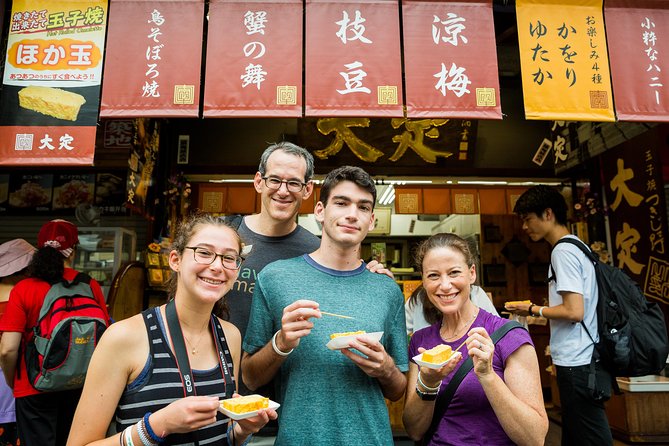
One of the best parts is the cultural layer. The tour frames Tsukiji as a place where top chefs look for freshness and select ingredients with daily discipline. You’ll learn about the history of the market and how Japanese food culture is built on small, intentional choices.
You don’t need to be a food scholar to get something useful from this. What you want is practical understanding:
- what the market means in the food chain
- why ingredient freshness matters in Japanese cooking
- how chefs think about selecting fish and other seasonal items
Even if you’re not chasing a chef fantasy, it changes how you eat. After the tour, you’re more likely to notice differences in fish texture, how the skewers are grilled, and how seasonal fruit tastes when it’s actually in season.
The Finale: Sushi or a Seafood Bowl (and How That Affects Your Day)
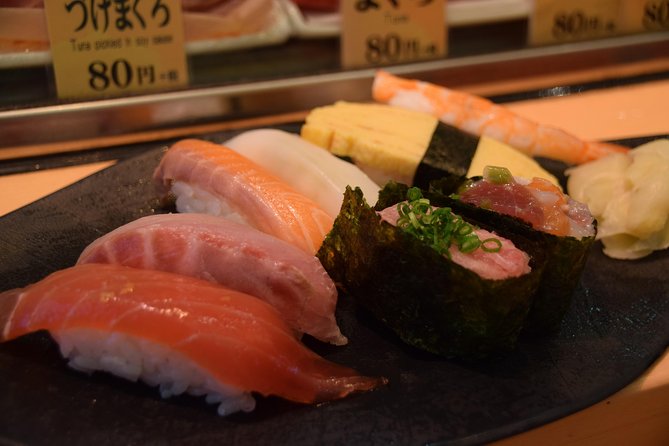
The tour ends with a restaurant serving of either sushi or a fish bowl. Which one you get depends on the day, and that’s clearly part of the deal. If you’re the kind of person who really wants one type of finale, plan to be flexible.
From a value standpoint, the finale matters because it turns the walking tastings into a true meal. The market snacks can be tempting but incomplete for dinner planning. This final stop is what makes the full 3 hours feel like a complete arc, not just a snack crawl.
Also, the tour notes that if a restaurant suddenly can’t provide the meal, they’ll offer an alternative. That’s good to know because it means the experience is designed to stay on track.




Price and Logistics: Is $96 for 3 Hours Worth It?
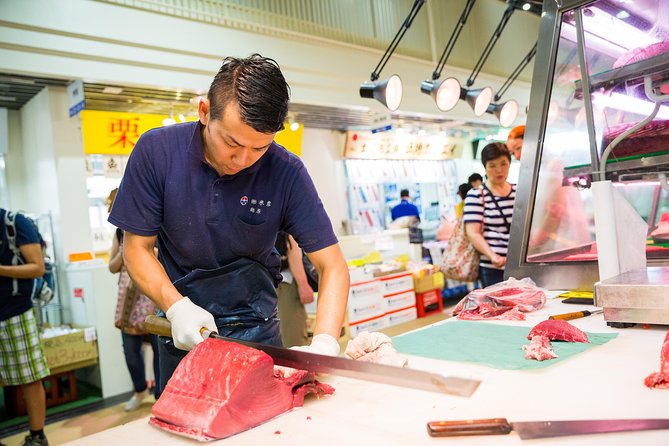
$96 for a 3-hour walking food tour in Tokyo is not cheap. The honest question is: what are you getting beyond “a couple bites with a guide”?
Here’s the math that makes it feel more fair:
- You get multiple included tastings, not just one or two samples.
- The menu explicitly includes high-grade Wagyu beef skewers plus Japanese omelet, fried fish cake, and seasonal fruit.
- You end with either a sushi or seafood bowl serving, which usually would cost real money if you order it later on your own.
- The format is small group (2 to 8), so you’re more likely to actually taste and ask questions than to spend the whole time stuck at the back.
Is it still possible to eat cheaper on your own? Sure. But Tsukiji is one of those places where “cheap” can also mean “confusing,” and confusion costs time. Time is money in Tokyo. A guide helps you avoid that slow, wandering trial-and-error.
So for me, this tour makes the most sense if you’re:
- short on time
- excited about seafood and Japanese street snacks
- not fluent enough to confidently order and compare across vendors
Wednesdays, Sundays, and Closed-Day Changes (So You Don’t Get Surprise-Disappointed)
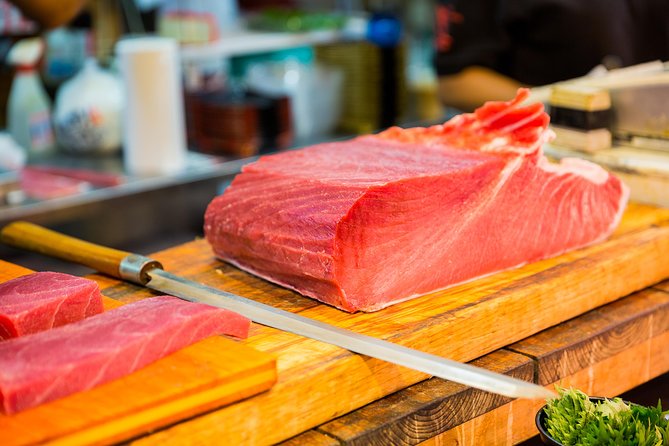
This is the one practical consideration you should take seriously: the market operation schedule affects what’s served. The tour specifically notes that the Uogashi wholesaler market is closed on Wednesdays, Sundays, and other closed market days.
On those closure days, certain items can’t be served:
- Japanese omelet
- fish cake
- fruits
That’s because the shops are closed. If you’re the type who came to Tsukiji expecting a specific bite, check your day of travel. If your schedule forces you onto a closure day, you should still go in with the mindset that the route and tastings will adapt.
Also, remember: the finale can still be sushi or seafood bowl depending on the day, but not every included item is guaranteed on closure days.
What To Wear and Bring: Make the Market Easier on Your Feet
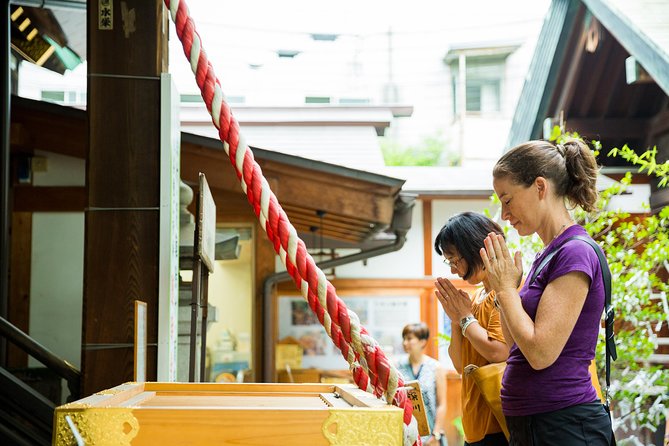
You’ll want comfortable shoes. Tsukiji isn’t a sit-and-stroll event. It’s a walk through crowded vendor lanes where stopping is part of the process.
Bring a camera, and wear clothes you don’t mind smelling faintly like grilled seafood afterward. That’s not a complaint. It’s part of the experience.
And keep your expectations aligned with the tour’s reality: it’s not built for wheelchair users or mobility impairments. The tour is also not listed as suitable for vegans or vegetarians, and it doesn’t accommodate halal or gluten-free requests.
If you have dietary restrictions beyond what’s listed as impossible, you’ll need to plan a different food plan for yourself.
Alcohol and Age Notes: Don’t Assume Drinks Are Included
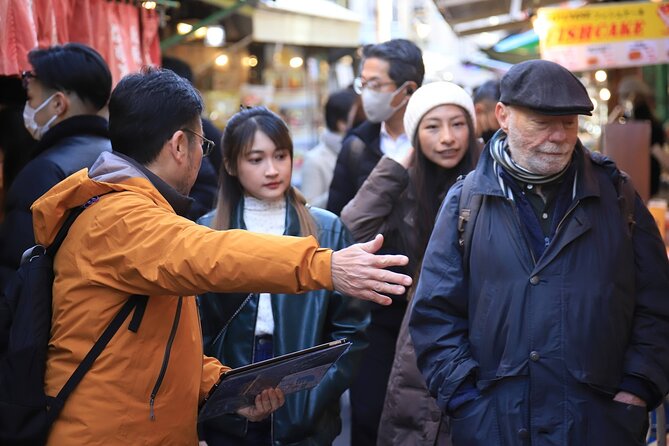
The tour includes tastings and specific food items, but it also lists a minimum drinking age of 20. That’s a reminder to you that alcohol may be available in some form through vendors or meal stops, but it isn’t the core of the included package.
In the feedback set, someone mentioned extra charges for sake or beer, which suggests that drinks can turn into add-ons at certain points if you order them. So keep a little buffer in your budget if you like to pair food with a drink.
Who Should Book This Tsukiji Tour (and Who Should Skip It)
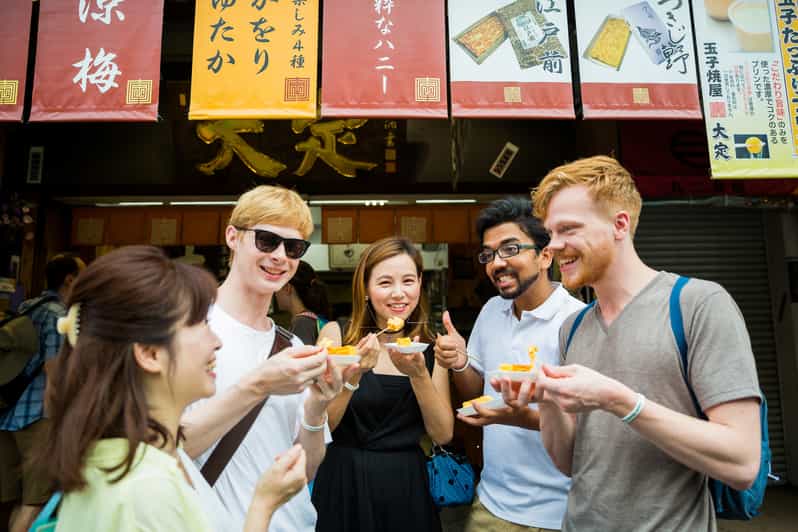
This tour fits best if you want:
- a structured way to experience Tsukiji Outer Market without getting lost
- multiple included tastings that cover different styles of bites
- a guide who can explain what you’re eating and why it matters
- a small group experience where you can actually hear and move
It’s also a strong “first Tokyo food experience” if you’re jet-lagged or overwhelmed by schedules. People in the review data often mention it as a great way to start their Tokyo trip because it gives both food and context in one go.
You might skip it if:
- you can’t handle moderate walking
- you need vegetarian/vegan, halal, or gluten-free options (the tour doesn’t accommodate these requests)
- you’re going on a day when key items like omelet, fish cake, and fruits will be unavailable, unless you’re fine with substitutions
Should You Book This Tsukiji Fish Market Food and Culture Walking Tour?
If you’re craving Tokyo street food plus meaningful context, I’d say yes—especially if you value guidance over guessing. The combination of Wagyu skewers, several classic market bites, and a sushi or seafood-bowl finale makes the 3 hours feel like a complete meal plan, not random sampling.
The decision hinges on one thing: your day of the week. If you’re traveling on Wednesdays or Sundays, understand that some included items won’t be served. If that doesn’t bother you, you’ll still get the core experience—walking the outer market with tastings and a guide who knows how to navigate it.
If you’re comfortable with seafood, open to trying bites you might not pick yourself, and want a small-group path through one of Tokyo’s most intense food areas, this is a solid pick.
FAQ
How long is the Tsukiji Fish Market Food and Culture Walking Tour?
The tour lasts 3 hours.
What does the tour cost?
The price is $96 per person.
Where do I meet the guide?
Meet your guide at the main gate of Tsukiji Honganji-Temple when the tour starts.
How big is the group?
The tour is a small group with 2 to 8 people.
What food is included?
You’ll have Wagyu beef skewers, Japanese omelet, seasonal fruits, fried fish cake, and a final serving of fresh fish bowl or sushi depending on the day, plus additional samples along the way.
Is the tour vegetarian, vegan, halal, or gluten-free friendly?
No. It does not accommodate vegetarian, halal, or gluten-free requests, and it is not suitable for vegans or vegetarians.
What happens if the market is closed?
The Uogashi wholesaler market is closed on Wednesdays, Sundays, and other closed market days. On those days, Japanese omelet, fish cake, and fruits cannot be served because the shops are closed.
Does the tour include sushi or a seafood bowl?
Depending on the day, the final meal is either sushi or a seafood bowl.
Is the tour wheelchair accessible?
No. It is not suitable for people with mobility impairments or wheelchair users.