REVIEW · KATHMANDU
Private Kathmandu Sightseeing Tour | UNESCO World Heritage sites
Book on Viator →Operated by Breakfree Adventures Pvt. Ltd. · Bookable on Viator
Kathmandu’s UNESCO stops are close, but time isn’t. This private tour strings together the main Kathmandu Valley World Heritage sites with hotel pickup and a private English-speaking guide so you can spend your hours on temples, stupas, and stories instead of figuring logistics.
I especially like the pick up and drop off convenience and the way the day is adjustable. You can choose the 2-, 4-, or 7-site option, which helps if you want a fast first-day overview or you’re ready for a longer, more packed route.
One heads-up: inner Hindu temple access has limits. During the tour, only Nepali and Indian nationals of the Hindu faith are permitted to enter inner premises of Hindu temples. For everyone else, the experience is still there, but you may be kept to viewing areas.
In This Review
- Key things that make this tour worth your day
- How the UNESCO site choice changes your whole day
- Pickup, a private air-conditioned car, and the guide who makes it make sense
- Stop-by-stop: UNESCO sites you’ll likely see and how to get the most out of each
- Swayambhunath Monkey Temple: views, attitude, and quick orientation
- Boudhanath Stupa: the classic pilgrimage stop with a hypnotic rhythm
- Pashupatinath Temple: Hindu riverfront drama, ceremony timing, and respect
- Patan Durbar Square: royal courtyards and a different architectural mood
- Patan Museum: a short stop that helps you read the monuments
- Bhaktapur Durbar Square: when medieval Kathmandu still feels “there”
- Kathmandu Durbar Square: the capital’s historic heart, plus quick Thamel time
- Changu Narayan Temple: a short UNESCO stop with strong payoff
- Price and logistics: what you’re really paying for
- Who this tour is best for (and who should rethink it)
- Should you book this Kathmandu UNESCO World Heritage Tour?
- FAQ
- How long is the Kathmandu UNESCO tour?
- What UNESCO sites are included?
- Are monument entry fees included in the price?
- Is hotel pickup and drop-off included?
- What’s included in the tour besides sightseeing?
- Can I enter the inner premises of Hindu temples?
- Is free cancellation available?
Key things that make this tour worth your day
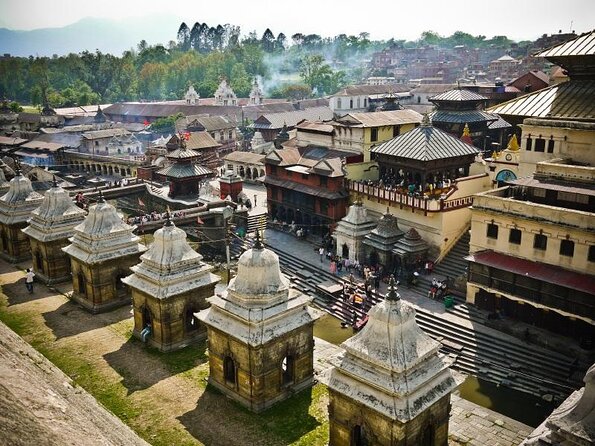
- A menu of UNESCO sites: Swayambhunath, Boudhanath, Pashupatinath, Patan Durbar Square, Bhaktapur Durbar Square, Kathmandu Durbar Square, and Changu Narayan.
- Private transport through real Kathmandu traffic: You’re in an air-conditioned car, not squeeze-bus chaos.
- Guides like Dipesh, Shankar Bhattarai, and Bidhya: Many reviews highlight clear explanations and a pace that doesn’t feel like a sprint.
- Time to actually look: People talk about not being rushed and getting moments to wander.
- Helpful timing at Hindu riverfront ceremonies: One review describes waiting to witness an imminent cremation ritual at Pashupatinath.
- Low base price with straightforward add-ons: You pay monument entry fees separately, but you already get private guide + vehicle + taxes.
How the UNESCO site choice changes your whole day
This tour is priced per person and lets you choose how many UNESCO World Heritage sites you want to cover: 2 UNESCO sites, 4 UNESCO sites, or 7 UNESCO sites. That choice matters because Kathmandu Valley isn’t “one neighborhood.” It’s several historic zones that need careful routing, and your schedule will feel different depending on the option.
Price-wise, the base is listed at $17.00 per person. What you still need to budget are monument entry fees, which are not included. The tour uses these fee brackets:
- 2 UNESCO sites: NPR 1400
- 4 UNESCO sites: NPR 2600
- 7 UNESCO sites: listed as NPR 5800 (sometimes you’ll also see NPR 6000)
Even with those add-ons, the value is strong if you’re comparing against hiring a guide and arranging your own transport between sites. The private vehicle and English guide are the big costs you’re already covering in the base price, and they save you the “where do we meet” stress.
If you’re short on time or energy, the 4-site option often hits a sweet spot. If you want a serious intro to Kathmandu Valley’s major monuments in one go, the 7-site option is a full-day commitment, and you should be ready for a lot of moving and temple time.
You can also read our reviews of more tours and experiences in Kathmandu.


Pickup, a private air-conditioned car, and the guide who makes it make sense
Kathmandu traffic can turn a simple hop into a slow crawl. This tour keeps you comfortable with private transportation in an air-conditioned vehicle and hotel pickup and drop-off inside Kathmandu city centers. That matters more than it sounds, especially if you land jet-lagged and want a clean first day.
The tour also includes a professional English-speaking guide. In the reviews, names like Dipesh, Shankar Bhattarai, Bidhya, and Mukesh pop up again and again. The common thread isn’t just friendliness. It’s that guides explain what you’re looking at before you walk through or around it. That turns a stop from photos into understanding: why people pray there, what the architecture is communicating, and how Hindu and Buddhist traditions coexist in these spaces.
One practical tip: if you want extra attention at a certain place, mention it early. People describe guides adjusting the pace and even tailoring small moments around interests, like monasteries or the kinds of rituals they want to witness.
Stop-by-stop: UNESCO sites you’ll likely see and how to get the most out of each
Swayambhunath Monkey Temple: views, attitude, and quick orientation
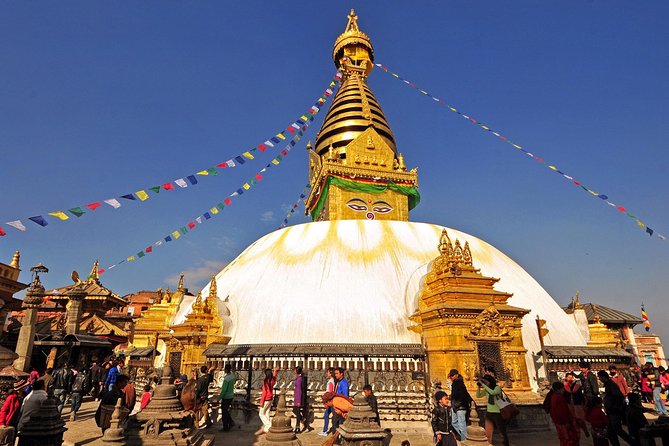
You start at Swayambhunath, often called the Monkey Temple. The schedule lists about 30 minutes at first, and then later time at Swayambhu may show up again on longer routes. Either way, the vibe is the same: a temple complex on a hill with big sightlines over Kathmandu.
Here’s how to make this stop work for you:
- Go in with a plan to look up and around, not just straight ahead. Many people miss details because they focus only on the main structure.
- Expect monkeys, obviously, and manage your belongings like you would anywhere with wild animals. Keep bags zipped and phones secure.
- If timing allows, use one short guided walk to learn what you’re seeing, then step back and enjoy the view for a few minutes.
Admission for Swayambhunath is listed as not included for one listed stop, so don’t assume it’s free across the board. Still, even when fees apply, this is a high-impact first (or mid-day) viewpoint stop.
Boudhanath Stupa: the classic pilgrimage stop with a hypnotic rhythm
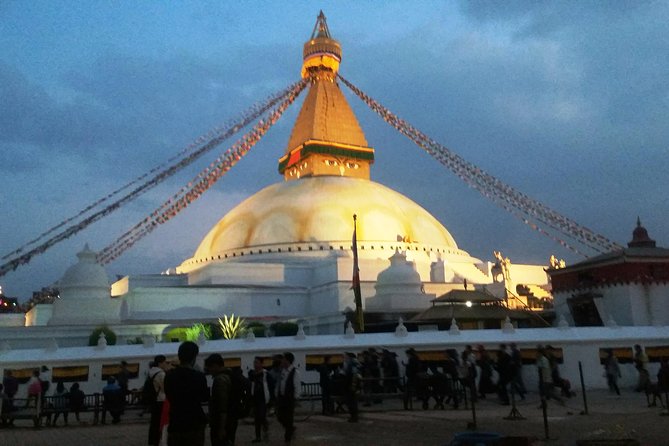
Next is Boudhanath Stupa. Plan on about 1 hour here. This is one of the most recognizable Buddhist sites in the valley, and what you’ll notice quickly is how life organizes itself around the stupa: prayers, walkers circling, people pausing to look and reflect.
When you arrive, take a minute before you start walking. Let your eyes adjust. Then do the simple things:
- Watch pilgrims circle rather than rushing into your own photos.
- If you want good photos, step to angles where you can capture both the stupa and people in motion.
- Use the guide time to learn what the place represents, because Boudhanath makes more sense once you understand the symbolism.
Lunch can also become part of your day. One review talks about having lunch at a rooftop cafe overlooking Boudhanath, and it’s a great example of how you can turn a structured tour into something more personal without derailing the schedule.

Pashupatinath Temple: Hindu riverfront drama, ceremony timing, and respect
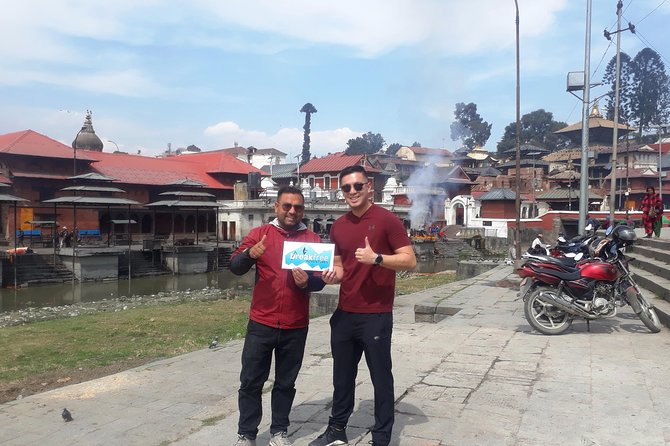
Pashupatinath Temple is scheduled twice in the route outline, with about 1 hour each time. That doesn’t mean the team is repeating the exact same walk. It often means the day is shaped around flow, timing, and giving you room to witness what’s happening.
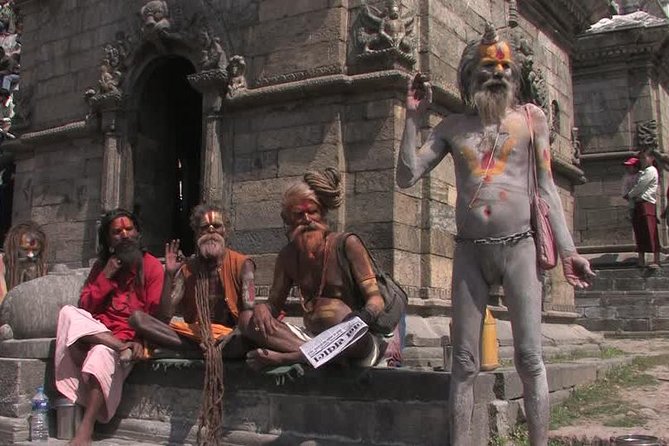
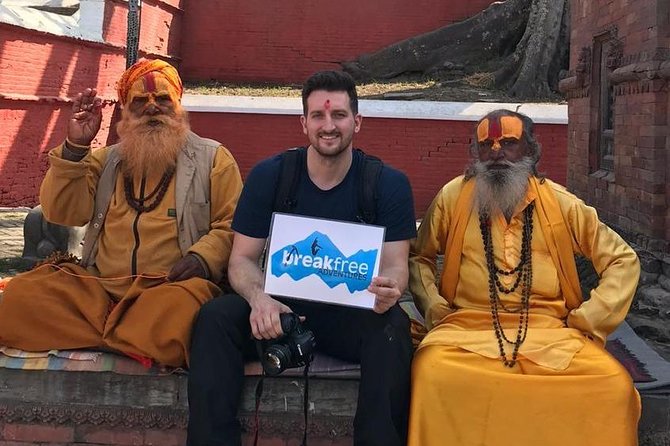
Pashupatinath is a Hindu riverfront landmark. Even if you never step into the inner premises, the area around it is full of meaning. One of the most memorable review details describes the guide being patient and waiting to witness an Hindu cremation ceremony when it was about to happen. That kind of moment is one reason this stop feels more than scenic.
A few considerations before you go:
- Follow local rules and dress codes. Cover shoulders and be ready for temple etiquette.
- Be respectful with where you stand and how you photograph. Ritual spaces do not work like sightseeing decks.
- If you’re there during an active ritual, your guide may adjust your position and timing so you can observe appropriately.
Also remember the access limitation: only Nepali and Indian nationals of the Hindu faith are permitted to enter inner premises of Hindu temples during the tour. Everyone else should still be able to experience the setting, but you may not cross the same boundaries.
Patan Durbar Square: royal courtyards and a different architectural mood
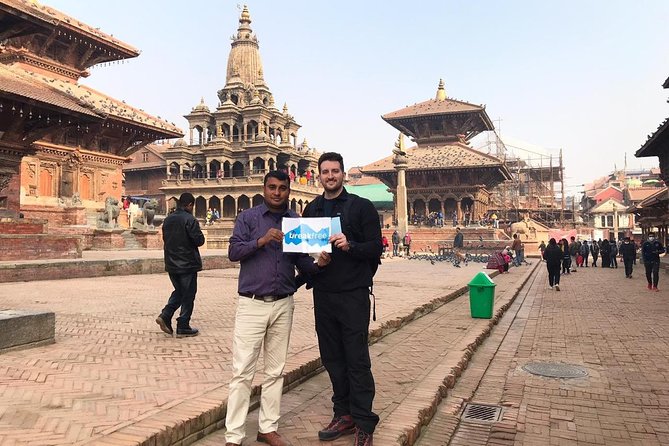
Then the route moves to Patan Durbar Square (about 1 hour). Patan is known for its fine craftsmanship and architectural details, and this square gives you that feel fast. You’ll see carved stone work, temple corners, and courtyard layouts that make the city’s history easier to picture.
What to do here:
- Walk slowly. This is a stop where the “wow” is in details.
- Ask your guide to point out what is functional versus ceremonial in the space layout.
- If you’re the type who likes to photograph doors, windows, and temple edges, Patan is your friend.
Admission is not included for this stop, so expect to pay at the entrance.
Patan Museum: a short stop that helps you read the monuments
After the square, there’s Patan Museum for about 30 minutes. It’s designed as a quick explanation of the region’s old palace spaces, courtyards, temples, and the Sundari chowk area.
Even in half an hour, you’ll likely get more from the rest of the day if you spend this time:
- Museum context helps you recognize styles you just saw in Patan.
- It’s also a break if the morning felt too fast.
If you skip it on your own, you’ll still enjoy Patan Durbar Square. But if you’re trying to understand Kathmandu Valley as a system, this museum stop is a smart use of time.
Bhaktapur Durbar Square: when medieval Kathmandu still feels “there”
Bhaktapur Durbar Square gets about 2 hours on the itinerary outline. This is your chance to slow down a bit compared to the earlier temple stops.
Bhaktapur’s best quality is how it feels like a complete historic zone rather than just a collection of monuments. You’ll likely notice:
- more time for walking and taking in the square layout
- more chances to linger on the buildings and smaller details
Because this is longer than some of the other stops, it’s also a good moment to plan your energy. If you’re doing the 7-site day, treat Bhaktapur as your reset point. If you’re on the 2- or 4-site option, Bhaktapur can feel like the most rewarding use of your limited hours.
Kathmandu Durbar Square: the capital’s historic heart, plus quick Thamel time
The route lists Kathmandu Durbar Square for about 30 minutes. It’s shorter here, so you’ll want to arrive ready to focus. Kathmandu’s palace square is full of symbolism, so don’t rely only on your eye. Use the guide explanation, then do a fast look with intention: where the structures point, what’s central in the complex, and how people use the space today.
The itinerary also references Thamel, the big tourist hub with restaurants, pubs, hotels, shops, and a lot of activity. Thamel isn’t UNESCO, but it’s useful. After temples, it’s a good place to grab water, browse, or find something to eat your way.
If you’re on a tight schedule, ask your guide where the best quick food option is near your next stop. The tour specifically notes you can take a lunch break, and guides can recommend spots.
Changu Narayan Temple: a short UNESCO stop with strong payoff
The route includes Changu Narayan Temple for about 30 minutes. This UNESCO site is a compact visit, but it tends to be memorable because it isn’t just about the main monument. The setting and carvings help it feel grounded and specific.
To make this stop count:
- Let the guide point out what makes it UNESCO-worthy, then look for those elements.
- Keep your walking time efficient. The visit is brief, and you don’t want to spend it half-lost.
Changu Narayan’s admission is listed as not included, so plan to pay at the site.
Price and logistics: what you’re really paying for
At $17 per person, this is one of those Kathmandu deals that looks almost too good until you read the fine print. The fine print is simple:
- Monument entry fees are separate.
- Meals and drinks are not included.
- Gratuities for your guide and driver are not included.
So what are you paying for? You’re paying for:
- a private vehicle (with air-conditioning)
- a professional English-speaking guide
- hotel pickup and drop-off within Kathmandu city centers
- taxes
That’s why reviews keep praising the practical side: you don’t hunt a meeting point, you don’t stand around waiting for rides, and you don’t have to coordinate tickets across multiple UNESCO sites.
Also, the tour is built as a private experience where only your group participates. That matters if you’re traveling as a couple or solo and want your own rhythm. Multiple reviews mention the pace felt right, with room to wander without feeling abandoned.
Who this tour is best for (and who should rethink it)
This is a strong fit if you:
- want a first-day orientation to Kathmandu Valley’s major monuments
- like guided context so the sites don’t blur together
- prefer the safety and comfort of a private car in busy traffic
- want flexibility to take a lunch break and ask for restaurant suggestions
It’s also a good choice if you’re traveling solo. Several reviews mention solo travelers feeling safe and well cared for, and that their plans were accommodated within the tour flow.
You might want to rethink if:
- you need to enter inner Hindu temple premises. The tour’s access rules limit that to specific groups, depending on faith and nationality.
- you hate driving time. Even with a private vehicle, moving between sites eats time.
- you want a slow, sit-and-stare tour. This route is designed for covering key places in one day.
Should you book this Kathmandu UNESCO World Heritage Tour?
If you’re in Kathmandu with limited time, I think it’s an easy yes. The combo of hotel pickup, a private air-conditioned car, and an English guide makes your day smoother than trying to piece it together yourself. The option to choose 2, 4, or 7 UNESCO sites is also the right kind of flexibility.
Here’s my final decision rule: book the 4-site option if you want a confident overview without feeling crushed by time. Go for the 7-site option only if you’re ready for a long day and you really want to learn how these monuments fit together across different corners of the valley.
FAQ
How long is the Kathmandu UNESCO tour?
The tour duration is listed as approximately 4 to 10 hours, depending on the option you choose and how your day is paced.
What UNESCO sites are included?
The tour route references these UNESCO World Heritage sites: Swayambhunath, Boudhanath, Pashupatinath, Patan Durbar Square, Bhaktapur Durbar Square, Kathmandu Durbar Square, and Changu Narayan Temple. The exact number of sites depends on whether you select the 2-, 4-, or 7-site option.
Are monument entry fees included in the price?
No. Monument entry fees are not included. The tour lists NPR 1400 for 2 UNESCO sites, NPR 2600 for 4 UNESCO sites, and about NPR 5800 for 7 sites (sometimes shown as NPR 6000).
Is hotel pickup and drop-off included?
Yes. The tour includes hotel pickup and drop-off by a private vehicle for hotels in Kathmandu city centers. Extra charges may apply outside those areas.
What’s included in the tour besides sightseeing?
Included is a professional English-speaking guide, private air-conditioned transportation, and all taxes.
Can I enter the inner premises of Hindu temples?
The tour states that only Nepali and Indian nationals of the Hindu faith are permitted to enter the inner premises of Hindu temples during the tour. Others may be limited to permitted viewing areas.
Is free cancellation available?
Yes. You can cancel for a full refund if you cancel at least 24 hours in advance of the experience’s start time.