REVIEW · KATHMANDU
Everest Base Camp Trekking
Book on Viator →Operated by Green Valley Nepal Treks & Research Hub Pvt Ltd · Bookable on Viator
Everest Base Camp starts with a flight. This small-group trek is built for people who want the mountain views without getting stuck planning every turn. You’ll travel with a guide to stay on course, learn the Khumbu culture along the way, and focus on walking steadily toward one of the world’s best-known high-altitude destinations.
What I like most is the practical structure: teahouse accommodation, meals, and local transportation are folded into the trip, so you can spend your energy on the trek. I also love the pacing and safety mindset of a max 10 group, where your guide can actually track how you’re doing and help you adjust.
One consideration: you do need a strong fitness base, and weather can change fast in the Himalaya. The tour operates in all weather conditions, so you should be ready for cold, rough days, and the fact that conditions can affect what you get to see.
In This Review
- Key things that make this Everest Base Camp trek worth your time
- Why Everest Base Camp feels like a guided hike, not a moving problem
- Kathmandu Day 1: a smooth start at Tribhuvan International Airport
- The Lukla flight: sunrise views and the reality of high-mountain travel
- Through the pine forests and Sagarmatha National Park entrance
- Namche Bazaar rest day: acclimatization that doesn’t waste your time
- Namche to Phorse: Ama Dablam and the Dudh Koshi crossings vibe
- Phorse to Dingboche: monastery visits and upper Pangboche villages
- Duglha, Everest history stops, and Chola lake country
- Thangma Riju: 360-degree views and the important note about seeing Everest
- Everest Base Camp day: early start, then the real milestone
- Kala Patthar at sunrise: your best bet for that early-light payoff
- Heading back: the Jame route descent and controlled downhill days
- Final trekking steps: slow control, suspension bridges, and Dudh Koshi
- Lukla back to Kathmandu: the mountain flight and Kathmandu walking time
- Price and value: what $1,350 per person is really buying you
- Who this trek suits best (and who should think twice)
- Should you book this Everest Base Camp trek?
- FAQ
- How long is the Everest Base Camp trekking experience?
- Where does the trek start and how do you get to Kathmandu?
- What’s the group size for this trek?
- What’s included in the price?
- Is Mount Everest visible on every viewing day?
- Can I get a full refund if I change my mind?
Key things that make this Everest Base Camp trek worth your time
- Small-group trekking (up to 10) with a guide to help you avoid getting lost and keep your plan on track
- Included teahouse stays and meals, so daily logistics stay simple
- Lukla flight in the morning with snow mountain sunrise views on the way in
- Namche acclimatization rest day plus a short hike to a viewpoint
- Kala Patthar at sunrise for that early light on the peaks
- Return via Lukla mountain flight to Kathmandu, reducing the pressure of long travel days
Why Everest Base Camp feels like a guided hike, not a moving problem
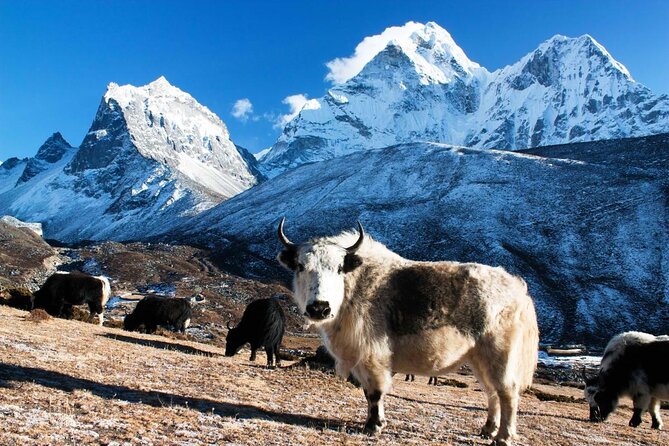
Everest Base Camp sounds like pure bragging rights, but the real win is how much easier the trip feels when the logistics are handled. Here, the trekking focus stays on your legs and your altitude rhythm, not on figuring out routes, meals, and where to sleep every night.
The guide component matters more than most people expect. A route like this has many similar-sounding turns and shortcuts that can tempt you when you’re tired. With a guide and a group limited to 10 travelers, you keep your bearings and you get practical help if your body is lagging or your breathing needs a slower pace.
The other big value piece is that the trip is built around teahouse accommodation and meals. That doesn’t mean it’s a luxury stay, but it does mean you aren’t hunting down every meal stop or negotiating arrangements each day. For a trek this demanding, cutting down the unknowns helps you move with confidence.
You can also read our reviews of more tours and experiences in Kathmandu.
Kathmandu Day 1: a smooth start at Tribhuvan International Airport
Your trip opens with an airport representative meeting you at Tribhuvan International Airport and arranging a private tourist vehicle drop to your hotel. This is one of those small details that saves you from the usual first-day stress of figuring out where to go and who to ask.
After that, you’ll have time to rest or meet the team and go over the key details before the big jump to Lukla. It’s a smart setup: in a trek like this, your first job is not hiking. Your first job is arriving, sleeping, and getting ready for altitude.
The Lukla flight: sunrise views and the reality of high-mountain travel
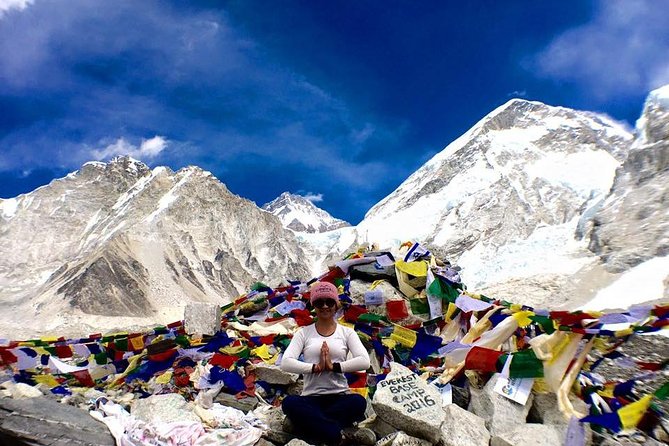
On Day 2, you fly early from Kathmandu to Lukla (Tenzing-Hillary Airport) after breakfast. The flight is part travel day, part viewpoint: you get outstanding early morning sunrise views over snowcapped mountains.
That early timing is more than scenic. It also helps you start the trekking sequence with energy while your schedule is still fresh. And once you land, you’re immediately in the Khumbu world, where the trek isn’t theoretical. It becomes your day-to-day routine fast.
Tip for your expectations: sunrise views are great, but the main goal is staying ready for the trek. Treat the flight day like a warmup for the rhythm you’ll need for the climb ahead.
Through the pine forests and Sagarmatha National Park entrance
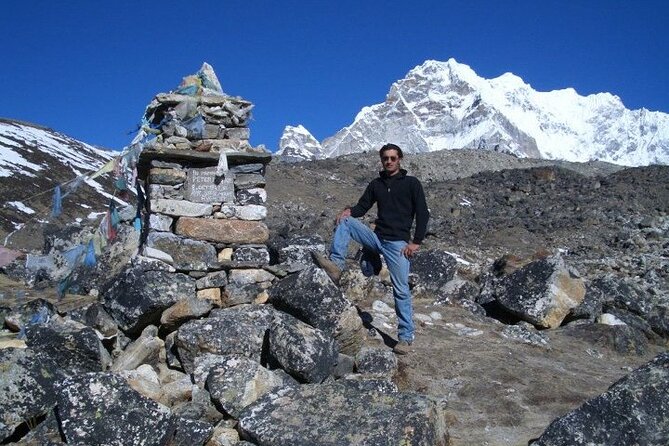
On Day 3, you start early along a route that passes pine forests, the Dudh Koshi River, and views of mountains such as Thamserku. You also pass a check post and enter Sagarmatha National Park, which gives the trek a stronger sense of place and protection.
This day can feel like the “you’re really going now” transition. You’re not yet at the hardest elevations, but you’re building the habit of moving at altitude. The route also includes settlements, so it doesn’t feel like you’re walking through an empty fantasy world.
A practical drawback to keep in mind: once you’re trekking in the national park zone, you’ll want to stay flexible about how you move and how you handle cold or wind, since conditions change.
Namche Bazaar rest day: acclimatization that doesn’t waste your time
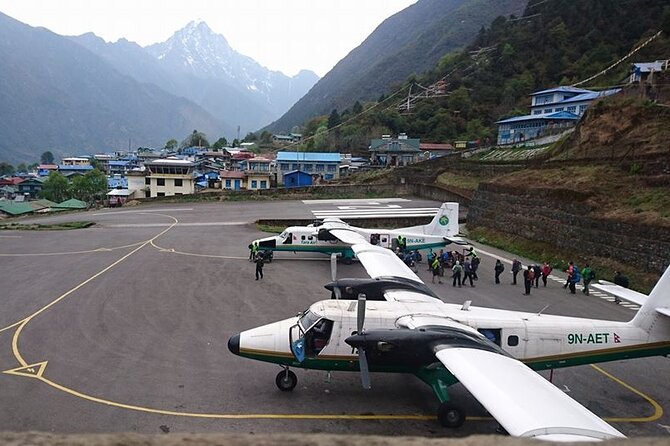
Day 4 takes you to Namche Bazaar, the biggest settlement in the Khumbu region. It’s well equipped with things like ATMs, internet cafes, and restaurants, which matters more than it sounds when you’re days away from normal city services.
Even though it’s labeled as a rest day for acclimatization, you still do a short hike to a nearby viewpoint. That’s a nice balance: you get recovery without turning the day into complete downtime. It also helps you adjust to the way the air feels when you start walking again.
If you’re trying to plan your own trekking mindset, this is the day to respect your body. Your job here is to adapt, not to prove you’re tough.
Namche to Phorse: Ama Dablam and the Dudh Koshi crossings vibe
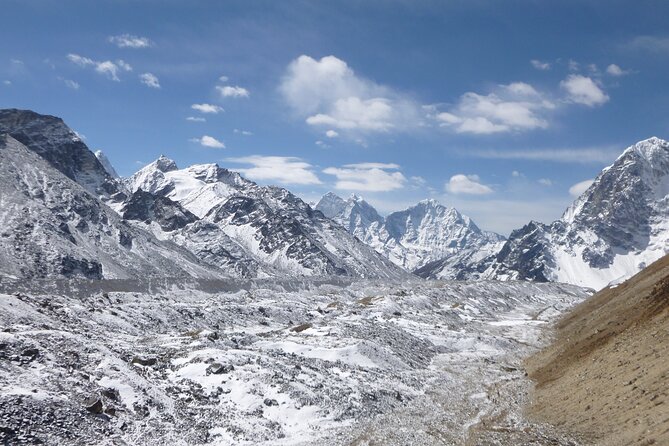
On Day 5, you trek from Namche to Phorse. Along the route, you can reach Mugla Pass and catch glimpses of major peaks including Ama Dablam, Khumbu, and Thamserku.
Then the day shifts toward descending and crossing terrain shaped by the Dudh Koshi. There’s a lot of “up-then-down” walking here, which means your legs feel it even if the day’s headline doesn’t sound extreme.
This is also a good day for your strategy: keep your pace steady, don’t race downhill, and let the altitude do its job. The trip is designed for moderately fit travelers, but the altitude is the real boss.
Phorse to Dingboche: monastery visits and upper Pangboche villages
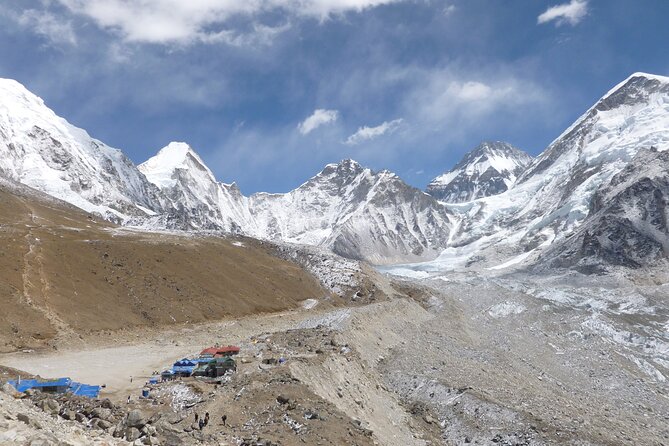
Day 6 brings you from Phorse to Dingboche, starting with a visit to the biggest Buddhist monastery in the region. After that, the trek moves through alpine forests into upper Pangboche and then through additional villages.
This day is valuable because it mixes physical effort with culture you can actually see and understand on the walk. It helps the trek feel grounded and human, not just a vertical climb.
The downside? Village transitions can be tiring if you’re expecting long, uninterrupted hiking stretches. But that stop-and-go rhythm can be easier on your body than constant steepness.
Duglha, Everest history stops, and Chola lake country
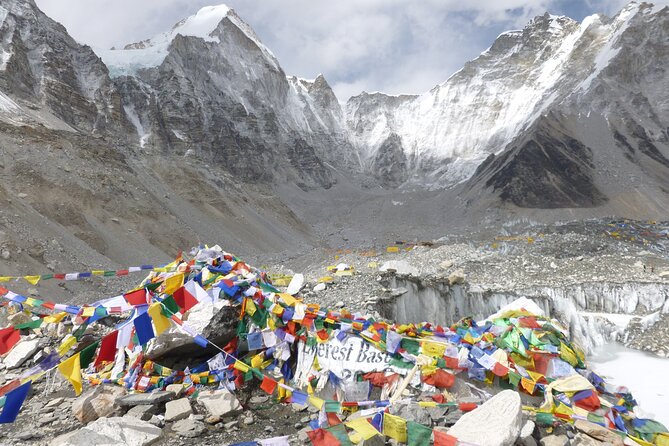
Day 7 starts with a climb from Duglha through the Khumbu Khola valley. On the way, you pass the yak herders place at Dusa, see Phulong Karp, and reach the camp tied to the first successful Everest expedition in 1953.
That’s a powerful way to walk toward Everest Base Camp: you’re not just chasing a photo spot, you’re moving through places connected to the mountain’s exploration history. The scenery keeps you focused, but the context helps you appreciate why people have kept coming back.
Day 8 pushes into glacier country. You climb up the steep terminal moraine of the Khumbu glacier, head toward Chupki Lhara, and encounter slopes with boulders plus the classic stone collections with prayer flags.
If you get nervous around rocky footing, this is where you’ll want to listen to your guide and keep your steps controlled. The trek is built for active, moderately fit travelers, but high-mountain ground demands patience.
Thangma Riju: 360-degree views and the important note about seeing Everest
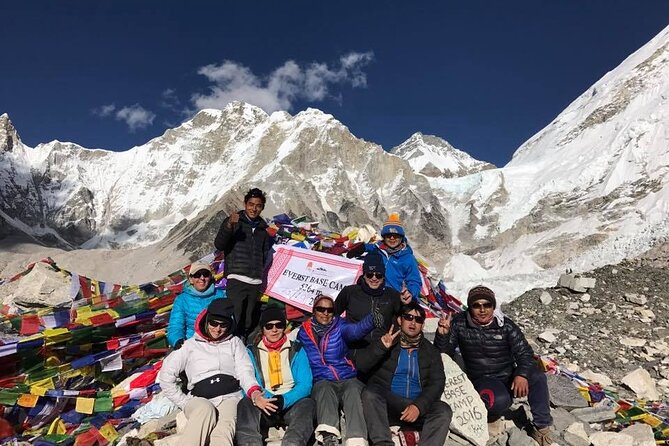
Day 9 is one of the key view days. At Thangma Riju, you get a 360-degree panoramic view of snowcapped mountains. One important detail: Mount Everest isn’t seen from here, so the day is about broad mountain presence, not the single iconic peak framed perfectly.
This is still a highlight because it changes how you experience the area. Instead of chasing one peak, you see how many giants dominate the horizon. That makes Everest feel less like a cartoon target and more like one point in an entire high-altitude system.
The consideration here is mental: if you came for the exact Everest sightline, Thangma Riju might not deliver that specific angle. But for many trekkers, the bigger win is realizing how deep the mountain world goes.
Everest Base Camp day: early start, then the real milestone
Day 10 is timed early so trekkers can witness Everest’s environment as light changes from dusk into morning. The idea is to catch those early visuals, and you’ll pass areas along the way such as Peak Lingtr.
This day is the climax in spirit, even if the weather decides how much you can see clearly. Sunrise light and early conditions can make the mountains feel sharper and more dramatic. And when you finally arrive, the experience lands in a way that feels different than scenic viewpoints back home.
Because the trip is guided and small-group, you’re not doing the day alone in a chaotic crowd. Your guide helps keep the experience organized, so you can focus on the feeling of being there.
Kala Patthar at sunrise: your best bet for that early-light payoff
Day 10 also includes Kala Patthar, where you go for sunrise views. It’s listed as a short stop—about 30 minutes—but that’s exactly the point. You’re there for the light, the angle, and the moment, not a long linger.
Kala Patthar works because you gain elevation and view conditions often improve early in the day. Even when clouds roll through, the higher vantage can give you clearer windows of sight. It’s the kind of stop that can make the whole trek feel worth it in one glance.
My practical advice: treat sunrise viewing like a schedule, not a suggestion. If you want the payoff, keep your timing tight and listen to your guide’s cue.
Heading back: the Jame route descent and controlled downhill days
Day 11 continues your descent through the Jame route back toward the terminal moraine area at Duglha. You’ll pass villages such as Pheriche and Orsho, then reach Pangboche, where you can explore the older surroundings in the area.
Downhill can be harder than it looks. Your body may feel like it’s working the same muscles, but the stress is different—especially on knees and ankles. A good guide’s job here is helping you keep the steps careful and your pace steady.
This is also a day where the trek turns more reflective. You’ve done the hardest mental work already, and now you’re walking through the mountain’s “second act.”
Final trekking steps: slow control, suspension bridges, and Dudh Koshi
Day 12 is described as a steep downward trail where trekkers should walk really slowly and in a balanced manner on rocky terrain. You’ll reach a suspension bridge over the Dudh Koshi, which gives a satisfying sense of completion while still keeping your legs honest.
This is one of those days where you’ll be grateful the trip has built-in structure and doesn’t throw you into complex navigation. The bridge crossing and river setting can also be a mental reset: you’re back with the river’s rhythm, not fighting steep gradients all the way.
As a practical takeaway, plan your energy for the descent. Most people don’t struggle from going down because they’re weak. They struggle because they get impatient. The itinerary’s pace encourages you to avoid that trap.
Lukla back to Kathmandu: the mountain flight and Kathmandu walking time
Day 13 brings a mountain flight from Lukla to Kathmandu again, which lets you enjoy the return view without losing more trekking days to travel. Once you reach Kathmandu, you’ll have time for shopping and walking around the Kathmandu valley area, with an evening celebration for completing the trek.
That celebration matters. After days of strict focus, it’s good to have a moment that marks the shift back to normal life. Even better, you’re not immediately packing and rushing; you get to enjoy the city’s energy in a gentler way.
Day 14 is your final day in Nepal, with more time for cultural sightseeing around Kathmandu valley before heading back to Tribhuvan International Airport.
Price and value: what $1,350 per person is really buying you
At $1,350 per person, this isn’t a budget street-food tour. You’re paying for a guided, high-altitude route with key transport elements and daily support.
Here’s the value logic that makes sense for most buyers:
- You get a guide to help keep the route on track and reduce the risk of getting lost.
- Teahouse accommodation and meals are included, which cuts down day-to-day decision fatigue.
- Local transportation is part of the package, including transfers around Kathmandu.
- The group size stays limited to max 10, which usually means your experience feels more personal than large-group trekking.
Then look at what you’re not paying for on your own day-to-day: lodging searches, meal planning, and route logistics. That may not sound glamorous, but it’s exactly what makes the trek more enjoyable when you’re tired and altitude-slow.
From the feedback, guides like Biru and Amabar show up in standout ways, and you’ll also see praise for porters such as Kanchar. That kind of support changes the feel of a trek, because you’re not only surviving the route—you’re being cared for while you do it.
Who this trek suits best (and who should think twice)
This experience is best for active and moderately fit travelers who can handle a multi-day hiking rhythm in high-altitude terrain. Your fitness level matters, because the trip is clearly designed for people who can move for hours and keep their pace stable.
It also fits you if you want personal attention. A max 10 group and guided setup gives you a better chance to ask questions, get pacing help, and feel like you’re part of a team rather than just a number.
It might not be ideal if you’re looking for a relaxed pace with lots of free time sitting around. This trek is built around walking days with view stops and acclimatization structure.
Should you book this Everest Base Camp trek?
If you want the classic Everest Base Camp experience with guide support, included food and lodging, and a small group size, I think this is a strong choice. The itinerary’s mix of acclimatization, key viewpoints like Kala Patthar, and planned descents via known routes makes the trek feel manageable even when it’s challenging.
Book it if you value safety through structure and you’d rather spend your energy on the mountains than on planning. Skip it if your goal is zero physical effort or if you’re unprepared for cold, demanding hiking conditions.
FAQ
How long is the Everest Base Camp trekking experience?
It’s listed as 14 days (approx.).
Where does the trek start and how do you get to Kathmandu?
The meeting point is at Tribhuvan International Airport. An airport representative meets you on arrival and arranges a drop to your hotel by private tourist vehicle.
What’s the group size for this trek?
The tour has a maximum of 10 travelers.
What’s included in the price?
The information provided says teahouse accommodation, meals, and local transportation are included. The price is $1,350.00 per person.
Is Mount Everest visible on every viewing day?
No. The route notes that Mount Everest is not seen from Thangma Riju, even though you get 360-degree panoramic views of snowcapped mountains there.
Can I get a full refund if I change my mind?
Yes. You can cancel up to 24 hours in advance for a full refund. If you cancel less than 24 hours before the start time, the amount paid is not refunded.