REVIEW · KATHMANDU
Everest Base Camp Trek – 14 Days
Book on Viator →Operated by Ace the Himalaya · Bookable on Viator
Everest Base Camp is a bucket-list line you can actually walk. This 14-day trek strings together the classic Khumbu route: fly into the Everest region, acclimatize in Sherpa towns, and then work your way up to Everest Base Camp (5,365 m) and the big viewpoint day at Kala Pattar (5,555 m).
What I liked most is the trip’s practical rhythm. You get a government-licensed, first-aid trained guide and porter help (1 porter for 2 clients for 11 days), so you focus on your own pace instead of turning your backpack into a second spine. In the small-group mix, guides like Kishor and Maddy have been noted for safety focus and local know-how, with porters such as Saman and Sher often praised for staying on top of comfort and logistics.
One consideration: the air and the legs matter. This is not a gentle hike, and you’ll be climbing high elevations on trekking days like the Kala Pattar push and the day to Base Camp. Also, Lukla flights can shift to Manthali (Ramechhap) during peak congestion, which changes how you start (and can feel like extra travel day energy).
In This Review
- Key Highlights I’d Put on Your Shortlist
- Entering the Everest Region: Kathmandu Transfers and the Lukla/Manthali Flight Plan
- The Dudh Koshi Trail to Namche Bazaar: Suspension Bridges and Sagarmatha National Park
- Namche Acclimatization Day: Sherpa Museum, Short Hikes, and a Breathing Reset
- Tengboche to Dingboche: Monastery Views, Mani Stones, and a Controlled Climb
- Lobuche to Everest Base Camp: The Khumbu Glacier Walk to 5,365 m
- Kala Pattar and the Return to Namche: Your Toughest Day Plus the Big Payoff
- Back to Lukla, Flight Home to Kathmandu, and What You Actually Walk Away With
- Price and Value: What $1,800 Covers (and What You’ll Need to Pay Separately)
- Small-Group Trek Reality Check: Fitness, Pace, and Altitude Expectations
- Should You Book This Everest Base Camp Trek?
- FAQ
- Is airport pickup included in Kathmandu?
- Does the price include flights to Lukla and back?
- What if flights don’t operate from Lukla due to congestion?
- Are meals included on the trek?
- Do I need a porter, and is luggage carried for me?
- Are trekking permits included?
- What about travel insurance?
- How much luggage can I bring on the domestic flights?
Key Highlights I’d Put on Your Shortlist
- Small-group size (max 14): easier for the guide to manage pace and questions.
- Guide + porter coverage: you’re supported while you hike, especially on the longest stretches.
- Acclimatization built in: Namche and Dingboche days help your body catch up before higher work.
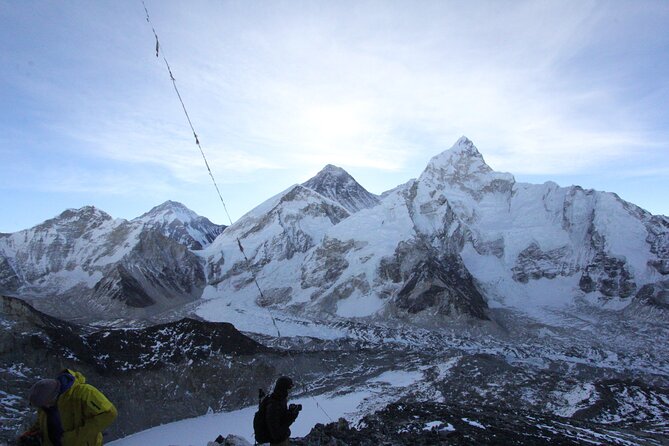
- Everest Base Camp and Kala Pattar are both included: the big goals on two different “feel” days.
- Real safety planning: first-aid trained guide plus emergency medical evacuation arrangements.
- Filtered water on the trail: Katadyn Pocket Water Filter cuts down on water hassle.
Entering the Everest Region: Kathmandu Transfers and the Lukla/Manthali Flight Plan
Your trip starts in Kathmandu with pickup and transfers in a private tourist vehicle. Two nights in a 3-star twin-share hotel are included, with breakfast. It’s a nice buffer before the mountains: you can sort gear, do a final laundry loop, and sleep without a trekking schedule running your life.
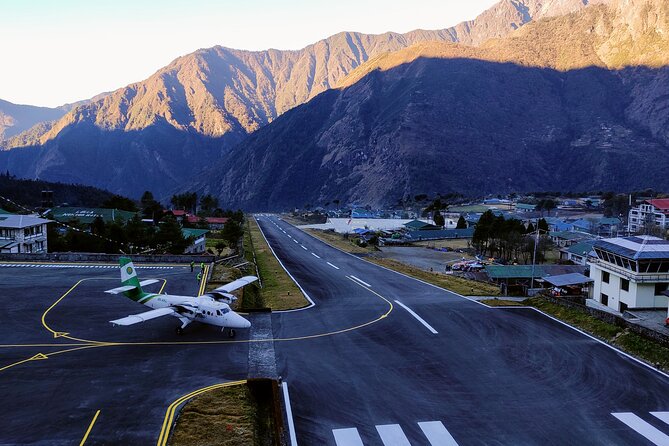
Then comes the defining logistics piece: the flight sector to Lukla. During peak trekking seasons (March, April, May, October, and others mentioned), heavy airport traffic can force flights to shift from Kathmandu to Manthali Airport in the Ramechhap district. The practical takeaway is simple: plan for a start-day that may feel a bit longer and more structured, and don’t mentally lock yourself into Lukla on day 2 as the only flight path.
Once you’re in the Everest region, the trek becomes the main event. That’s also where the value of the included domestic airfare shows up: you’re not piecing together flights, permits, and day-by-day lodging yourself. For many first-timers, that alone is worth real money and stress reduction.
You can also read our reviews of more tours and experiences in Kathmandu.
The Dudh Koshi Trail to Namche Bazaar: Suspension Bridges and Sagarmatha National Park
After flying into the region, you’ll begin trekking and spend a long day heading toward Namche Bazaar. Expect time on the trail along the Dudh Koshi River, with the classic suspension bridges that have prayer flags fluttering overhead. It’s not just scenery; bridges are also where you feel how the day is structured—steady pacing, lots of small steps, and frequent stops to take a breath.
This day also takes you into Sagarmatha National Park, which matters because it’s part of what you’re paying for: permits and the official trail entry fees are included. You’re not just hiking through “somewhere beautiful.” You’re walking inside a protected park system with formalities and rules, and having those taken care of keeps your energy on the trail.
One practical note: the long trekking day length is part of why acclimatization days later matter so much. If you treat the first big walking days like they’re the hardest point, you’ll likely burn energy early. The smart strategy is slower than you think you need, especially if you’re flying in and then trekking the same day or the next.
Namche Acclimatization Day: Sherpa Museum, Short Hikes, and a Breathing Reset
Namche Bazaar is a key turning point. On one day you’ll acclimatize and adjust to thinning air, but you won’t push toward Base Camp progress. Instead, you’ll get a short trek to the Sherpa Museum—a focused break from “just walking,” and a useful one if you want context for what you’re seeing.
This day helps you understand the region as more than a stairway to Everest. Sherpa culture shows up in everyday life here, and museum time is a calm way to connect dots before higher altitude asks for more from your body.
In the small-group format, this is also when you can ask questions without feeling rushed. I’d use this day to fine-tune your clothing layers and hydration routine. High altitude punishes inconsistent habits. When you’re moving up later, your systems matter as much as your attitude.
Tengboche to Dingboche: Monastery Views, Mani Stones, and a Controlled Climb
The trek continues toward Tengboche (around 3,860 m), with dramatic mountain views as you follow glacial waters of the Dudh Koshi. You’ll arrive with the monastery in focus—Tengboche Gompa—and you’ll have time to see inside. This is a “slow down and look” kind of day, but you still rack trekking hours.
Then you climb onward to Dingboche, passing the Debuche area and crossing suspension bridges again on the Imja Khola. The route continues through places like Pangboche where you’ll see mani stones, which are a small but meaningful visual reminder that this landscape is religious as well as scenic.
Day 7 is another acclimatization day. You won’t head toward Everest Base Camp then. Instead you’ll hike to Nangkartshang peak just above Dingboche for views. This “go up a bit, then come back down” pattern is how you help your body adapt without overreaching. It’s also mentally useful: you’ll get a taste of the rewards, but you won’t gamble your energy budget.
A drawback here is also worth saying plainly: the air can make even small uphill bits feel dramatic. If you’re prone to impatience, practice patience on these days. Save the intensity for the Base Camp and Kala Pattar days.
Lobuche to Everest Base Camp: The Khumbu Glacier Walk to 5,365 m
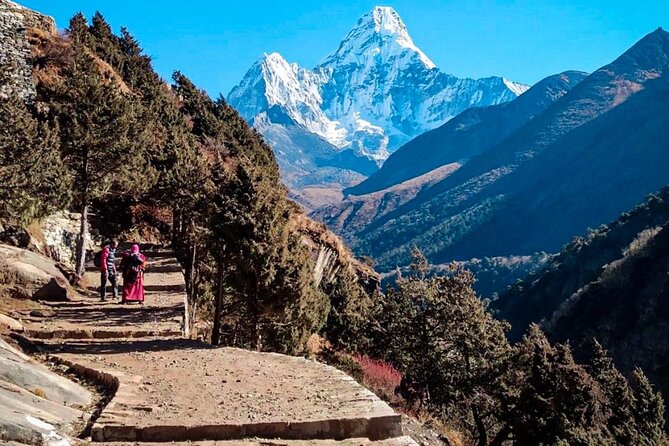
After Dingboche, the trek continues toward Lobuche. This section runs along the lateral moraine of the Khumbu Glacier and passes by stone memorials for climbers who’ve perished nearby. It’s one of those sobering moments that changes the tone of the hike. You’re still moving, still taking in the huge views, but you’re also reminded that high-altitude terrain is serious business.
Then comes the big day: trekking to Everest Base Camp at 5,365 m. This is described as a big and difficult walking day along the Khumbu Glacier, and it’s also the closest you can reach to Mount Everest without mountaineering equipment. That detail matters because it sets your expectations. You’re not climbing Everest. You’re reaching the Base Camp zone and experiencing the pull of that history and atmosphere from the ground.
Seasonal conditions can matter here. During spring, there may be likely visibility and experiences described as you walk in. Either way, you’ll feel the altitude. Your body may get slower long before your mind gets tired. That’s normal. Keep a steady pace and don’t treat the last stretch like a race.
Kala Pattar and the Return to Namche: Your Toughest Day Plus the Big Payoff
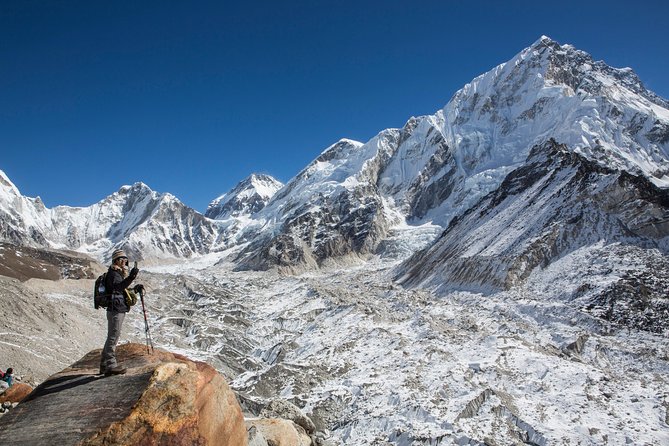
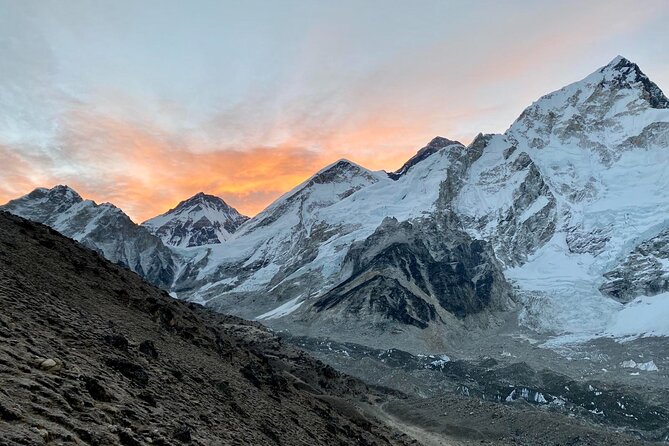
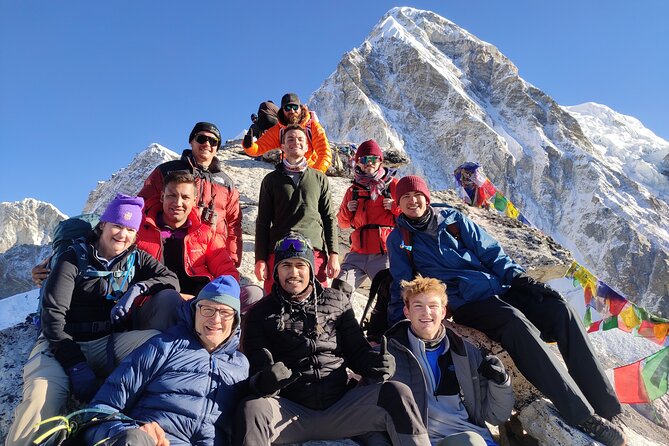
Day 10 is the one many people remember longest: Kala Pattar (5,555 m). It’s described as one of the most difficult yet rewarding days, with a demanding climb in the morning. This is your classic “work for the view” setup. You’ll get higher, with steeper effort, for the kind of panorama that makes the whole itinerary click into place.
After that, you descend back down. Leaving the higher area behind, you’ll go down toward Namche Bazaar via Pangboche and Tengboche, arriving in the afternoon. That’s a huge relief for your lungs and legs—yet descending can still be rough on knees and feet. If you have trekking poles, use them early, not late.
This second half of the route is where your mind often clears. Base Camp day is emotional. Kala Pattar day is physical. The descent is practical: you finally start moving like your regular hiking self again, while your elevation drops more and more.
Back to Lukla, Flight Home to Kathmandu, and What You Actually Walk Away With
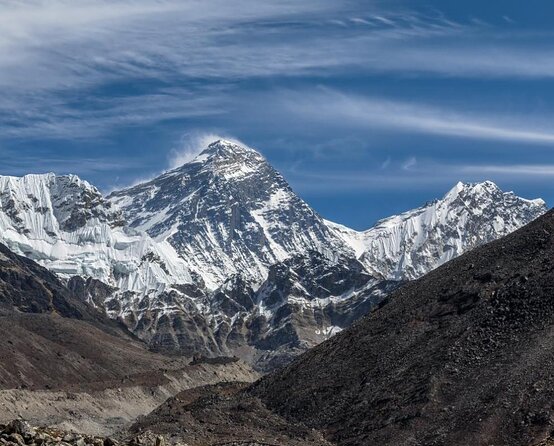
Your final trekking day brings you back to Lukla, where you started. This is your “wrap it up” day. The pace often feels different because you know you’re on the home stretch, but you still have trekking time to finish before you fly.
Then you fly back to Kathmandu. The flight is described as a scenic sector taking about 35 minutes, and you’ll be met on arrival for transfer back to Tribhuvan International Airport on the last day.
What I like about the way this trip ends is that it recognizes the achievement. You’ll have time to reflect as a group and as individuals on the personal win of reaching Everest Base Camp and pushing up to Kala Pattar. You also receive Ace the Himalaya’s duffel, a trekking map, a sun hat, and a trip completion certificate you keep—small items, but handy keepsakes.
The other real “carry-out” is confidence. Once you’ve handled acclimatization days and the tough altitude pushes, you learn how to pace yourself at elevation—knowledge you’ll use forever on future hikes.
Price and Value: What $1,800 Covers (and What You’ll Need to Pay Separately)
At $1,800 per person, this trek can feel like a lot until you look at what’s included. You’re getting:
- Domestic flights Kathmandu–Lukla–Kathmandu
- Trekking permits (including Everest/Sagarmatha National Park entry and Pasang Lhamu Rural Municipality fee)
- A government-licensed English-speaking guide (first-aid trained)
- Porters for 11 days (1 porter for 2 clients)
- Trail lodging (twin-share guesthouses; attached toilets in Lukla, Phakding, and Namche)
- Most meals during the trek (breakfast, lunch, dinner)
- Filtered water using a Katadyn Pocket Water Filter
- Kathmandu hotel (2 nights) with breakfast, plus private vehicle transfers
- Emergency medical evacuation arrangements and a first-aid kit
- Official staff costs, equipment, and medicines for staff
So you’re not paying just for “someone to walk with you.” You’re paying for logistics, altitude support, and trail compliance. For first-timers, that’s the part that usually gets expensive or stressful if you DIY it.
What’s not included is also important. You’ll cover:
- Lunch and dinner in Kathmandu
- Your Nepal visa (you can get it on arrival)
- Travel insurance (and it should cover emergency high-altitude rescue/evacuation)
- Alcohol and other personal drinks
- Personal trekking gear
- Tips for guide and porter (tipping is expected)
One more money note: if you’re traveling solo and there isn’t an existing group to share accommodation with, a single surcharge of USD 250 applies.
Small-Group Trek Reality Check: Fitness, Pace, and Altitude Expectations
This trek suits people with moderate physical fitness—but “moderate” doesn’t mean casual. You’re stacking long walking days and elevation gain, including the highest viewpoint day and the Base Camp approach.
Your best preparation is not just gym time. It’s learning a pacing style that works at altitude: steady steps, frequent micro-pauses, and drinking water even when you don’t feel thirsty. The tour helps with hydration basics via the Katadyn filter, but your discipline still matters.
If you like having your days planned and your big decisions already handled, you’ll enjoy this. The guide handles emergencies and pacing strategy. In the Everest region, that kind of structure can keep you calm.
If you hate group dynamics or you need constant alone-time, then small-group travel may feel limiting. Also, the itinerary includes a lot of climbing days with only selective rest days. Make sure you’re ready for that.
Should You Book This Everest Base Camp Trek?
I’d book it if you want a classic Everest Base Camp experience with the heavy lifting handled: flights, permits, guides, porter support, and daily meal and lodging planning. The included guide + porter model is a big deal for comfort, and the acclimatization structure (Namche plus Dingboche) is exactly how you give yourself a fair shot at enjoying the altitude.
Skip or reconsider if you’re unsure about high altitude effort. The Kala Pattar day and the Base Camp day are not “light.” And if you don’t have the right travel insurance mindset, don’t treat emergency evacuation as a theoretical concept.
If you want a trek where your role is to hike well and soak it all in—while someone else handles the complicated parts—this one makes a lot of sense.
FAQ
Is airport pickup included in Kathmandu?
Yes. The tour includes airport and hotel transfers in Kathmandu using a private tourist vehicle, and you’re dropped back to Tribhuvan International Airport at the end.
Does the price include flights to Lukla and back?
Yes. The tour includes airfare for the Kathmandu–Lukla–Kathmandu sector, including airport departure tax.
What if flights don’t operate from Lukla due to congestion?
During peak trekking seasons, flights may shift to Manthali Airport (Ramechhap district) instead of Kathmandu/Lukla operations. The itinerary accounts for this possibility.
Are meals included on the trek?
Yes. All standard meals are included during the trek, including breakfast, lunch, and dinner.
Do I need a porter, and is luggage carried for me?
Yes. A porter service is included for 11 days, with 1 porter for 2 clients. That means you don’t have to haul all your luggage up the mountain yourself.
Are trekking permits included?
Yes. You’ll have the Everest/Sagarmatha National Park entry permit and the Pasang Lhamu Rural Municipality fee included.
What about travel insurance?
It’s not included. You should have travel insurance that covers emergency high-altitude rescue and evacuation, since that isn’t part of the package.
How much luggage can I bring on the domestic flights?
The domestic flight luggage allowance is 15 kg.
If you tell me your travel month and your current hiking routine (how many km/miles you can comfortably do in a day), I can help you sanity-check whether this 14-day schedule fits your pace.