REVIEW · CU CHI TUNNELS
From Ho Chi Minh City: Cu Chi Tunnels Tour
Book on GetYourGuide →Operated by Vietnam Adventure Tours JSC · Bookable on GetYourGuide
Cu Chi Tunnels feels like stepping into another world. This tour combines a countryside drive, a short film introduction, and time in the tunnel system where you can crawl sections used during the war. I especially liked the mix of history and hands-on access, and I found the English-speaking guide made the details easy to follow.
The second thing I liked: you get more than photos and plaques. You’ll walk through spaces like kitchens, living quarters, and hospital areas and learn how traps were set up. The war setting can be heavy, but the structure of the tour keeps it clear and focused.
One consideration: the tunnel part involves crawling in tight spaces, so it may feel uncomfortable if you’re claustrophobic or dealing with mobility limits. Also, if you shoot, remember bullets are not included in the price.
In This Review
- Key highlights worth your time
- A short ride that sets the tone near 60km out
- Tunnel time: what you actually do underground
- Traps and the mindset behind them
- Peaceful green scenery meets a brutal past
- The shooting range part: fun, but with one big catch
- The guide makes or breaks the day
- Timing: morning vs afternoon and what it means for planning
- Transportation and hotel pickup: easy for many, not for all
- Value for $14: what you’re really paying for
- Who this tour suits best (and who should think twice)
- Should you book the Cu Chi Tunnels day tour from Ho Chi Minh City?
- FAQ
- How far is Cu Chi Tunnels from Ho Chi Minh City?
- How long is the tour?
- Does the tour include a shooting range?
- Are bullets included in the price?
- What happens when you arrive at the tunnels?
- What parts of daily life are shown underground?
- Is lunch included?
- Where is the pickup and meeting point?
- What time does the tour end?
- Is the guide English-speaking?
Key highlights worth your time
- A documentary intro that sets the scene before you go underground
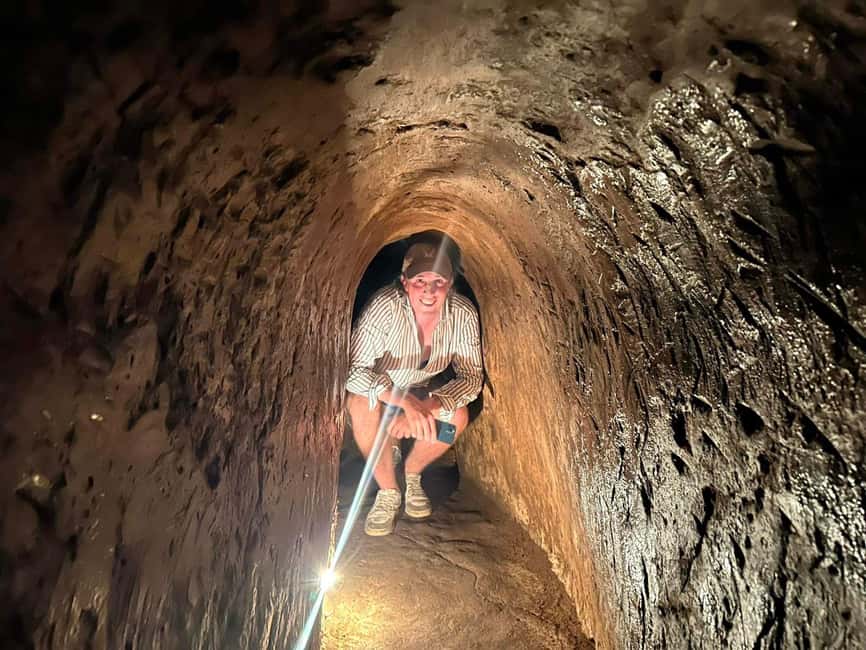
- Crawl sections used by guerrilla fighters, including a sense of scale and cramped movement
- War-era rooms and traps like kitchens, living areas, hospital areas, and defensive setups
- A safe shooting range option with war guns (bullets cost extra)
- Two tour windows so you can pick a morning or afternoon day plan
A short ride that sets the tone near 60km out

The day starts with you leaving Ho Chi Minh City in air-conditioned transportation, headed toward Cu Chi Tunnels about 60 kilometers outside the city. The drive is about 1.5 hours, and it matters because it gives you that mental shift from traffic and skyscrapers to rice paddies and roadside greenery.
I like tours that don’t rush you straight into the main event. This one eases you in with the route and the buildup, which makes the tunnels feel more real once you arrive.
Because the group is small, the guide can usually manage the flow better—handing out instructions, checking who’s ready, and keeping the schedule from turning into a stampede.
You can also read our reviews of more tours and experiences in Cu Chi Tunnels.

Tunnel time: what you actually do underground
Once you arrive, you’ll start with a short documentary film. It’s not just for storytelling; it helps you understand what you’re about to see. Then the guide lays out how the tunnels were used during the war and why the location mattered.
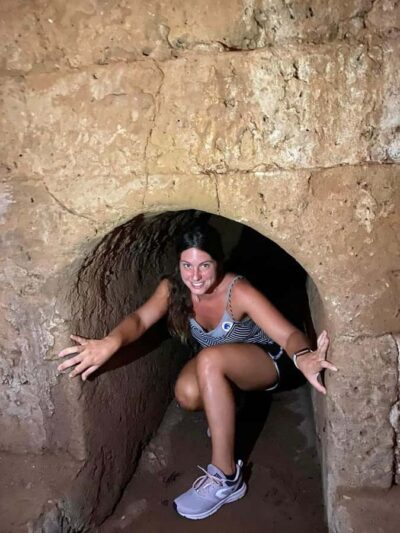
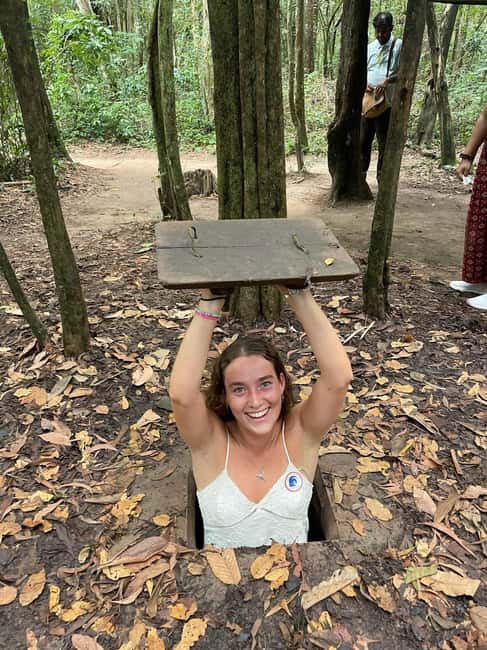
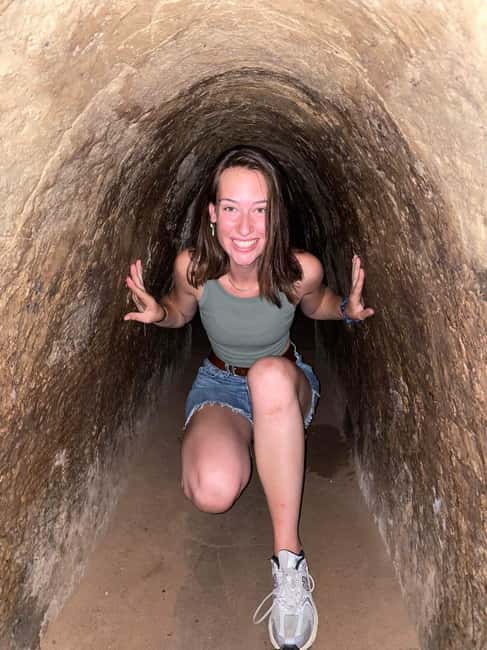
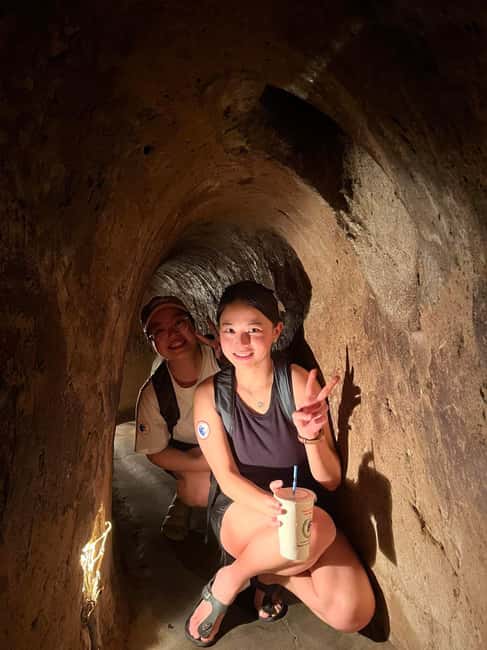
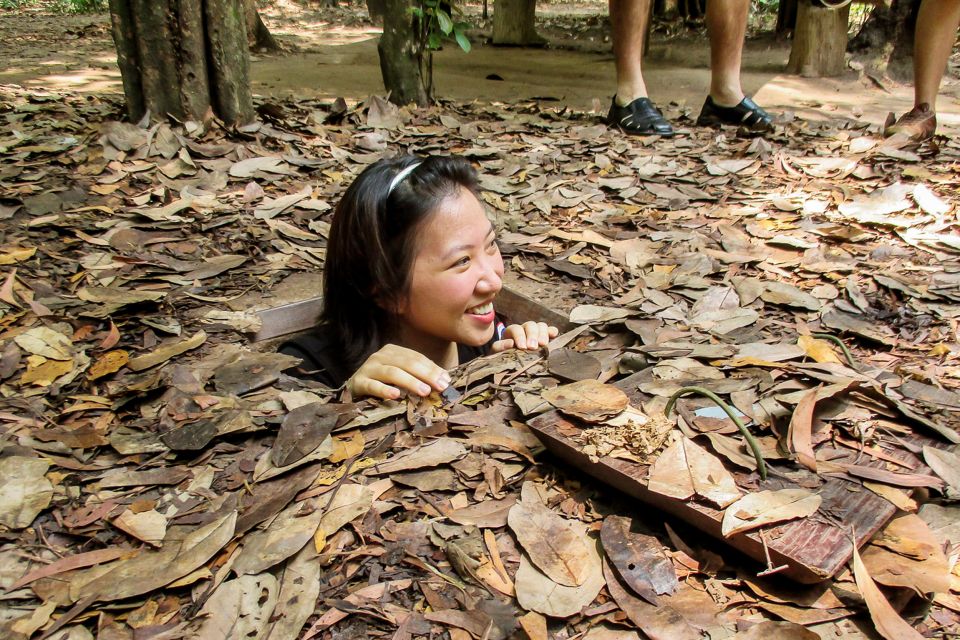
After that, you’ll get the main experience: crawling sections through the tunnel system. The tour description is very direct about it—crawling distances are part of the program—so go in expecting a physical element, not a casual stroll.
What you’ll see above your head and on your route can be surprisingly specific. You might notice features described in the tour as kitchens, living quarters, and hospital areas. The idea is to show how everyday life was squeezed into a system designed for survival and movement, not comfort.
Traps and the mindset behind them
One of the most important learning moments is about trap types and how they were created and set up. It’s not just trivia. The guide’s explanation helps you understand how these were designed to disrupt movement and protect fighters who couldn’t fight in open areas the way a conventional army might.
You’ll also hear the story framed by the idea that the area became a Free Target Zone, with massive destruction from bombings. That’s why the tour keeps returning to practical survival choices: how to move, hide, and function when the area is constantly threatened.
Peaceful green scenery meets a brutal past

On the way out and back, the scenery is calm—rice paddies and countryside roads. That contrast is one of the tour’s strongest storytelling tools. You look at quiet fields on the surface, then later you’re underground, imagining the same ground under constant danger.
I found that emotional whiplash doesn’t happen randomly here. The documentary and the guide’s pacing help you make the transition instead of just feeling shocked and lost.
This is also why the tour is worth doing if you care about context. Cu Chi isn’t only about the tunnels as a physical site—it’s about what the place meant to people trying to stay alive.
The shooting range part: fun, but with one big catch
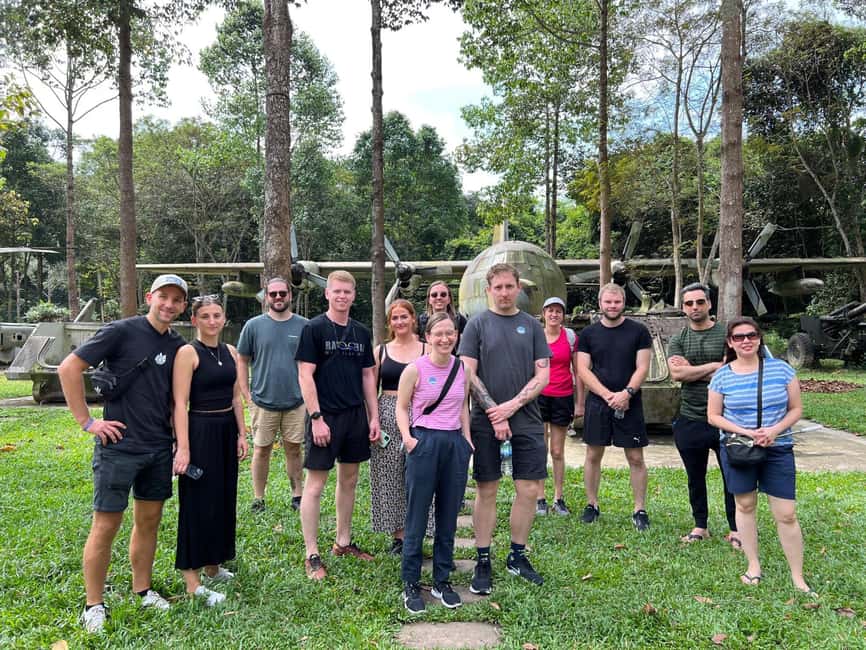
The tour also includes a chance to safely fire war guns at a shooting range. This is a major reason the tour appeals to many visitors: you don’t just observe history; you get a controlled, guided activity connected to it.
There’s one clear cost detail to plan for: bullets are not included if you try shooting. So think of the tour price as covering transport, entry, guide, and the access to the range experience—not the extra ammunition fee.
If you want action, this is the easiest way to get it without DIY logistics. If you don’t want to shoot, you can still enjoy the tunnel and history parts, but you’ll miss the range portion if it’s a personal priority.
The guide makes or breaks the day
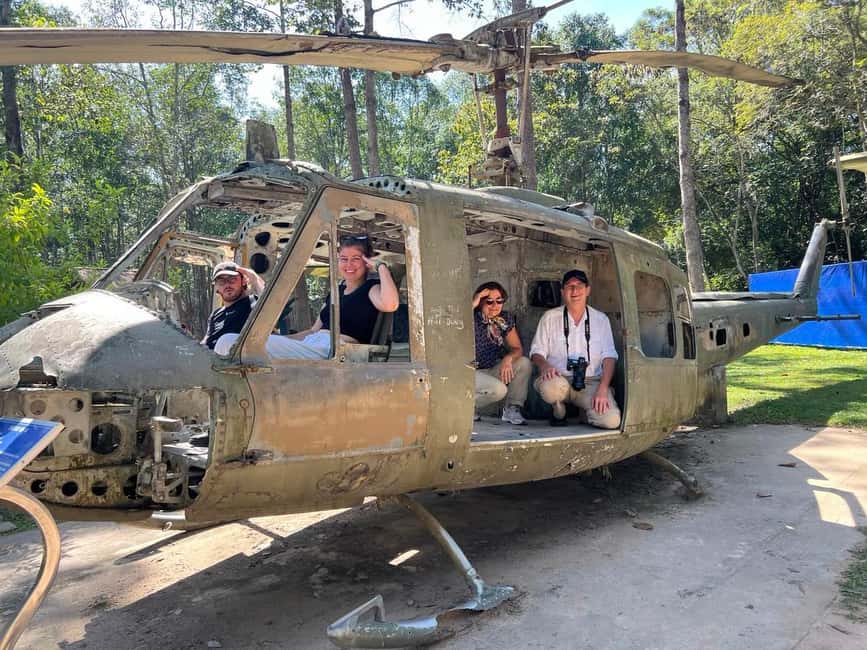
This type of tour can go two ways: either it’s a dry explanation in a loud group, or it’s a guided narrative that makes you understand what you’re seeing. The reviews tied strongly to guide performance, and you can expect the program to rely on an experienced English-speaking tour guide to connect all the stops.
From the guide names I saw, the tour often gets praise for being both clear and entertaining. People specifically called out guides such as Chloe, Kai, Vi, Phu, Sunny, Ele, Nguyen, Simon, Nick, Duc, Michael, Tuan, and Harry. While individual styles vary, the consistent theme is that the guide explains the war-era purpose of features you see and keeps things moving.
Practical advice: ask questions during the drive and right after the film. If you wait until you’re already underground, you lose some of the easiest chances to get answers while you have space to listen.
Timing: morning vs afternoon and what it means for planning
You can choose a morning or afternoon tour, and the total time is listed as 6.5 hours (check available starting times). Timing matters in Ho Chi Minh City because traffic can stretch travel time both directions.
A useful detail: the morning tour typically ends around 3:30pm. The afternoon tour typically ends around 7:00pm. That means you’ll likely want to build your rest of the day around these endpoints, especially if you’re pairing it with a dinner plan back in District 1.
Also plan a simple food rhythm. After the morning tour, there’s a suggestion to visit a nearby restaurant for restroom breaks, and you can enjoy a light lunch on your own. For afternoon tours, you’ll still want to think about when you’ll eat later, since your return lines up close to evening.
If you choose the VIP option, a set meal may be included as lunch. Without VIP, lunch is not guaranteed as part of the package.
Transportation and hotel pickup: easy for many, not for all
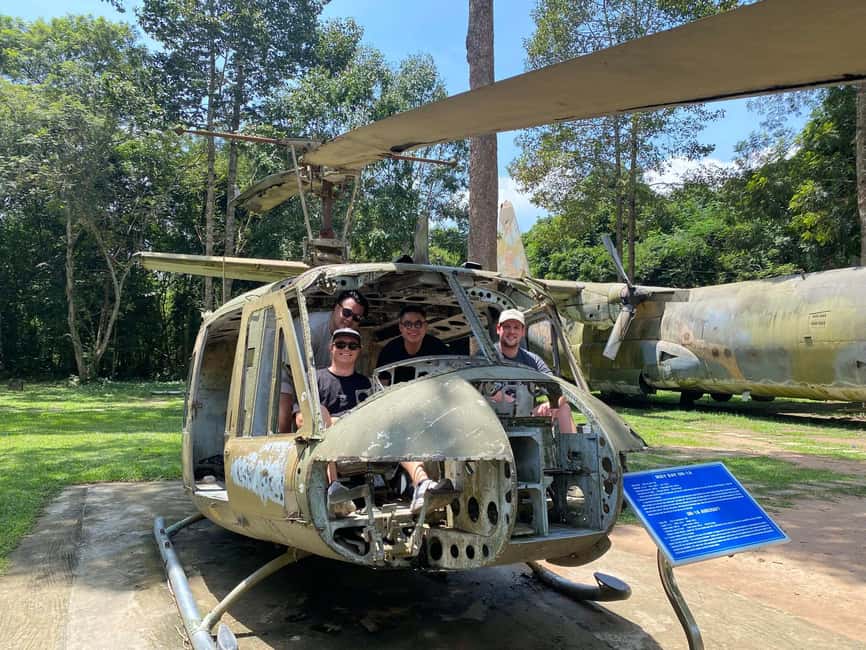
This tour includes pickup from centrally located hotels, with an exception noted for Tan Dinh and Dakao Ward. If you’re in one of those areas and not using the VIP pickup arrangement, you’ll need to get to the meeting point.
The meeting point is listed as 123 Ly Tu Trong street, Ben Thanh Ward, District 1. If you’re doing the morning tour and you don’t have pickup, you meet by 8:00am. For the afternoon tour without pickup, you meet by 12:30pm.
Why I think this matters: District 1 hotels make the start straightforward, and that’s when a half-day trip like this feels smooth. If you’re farther out, you’ll want to plan your morning or afternoon timing so you don’t end up sprinting to the meeting point.
The tour also drops you at the center of District 1 after the experience. Bottled water and tapioca are included, which is a nice touch for a long day with travel time.
Value for $14: what you’re really paying for
At $14 per person, the headline number is hard to beat—especially for a program that includes round-trip transport to the tunnels, an English guide, and entry tickets. For a half-day activity with time underground and a shooting range option, that price looks like a strong value.
The trade-off is that this is not a private tour with flexible pacing. It’s designed to run efficiently for a group, meaning you’ll follow the guide’s timing and stay within the planned sequence.
One more cost check: shooting involves an extra ammunition expense since bullets are not included. So if shooting is your priority, treat the base price as the start, not the full total.
Where this tour delivers best is for visitors who want a structured introduction to Cu Chi without spending a lot of time arranging transportation or hiring separate guides.
Who this tour suits best (and who should think twice)
This tour fits well if you:
- Want to understand Cu Chi through a guided, step-by-step experience
- Appreciate hands-on history, including crawling sections
- Like a day plan that includes both learning and a short action activity at the range
- Prefer group travel with small group availability
It might not be the right match if:
- You’re uncomfortable with tight spaces or you’d rather avoid physical crawling
- You need a long meal break built into the schedule (lunch depends on VIP)
- You’re sensitive to war themes presented in an on-site setting
Should you book the Cu Chi Tunnels day tour from Ho Chi Minh City?
If you want one day that meaningfully connects war history to a real place—and you’re okay with crawling and a bit of sensory intensity—I think this tour is a smart booking. The best reasons to choose it are the guided English narration, the structured underground portion, and the fact that it’s priced so access is realistic for most budgets.
The main reason not to book is simple: if tight spaces and physical movement are a dealbreaker, skip the crawling part and consider an alternative that doesn’t require going underground. If you’re comfortable with that and you plan for bullets cost if you shoot, this feels like strong value for a memorable, well-run day trip.
FAQ
How far is Cu Chi Tunnels from Ho Chi Minh City?
Cu Chi Tunnels is about 60 kilometers outside Ho Chi Minh City, and the ride takes around 1.5 hours each way depending on traffic.
How long is the tour?
The tour duration is listed as 6.5 hours (starting times vary based on availability).
Does the tour include a shooting range?
Yes, the program includes a chance to safely fire war guns at a shooting range.
Are bullets included in the price?
No. Bullets are not included if you try shooting.
What happens when you arrive at the tunnels?
You’ll watch a short documentary film, get an introduction to the tunnel system, and then you can crawl through tunnel sections used by guerrilla fighters.
What parts of daily life are shown underground?
The tour description notes you may see kitchens, living quarters, and hospital areas, along with explanations of traps.
Is lunch included?
Lunch is included only if you select the VIP option. Otherwise, lunch isn’t listed as included.
Where is the pickup and meeting point?
Pickup is offered from centrally located hotels in District 1, except Tan Dinh and Dakao Ward. If you’re not picked up, you meet at 123 Ly Tu Trong street, Ben Thanh Ward, District 1.
What time does the tour end?
The morning tour typically ends around 3:30pm and the afternoon tour typically ends around 7:00pm, depending on traffic.
Is the guide English-speaking?
Yes. The tour includes an English-speaking guide, and the experience is described as a live guide tour.