REVIEW · KATHMANDU
Kathmandu: 7 UNESCO Sites with Lunch
Book on GetYourGuide →Operated by Himalayan Social Journey · Bookable on GetYourGuide
Seven UNESCO stops, one packed Kathmandu day. This tour strings together royal palaces and major temples, so you get the art, daily life, and religious meaning in one go. I especially like the private transportation and the chance to see Newar craftsmanship up close. The main drawback is simple: it’s a long day with real walking, so it’s not a great fit if you need wheelchair access or have visual limitations.
A big part of the magic is the guide. Many departures are led by Dipendra Dharel, and people consistently praise how he explains what you’re looking at and answers questions calmly. Even the driver gets credit in tight traffic, with Pablo often mentioned for careful navigation through old streets and crowded junctions.
You also get built-in breaks, including a packed lunch, plus time at several stops for photos and light shopping. One more thing to consider: entrance fees may not be included unless you choose the all-inclusive option, so bring Nepalese rupees just in case.
In This Review
- Key Things You’ll Notice Right Away
- Kathmandu Valley in One Day: How 7 UNESCO Stops Actually Work
- Thamel Pickup, Private Vehicle, and That Traffic Reality
- From Swayambhunath to Kathmandu Durbar Square: Monkeys and Royal Courtyards
- Patan Durbar Square and Changu Narayan: When Art Becomes a Language
- Bhaktapur Durbar Square Plus Lunch: The Medieval City Feeling
- Pashupatinath on the Bagmati: One of the Most Intense Sacred Sites
- Boudhanath Stupa: Tibetan Monasteries and Thanka Shopping
- Price and Logistics: What You’re Getting for the Money
- Pacing, Walking, and Who This Tour Fits Best
- Where the Newar Culture Shows Up (and Why It Matters)
- Should You Book Kathmandu: 7 UNESCO Sites with Lunch?
- FAQ
- How long is the Kathmandu 7 UNESCO Sites with Lunch tour?
- Where are the pickup and drop-off locations?
- Is lunch included?
- Are entrance tickets included?
- What languages does the guide speak?
- Do I need to bring anything?
- Is this tour suitable for wheelchair users?
Key Things You’ll Notice Right Away
- A true 7-site Kathmandu Valley circuit that covers both Durbar Squares and big religious landmarks
- Guide-led meaning, not just quick photo stops at places like Swayambhu and Pashupatinath
- Comfortable door-to-door pickup from Thamel with a private vehicle and an on-time driver
- Lunch and snack support so you’re not running on fumes while moving site to site
- Cash matters if you’re paying monument fees yourself (ID card helps too)
- Tight timing and walking make good shoes and a realistic pace essential
Kathmandu Valley in One Day: How 7 UNESCO Stops Actually Work
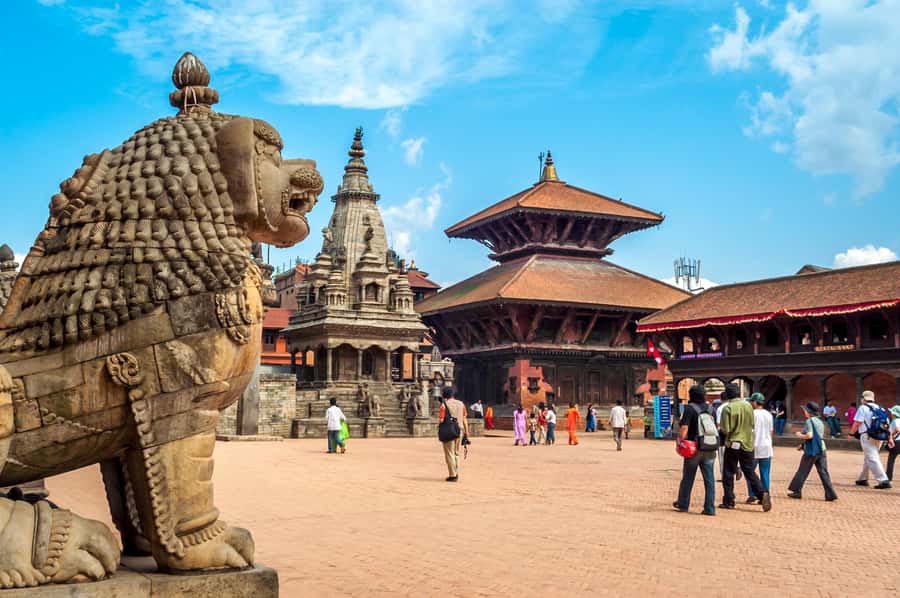
Kathmandu Valley UNESCO is not one single monument. It’s a set of meaningful zones: the Durbar Squares of Kathmandu, Patan, and Bhaktapur, plus major religious sites tied to Hinduism and Buddhism. Doing them in one day makes sense if you’re short on time, because you avoid the headache of figuring out routes, entrance rules, and what each site represents.
What makes this tour especially practical is the mix. You don’t just bounce between temples. You also see palace architecture and the Newar world of carved wood, metal details, courtyards, and street-level life. The result feels like a guided tour through how Kathmandu Valley people built, worshiped, and lived.
Still, “one day” is the key word. You’re moving across multiple neighborhoods, and you’ll be on your feet more than you might expect, even with transportation between stops. This is a tour for people who like structure and clear explanations, not for anyone who wants long, slow wandering.
You can also read our reviews of more tours and experiences in Kathmandu.
Thamel Pickup, Private Vehicle, and That Traffic Reality
Most people start from Thamel (Kathmandu), with hotel pickup and drop-off included. If you’re staying in an Airbnb or private apartment, you’ll wait outside the main entrance and look for a comfortable vehicle with the company logo, plus a guide holding a sign with your name.
Nepal traffic can be chaotic, and the day depends on the driver’s skill. In many accounts, Pablo is mentioned for navigating small streets and getting people back safely on time. You also have a simple behavior rule: no alcohol in the vehicle.
One more smart tip: bring an ID card. The tour data says a copy is accepted, which helps when you’re traveling with digital backups too.
From Swayambhunath to Kathmandu Durbar Square: Monkeys and Royal Courtyards
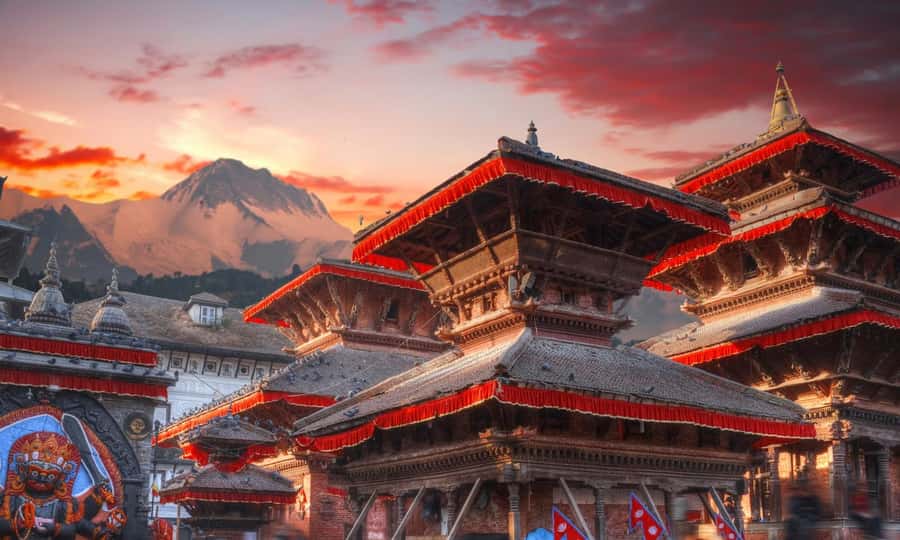
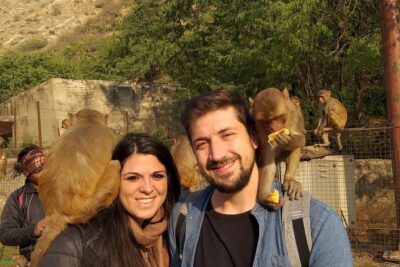
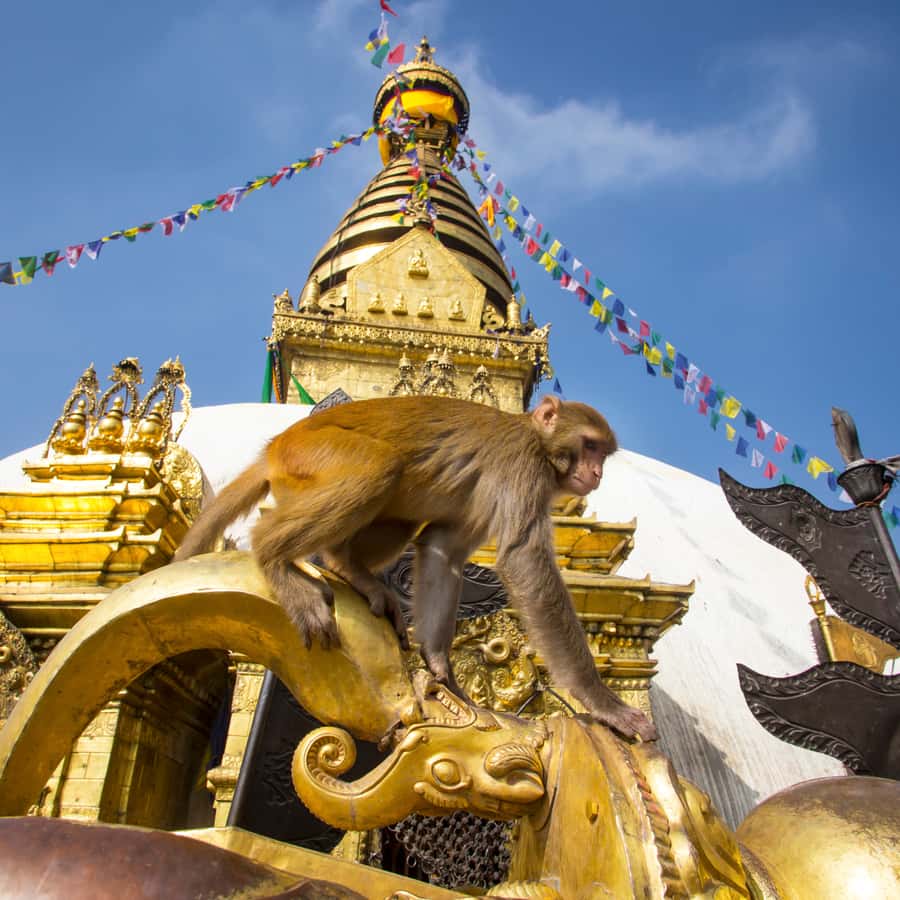
The day kicks off at Swayambhunath Temple, often called the Monkey Temple. You start with the payoff view over the Kathmandu Valley and a Buddhist stupa complex estimated to be around 2,600 years old. It’s not just one photo spot. You’ll also see ancient sculptures, areas connected to the child protector goddess, and surrounding monasteries.
It’s also a place where you learn by watching. The monkeys are part of the experience, but the bigger story is how the site was designed to be seen from far away, like a spiritual lookout point over the valley.
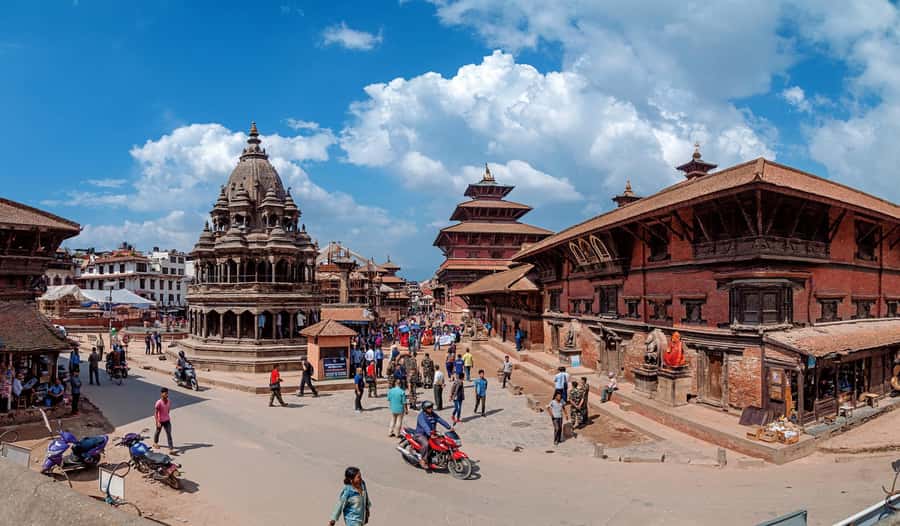
Next comes Kathmandu Durbar Square, set in the heart of old Kathmandu. This is where royal palaces, courtyards, and temples sit close together, giving you that Newari architectural feel in real time. It’s also near active bazaars, so you get both heritage and the everyday noise people live with today.
A small consideration: Durbar Squares can look similar at a glance—until your guide points out differences in carving, layout, and purpose. With a good guide, you start to see the system behind the beauty.
Patan Durbar Square and Changu Narayan: When Art Becomes a Language
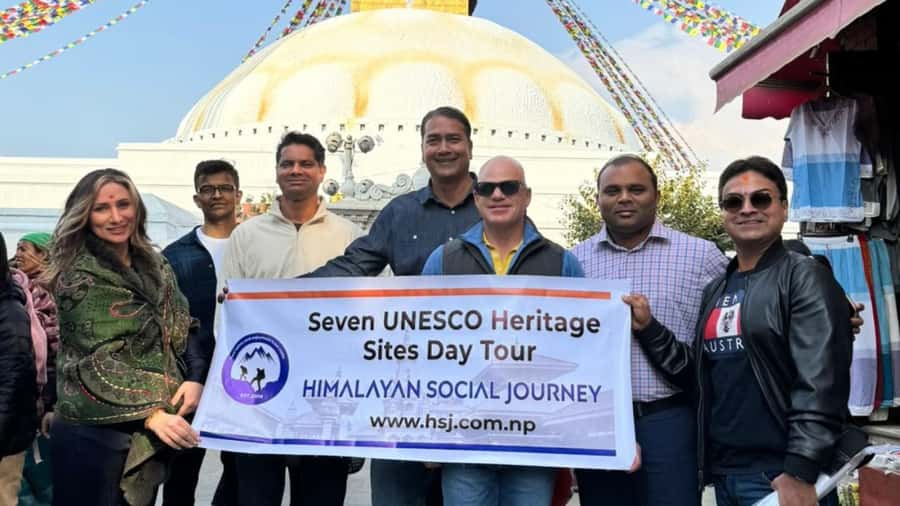
Then the tour shifts to Patan Durbar Square in Lalitpur. This area is a fusion point between Buddhism and Hinduism, and the architecture shows it. You’ll spend time walking through palace-zone spaces and seeing fine handiwork on doors and windows—details that are easy to miss when you’re just passing through.
Patan is also about craftsmanship you can recognize with your eyes. Look at the patterns, the proportions, and the way the buildings feel integrated with the courtyards. That’s the kind of structure that makes the Newar presence so visible here.
After Patan, you climb to Changunarayan Temple, one of Nepal’s oldest temples, linked to the Lichhavi dynasty and believed to date back to the 4th century. The temple is on a hilltop near Bhaktapur, which means the setting changes your perspective. You’re not just viewing objects—you’re moving through a historical geography.
If you care about authenticity, this stop matters. Older surviving wooden structures in Nepal are rare, and Changunarayan is described as one of the oldest surviving wooden structures in the country.
Bhaktapur Durbar Square Plus Lunch: The Medieval City Feeling
Bhaktapur Durbar Square is known for well-preserved medieval architecture. Here you’ll see temples, palaces, and intricate artwork, plus courtyards and shrines that feel like they were designed for slow looking. This is a great moment to slow down in your head, even if the overall day stays active.
This is also where the tour builds in a major food break. You’ll find lunch here, and the tour includes a packed lunch made from items like croissant, muffin, Danish, cookies, banana, and juice. Depending on how your day is scheduled, you might get a more traditional sit-down meal at the lunch stop as well, but the guaranteed baseline is the packed lunch.
Practical note: Bhaktapur’s streets and steps can be uneven. If you’re prone to sore feet, plan to do some gentle stretching before you start climbing and keep your pace steady.
Pashupatinath on the Bagmati: One of the Most Intense Sacred Sites
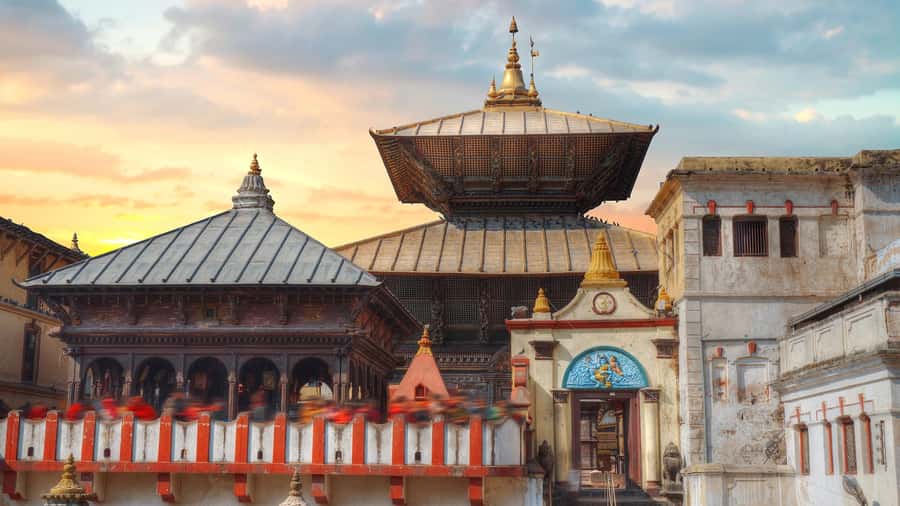
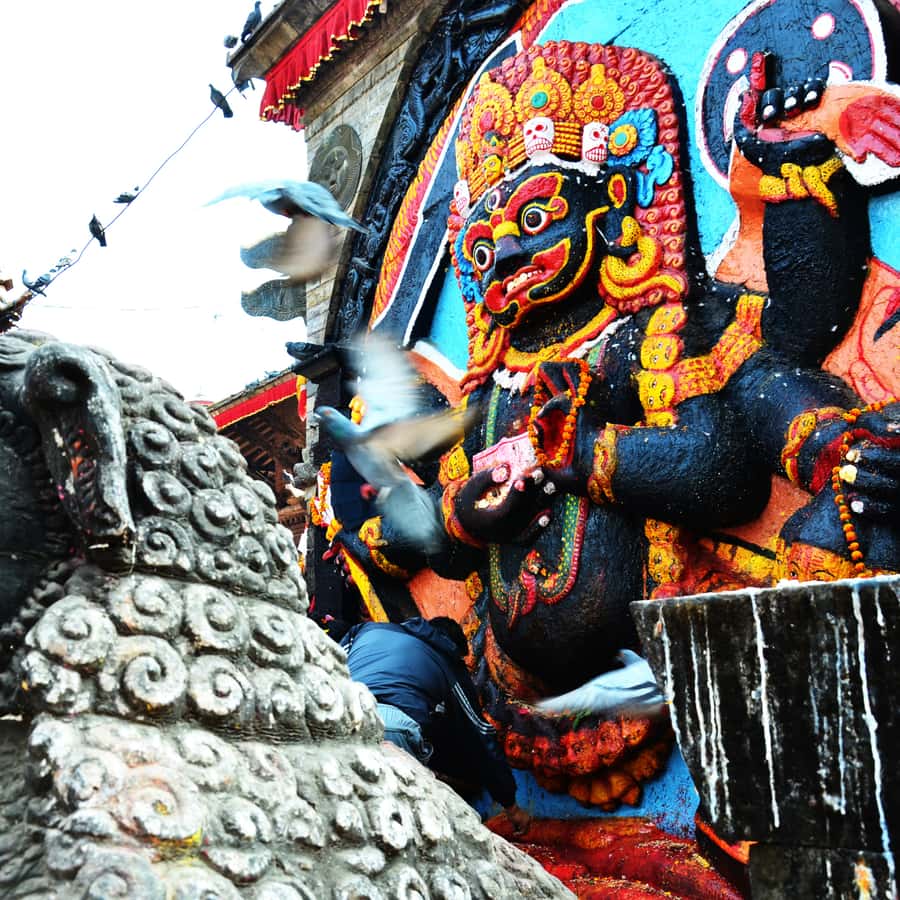
The day turns more emotionally serious at Pashupatinath Temple. This is a legendary Hindu temple on the bank of the sacred Bagmati River, and it draws millions of visitors yearly.
What makes it unforgettable is that it’s not a quiet museum. The tour data specifically points out the public crematorium area where cremation rites are carried out with rituals and ceremonies visible in the open public setting. You may also spot holy men with painted faces, dreadlocked hair, and ash-applied bodies.
My advice: treat it like a working religious site. Keep your tone respectful, move according to your guide’s timing, and don’t assume the atmosphere is there for tourism photos. A guide helps a lot here because you’ll understand what you’re seeing beyond the visual spectacle.
If you want meaning, this is the stop that most often delivers it. The symbolism of fire, water, and rite is central to how Hindu life cycles are understood.
Boudhanath Stupa: Tibetan Monasteries and Thanka Shopping
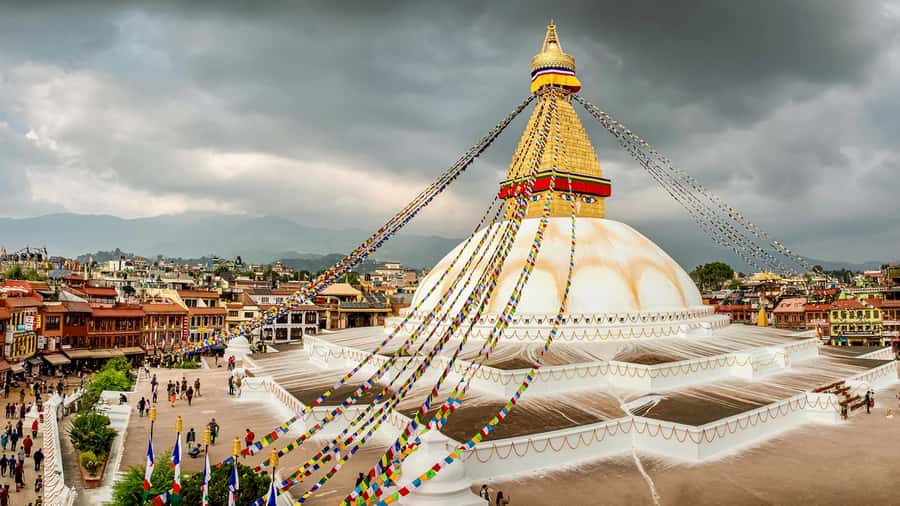
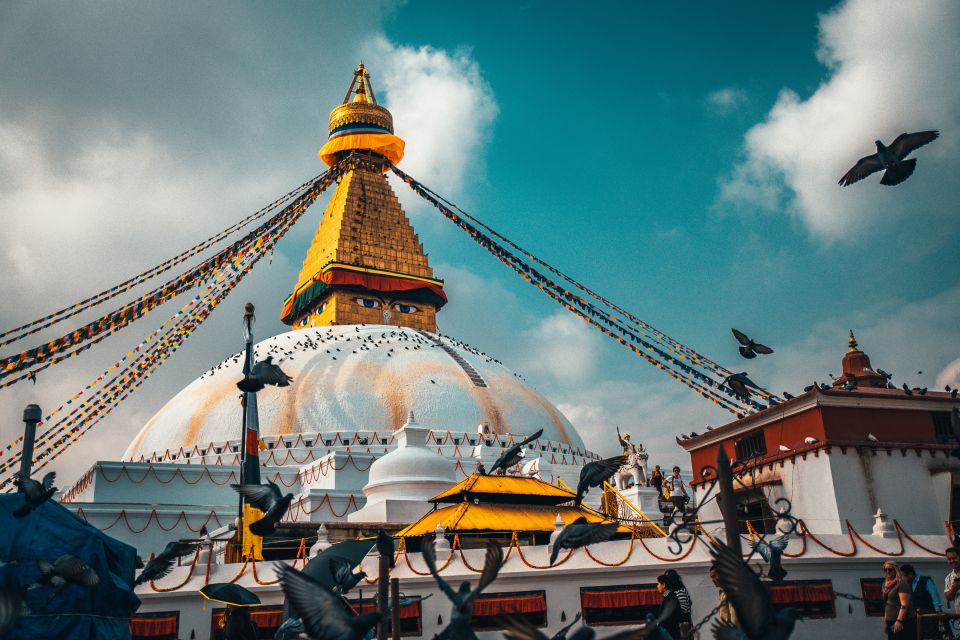
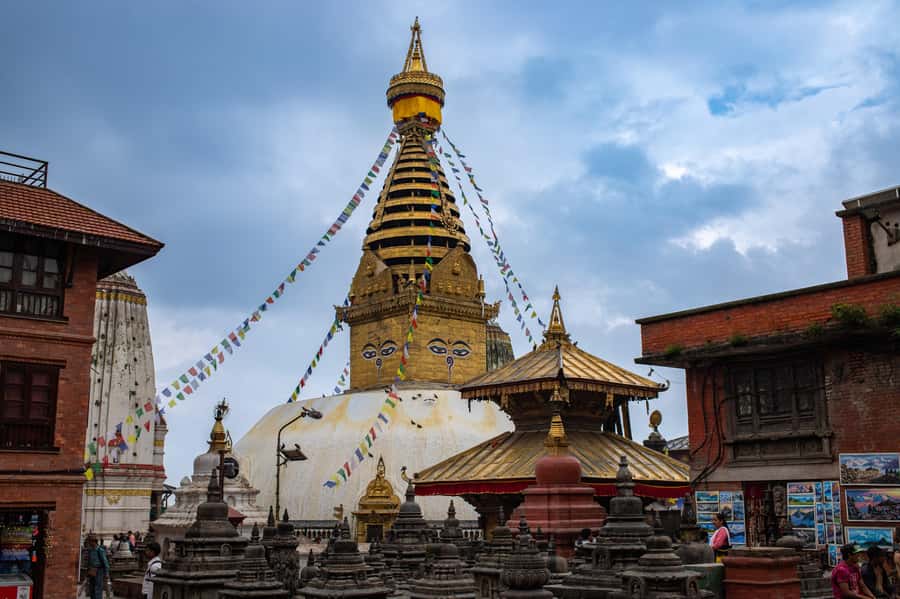
To close the big UNESCO sweep, the tour heads to Boudhanath (Bouddhanath). This stupa is described as one of the largest in the world and is associated with construction going back to the 4th century.
The shrine area can feel like a Tibetan village because the location includes Tibetan monasteries. It’s also a shopping and craft zone: the area has painting schools connected to Lamas who produce thanka paintings, and thanka artwork is highlighted as a top souvenir from Nepal.
This stop is a nice change of pace after Pashupatinath. Instead of the intensity of rites, you get a space built for devotion and reflection, with long stupa lines, prayer rhythms, and everyday craft life around it.
Price and Logistics: What You’re Getting for the Money
The listed price is very low (around $2 per person), but the value isn’t just the sticker number. You’re paying for several things at once: hotel pickup and drop-off, private transportation, an experienced guide, and packed lunch, plus government tax and service charges.
Entrance tickets are the big question mark. The tour data says entrance tickets are included only if you select the all-inclusive option. If they’re not included, you’ll want to budget for monument fees and carry Nepalese currency. The tour also notes you can skip the ticket line, which helps when lines form at popular sites.
Duration runs about 4.5 to 8 hours, depending on starting time and how the day unfolds. In practice, that means you’ll see seven sites without rushing every second, but you still won’t have full-day freedom at each location. The design is “cover the essentials well,” not “linger everywhere.”
Pacing, Walking, and Who This Tour Fits Best
This is a good fit for you if:
- You want to check off the major Kathmandu Valley UNESCO sites in a single day
- You like structure and clear explanations that connect sites to religious and cultural meaning
- You’re okay with walking between multiple monument areas
It’s not a good fit if:
- You use a wheelchair (not suitable per tour info)
- You have visual limitations that make walking through crowded, high-detail sites difficult (also not suitable per tour info)
- You expect a slow, unplanned day with no schedule pressure
One thing I appreciate from the guide approach described here: in private settings, guides can be flexible about pace and priorities. Some accounts mention accommodations like adjusting how many sites someone covers, and the guide making sure the experience still works without leaving you stranded.
Tip: wear shoes you trust. Also keep a steady mindset. When you’re covering seven sites, your best strategy is to pick a few “main lessons” you want from each stop, instead of trying to memorize everything.
Where the Newar Culture Shows Up (and Why It Matters)
You come for UNESCO, but you stay for the Newar artistic and cultural layer. The tour highlight calls out the chance to meet and see a dominant ethnic group in Nepal: the Newar community.
You’ll notice it most in the Durbar Squares:
- Kathmandu Durbar Square shows palace-zone layout, temple courtyards, and the look of old city power centers.
- Patan Durbar Square emphasizes the fusion of Hindu and Buddhist influences through architectural cues.
- Bhaktapur Durbar Square reinforces the idea that medieval city design wasn’t only religious. It was civic, artistic, and deeply practical for daily life.
In other words, the carvings and courtyards aren’t decoration. They’re part of how people organized community identity.
Should You Book Kathmandu: 7 UNESCO Sites with Lunch?
Book this tour if you want a fast but meaningful overview of Kathmandu Valley—Durbar Squares plus major Hindu and Buddhist sites—under one plan. It’s a strong choice for first-timers, short-stay visitors, and anyone who likes to understand what they’re looking at instead of just taking pictures.
Skip it (or switch to fewer sites) if you need lots of downtime, have limited mobility, or feel overwhelmed by walking and crowds. The day is active by design.
If you do book, do two things: bring cash for monument fees if you’re not choosing all-inclusive, and set a realistic pace. You’ll get a full picture of Kathmandu Valley’s heritage in a single day.
FAQ
How long is the Kathmandu 7 UNESCO Sites with Lunch tour?
The duration is listed as 4.5 to 8 hours, depending on the starting time and how the day runs.
Where are the pickup and drop-off locations?
Pickup and drop-off are available in Thamel, Kathmandu.
Is lunch included?
Yes. The tour includes a packed lunch with items such as croissant, muffin, Danish, cookies, banana, and juice.
Are entrance tickets included?
Entrance tickets are included only in the all-inclusive option. Otherwise, monument entrance fees are not included.
What languages does the guide speak?
The live guide is available in English, Nepali, and Hindi.
Do I need to bring anything?
You should bring an ID card (a copy is accepted).
Is this tour suitable for wheelchair users?
No. It is listed as not suitable for wheelchair users and also not suitable for visually impaired people.