REVIEW · TOKYO
Tokyo: Private Custom Walking Tour with Local Guide
Book on GetYourGuide →Operated by Guydeez · Bookable on GetYourGuide
Tokyo clicks into place with a local. I love the private and customizable pace, because Tokyo goes from chaotic to clear fast. You’ll hit the main sights you choose, then add side streets and real neighborhoods where the city feels lived-in.
I also like that your guide doesn’t just show you places. They teach you how to function in Tokyo, with street-level advice that makes your solo time afterward easier, whether you’re learning the subway or figuring out what to do next. One catch: this is a walking-forward experience, so comfy shoes and smart pacing matter.
In This Review
- Key things I’d plan for
- Why Tokyo feels easier with a private walking tour
- Customization: temples, neighborhoods, and even museums
- Hotel pickup and where the tour actually ends
- The Tokyo transport lesson you get while sightseeing
- How long is long: pacing across 2 to 8 hours
- Asakusa and Senso-ji: where Tokyo feels traditional and still easy to navigate
- Viewpoints and modern icons: Sky Tree and major city perspectives
- Imperial Palace Gardens and Marunouchi: calmer Tokyo for a thoughtful break
- Shinjuku and Shibuya: big-name sights plus the quieter streets between
- Akihabara for anime, tech, and the rules you should know
- Odaiba: a peaceful detour when Tokyo feels like too much
- Value: what $53 per person really buys you
- Who this tour fits best (and who should adjust the plan)
- Should you book this Tokyo private custom walking tour?
- FAQ
- How long is the Tokyo private custom walking tour?
- Is this tour private, or will I share with other people?
- Do I need tickets for attractions, and are they included?
- How do hotel pickup and meeting points work?
- Does the tour include public transport?
- What languages are available for the live tour guide?
- Can I cancel if my plans change?
Key things I’d plan for
- A route made for your interests: tell your guide what you want, and they adjust on the move.
- Real help with getting around: public transport is part of the plan (except certain options), so you learn the flow.
- Main icons plus normal-life Tokyo: temple areas, shopping streets, and viewpoint stops can all fit together.
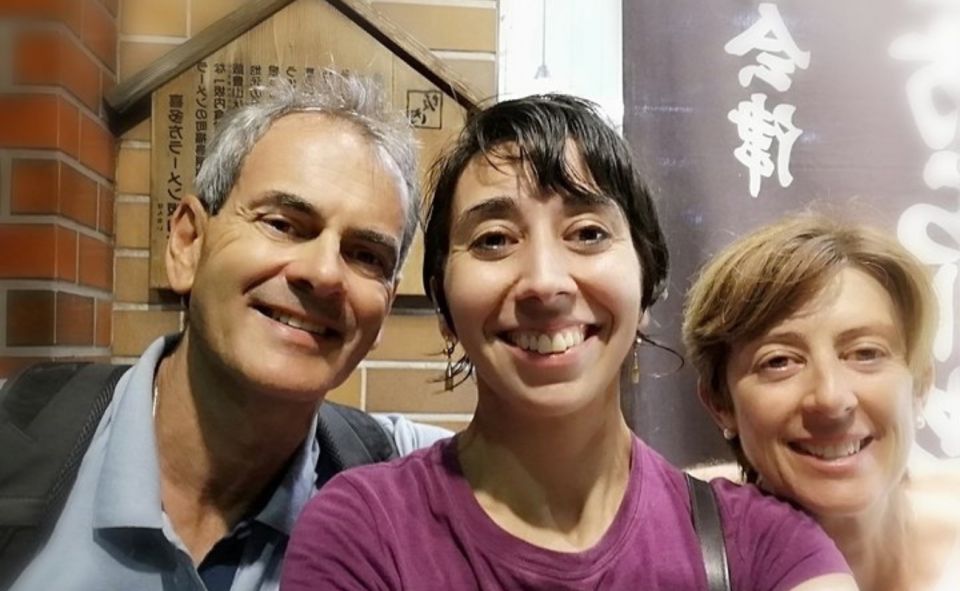
- Guides with strong city instincts: people often highlight guides like Enrique, Albert, Francine, and Karl for balancing big sights with useful local tips.
- 2 to 8 hours of movement: you’ll cover ground, with frequent chances to pause and regroup if you plan it that way.
Why Tokyo feels easier with a private walking tour
Tokyo is one of those cities that looks simple on a map and feels totally different in real life. Stations are huge, signage can be confusing, and the distances can surprise you. A private guide turns that “wait, where do I go?” energy into a straightforward plan.
The private format matters. In a group tour, you often slow down for the group. Here, you can set the tempo. I like that you can build a day around your interests instead of forcing yourself through a fixed checklist.
And in Tokyo, that checklist is only half the story. The other half is how to get there, where to exit, what time feels calmer, and how to behave at shrines and temples so you feel confident instead of worried.
You can also read our reviews of more tours and experiences in Tokyo.

Customization: temples, neighborhoods, and even museums
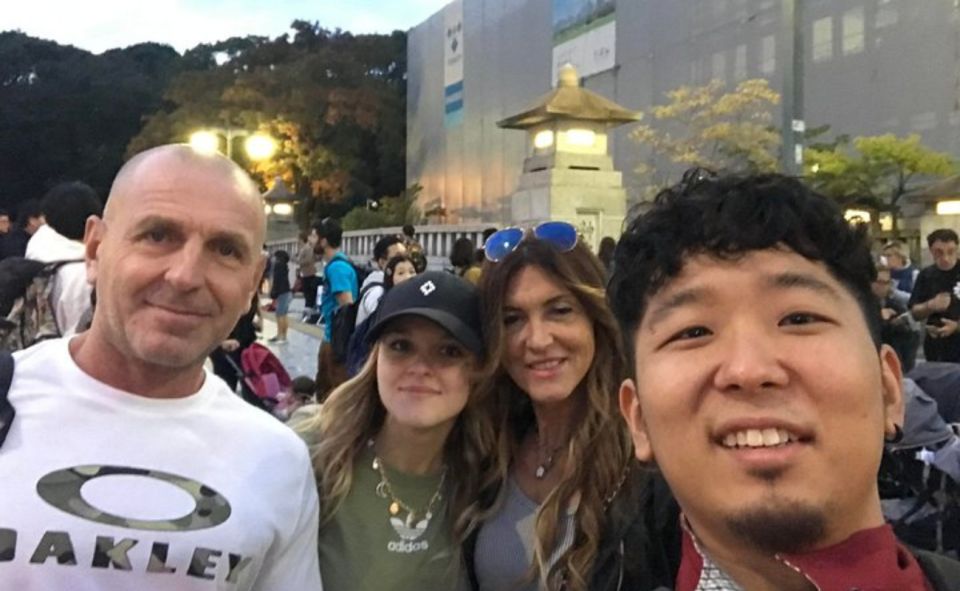
This tour is truly flexible. Before you start, your guide contacts you to learn what you like, and then they shape the route around you. Want classic Tokyo? You’ll likely spend more time around temples and historic neighborhoods. Want modern city life? You’ll spend more time in the commercial wards and viewpoint spots.
Museums can also be added. The idea is simple: if you tell your guide you want museum time, they can adjust the itinerary. That’s a big deal in Tokyo, because museum schedules and access can affect your best walking route.
Customization also helps with timing. If you want early-morning calm at a shrine area, you can build the day that way. If you’re more interested in shopping streets, food snacks (even though food isn’t included), or a specific district vibe, your guide can bias the route accordingly.
One practical tip: if you have a “must see” list, share it upfront and rank it. That way your guide can spend more time on your true priorities and still add smart extras.
Hotel pickup and where the tour actually ends
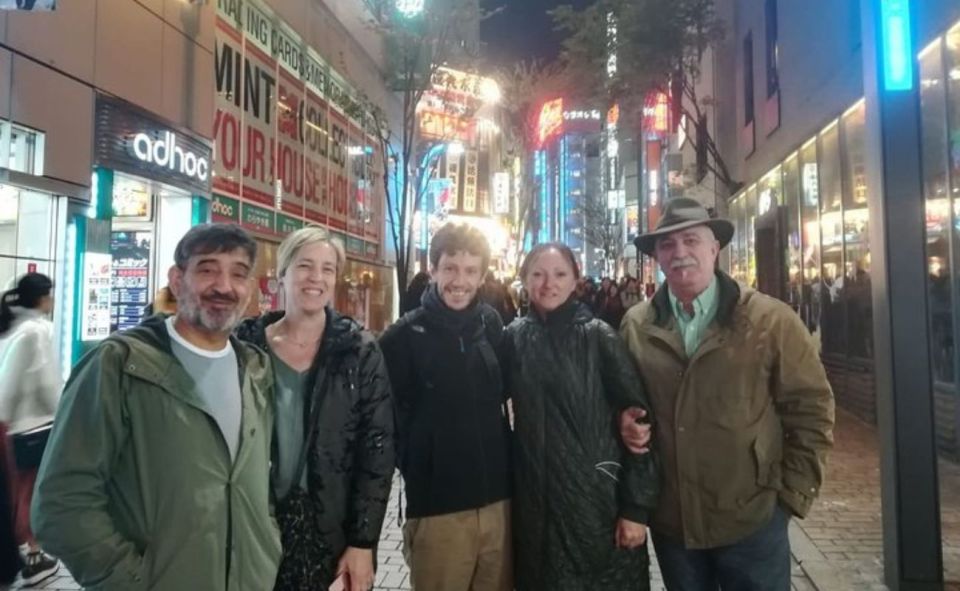
Pickup is included if you’re staying in Tokyo. You can request the tour to start from a centrally located hotel. If your hotel is outside the city center, you’ll meet at a convenient point in the center instead.
Also note a small but important detail: the tour may end in a different location than where it starts, unless you request otherwise in advance. That’s not a problem, but it affects your planning for the rest of the day. If you want to return to your hotel at the end, tell your guide early.
This kind of start-to-finish planning is where a good guide shines. Tokyo mornings can be stressful if you’re figuring out trains while jet-lagged. Getting picked up removes that stress, which makes the whole experience feel smoother.
The Tokyo transport lesson you get while sightseeing
A walking tour in Tokyo without transport help can still leave you feeling unsure. That’s why this one includes walking tour and public transport (unless you select an option that changes that). Your guide is there to help you move efficiently.
You also get practical navigation advice. People often highlight guides like Enrique for handling big-name areas and transit routes, and guides like Karl or Cristiano for helping with the train system and making your first days in Japan feel manageable. In real terms, that can mean things like choosing the right station exits, figuring out which lines make sense, and avoiding the kind of wrong turns that cost time.
If you’re planning to use a transit card, your guide can help with the basics. You’ll also learn what to watch for: where platforms split, how to read fast vs local service cues (only if your route uses them), and how to keep walking time realistic when stations are far apart.
If you care about public transport confidence for the rest of your trip, this tour is a strong way to get it. You’re not just seeing Tokyo. You’re learning how Tokyo moves.
How long is long: pacing across 2 to 8 hours
The duration ranges from 2 to 8 hours. That huge window matters because Tokyo walking is not like walking in smaller cities. You’ll likely rack up a lot of steps, especially if your route mixes temples, shopping streets, and viewpoint stops.
Guides in this style often adapt in the moment. Some routes include extra pauses for families or mobility needs. You might even see detours that keep the day enjoyable when you linger longer than planned.
My advice: don’t treat the duration like a rigid program. Treat it like a target. If you have stamina limits, say so early. A good guide will shift the mix—more transit, fewer long stretches between stops, or quicker viewpoint alternatives.
If you’re the kind of traveler who likes a full day and can handle walking, the longer end of the range can be worth it. If you’re visiting Tokyo for the first time and feeling overwhelmed, a shorter window often hits the sweet spot: enough highlights to orient you, without exhausting you.





Asakusa and Senso-ji: where Tokyo feels traditional and still easy to navigate
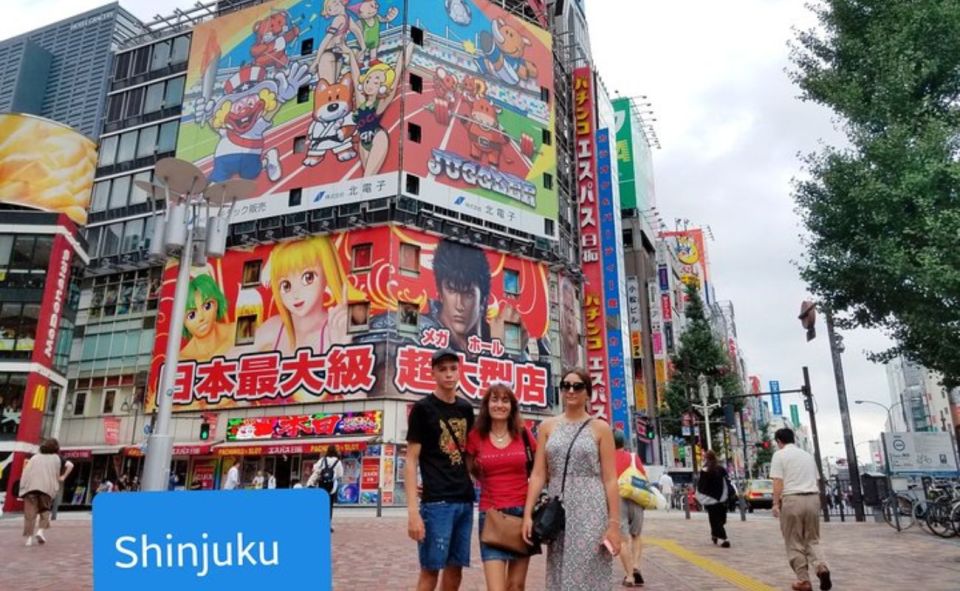
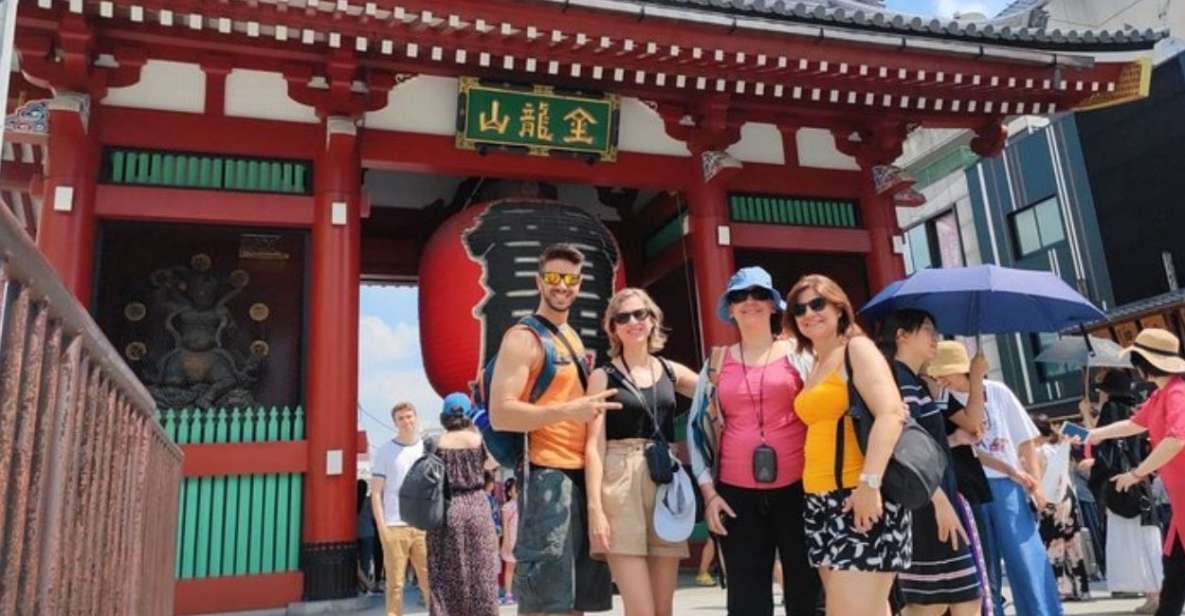
A very common anchor stop for this type of Tokyo tour is Asakusa and Senso-ji. It works because it gives you contrast. You get temples, traditional streets, and the “old Tokyo” feeling in a way that’s still visitor-friendly.
One reason guides like Enrique and Francine get booked for routes involving this area is that it’s not just about walking to a temple entrance. It’s about knowing where the best viewing angles are, how the street layout flows, and where to slow down so you can actually take in what’s around you.
You can also pair Asakusa with nearby atmosphere. Asakusa street snacks and shop-front culture can be part of the day, even though food isn’t included. Your guide can point you toward what’s worth trying and what to skip based on your tastes.
Possible drawback: Asakusa can feel crowded depending on day and time. If you don’t love crowds, ask your guide to shape the route so you hit the busiest stretches at calmer moments, and use public transport to skip long peak-area walks.
Viewpoints and modern icons: Sky Tree and major city perspectives
Tokyo is famous for skylines, but the best experiences are often about how you see the city. That’s why viewpoint stops like Tokyo Skytree show up in many tailored routes.
For modern city views, guides often plan the order carefully so you don’t end up rushing through the sightseeing just to reach the next line change. For example, Enrique is highlighted for routes that include Sky Tree Tower and then move into temple areas like Senso-ji and surrounding Asakusa streets. That pairing is smart: you get a big “Tokyo looks like this” perspective, then you learn what the city looks like at street level.
Another type of viewpoint bonus is building observation decks. Some routes include stopping at major buildings for city views, which can be especially nice in winter when daylight is shorter and you want efficient photo time.
Possible drawback: observation decks and attractions often require tickets, and tickets aren’t included in the tour price. The upside is that your tour provider can help book tickets for the visits you want, but you still need to plan for it in your day.
Imperial Palace Gardens and Marunouchi: calmer Tokyo for a thoughtful break
If you want less crowd pressure and more open space, the Imperial Palace Gardens and Marunouchi area can be a great turn in the route. It’s one of those Tokyo choices that helps you reset.
Guides often use this part of the day to balance the street intensity you get in districts like Shinjuku and Shibuya. You can walk, take in architecture and city planning details, and feel the rhythm of a different Tokyo mood.
Winter can make this area feel especially pretty. Even if you’re not a “garden person,” it’s a useful contrast to temple lanes and shopping streets. It also works well for travelers who want photos without feeling like they’re constantly weaving around crowds.
Shinjuku and Shibuya: big-name sights plus the quieter streets between
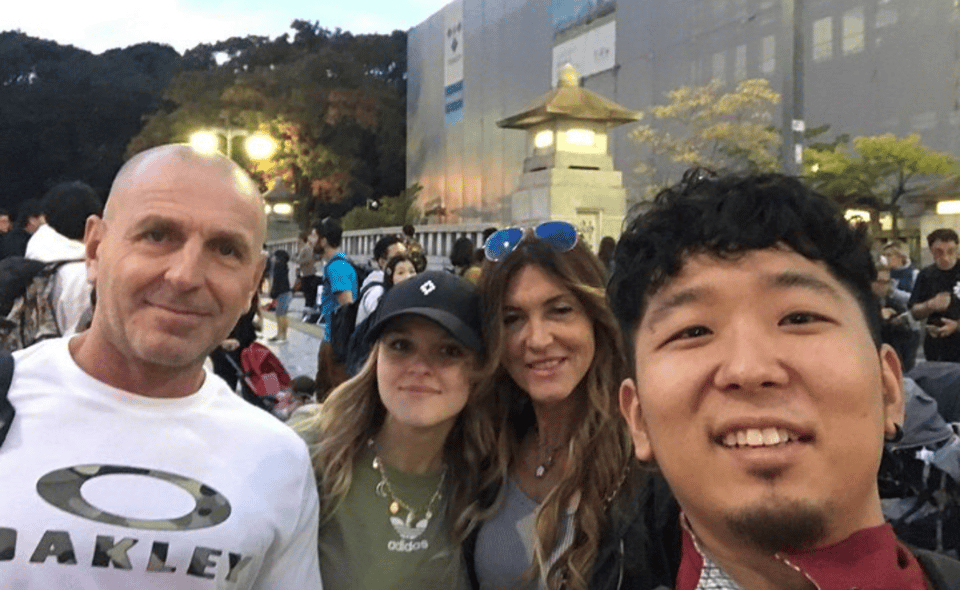
Shinjuku and Shibuya are where Tokyo shows its modern energy. But a good guide won’t treat them like a checklist of landmarks. They’ll also help you understand how these districts function: where locals move, how the streets connect, and which blocks feel calmer when you want a break.
In the experiences people shared, guides such as Himena are praised for covering diverse areas within Shinjuku and Shibuya—temples, iconic buildings, and quieter streets in the same session. That’s exactly the kind of mix that makes the districts feel more human instead of just loud.
A practical benefit: if you’re planning to go back later on your own, you’ll remember your route. That helps you stop feeling dependent on the guide.
Possible drawback: These areas can be sensory-heavy. If you’re sensitive to crowds or noise, tell your guide. You can still enjoy the icons, but you’ll want an itinerary with strategic pauses and shorter walking segments between key stops.
Akihabara for anime, tech, and the rules you should know
Akihabara is a must for many first-timers, especially if you like tech, gaming, or anime culture. This tour style often works well there because you can focus on exactly what interests you instead of treating the district like a quick photo stop.
Some routes include spots like a Pokemon Mega Center. Guides can also help you connect what you see on the street to how the culture works in real life—useful because Tokyo’s behavior norms can feel subtle until someone explains them.
A key practical win in areas like Akihabara is that you don’t waste time searching for the entrance, the side street, or the place that’s more interesting than the first storefront you see. Your guide can steer you toward what fits your interest level.
Possible drawback: If you don’t care about anime and gaming culture, Akihabara can feel like a time-sink. If that’s you, keep it as a short stop or replace it with a different district that matches your vibe.
Odaiba: a peaceful detour when Tokyo feels like too much
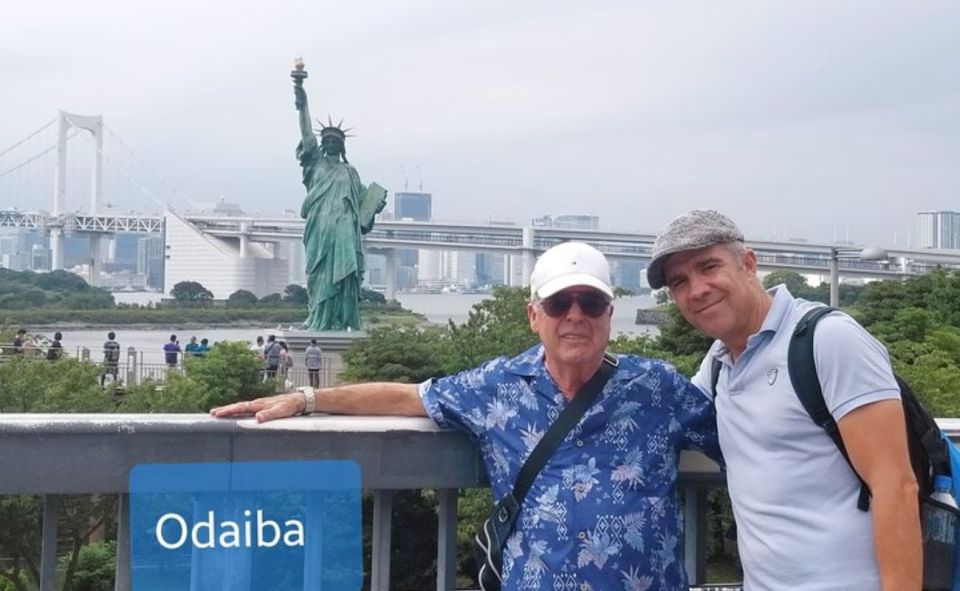
If your day starts to feel too intense, Odaiba is a smart reset. Some tours include Odaiba Marina, which is a nice way to see a different side of Tokyo—more open space, calmer walking, and waterfront atmosphere.
This kind of stop also gives your legs a break. It’s not only for photos; it helps you pace the day. If you’re mixing temples, shopping, and subway rides, adding a lighter-feeling neighborhood can make the whole experience feel more enjoyable.
Possible drawback: It’s an added layer of transit. If you’re only doing 2 hours total, you may want to keep the route more compact.
Value: what $53 per person really buys you
At about $53 per person, this tour can feel like a strong deal for a city like Tokyo, where time and confusion both cost money. You’re paying for private time with a local guide, plus route planning that saves you from doing trial-and-error subway navigation.
The value gets even better when you consider what’s included:
- Private walking tour
- Customization
- Hotel pickup within Tokyo
- Walking plus public transport (depending on your selected option)
- Help from the team to book tickets for desired visits
Tickets and food aren’t included, so you still control your spending on attractions and meals. But you’re not paying extra for the guide’s time to plan how to fit those ticketed stops into a route you can actually enjoy.
If you’re traveling solo or as a couple, private time is often where you feel the price the most. You avoid losing half a day to getting oriented. If you’re with family, private guidance helps you keep kids moving and adults sane.
Who this tour fits best (and who should adjust the plan)
This tour is a great fit if you want a fast, friendly way to understand Tokyo. It’s especially helpful for:
- First-time visitors who feel overwhelmed
- Solo travelers who want confident navigation tips
- Couples who want a meaningful highlights day without rushing
- Families who need frequent pacing and flexibility
It’s also designed with real-world needs in mind. The tour is listed as wheelchair accessible, and guides can work with your pace if you tell them what you need.
If you’re the type who already loves planning your own routes and doesn’t mind subway stress, you might not need a private guide. In that case, think of this tour as an orientation session—one day that helps you relax the rest of the trip.
Should you book this Tokyo private custom walking tour?
Yes, if your goal is to see Tokyo through a local filter and come away with practical navigation confidence. The combination of private customization, hotel pickup, and transport help makes it one of the easier ways to turn first-day jitters into clear direction.
Book it if you want more than iconic photos—if you want to know how the city works at street level, how to behave at temples, and where to go next after the tour ends.
Skip it or shorten it if you hate walking, you want a fully scheduled day with fixed museum times, or you prefer building your own route from scratch. With Tokyo’s variety, a custom guide is most valuable when your day is flexible—and yours is likely to be, since the itinerary can be adjusted to your interests.
FAQ
How long is the Tokyo private custom walking tour?
The duration ranges from 2 to 8 hours. You can check availability to see starting times for your preferred length.
Is this tour private, or will I share with other people?
It’s a private group, so you won’t be mixed in with strangers.
Do I need tickets for attractions, and are they included?
Tickets to attractions aren’t included. The team can help with booking tickets for the visits you want.
How do hotel pickup and meeting points work?
Pickup is included if you’re located in Tokyo. You can request a centrally located hotel as the start point. If your hotel is outside the city center, you’ll meet at a convenient meeting point in the center.
Does the tour include public transport?
Yes, it includes a walking tour and public transport, except if you select an option that changes this.
What languages are available for the live tour guide?
English, French, Italian, Japanese, Spanish, and Portuguese are available.
Can I cancel if my plans change?
Yes. You can cancel up to 24 hours in advance for a full refund. You can also reserve and pay later to keep flexibility.