REVIEW · TOKYO
Tokyo: 3-Hour Bike or E-Bike City Highlights Tour
Book on GetYourGuide →Operated by Tokyo Rental Bicycle · Bookable on GetYourGuide
Tokyo is big, spread out, and often hard to plan on your own. This 3-hour bike tour gives you a simple route that links classic sights with everyday neighborhoods, with frequent photo stops and short guided breaks. I especially like that the guides keep the ride feeling safe and manageable, while still sharing real context so you understand what you’re seeing.
One thing I love is the mix of iconic landmarks and the smaller streets in between, which makes Tokyo feel less like a checklist. Another big plus is the bike setup: you can ride high-quality cross bikes (Bianchi/Fuji) or choose an e-bike to cut the effort without losing the street-level view.
The main drawback to think about is that you’ll cycle in a city environment, including road segments, so you need to be comfortable on a bike (and e-bike is the smarter pick if stamina is limited).
In This Review
- Key highlights worth your attention
- Tokyo by bike in 3 hours: what you’re really buying
- Your ride setup: Bianchi/Fuji cross bikes and e-bikes that make the route doable
- Getting started at the Statue of Commodore Perry (Daimon)
- Zojo-ji Temple and the Shiba Park side: a fast hit of traditional Tokyo
- Hibiya Park: the short breath before the big sights
- Imperial Palace area: Ote-mon Gate and a photo-friendly palace moment
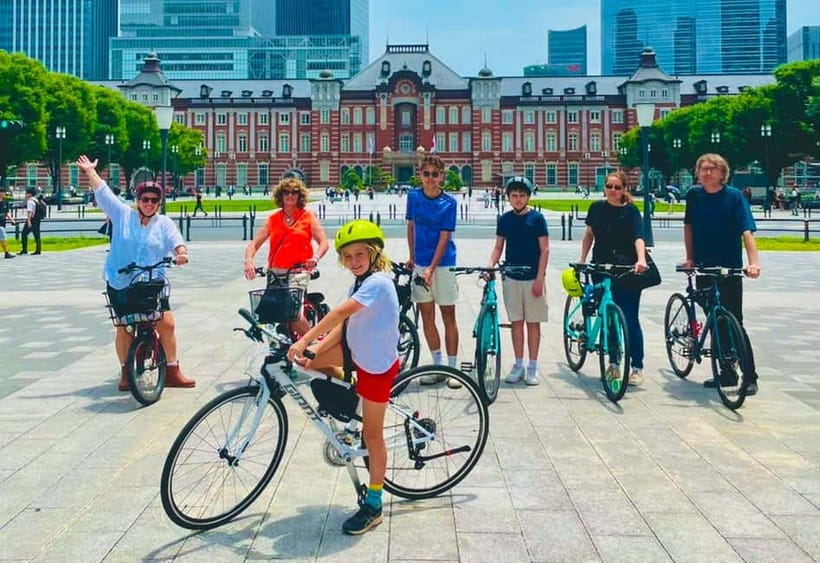
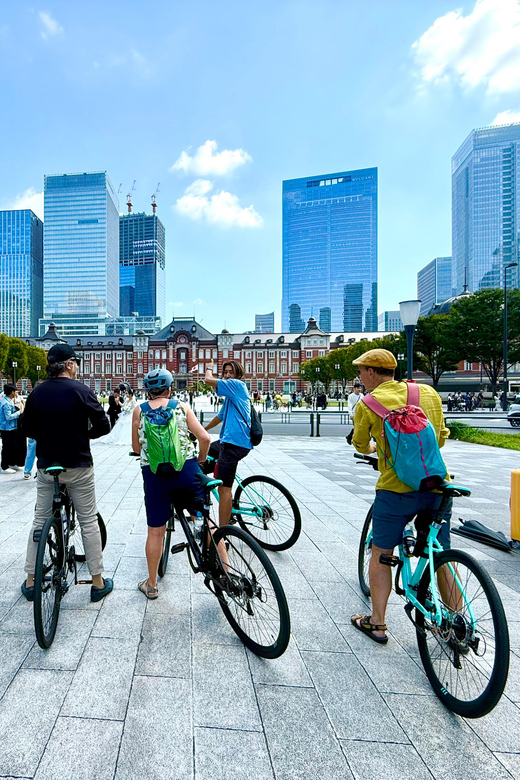
- Tokyo Station photo break: a landmark that anchors your route
- Chidorigafuchi break time: a pause that actually helps
- Akasaka Palace area and New National Stadium: state-level formality meets modern Tokyo
- The short guided stop: the neighborhood you’d miss by train
- Aoyama St. Grace Cathedral and Cat Street: a style-and-streets vibe
- Shibuya Crossing at tour pace: the iconic moment plus real guidance
- Tower Records Shibuya and the Bell of Peace finish
- Safety and pace: what you should know before you hop on
- Price and value: is $45 worth it for a first-time Tokyo route?
- Who should book this Tokyo bike highlights tour
- Should you book this tour?
- FAQ
- How long is the Tokyo bike highlights tour?
- How much does the tour cost?
- Where do we meet the guide?
- Do you offer e-bikes?
- What kind of bikes are included?
- Are helmets included?
- Is the tour guided in English?
- Is there bike insurance included?
- What should I bring?
- Who is this tour not suitable for?
Key highlights worth your attention
- Meeting starts at the Statue of Commodore Perry near Daimon Station (A6 exit), an easy anchor for first-time Tokyo visitors
- Two bike choices: Bianchi/Fuji cross bikes for standard riders or e-bikes if you want less leg work
- English-speaking local guides who explain what you’re looking at while keeping the pace calm
- A route that links old and new Tokyo: Zojo-ji and the Imperial Palace area to Shibuya Crossing and Tower Records
- Built-in photo and guided timing so you get landmark shots and short on-bike learning moments
- Bike insurance is included, plus a mini pouch on the bike for phone, wallet, and keys
Tokyo by bike in 3 hours: what you’re really buying
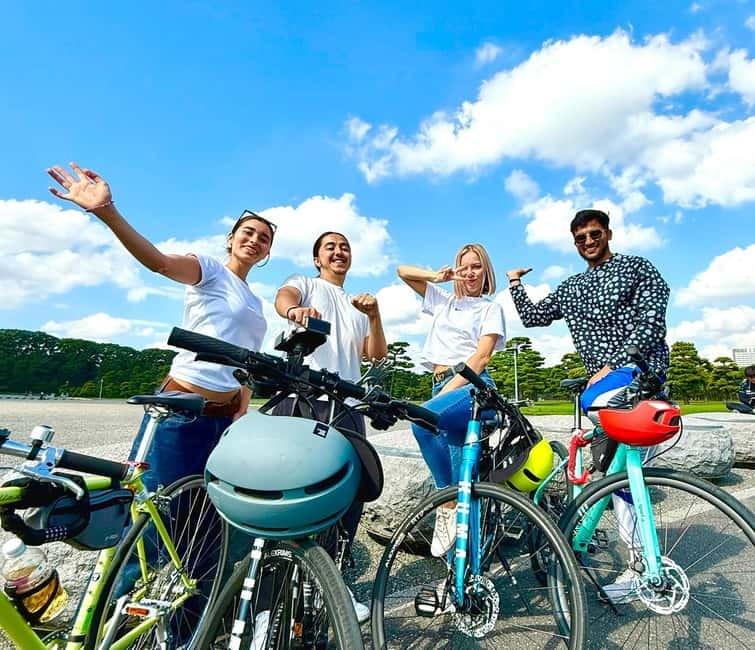
This tour is not about pedaling for punishment. It’s about speed-with-context. In three hours, you get a guided loop that hits major “first-timer” landmarks while still letting you experience the way Tokyo moves—side streets, crossings, parks, and the parts locals pass through every day.
I like that the structure is straightforward: photo stops for quick framing, plus short guided segments (often around 10–15 minutes) where your guide can slow things down and explain details. That rhythm matters because it prevents the tour from feeling rushed, even though you cover a lot of ground.
The other thing you’re buying is orientation. Tokyo can feel like several different cities stitched together. When you ride the route, you start to sense how neighborhoods connect—especially around Tokyo Station, the palace grounds area, and then the pivot into Shibuya.
You can also read our reviews of more tours and experiences in Tokyo.
Your ride setup: Bianchi/Fuji cross bikes and e-bikes that make the route doable
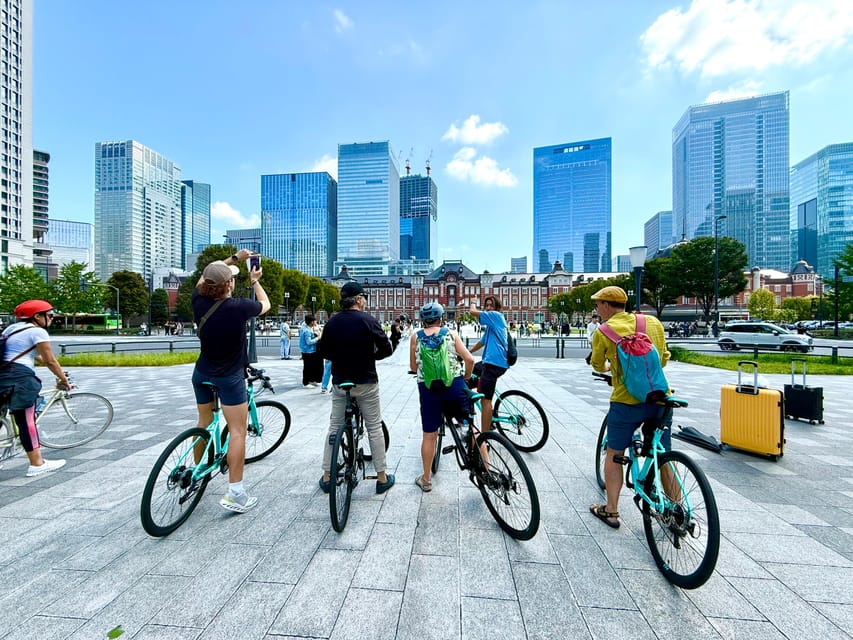
The bikes are a real selling point here. You’ll ride high-quality cross bikes (Bianchi and Fuji are listed) or an e-bike option if you want the assist. Cross bikes are a great match for Tokyo’s mix of smooth paths and short urban stretches because they’re built for efficiency rather than slow, stop-and-go touring.
If you choose the e-bike, you’re basically buying peace of mind. The tour is designed to fit people at different fitness levels, and the e-bike option is specifically recommended if you don’t cycle often or aren’t comfortable with longer distances.
One useful reality check from experience: Tokyo is bike-friendly, but you’re still going to get road time. A couple of riders noted they wished they understood that you can move from sidewalk to road and that traffic situations can feel a bit more intense than expected. So if you’re even slightly unsure, pick the e-bike. It changes the whole experience from stressful to relaxed.
And yes, you can expect a focus on safety. The tour includes bike insurance, and multiple guides described as attentive to keeping the group together and comfortable.
Getting started at the Statue of Commodore Perry (Daimon)
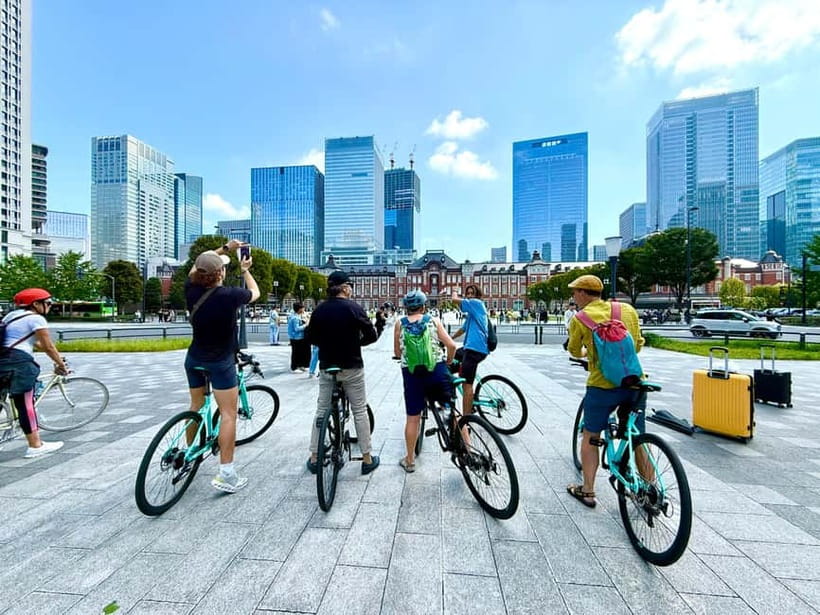
Your ride begins around the Statue of Commodore Perry, with the meeting point about a 3-minute walk from Daimon Station (A6 exit). That matters because it gives you a clean “start line” right away. Tokyo’s station maze is no joke—having a clear landmark meeting point keeps things from turning into a scavenger hunt.
If you’re arriving early, take a minute to spot where your group forms and do a quick bike check. The tour provides a mini pouch attached on the bike for a phone, wallet, and keys, which means you won’t be juggling items while rolling out.
Zojo-ji Temple and the Shiba Park side: a fast hit of traditional Tokyo
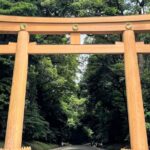
The first major stop is Zojo-ji Temple. You’ll get a photo stop and a guided visit (listed at about 15 minutes). This is a smart early choice because it sets Tokyo’s “old world” tone before the route turns into modern landmarks.
Zojo-ji is the kind of place where details reward slower looking: temple grounds, architecture lines, and the sense that you’re not just moving through the city—you’re entering a living spiritual space. With only 15 minutes, you won’t have time for a full day of wandering, but you will get the key context your guide shares.
A practical tip: wear comfortable shoes. You’ll be hopping off the bike for a short visit, and it’s easier if your feet are already happy.
Hibiya Park: the short breath before the big sights
After Zojo-ji, you’ll roll to Hibiya Park for a brief visit (about 3 minutes). This isn’t a long stop on purpose. It’s more like a reset button: a little greenery, a calmer atmosphere, and a moment to stretch your legs before you head into the formal landmark zone near the Imperial Palace area.
In a three-hour tour, tiny stops like this are exactly the point. They prevent the ride from feeling like one continuous sprint.

Imperial Palace area: Ote-mon Gate and a photo-friendly palace moment
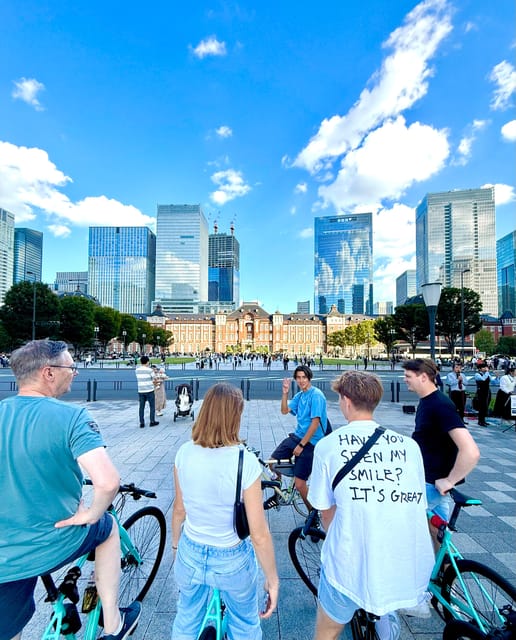
Next comes the Tokyo Imperial Palace. You’ll have a photo stop plus a guided tour segment (listed around 15 minutes). Then you’ll also stop at Ōte-mon Gate for another short photo stop and visit (about 5 minutes).
This section works well because you get both: the larger palace-area context and the specific gate detail. Even if you’re not a history person, your guide’s explanations can help you make sense of the place’s role and the layout.
Drawback to note: palace-area spots are often tightly managed, and groups need to keep moving. Expect a controlled flow rather than a free-roam wandering hour. That’s not bad—it’s just the reality of major sites in central Tokyo.
Tokyo Station photo break: a landmark that anchors your route
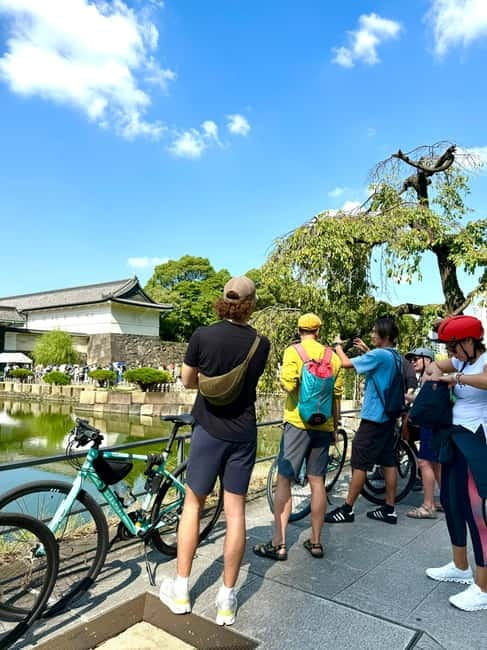
You’ll hit Tokyo Station for a photo stop and visit (about 10 minutes). If you’re using this tour to get oriented, Tokyo Station is a key anchor point because it’s one of the city’s biggest “nodes” for getting around.
The station itself can be a bit of visual overload, but your timing helps. Ten minutes is enough for a good look and photos without turning into a long detour through crowds.
Chidorigafuchi break time: a pause that actually helps
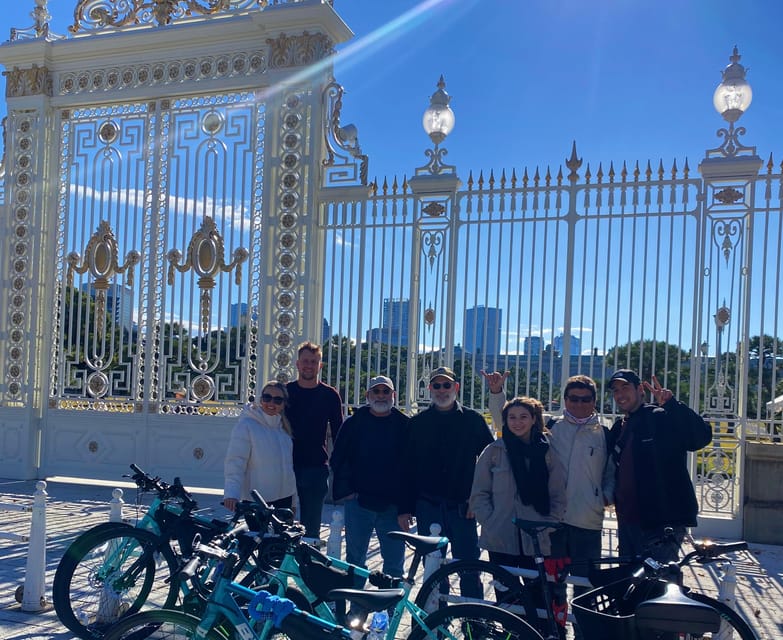
Then comes Chidorigafuchi, with break time and a short photo stop/visit (about 5 minutes). Even in a short window, this stop gives you something important: a break from movement.
If your legs feel a little tight, use this moment wisely. Hydrate, regroup, and get back on the bike ready for the next stretch.
Akasaka Palace area and New National Stadium: state-level formality meets modern Tokyo
One of the more interesting shifts on the route is the change in vibe.
You’ll stop at State Guest House Akasaka Palace for a photo stop (about 10 minutes). This is a formal-looking setting, and it’s the kind of place that benefits from having your guide explain what you’re seeing and why it matters.
After that, the tour includes New National Stadium for another photo stop and visit (about 10 minutes). This is where modern Tokyo becomes visible in a physical way—architecture, scale, and the sense that the city is still evolving.
If you like variety, this is one of the strongest stretches of the route. You’re not stuck with one theme.
The short guided stop: the neighborhood you’d miss by train
There’s a “hidden gem” style stop on the itinerary, but the practical takeaway is what you gain from it: you get a neighborhood moment with a guided segment (about 15 minutes) rather than only landmark chasing.
This is where a good guide earns their pay. Routes like this work because they add texture—small streets, local perspective, and the kind of details you wouldn’t notice if you were rushing from station to station.
Aoyama St. Grace Cathedral and Cat Street: a style-and-streets vibe
Next up is Aoyama St. Grace Cathedral for a short photo stop/sightseeing (about 3 minutes). It’s brief, but it gives you another change of pace and a visual contrast to the palace-and-stadium section.
Then you’ll head toward Cat Street for a visit (about 5 minutes). Cat Street is known for shopping and street style energy. In a short time, you’re not going to shop your way through it, but you’ll get the vibe and the layout—enough to help you understand why the area is a magnet for fashion-minded crowds.
Shibuya Crossing at tour pace: the iconic moment plus real guidance
Shibuya Crossing is on the route with a photo stop and guided tour segment (about 10 minutes). This is your “Tokyo postcard meets reality” stop.
One benefit of doing it with a guide is timing and movement. Shibuya can swallow time if you wander without a plan. Here, you get the iconic view and then you get pointed guidance—what to notice, where to stand for better photos, and how the crossing area feels from different angles.
You’ll likely also feel the shift to nightlife energy if the timing is late-day. Even if it’s not nighttime, Shibuya has a distinct buzz because the crossing is a living system of streams and timing.
Tower Records Shibuya and the Bell of Peace finish
The tour continues to Tower Records Shibuya for a short photo stop/sightseeing (about 3 minutes). This is a quick pop-culture waypoint. It’s not trying to be deep; it’s giving you a recognizable modern Tokyo reference point.
Then you finish at the Bell of Peace. Ending at a specific spot helps a lot. It prevents the end-of-tour scramble, and it gives you a clean place to walk off-bike and decide what’s next—food, shopping, or just a slower wander.
Safety and pace: what you should know before you hop on
Tokyo is generally bike-friendly, and the tour is set up to feel organized and controlled. Still, it’s a city. Expect a mix of surfaces and some road segments.
A few practical expectations based on rider experiences:
- You may move from sidewalks to roads, and that can feel different from casual bike lanes at home.
- The group pace tends to be relaxed, but you still need to ride steadily and follow instructions.
- Your guide should check in on how you’re doing. Several guides were described as attentive to safety and comfort during the ride.
Helmet policy is also worth planning for. Helmets aren’t included, but they’re available on site for an extra ¥1,000 per unit in cash. If you’re traveling with your own helmet, you can bring it, but the tour data makes it clear you can also rent one with cash.
Not allowed items are straightforward: no smoking, alcohol, or drugs, and no littering.
Price and value: is $45 worth it for a first-time Tokyo route?
At $45 per person for a 3-hour highlights ride, you’re paying for three things: guided interpretation, a quality bike/e-bike, and a time-efficient route that would be annoying to assemble yourself on foot.
Here’s how I think about value in practice:
- If you’re new to Tokyo, you need orientation more than another museum ticket. This tour delivers that quickly, with stops that connect across the city.
- If you’re a lighter cyclist or you don’t cycle often, the e-bike option can be a big quality-of-trip upgrade. It turns the ride from tiring into fun, while still keeping the street-level experience.
- If you prefer walking tours, you’d normally spend much longer just getting from one “major” site to the next. On a bike, you cover more, and you get guide context along the way.
Could you do a cheaper DIY loop? Sure. But Tokyo DIY usually means maps, routing, and solving the bike logistics yourself. This tour removes that friction.
Who should book this Tokyo bike highlights tour
This is a strong fit if you want:
- A first-day or early-stay way to understand Tokyo’s geography
- A mix of classic landmarks and modern Tokyo references
- A short active outing that still includes guided stops
It’s not suitable for:
- Children under 12
- Pregnant women
- People with back problems
- People who can’t ride a bike
If you’re traveling with family or friends and you want everyone to experience the same route, small-group or private options can make it feel easier.
Also, do it early in your trip if possible. Getting your bearings fast is one of the best uses of a short tour.
Should you book this tour?
Yes, if you’re comfortable on a bike and you want a smart overview of Tokyo without spending your whole day in transit. The big wins are the quality bike choice, the English-speaking local guides, and a route that keeps switching moods—from temple grounds to palace-area formality, then to Shibuya and modern pop-culture markers.
If you’re unsure about traffic comfort or distance, book the e-bike option. It’s designed for exactly that situation, and it tends to turn the ride into a relaxed sightseeing hour instead of a test of stamina.
Go in with comfortable shoes and water, and you’ll finish with a clearer sense of where things are, what you want to revisit, and how Tokyo feels when you experience it on two wheels.
FAQ
How long is the Tokyo bike highlights tour?
The tour lasts 3 hours.
How much does the tour cost?
The price is listed as $45 per person.
Where do we meet the guide?
You meet at the statue of Commodore Perry. It’s about a 3-minute walk from Daimon Station (A6 exit).
Do you offer e-bikes?
Yes. There is an e-bike option available, and you select it if you’re not comfortable riding long distances or you have limited stamina.
What kind of bikes are included?
You’ll ride high quality cross bikes (Bianchi and Fuji) or an e-bike, depending on the option selected.
Are helmets included?
No. Helmets are available for an extra ¥1,000 per unit in cash.
Is the tour guided in English?
Yes. The tour is offered with a live guide in English (also Japanese).
Is there bike insurance included?
Yes, bike insurance is included.
What should I bring?
Bring comfortable shoes, water, and comfortable clothes.
Who is this tour not suitable for?
It’s not suitable for children under 12, pregnant women, people with back problems, and people who can’t ride a bike.