REVIEW · KATHMANDU
Everest Base Camp Helicopter Tour landing at Everest View Hotel
Book on Viator →Operated by Himalaya Holiday service Pvt. Ltd.(HHS) · Bookable on Viator
Everest Base Camp looks different from the air. This helicopter day turns Everest into a few intense hours, with multiple flyover and landing moments plus an optional breakfast at Hotel Everest View.
Two things I really like: the hotel pickup and drop-off in Kathmandu makes the day feel simple, and the team runs a face-to-face pre-trip briefing the day before so you know what to expect at the airport and on board.
One thing to consider: this trip is weather-dependent, and the exact flight path and ground time can shift (including how the group gets managed if there are multiple passengers).
In This Review
- Key things that make this helicopter day work
- First light in Kathmandu: the 6:15 am rhythm
- Shared helicopter, real aircraft details, and why that matters
- The Kathmandu airport run and the first Everest-area flyover
- Lukla refuel stop: the Everest trek starting line, briefly
- Base Camp and Kalapathar: the flyover that gives you perspective
- Landing at Hotel Everest View: optional breakfast at altitude
- The return to Kathmandu: route changes based on fuel and visibility
- Safety and service: what the operator gets right
- Price and value: what you’re really paying for at $1,575
- What to pack so the cold doesn’t ruin the photos
- Route flexibility and that group-splitting detail
- Who this tour suits best
- Should you book the Everest View Hotel helicopter day?
- FAQ
- How long is the helicopter tour?
- What time does pickup start in Kathmandu?
- How long is the flight time itself?
- Do you pick up from hotels in Kathmandu?
- Is breakfast included?
- Are there extra costs besides the $1,575 price?
- What happens if there is no flight due to weather?
- What should I bring for the cold?
- Do I need to bring my original passport?
- What’s the group size?
Key things that make this helicopter day work
- Hotel-to-airport convenience with pickup and drop-off at Kathmandu hotels
- Safety-forward operation with an experienced pilot and clear pre-flight guidance
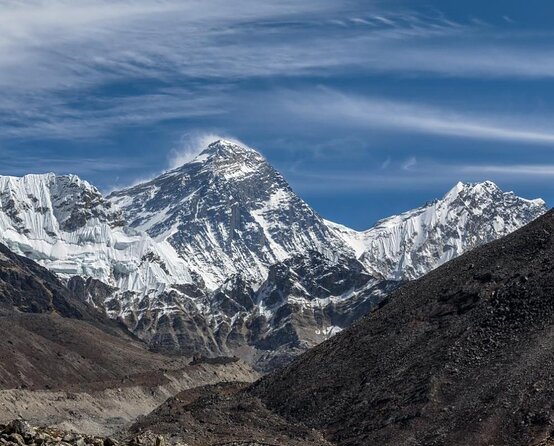
- Short in-flight time, huge viewpoints, including flyovers that target the Everest Base Camp and Kalapathar area
- Lukla refuel stop that shows you the airport trek model up close
- Optional breakfast at Hotel Everest View when conditions allow
- Shared “group” format (sharing with 5 passengers plus the pilot) that helps keep the price in reach
First light in Kathmandu: the 6:15 am rhythm
This is not a slow sightseeing day. You start at 6:15 am in Kathmandu, with pickup arranged to your hotel address. If you’ve spent a few days in Nepal already, you know mornings can be chilly and traffic can be unpredictable—so having a set pick-up plan matters.
The other part I appreciate is the organization style. The operator includes a face-to-face briefing the night before, plus a free consultation with an expert. That’s practical: you’re not walking into a helicopter operation blind. You’ll also get clear guidance about what to bring (especially warmth) and how the day runs if weather changes.
You can also read our reviews of more tours and experiences in Kathmandu.
Shared helicopter, real aircraft details, and why that matters
This is billed as a joining group experience with 5 passengers and a pilot. That small group setup is a big deal on days like this. Fewer people often means smoother coordination for seating and boarding than you’ll get with large open groups.
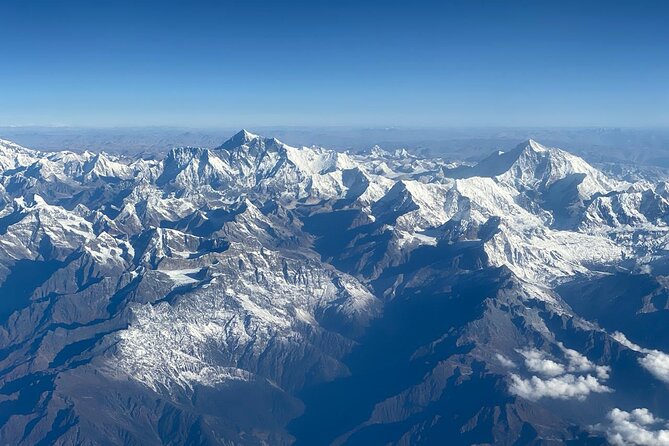
The flight is quick in the air. You’re looking at roughly 3–4 minutes of flight time (with the overall day lasting 4 to 5 hours), and that’s why the operator emphasizes multiple viewpoints rather than long stops. In other words, you’re buying access to the best angles—fast.
You’ll also see the aircraft mentioned in the plan: the AIRBUS H125 and Eurocopter 350 models. You don’t need to be an aviation expert to care about this, but you should care about what it implies: this is a purpose-built, short-scope sightseeing flight that’s designed for rapid altitude changes and scenic passes.
The Kathmandu airport run and the first Everest-area flyover
Your first stop is at the Kathmandu airport. From there, the plan is a helicopter flight that includes a flyover of the highest viewpoint of the Base Camp area, then continuing toward Lukla.
What makes this segment worth your attention is simple: you’re getting airborne immediately. If you’ve ever tried to photograph mountains from the ground in the city, you know it’s usually a partial view behind haze. Up in a helicopter, you’re dealing with fewer obstacles and more direct lines of sight.
Also, go in with realistic expectations about ground time. This trip is designed to be mostly time in the air, not time walking around.
Lukla refuel stop: the Everest trek starting line, briefly
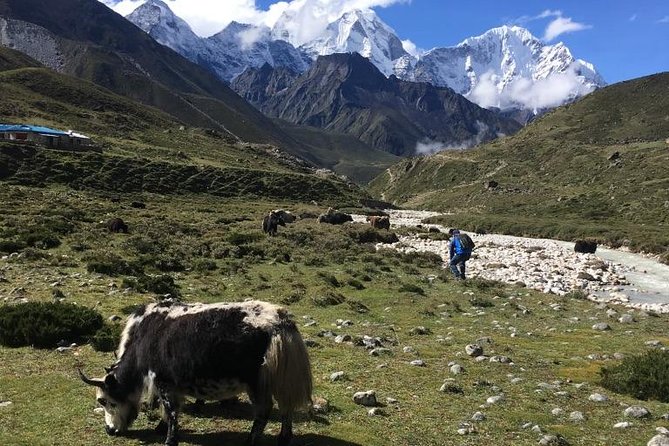
One of the more memorable parts is the Lukla stop for refueling (around 10 minutes). Even if you’re not trekking, Lukla is the place trekkers reference again and again. Seeing the airport area from the air gives you context for why so many routes funnel through there.
This is also where the day can feel a little “transitional.” You’ll see that the whole operation is built around aircraft logistics: fuel, timing, and weather conditions. It’s not a theme park stop. It’s a working airport moment.
Base Camp and Kalapathar: the flyover that gives you perspective
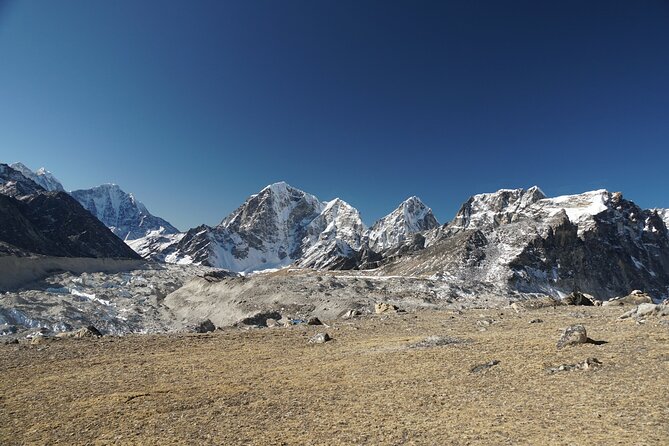
The heart of the experience is the Everest-area sightseeing. The plan targets views around Everest Base Camp and Kalapathar, with a flyover/overfly approach designed for the best angle for photos and video.
There’s a specific note in the updated approach that matters for what you experience: the operation is described as flyover mainly, and it also references group splitting rules if there are more passengers flying together. The plan mentions the older splitting method and a newer way groups may be handled, including the idea that people might be flown in smaller sets.
For you, the takeaway is this: don’t assume your route is identical to someone else’s. The value is in the viewpoints, not in the exact sequence of stops.
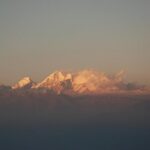
If weather is good, this is when you typically feel like the mountain is finally real—more than an icon on a postcard. You’ll see glaciers, camps, and mountaineering routes in a way that’s hard to replicate any other way without days of trekking.
Landing at Hotel Everest View: optional breakfast at altitude
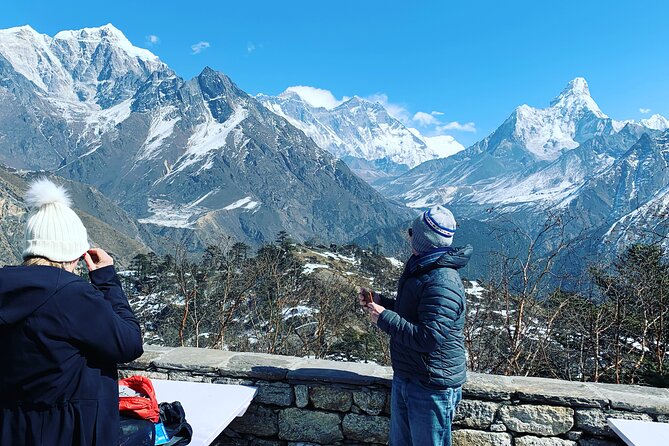
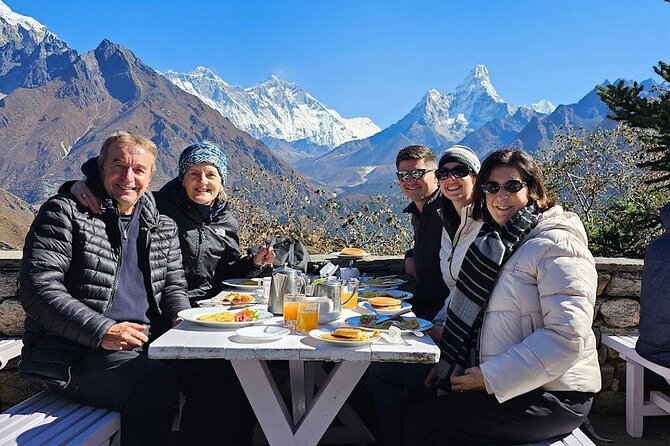
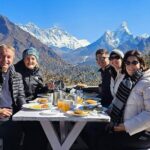
This is the signature add-on that makes this tour more than a quick scenic flight. During the Everest View segment, you may land at Hotel Everest View for an optional breakfast (about 45 minutes), and it’s explicitly subject to weather.
Even when you’ve done other Everest-area activities, breakfast here hits differently because you’re eating while staring at a scale you can’t fully process. The views are the point, and the operator builds time around that.
A couple practical notes from the experience style here:
- Bring warm layers and be ready for real cold, not just cool air.
- Breakfast can be filling. The operator guidance in the day’s culture even suggests it’s enough that you could share portions if you prefer.
The return to Kathmandu: route changes based on fuel and visibility
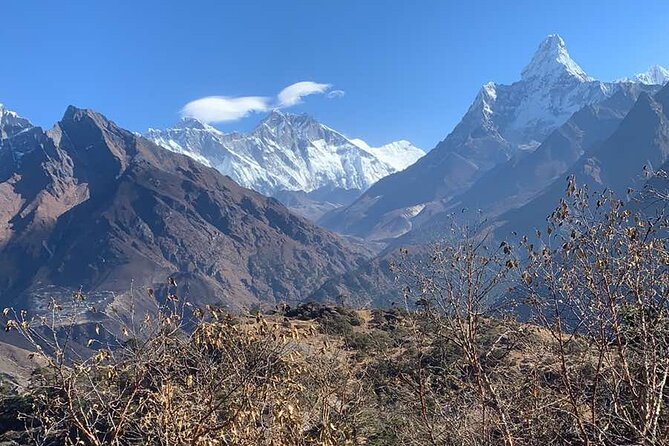
On the way back, you fly from the Everest area toward Kathmandu. The plan includes returning via Lukla as a factor, but it also says the pilot can choose either via Lukla or directly, depending on fuel situation.
That’s a very honest way to describe helicopter operations. You’re not driving a fixed itinerary like a bus. You’re following a skilled pilot’s call based on conditions. And the reviews reflect that safety and decision-making matter more than keeping a schedule on paper.
You should plan your expectations accordingly: the day is structured, but the mountains decide the last details.
Safety and service: what the operator gets right
This is the part that shows up repeatedly in how people describe the experience: safety-first pilots and a smooth, professional operation. Communication before and during the day is strong, including responsive updates if weather blocks takeoff or visibility is limited.
One operational reality you should know: sometimes flights don’t go. The data here is clear that if there is no flight due to weather, you can get a full refund. That’s the trade-off for a trip that depends on high-altitude conditions.
Another service detail I like: the team focuses on explanation. There’s a pre-trip briefing, and on board you’re not just thrown in and told to look out the window. People also note that seating experience can be shared in some way, including opportunities for passengers to sit nearer the front so more than one person gets the best cockpit angles.
Price and value: what you’re really paying for at $1,575
At $1,575 per person, this is not a budget lunch. But it’s also not priced like a private charter in most cases. The big value play is the shared format and the focus on high-impact viewpoints in a short day.
Here’s where your money goes:
- Helicopter flight time and the operational complexity of flying in a weather-sensitive region
- Airport coordination in Kathmandu and the refuel stop structure through Lukla
- Ground support like pickup/drop-off and a pre-trip briefing
- The optional Hotel Everest View breakfast when conditions allow
What’s not included includes national park fees and several taxes listed as USD 55 per person, plus meals unless you choose the optional breakfast.
My practical advice: treat this as an “experience you buy, not a bargain you hunt.” If you go in expecting that weather can affect the exact route, and you’re emotionally prepared for a quick, intense day, the price starts to make sense.
What to pack so the cold doesn’t ruin the photos
Warmth matters on this trip. The plan asks you to bring warm dress suitable for around 0°C in summer/spring and around -1°C to -2°C in winter for higher points, with a suggestion to wear a warm jacket from home. That might not sound extreme until you’re standing around waiting for helicopter operations and then eating breakfast at altitude.
Also keep in mind:
- You’ll be outside at least around landings and airport moments.
- Even if the helicopter ride is short, wind chill is real.
For documents, you don’t need to bring your original passport. The plan says a passport copy works, and even a phone picture is fine.
And one extra smart idea from experience: some people use the AlpineGuide app for mountain labeling. If you enjoy photography or want a better mental map of what you’re seeing, it can help fast.
Route flexibility and that group-splitting detail
The itinerary notes mention that there’s a “splitting place” concept and an updated plan when more than a certain number of passengers are flying. It also states that a newer approach is flyover mainly.
So what should you do with that information? Don’t plan your day like a train schedule. Plan like an airplane schedule:
- Give yourself at least a day or two buffer in Kathmandu so a reschedule doesn’t wreck your overall trip.
- Be flexible on the order of viewpoints.
- Trust the pilot and operation if they adjust the plan for safety or visibility.
Who this tour suits best
This is a great fit if:
- You want Everest views without a 10–12 day trek
- You like photography and video and want the mountain from multiple angles in one day
- You value a well-run operator with clear communication and safety focus
It may be less ideal if:
- You hate weather uncertainty. The program only flies on “nice days,” and if visibility fails, the day can be delayed or refunded.
- You want lots of walking or long ground exploration. This is primarily an aerial experience with a short landing-time highlight at Hotel Everest View.
Also note the weight guidance: the tour lists 265 lbs as the total weight per passenger, and it asks that anyone over 100 kg text the operator after booking. If you’re close to limits, confirm early so the day stays smooth.
Should you book the Everest View Hotel helicopter day?
If Everest is on your bucket list and you want a high-return day, I think this tour makes sense—especially because it adds the most important bonus: a potential landing and breakfast at Hotel Everest View. That turns it from a quick “see-from-above” ride into an altitude moment you’ll remember.
Book it if you can handle weather risk and you’ll give yourself enough Kathmandu time for a clean weather window. Skip it (or at least rethink timing) if you’re on a tight itinerary and you can’t afford a flight change.
FAQ
How long is the helicopter tour?
The experience is about 4 to 5 hours total.
What time does pickup start in Kathmandu?
Start time is 6:15 am.
How long is the flight time itself?
The flight time is listed as roughly 3 to 4 minutes.
Do you pick up from hotels in Kathmandu?
Yes. Hotel pickup and drop-off are included. You’ll need to provide your hotel name and address for pickup timing.
Is breakfast included?
Breakfast is optional and happens at Hotel Everest View, but it’s subject to weather. Meals are otherwise not included.
Are there extra costs besides the $1,575 price?
Yes. The plan notes national park fees, municipal tax, airport tax, and other taxes listed as USD 55 per person. Meals are also not included unless you choose the optional breakfast.
What happens if there is no flight due to weather?
The plan states that if there is no flight, you receive a full refund.
What should I bring for the cold?
Bring warm clothing for cold conditions, with guidance that it can be around 0°C and in winter -1°C to -2°C in higher points. A warm jacket from home is recommended.
Do I need to bring my original passport?
No. The plan says a passport copy works, and a photo on your phone is acceptable.
What’s the group size?
It’s a shared helicopter joining group with 5 passengers and a pilot.