REVIEW · KATHMANDU
Everest Base Camp Trek
Book on Viator →Operated by Nepal Hiking Team · Bookable on Viator
Everest Base Camp without the stress. This private guided trek takes you to Chomolungma’s doorstep while keeping you on the right path and on schedule. I like how the logistics are handled end to end, and how you can move at your own pace thanks to the guide-focused format.
What I really like is the small team setup: a certified English-speaking guide plus a porter (with a typical 2 trekkers to 1 porter arrangement). In real-world examples tied to this outfitter, guides such as Ram, Shyam, Vishma, and Paban have been highlighted for being attentive, supportive, and good at keeping the day-to-day running smoothly.
One thing to consider: this is a challenging trek with an early start (meeting time is 2:15 am) and a route that involves real altitude and long hiking days. If you hate early mornings or you’re not used to steep, thin-air walking, this won’t be the easy version of Everest.
In This Review
- Key points worth knowing before you go
- The big picture: what this Everest Base Camp trek really offers
- Kathmandu to Lukla: the early-morning reality check
- Day-by-day route: what each stage is doing for you
- Day 1: Arrive in Kathmandu
- Day 2: Ramechap to Lukla, then to Phakding
- Day 3: Phakding to Namche Bazaar
- Day 4: Acclimatization hike to Everest View Hotel
- Day 5: Namche to Tengboche
- Day 6: Tengboche to Dingboche
- Day 7: Acclimatization day with Nagarjun Hill
- Day 8: Dingboche to Lobuche
- Day 9: Gorakshep to Everest Base Camp and back
- Day 10: Kala Patthar, then down to Pheriche
- Day 11: Pheriche back to Namche Bazaar
- Day 12: Namche to Lukla
- Day 13: Fly to Ramechap, drive to Kathmandu
- Day 14: Departure
- Acclimatization stops: why this plan feels safer
- What your days are like: food, lodges, and comfort tradeoffs
- Price and value: where the $1,790 per person actually goes
- Guide and porter setup: the human side that matters on Everest
- Flights, permits, and first aid: less paperwork stress
- Packing for cold nights: the kit list you should actually trust
- Who should book this trek (and who should think twice)
- Should you book this Everest Base Camp trek?
- FAQ
- How long is the Everest Base Camp trek?
- Where do you start, and what’s the overall route?
- What is included in the price?
- Is this trek private?
- What time does the experience start?
- Are meals and lodging provided?
- Are hot showers included?
- Can I eat vegetarian on this trek?
- What happens if weather is poor?
Key points worth knowing before you go
- Private guide support keeps navigation simple and helps you set a realistic pace.
- Round-trip Lukla flights via Ramechap plus transfers are included, which saves you a lot of planning headaches.
- Built-in acclimatization days at Everest View Hotel and around Nagarjun Hill help you adjust before the higher sections.
- Lodge-to-lodge accommodation with hot showers at Phakding, Namche, and Lukla makes evenings more comfortable.
- Full board meals with tea/coffee keep you fueled without hunting for food each day.
- Trek staff insurance, food, and lodging are covered for the guide and porter, so the trip feels professionally run.
The big picture: what this Everest Base Camp trek really offers
Everest Base Camp is famous for the views, but the real win is how the trip is managed. This plan centers on your walking days while taking care of the stuff that can steal your energy: permits, lodging arrangements, guide support, and the flights into the Everest region.
The trek is private-guided, with a maximum group size of 15 per booking. That means you’re not stuck hiking as one big crowd where you either sprint to keep up or spend your day waiting. A guide and porter team also matters on Everest—once the altitude rises, having the right rhythm and help with carry weight can make the difference between a grind and a memorable challenge.
You can also read our reviews of more tours and experiences in Kathmandu.
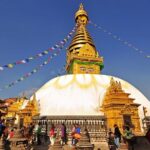
Kathmandu to Lukla: the early-morning reality check
Your trip starts in Kathmandu, and then it quickly turns into the Everest rhythm. You’ll have airport pickup and drop-off by car, plus two nights in a 3-star Kathmandu hotel.
Then comes the part most first-timers underestimate: the Lukla flight. The route includes a drive to Ramechap, a flight to Lukla, and then you start walking toward Phakding. The meeting/start time listed is 2:15 am, so plan on a very early start day and very little sleeping-in.
Here’s why that matters for value: flights and transfers are already bundled in, including the round-trip flights to and from Lukla via Ramechap. On Everest treks, that’s a big deal. If you tried to piece it together yourself, the risk of mismatched flight times and missing connections would land right on your shoulders.
Day-by-day route: what each stage is doing for you
The itinerary follows the classic Everest Base Camp line, but it’s paced for success rather than speed. I like that the walking days have enough structure to keep you moving, but not so much pressure that you’re constantly red-lining.
Day 1: Arrive in Kathmandu
You land, you get sorted, and you sleep in comfort for two nights before the trek begins in earnest. That buffer helps, especially if you’re arriving from far away.
Day 2: Ramechap to Lukla, then to Phakding
After the Lukla flight, you walk to Phakding (about 8 km and roughly 3 hours). This is your runway day—long enough to feel like a trek, not so long that your legs revolt.
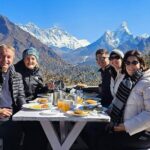
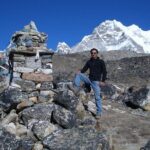
Day 3: Phakding to Namche Bazaar
You climb to Namche Bazaar (about 10 to 12 km, around 6 hours). This is where the altitude starts to feel real, and where having a guide is useful for pacing and staying on the right route.
Day 4: Acclimatization hike to Everest View Hotel
Instead of adding more steep climbing, you do an acclimatization hike to Everest View Hotel (about 3 to 4 km, roughly 3 to 4 hours). This kind of day is gold. You’re still moving, but you’re giving your body time to adjust before the bigger hikes.
Day 5: Namche to Tengboche
You head toward Tengboche (about 10 to 11 km, around 5 hours). Tengboche is known for its monastery-area setting, and from a trekking perspective it’s also a great “settle in” day before the higher villages.
Day 6: Tengboche to Dingboche
You continue to Dingboche (about 11 to 12 km, about 5 hours). This step pushes you further upward while keeping the day’s hiking time realistic.
Day 7: Acclimatization day with Nagarjun Hill
You hike Nagarjun Hill and return (about 5 to 6 km, roughly 4 to 5 hours). This is another built-in altitude adjustment day, the kind of planning that helps you keep going when you’re already feeling the thin air.
Day 8: Dingboche to Lobuche
You trek to Lobuche (about 11 to 12 km, about 5 hours). By now, you’ll likely notice that energy management matters more than raw speed.
Day 9: Gorakshep to Everest Base Camp and back
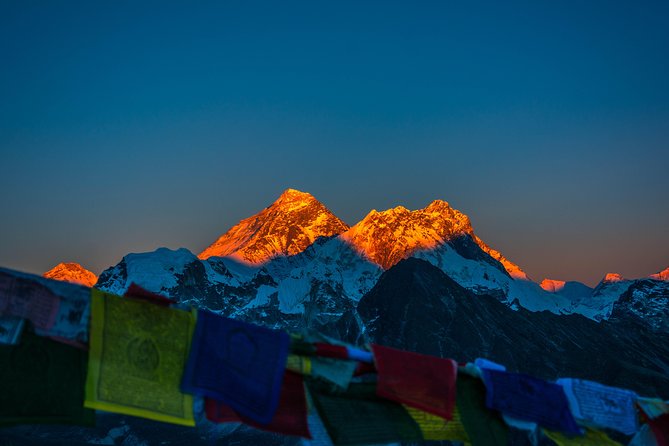
This is a full-on day. You reach Gorakshep, then go onward to Everest Base Camp (listed at 5364 m / 17594 ft) and return to Gorakshep. It’s about 14 to 15 km and around 8 hours. It’s long, and that’s exactly why you’ll be happy you did the acclimatization hikes earlier.
Day 10: Kala Patthar, then down to Pheriche
You tackle Kala Patthar and then trek to Pheriche (about 13 to 14 km, around 7 hours). Kala Patthar is one of those “time your effort and earn it” hikes. You’re walking for altitude views and the payoff is the kind you remember for years.
Day 11: Pheriche back to Namche Bazaar
You hike back down toward Namche (about 14 to 15 km, around 7 hours). This helps you continue to acclimatize while dialing down some of the height pressure.
Day 12: Namche to Lukla
Now it’s a longer push (about 18 to 19 km, around 7 hours) to reach Lukla. This is one of the days where trekking poles and good pacing really pay off.
Day 13: Fly to Ramechap, drive to Kathmandu
You fly back and then drive to Kathmandu. It’s a satisfying finish because you’re done with the hardest walking, but still fully connected to the Everest region experience.
Day 14: Departure
Departure day. You’re back in Kathmandu with time to recover.
Acclimatization stops: why this plan feels safer
This trek includes two acclimatization days built into the schedule: one around Everest View Hotel and another on Nagarjun Hill. That matters because your itinerary doesn’t try to bully you into higher altitudes too fast.
I also appreciate the “pattern” of the trek: a bigger climb, then a more controlled day, then another step upward. That’s the kind of structure that makes it easier to follow instructions and keep your body steady. It’s also where a strong guide makes a difference. When guides like Ram or Vishma are mentioned as being supportive and attentive, it often lines up with the hard moments when you want clear guidance and calm decision-making.
What your days are like: food, lodges, and comfort tradeoffs
During the trek, you’ll get full board meals with tea/coffee (breakfast, lunch, and dinner). There are also seasonal fruits. That’s a practical comfort advantage—when you’re hiking high, you don’t want to spend mental energy negotiating meals or searching for something that agrees with you.
For lodging, it’s lodge-to-lodge accommodation, usually twin sharing. The good note: the plan lists private bathrooms with hot shower at Phakding, Namche, and Lukla. That’s a huge morale boost on cold nights, especially if you’re trekking in shoulder seasons.
One more comfort angle: because the guide and porter are handled with their own accommodation, food, and insurance, the trek runs like a job well managed rather than a loose collection of arrangements. Based on feedback connected to this operator, smooth transitions—from airport pickup to trail logistics—are a recurring theme.
Price and value: where the $1,790 per person actually goes
At $1,790 per person, this is not a budget-only trek. But here’s the real question: what are you buying?
You’re getting a package that covers:
- airport pickup and drop-off
- two nights in a 3-star Kathmandu hotel
- full board meals during the trek (with tea/coffee)
- twin sharing lodge-to-lodge lodging and listed hot showers at key points
- permits and government taxes/office service charges
- a certified English-speaking guide plus a porter (with the plan’s stated porter ratio)
- round-trip Lukla flights via Ramechap, including transfers
- a trekking map and a trip achievement certificate
- a first aid medical kit
- trekking staff insurance, accommodation, and food (as part of staff provisioning)
The value case is strongest because the expensive, high-friction parts of Everest are included—especially flights into Lukla and all the permits. Those are the items that most often turn “I’ll just plan it myself” into “why is everything delayed?” This package also reduces decision fatigue: once you book, you’re mostly walking and recovering.
What’s not included is also important for budgeting: travel insurance, your Nepal entry visa (USD 40 for 30 days), drinks/snacks/personal expenses, personal trekking equipment, and tips for staff. Those are normal on Everest, but they do affect the true total cost.
Guide and porter setup: the human side that matters on Everest
If there’s one thing I’d tell first-timers, it’s this: Everest is easier when you’re not solving problems while you’re breathing hard.
This trek includes 1 professional, English speaking, certified guide and porter (with porter support defined as 2 trekkers to 1 porter). That means you get route guidance, pacing decisions, and troubleshooting support for the day-to-day. And with a guide, you’re less likely to get lost or waste time.
Names that have come up in connection with this operator include Ganga on the coordination side, and trekking leads like Ram, Shyam, Vishma, and Paban. The consistent thread in those mentions is communication and attentiveness—especially for solo trekkers and people still building confidence for high-altitude hiking.
Flights, permits, and first aid: less paperwork stress
This package includes all required permits for the trek and government taxes/office service charges. It also provides a first aid medical kit.
That doesn’t mean you’re insulated from all risk—altitude and weather are still real. But it does mean you’re not spending your Kathmandu time trying to figure out what paper goes where. On Everest, time and clarity matter, and this approach keeps your prep focused on the trek itself.
Packing for cold nights: the kit list you should actually trust
The equipment checklist is detailed, and it’s worth following. Everest Base Camp nights can get seriously cold, and you’ll feel it even if your daytime hiking is warm.
A few items I’d treat as non-negotiable based on the provided checklist:
- a sleeping bag rated to zero degrees F (the checklist also references -10°C in its gear notes)
- a headlamp with spare batteries
- UV sunglasses
- layers: thermal tops/bottoms, fleece, and a waterproof shell jacket
- gloves: lightweight gloves plus warmer options (heavy gloves or mittens)
- a day pack (about 20 to 22 liters)
- trekking poles (listed)
You’ll also get a complimentary wind-proof duffel/kit bag and water. Pack light because the porter is available for up to 25 kg at maximum (not for everyone’s whole life story—just your trek load).
If you’re shopping in Kathmandu, the checklist notes that gear is available locally and some is imported. That helps if you forgot something before travel.
Who should book this trek (and who should think twice)
This is best suited to people with strong physical fitness who want a challenging hike with a structured, guided setup. If you like clear steps, predictable daily planning, and someone else handling the big logistics, you’ll likely feel calmer on the trail.
This is also a strong choice for solo travelers who want support, or for couples/friends who want privacy. The schedule and private-guided approach reduce the “group chaos” factor.
But if you hate early mornings, dislike long hiking days, or aren’t comfortable with altitude travel, you might struggle with the demands. The itinerary is built for active trekkers, not for casual walkers.
Should you book this Everest Base Camp trek?
If you want Everest Base Camp with the hard parts managed, this package is a solid choice. The biggest strengths are the included Lukla flight logistics, permits, guide + porter support, and a schedule that includes acclimatization rather than only pushing upward.
Book it if your goal is to hike a classic route with enough structure to stay safe and focused. I’d skip it or adjust expectations if you’re hoping for an easy trek, a late-start vacation, or a totally DIY experience.
If you do book, do one more thing before you go: study the kit list, pack light, and plan for very early mornings. Everest rewards preparation.
FAQ
How long is the Everest Base Camp trek?
The trek runs about 14 days.
Where do you start, and what’s the overall route?
You start in Kathmandu, then fly to Lukla via Ramechap and hike through Phakding, Namche Bazaar, Tengboche, Dingboche, Lobuche, and Gorakshep for Everest Base Camp. The route also includes Kala Patthar before returning to Namche, Lukla, and Kathmandu.
What is included in the price?
The price includes airport pickup and drop-off by car, full board meals with tea/coffee during the trek, lodge-to-lodge accommodation, seasonal fruits, a certified English-speaking guide and porter, round-trip Lukla flights via Ramechap with transfers, permits, taxes, a trekking map and achievement certificate, first aid kit, and two nights in a 3-star Kathmandu hotel.
Is this trek private?
It is described as a private guided trek for your group. The maximum is 15 people per booking.
What time does the experience start?
The start time is 2:15 am.
Are meals and lodging provided?
Yes. You get full board meals with tea/coffee (breakfast, lunch, and dinner) during the trek, and lodge-to-lodge accommodation.
Are hot showers included?
Hot showers are listed as available at Phakding, Namche, and Lukla.
Can I eat vegetarian on this trek?
A vegetarian option is available. You should advise the operator at booking.
What happens if weather is poor?
The experience requires good weather. If it’s canceled due to poor weather, you’ll be offered a different date or a full refund.