REVIEW · SEOUL
DMZ tour south Korea from Seoul (NK experience hall, defector)
Book on Viator →Operated by SEOUL CITY TOUR CO. LTD. · Bookable on Viator
Border lines feel uncomfortably close.
This DMZ trip from Seoul turns the Korean conflict into real places you can see: Imjingak, the Freedom Bridge, the 3rd Infiltration Tunnel, and then the view across at Dora Observatory. I also like that it adds an on-the-ground perspective from an NK defector session at the NK Experience Hall, not just museum facts. One heads-up: parts of the DMZ can be affected by unexpected military or local conditions, and access changes fast.
Two things I really like are how the day mixes memorial sites with “what it’s like now” viewing, and how the guide brings it all into focus (guides like Katie, Sadie, Felicity, Lily, and YOON are repeatedly praised for keeping the tone serious but understandable). The other big win is the structure: a coach ride north, clear stop-by-stop timing, and a route that hits both the symbolic and the practical parts of the border—like Dorasan Station’s connection to the rail that never really got to run freely.
The one drawback to plan around is physical effort and uncertainty. The tunnel stop involves a steep, narrow walk, and conditions can also mean some areas get limited or skipped with no refund if the disruption happens for military/local reasons.
In This Review
- Key highlights to watch for
- From Seoul to the DMZ: the ride north sets the mood
- Imjingak Park: where the war artifacts sit in plain sight
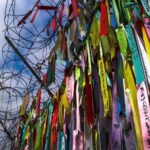
- Freedom Bridge: POW history made visible
- DMZ Theater & Exhibition Hall: context before you look
- The 3rd Infiltration Tunnel: steep, narrow, and oddly personal
- Dora Observatory: binoculars, Kijongdong, and a manufactured view
- Tongilchon-gil (Unification Village): what “daily life” is supposed to feel like
- Dorasan Station: rail hopes trapped in symbolism
- Suspension bridge options: the “stretch of scenery” part
- The NK Experience Hall and the defector session: why it’s the emotional center
- Price and value: what $26-ish buys you (and what it doesn’t)
- Getting the most out of the day: small planning moves that pay off
- Should you book this DMZ tour?
- FAQ
- How long is the DMZ tour from Seoul?
- Do I choose half-day or full-day?
- What stops are included on the tour?
- Where is the meeting point and where do I end?
- Do I need hotel pickup?
- Is a passport required?
- Are tickets and admissions included?
- Is there a lot of walking or stairs?
- Do I get binoculars at Dora Observatory?
- What if the itinerary is changed or canceled due to military conditions?
- Is there free cancellation?
Key highlights to watch for
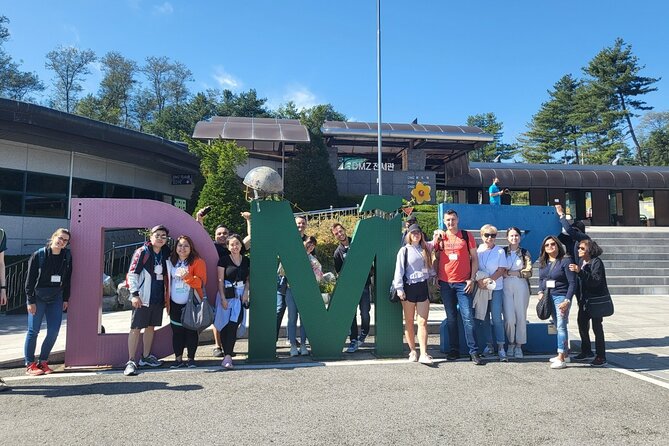
- NK defector session at the NK Experience Hall gives a human layer to everything you see
- Dora Observatory binocular time helps you actually look across, not just listen
- 3rd Infiltration Tunnel walk is the most physically demanding stop, with real steep stairs
- Freedom Bridge + POW exchange context adds meaning to what looks like a simple crossing
- Max group size of 40 keeps the day from turning into chaos
- Half-day or full-day options let you match DMZ intensity to your schedule
From Seoul to the DMZ: the ride north sets the mood
The tour starts in Seoul and then heads about an hour north into the DMZ zone. It’s a half-day or full-day format, with the typical duration listed around 7 hours depending on your chosen option and stops.
I like this setup because it gives you two things quickly: (1) less stress than trying to piece together separate visits, and (2) time to absorb the emotional weight before you reach the big viewing points. If you’re short on time, the half-day still hits the core DMZ sights; if you want more, the full-day adds suspension-bridge territory.
You’ll be traveling in an air-conditioned coach with a guide and included admissions. The group stays capped at 40 people, which matters on a day with tight turnarounds at each stop.
You can also read our reviews of more tours and experiences in Seoul.
Imjingak Park: where the war artifacts sit in plain sight
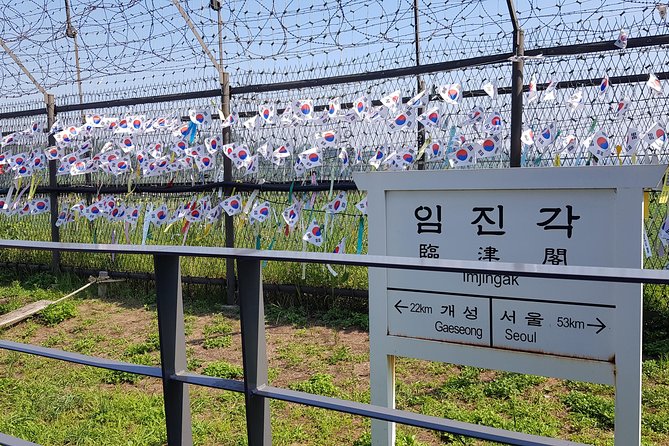
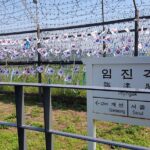
The first major stop after pickup is Imjingak Park near the Imjin River. You’ll see artillery and war artifacts used during the Korean conflict before moving on to the Freedom Bridge.
This stop works because it’s not just names on plaques. You get a real sense of how the war left objects behind—things that feel heavy even before the guide starts explaining the stories. If you’re the type who likes to understand why places look the way they do, this is where the day starts making sense.
Time here is about 30 minutes, so don’t plan on slow wandering for long. I’d treat it like a briefing: look, listen, then move on while the context is still fresh.
Freedom Bridge: POW history made visible
Next is the Freedom Bridge, the crossing where nearly 13,000 Korean POWs were exchanged at the end of the war. Even if the bridge itself doesn’t look dramatic, the meaning is the point.
The guide typically ties this stop to the broader story of division—how agreements and exchanges still didn’t reunite the peninsula. For me, this is one of those “small structure, big consequences” moments. It’s also a good place to ask questions if your brain is still sorting timelines.
DMZ Theater & Exhibition Hall: context before you look

The itinerary includes DMZ Theater & Exhibition Hall with about an hour on-site and admission included. This is your “hold the thread” stop, where you get the backstory so the next sites don’t feel random.
If you’re worried the DMZ will just be a checklist of viewpoints, this hall helps fix that. You’re basically being handed the map of what to watch for next—tunnels, border lines, and the carefully staged presentation of life on both sides.
The 3rd Infiltration Tunnel: steep, narrow, and oddly personal
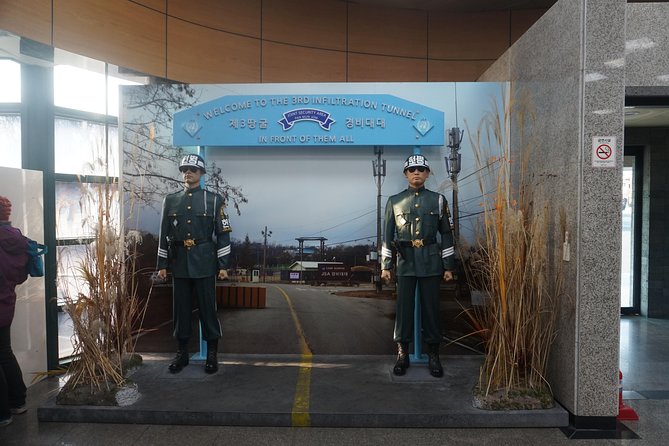
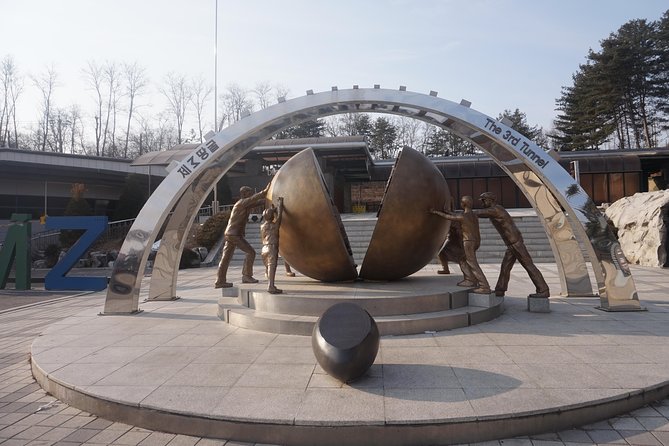
Then comes one of the most memorable parts of the day: the 3rd Infiltration Tunnel. It’s a tunnel built beneath the border area, discovered in 1978, and later blocked by South Koreans at the Military Demarcation Line with concrete.
Important practical reality: there’s a moderate amount of walking involved through a steep and narrow tunnel, and you should wear comfortable shoes and clothes that can handle tight spaces. One useful tip from the experience of past groups: leave your coat in a locker when you go down the tunnel, because the climb back is steep and it can get hot.
Time here is about an hour including entry and viewing. The walk itself is the payoff—this is where you can feel how difficult it would have been to move through. If you’re expecting a “pretty photos only” stop, adjust your mindset. This one is about effort and the mechanics of military planning.



Dora Observatory: binoculars, Kijongdong, and a manufactured view
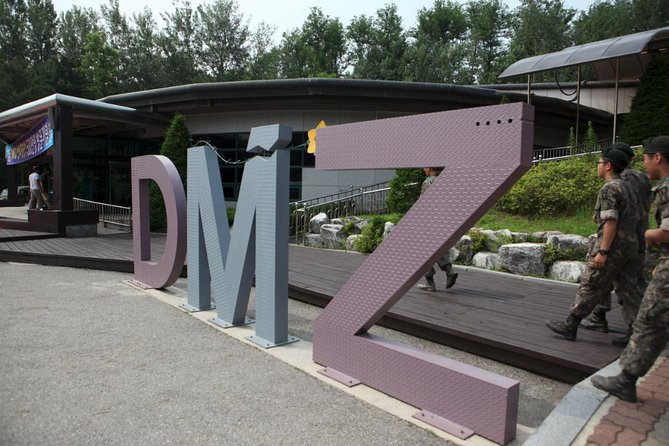
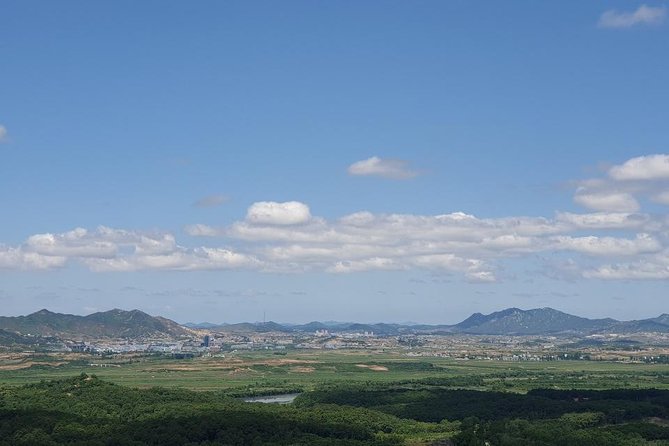
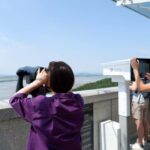
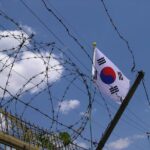
After the tunnel, you head to Dora Observatory. You’ll get binoculars provided, and you can look toward North Korea from the viewing area. This stop is tied to the explanation of Kijongdong, the North Korean model village you’ll see as part of the presentation from across the border.
I like Dora because it forces you to do more than listen. Binoculars mean you can try to identify details rather than just watch your guide point. On clear days, your viewing can be noticeably better, and some guides have helped people spot activity across the river when weather cooperates.
Time here is short (about 20 minutes), so it’s worth deciding what you want to focus on before you take up the binoculars. I’d pick one target—structures, the village layout, or general movement—then let the guide’s explanation connect it to what you’re seeing.
Tongilchon-gil (Unification Village): what “daily life” is supposed to feel like
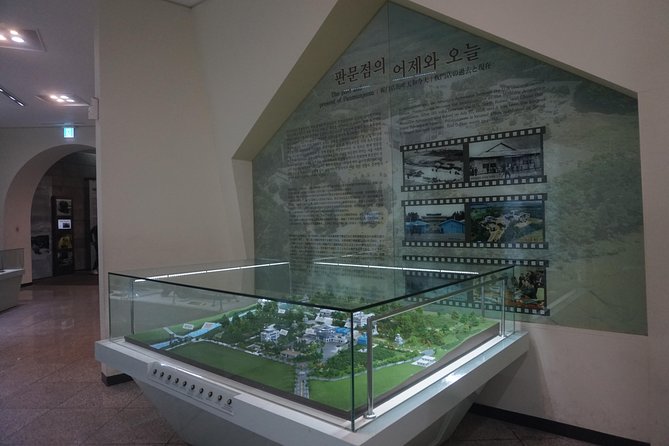
Next is Tongilchon-gil, also described as the Unification Village, a farming community focused on products like soybean milk, traditional soy sauce, and corn goods. You’ll get a quick look at it as part of the route through life-themed DMZ storytelling.
This section can feel different from the earlier stops because it’s less about war and more about a staged “normal day” idea. It can be thought-provoking, but it also comes with an obvious caveat: it’s a model of daily life, not unfiltered reality.
My advice: treat this as a cultural lens. Ask yourself what the presentation is trying to communicate and how it differs from the tunnel and observatory moments you just experienced.
Dorasan Station: rail hopes trapped in symbolism
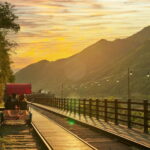
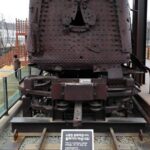
The itinerary includes Dorasan Station, once connected North and South Korea, and now tied to symbolism and future visions of connection. Your guide explains the meaning while you’re there.
This stop tends to land differently depending on your personality. If you like practical history, it’s about how infrastructure was meant to function. If you’re more reflective, it’s about how political reality can freeze a whole future in place.
You’re not getting a train departure here. You’re getting the idea of one.
Suspension bridge options: the “stretch of scenery” part
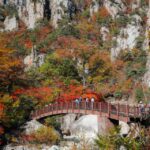
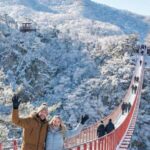
If you choose the full-day option, the day adds suspension bridge stops. The schedule notes options like Gamaksan Chulleong Bridge and Majang Lake Suspension Bridge, and it also references the Majang Late Suspension Bridge as the full-day add-on.
These stops give you a break from the constant “border story” intensity. They’re also useful because the DMZ day isn’t only about history—it’s about logistics and physical pacing, and bridges let you stand somewhere open for a bit.
Still, don’t expect a postcard sightseeing day. This is mainly a context day, with the bridges acting like breathing room.
The NK Experience Hall and the defector session: why it’s the emotional center
The tour you’re looking at explicitly includes the NK Experience Hall and a defector component. In past experiences shared by guides, the standout moment is often the Q&A or live chat with someone who left North Korea.
This part matters because it turns abstraction into lived detail. Instead of hearing only about institutions and borders, you’re hearing what daily life can feel like when freedom is restricted. It’s also usually handled with care and respect, so the tone doesn’t go sensational.
If you want a DMZ tour that’s more than “facts + photos,” this is the feature that typically makes it stick.
Price and value: what $26-ish buys you (and what it doesn’t)
The price listed is $26.04 per person, which is notably budget-friendly for a day that includes a coach ride, guide, and multiple paid admissions.
Here’s what the included value covers:
- Transport by air-conditioned coach
- Admission fees at key sites
- A guide who keeps the day organized and explains each stop
Here’s what’s not included:
- Tram
- Breakfast and lunch
That last part is practical. On a long border day, you don’t want to be rationing snacks in a stressed way. Plan to either eat before pickup or bring a simple buffer snack if the schedule timing is tight for you.
Also note: a current valid passport is required for travel on the day you go. You do not need to send a copy ahead of time, but you do need the real thing with you.
Getting the most out of the day: small planning moves that pay off
This tour isn’t difficult like a hiking trek, but it does have a few moments that demand basic comfort:
- The Third Tunnel stop involves steep and narrow walking, so wear shoes you trust.
- You may want a light layer even if Seoul feels warm, because conditions inside and around tunnels can feel different.
- A locker is useful for keeping a coat out of the way during the tunnel portion.
Binoculars are included, but your comfort isn’t. Bring something for your personal needs: water, sun protection, and a way to take notes quickly while the guide is explaining.
On the timing side, the guide will provide instructions at each stop, including when to return to the coach. If your pickup is confusing, some guides have communicated through messages with details like a bus photo and license plate to help you find the correct vehicle—so keep an eye out the night before.
Finally, be flexible. If conditions change, parts of the itinerary can be canceled without refund when disruptions are caused by unexpected military or local circumstances.
Should you book this DMZ tour?
If you want the DMZ from Seoul in one organized day, with both “what happened” and “what it feels like now,” this is a strong match. The biggest selling points for most people are the Dora Observatory binocular viewing, the 3rd Tunnel walk, and especially the NK defector session at the NK Experience Hall.
I’d skip it only if you hate any chance of schedule changes or you’re not comfortable with steep, narrow walking in the tunnel. Otherwise, it’s one of the more direct ways to understand the border without needing to become a border-operations expert.
FAQ
How long is the DMZ tour from Seoul?
The duration is listed at about 7 hours (approx.), depending on whether you book the half-day or full-day option.
Do I choose half-day or full-day?
Yes. You can book a half-day tour or upgrade to a full-day tour that adds additional suspension bridge stops.
What stops are included on the tour?
The itinerary includes Imjingak Park, the Freedom Bridge, the DMZ Theater & Exhibition Hall, the 3rd Infiltration Tunnel, Dora Observatory, Tongilchon-gil (Unification Village), and Dorasan Station, with suspension-bridge options on the full-day route.
Where is the meeting point and where do I end?
The meeting point is City Hall, Seoul, and the tour ends back at City Hall.
Do I need hotel pickup?
The itinerary describes pickup from a centrally located Seoul hotel, and the tour also notes City Hall as a meeting point. Incheon is not available for pick up.
Is a passport required?
Yes. A current valid passport is required on the day of travel, and you do not need to send a copy.
Are tickets and admissions included?
Admission fees are included for the DMZ Theater & Exhibition Hall, the 3rd Infiltration Tunnel, and Dora Observatory. Some stops have admission ticket marked free.
Is there a lot of walking or stairs?
There is a moderate amount of walking, including through a steep and narrow tunnel. Comfortable clothes and shoes are recommended.
Do I get binoculars at Dora Observatory?
Yes. Binoculars are provided at Dora Observatory.
What if the itinerary is changed or canceled due to military conditions?
If a part of the itinerary is canceled due to unexpected military conditions or local circumstances, there will be no refund. If the tour is canceled due to a military issue or unexpected issue, the operator will provide an alternative DMZ-related course.
Is there free cancellation?
Yes. You can cancel up to 24 hours in advance for a full refund, based on the local time of the experience.