REVIEW · SEOUL
Seoul: DMZ & Observatory Tour with Suspension Bridge or Boat
Book on GetYourGuide →Operated by PLK Travel Inc. · Bookable on GetYourGuide
Standing at the DMZ makes history real. On this Seoul tour, you get guided time at the Dorasan Observatory and the Third Invasion Tunnel, plus a coach plan that keeps the day moving. I especially like how the North Korea views feel specific and physical, and how the guide connects each stop to the bigger story of the divided peninsula.
The main drawback is that this is a military area, so the day can change fast. Your access depends on permission, the DMZ can close suddenly, and the boat ride (on the full-day option) may switch if weather or maintenance causes problems.
In This Review
- Key things that make this DMZ tour worth your time
- DMZ from Seoul: how Dorasan makes the border feel close
- Half-day vs full-day: what the boat option actually adds
- Imjingak Park to the checkpoint bus: the start of your day
- The 3rd Tunnel of Aggression: walking into the invasion plan
- Dorasan Observatory: the North-facing viewpoint that anchors everything
- The return route through Imjingak: a last context boost
- Lunch, break time, and photos: what to plan for during the day
- Guides really shape the experience: Dennis, Joey, Julie, Paul, and more
- Practicalities that make or break your DMZ day
- Is this $39 DMZ tour from Seoul a good value?
- Should you book this DMZ & Dorasan Observatory tour?
- FAQ
- What’s the duration of this DMZ tour from Seoul?
- What stops are included on the DMZ portion?
- Is the Imjin River boat ride included?
- Do I need a passport?
- Is lunch included in the price?
- What happens if the DMZ closes suddenly?
- Can I bring luggage or large bags?
- Is this tour suitable for people with mobility impairments?
- Does the half-day route include a suspension bridge?
Key things that make this DMZ tour worth your time
- Dorasan Observatory panoramas that frame North Korea from the South, in real sightlines
- A guided walk inside the 3rd Tunnel, built for invasion planning
- Unification Village visits that translate the official story into a place you can picture
- Imjin River boat ride (full-day option), when it’s operating as planned
- English-speaking guides with big energy, with names like Dennis, Joey, Julie, Paul, and Moon Young showing up often in feedback
DMZ from Seoul: how Dorasan makes the border feel close

A DMZ tour is one thing on paper and another thing on the ground. From Seoul, you’re used to crowds, traffic, and normal rules. Then you’re in a controlled zone where every stop comes with an explanation and a sense of boundaries.
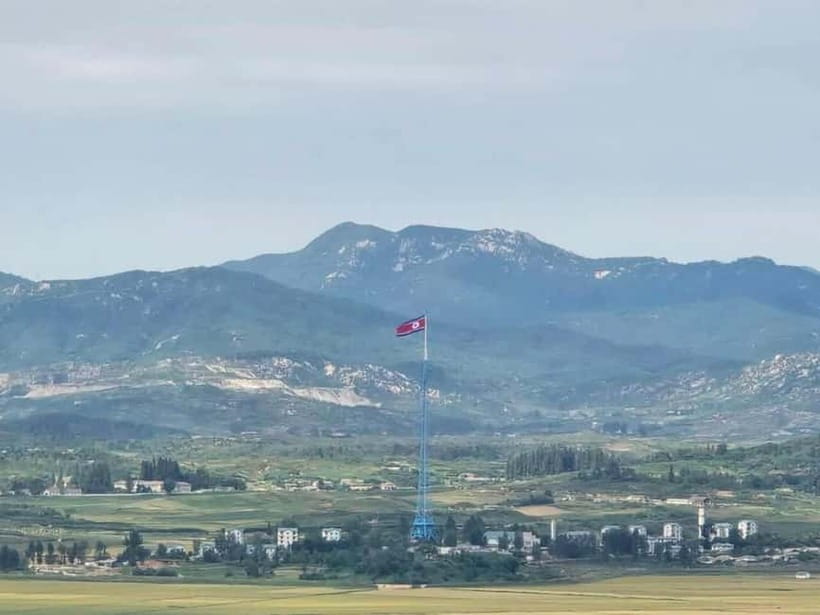
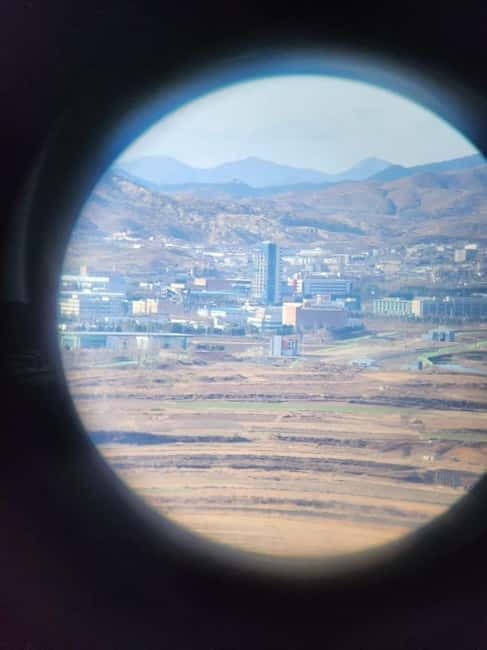
What I like most is how Dorasan Observatory changes the mood. Instead of just hearing about tensions, you see sweeping North-facing views and your guide turns that sightline into context. It’s not scenery-tour pretty. It’s “this is what separation looks like” kind of visual learning.
You can also read our reviews of more tours and experiences in Seoul.
Half-day vs full-day: what the boat option actually adds
This tour comes in two styles. The half-day DMZ option focuses on the key DMZ sites with guided time, including the 3rd Tunnel, Dora Observatory, and Unification Village.
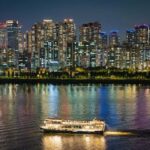
The full-day version adds an Imjin River boat voyage. That’s the big upgrade if you want a different angle on the same restricted area. The boat ride is described as flowing in the Imjin River from North Korea, and it can be a calmer, more reflective way to absorb what you just learned on land.
One practical thing: the boat part can change. If weather or maintenance affects the site, your boat segment may swap to an alternative. If you care a lot about the boat, bring a mindset that this is a “when it’s running” bonus, not a guarantee.
Imjingak Park to the checkpoint bus: the start of your day

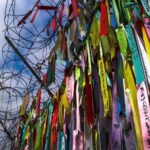
Most days start around Imjingak Park, where you’ll see key symbols and stopping points like the Mangbaedan Altar, the Bridge of Freedom, and a steam locomotive display. It’s a strong warm-up before you head into the DMZ area, because the guide can frame what those landmarks mean before you face the restricted sites.
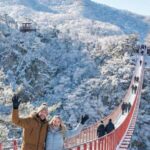
From there, you’ll transfer by group bus designated by Korean Military. The route includes a bridge stop noted as Dokgae Bridge (not the suspension bridge). That detail matters because the tour title mentions suspension bridge or boat, but the actual half-day flow you’ll be following here is not built around a suspension bridge crossing.
For pickup and drop-off, your exact times depend on the option and day’s access. The half-day drop-off is expected around Hongik Univ. Station at 1:30 pm or Myeongdong Station at 2:00 pm. The full-day option pushes it later: 4:00 pm at Hongik Univ. Station or 4:30 pm at Myeongdong Station.
The 3rd Tunnel of Aggression: walking into the invasion plan

The most dramatic physical stop is the Third Tunnel of Aggression. You’ll have visit and guided tour time there, plus transport around the area.
What makes this stop click for first-timers is that it’s not just a bunker-like viewing spot. The tour includes a walking tour in the 3rd Tunnel, which is exactly the kind of experience that turns abstract headlines into an immediate sense of scale. You’re moving through a space that was built for a very specific purpose, and your guide’s job is to connect what you’re seeing with what it meant for the Korean peninsula.
A possible drawback: tunnels are enclosed and schedules can feel tight at military sites. That’s why comfortable shoes matter. This is a “walk and listen” stop, not a “float through and snap photos” stop.
Dorasan Observatory: the North-facing viewpoint that anchors everything
After the tunnel, the tour shifts to your best vantage for understanding the divide: Dora Observatory. Expect a guided visit, then bus time before you move on.
This is where the day’s story lines up. You’ve seen an invasion route underground, then you come to a viewpoint. Standing there, the guide’s explanations about what the two sides control and what you can (and can’t) see start to make sense fast.
You’ll also get meaningful time at Unification Village. Even though it’s not “free roaming,” it’s a key step because it’s designed to put you near the idea of separation and contact. Your guide should help you interpret what you’re seeing so it doesn’t feel like a staged stop.


The return route through Imjingak: a last context boost
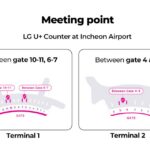
The tour route doesn’t just send you straight back to Seoul after the DMZ portion. It includes time in the Imjingak area again, plus stops tied to Mangbaedan, the Freedom Bridge, and additional sightseeing time around Paju-si (for break and lunch).
This matters because it gives you a chance to reset emotionally after the DMZ sites. You’re not going from intensity to “now it’s dinner” without context. Instead, you circle back through symbolic places that help the guide wrap up the story.
Timing here can be a bit variable. The DMZ itself might run on military permission timing, and traffic and weather can affect your schedule. The tour notes that drop-off time may shift if access windows change.
Lunch, break time, and photos: what to plan for during the day
Lunch is not included. The day includes break time and a lunch window (listed as about 1 hour in the longer flow). If you have dietary needs, I’d plan to eat in the allotted time rather than expecting quick options during walking segments.
Also, don’t assume photo time is identical at every stop. Some locations are built around guided viewing, and some around movement and explanation. The best photos often come after you’ve listened and understood what to frame.
If you’re traveling with a group, the bus ride rhythm helps. You get transport between sites and avoid the stress of coordinating independently around military access points.
Guides really shape the experience: Dennis, Joey, Julie, Paul, and more
A DMZ tour lives or dies by its guide. In the feedback pattern you provided, certain guide traits show up again and again: strong English, humor, and the ability to make history feel connected to what you see in front of you.
Names people praised include Dennis, Joey, Julie, Paul, Moon Young, Lucy, Simba, Chloe, and SJ. People specifically mentioned things like Dennis being funny while covering a wide range of history, Joey bringing energy and humor, Julie explaining details patiently, and Paul keeping the pace lively and easy to follow.
Even if you don’t get one of those exact guides, you can use their examples as a guidepost for what to look for: clear explanations, good pacing at checkpoints, and an ability to answer questions without turning the day into a lecture.
Practicalities that make or break your DMZ day
This tour has a few strict rules that affect comfort.
Bring:
- Passport (required for DMZ access)
- Comfortable shoes (you’ll be walking through a tunnel and on-site areas)
Not allowed:
- Luggage or large bags
That last point is huge for packing. DMZ days don’t work well with big travel backpacks unless you’re prepared to carry them in a way that fits the rules. If you’re used to “bring everything,” scale down.
Also plan for the emotional tone. This is described as visiting a restricted area for decades, and the tour is built around history and the story of the two Koreas. You’re not just sightseeing.
Is this $39 DMZ tour from Seoul a good value?
At $39 per person, this is the kind of price that feels unusually accessible for a day built around DMZ access. The value comes from what’s included: a live English guide, roundtrip transfer from Seoul, DMZ admission fees, and the walking tour in the 3rd Tunnel.
The things you pay separately are mainly the usual trip extras: lunch and traveler’s insurance (insurance isn’t included).
So the smart way to think about it is: you’re paying for the hard part—getting through the logistics of a military zone with a guide, transportation, and built-in entrances—while you manage food and personal items on your own.
If you’re comparing DIY, the price starts to make even more sense. Access, timing, and guided explanations are the heavy lift here.
Should you book this DMZ & Dorasan Observatory tour?
Book it if you want a first-time DMZ experience that’s organized, guided, and timed to hit the big sites: 3rd Tunnel, Dora Observatory, and Unification Village. Also book it if you like learning through a structured route rather than wandering and guessing what matters.
Consider skipping (or choosing a different style) if you have mobility concerns. The tour is not suitable for people with mobility impairments, and the tunnel walk plus on-site movement is part of the core experience.
And if you’re choosing between options, pick the boat version if you’ll be happy with an add-on that might change due to weather or maintenance. It’s a bonus, not the foundation.
FAQ
What’s the duration of this DMZ tour from Seoul?
The duration is listed as 6 to 9 hours, and the exact start time depends on availability.
What stops are included on the DMZ portion?
The tour includes the 3rd Invasion Tunnel, Dora Observatory, and Unification Village as part of the DMZ experience.
Is the Imjin River boat ride included?
The boat ride is included only on the full-day tour with the boat voyage option. It can be changed to an alternative if there’s maintenance or weather issues.
Do I need a passport?
Yes. You must bring a valid passport to access the DMZ.
Is lunch included in the price?
No. Lunch is not included, and there is a break/lunch time in the longer route.
What happens if the DMZ closes suddenly?
The tour notes that the DMZ might close without notice. If that happens, an alternative tour will be provided, but no refunds are offered.
Can I bring luggage or large bags?
No. Luggage or large bags are not allowed.
Is this tour suitable for people with mobility impairments?
No. It is not suitable for people with mobility impairments.
Does the half-day route include a suspension bridge?
In the half-day flow described, the bridge stop is Dokgae Bridge, not the suspension bridge.