REVIEW · SEOUL
DMZ Tour: 3rd Tunnel, Option(Suspension Bridge, Boat) from Seoul
Book on Viator →Operated by PLK TRAVEL · Bookable on Viator
A border tour that feels unreal until you’re there. This DMZ day trip combines the major viewing points—plus the Third Tunnel—and then lets you add a bridge walk or river boat depending on your mood.
Two things I like a lot: the private, air-conditioned bus with round-trip transfers from Seoul, and the way the stops are built around clear war-era stories (Bridge of Freedom, Mangbaedan Altar, Dora Observatory) rather than just random photo stops.
One consideration: the schedule is long (about 6 to 9 hours) and the tunnel walk is physically demanding, with steep climbing back out—so it’s not ideal if you have health limits or you hate tight, low spaces.
In This Review
- Key highlights worth your time
- Price and time: what $35 buys you (and what it doesn’t)
- Getting to the DMZ: meeting points, ID checks, and a “plan for changes” mindset
- Stop 1: Bridge of Freedom and Mangbaedan Altar—start with the story, not just the sights
- Stop 2: The Third Tunnel—why this is the main event (and what can make it tough)
- Stop 3: Dora Observatory—seeing North Korea’s territory from a controlled vantage
- Stop 4: Tongilchon-gil (Unification Village)—a look at civilians under rules
- Stop 5 to 7: your choice—Gamaksan bridge, Lake Majang bridge, or an Imjin River boat ride
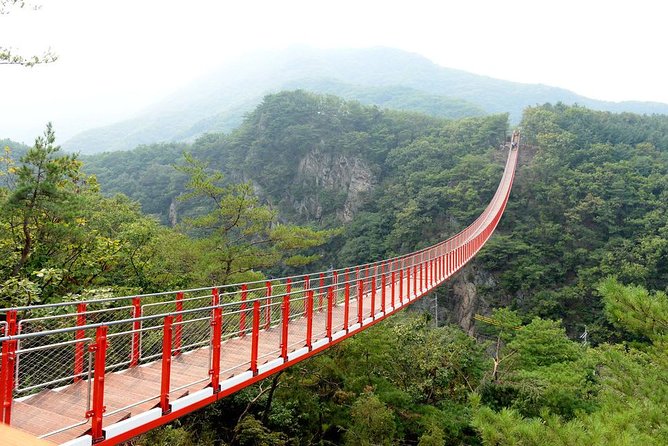
- Gamaksan Chulleong Suspension Bridge (walking + views)
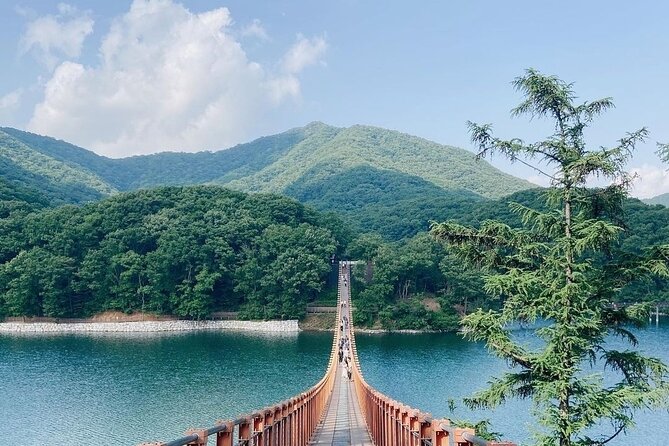
- Lake Majang Bridge (war memorial meaning)
- Imjin River boat riding adventure (calmer pace)
- How the guided storytelling makes the day: Julie, Jay, Simba, Charles, Eddie, Lucy, and Paul
- Comfort and what to pack: small choices that save your day
- Who this tour suits best (and who should think twice)
- Should you book this DMZ Tour from Seoul?
Key highlights worth your time
- Third Tunnel (walking course) with strict rules and a short, intense descent/ascent
- Dora Observatory views that frame what you can see toward North Korea’s territory
- Flexible add-ons: Gamaksan Chulleong Suspension Bridge, Lake Majang Bridge, or an Imjin River boat ride
- Unification Village (Tongilchon-gil) for a rare look at civilian life near the DMZ
- Bridge of Freedom and Mangbaedan Altar to set the political and war context early
- Licensed guide + no forced shopping stops plus a manageable group size (up to 43)
Price and time: what $35 buys you (and what it doesn’t)
This tour is priced at $35 per person, and the value is in what’s bundled. You get round-trip transfers from Seoul, a licensed guide, and DMZ admission fees are included in all options. For many first-time visitors, that alone can make the day feel simpler than trying to piece together transport and entry rules on your own.
The tradeoff is time. Expect roughly 6 to 9 hours, and you’ll be moving between several controlled, timed stops. Lunch is not included, so I’d plan to either bring snacks for the gaps or budget for your own meal outside the tour package.
You can also read our reviews of more tours and experiences in Seoul.
Getting to the DMZ: meeting points, ID checks, and a “plan for changes” mindset
The tour starts with you making your own way to one of the three designated meeting points in Seoul. From there, you ride in a private, air-conditioned bus with round-trip transfer service. For groups of 10+, free hotel pick-up is included, which can be a big win if you’re traveling with friends or family.
You’ll also deal with an ID check before entering the DMZ area. This is a secure zone, so bring your current passport and keep it ready. One more reality check: the tour notes that the schedule may change due to military training schedules, traffic, and weather, so keep your day flexible and don’t stack anything tight right after your return.
Stop 1: Bridge of Freedom and Mangbaedan Altar—start with the story, not just the sights
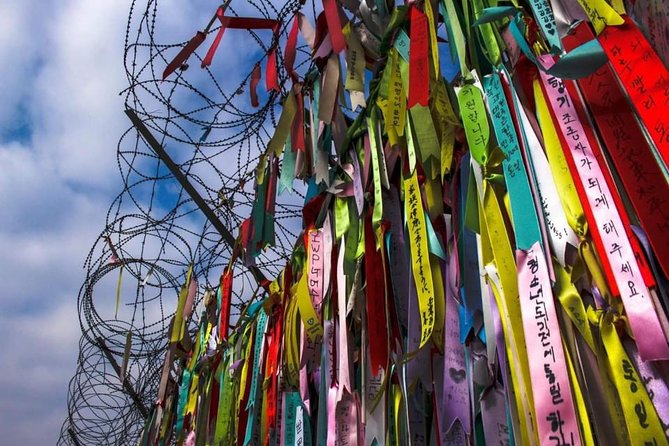
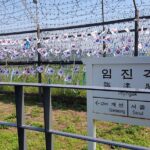
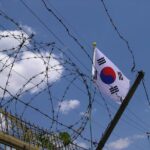
Early on, the day begins with historical grounding. You’ll look at the Bridge of Freedom and the Mangbaedan Altar, with both connected to the Korean War narrative. The timing here is short (about 20 minutes), but it matters because it frames what you’ll see later at Dora Observatory and inside the tunnel area.
This is the part where your guide’s commentary helps most. If you tune in here, the rest of the itinerary makes more sense, especially the tunnel and the way the DMZ is presented as both a physical barrier and a political message.
Stop 2: The Third Tunnel—why this is the main event (and what can make it tough)
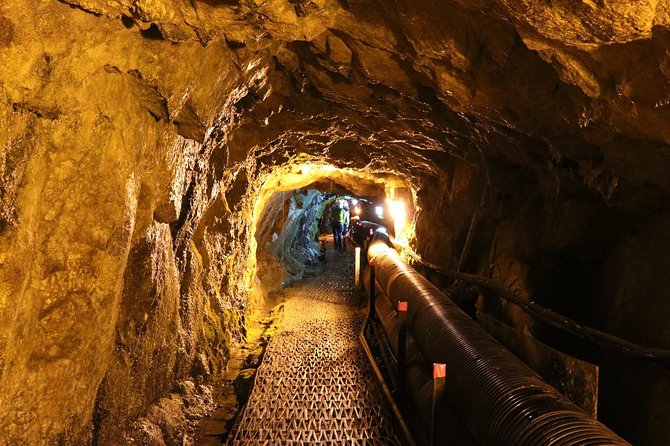
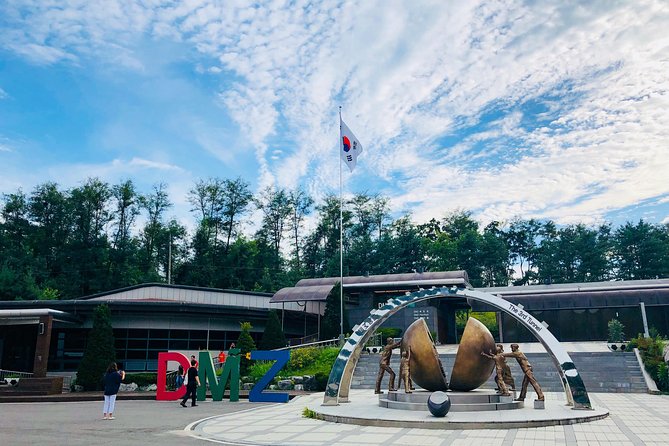
The centerpiece is the Third Invasion Tunnel, described as a walking course into the tunnel. The walk is thrilling in the way it makes history feel physical, but it’s also not a casual stroll.
What I’d take seriously is the basic constraint: the tour info lists the tunnel as close to 1.95 meters high and 2.1 meters wide. That means you should expect a cramped, head-height experience. One of the most practical tips is to wear shoes with solid grip, because you’ll be moving along a controlled, steep path with a lot of steps.
A few more “go in prepared” notes:
- The tour gives 40 minutes for this stop, but most of that time goes to moving and waiting under rules.
- The experience can be hot and tiring underground, and the steep climb back out is the hardest part for many people.
- If you’re taller or worried about hitting your head, I’d seriously consider whether you want to trade comfort for the tunnel moment.
Stop 3: Dora Observatory—seeing North Korea’s territory from a controlled vantage
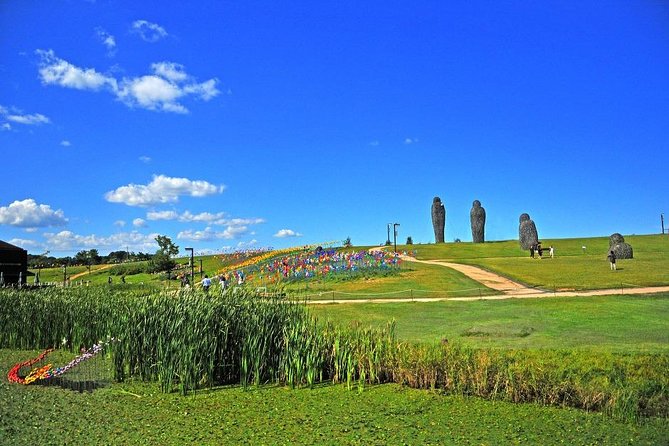
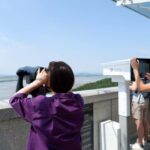
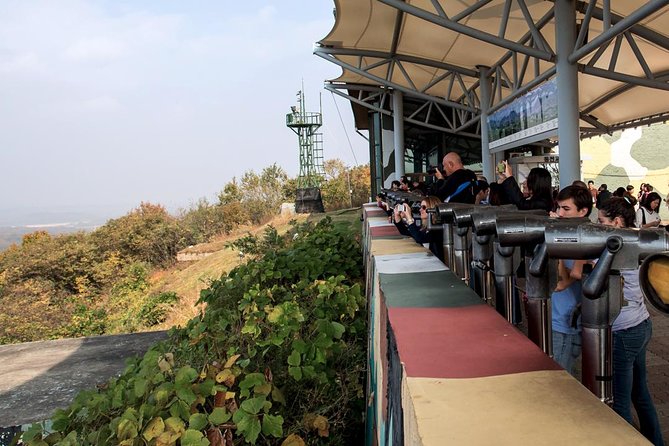
Next comes Dora Observatory (about 40 minutes). This is described as the northern-most point of the western front, and the big idea is panoramic views—specifically toward things like the Gaeseong Industrial Complex and Songhaksan Mountain.
Even if the view itself depends on weather and conditions that day, the value here is the framing. A DMZ tour is partly about geography and lines on maps; Dora is where those lines turn into a real visual direction. It’s a stop that helps you understand why people talk about the DMZ as something between “place” and “message.”


Stop 4: Tongilchon-gil (Unification Village)—a look at civilians under rules
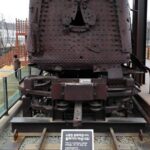
You’ll then visit Tongilchon-gil, also called Unification Village (about 20 minutes). This is a farming community near the DMZ where civilians live under special regulations.
For me, this is an important counterpoint to the heavy military stops. The tunnel and observatory deal in force and strategy. Tongilchon-gil is about daily life, how people adapt when they live close to a tense boundary. If you like human-scale details—what people do and how they live—you’ll probably enjoy this section more than the “big-ticket” locations.
Stop 5 to 7: your choice—Gamaksan bridge, Lake Majang bridge, or an Imjin River boat ride
This tour’s smartest feature is that it lets you pick your ending energy. Depending on the option you choose, you’ll add one of these:
Gamaksan Chulleong Suspension Bridge (walking + views)
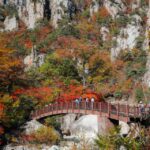
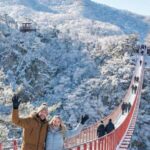
The Gamaksan Chulleong Suspension Bridge option includes a short hike—about 15 minutes walking up—to reach it. The bridge itself is listed as around 150 meters long, and it’s presented as historically significant.
Expect a little effort for the reward. If you’re comfortable with uphill walking and want a scenic, physical finish, this is the option I’d choose.
Lake Majang Bridge (war memorial meaning)
The Lake Majang Bridge option focuses more on history than hiking. The tour describes it as a place where allied forces fought battles during the Korean War, noting the sacrifices connected to the area. The time given is about 1 hour, which gives you enough room for walking around and taking it in.
If you want the bridge experience without building your day around a stronger hike, this is a good fit.
Imjin River boat riding adventure (calmer pace)
If you choose the Imjin River boat ride, you’ll spend about 40 minutes on the water. The tour info says the river flows from North Korea to South Korea, and it was forbidden to access for about 50 years after the Korean War.
This option changes the tone of the day. It’s less “wartime infrastructure” and more “moving through the border region in a peaceful way.” If your legs are tired from earlier stops, the boat can feel like a reset.
How the guided storytelling makes the day: Julie, Jay, Simba, Charles, Eddie, Lucy, and Paul
A DMZ tour can go one of two ways: either you leave with photos and dates, or you leave with meaning. This tour is designed for the second, and the standout theme from the guide names you’ll see is clarity plus energy.
Guides such as Julie, Jay, Simba, Charles, Eddie, Lucy, and Paul are repeatedly praised for a few consistent strengths:
- They keep the day organized and efficient, so you’re not just waiting around.
- They answer questions in a way that makes the complex Korean War context feel understandable.
- Many bring humor—sometimes described as dry or playful—which helps when the subject matter is heavy.
- There’s also practical safety guidance, including reminders about when photography is okay due to security rules.
That matters because the DMZ is tightly controlled. A guide who explains the “why” behind the rules helps you feel like the day is coherent instead of just restrictive.
Comfort and what to pack: small choices that save your day
This is a long day with walking, climbing, and time in exposed conditions. I’d pack for the extremes:
- Passport kept accessible for the ID check.
- Comfy shoes with grip (you’ll be doing more walking than it sounds like).
- Layers, because weather can change the feel of the day and the tunnel can feel warmer than you expect.
- A simple habit: bring a small power bank or fully charged phone, because you’ll want to capture the key viewing moments even with restrictions.
Also, take the tunnel seriously as a physical experience. Even if you’re not claustrophobic, the tight dimensions and steep climb back are enough that good footwear and a calm pace make a difference.
Who this tour suits best (and who should think twice)
This DMZ tour fits best if you want:
- A guided experience with stops tied to war and partition context
- A flexible finish (bridge walk or boat ride)
- A day that includes both heavy sites (Third Tunnel, Dora) and a more human stop (Tongilchon-gil)
You might think twice if you:
- Have health concerns or mobility limits (the tour notes it’s not recommended for those with health issues)
- Struggle with steep walking, because the tunnel experience has a tough climb back
- Prefer slower, unstructured sightseeing—this is timed and rule-based, by nature
Should you book this DMZ Tour from Seoul?
If it’s your first DMZ visit and you want a one-day mix of the major sites plus the option to tailor the ending, I’d book this. The $35 price feels reasonable because DMZ admission and transfers are included, and you get a guided structure that keeps the day meaningful.
If you hate physical challenges, you may decide to skip the tunnel portion or choose a version that keeps walking lighter—but the tour’s core attraction is the Third Tunnel, so be honest about your comfort level.
Bottom line: for most people, this is a smart, efficient way to experience the DMZ from Seoul without spending your day wrestling with tickets and timing.