REVIEW · SEOUL
Downtown Seoul Guided Food & Market Tour with 8+ Local Tastings
Book on Viator →Operated by Secret Food Tours · Bookable on Viator
Seoul tastes better with a guide. In about 3 hours, you’ll connect palace sights and market scenes with 8+ local tastings plus lunch, all paced for a small group of up to 12. It’s the kind of route that helps you understand what you’re eating instead of just collecting snacks.
I especially like two things: the way the stops set context (Gyeongbokgung Palace and Bukchon Hanok Village help you read Seoul’s food culture), and the food lineup itself. You’ll get tastes like mung bean pancake with sweet onions, mandu and tteokbokki (slightly spicy), kimbap, and a tea-and-snack finish at a hidden teahouse in Insadong.
One thing to think about first: this is a balanced tour, not a meat-and-grill marathon. If you want tons of BBQ or heavy savory variety every stop, the schedule can feel more sweet-focused than you’d expect, and there’s also some walking on market floors—wear comfortable walking shoes.
In This Review
- Key Things I’d Bookmark Before You Go
- Why This Seoul Food Tour Works in About 3 Hours
- Getting Oriented: Jong-ro Start, Insadong Teahouse Finish
- N Seoul Tower Stop: City Views With a City-Eats Mindset
- Gyeongbokgung Palace Pairing: Royals First, Then Street Food
- Bukchon Hanok Village: Old Neighborhood Rules for What You Taste
- Namdaemun Market: Where “What Do We Order” Stops Being a Problem
- Jongno Royal-Palace Park: A Breather Before the Final Bites
- What You’ll Actually Eat: 8+ Tastings You Can Recreate at Home
- Guides Who Explain the Food, Not Just Sell the Order
- The One Potential Catch: If You Want BBQ Every Stop
- Who This Tour Is Best For (and Who Should Skip)
- Should You Book This Seoul Guided Food and Market Tour?
- FAQ
- How long is the Downtown Seoul Guided Food & Market Tour?
- What is the price per person?
- How many tastings are included?
- How big is the group?
- Where does the tour start?
- Where does the tour end?
- Is hotel pickup included?
- Is the tour near public transportation?
- Can dietary restrictions be accommodated?
- Are pets allowed on the tour?
Key Things I’d Bookmark Before You Go
- 8+ tastings with lunch included: You’ll leave satisfied, not just nibbling.
- Small group size (max 12): More chances to ask questions and keep the pace comfortable.
- Landmarks + off-the-tourist-track streets: You see Seoul’s “why” while you eat the “what.”
- Market skills matter: You learn what to try so you don’t get stuck staring at menus.
- End in Insadong at a teahouse: A calm finish near Anguk Station.
- Guides like Alex, Jae, Youla, and Ji Yoon: Many groups highlight clear English and food stories that connect to Korean life.
Why This Seoul Food Tour Works in About 3 Hours
A half-day tour is perfect for Seoul because you get momentum fast. You’re not wasting a day figuring out where to start; you’re walking through key neighborhoods while someone helps you make smart food choices.
At $98 per person, the value comes from two places. First, you get 8+ tastings plus lunch, so you’re not paying extra at each stop. Second, you also get the guide-led experience: route planning, timing, and cultural context tied to the sights you pass.
This tour is also built for real travel rhythm. There’s no hotel pickup, so you’ll start from a central meeting point in Jongno. You’ll be on foot for a few hours, but it’s designed as a manageable loop rather than a hike.
You can also read our reviews of more tours and experiences in Seoul.
Getting Oriented: Jong-ro Start, Insadong Teahouse Finish
You meet at 214 Jong-ro, Jongno District. That’s an area where it’s easy to get oriented quickly, and it helps if you’re starting your first day in Seoul. The tour ends in Insadong at a hidden teahouse, about 100 meters from Anguk Station (Line 3).
This end point is practical. Insadong is a nice place to keep exploring after the tour, and the short walk from Anguk Station means you can head back to your hotel without guesswork. If you plan dinner later, you’ll also come away with specific restaurant and street-food ideas to look for again.
One detail I like: the tour uses a mobile ticket, which cuts down on last-minute scrambling.
N Seoul Tower Stop: City Views With a City-Eats Mindset
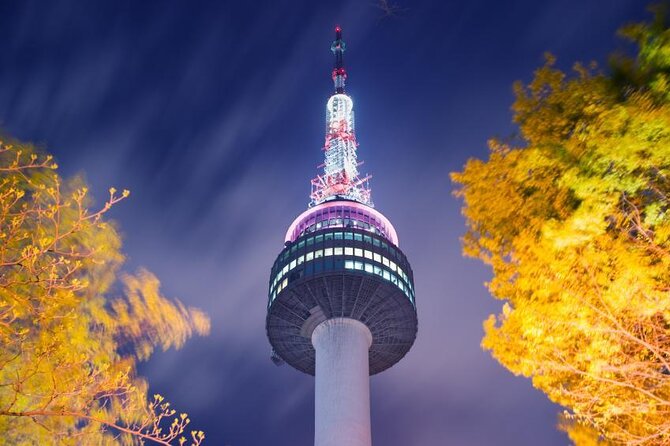
Your route begins with a stop at N Seoul Tower (officially the YTN Seoul Tower), on Namsan Mountain in central Seoul. Even if you’re not doing a full climb to the top, the view adds perspective. Seoul is huge, and a high vantage point helps you understand how neighborhoods relate.
Why this matters for a food tour: food culture isn’t separate from geography. When you see the city layout, it’s easier to place places like Jongno and Insadong in your head. You start the tour thinking like a local—where you go next depends on how that area functions.
You might also find this stop helps you shake off jet lag. Looking out across Seoul gives your eyes a break from crowded streets before you start eating.
Gyeongbokgung Palace Pairing: Royals First, Then Street Food
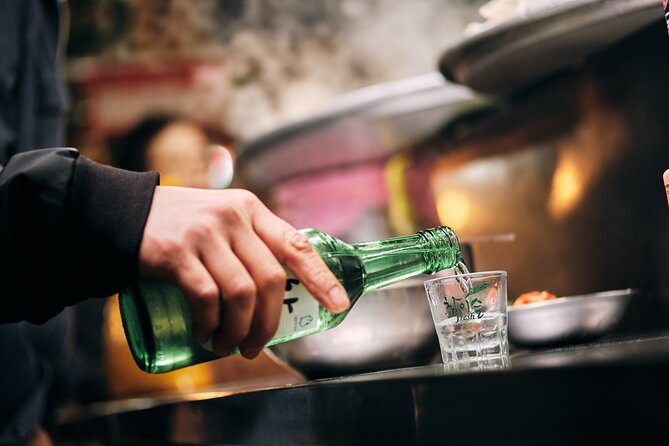
Next comes the heart of Joseon-era Seoul. You’ll pass and stop at parts of Gyeongbokgung Palace—including the main palace and the palace’s main and largest gate in Jongno-gu.
This isn’t a random history stop stuffed into a food tour. It works because palace grounds help explain how Korean public life developed around tradition, ceremony, and food. Even a basic sense of the palace era changes how you read ingredients and everyday meals later in the tour.
A practical heads-up: palace areas can mean more walking than you expect, especially if you choose extra photos. Plan to stay comfortable with your pace. This is one of those tours where good shoes pay off twice—once for the market later, and once for the palace timing.
Bukchon Hanok Village: Old Neighborhood Rules for What You Taste
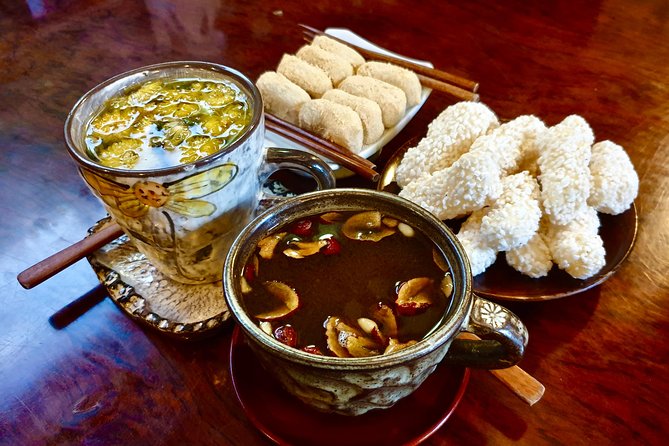
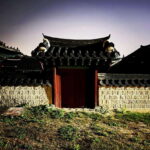
After the big palace sights, you move toward Bukchon Hanok Village, described as a traditional village on a hill between Gyeongbok Palace, Changdeok Palace, and Jongmyo Royal Shrine.
Bukchon is a useful bridge between formal Seoul (palaces) and daily Seoul (neighborhood streets). The hanok setting helps you understand why food habits feel both traditional and highly local here. It’s not just about “Korean food.” It’s about how neighborhoods shape flavors, access, and daily routines.
For you, this stop can also be calming. Markets can overwhelm your senses. Bukchon gives you a short visual reset before the food intensity ramps up.

Namdaemun Market: Where “What Do We Order” Stops Being a Problem
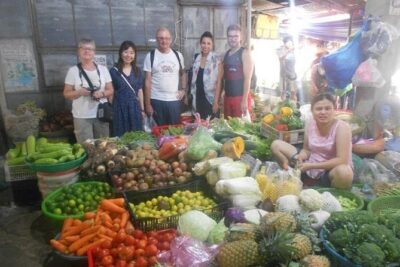
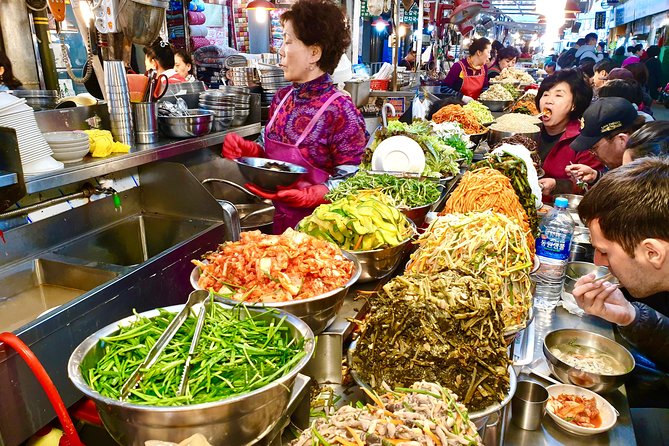
The most hands-on part of the experience is the traditional market stop, located next to Namdaemun (the Great South Gate). You’ll be at one of the oldest and largest markets in Korea.
This is where the tour earns its keep. Market eating looks simple—until you’re standing in front of rows of stalls and everything smells right. A guide helps you avoid the common mistake: choosing food that looks good but isn’t best for a first bite.
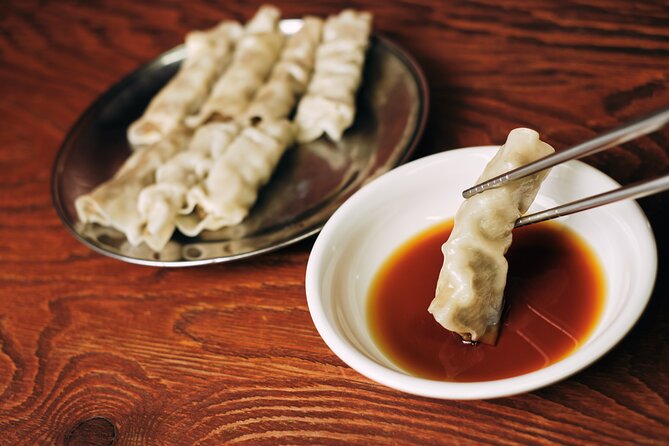
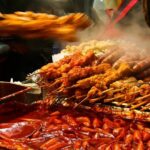
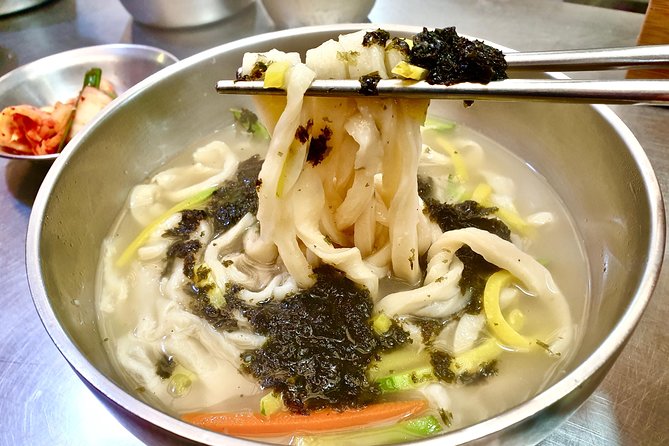
On this tour, you’ll see tastings that fit the market style, like mandu (Korean dumplings) and tteokbokki (slightly spicy), plus savory bites such as minced fish fillets paired with a bit of fish soup. You’ll also get freshly prepared kimbap.
Practical tip from the pattern of feedback: don’t fill up too early. I’d treat the first stalls as “warm-up,” not the finish line. The tour has enough tasting planned that you’ll want room for later stops.
Jongno Royal-Palace Park: A Breather Before the Final Bites
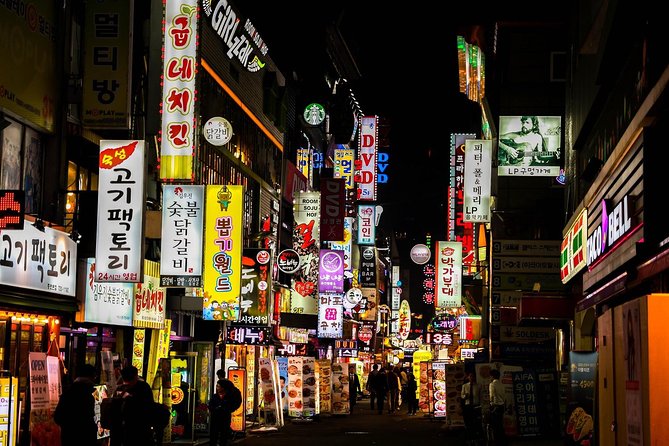
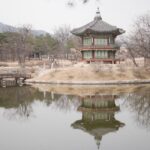
One of your itinerary stops is a palace area set within a large park in Jongno-gu—one of the Five Grand Palaces built by Joseon kings.
Think of this as your digestion checkpoint. You’ve been eating and walking, and then you get a more open setting before the last part of the tour. That matters because markets can be dense, and a pause helps you reset your energy for the final tea-house meal.
This stop also keeps the “food with context” idea alive. You’re not only eating snacks; you’re moving through Seoul’s layers: royal, residential, and everyday street life.
What You’ll Actually Eat: 8+ Tastings You Can Recreate at Home
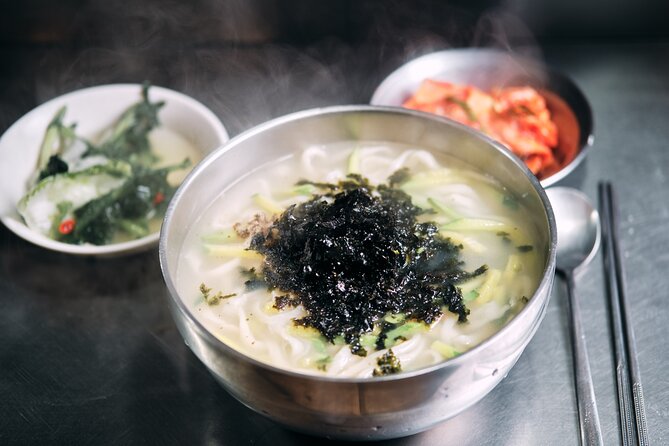
The lineup is one of the most praised parts of the tour. Even when guides differ by group, the core items are listed and consistently snackable—enough variety to try new things without committing to a full meal at each stall.
Here’s what’s included:
- Nukdujan mung bean pancake paired with sweet onions
This is a great first sweet-and-savory entry. The sweet onions give it a gentle edge, not just plain dessert vibes.
- Mandu (Korean dumplings) and tteokbokki (slightly spicy)
Dumplings are comfort food, and tteokbokki helps you understand Korea’s snack culture. The “slightly spicy” level is a good middle—noticeable, not punishing.
- Minced fish fillets paired with a bit of fish soup
This is a smart choice if you want seafood flavor without a heavy seafood meal. It also helps balance out the dumplings and rice-based snacks.
- Freshly prepared kimbap and sweet & salty cream bread
Kimbap is the practical, everyday kind of Korean food—easy to recognize as “real life.” The cream bread adds a dessert-like counterpoint.
- Korean honey snack: grilled rice cake with traditional tea
This part is where the tour turns slower and calmer. The tea pairing is meant to cool down your palate and carry the flavors instead of fighting them.
- A Secret Dish
This is the wildcard. It’s one reason it feels more fun than a fixed checklist: you won’t know exactly what it is until you’re there.
And yes, lunch is included in the overall experience. That’s a big deal for value, because many food tours only do small nibbles. Here, you’re not budgeting extra meals the same day.
Guides Who Explain the Food, Not Just Sell the Order
A big theme in feedback is that the guide makes the experience easier and more meaningful. People often mention guides who were patient and organized, and who explained both the names and the history behind dishes.
You’ll see this style in the examples shared by past groups. Names that came up include Alex, Jae, JaeSun, Youla, and Ji Yoon. The common thread: you’re not only told what to eat—you’re given enough context to remember it.
For you, that means two things:
1) You’ll know what you liked and why, so ordering later feels confident.
2) You’ll get better at reading Korean food choices in markets, where the most important skill is picking the right moment and the right stall.
One more practical plus: guides tend to offer travel tips at the end, which can help you turn the last hour of your day into something extra.
The One Potential Catch: If You Want BBQ Every Stop
Here’s the honest consideration. This is a mixed tour designed to balance traditional street snacks, savory bites, and sweet snacks. That’s great for most people, but it may not match your expectations if you’re chasing a meat-heavy, grilling-focused route.
If you’re hoping for BBQ chicken and lots of pickled sides in every segment, you might find the tour leaning more toward sweets and lighter bites than you expected. Also, because the tour balances a set set of included items, it’s not built to swap in a totally different menu on the fly.
If you have dietary restrictions, the important rule is simple: you may not be able to get every dish adjusted. The tour says some dietary needs can be hard to accommodate, so it’s worth contacting before booking. That said, one shared experience mentioned the tour worked well for a vegetarian in the group, so it’s not impossible—just not guaranteed.
Who This Tour Is Best For (and Who Should Skip)
This tour is a strong fit if you:
- want Korean food plus real neighborhood context in a short time
- like markets but don’t want to figure out ordering alone
- enjoy learning the meaning behind dishes, not just eating them
- prefer a small group pace (max 12) over a big bus-style crowd
It’s also a great choice if it’s your first day in Seoul. A food-and-sight loop helps you build mental maps fast: Jongno, Namdaemun, Bukchon, and Insadong all connect in your head.
You might consider a different option if you:
- only want your food tour to focus on one category, like BBQ
- hate walking enough that palace and market stops would wear you down
- need very specific dietary accommodations and can’t risk limited options
Should You Book This Seoul Guided Food and Market Tour?
If you want a Seoul intro that feels both practical and story-driven, I’d book this. The biggest reasons are straightforward: 8+ tastings, lunch included, a small group size, and a route that uses famous landmarks (Gyeongbokgung, Bukchon, N Seoul Tower) to make the food culture easier to understand.
The main “maybe” is the style. This is balanced and includes sweet elements, so it’s not a pure savory binge. As long as that sounds like your kind of fun, you’re likely to leave full, with a better sense of what to order next on your own.
If you’re planning a short visit and you want one day that gives you both food and bearings, this is a smart use of time.
FAQ
How long is the Downtown Seoul Guided Food & Market Tour?
It lasts about 3 hours.
What is the price per person?
The price is $98.00 per person.
How many tastings are included?
The tour includes 8+ local tastings, plus lunch.
How big is the group?
The tour has a maximum of 12 travelers.
Where does the tour start?
The start location is 214 Jong-ro, Jongno District, Seoul, South Korea.
Where does the tour end?
It ends in Insadong, at a hidden teahouse about 100 meters from Anguk Station (Line 3).
Is hotel pickup included?
No. Hotel pickup/drop-off is not included.
Is the tour near public transportation?
Yes, it’s described as near public transportation.
Can dietary restrictions be accommodated?
The tour notes that many food experiences may not be able to accommodate certain dietary restrictions, so it’s best to contact prior to booking to ask what can be arranged.
Are pets allowed on the tour?
No, the tour says it can’t accommodate pets.
If you want, tell me your travel dates and whether you have any dietary limits (vegetarian, allergies, halal, etc.), and I’ll help you sanity-check whether this tour style fits your appetite and schedule.