REVIEW · SEOUL
Seoul: Gangnam Tour on Youth and Society in South Korea
Book on GetYourGuide →Operated by 서울놈 SeoulDude · Bookable on GetYourGuide
Gangnam tells the truth in neon. This 150-minute Seoul walking tour uses the glitz of Gangnam as your classroom, then connects it to how Korean youth deal with crushing pressure. You meet your local historian at Gangnam Station, trace the same streets lined with luxury ads and beauty clinic signs, and end near the Han River with a very different perspective on what you’re seeing.
I especially love how the guide links small, everyday sights to big social issues. You’ll get sharp context around plastic surgery trends and beauty standards, and you’ll also hear it through the storytelling style of guides like Jessica and Jun, who can explain both Korean culture and the Western lens many visitors bring. The second thing I like is the pacing: there’s a lot of walking through the neighborhood, but you also get a calmer sit-down moment to ask questions as you wrap up.
One consideration: it’s a walking tour, and it’s not listed as suitable for people over 70 or for travelers with mobility impairments. If you’re sensitive to steps or long stretches on foot, plan for that up front, and remember you’ll need cash (the tour notes it) and you can’t record audio.
In This Review
- Key things to know before you go
- Why Gangnam Is the Perfect Setting for Youth and Society
- Price and Time: What $33 Buys (and Why It Can Be Worth It)
- The Route: From Gangnam Station to Streets That Tell on Society
- Beauty Clinics and the Plastic Surgery Boom: What You’ll Actually Understand
- Education Pressure and Family Expectations That Shape Everyday Life
- Mental Health, Suicide Rates, and Low Birth Rate: The Hard Context
- A Calmer Ending at the Han River (and Time to Ask Questions)
- Practical Tips: How to Prepare So This Tour Hits Hard (In a Good Way)
- Who This Tour Is Best For (and Who Should Skip It)
- Should You Book This Gangnam Youth and Society Tour?
- FAQ
- Where do I meet the guide?
- How long is the tour?
- Is the tour offered in English?
- How much does it cost?
- What’s included in the tour price?
- What costs are not included?
- What should I bring, and what’s not allowed?
- Is the tour suitable for seniors or people with mobility impairments?
- Is there free cancellation?
Key things to know before you go
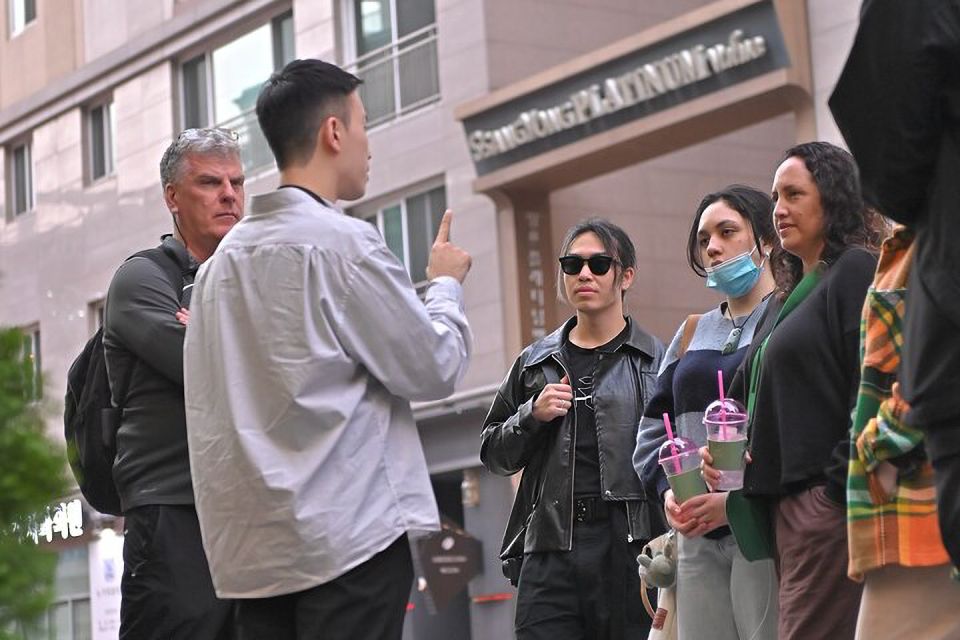
- Meet at Gangnam Station (Exit 11): start right in the middle of the neighborhood that drives pop-culture and consumer culture.
- High-rise streets plus pointed commentary: luxury storefront energy becomes a lesson about social pressure.
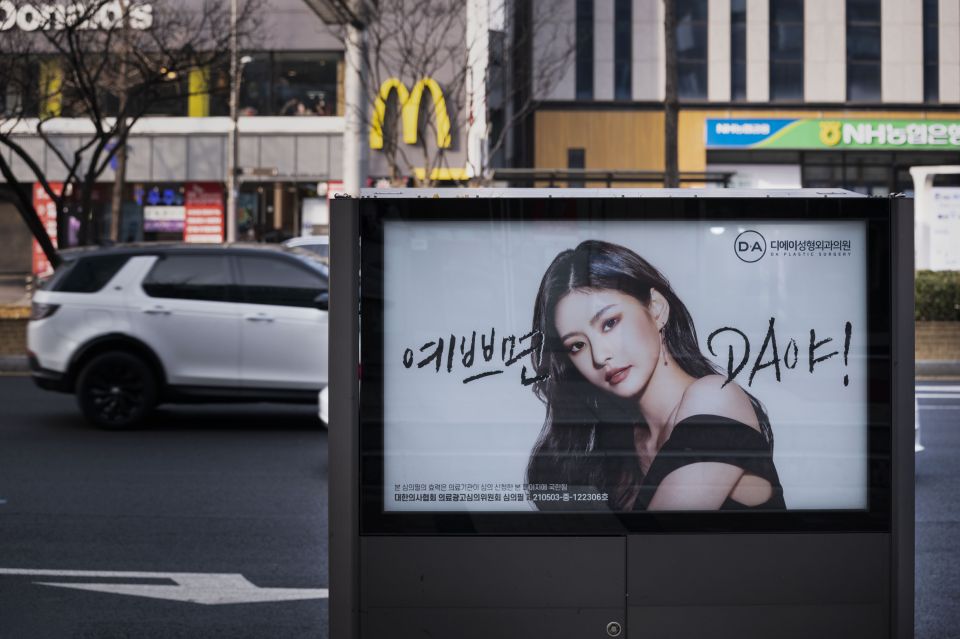
- Plastic surgery and beauty standards are explained in plain language: not just what’s advertised, but what it signals.
- Education pressure, mental health, and demographic stress show up in the story: suicide rates, low birth rate, and the education focus are part of the framework.
- A more relaxed ending near the Han River: the tour finishes in a way that gives your brain room to process.
- Seasonal comfort help is included: handsfree fan in summer or hot packs in winter.
Why Gangnam Is the Perfect Setting for Youth and Society
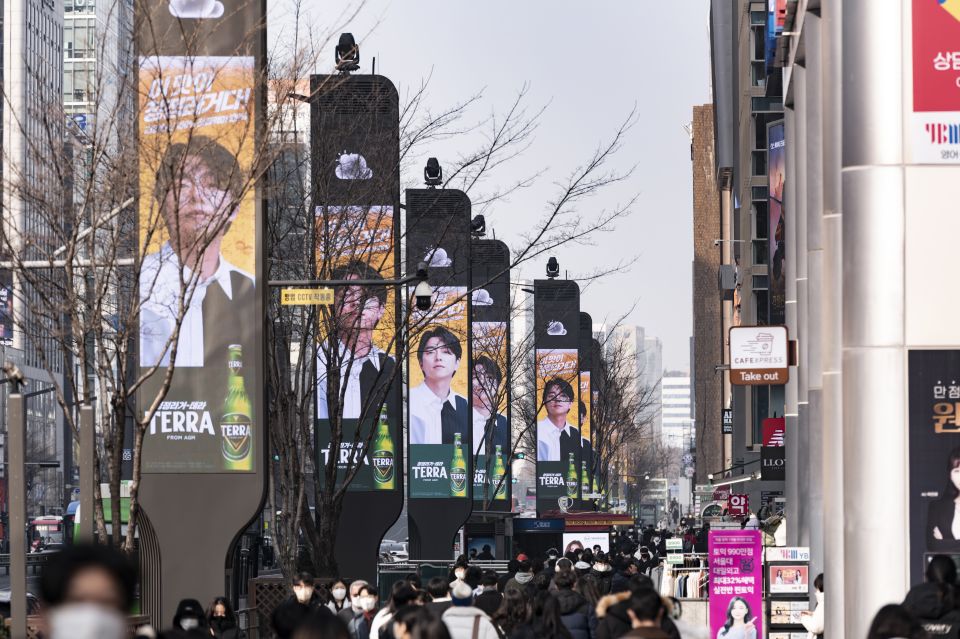
Gangnam is the shortcut to understanding modern Korea because it’s visible. You can literally stand in front of the messaging: beauty products, luxury brands, and plastic surgery clinics. The point of the tour is not to make you judge a neighborhood; it’s to show how everyday advertising reflects deeper expectations people live under.
What makes this experience useful is how it connects three things that often get separated in pop-culture: youth pressure, social rules, and the country’s economic and international rise. Korea’s global popularity is real, but so are the internal costs that come with being judged for performance, appearance, and success. Gangnam becomes the place where those pressures are easiest to read because the neighborhood sells confidence while hinting at anxiety.
You’ll also get a guided way of thinking that’s more helpful than just staring at billboards. A good local historian doesn’t treat topics like suicide rates, low birth rate, and education intensity as headlines. They explain how these themes link back to daily life—especially for young people trying to meet strict expectations.
You can also read our reviews of more tours and experiences in Seoul.



Price and Time: What $33 Buys (and Why It Can Be Worth It)
At $33 per person for 150 minutes, this sits in the “good value” range for a walking tour with a local historian guide. The duration matters here. A short 60-minute tour often skips the hard context and just skims the surface. This one gives time to move through Gangnam while building a coherent story—beauty standards are discussed alongside education pressure, and mental health context is tied back to social systems.
What you get included is straightforward: a local historian guide, the Gangnam walking tour, and seasonal extras (handsfree fan in summer or hot packs in winter). Those small comfort items are more than cute. In Seoul’s extremes—hot humidity or cold winter days—your focus stays on the lesson instead of the discomfort.
What’s not included is also clear. There’s a transportation fee of 2000 KRW, and an optional Korean food session is listed separately. If you’re the type who likes to build a full day plan, you’ll want to budget that extra 2000 KRW plus any snack time you decide to add.
The Route: From Gangnam Station to Streets That Tell on Society
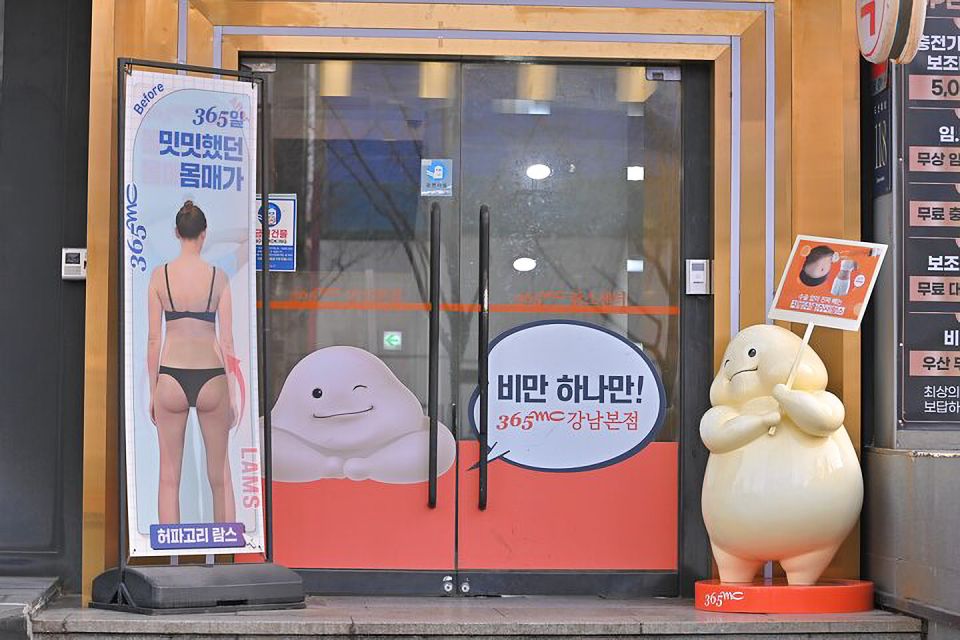
The tour starts at Gangnam Station, Exit 11, which is convenient if you’re already exploring by subway. Right away, you’re in the mix: high-rise buildings, busy streets, and wall-to-wall advertising that targets appearance and aspiration. This is where the tour gets its “Aha” effect. You don’t just see the surface; your guide points out what those visuals are doing socially.
As you walk between towering office and apartment zones, you’ll get context for why luxury and beauty messaging are so loud in this part of Seoul. Gangnam is often associated with success. Your guide uses that association to ask a tougher question: success for whom, and at what price?
Expect the tour to include discussion-heavy moments while you’re still moving. That matters because some themes—education pressure, marriage expectations, career performance—aren’t easy to absorb if they’re only talked about at the end. By layering the explanation onto what you’re looking at, you’re less likely to miss the connections.
The tour also ends near the Han River, which helps you reset. After the emotional weight of the topics, you’ll appreciate finishing in a place that feels like a breath of air instead of another block of ads.
Beauty Clinics and the Plastic Surgery Boom: What You’ll Actually Understand
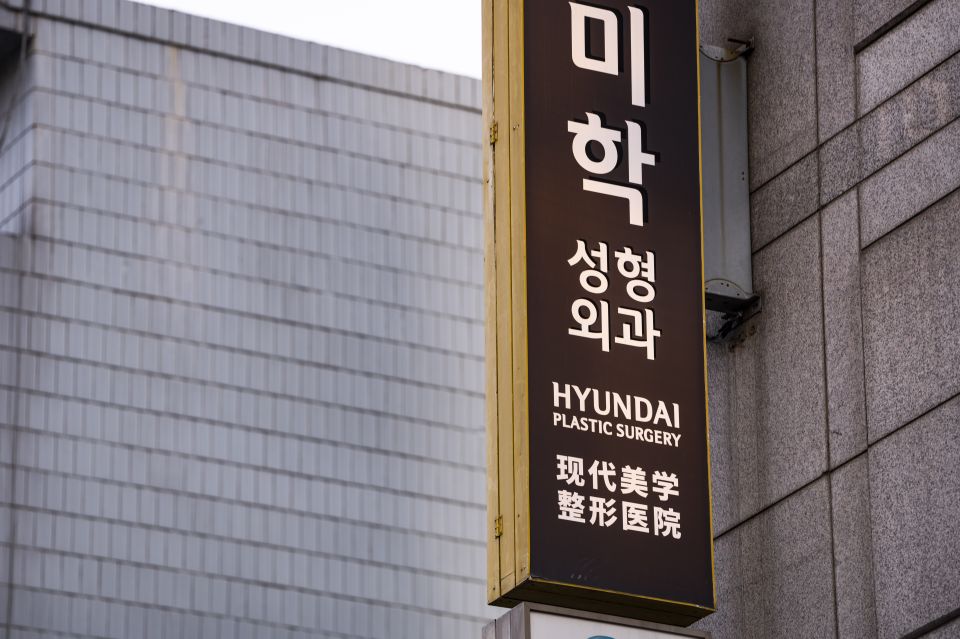
Gangnam makes beauty standards hard to ignore because the ads don’t whisper. They push. On this tour, you’ll learn why that constant presence is more than marketing. Your guide shows how the “ideal look” becomes a social tool—one people feel pressure to match, even if they privately wonder what it costs emotionally and financially.
You’ll specifically cover the plastic surgery boom and the broader Korean beauty standards. The goal isn’t to sensationalize the topic. It’s to explain the logic behind it: why appearance can turn into a marker for opportunity, confidence, and social fit, especially for young people navigating competitive environments.
A useful part here is the way the guide frames what you’re seeing. You’ll learn to read the signs like data, not just like storefronts. That changes how you experience Seoul after the tour too. Instead of thinking, I see a clinic, you start thinking, What does this pressure system reward?
Education Pressure and Family Expectations That Shape Everyday Life
One of the strongest themes in this tour is education. Korea’s intense focus on schooling isn’t presented as a vague cultural stereotype. You’ll learn how education becomes a high-stakes pathway—and how that pressure lands on parents and children at the same time.
As you move through Gangnam, your guide connects the education theme to the other systems you’ll notice in the neighborhood: career ambition, social status, and the idea that effort alone might not be enough if you don’t measure up. In other words, it’s not just studying. It’s studying under scrutiny, with outcomes that shape your future.
From the experience perspective, this section feels practical. You’ll walk away with a clearer idea of why so many young people describe life as rigid and demanding. You’ll also understand why people may chase external proof of success—grades, credentials, and yes, appearance—because those are the signals the system seems to reward.
And you’ll get more than facts. The guides referenced in bookings—like Jessica—are praised for telling stories and answering questions, which helps this topic feel human rather than academic.






Mental Health, Suicide Rates, and Low Birth Rate: The Hard Context
This tour doesn’t dodge the dark side of Korean society. You’ll learn about suicide rates and the low birth rate, and you’ll hear them discussed alongside the wider pressures you’ve already been learning about—education, appearance, job expectations, and social rules.
It’s worth saying this clearly: this is not fear-mongering. The tour frames these issues as signals of system strain. If a country is doing well economically and showing up globally in pop culture, why do young people feel trapped? That tension is part of the lesson.
Your guide also tackles the idea of why Korea can be described as one of the unhappiest places in the world. The important part for you is how the tour links unhappiness to daily structures, not just to individual moods. When you understand that, you’ll stop treating cultural differences like curiosities and start seeing them as consequences.
If you’re sensitive to heavy topics, go in with your expectations set. This tour is thoughtful about the subject matter, but it still asks you to hold uncomfortable truths while walking through a glamorous district.
A Calmer Ending at the Han River (and Time to Ask Questions)
Finishing near the Han River is a smart choice. After a walking stretch packed with intense themes, the river environment gives you a moment of quiet perspective. You’re not trapped in the middle of the advertising machine anymore.
You’ll also get a sit-down portion for Q&A. In the tour experience notes, there’s mention of a roughly 30-minute conversation time where you can ask questions and get direct answers. That helps you connect the dots—especially if you’re bringing concerns about mental health topics, gender and family expectations, or how youth pressure works in real life.
This question time is also where the best guides shine. Jessica and Jun are repeatedly praised for clarity, humor, and responsiveness. Even when they can’t answer something perfectly, the vibe is professional and engaged, not vague.
If you want to take something home beyond Seoul photos, don’t skip the questions. Ask the ones you can’t Google: how do families really handle education pressure, how do appearance expectations show up socially, and why do people stay in Korea even when it’s hard?
Practical Tips: How to Prepare So This Tour Hits Hard (In a Good Way)
A few details make your experience smoother. First: bring cash. The tour notes cash as what you should have on hand. Second: audio recording isn’t allowed, so plan to take notes instead.
Wear shoes you can trust. You’ll be walking through streets, and there may be steps involved when moving between transit points and stops. That’s normal for Seoul, but it matters if you’re carrying a heavy bag or you’re prone to sore feet.
Weather prep is built in. In summer season, you get a portable handsfree fan. In winter season, you get hot packs. Still, I’d treat the included comfort items as a bonus, not a replacement for your own plan. If it’s humid, bring water and take breaks when you can.
Lastly, manage expectations about meals. There’s an optional Korean food session, but it’s not included. If you want a full day plan, think of this tour as the story-and-context block, then build dinner afterward based on what you learned.
Who This Tour Is Best For (and Who Should Skip It)
You’ll enjoy this tour most if you want a Seoul experience with context. It’s ideal for first-time visitors who feel overwhelmed by the surface level of K-pop and shopping and want to understand what shapes daily life for Korean youth.
It also fits well if you like walking tours that teach you how to read a city. Instead of just pointing out sights, the guide trains your eyes on what the neighborhood is communicating.
If your travel style is mostly light entertainment and you’re not up for heavy topics, you might find this a tougher match. Also, it isn’t listed as suitable for people over 70 or for travelers with mobility impairments, so keep that in mind.
Should You Book This Gangnam Youth and Society Tour?
I think it’s a smart booking if you’re in Seoul for more than a couple days and you want more than the standard highlights. At $33 for 150 minutes with a local historian, you get time, context, and enough guided Q&A to turn observations into understanding. The ending near the Han River is a nice reset that keeps the experience from feeling one-note.
Book it early in your trip if you can. Knowing how beauty standards, education pressure, and mental health context connect changes the way you read the city on subsequent days. And if you’re traveling with someone curious but slightly skeptical about cultural explanations, this tour’s storytelling style—credited to guides like Jessica and Jun—usually lands well because it’s clear and direct.
FAQ
Where do I meet the guide?
Meet your guide at Gangnam Station, Exit 11.
How long is the tour?
The tour duration is 150 minutes.
Is the tour offered in English?
Yes, it’s listed as an English live tour guide.
How much does it cost?
The price is $33 per person.
What’s included in the tour price?
Included items are the local historian guide, the Gangnam walking tour, and seasonal comfort items (portable handsfree fan in summer or hot packs in winter).
What costs are not included?
Transportation isn’t included, with a noted fee of 2000 KRW. An optional Korean food session is also not included.
What should I bring, and what’s not allowed?
The tour notes that you should bring cash. Audio recording is not allowed.
Is the tour suitable for seniors or people with mobility impairments?
No. It is not suitable for people over 70 or for people with mobility impairments.
Is there free cancellation?
Yes. Free cancellation is offered up to 24 hours in advance for a full refund.