REVIEW · SEOUL
Signature DMZ Tour: Exclusive Defector Talk & Suspension Bridge
Book on Viator →Operated by Cosmojin Agency · Bookable on Viator
DMZ day trips hit hard. This one adds an exclusive defector talk and the 3rd Tunnel for real-world perspective.
I like that the tour pairs the big DMZ sights with human stories, so the stops feel connected instead of just checklist tourism.
One thing to keep in mind: the DMZ runs on military schedules and weather, so the optional suspension bridge can close, and the day can shift.
The best part for me is the guide setup: an English guide with a DMZ license and a knack for explaining what you’re actually looking at. I’ve also noticed guides like Han Solo, Jackie, and SP Hong pop up in recent departures, and the common theme is clear, lively narration.
My other big win is the convenience: round-trip travel in an air-conditioned vehicle, plus admission fees handled for the major DMZ stops.
The main drawback? You’re dealing with rules and restrictions—tight walking in the tunnel, and strict limits on what you can photograph. Add possible closures or swaps in the itinerary, and you need a flexible mindset.
In This Review
- Key highlights worth timing your Seoul day around
- Why the Defector Talk Changes the Entire DMZ
- Meeting Point, Start Time, and How Long 7–9 Hours Really Is
- Imjingak Pyeonghwa Nuri Park: Freedom Bridge Meets Barbed Wire Reality
- Entering the DMZ Circuit: Welcome Areas, Rules, and the Tunnel Setup
- The 3rd Tunnel: 435 Meters That Turns TV Into a Tight Walk
- Dora Observatory: The North Korea View Comes With Strict Limits
- Gamaksan Chulleong Suspension Bridge: A Scenic Add-On That Weather Can Cancel
- Lunch, Final Stops, and What to Expect in Seoul After
- Price and Value: What $27 Buys You (and What It Doesn’t)
- When This Tour Fits Best (and When to Skip the Tunnel)
- Should You Book This Signature DMZ Tour?
- FAQ
- How long is the DMZ tour?
- What time does the tour start?
- Where do I meet the tour?
- Is lunch included in the price?
- Do I need an original passport?
- Is the guide English-speaking?
- Does the tour include the 3rd Tunnel and Dora Observatory?
- Is the suspension bridge option guaranteed?
- Can I take photos at the tunnel or observation deck?
- What happens if the DMZ closes or access changes on the day?
- Can I cancel and get a full refund?
Key highlights worth timing your Seoul day around
- Defector interview: the personal escape story gives context to every checkpoint you pass
- 3rd Tunnel access: a physically demanding walk that turns TV footage into a real place
- Dora Observatory viewpoint rules: you get the North Korea view, but photography is restricted
- Imjingak and the Freedom Bridge story: POW history is framed right where it happened
- Gamaksan Chulleong suspension bridge option: a scenic add-on when weather cooperates
- English-led DMZ experience: a licensed guide keeps the day organized and understandable
Why the Defector Talk Changes the Entire DMZ
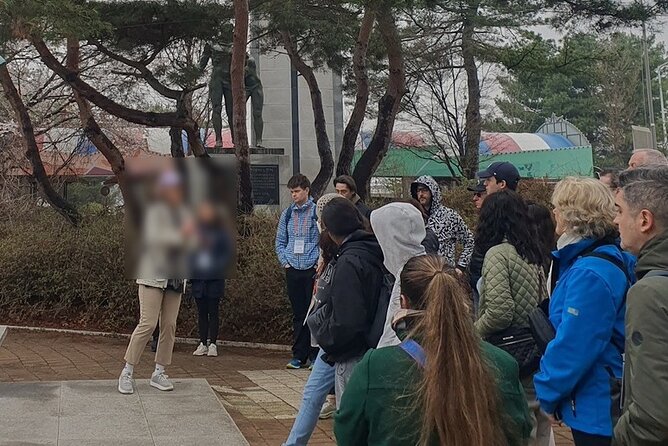
A standard DMZ tour can turn into scenes and signage. This one adds a human account right when the day is still setting its tone. The included interview with a North Korean defector doesn’t sit in a separate box—it becomes the lens for what you’ll see later at the tunnel and the observation areas.
That matters because the DMZ can feel abstract. You’re surrounded by barriers, distance, and controlled access. Hearing how a defector describes leaving North Korea—and answering questions—anchors the political reality in lived experience. It also helps you ask better questions during the guide’s walk-through, instead of just collecting facts.
From the guide side, the day also tends to run with energy. Names like Han Solo, Jackie, Molly, and SP Hong show up in guide feedback, and the consistent thread is that the talk isn’t delivered like a script. The better guides make the day feel like a guided conversation with places attached to it.
You can also read our reviews of more tours and experiences in Seoul.
Meeting Point, Start Time, and How Long 7–9 Hours Really Is
The tour meets at 92 Sejong-daero, Jung District, Seoul, starting at 7:30 am. You’ll ride out in a comfortable, air-conditioned vehicle, and the day is built around long travel legs and controlled entry windows.
The official duration is about 7 to 9 hours, and real-world timing depends on traffic and site schedules. One practical takeaway: this isn’t a stroll-and-sample day. You’ll move as a group and you’ll keep moving even when you want more time at a stop.
Also plan for a bus-and-timeline rhythm. The group size can be up to 90 travelers, and some departures run on a big coach style setup. That means you’ll get the DMZ story, but you shouldn’t expect unhurried wandering. If you like structured touring, that’s a plus. If you hate rushing, you’ll want to stay mentally light: think of it as a guided sprint through history.
Bring a working passport with you—original, no copies. You’re also smart to keep your phone charged, since this is a mobile ticket setup.
Imjingak Pyeonghwa Nuri Park: Freedom Bridge Meets Barbed Wire Reality
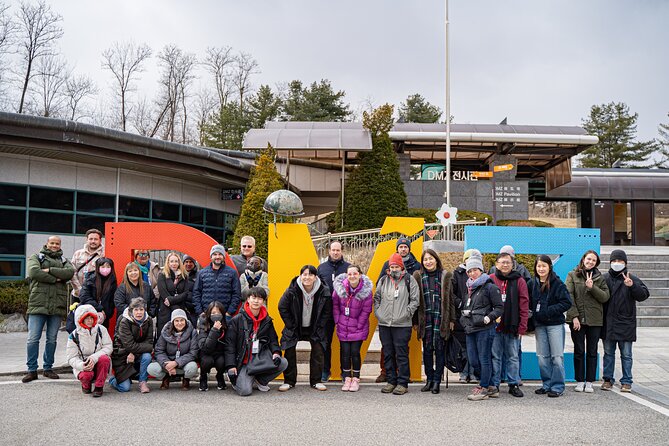
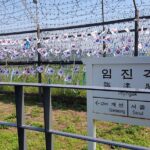
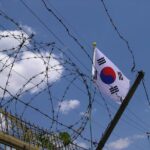
The day usually starts with a visit to Imjingak Pyeonghoa-Nuri Park. Even before you reach the DMZ gates, this place tells you what reunification longing looks like on the ground.
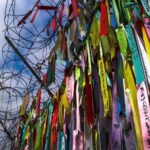
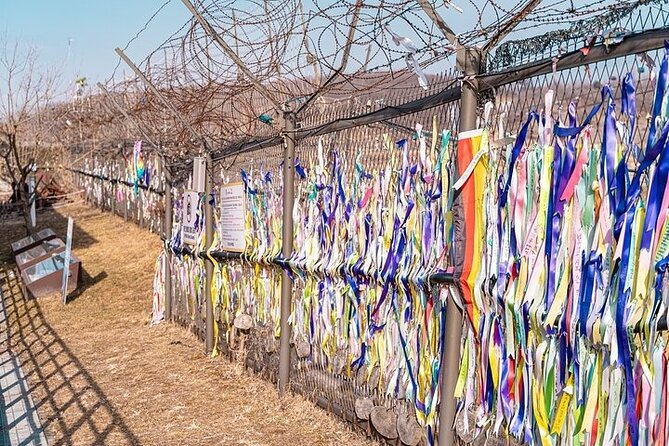
Imjingak is described as a theme-park-style space located beside barbed wire fences, so you get this strange contrast: rides and memorial feeling in the same frame. It’s not trying to be cute. The point is to show how everyday North–South division can be seen as both memory and present tension.
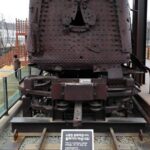
The standout here is the Freedom Bridge story: it’s tied to 13,000 POWs who crossed during the Korean War. The tour also references the bridge on the Imjingang River as a symbol of their return to freedom. That’s a heavy detail, and it sets you up to understand why later DMZ structures exist—not as isolated monuments, but as tools of separation.
What I like about this stop is that it gives you a “why” before you get “what.” You’ll understand the rest of the day better once you’ve placed the tunnel and observatory into the same broader story of movement, capture, and refusal.
Practical note: this part tends to be easier pacing than the tunnel later, but it’s still a full day. Wear shoes you can keep on all morning.
Entering the DMZ Circuit: Welcome Areas, Rules, and the Tunnel Setup
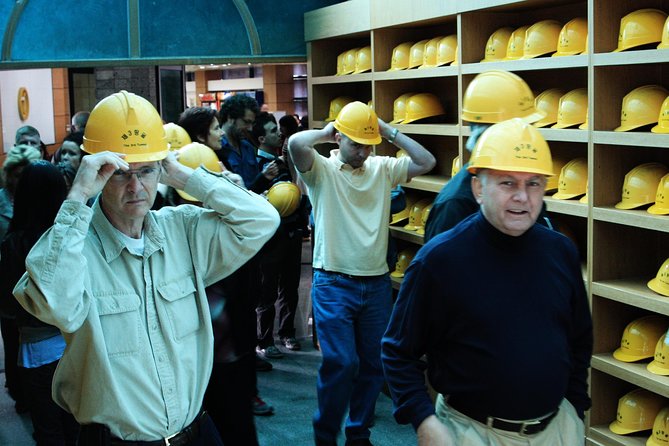
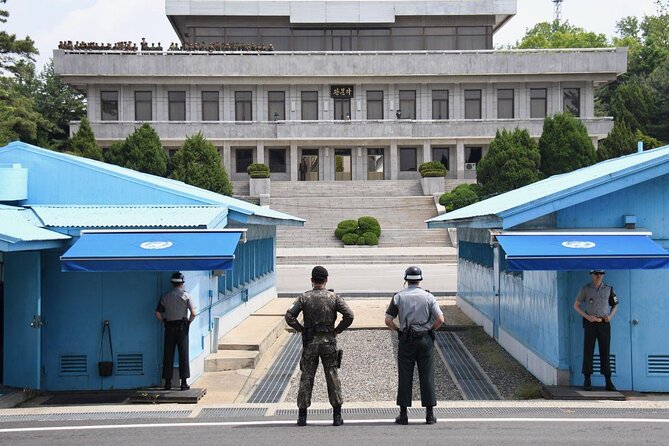
Once you arrive in the DMZ area, your time becomes highly structured. There’s a DMZ stop around 40 minutes on the schedule, and then the day points you toward the main physical experience: the 3rd Tunnel.
The DMZ itself is described as a military demarcation zone where military activities are prohibited—yet it remains a major symbol of division on the Korean Peninsula. That sounds textbook-level until you’re standing in the place where access is controlled and the world feels close, but not reachable.
This is where you should mentally prep for rules. Expect restrictions around photography and timing. You’re entering a military zone, so if you’re the type who likes to document every second, be ready for limits.
You’ll also want to treat the next stop like the workout it is. Comfortable shoes are required for entering the tunnel, and it’s physically demanding. If you have heart conditions or other serious medical issues, the tunnel visit is not recommended.
The 3rd Tunnel: 435 Meters That Turns TV Into a Tight Walk
The signature action on this tour is visiting the Third Tunnel. It’s described as extending 435 meters into South Korea, and it’s presented as a North Korean tunnel with possible military purposes. You’ll also watch a documentary and view exhibits as part of the experience.
Here’s what you should expect in real terms: the tunnel visit isn’t casual. The walk down and up is often described as extremely difficult and tight. That matters because the tunnel is not just a viewing stop—it’s a physical reminder of how distance can be engineered.
Also, photography is restricted. One of the practical caveats mentioned is that you’re not allowed to take photos in the tunnel. That’s understandable given the military nature of the area, but it does change how you capture memories. Bring a good mental “snapshot” instead of relying on your camera.
One more tip: if your schedule includes the tunnel, keep your pace steady and don’t rush your breathing. The group is moving on a timeline, but tunnel conditions won’t reward sprinting. I’d treat it like a steep stair climb—slow is faster in the end.
And yes, it’s worth it. Even people who find the logistics intense often come away feeling that the tunnel changes how you understand the DMZ. You feel the scale, the design, and the effort of building something meant to breach borders.


Dora Observatory: The North Korea View Comes With Strict Limits
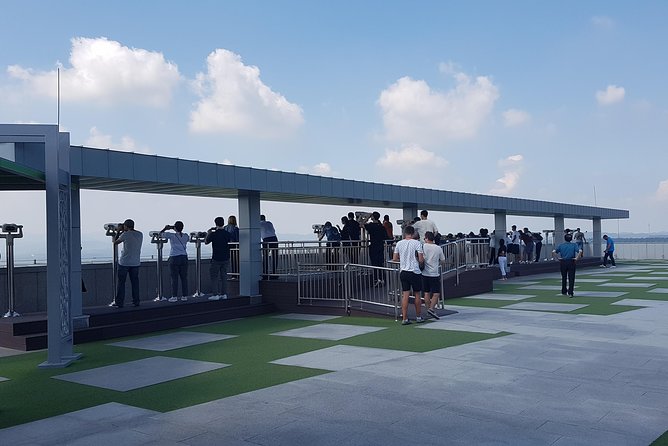
After the tunnel, the tour typically heads to Dora Observatory for about 1 hour. This is one of the most wanted DMZ stops because it lets you see across toward North Korea, including Gaeseong City and the Gaeseong Industrial Complex.
You’ll also see a fake North Korean border village called Propaganda Village. That detail is important: it’s not just about what’s visible, but about what’s staged. It reinforces the larger point of the DMZ—information and perception are part of the conflict toolset, not just the military part.
As with the tunnel, photography rules can be strict. Some guides and departures emphasize that you’re not allowed to take photos from the observation deck, even if you can see a lot. Don’t plan your day around “getting the shot.” Plan it around the experience of looking and understanding.
Why I like Dora Observatory on this particular tour: it follows the tunnel logically. First you experience how a breach could be built, and then you stand at a viewpoint where the border becomes visible again. The emotional tone stays serious, but it gets clearer with every step.
Gamaksan Chulleong Suspension Bridge: A Scenic Add-On That Weather Can Cancel
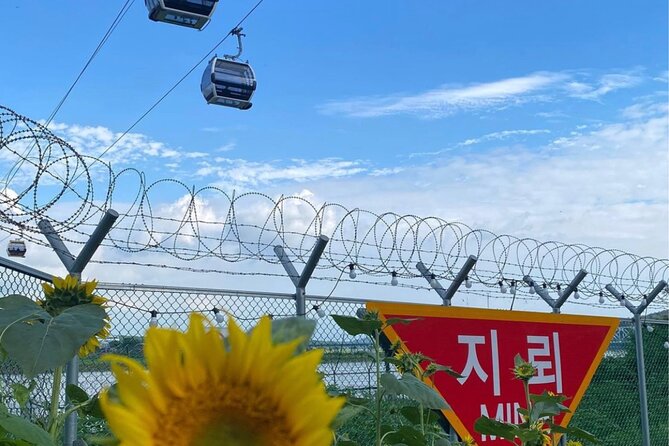
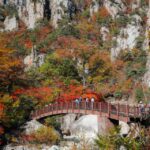
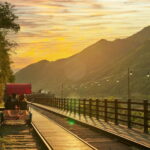
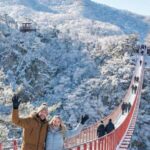
This tour includes an option for Gamaksan Chulleong Bridge—the suspension bridge add-on. The bridge is described as once Korea’s longest suspension bridge at 220 meters, opened in 2016, with views over Silmari Valley.
If you’re choosing this option, treat it like a bonus, not a guarantee. The tour notes the suspension bridge option can be changed or canceled if the minimum number of participants isn’t met. And in some departures, weather closures have been an issue, leading to bridge disappointment.
Still, when it runs, it can be a good emotional shift. The DMZ is heavy. A scenic suspension bridge gives your body a different kind of movement, and your eyes a different kind of focus—far hills instead of border walls.
If the bridge is closed on your day, don’t take it as a failure. The tour may replace parts of the itinerary, especially when DMZ access changes.
Lunch, Final Stops, and What to Expect in Seoul After
Lunch isn’t included in the price. In practice, you’ll likely eat at a café connected to the DMZ area or during a short break window. One detail worth knowing: food options can be limited around the observatory area, with quick, simple choices.
The final stop on the schedule is around Myeongdong, with tour duration flexible based on traffic and site timing. In real departures, you may end up dropped off in nearby shopping areas depending on routing. Either way, this is not an early finish. You’ll come back later in the day.
Also consider that time management can feel tight. Some people enjoy the day so much they forget time. Others wish they had a bit more breathing room at the last civilian stop. If you’re the type who needs a long sit-down meal or a slow museum pause, bring lower expectations and a flexible plan for dinner afterward.
Price and Value: What $27 Buys You (and What It Doesn’t)
At $27 per person, this is one of the more budget-friendly ways to stack major DMZ elements—transport, English narration by a DMZ-licensed guide, and key admissions—into a single day.
What you should recognize in that value math:
- You’re paying for round-trip air-conditioned transport
- The major DMZ admissions tied to the planned stops are included
- You get the included defector interview, which is the differentiator
- Your money supports a full-day operation with timing, entry coordination, and guide work
What you’re not getting:
- Lunch
- A guarantee that every optional component (like the suspension bridge) will happen if weather or access changes
So my honest advice is simple: this tour is a strong deal if you want the major DMZ stops plus the defector story, and you can handle a packed schedule. If you only want leisurely pacing or you’re hoping for the bridge to be the main event, you’ll want to treat it as an “if it works out” extra.
When This Tour Fits Best (and When to Skip the Tunnel)
This is a great fit if you:
- Want a guided DMZ day with an English-led explanation
- Care about context beyond photos and place names
- Can handle physically demanding segments, especially the 3rd Tunnel
- Like structured touring where you’re kept on a timeline
It’s not ideal if:
- You have health limits that make the tunnel’s steep, tight walk risky (the tour specifically says it’s not recommended for heart conditions or serious medical issues)
- You need frequent photo stops or long free time at each location
- You get very stressed by schedule changes due to military events or weather
One more quiet tip: pack for comfort and mobility. Even if you’re mentally prepared for history, your body will carry you through the real difficulty points.
Should You Book This Signature DMZ Tour?
I’d book it if you want the DMZ in one day without guessing your way through the experience. The defector talk and 3rd Tunnel are the two pillars that make this more than a bus tour. Add Dora Observatory and the Freedom Bridge story, and you get the DMZ from both the emotional and physical angles.
Skip or reconsider if the tunnel could be an issue for you, or if you truly can’t handle itinerary changes. The DMZ can close suddenly with no notice, and access can be swapped for alternative DMZ-adjacent sites.
If you’re flexible, comfortable with a packed day, and ready to trade souvenir shopping time for hard-to-see history, this tour is a solid choice.
FAQ
How long is the DMZ tour?
The duration is listed as about 7 to 9 hours.
What time does the tour start?
The start time is 7:30 am.
Where do I meet the tour?
You meet at 92 Sejong-daero, Jung District, Seoul, South Korea.
Is lunch included in the price?
No, lunch is not included.
Do I need an original passport?
Yes. A current valid passport is required on the day of travel, and only the original is accepted (no copies).
Is the guide English-speaking?
Yes. The tour includes an English guide with a DMZ license.
Does the tour include the 3rd Tunnel and Dora Observatory?
The itinerary includes both the Third Tunnel and Dora Observatory, with admission included.
Is the suspension bridge option guaranteed?
It’s an option, and it can be unavailable due to weather or if the minimum participant count isn’t met.
Can I take photos at the tunnel or observation deck?
No. You are not allowed to take photos in the tunnel or on the observation deck.
What happens if the DMZ closes or access changes on the day?
The tour notes that the DMZ can close suddenly without notice. If it happens, the tour may be replaced with an alternative itinerary and no refunds.
Can I cancel and get a full refund?
You can cancel up to 24 hours in advance for a full refund, as long as you cancel at least 24 hours before the experience’s start time.