REVIEW · SEOUL
Thrilling Korean DMZ 3rd Tunnel Tour from Seoul + Red Bridge Rush
Book on Viator →Operated by VIP TRAVEL Co.Ltd · Bookable on Viator
A border you can actually visit. This full-day DMZ experience from Seoul pairs Third Tunnel access with Dora Observatory and the Imjingak memorial area, then adds the Red Bridge Rush for people who like a workout with a view. You’ll ride in an all-inclusive vehicle with a guide and included entry, so you spend less time solving transport puzzles.
I especially love the way the day is built around guided explanations at the right spots, not random photo stops. I also like the included admissions and professional support throughout, which helps make a tense subject feel clear, organized, and doable.
One possible drawback: parts of the day can be physically demanding, especially the tunnel descent and the steep walk connected to the red bridge.
In This Review
- Key things to know before you go
- From Seoul to the DMZ: Hotel Pickup That Saves Your Morning
- Imjingak Stops Before You Hit the Big Moments
- The Peace Bell and Memorial Altar: A Quick Stop With Real Weight
- Third Tunnel of Aggression: What the Descent Really Feels Like
- Dora Observatory Views: The Close Look With Photo Limits
- Optional Gondola and Tongilchon: When the Day Slows Down a Bit
- Red Bridge Rush on Gamaksan Suspension Bridge: Earn the View
- Value for $35: What You Actually Get for the Money
- Pacing, Group Size, and What to Bring (No Lunch Included)
- Who Should Book This DMZ + Third Tunnel + Red Bridge Day
- Should You Book This DMZ 3rd Tunnel + Red Bridge Rush Tour?
- FAQ
- Which meeting points are available in Seoul?
- Does this tour include hotel pickup?
- Do I need a passport for the DMZ tour?
- What is the total duration?
- Is lunch included?
- Are all the attraction tickets included?
- Can the tour time change?
- Can I take photos in the tunnel and at the observatory?
- Is the cable car and red bridge part of the tour?
- Is there free cancellation?
Key things to know before you go
- Hotel pickup in central Seoul: less hassle than chasing a subway meeting point.
- Admission is included for the main sights: you’re not constantly paying extra.
- Third Tunnel isn’t a stroll: plan for a strenuous climb/return route.
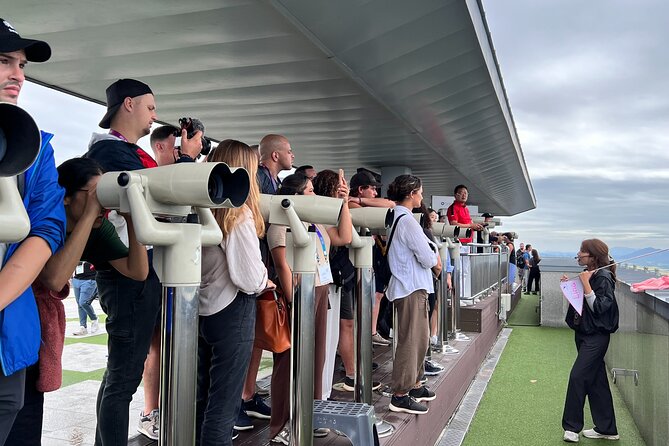
- Dora Observatory is the money shot, with limits: views are great, but photo rules can be strict.
- Red Bridge can turn into a mini hike: limited time means you’ll want sturdy shoes.
- Your schedule can shift: DMZ access depends on military conditions and events.
From Seoul to the DMZ: Hotel Pickup That Saves Your Morning
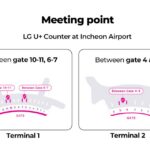
This tour is designed to start clean. You choose from downtown meeting points like Myeongdong (Exit 9), Seoul City Hall (Exit 6), or Hongdae (Exit 3), and if you’re eligible you get hotel pickup in the downtown area or from a main subway station.
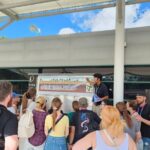
The upside for you is simple: fewer stress minutes. Instead of cramming onto public transit while everyone tries to look casual, you get one vehicle, one group plan, and a guide who keeps the day moving.
The day runs about 7.5 hours. That’s a long stretch, but it’s also what makes it work: you’re not just ticking boxes, you’re seeing how the DMZ story unfolds through memorials, viewpoints, and the tunnel experience.
You can also read our reviews of more tours and experiences in Seoul.
Imjingak Stops Before You Hit the Big Moments
Before you’re at the heavy stuff, the tour warms you up with context around Imjingak. You’ll make short stops that explain why this area matters to Koreans on both sides of the divide.
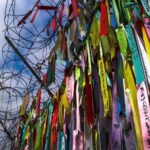
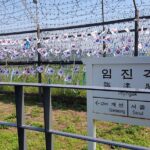
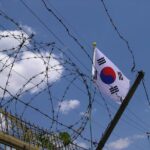
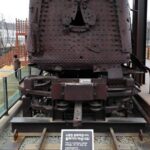
First comes Imjingak Pyeonghwa-Nuri Park, where you’ll see major relics and symbolism connected to separation. One standout detail is the Freedom Train, described as bullet-scarred—small objects, big emotion. After that, you step across the Bridge of Freedom, a wooden bridge tied to Korean War prisoner-of-war crossings in 1953.
Then there’s a practical reality check: some stops are short, like 10–30 minutes. That doesn’t mean they’re unimportant. It means your guide is likely giving you the key takeaway right where your eyes are landing.
If you want to ask questions, this is the best time. The mood is reflective, not rushed into the mechanical parts of the day yet. And because there’s less waiting around, you’ll usually feel like your guide is talking with purpose, not just filling time.
The Peace Bell and Memorial Altar: A Quick Stop With Real Weight
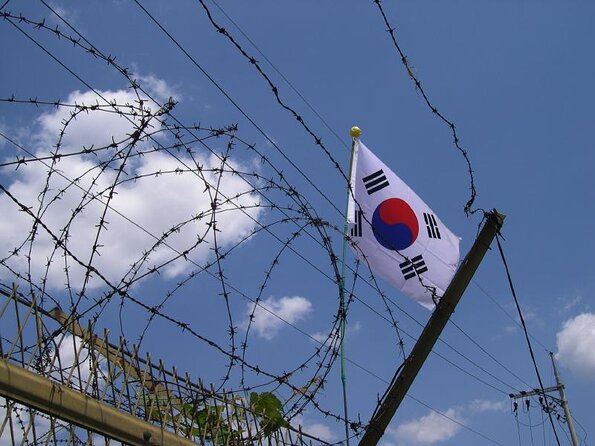
After the bridge, you’ll spend time around additional memorial points in Imjingak Park, including the Peace Bell area. The Peace Bell is a 21-ton bronze bell forged in 2002 meant to symbolize reunification hopes, and it’s treated as a moment to pause rather than just snap a photo.
You may also stop at Mangbaedan Memorial Altar, a place built in 1987 for families honoring loved ones trapped in North Korea. Even if you only have a few minutes there, the layout and intent help you understand why this region is emotional, not theoretical.
These are the parts of the day that can surprise you. When you come from Seoul, it’s easy to expect a “sightseeing DMZ day.” But memorial stops like these reset your expectations and help the later stops click into place.
Third Tunnel of Aggression: What the Descent Really Feels Like
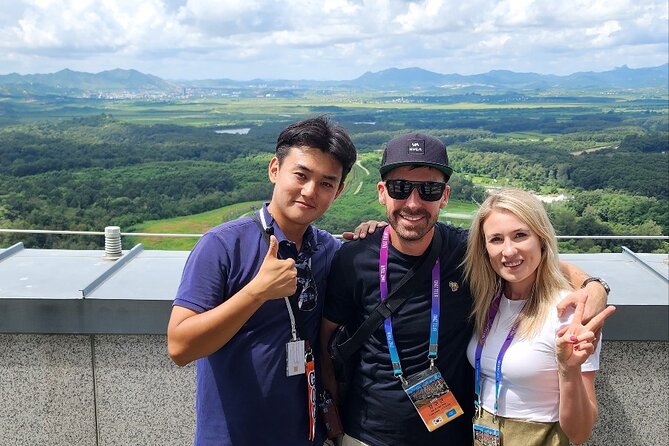
This is the headline for a reason: you actually go underground into the Third Tunnel. It’s sometimes called the 3rd Infiltration Tunnel, uncovered in 1978, about 1,635 meters long. You’re far enough into it to feel the scale, but not so far that it becomes a maze of aimless walking.
Here’s the part you should plan for. The tunnel experience can be strenuous. People describe a long walk (around 250 meters), then a noticeable slope (about 20 degrees), followed by additional distance and a very low ceiling segment (reported around 5 feet). Translation: bring a calm mindset, not a tourist one.
Also pay attention to photo rules. You can expect limitations here—people note you can’t take photos inside the tunnel. So before you go in, pick your one “must-do” moment outside, then let your eyes do the rest.
If you like history, you’ll get stories from your guide about what the tunnel represented and why it was built. If you don’t even care about history that much, you’ll still feel the physical reality of how tight and controlled this environment is.
This stop is where the tour earns the adjective thrilling, but in a grounded way. The thrill is not theme-park noise. It’s being in a place that existed for covert intent, not curiosity.
Dora Observatory Views: The Close Look With Photo Limits
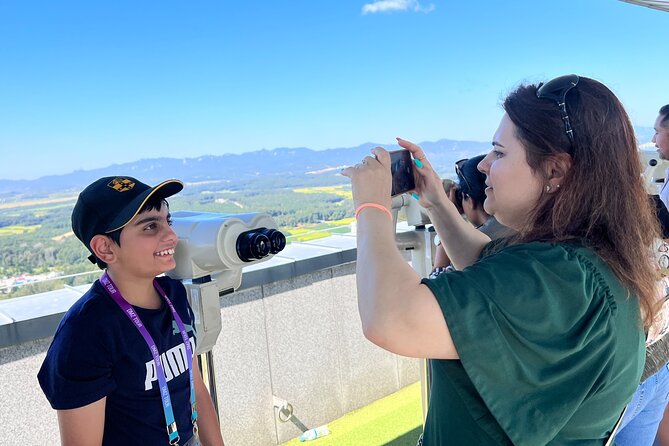
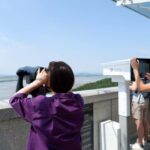
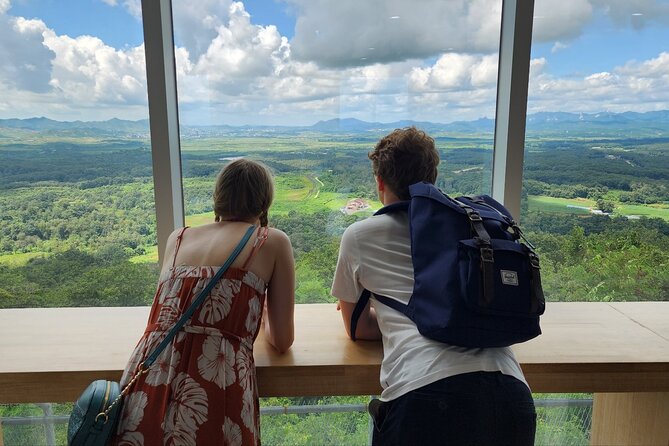
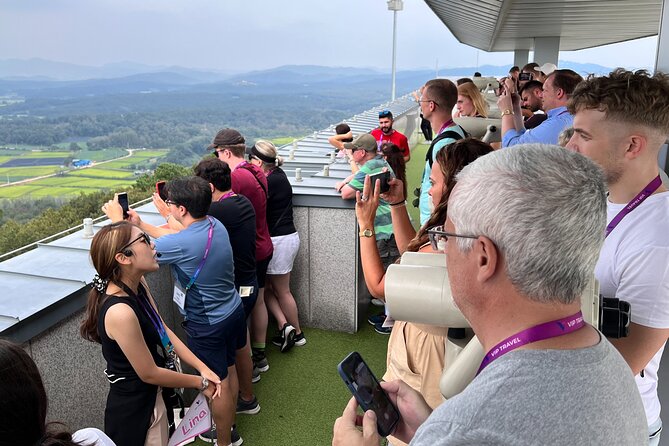
Next comes Dora Observatory—one of the closest vantage points over North Korea from South Korea. It was rebuilt in 2018 and established in 1986, and that means the platform is modern enough to be usable in real weather, not just a historical platform.
People often call this the top view moment. You’re up high and you’re facing the line that people talk about nonstop, but you usually can’t truly picture until you stand there.
Bring binoculars if you have them, especially if you want more detail. Even with the observatory, you might find distances make details tricky, and binoculars help you turn a “wow” view into something you can actually examine.
One more practical note: photo restrictions are real here too. People mention that you may not be able to take photos from the observatory toward North Korea. If you rely on your phone camera for everything, switch your mindset: use your photos outside, and let your eyes do the final study.
Optional Gondola and Tongilchon: When the Day Slows Down a Bit
After Dora, the tour may include time in areas like Tongilchon Jangdankong Maeul, a village just beyond the Civilian Control Line. It’s described as calmer and more scenic than the viewpoint stops, with time for you to wander a bit on your own.
There’s also the Paju Imjingak Peace Gondola, which is marked as optional. It opened in 2020 and crosses into the Civilian Control Zone, giving you an above-river perspective over the Imjin area.
If you’re the type who likes variety, gondola time breaks up the day. If you prefer to maximize time at the big DMZ sights, you might treat it as a bonus rather than a requirement.
Weather matters here. One group shared that when conditions got extreme (snow), the planned DMZ/JSA-style parts couldn’t run and they were offered alternative options such as the cable car and a Korean War Museum. That won’t happen constantly, but it’s a good reminder that this region can change plans fast.
Red Bridge Rush on Gamaksan Suspension Bridge: Earn the View
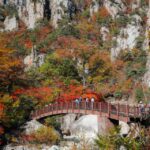
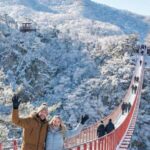
Now for the part that gives the tour its extra kick: the Red Bridge Rush. You cross the Gamaksan Suspension Bridge, also known as the Gloucester Heroes Bridge. It’s about 150 meters long and roughly 1.5 meters wide, built in 2018 to honor Korean War sacrifices.
And yes, it can come with a climb. People describe a steep hike to reach the top, plus limited time. That means you’ll want:
- Sturdy shoes (no flimsy soles)
- A mindset that this is not a leisurely walk
- A willingness to keep up with the group pace
If your legs are already tired from the tunnel, this is the moment to be honest with yourself. The bridge is only thrilling if you can enjoy it, not if you’re focused on survival.
But if you’re up for it, the reward is clear: a long suspension-bridge crossing with wide views, not just a quick photo at the edge.
Value for $35: What You Actually Get for the Money
At $35 per person, the value mostly comes from three things that reduce your risk as a visitor.
First, the day is structured around included admissions. That matters on a DMZ trip because entry rules and paperwork can make free-form planning frustrating. You’re paying for access, not just a ride.
Second, you get professional guide time plus all-inclusive transportation. This saves you from piecing together multiple segments across Seoul and the countryside while also dealing with language barriers.
Third, you don’t have to solve the “where do we meet, where do we eat” problem as much. Lunch isn’t included, but the schedule gives you a clear framework. People also note the day can be paced fairly tightly, so having a snack plan is smart.
One more practical value point: your guide often helps keep the group from spinning wheels. People specifically highlight guides such as Judy, Crystal, Kelly, Henry, Nancy, Lina, and Yu Jin for clear communication and staying on time.
Pacing, Group Size, and What to Bring (No Lunch Included)
The tour has a max group size of 150 travelers, which is large enough to feel like a “real tour,” but structured enough that you shouldn’t be constantly waiting in chaos.
The day is also described as smooth for many people: the key is knowing it’s active and time-based. Many stops are 10–30 minutes, so you don’t get unlimited wandering at every location.
What you should bring:
- Passport (required), or Military ID / ARC cards accepted
- Comfortable clothes and shoes for walking and slopes
- Snacks since lunch isn’t included
- If you have them: binoculars for better viewing from the observatory
- A plan for photo rules: expect restrictions in the tunnel and possibly at key viewpoints
If you’re the kind of person who likes lots of sitting breaks, this may not be your style. If you’re okay with a full day of moving and learning, it fits the bill.
Who Should Book This DMZ + Third Tunnel + Red Bridge Day
This tour fits best if you want a guided DMZ day that’s heavy on meaningful stops and light on guesswork.
Book it if:
- You want Third Tunnel access plus major viewpoint time
- You like a guide who connects history to what you’re standing next to
- You’re comfortable with a full day and some steep walking
Consider another option if:
- You have trouble with strenuous walking or claustrophobic spaces. The tunnel experience involves slopes and very low clearance segments.
- You rely on constant photo-taking. Restrictions are part of the reality here.
- You need a slow-paced tour with long breaks at each stop.
It also helps if you’re traveling as a family and want one structured outing that teaches you more than a map ever could.
Should You Book This DMZ 3rd Tunnel + Red Bridge Rush Tour?
I’d say book it if you’re ready for a full, structured day that trades comfort-for-access in the right places. For $35, the combination of transport + guide + included admissions makes it one of the more straightforward ways to experience the DMZ sights from Seoul without building a DIY plan.
If you’re on the fence, the deciding factors should be physical readiness and expectations. The tunnel and the red bridge can be tougher than they sound in a brochure. But if you show up prepared, you’ll come away with a day that feels real in a way most tours never manage.
If you’d rather have a gentle, low-effort day, you might skip this one. If you want the story to come with place-based impact, this is worth your time.
FAQ
Which meeting points are available in Seoul?
You can meet at three central locations: Myeongdong Subway Station (Exit 9), Seoul City Hall Subway Station (Exit 6), or Hongdae Subway Station (Exit 3). Your pickup/meeting details can be updated based on your chosen location.
Does this tour include hotel pickup?
Hotel pickup is available only for the downtown area or from main subway stations. If pickup isn’t available for your exact location, you’ll use one of the subway meeting points.
Do I need a passport for the DMZ tour?
Yes. A passport is needed on the tour day. Military ID cards and locally issued ARC cards are also accepted.
What is the total duration?
The tour runs about 7 hours 30 minutes (approx.).
Is lunch included?
No. Lunch isn’t included, so plan to bring snacks. Food may be available for purchase at stops, but you shouldn’t count on a sit-down meal.
Are all the attraction tickets included?
Admissions to the main attractions are included. Some specific stops are marked as free, while paid admission is included for others.
Can the tour time change?
Yes. The tour time can change depending on military issues or events occurring within the DMZ. Your guide will adjust the schedule as needed.
Can I take photos in the tunnel and at the observatory?
Photo rules can be strict. People note that you cannot take photos inside the tunnel, and photography from the observatory toward North Korea may also be restricted.
Is the cable car and red bridge part of the tour?
The Paju Imjingak Peace Gondola and the Gamaksan Red Bridge (Red Bridge Rush) are marked as optional. Your day may include them depending on the tour plan and conditions.
Is there free cancellation?
Yes. You can cancel for a full refund if you cancel at least 24 hours in advance of the experience start time.