REVIEW · SEOUL
Best DMZ Tour Korea from Seoul (Red Suspension Bridge Optional)
Book on Viator →Operated by VIP TRAVEL Co.Ltd · Bookable on Viator
This day feels heavy, but it stays organized. You get a full circuit of the DMZ story from Seoul, mixing emotional memorials with guarded viewpoints and hands-on site visits. What makes it especially compelling is the pace: you’re not just dropped at one stop. You move through the key places that explain why this border exists and what it looks like from both sides.
I like two things a lot. First, the tour builds meaning before the big moments, starting at Imjingak Pyeonghwa-Nuri Park and then moving toward the Bridge of Freedom. Second, admissions are handled for you at major stops, with complimentary admission to all museums, so you’re not scrambling for tickets mid-day.
One thing to think about: the Third Tunnel portion can be physically demanding, and winter cold can make everything feel harder. Also, tour timing can shift due to military issues in the DMZ, so keep your schedule flexible.
In This Review
- Key highlights worth caring about
- A half-day DMZ loop that fits a Seoul schedule
- Pickup and the “round-trip, no fuss” value
- Imjingak Pyeonghwa-Nuri Park: the story starts with refugees
- Bridge of Freedom: 12,773 names implied by a single span
- DMZ Theater and Exhibition Hall: why the war story has an official voice
- Third Tunnel of Aggression: the physical part of the history
- Dora Observatory: binocular views of Kijong-dong and Kaesong
- Optional bridge thrill: the Gamaksan Red Suspension Bridge
- Optional Majang Lake Suspension Bridge and the JSA Museum add-on
- Guides can make or break the day
- What to pack and what to watch for (especially in winter)
- Should you book this DMZ tour from Seoul?
Key highlights worth caring about
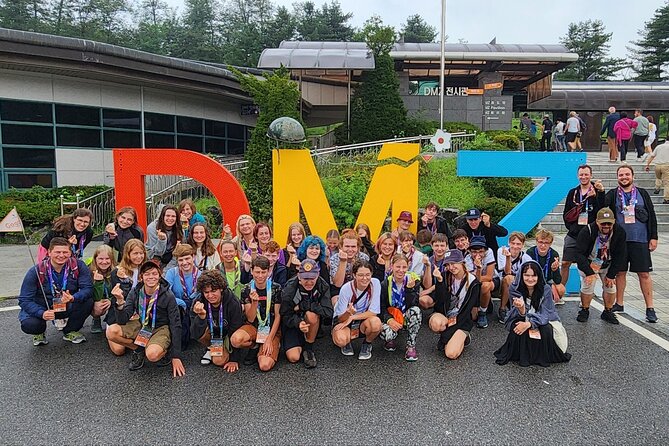
- Imjingak Pyeonghwa-Nuri Park sets the emotional tone with refugee history and the Iron Horse train symbol.
- Bridge of Freedom marks the 1953 POW repatriation with a very specific, grounded story: 12,773 prisoners crossing the Imjin River.
- DMZ Theater and Exhibition Hall give you a South Korean perspective before you go to the observation and tunnels.
- Third Tunnel is the practical, hands-on moment that turns history into a physical experience.
- Dora Observatory offers binocular viewing of the propaganda village (Kijong-dong) and Kaesong across the border.
- Optional bridge stops like the Gamaksan Red Suspension Bridge can add fun and views if you want a little adrenaline.
A half-day DMZ loop that fits a Seoul schedule
If you’re short on time in Seoul, this tour is built for you. The whole experience runs about 7 hours 30 minutes, with round-trip transportation and enough structure that you’re not hunting down locations or timing buses on your own.
The DMZ itself is unique, but the hard part for most visitors is context. If you just show up at an observatory, you miss the why behind the where. This itinerary solves that by stacking stops in a sensible order: remembrance first, then explanations, then the tunnel and the viewing.
And yes, the theme is serious. But the day doesn’t feel chaotic. Guides on this route often keep groups moving at a comfortable pace, and names like Ray, Emily, Crystal, Kelly, Lina, Diane, Jenny, Gabby, and Alex show up as English- or Chinese-speaking leaders for groups. In practice, that means you should expect clear commentary that tries to connect what you’re seeing to the Korean War and the current division.
You can also read our reviews of more tours and experiences in Seoul.
Pickup and the “round-trip, no fuss” value
The tour is priced at $29.75 per person, which is low enough that you should take a second look at what’s included. The big value isn’t just transportation. It’s the way they bundle access: admission tickets are included for key DMZ-related sites and museum entry is complimentary.
You’ll typically start from a main subway station near your hotel or from a downtown hotel pickup area. You use a mobile ticket, and you’ll need to show a passport on tour day (an Military ID Card or an ARC card can substitute for a passport).
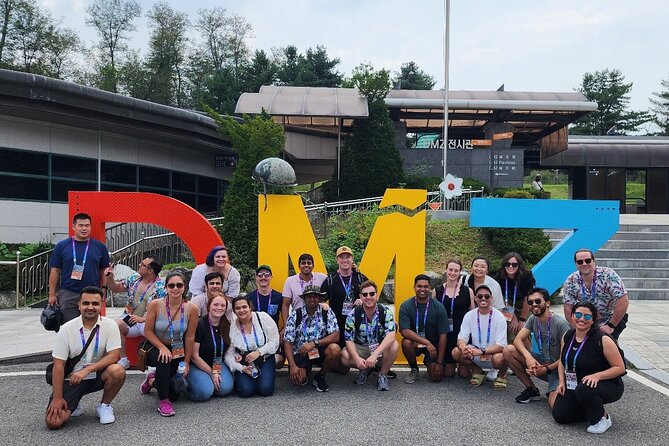
Group size is kept reasonable for a day like this, too: there’s a stated cap of 200 travelers. That matters because DMZ sites can get crowded, and having a larger bus group than you expect can change your comfort level—especially when you’re walking and waiting.
The practical trade-off: lunch isn’t included. If you want to eat without thinking, plan to bring small snacks or be ready to buy something near a stop. The good news is you’ll return with time to enjoy your evening.
Imjingak Pyeonghwa-Nuri Park: the story starts with refugees
Most DMZ tours begin with steel and checkpoints. This one starts with human loss.
At Imjingak Pyeonghwa-Nuri Park, you get a moving introduction for Korean War refugees—exactly the kind of grounding that makes later stops feel less like sightseeing and more like understanding. The park includes the Iron Horse train symbol, which represents the severed railway between North and South Korea. It’s a simple object, but it hits hard because it’s about what was broken and what never got rebuilt.
This is a stop where your questions will naturally start forming. Why did crossings become controlled? Why did families get stuck on one side? The park answers those questions indirectly, through memorial design and visual symbols, before you move into stricter DMZ zones.
Timing-wise, you’ll spend about 30 minutes here. That can feel short, but it’s enough for the main displays and photos without turning the start of your day into a long wait.
Bridge of Freedom: 12,773 names implied by a single span
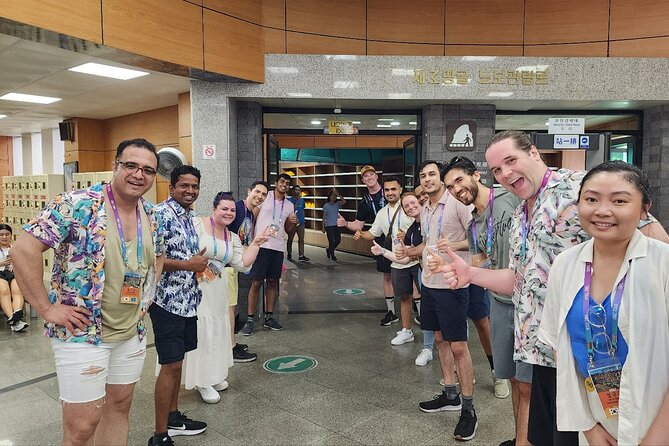
Next comes one of the most emotionally intense points in the day: the Bridge of Freedom.
You’ll walk the bridge that was used in 1953 for prisoners of war returning home across the Imjin River. The figure given for the POWs is specific: 12,773 prisoners crossed the bridge. That number matters. It keeps the moment from going vague or cinematic.
The viewpoint is also practical. You’re outside, you can see the river and surrounding area, and the natural backdrop makes the historical meaning feel real instead of theoretical. This is one of those places where you’ll likely want a few extra minutes for quiet, not just a quick photo.
The stop is about 20 minutes, so pace yourself. If your priority is photos, keep one hand free and be ready for small crowds. If your priority is absorbing the story, take a slower walk and read what’s available.
DMZ Theater and Exhibition Hall: why the war story has an official voice
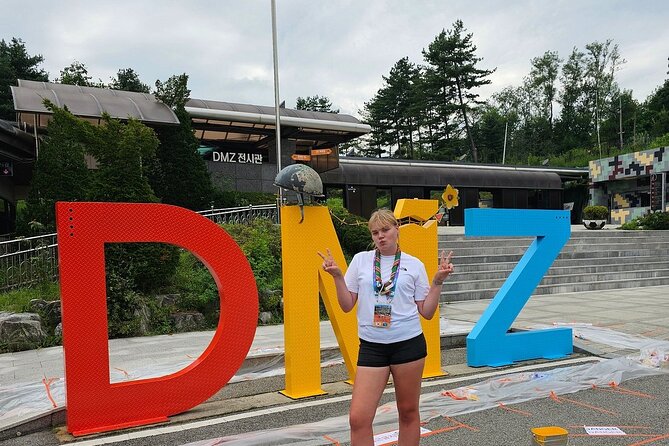
Before you go to the places where you’re looking through binoculars or inside tunnels, you get a structured explanation at the DMZ Theater and DMZ Exhibition Hall.
This part is valuable because it gives you a South Korean perspective on the Korean War. That doesn’t make it more correct than other viewpoints. It makes it different—which is what you want when you’re standing in a place shaped by opposing narratives.
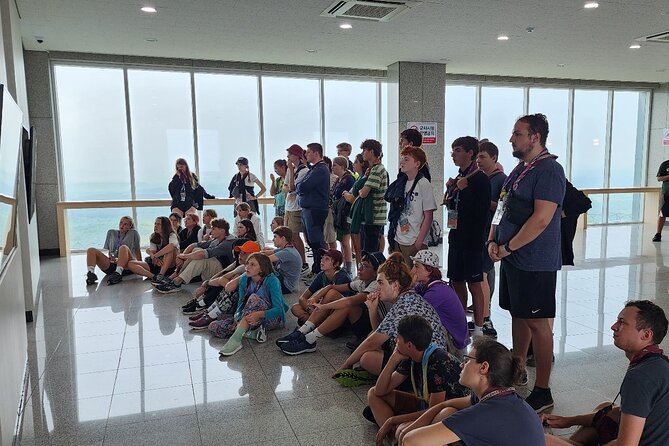
You’ll have about 1 hour for this DMZ Theatre/exhibition component, with admission included. The goal here is to help you interpret what you’ll later see at the tunnel and observatory. Without this, the DMZ can feel like a list of restricted buildings. With it, the restricted buildings become part of a bigger strategy and a bigger fear.
If you’re the type who likes to understand the “why” before the “wow,” this stop is where you’ll feel it pay off.



Third Tunnel of Aggression: the physical part of the history
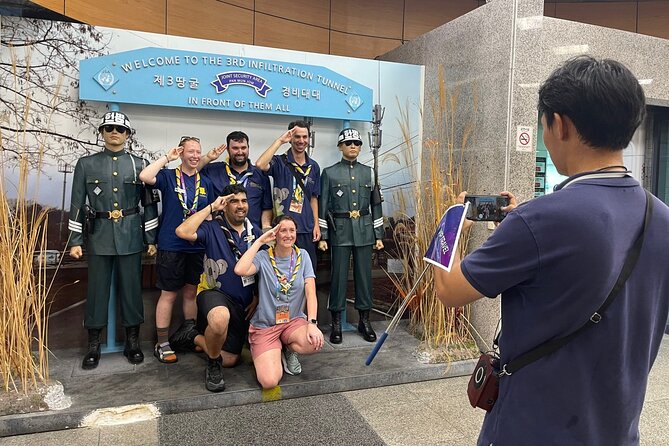
The Third Tunnel is often the highlight, and for good reason. It’s described as a discovered infiltration tunnel (discovered in 1978) intended for attacks toward the South. It’s located about 12 kilometers from Munsan and 52 from Seoul—which you can feel later when you realize how far people once tried to push operations under the border.
You’ll spend about 1 hour here, with admission included.
Here’s the practical heads-up: the tunnel portion can be physically demanding. That’s not a “maybe.” It’s a real consideration. If you’re sensitive to tight spaces, uneven footing, or low-ceiling walking, plan accordingly. Wear supportive shoes and take your time through the tunnel section.
Also, bring a bit of mental flexibility. The tunnel experience tends to compress emotion into a short stretch of movement. It’s one of the few places where the DMZ stops being an idea and becomes a literal passageway.
Dora Observatory: binocular views of Kijong-dong and Kaesong
After tunnels come views, and this tour does that transition well.
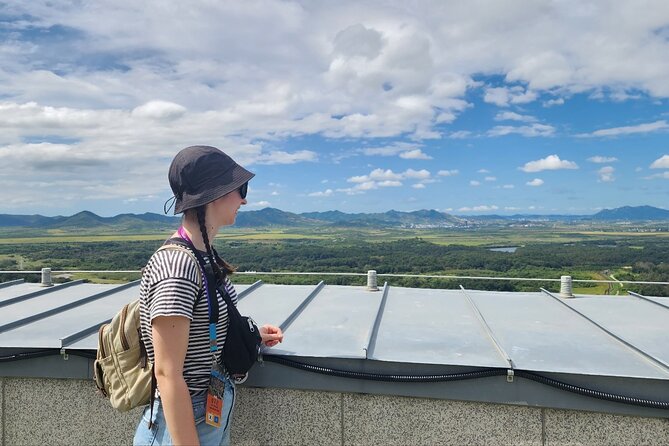
At Dora Observatory, you look toward North Korea from an observation point rebuilt in 2018 for clearer viewing. The key thing here is that you’re not just looking. You’re given time with high-powered binoculars to spot specific targets, including the propaganda village of Kijong-dong and the distant city of Kaesong.
The stop is about 1 hour, with admission included.
This is the kind of place where your experience depends on conditions. You might get crisp visibility or you might get hazy distance. Either way, the value is in knowing what you’re searching for. If you show up with no guide context, binoculars can become just cool gadgets. With context, they become a tool for reading the border’s reality.
Look for flags, structures, and any distinct cluster shapes. Then connect them to what you heard earlier in the theater/exhibition hall—because that’s how the day stays coherent.
Optional bridge thrill: the Gamaksan Red Suspension Bridge
If you select the optional stop, you can add a dose of movement and open-air views.
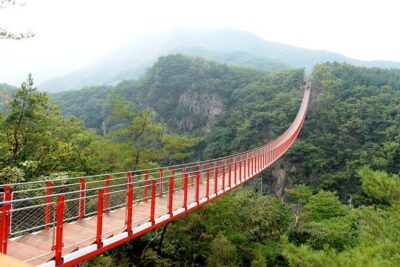
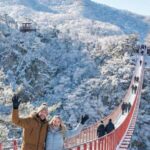
The Gamaksan Red Suspension Bridge (also known as the Gloucester Heroes Bridge) is described as a towerless suspension bridge that’s especially wobbly. It’s optional and tied to how you check out, so it’s not included in the DMZ-only version.
The time estimate for the bridge stop is about 1 hour with admission included, which means it’s not a quick photo stop. It’s more like a mini-adventure inside a serious day.
Who it suits: people who handle walking and want one lighter moment after the tunnel and observatory. Who should skip it: anyone who’s already pushing their energy with the tunnel portion or who doesn’t enjoy heights.
Optional Majang Lake Suspension Bridge and the JSA Museum add-on
There are two more optional ways to expand the day.
First is the Majang Lake Suspension Bridge, described as a crowd-pleaser. It spans 220 meters across the Majang Reservoir in Paju. Like the Gamaksan option, it’s optional and takes about 1 hour when selected.
Second is the optional JSA Museum at Tongilchon-gil. You’ll get about 30 minutes, and admission there is free in the context of the tour options.
Add-ons like these can help if you want a bit more than the “classic” tunnel and observatory route. Just remember the tour can already run long enough that you’ll feel it by the end.
Guides can make or break the day
On DMZ tours, your guide matters. The information is complex and emotionally loaded, and you need a person who can explain it without turning it into a script.
From recent guide names associated with this tour, you can see a pattern: leaders like Emily, Crystal, Kelly, Lina, Diane, Jenny, Gabby, and Alex are often credited with keeping groups engaged and answering questions clearly. Some guides also personalize the message through family or life experiences tied to the Korean War and division, which can make the day feel less like facts on a board and more like lived impact.
Also, practical care comes up in the details. For example, one guide named Jenny is specifically mentioned for checking on a guest who wasn’t feeling well during the tunnel portion. That’s a small detail, but it tells you the guides aren’t just counting stops. They’re watching people.
What to pack and what to watch for (especially in winter)
This is a day where comfort choices affect the experience.
Wear shoes you trust on uneven paths. The tunnel stop is physical, and you’ll be walking more than you might expect for a half-day.
Bring layers. Even if you’re not going in deep winter, the DMZ area can feel cold. If you’re visiting during colder months, plan for it to be colder than Seoul in your mind.
Bring your documents. You need a passport on the tour day, with the stated substitutions allowed (Military ID Card or ARC card).
Finally, keep your evening flexible for a reason you don’t always think about: the tour time can change due to military issues in the DMZ. That’s not something you can control, so staying flexible is the best move.
Should you book this DMZ tour from Seoul?
If your priority is value and structure, this tour makes a strong case.
Book it if:
- You want a packed, organized DMZ day without being rushed across random stops.
- You care about context first, then the key DMZ visuals.
- You want museum admissions included so you don’t manage extra tickets.
- You’re willing to handle a physically demanding tunnel section.
Skip it or choose a different option if:
- You’re not comfortable with the tunnel’s physical demands.
- You’re traveling with someone who struggles in cold weather or tight spaces.
- You absolutely cannot adjust plans if timing shifts due to military issues.
My take: this tour is a smart way to see the DMZ while keeping your brain engaged. The emotional memorials give the day weight, the theater and exhibits give you the story, the tunnel gives you the bodily reality, and Dora Observatory gives you the view that makes everything feel close—even when the border is brutally far.