REVIEW · SEOUL
Ultimate Korea DMZ Tour from Seoul (Gondola & Suspension Bridge)
Book on Viator →Operated by VIP TRAVEL Co.Ltd · Bookable on Viator
Border quiet, then a packed history day. This 7.5-hour DMZ trip from Seoul pairs a Peace Gondola ride with classic Cold War stops like the Third Tunnel and Dora Observatory, all with tight scheduling that keeps you moving.
I like the round-trip, air-conditioned transport and the simple way you can join from Seoul’s Myeongdong, City Hall, or Hongdae areas. I also love how guides such as Nancy and Emily set the tone on the bus with clear stories and practical safety guidance, including when photos are allowed.
One heads-up: expect real walking and hills, especially around the tunnel area, and there aren’t meaningful alternatives for limited mobility on this route.
In This Review
- Key things to know before you commit your day
- Price and value: why $35 can be a bargain here
- Seoul pickup points and the pace you should expect
- First stop energy: what the DMZ visit really feels like
- Imjingak Pyeonghwa-Nuri Park and the reunification mood (with real relics)
- Bridge of Freedom and Dokgae Bridge: walking history over the Imjin
- The Peace Gondola crossing: worth it for the view, not just the novelty
- Checkpoint reality at Unification Bridge: bring your documents
- Third Tunnel: the walking test and why the hype can be mixed
- Dora Observatory: the closest, and why you should look longer
- Tongilchon-gil and the village pause
- Optional Gamaksan Chulleong Bridge and Majang Lake suspension bridge
- What to pack and how to handle the walking and photo rules
- Should you book this DMZ tour?
- FAQ
- Is lunch included?
- Do I need a passport or special ID for the checkpoint?
- Where do I meet the tour in Seoul?
- How long is the tour?
- Is the Peace Gondola included or optional?
- Are the suspension bridges included?
- What kind of ticket do I receive?
- How many people are in the group?
- Can I cancel for a full refund?
Key things to know before you commit your day
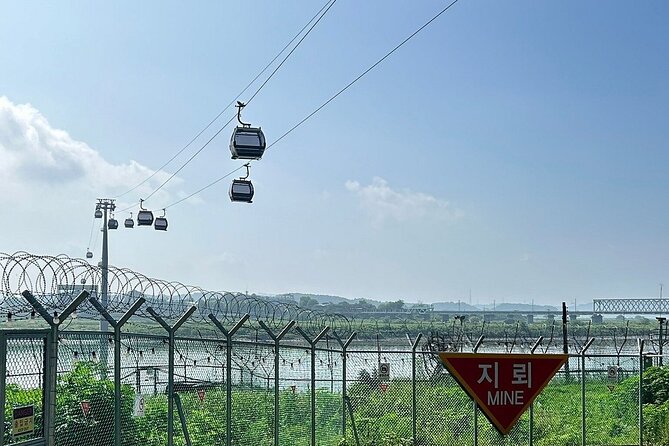
- Peace Gondola gives you an elevated river crossing view that goes beyond the Civilian Control Line (great for photos, too).
- Third Tunnel is a walking experience, not a quick peek, and the inside view can feel brief.
- Dora Observatory is your closest North Korea-style overlook, timed with other border stops so the day stays efficient.
- Unification Bridge checkpoint means document checks, so bring your passport (or the South Korea ARC / military ID you’re allowed to use).
- Photo rules change by spot, and a good guide helps you not waste time guessing.
- Optional suspension bridges can add spectacular views, but they also add walking.
Price and value: why $35 can be a bargain here
At $35 per person, the price is unusually low for a day that includes transportation plus multiple paid stops. You’re not just going to one “DMZ photo spot.” You’re getting a full circuit: the Imjingak reunification area, major river-bridge memorials, the tunnel, and Dora Observatory, with admissions bundled along the way.
Two things to keep in mind for value. First, lunch is not included, so you’ll need to plan for a meal break on your own. Second, the tour can include optional add-ons like the gondola and suspension bridge stops, so your final cost may rise if you say yes at the right time.
The good news is that the core format is built for efficiency. Your guide is part history teacher, part logistics coach. In the stories shared by guides like Nancy, you can feel the “don’t miss the timing” mindset, which matters in the DMZ where access and rules can be strict.
You can also read our reviews of more tours and experiences in Seoul.
Seoul pickup points and the pace you should expect
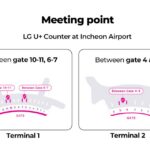
This is a day tour that starts in downtown Seoul, with three meeting points that are easy to reach by subway: Myeongdong Subway Station (Exit 9), Seoul City Hall Subway Station (Exit 6), and Hongdae Subway Station (Exit 3). The goal is to minimize the “where do I go” stress so you can spend the morning paying attention to the history rather than navigating Seoul.
The total duration is about 7 hours 30 minutes, and the itinerary is packed with short stops. That means you should treat this as a structured day trip, not a slow sightseeing stroll. If you like lots of stops and fast transitions, you’ll be happy. If you want long sits and unhurried museum time, you might feel rushed.
One pattern I’d plan around: the day sometimes runs early to fit in government-timed checkpoints and photo rules. That shows up in how guides keep everyone together and how they manage “when you can take photos” versus “when you should keep moving.” So set an early mindset and keep your day flexible.
First stop energy: what the DMZ visit really feels like
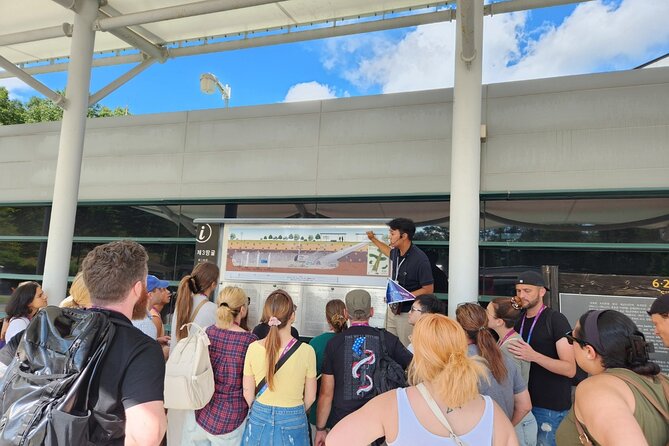
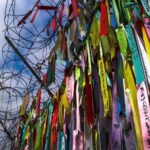
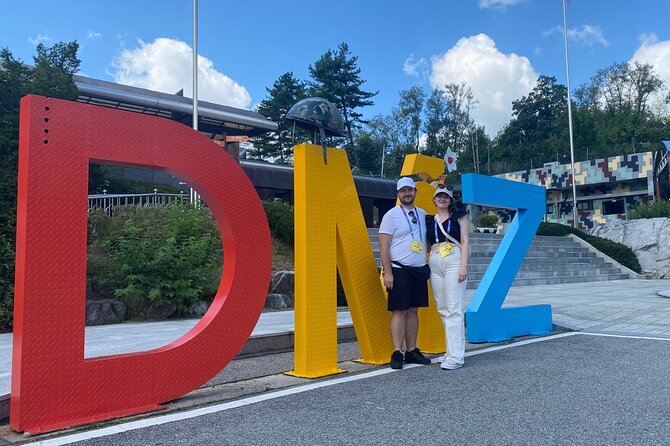
The DMZ portion is where the emotional tone shifts. You’ll be guided through the meaning of the 4-kilometer-wide strip that has split North and South since 1953. The quiet is the point. Even before you get fancy viewpoints, you feel the Cold War weight—barbed wire, controlled access, and the sense that this is a living boundary.
You’ll also hear context that helps you connect the dots. The DMZ isn’t just “a border line.” It’s a system of relics, rules, and memory. A good guide helps you understand what you’re looking at and why it’s there, instead of making it feel like a photo tour.
Practical tip: wear shoes that can handle uneven ground. Some stops are short, but the steps add up fast across a day like this.
Imjingak Pyeonghwa-Nuri Park and the reunification mood (with real relics)
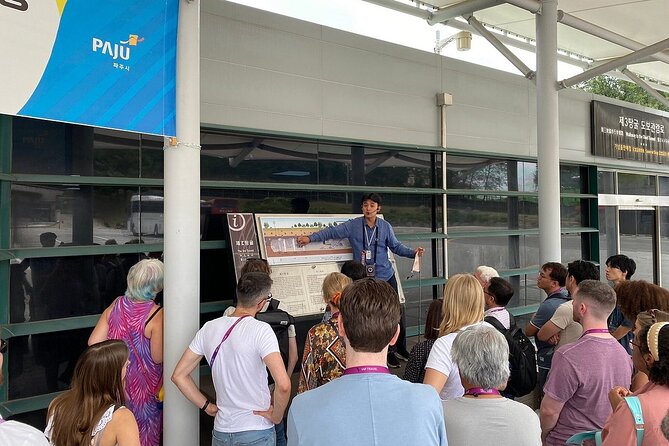
After the DMZ portion, the tour heads to Imjingak Pyeonghwa-Nuri Park, one of the main “peace and remembrance” areas near the border. This is where the day becomes more human. You’ll see exhibits focused on Korean reunification, along with memorial-style pieces that connect visitors to the war’s aftermath.
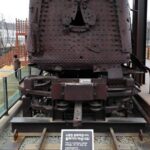
What makes Imjingak work on a family-friendly level is that it mixes symbolism with tangible objects. You’ll hear about and visit the “Iron Horse” relic (a Korean War train element), and you’ll see memorials like the Peace Bell area. The Peace Bell is a large bronze symbol tied to reunification messaging, cast in 2002, and it’s one of those stops where the guide’s narration matters because the object itself can feel simple until you learn the meaning behind it.
If you enjoy photography, this is a strong section of the day because the park setting gives you breathing room. If you get tired easily, it’s still manageable, since most of these stops are around 10 to 30 minutes.
Bridge of Freedom and Dokgae Bridge: walking history over the Imjin
Then you hit the river stories. The Bridge of Freedom is a temporary wooden span built in 1953 after the armistice, replacing a destroyed railroad bridge over the Imjin River. It’s tied to prisoner movement—12,773 prisoners carried to the South—and the guide’s explanation is what makes it land.
Next comes Dokgae Bridge, built in 1950 and scarred by the Korean War. The stop is short, but it’s powerful because it’s not abstract. You’re standing near the physical structure of the border’s past movement routes.
One practical note: bridges are exposed. Even if Seoul weather feels mild, near-border spots can feel cooler or windier depending on the day. Bring a light layer you can toss in your day bag.
The Peace Gondola crossing: worth it for the view, not just the novelty
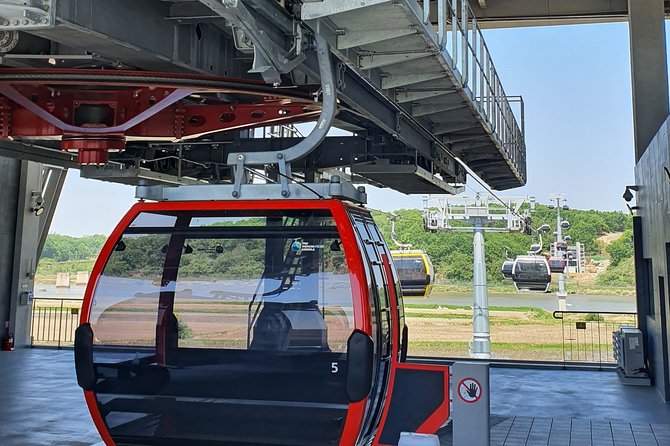
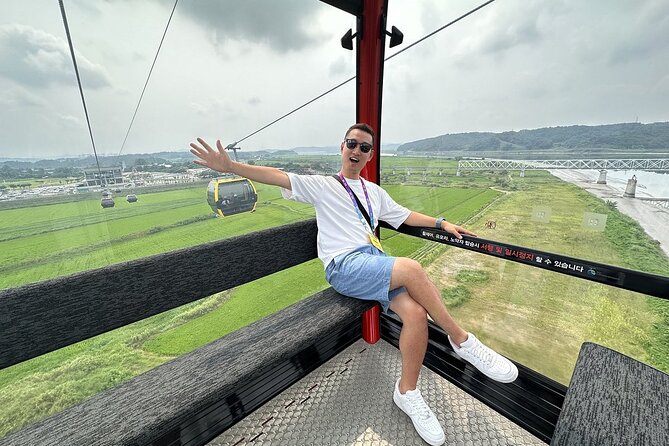
The Paju Imjingak Peace Gondola ride is the star add-on for a lot of people, and it’s easy to see why. It’s a birds-eye ride across the Imjin River, and it goes beyond the Civilian Control Line. That means you’re not just looking at a postcard angle. You’re seeing the separation from above, and the camera angles can be impressive.
The gondola is also a relief break from constant walking. You’re still part of the border system experience, but your legs get a rest. Several people in the group energy felt like it was the moment they felt the DMZ become visually clear.
When you decide whether to do it, think about your priorities:
- If you want the best visual payoff, say yes.
- If your feet are already tired and you hate ticket-style add-ons, you can skip, but you’ll be giving up an elevated perspective.
Checkpoint reality at Unification Bridge: bring your documents
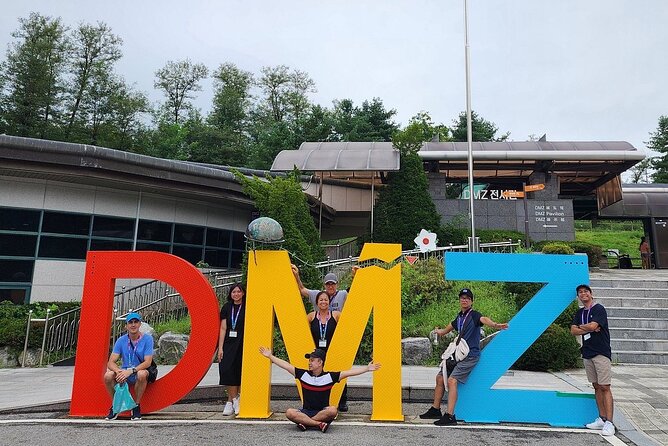
At the Unification Bridge military checkpoint, soldiers will inspect the bus and perform ID verification. This is not a vague “carry your ID” situation. You should bring the travel document you’re required to use: passport, military ID card, or a South Korea-issued ARC (Alien Registration Card). If you forget, you’re the one who loses time and risks missing the checkpoint step.
This is also where the guide’s tone matters. When photo rules tighten, a guide who knows how to manage the group keeps everyone calm and prevents you from getting stuck asking the wrong question at the wrong time.
If you like simple rules: keep your documents easy to reach, and avoid losing time digging for them.
Third Tunnel: the walking test and why the hype can be mixed
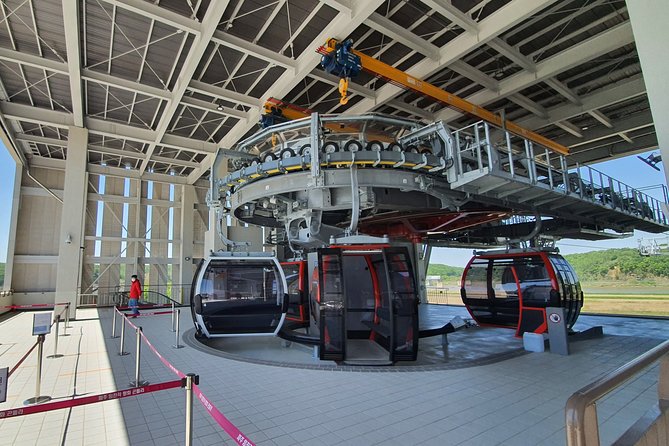
The Third Tunnel is one of the most famous stops. You’ll go inside and experience the tunnel area, which is emotionally heavy because it was dug with infiltration in mind. It’s also a physical stop, and that’s the tradeoff.
Here’s the honest part: the tunnel experience can feel like a short viewing window after a lot of steps. Some people love it because it’s the real structure, and some people leave feeling the tunnel is more about the walk-through than about the long view.
What I’d do if you’re deciding how to manage your energy: go in expecting movement, not a museum-style sit-down. Plan to pace yourself, and don’t rush the interior. The guide’s narration helps you understand what you’re seeing in the context of the war.
If you have limited mobility, this is the section where most people feel the strain. Even if the stop is only “about 30 minutes,” the walking inside and the return can be demanding.
Dora Observatory: the closest, and why you should look longer
Dora Observatory offers South Korea’s closest view of North Korea, created as a border viewing point and rebuilt in 2018. The observatory is on Dorasan, and it’s designed for watching across the border from the South.
This is your “stop and study” moment. Don’t just take photos. Let your eyes work for a minute. The guide’s explanations help you understand what you can and cannot see, and why the viewing distance still carries meaning.
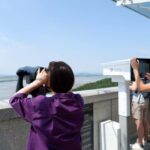
In the same border-area theme, there may also be a stop connected to telescope viewing and buying North Korean products at a reunification observatory spot. If that’s on your exact day, treat it like a bonus layer: you’re seeing both the political symbol side and the human curiosity side of border access.
Tongilchon-gil and the village pause
Between big checkpoints and tunnel steps, there’s time to slow down at Tongilchon-gil, a village area just beyond the Civilian Control Line. The point here is softer: you’re out of the most intense memorial stops and back into an everyday-life setting tied to reunification ideas.
There’s also a chance to connect the DMZ story to daily life and agriculture references, including mention of Jangdan soybeans tied to the area. It’s not a long stop, but it’s a useful mood reset before the optional bridge add-ons.
Optional Gamaksan Chulleong Bridge and Majang Lake suspension bridge
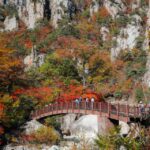
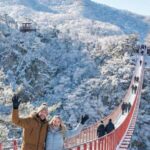
If the title says suspension bridge, this is where you’ll likely see it. Gamaksan Chulleong Bridge is described as a 150-meter suspension bridge near the DMZ built in 2018, with a capacity note (it can hold up to 900 adults). Then, you may also have the option of crossing Majang Lake’s suspension bridge, a 220-meter span over a reservoir turned urban oasis.
These add-ons can be visually stunning because the river and reservoir settings give you wide angles and motion that’s hard to capture from ground-level stops. But they also add time and walking, including the kind of uphill effort people sometimes don’t expect.
If you’re choosing based on energy, decide early. If you’re already feeling tired from the tunnel and earlier hills, skipping one optional bridge can protect your day. If you’re feeling strong and want variety beyond the memorial sites, these bridges are a fun payoff.
What to pack and how to handle the walking and photo rules
A day like this is mostly about legs, timing, and documentation.
Walking and hills: expect uphill walking at some points, plus the tunnel walk-through. Wear comfortable shoes with grip. Bring layers, because near-border weather changes quickly.
Photo rules: there are areas where photos of North Korea are restricted. A guide can help you understand what is allowed and when it’s okay to shoot. Follow their instructions and move on when they say to move.
Food: lunch is not included. Build in that reality and consider bringing snacks or budgeting for a meal break when the group pauses.
Documents: the checkpoint step at Unification Bridge is where you must have the correct ID you’re allowed to present.
Guides and group management: the strongest part of the day is the human layer—guides like Nancy, Emily, and Crystal who keep the bus moving and tell you what matters at each stop. When they add humor and story, the day becomes easier to process.
Should you book this DMZ tour?
Book it if you want a structured, high-value DMZ day with the Peace Gondola option, the Third Tunnel, and Dora Observatory all on the same schedule. The $35 price is hard to beat for the number of stops and included admissions, especially if you like seeing both the memorial side and the border-view side in one go.
Skip or compare alternatives if you need a low-walking day or you’re sensitive to long step-based sections. The tunnel and hillside walking are real, and the day can feel quick between stops. Also, if you rely heavily on photography, go in knowing some photo limits are part of the rules.
If your goal is to understand how the Korean War still shapes what you see today, this tour is a practical way to do it in one day, with guides who keep you on track so you don’t waste time at the checkpoints.
FAQ
Is lunch included?
No. Lunch is not included in the tour price, so you’ll need to plan for food during the day.
Do I need a passport or special ID for the checkpoint?
Yes. At the Unification Bridge military checkpoint, soldiers do ID verification checks. The tour data says to bring your passport, military ID card, or a South Korea-issued ARC.
Where do I meet the tour in Seoul?
You can meet at one of three downtown subway locations: Myeongdong Subway Station (Exit 9), Seoul City Hall Subway Station (Exit 6), or Hongdae Subway Station (Exit 3).
How long is the tour?
The duration is about 7 hours 30 minutes (approx.).
Is the Peace Gondola included or optional?
The gondola is listed as optional in the tour stops, and the gondola ticket is noted as included for that stop. In practice, it’s an add-on you choose during the day.
Are the suspension bridges included?
Gamaksan Chulleong Bridge and Majang Lake suspension bridge are marked as optional in the route and each has an included admission note for those stops.
What kind of ticket do I receive?
The tour uses a mobile ticket, and pickup is offered.
How many people are in the group?
The tour has a maximum of 150 travelers.
Can I cancel for a full refund?
Yes. The policy states free cancellation up to 24 hours in advance of the experience start time for a full refund. Changes made less than 24 hours before the start time are not accepted.