REVIEW · SEOUL
From Seoul: South Korea Demilitarized Zone Guided Tour
Book on GetYourGuide →Operated by I LOVE SEOUL TOUR Co., Ltd. · Bookable on GetYourGuide
A border tour with real weight. The DMZ experience from Seoul is one of the few places on earth where geography turns into history, with viewpoints like Dora Observatory showing the Korean Peninsula split in practical, unavoidable terms. You also get a guided look at sites in South Korea that connect to how the war and its aftermath still shape daily life today.
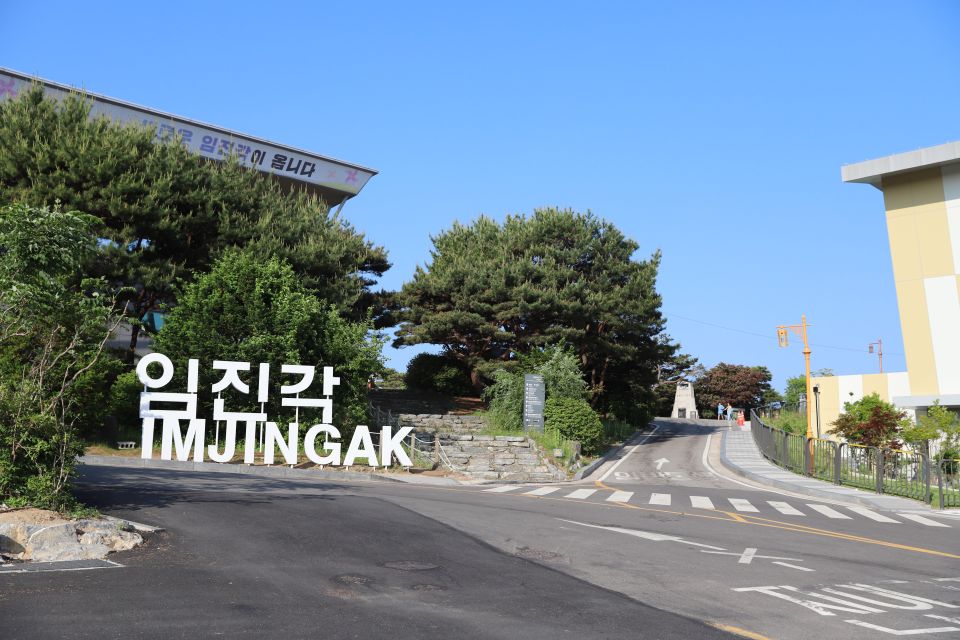
What I like most is how the tour mixes stops so the story isn’t just dates and speeches. I’m drawn to Imjingak Park and its Bridge of Freedom moment, and I especially like the way the infiltration tunnel visit (often the 3rd Tunnel) makes the conflict feel physical and close-up.
One possible drawback: the day is long and can be uneven on your body. The walking can be challenging at points (steep tunnel slopes, plus a hike if you pick the suspension bridge option), and it’s not suitable if you have heart problems or need wheelchair access.
In This Review
- Key Highlights You’ll Care About
- Why This DMZ Tour From Seoul Feels Different
- Picking the Right Route: Standard DMZ, Gamaksan Bridge, or 2nd Tunnel
- The standard DMZ day (often the most common)
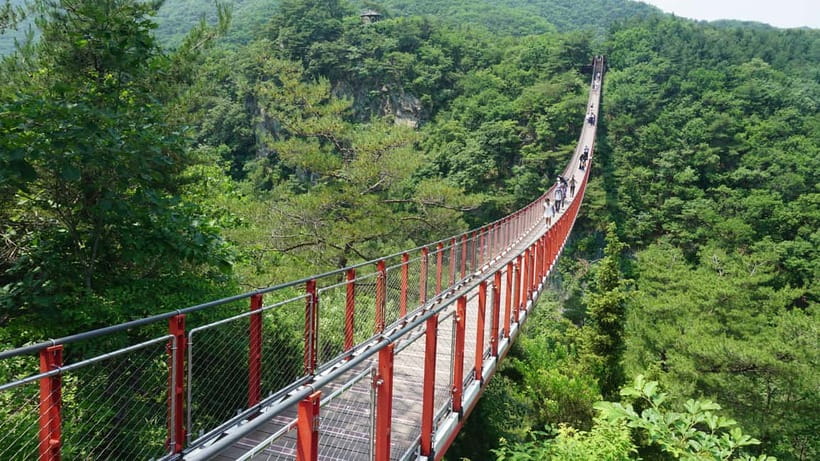
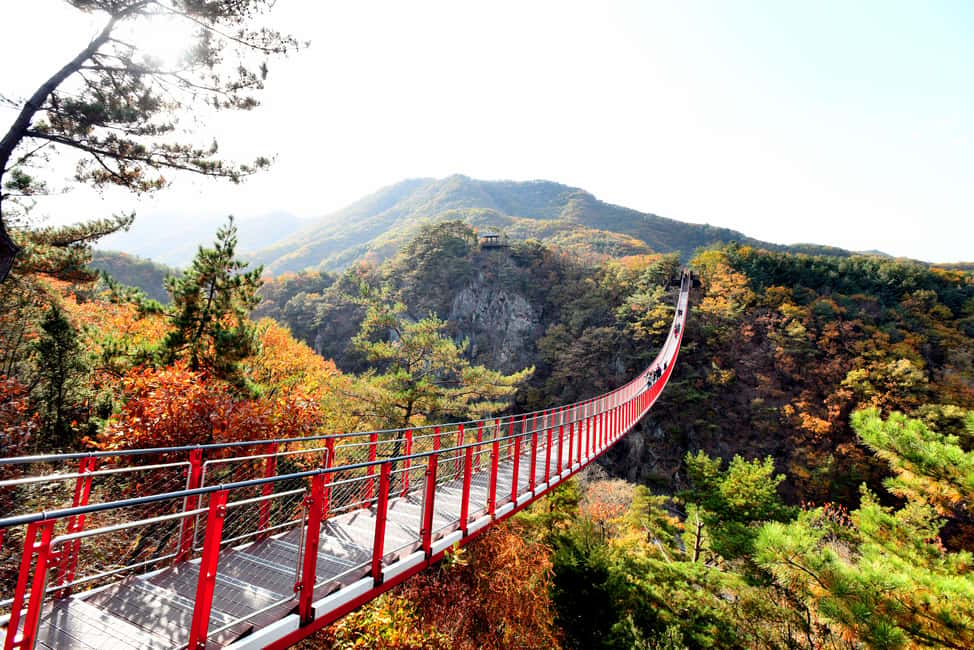
- DMZ + Gamaksan Suspension Bridge (for extra war-history context)
- The 2nd Tunnel itinerary (different sites, different season options)
- Imjingak Park and the Bridge of Freedom: Starting With Meaning
- The Infiltration Tunnels: What It Means to See the War Up Close
- Mount Dora and Dora Observatory: The View That Puts History in One Frame
- Unification Village: Souvenirs, Peace Messages, and North Korea in Small Packaging
- Aegibong Observatory (Starbucks) Tour: A Very Close North Korea View
- Group Pace, Guides, and the Difference a Great Host Makes
- Comfort Tips That Save Your Trip
- Price and Value: Why $30 Can Still Feel Like a Full-Day Investment
- Weather, Military Rules, and the Reality of “Sometimes It Changes”
- Should You Book This DMZ Tour From Seoul?
- FAQ
- Do I need a passport for the DMZ tour?
- How long is the DMZ tour from Seoul?
- Is JSA (Panmunjom) included in this tour?
- Which languages are the guides available in?
- Are hotel pickup and drop-off included?
- What if the tour plan changes due to military or weather restrictions?
- Is this tour wheelchair-friendly or okay for heart conditions?
Key Highlights You’ll Care About
- Dora Observatory views across the border, from a guided viewpoint that helps you actually interpret what you’re seeing
- Imjingak Park stops that start the day grounded in post-war reality, not just theories
- Infiltration tunnels that add a hands-on “how” to the history lesson
- Route choices: standard DMZ, the Gamaksan bridge add-on, or the 2nd-tunnel itinerary
- Aegibong Observatory option with a Starbucks on-site and a north-facing view about 1.4 km away
Why This DMZ Tour From Seoul Feels Different
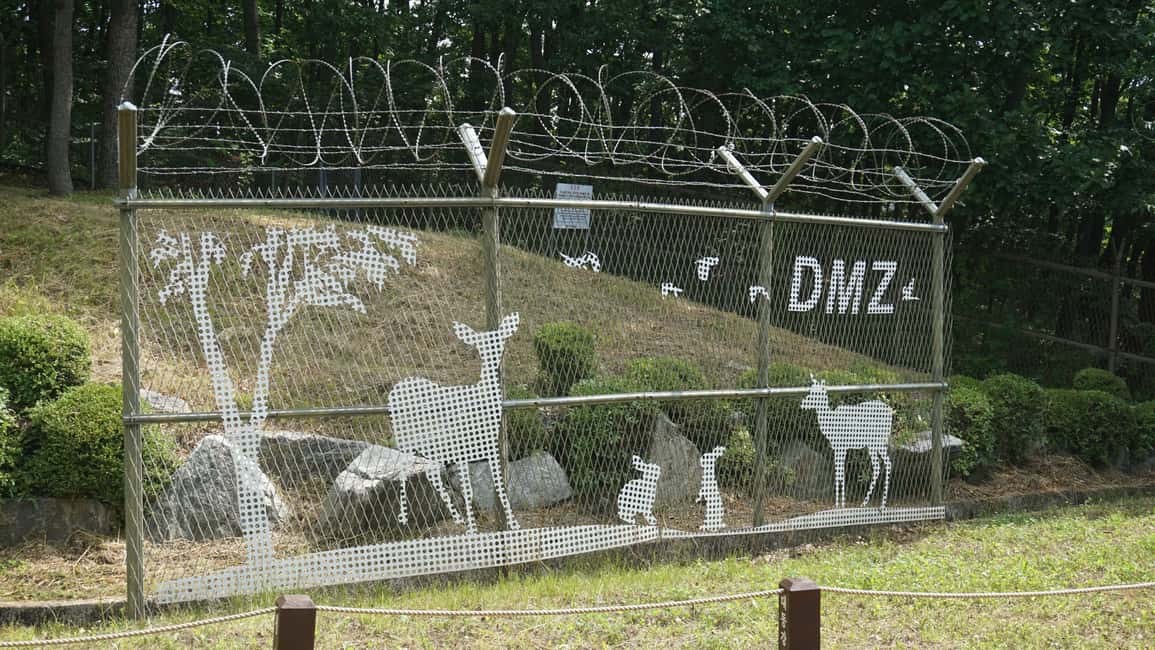
A DMZ day trip isn’t like most sightseeing. You’re not just collecting photos. You’re being guided through a place built to stop people from crossing, while you learn why that barrier exists and how both sides framed it over time.
What makes this tour work well for most first-timers is that it’s structured. You see the border area through multiple lenses: memorial-style spaces (Imjingak), engineered underground spaces (the tunnels), and long-distance sightlines (the observatories). That combination helps you understand the DMZ as more than a line on a map.
You can also read our reviews of more tours and experiences in Seoul.
Picking the Right Route: Standard DMZ, Gamaksan Bridge, or 2nd Tunnel
You’ll choose among several itineraries, and the choice matters because it changes what you walk through and what kind of views you get.
The standard DMZ day (often the most common)
This route runs Tuesday to Sunday and typically includes Imjingak Park, the tunnel stop (the tour text highlights the 3rd tunnel in this version), and then Mount Dora for the Dora Observatory view. You also have time for Unification Village near the DMZ before heading back.
DMZ + Gamaksan Suspension Bridge (for extra war-history context)
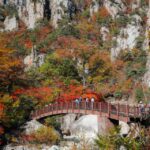
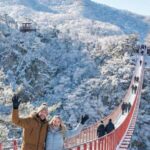
If you add the Gamaksan Suspension Bridge, the itinerary runs Tuesday to Sunday and includes an additional stop tied to a Korean War-era battle involving British troops. This gives you a second “story thread” beyond the DMZ itself—less about the border line and more about the fighting around it.
The 2nd Tunnel itinerary (different sites, different season options)
This version runs Mondays, Thursdays, and Saturdays. Instead of the tunnel focus that the standard version highlights, you get the 2nd Tunnel plus places like the Cheorwon Peace Observatory, Woljeong-ri Station, and the Migratory Bird Sanctuary. You also get an included lunch area near the 2nd tunnel (at your own expense), and your walking route may vary by season: a cliffside path in April to November, or a water road in December to February.


Imjingak Park and the Bridge of Freedom: Starting With Meaning
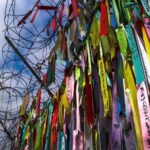
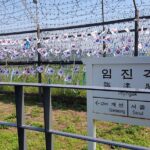
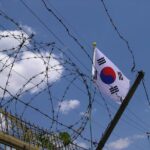
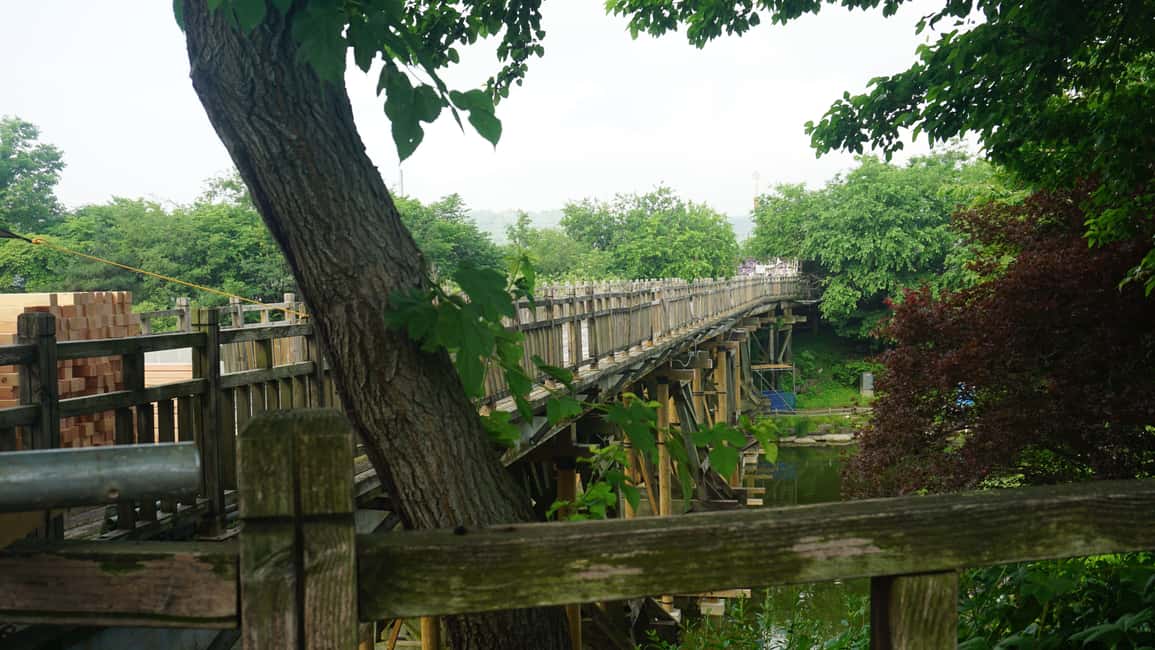
Imjingak Park is the kind of stop that quietly sets the tone. You begin by seeing the Bridge of Freedom, which is both symbolic and practical for what comes next. It’s a reminder that the DMZ isn’t only about soldiers and patrols—it’s also about families split across a border.
From here, you’re guided onward with context so the next stops land better. When you later stand at an observatory and look north, it’s easier to connect the view to the human story: what crossing meant, what it cost, and why the area became a long-term “in-between” zone.
Tip: bring patience for the pace. This portion feels reflective, then the day ramps up into more structured movement.
The Infiltration Tunnels: What It Means to See the War Up Close
Tunnels are where the DMZ stops being abstract. You’re dealing with engineering used for clandestine movement—an approach that says a lot about the conflict style on both sides.
In the standard DMZ version, the tour includes the 3rd Infiltration Tunnel, described as incomplete and built by North Korea beneath the DMZ. If you choose the 2nd Tunnel itinerary, you’ll go to the 2nd Infiltration Tunnel instead, along with a different set of surrounding sites.
The key practical point: tunnels can be physically demanding. The 3rd tunnel has a steep slope and involves a round trip on foot that can take 30–40 minutes, so it can be tough for children and older visitors. The tour also notes that you can wait at the tunnel area if needed, which is a helpful option when you’re with mixed ages.
Mount Dora and Dora Observatory: The View That Puts History in One Frame
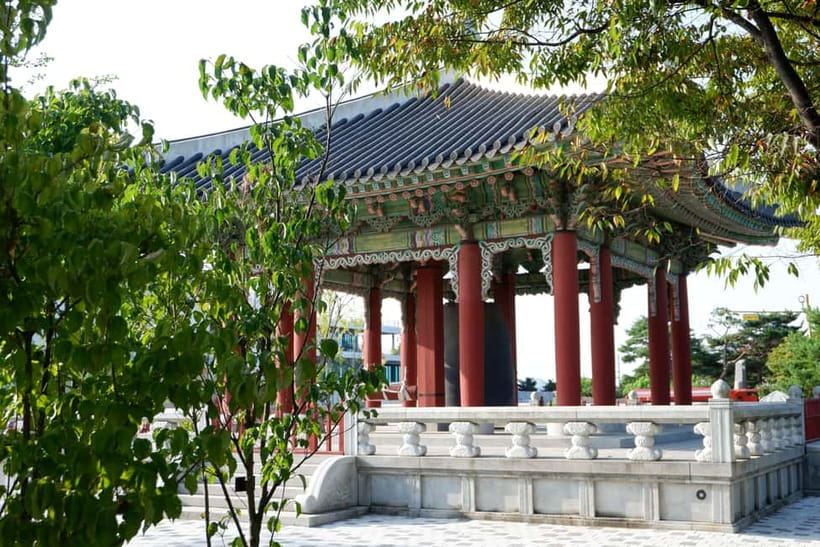
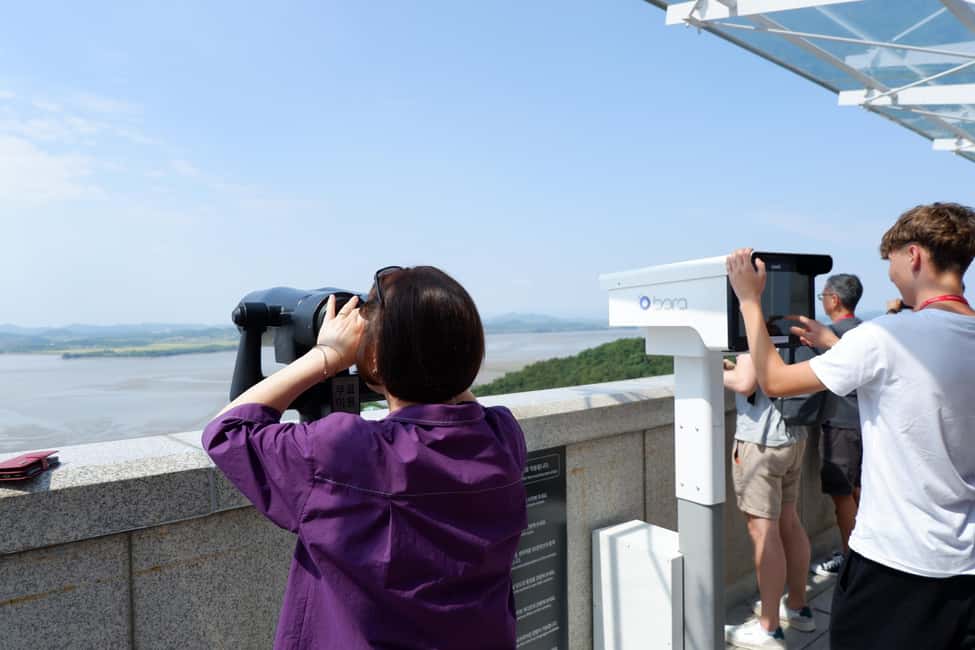
Once you reach Mount Dora, the tour shifts from “story places” to “sightline places.” The Dora Observatory is the big reason many people book this DMZ trip in the first place: you look across the border and you can finally connect the briefing you’ve been hearing to real geography.
You’re also directed to take in the broad DMZ area—described as about 4 km (2.4 miles) wide—so the DMZ is seen as a zone, not a thin line. That’s important because it changes how you interpret the border’s purpose. It’s not only about stopping movement; it’s also about creating buffer control over time.
One small detail that can make a difference: some groups are provided binoculars at the observatory, which helps you make the most of your viewing time, especially in hazier conditions.
Unification Village: Souvenirs, Peace Messages, and North Korea in Small Packaging
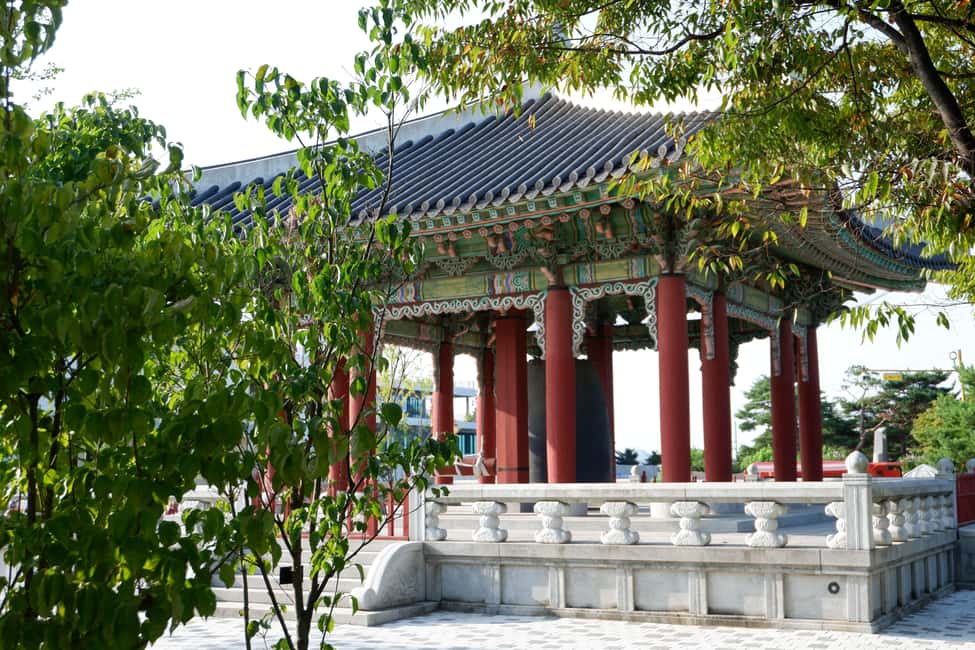
Unification Village sits near the DMZ and gives you a different kind of perspective. It’s where reconciliation themes meet commerce—souvenirs and items symbolizing peace, and sometimes products tied to North Korea.
I like this stop because it’s not pretending the area is only solemn. You can see how the border zone has also become a place where people manage hope, curiosity, and economic reality all at once. You’ll have time to browse for snacks and mementos before heading back toward Seoul.
Practical note: bring an open mind and don’t expect a calm museum vibe. This is more marketplace energy, managed by the odd reality of the location.
Aegibong Observatory (Starbucks) Tour: A Very Close North Korea View
If you choose the Aegibong Observatory option, you’re looking at North Korea from an exceptionally close vantage point. The tour text explains the observatory is about 1.4 km away from where you can see North Korea, and it operates in the Civilian Control Zone closest to the DMZ.
This option also includes a Starbucks located within the Aegibong Peace Ecopark and tied to the observatory experience. That’s the headline for many people, but the deeper reason it matters is the site’s history: after the Korean War, displaced people visited Aegibong hoping for a distant view of their native land.
Also, don’t confuse old and new structures here. The original observatory built in 1978 was replaced by a modern facility known as Jogang Observatory, which is the structure you’ll use for the viewing.
If you pick this option, you should also expect a different kind of mood: less “walking museum,” more “stand and look, absorb, and reflect.”
Group Pace, Guides, and the Difference a Great Host Makes
This tour rises and falls on the guide, and in this case the guiding quality is consistently a standout. I’ve seen guides like Stella, Winnie, Kenny, Thomas, and Grace described as high-energy and clear in how they explain what you’re seeing and why it matters.
Here’s what that means for you on the ground:
- You’ll get pacing that prevents the day from turning into a nonstop rush.
- You’ll hear context at each stop so you don’t just stare out a window at nothing you can interpret.
- You can ask questions and get straight answers, which matters a lot at a place this sensitive.
One practical perk I really like in the way these tours are run is the ability to manage group energy. At the end, you may get a bit of quieter time for breathing and absorbing after a long day of new information.
Comfort Tips That Save Your Trip
Even if you’re excited, plan your body for the reality of border tourism.
- Wear comfortable shoes. If you choose the Gamaksan Suspension Bridge option, the bridge is reached via a 40-minute hike, and you’ll want traction and support.
- Expect slope challenges at the tunnel area. The 3rd tunnel’s steep slope is specifically flagged as something to prepare for.
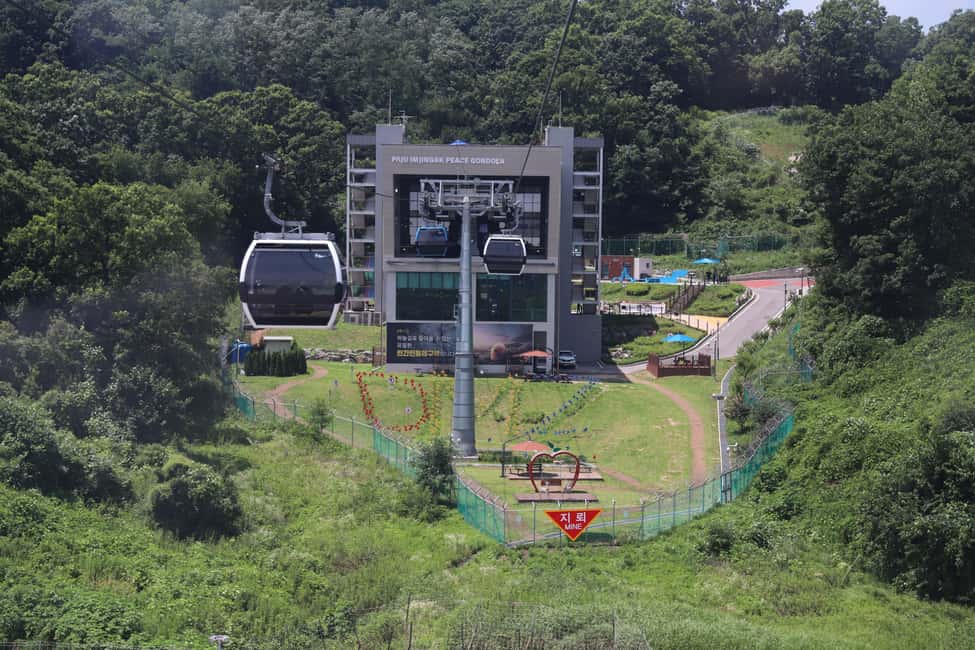
- Know the air situation. The tour mentions the Peace Gondola isn’t air-conditioned and may get overheated in hot summer weather. If you pick the gondola add-on, dress for heat and bring water if you can.
- Bring your passport. It’s required for entry to the sites.
- If you have heart problems or need wheelchair access, this tour isn’t suitable per the tour details.
Also, follow the conduct rules. Intoxication and alcohol/drugs aren’t allowed, and you won’t be permitted to join if you show up under the influence.
Price and Value: Why $30 Can Still Feel Like a Full-Day Investment
At $30 per person, this tour is priced more like a serious day trip than a premium, multi-stop “luxury experience.” That’s part of the value: you’re paying for guided entry to a controlled military zone experience, plus roundtrip shared transfers from Seoul, plus the transport on an air-conditioned bus or minivan.
The catch is that you’re trading comfort and simplicity for access and intensity. This is a long day (listed at 5 to 11 hours, depending on the route and departure time), with early starts and strict rules about what you can do and where you can go. You also won’t be visiting the JSA (Joint Security Area/Panmunjom) with this option, so your expectations should be focused on DMZ zone sights and observatory views rather than the JSA.
Think of it this way: you’re buying structure, context, and access to key viewpoints—not a flexible itinerary.
Weather, Military Rules, and the Reality of “Sometimes It Changes”
The DMZ is operated by the military, and that affects your day. The tour notes it may be canceled without prior notice, and it also says the itinerary can change based on weather, military, and government regulation.
If that happens, you won’t just be sent away with nothing. The tour mentions alternative stops you may visit instead, such as Imjingak, Art Space BEAT 131, Odusan Unification Observatory, and the War Memorial of Korea.
That’s good news for planning: you can still expect a meaningful day focused on Korean division history and related memorial viewpoints. The only downside is that you might not get your exact preferred tunnel or observatory timing if conditions shift.
Should You Book This DMZ Tour From Seoul?
If you want one organized day that gives you multiple layers of the DMZ—memorial ground, tunnel engineering, and a real north-facing observation moment—this is a strong choice. The value at this price point is hard to ignore, especially with licensed English/Japanese guides and roundtrip transport from central Seoul pickup options.
You should consider a different plan if you’re looking for a relaxed afternoon outing. The day can be long, walking can be challenging, and certain health limitations apply. Also, if you’re specifically chasing the JSA (Panmunjom), you’ll need a different tour because this one does not include it.
My practical advice: book the route that matches your curiosity. If you want the classic DMZ arc, choose the standard DMZ day. If you’re excited by extra war-era context, add the Gamaksan suspension bridge. If you’re more into the broader Cheorwon-area sites and seasonal walking variety, pick the 2nd tunnel itinerary. And if you want the closest famous viewing with the Aegibong Starbucks stop, choose the Aegibong Observatory option (noting it doesn’t run on Saturdays).
FAQ
Do I need a passport for the DMZ tour?
Yes. The tour requires a passport.
How long is the DMZ tour from Seoul?
It’s listed as 5 to 11 hours, depending on the option you book and the starting time available.
Is JSA (Panmunjom) included in this tour?
No. The visit to JSA is not included.
Which languages are the guides available in?
The tour provides live guidance in English and Japanese.
Are hotel pickup and drop-off included?
Hotel pickup is optional from centrally located Seoul hotels if you select that option. Hotel drop-off is not included, and the tour ends back at the meeting point.
What if the tour plan changes due to military or weather restrictions?
The DMZ is run by the military, so the itinerary can be affected. If that happens, the tour may switch to other listed sites instead of offering a refund.
Is this tour wheelchair-friendly or okay for heart conditions?
No. It is not suitable for wheelchair users, and it is also not suitable for people with heart problems.
If you tell me your travel dates and which option you’re leaning toward (standard DMZ, 2nd tunnel, Gamaksan bridge, or Aegibong), I can help you pick the best fit for your pace and interests.