REVIEW · SEOUL
Seoul: DMZ Tour with Exclusive North Korean Defector Talk
Book on GetYourGuide →Operated by Cosmojin Tour Consulting · Bookable on GetYourGuide
A border story hits different. This Seoul DMZ tour mixes the big, heavily fortified sites with an exclusive North Korean defector Q&A, giving the day a real human center. I also love how the experience is run by expert storytellers—guides such as Han Solo and Jackie the Storyteller—so the history doesn’t feel like a lecture.
One thing to plan for: it’s a full day with tight timing at each stop, and security rules can limit what you can capture on camera at key viewpoints.
In This Review
- Key Points You’ll Actually Care About
- First, Here’s What This DMZ Tour Is Really About
- The Price and Value: What $49 Gets You for 7–9 Hours
- Meeting in Seoul: Start Time, Pickup Feel, and What to Expect
- The Ride to the DMZ: The Defector Q&A Sets the Tone
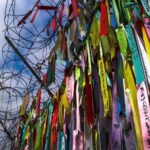
- Imjingak Pyeonghwa-Nuri Park and the Bridge of Freedom
- Mangbaedan: A Short Stop With a Purpose
- Third Infiltration Tunnel: The Underground Part That Feels Real
- Dora Observatory: The Viewpoint Moment (and the Photo Reality)
- The Unnamed Mid-Stop: A Short Guided Visit Between Big Moments
- Back Toward Imjingak (Pass-By Time) and the Road Back
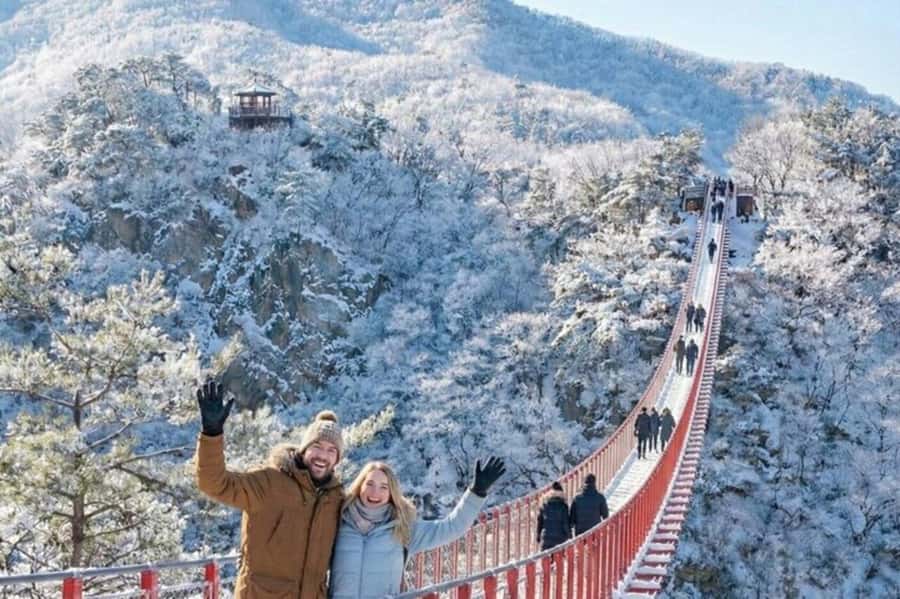
- Optional Upgrade: Mt. Gamaksan Suspension Bridge
- What the Best Guides Do on This Tour (and Why It Matters)
- Who Should Book This DMZ Tour?
- Quick Practical Tips So Your Day Goes Smooth
- Should You Book This DMZ Tour?
- FAQ
- How long is the Seoul DMZ tour?
- Where is the meeting point?
- Do I need a passport?
- Is the North Korean defector interview included?
- What language are the guides?
- Is the Gamaksan Suspension Bridge included?
- What should I wear or bring?
- Is the tour wheelchair accessible?
- Can I cancel for a refund?
Key Points You’ll Actually Care About
- Face-to-face defector Q&A that happens during the ride toward the DMZ area, before you even get to the border sights
- Imjingak Pyeonghwa-Nuri Park and Bridge of Freedom for that immediate sense of division and separation
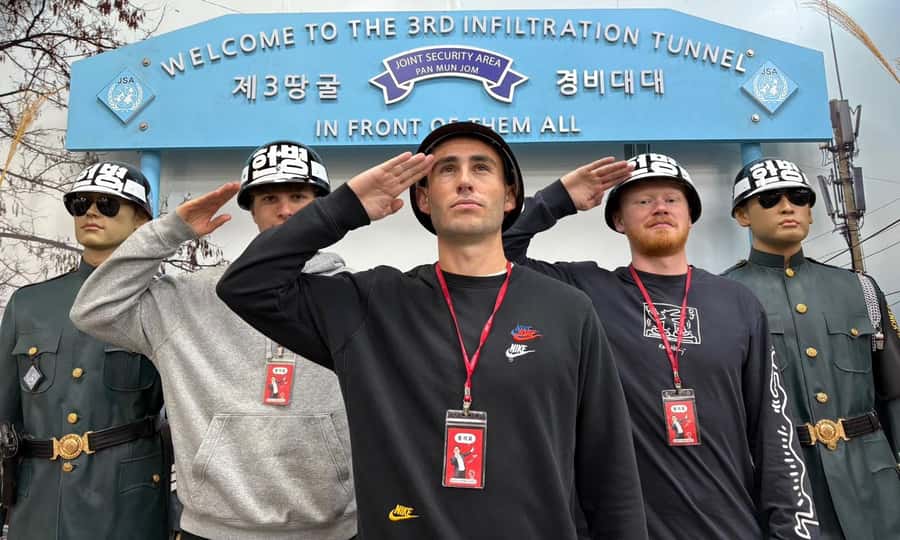
- Third Infiltration Tunnel access with a guided look at the underground war plan (and the stairs you’ll feel later)
- Dora Observatory viewpoint for the closest legal, public way to peer toward North Korea
- Gamaksan Suspension Bridge (optional) for a breath of nature after the intensity of the border
- English and Korean live guides with a style that keeps the group moving without feeling rushed
First, Here’s What This DMZ Tour Is Really About
This isn’t just a box-checking tour of fences and observation decks. The big difference is that you get an exclusive Q&A with a North Korean defector—and it’s scheduled in a way that shapes how you see everything afterward.
Before you stand at the places where people point and explain, you hear a personal story of life under dictatorship and the risk of escape and survival. That matters. The DMZ is easy to treat like a set piece. One real voice forces it back into focus: people lived inside the system you’re learning about.
The second reason I like this tour: the guides. You’ll run into storytelling guides such as Han Solo or Jackie the Storyteller (and other expert guides), and the vibe tends to be clear, organized, and lively. You’ll get context at each site, not just dates and names.
You can also read our reviews of more tours and experiences in Seoul.

The Price and Value: What $49 Gets You for 7–9 Hours
At about $49 per person for a 7–9 hour day, the value is in what’s bundled, not what’s on a brochure.
You’re paying for:
- Transportation from central Seoul (meeting near Seoul’s City Hall area, with drop-off around Myeongdong)
- Guided DMZ visits with scheduled stops and interpretation
- Entry tickets included for the stops listed in the program
- An interview program with a North Korean defector, depending on the option you select
A cheap DMZ tour is usually cheap because it cuts the guide time, cuts the interpretation, or cuts the human component. Here, the biggest selling point is the defector interview, and that’s exactly the part you should verify is included in your chosen option.
The other “value” angle is time. The day is long, but the route is set up to hit major DMZ landmarks—Imjingak, the Third Tunnel, Dora Observatory—without you needing to fight local schedules or transportation.
Meeting in Seoul: Start Time, Pickup Feel, and What to Expect
You start early. The meeting point is listed as 7:30 AM at City Hall Station (Line 1/2), Exit 7 outside, right by 92 Sejong-daero, Jung-gu.
Early starts are normal for the DMZ. The key is what the early start buys you: less chaos on the road and a more stable schedule once you arrive. You also have the option of pickup at a point near the Seoul metro or at your hotel (depending on the option you choose).
Bring a passport. That’s required, and it’s one of the easiest ways to keep your day from turning into a stressful detour.
Dress for the day on your feet. Sneakers are required, and the program isn’t wheelchair accessible.
The Ride to the DMZ: The Defector Q&A Sets the Tone
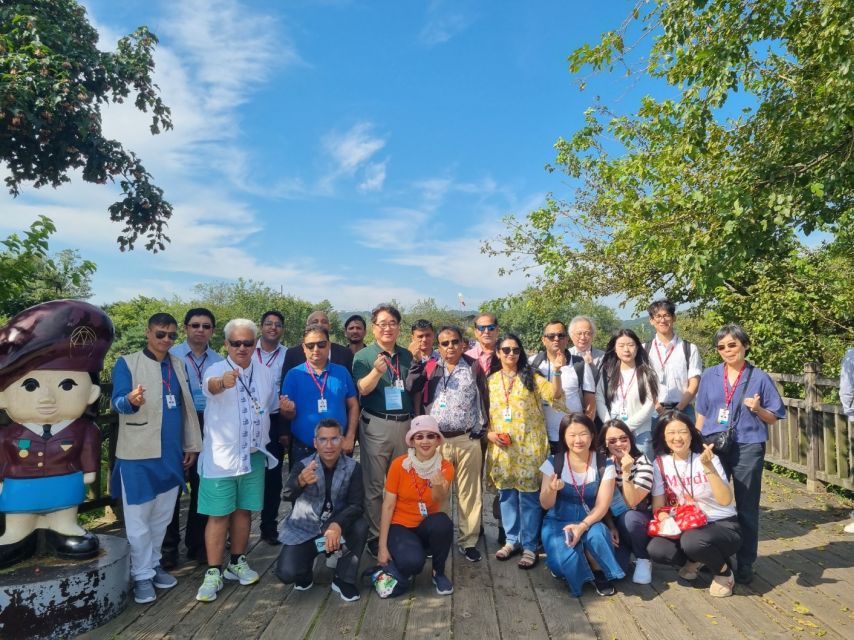
Here’s a smart design choice in this tour: the North Korean defector talk/Q&A happens on the bus while you’re waiting or traveling toward the DMZ area. That means you’re not arriving “cold.”
You’re listening while the day is still focused, controlled, and moving. Then you step into the sites with context in your head, not questions floating around later.
The Q&A format is the highlight. You’re not just told facts; you’re given a direct path to ask questions you actually came for. On this kind of trip, that changes how you remember the day. Dora Observatory and the tunnel are impressive—but they’re also easy to reduce to viewpoints. The defector story prevents that.
If you’re the kind of traveler who wants to understand how a system feels, not only how it looks, this part is the reason to book.
Imjingak Pyeonghwa-Nuri Park and the Bridge of Freedom
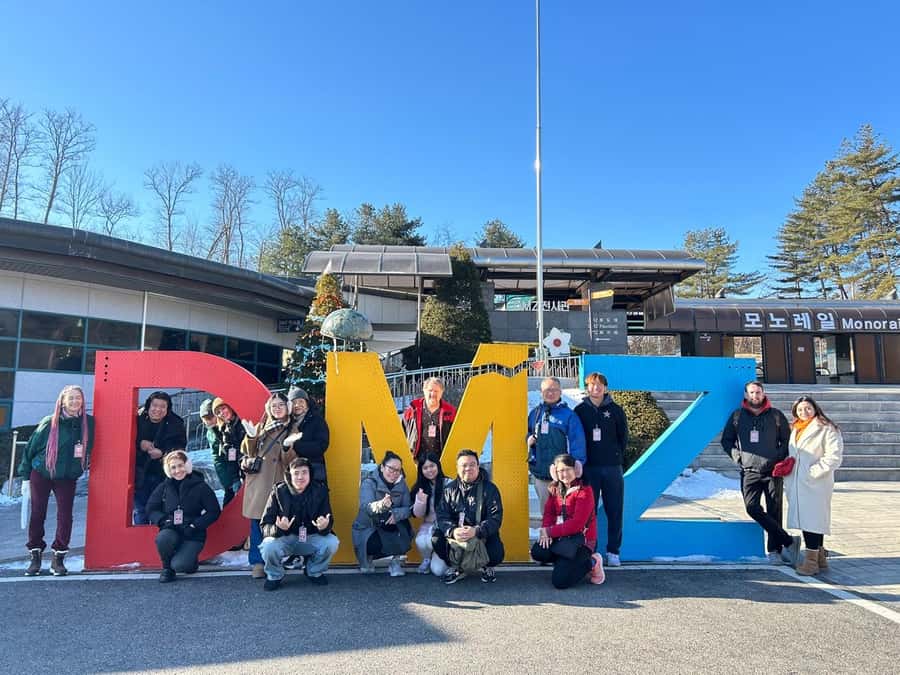
Imjingak is where the DMZ becomes personal fast.
You’ll visit Imjingak Pyeonghwa-Nuri Park and the Bridge of Freedom area as a guided stop (about 1.5 hours on the schedule). This is the zone that many people associate with the human side of division: the sense of separation, the symbolism, and the way the border story is framed for the public.
What I like here is the emotional reset before the heavy stuff underground and the long-range looking from Dora. Imjingak helps you understand what people tried to do across the divide, and it gives you a baseline for what the rest of the day will feel like.
The drawback: you’re in a timed program. There’s enough time to walk, understand, and take a few photos, but don’t plan on lingering for long side loops. If you like slow travel, this is the one day where you’ll feel the structure.




Mangbaedan: A Short Stop With a Purpose
Next on the route is Mangbaedan, with a guided visit of about 30 minutes.
Even with the short time, this stop works because it breaks up the day. It also gives your guide a chance to connect the larger historical narrative to what you’re seeing physically on the ground.
Think of this as a “bridge stop” between major sites. You’ll get context without losing too much time before you head into the tunnel section.
Third Infiltration Tunnel: The Underground Part That Feels Real
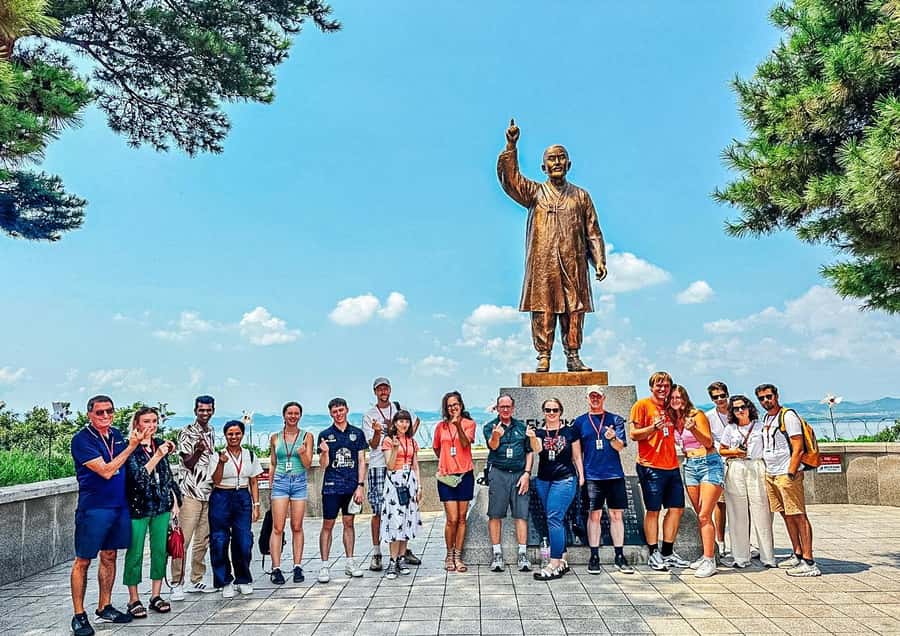
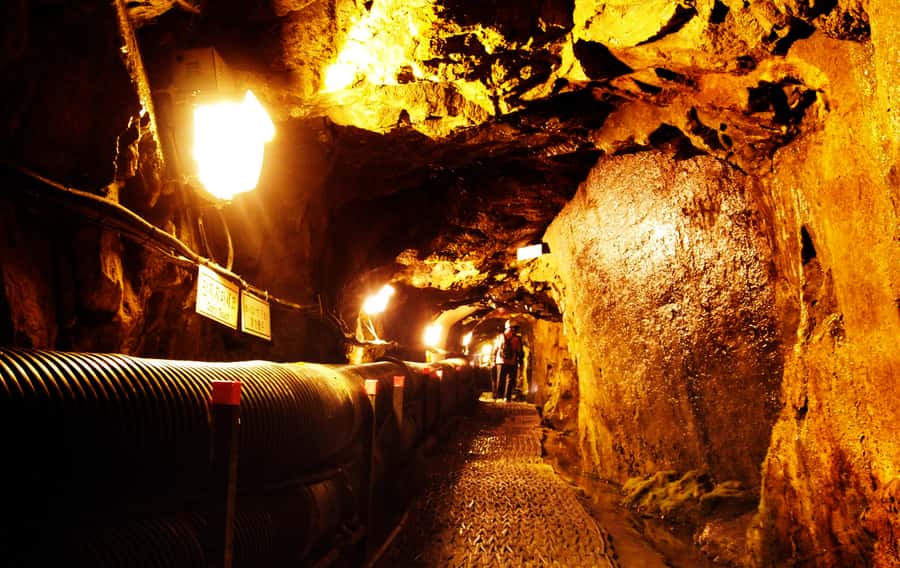
Then comes the main mechanical shock of the day: the Third Infiltration Tunnel, also called the Third Tunnel of Aggression in the program.
You’ll have a guided visit of about 20 minutes here.
This tunnel matters for two reasons:
- It turns the border from a distant concept into a concrete plan. You can picture how movement and conflict were built into the geography.
- It gives your brain a physical memory. Stairs, enclosed space, and the change in pace make it hard to treat as abstract history.
One practical note: a 20-minute tunnel visit can still feel like more, because you’ll be walking slowly, listening, and staying aware of your footing.
If you’re the kind of traveler who likes to read quietly and process, set expectations now: the schedule is tight. What you gain is momentum and guidance; what you give up is free wandering.
Dora Observatory: The Viewpoint Moment (and the Photo Reality)

After the tunnel, you head to Dora Observatory for about 50 minutes of guided time.
Dora is the part most people picture: the public observatory designed to let you look toward North Korea.
What makes Dora powerful isn’t only the view. It’s the combination of your earlier learning and the defector Q&A you heard on the bus. The moment becomes less about sightseeing and more about comprehension: you’re looking at a reality that is still separated, still protected, still controlled.
The likely drawback: security rules at observatories can limit photos or filming directions. One review noted the frustration of limited photo opportunities into North Korea, which is consistent with how DMZ-area rules typically work. So bring your eyes first, then your camera second.
Also, you’ll want patience. Dora can feel busy compared with the quiet of the tunnel.
The Unnamed Mid-Stop: A Short Guided Visit Between Big Moments
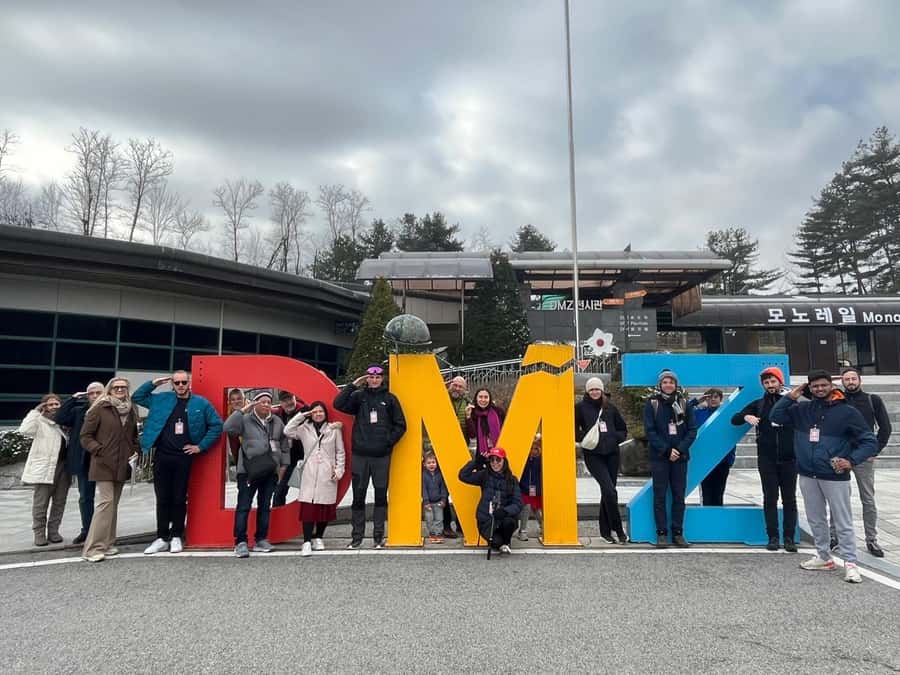
Your day includes one additional short guided stop (about 30 minutes) after Dora.
The name isn’t specified in the schedule you shared, but the timing suggests it’s a supportive segment—likely part of the day’s flow and historical framing between major landmarks.
Treat it like a chance to reset your attention, use the restroom if needed, and keep your energy for what comes next (especially the Gamaksan bridge option).
Back Toward Imjingak (Pass-By Time) and the Road Back
You’ll then pass by Imjingak again for about 20 minutes. That’s usually a quick route segment—more about orientation than a full re-visit.
After that, you get the bus/coach time back to Seoul (about 1 hour).
This is where your day can feel long in a good way or a frustrating way, depending on your tolerance for structured touring. If you start the day rested, you’ll find it manageable. If you’re under-slept, the return drive can feel like it goes on forever.
Optional Upgrade: Mt. Gamaksan Suspension Bridge
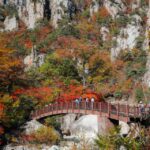
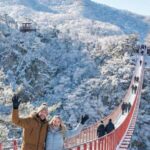
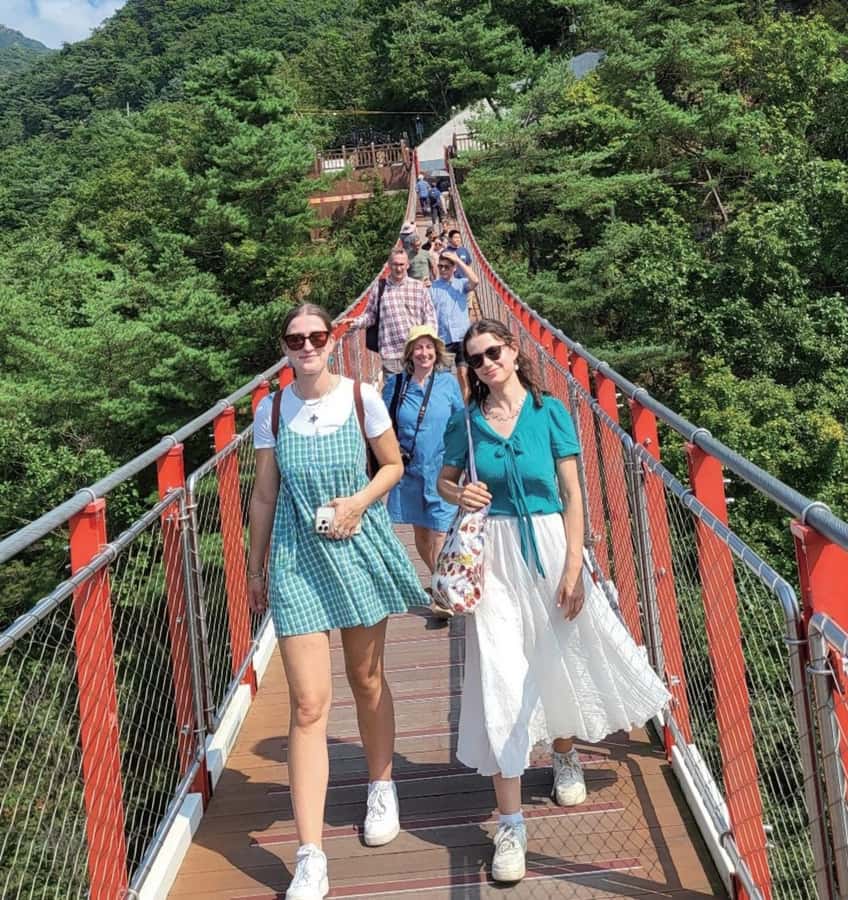
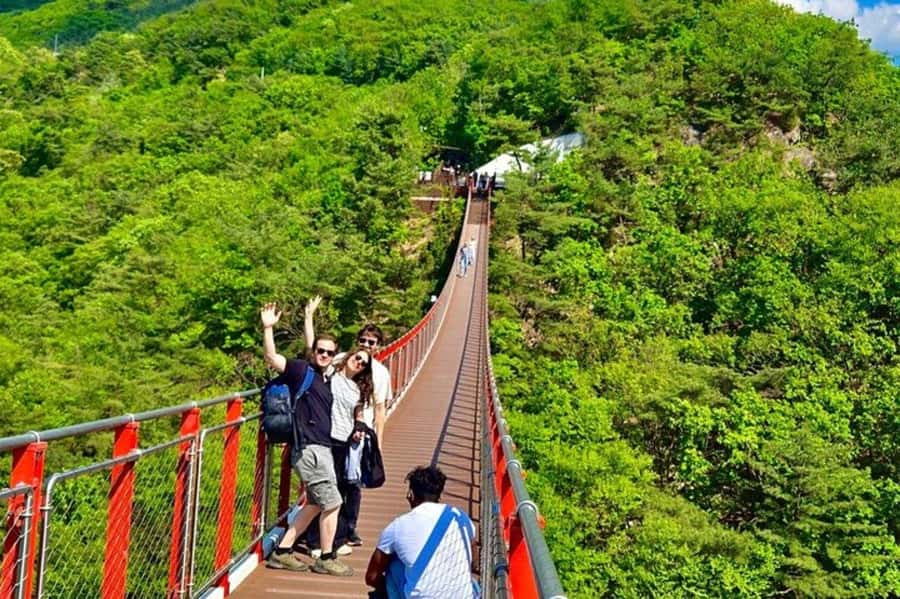
If you choose the option with it, you’ll end with Gamaksan Suspension Bridge for about 1 hour, including a guided visit.
This is a smart contrast to the DMZ intensity. The bridge is in the mountains, so you get open air and a different pace. Reviews also describe it as a popular spot for a quick scenic break—more of a “get your bearings” moment than a history lesson.
Wear good shoes. Even if the bridge is safe and accessible for most, suspension bridges encourage you to move carefully.
If you’re traveling with someone who isn’t into heavy geopolitics all day, this stop can be the compromise that keeps spirits up.
What the Best Guides Do on This Tour (and Why It Matters)
The tour lives or dies by the guide, because you’re covering a lot of serious material in one day.
The standout element in the feedback you shared is the guide’s ability to:
- Keep explanations clear, step-by-step
- Keep the group engaged without rushing people at each stop
- Handle logistics so you can focus on learning and seeing
Guides like Jackie the Storyteller and Han Solo come up repeatedly, along with other capable hosts. One pattern: humor and good pacing. That doesn’t make the DMZ lighter; it makes the day easier to survive.
If you care about understanding more than just staring, this is where you’ll feel the difference.
Who Should Book This DMZ Tour?
I’d book this if you fit one of these profiles:
- You want the classic DMZ sites: Imjingak, Third Infiltration Tunnel, and Dora Observatory
- You want a human story, not only a history lecture—specifically an interview/Q&A with a North Korean defector
- You like a guided format where someone else handles timing and context
- You’re okay with a long day and a schedule that moves from stop to stop
You might reconsider if you:
- Want slow travel and lots of free time for wandering
- Are extremely sensitive to security restrictions around photography
- Need wheelchair accessibility (the program is not wheelchair accessible)
Quick Practical Tips So Your Day Goes Smooth
- Bring your passport. No passport, no DMZ day.
- Wear sneakers. You’ll be walking and you’ll want stable footing.
- Pick the option that includes the defector interview/Q&A if that’s your main reason for booking.
- Keep your expectations realistic about photos. At observation points, rules can limit what you can film or photograph.
- Bring water and plan for a full day. There’s guided time at multiple sites, so you’ll want energy.
Should You Book This DMZ Tour?
If your goal is to understand the Korean divide in a way that feels real—not just factual—I think this is a strong choice.
Book it if you want:
- the major DMZ landmarks
- plus the rare component: a North Korean defector Q&A that frames the day from the start
Skip it (or switch your focus) if you’re mainly after relaxed sightseeing or you hate structured schedules. This tour is built for impact, not lingering.
In the end, the DMZ isn’t a normal tourist destination. This tour respects that with expert guidance and a human story you can’t get from a viewpoint alone.
FAQ
How long is the Seoul DMZ tour?
The duration is listed as 7 to 9 hours, depending on the selected option and schedule.
Where is the meeting point?
The meeting point is 7:30 AM at City Hall Station (Subway Line 1 and 2), Exit 7 outside, near 92 Sejong-daero, Jung-gu, Seoul.
Do I need a passport?
Yes. A current valid passport is required on the day of travel.
Is the North Korean defector interview included?
It depends on the option you select. The program includes an interview with a North Korean defector depending on the chosen option.
What language are the guides?
The live tour guide is available in English and Korean.
Is the Gamaksan Suspension Bridge included?
It’s included only if you select the option that includes it.
What should I wear or bring?
Bring your passport and wear sneakers. Sneakers are required for safety.
Is the tour wheelchair accessible?
No. This tour is not wheelchair accessible.
Can I cancel for a refund?
Yes. Free cancellation is available up to 24 hours in advance for a full refund.