REVIEW · JAKARTA
Jakarta: Volcano, Tea/Rice Fields, Hot Spring, Local Food
Book on GetYourGuide →Operated by Ekaputratour · Bookable on GetYourGuide
Volcano smoke and fruit sweetness in one day. This is a packed Java tour that pairs a close-up look at Tangkuban Parahu with hands-on tastings of local fruit like honey pineapple. I also like how the stops connect—rice fields, tea, coffee, then you unwind in warm sulfur water. The only real drawback is the long mountain drive from Jakarta, and the hot springs may feel more like a soak-and-massage break than a full-day spa for everyone.
Guides run the day in English in a small group (10 or fewer), which matters when you’re asking questions at a volcano crater or trying to time your photos in rain. Guides named in recent bookings include Tio, Rizky, Bryan, Nanda, Bryan, Valentine, and Vincent, and the best part is that they keep the day moving without rushing the key moments.
In This Review
- Key highlights you’ll feel, not just see
- The Jakarta-to-bandung timing: long drive, good structure
- Subang and the fruit-paradise stop: breakfast turns into a snack tour
- Tangkuban Perahu: the crater experience is the whole point
- Tea in a volcanic area and coffee in Lembang: education with a purpose
- The coffee cultivation stop in Lembang
- The tea plantation near the active volcano area
- Rice fields and village time: why this stop matters
- Lunch and local food: decent break, watch for variety
- Ciater hot springs plus massage: the end-of-day reset
- The fruit payoff at the end: honey pineapple, handpicked
- Price and value: why $114 can make sense for the right person
- Who this tour is best for (and who should skip)
- Should you book this Jakarta volcano, tea, and hot springs tour?
- FAQ
- How long is the tour from Jakarta?
- What time does pickup start, and when will I be back?
- Is lunch included?
- What language is the tour guide?
- Is the group small?
- What should I bring for the hot springs?
- Is the tour wheelchair accessible?
Key highlights you’ll feel, not just see
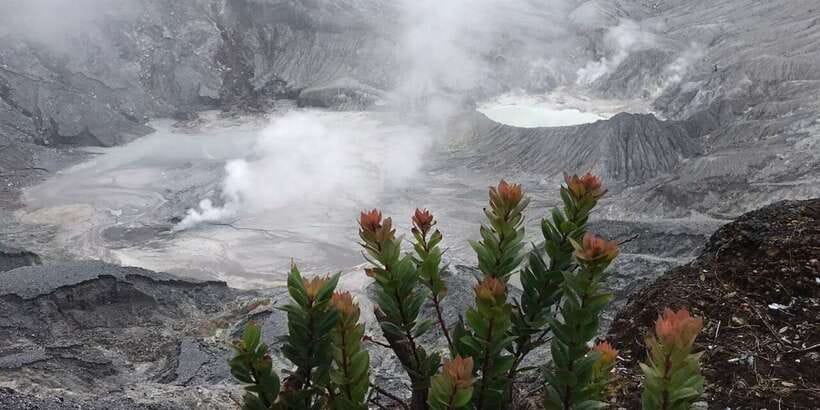
- Tangkuban Parahu crater close-up with smoke, sulfur smell, bubbling mud, and occasional rumbling
- Honey pineapple and exotic fruit tasting including mangosteen and snakeskin fruit
- Rice fields and tea plantations with a real local host guiding what you’re looking at
- Coffee stop in Lembang with a guided look at the coffee plants and production
- Ciater hot springs in warm sulfur-infused water plus a body massage
The Jakarta-to-bandung timing: long drive, good structure
This tour is built for a full day outside the city. You’re picked up in the Jakarta area between 7:00 and 7:25 AM, then you start the push toward Subang and Bandung. Expect about 2.5 to 3 hours of driving each way, plus time at stops. Return is usually between 7:00 and 8:00 PM (it can run a bit longer on weekends), so don’t plan flights or tight appointments for that day.
What makes it work is the pacing. You don’t just sit in traffic all day. You get scenic stops on the way, then a string of “small experiences” that add up: fruit tasting, a volcano walk/photo time, coffee and tea education, a lunch break, and finally the hot springs.
Two practical notes for you. First, bring comfortable shoes; volcano viewing and walking in plantations add up. Second, bring change of clothes and a towel, because hot spring time includes swimming/free time. If you tend to get tired in cars, plan to stay loose with snacks and water (bottled water is included).
You can also read our reviews of more tours and experiences in Jakarta.
Subang and the fruit-paradise stop: breakfast turns into a snack tour
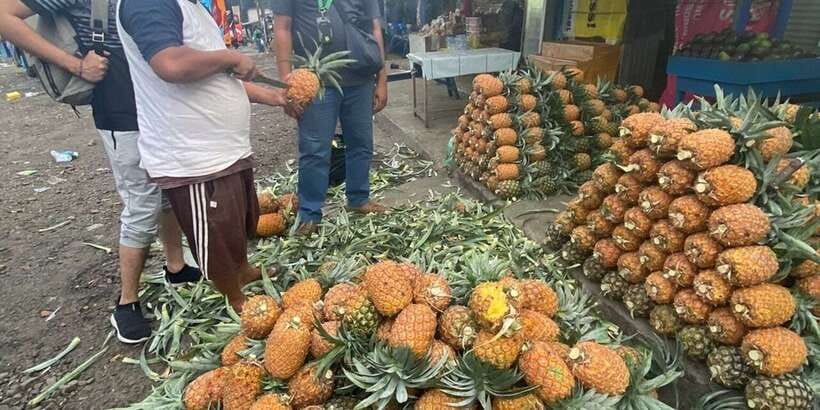
Before the volcano, you’ll head through the lowland fruit-and-farm areas around Subang and Bandung. One of the early highlights is a fruit stop framed like a proper tasting, not a quick photo moment. You sample local favorites and get a chance to ask what you’re tasting and how to eat it.
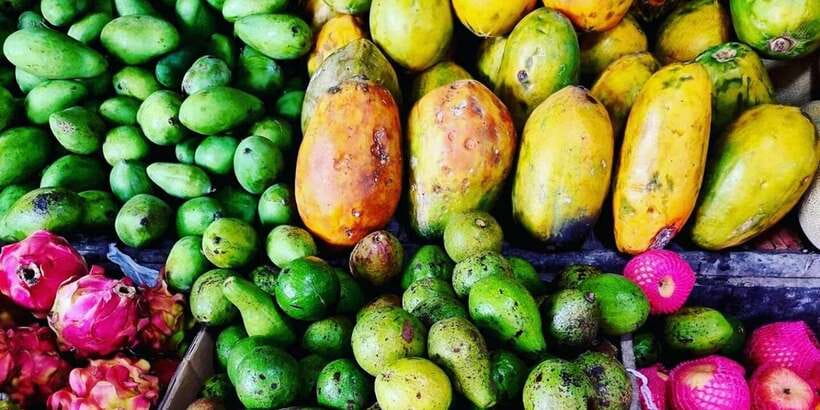
The standouts are the fruits named on the day: honey pineapple, mangosteen, and snakeskin fruit. Honey pineapple is the one people remember later. It’s sweet, fragrant, and it shows up again at the end of the day too—your guide handpicks it for you on the way back.
Snakeskin fruit is fun but not a “walk-in-and-easy” fruit. The skin can be sharp, so you’ll want to let your guide show you what to do and eat it carefully. Mangosteen is the calming counterpart—thick, juicy, and ideal when the rest of the day turns smoky and hot.
On the way, you’ll also get short scenic breaks. Some stops are quick walks with views, so this part isn’t about deep hiking. It’s about resetting your senses before the mountain stuff.
Tangkuban Perahu: the crater experience is the whole point
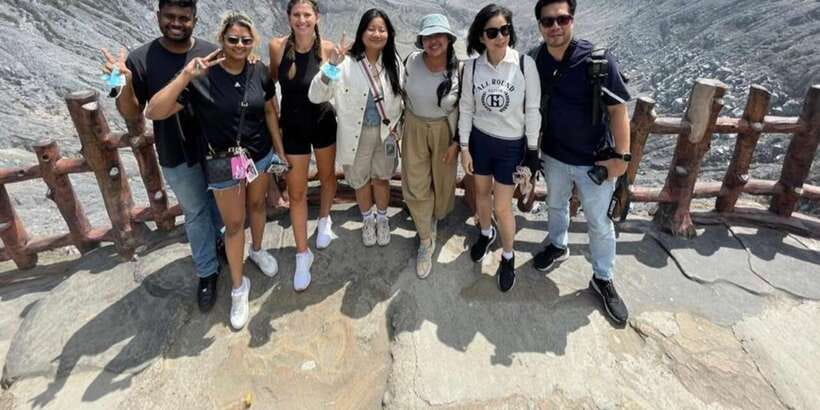
If you’re choosing this tour for one reason, it’s Tangkuban Parahu. This is the moment where the day stops being a list of places and starts feeling like an actual event.
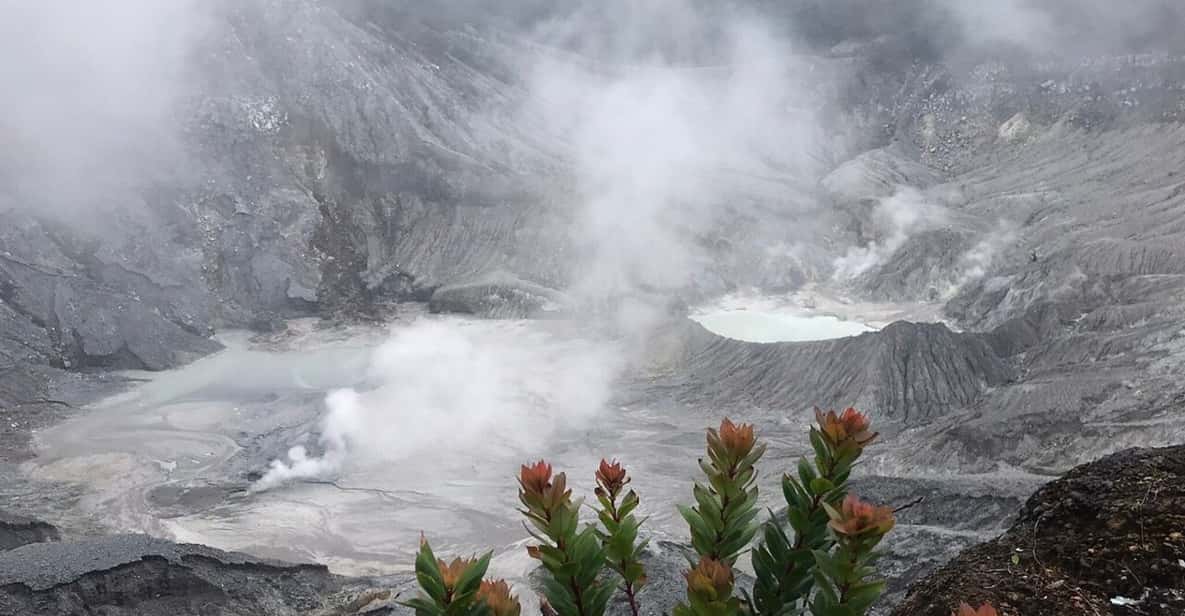
You’ll head into a rainforest setting and reach viewpoints with time for photos and short walking. Then you get the volcano crater experience up close. Here’s what you can expect: smoke and sulfur smell, bubbling mud, and (at times) a rumbling sound. It’s also the kind of place where you might spot wildlife—one booking notes wild monkeys in the surrounding rainforest area.
A few “be ready” tips. First, dress for the possibility of cool mist or wet ground around a crater. Comfortable shoes matter more than style here. Second, expect sellers around popular lookout points. One booking suggests bringing some cash if you want handmade items; you can always say no, but it helps to have small bills.
If the weather is bad, visibility can be limited. One reviewer described a rainy day where the top view was miserable in terms of sightlines, but the volcano experience still made the day worthwhile. Translation: even when you can’t see everything perfectly, you still get the smell, the steam, and the sense of being near something active.
Tea in a volcanic area and coffee in Lembang: education with a purpose
After the volcano, your day shifts into “how people make a living here.” That’s the real value of the tea and coffee stops. You’re not just tasting—you’re seeing the plant and hearing how it’s grown and processed.
The coffee cultivation stop in Lembang
In the Lembang area, you visit a coffee cultivation center tied to kopi luwak. You’ll see the coffee plant and beans, then get a guided explanation of the process, the benefits, and the types of coffee products. There’s also time for tasting.
This is one of the stops where opinions split. Some people love it as a fun, explanatory coffee lesson and photo moment. Others felt the kopi luwak farm portion felt too commercial and raised concerns about how animals were kept. The tour is still described as well organized, but if animal welfare is a dealbreaker for you, you might want to think carefully about this stop before booking.
The tea plantation near the active volcano area
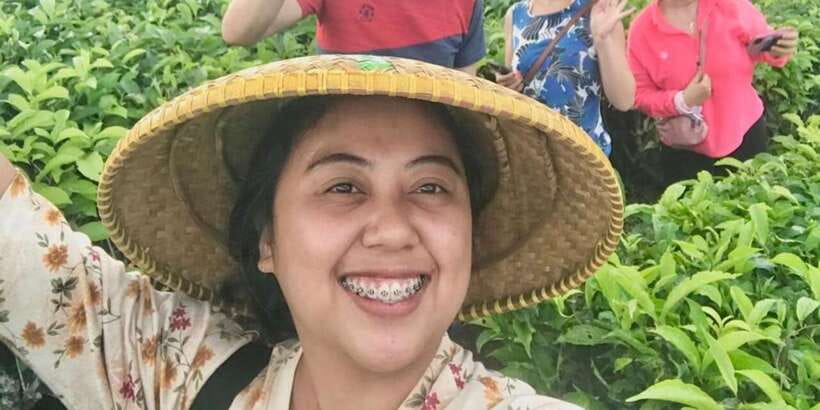
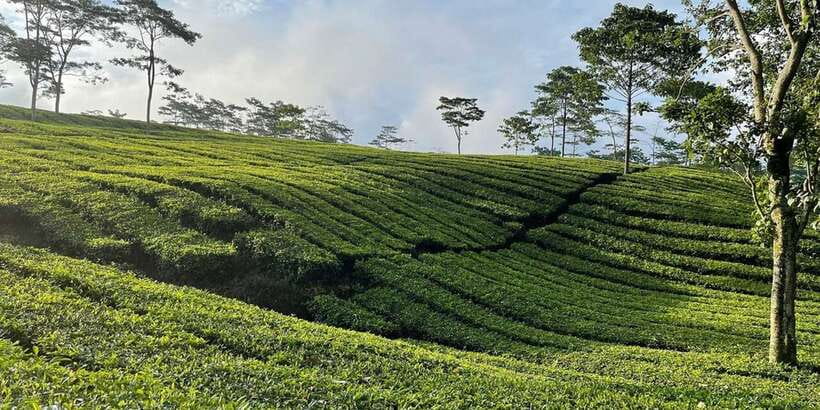
Next comes tea. You visit a tea plantation tied to volcanic surroundings and learn about tea’s history, cultivation, types, and harvesting. You’ll also have photo time—this is where the “mountain air” photos usually happen, especially if clouds hold back long enough.
Tea here isn’t just a drink. It’s part of the mountain economy. Seeing the plants up close helps you understand why locals care about seasons and harvesting, and why tea can taste different even within the same region.
Rice fields and village time: why this stop matters
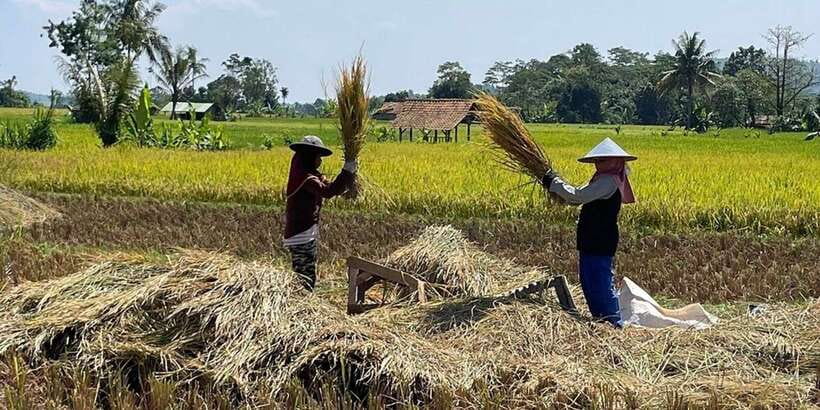
The tour includes time around rice fields and local farming scenes, with a guide who explains what you’re seeing. This part is often described as visually calming after the volcano intensity.
You’ll pause for scenic views, then get closer to what farmers are doing. It’s not an all-day trek. Think of it as: you watch, walk a bit, and learn how the system works. One of the best reasons to include this stop is that it shows another side of Java beyond volcanic danger—daily work, steady rhythms, and practical knowledge passed down by local farmers.
For me, this is the stop that makes the rest of the tour feel more real. Without it, the volcano and hot springs could feel like “theme park nature.” With it, the day becomes a look at how people live around big mountains.
Lunch and local food: decent break, watch for variety
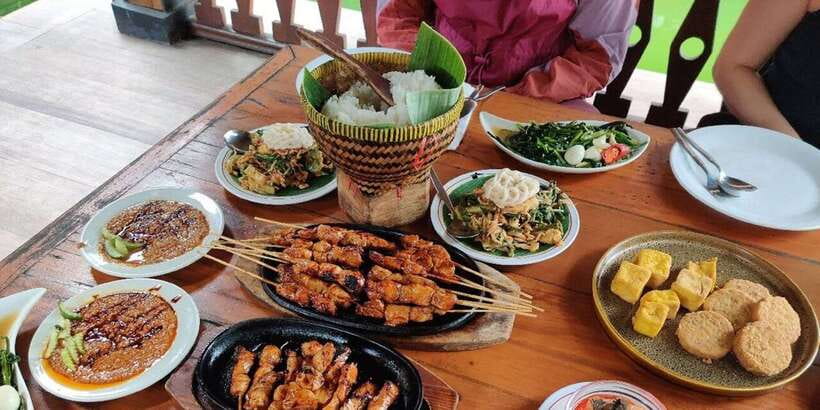
Lunch is included. The tour feeds you at a local eatery with authentic Indonesian flavors, and one booking specifically called the lunch amazing. Still, lunch quality can vary, and at least one person felt the meal leaned toward fried foods with limited flavor beyond one green vegetable.
So how should you think about it? Treat lunch as part of the day’s rhythm, not as the main event. If you’re picky, you’ll likely do better by arriving hungry and being flexible about what’s on the table.
Ciater hot springs plus massage: the end-of-day reset
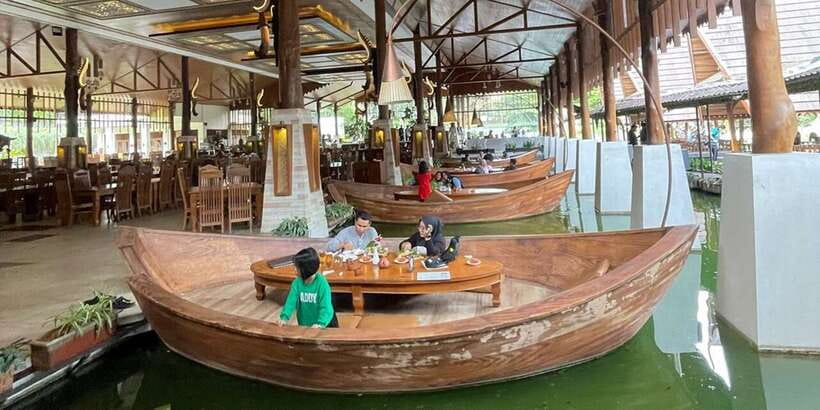
By the time you reach Sari Ater Hot Springs Ciater, you’ve usually walked, ridden, and smelled sulfur enough to feel like a full human again. The hot springs are described as warm and sulfur-infused, and the day ends with a body massage.
What to expect from the soak: pools can have different temperatures. Some people found the experience relaxing but noted that soaking can be limited—one booking described that most soaking is only up to the calf. Others said the hot springs were a good way to end the day.
This means the hot springs are best viewed as a reset, not a guaranteed “soak for hours” fantasy. It’s about warm mineral water, steam, and a slow finish after a long drive.
Also remember why the massage matters. In a day this active, stretching out at the end helps you feel less stiff for the ride back.
The fruit payoff at the end: honey pineapple, handpicked
One of the nicest finishing touches is that honey pineapple shows up again near the end. Your guide hands it over as a final treat before you return to Jakarta. It’s a small moment, but it makes the fruit stop feel connected instead of random.
This final tasting works especially well if you’re the type who likes a “signature item” from a trip. For this day, honey pineapple is the signature.
Price and value: why $114 can make sense for the right person
At $114 per person for a 14-hour day, you’re paying for more than entry tickets. You’re getting:
- hotel pickup and drop-off in the Jakarta area
- air-conditioned vehicle for mountain driving
- a live English guide
- entrance fees (volcano and hot springs)
- lunch and fresh local fruit tasting
- bottled water plus toll and parking fees
Value depends on what you want. If you’re trying to hit volcano, coffee, tea, rice fields, fruit, hot springs, and massage in one day without handling logistics, this price looks fair. You also benefit from a small group size (10 or fewer), which usually means more attention when you want clearer explanations at the crater or when you’re photographing the steam.
If you only want the volcano and don’t care about the rest, you might find the day too packed. But if you want a “mini Java sampler,” this is one of the more efficient ways to do it from Jakarta.
Who this tour is best for (and who should skip)
This tour fits best if you:
- want an English-speaking guide and clear explanations at each stop
- enjoy food and plant-based experiences (fruit, tea, coffee)
- like active sightseeing but still want a structured day
- don’t mind a long day in a car
It may not fit you if you:
- use a wheelchair or have mobility impairments (the tour is listed as not suitable)
- are older than 70 (not suitable over 70, and not suitable over 80)
- want a low-walking day (there’s walking and crater access time)
Also note what’s not allowed: alcohol and drugs aren’t permitted, and pets aren’t allowed.
Should you book this Jakarta volcano, tea, and hot springs tour?
I’d book it if your priority is variety with a real local guide—volcano crater first, then food and plants, then warm water and massage to close the day. It’s also a strong choice if you’d rather pay for a packaged route than coordinate Bandung-area stops from Jakarta on your own.
I’d think twice if you’re uncomfortable with animal-focused coffee experiences like the kopi luwak farm stop, especially given concerns raised about animal housing. And if you’re expecting the hot springs to be a long, deep soak, treat it as a warm-mineral reset instead of a full spa day.
If you decide to go, plan to wear shoes you trust, pack a towel, and go in ready for a day that smells like sulfur, tastes like fruit, and ends with your body finally slowing down.
FAQ
How long is the tour from Jakarta?
The total duration is listed as 14 hours.
What time does pickup start, and when will I be back?
Pickup starts between 7:00 AM and 7:25 AM. You return to Jakarta around 7:00 PM to 8:00 PM, sometimes later on weekends.
Is lunch included?
Yes, lunch at a local restaurant is included.
What language is the tour guide?
The tour includes a live tour guide in English.
Is the group small?
Yes, it’s a small group limited to 10 participants.
What should I bring for the hot springs?
Bring comfortable shoes, change of clothes, and a towel. Comfortable clothes are also recommended.
Is the tour wheelchair accessible?
No. It is listed as not suitable for people with mobility impairments or wheelchair users.