REVIEW · TOKYO
Tokyo Sumo Experience: Chanko & Mochi with a Former Pro
Book on GetYourGuide →Operated by Japanticket Inc. · Bookable on GetYourGuide
Sumo power has a smell and a sound. In Ryogoku, you get a ringside view of wrestlers right on the dohyo, then you eat chanko nabe with their guidance and take part in hands-on mochi making. It is not the strict morning training scene; it is the more playful, audience-friendly side of sumo culture.
I like this experience for two big reasons. First, the food is real-deal chanko nabe and you are eating it in the same atmosphere as the action, not in some separate restaurant corner. Second, the interaction is constant, from getting on the ring to pounding mochi, so the time flies.
One thing to plan around: seats are assigned by the venue, and for standard seats it can be risky to sit while holding a child on your lap. If that is your situation, you may want to reserve the right seating type in advance.
In This Review
- Key Points You’ll Notice Fast
- Why Ryogoku Makes This Feel Like Real Sumo
- Getting There: Ryogoku Station to the First-Floor Meeting Point
- The 2-Hour Flow: What Happens From Seating to Dessert
- 1) Sit Close and Watch the Dohyo Action
- 2) Chanko Nabe: The Meal That Explains the Sport
- 3) Mochi Pounding and the Traditional Process
- 4) Get on the Ring and Try Sumo
- The Former Pro Difference: Learning Without the Lecture
- Price and Value: Why $103 Can Make Sense in Tokyo
- Best For: Who Should Book This Sumo Session
- What to Bring (and What to Expect With Kids)
- Quick Tips to Make Your Two Hours Go Smoothly
- Should You Book This Tokyo Sumo Experience?
- FAQ
- Where do I meet for the sumo experience?
- How long is the Tokyo sumo experience?
- What activities are included during the session?
- Can I request vegetarian, vegan, or gluten-free meals?
- Is a halal meal available?
- Are seat locations chosen by me?
- Is this experience wheelchair accessible?
Key Points You’ll Notice Fast
- Ryogoku ringside access: settle in close to the dohyo so the power feels real
- Chanko nabe with wrestler supervision: eat a hearty hot pot in the stable-style rhythm
- Try sumo on the ring: you get hands-on wrestling moments, not just watching
- Mochi pounding + hands-on making: learn the steps and then eat the sweet result
- Former pro perspective: instruction is delivered in an entertaining way for all ages
- Food options with notice: vegetarian/vegan and gluten-free can be provided if requested early
Why Ryogoku Makes This Feel Like Real Sumo
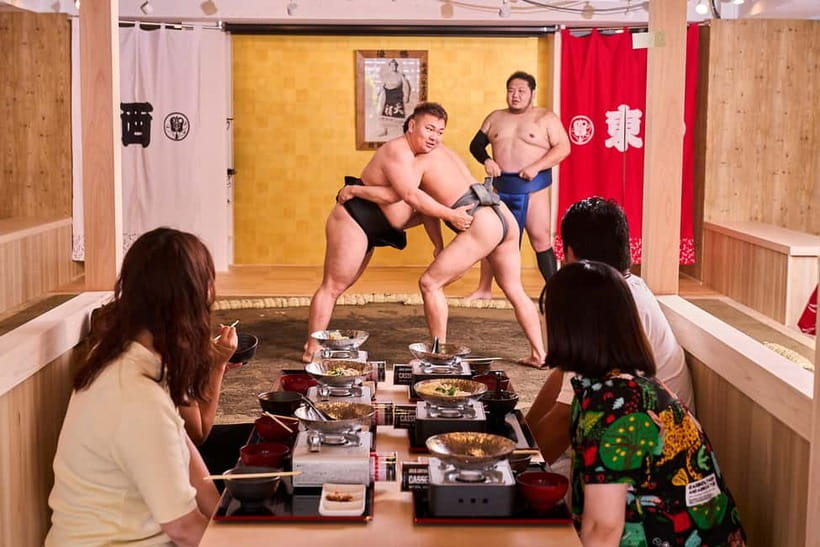
Ryogoku is the heart of Tokyo sumo. Even if you only know the basics, the vibe is different from most tourist experiences. You are in the right neighborhood for this sport, so the loud claps, the stomps, and the sheer physical presence of the wrestlers land better than they would in a random studio.
The format also helps. Instead of a long, distant show, you get short bursts of action around the ring. That matters because sumo is a sport you understand with your eyes and your body: how they move, how they set their stance, and how much space a wrestler needs. The venue setup is built so you are not stuck craning from the back.
I also like that the experience is explicitly designed as an entertaining sumo session. You will still learn training culture and techniques, but the tone stays upbeat, with participation built in for kids and adults.
You can also read our reviews of more tours and experiences in Tokyo.

Getting There: Ryogoku Station to the First-Floor Meeting Point
Your start is simple. The shop is on the first floor, a short walk from Ryogoku Station, marked by a large sumo wrestler sign and flags. If you arrive a little early, it is easier to find the entrance and get your bearings before everyone gets seated.
This neighborhood can be a convenient base because Ryogoku sits near other high-interest Tokyo areas. If you are also squeezing in Asakusa, Akihabara, Nihonbashi, or Tokyo Skytree, Ryogoku makes a nice “sumo then city” stop. You can do this as a standalone highlight or as a fun contrast to temples and shopping.
The 2-Hour Flow: What Happens From Seating to Dessert
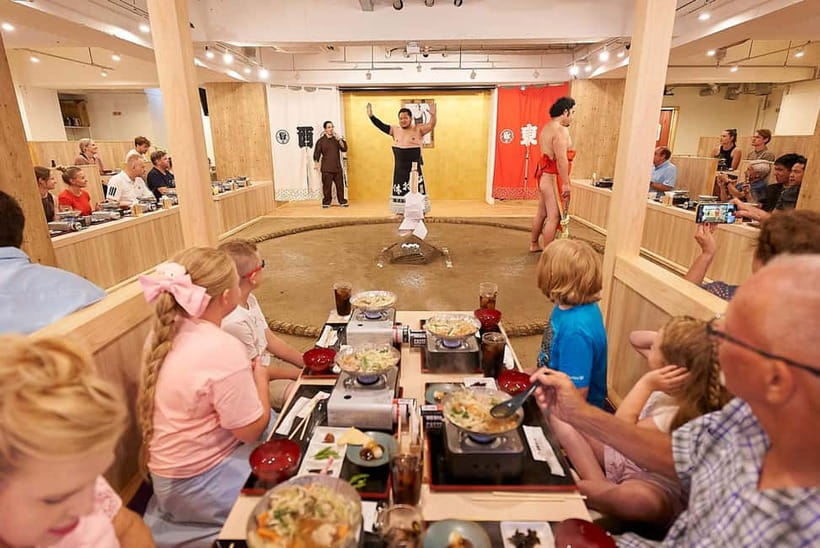
The whole experience runs about two hours, and the pacing is built for attention. You keep moving from one activity to the next: watch, eat, try, learn, then eat again.
1) Sit Close and Watch the Dohyo Action
You start by settling into your seat around the dohyo, the sumo ring. This is the big visual payoff. Wrestlers are powerful even when they are not mid-battle, but ringside proximity changes how you see the sport. You notice details like the stance changes and the way they test balance.
If you are traveling with kids, this part works because it is active to look at. There is always something happening near you, and the MC can guide participation so children do not feel like they are waiting in silence.
2) Chanko Nabe: The Meal That Explains the Sport
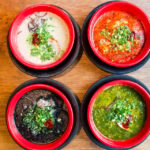
Then comes the meal: chanko nabe, a traditional hot pot dish. What makes this standout is not just the comfort-food factor. It is that the flavor and the dining rhythm are supervised by sumo wrestlers from an actual stable. You are eating in the world of sumo, not just eating a Japanese meal with a sumo theme.
Chanko nabe is hearty by design, and that works well for this kind of event because you want energy for the hands-on parts afterward. Multiple people in the feedback praised the food as filling and better than expected, and I agree with that logic: when a meal is built for athletes, it tends to be satisfying.
If you have dietary needs, you can request vegetarian/vegan or gluten-free at least two days before. Halal meals cannot be provided, but you are allowed to bring your own food. That is important to know ahead of time so you do not end up hungry or improvising.



3) Mochi Pounding and the Traditional Process
After the hot pot, you shift to sweets with a mochi pounding demonstration. You learn the traditional process by watching it happen first, then you get to pound and make mochi with the wrestlers. That sequence matters because it turns the activity from a gimmick into an actual mini lesson.
Mochi pounding has a funny, slightly chaotic rhythm, and that is part of the appeal. You get the physical act of shaping mochi, which makes the texture and stickiness feel real. Then you get to eat what you helped make, which turns it into a payoff, not a one-time “hands-on” token.
4) Get on the Ring and Try Sumo
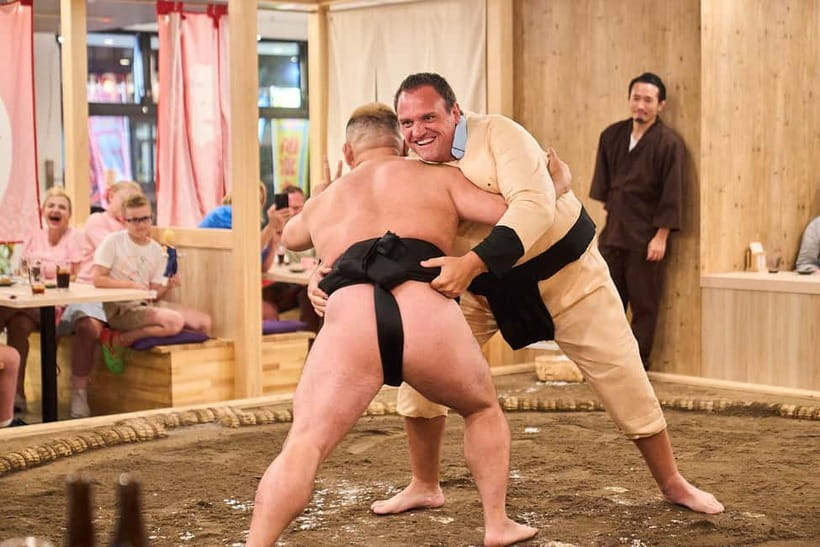
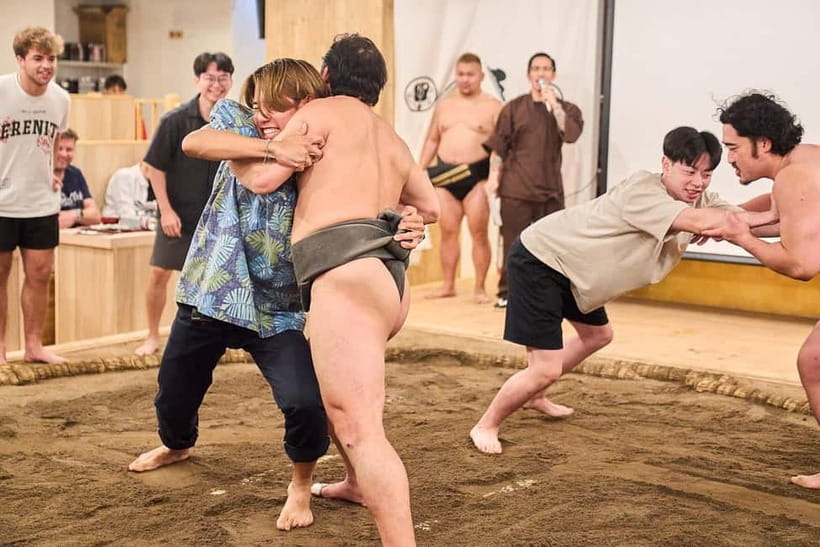
Finally, you try your hand at sumo on the dohyo. This is where the event becomes most memorable. You are not expected to master anything. You are expected to have fun while learning basic sumo movement and feeling the challenge of balance, posture, and pushing power.
People loved that participation stays high throughout the session. You can also expect demonstrations of sumo techniques and a match-style viewing moment during the show. The idea is to give you a taste of the real sport, then let you experiment with it up close.
The Former Pro Difference: Learning Without the Lecture
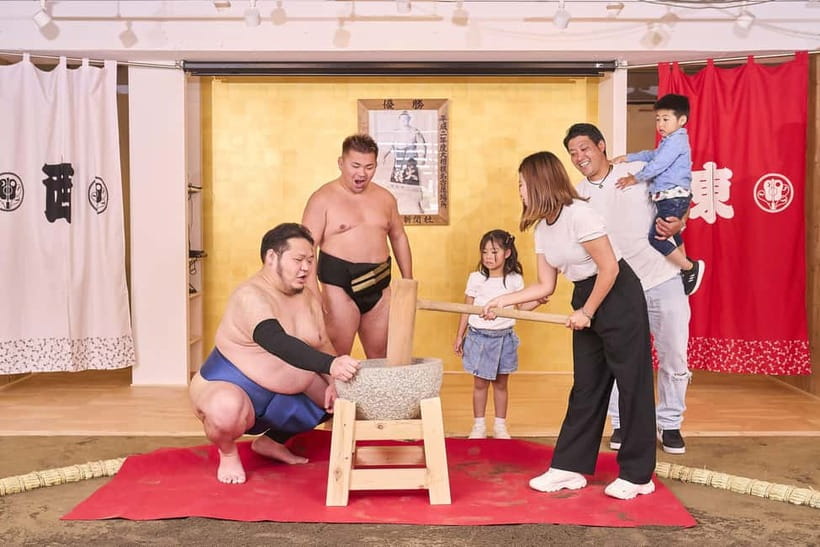
A former pro instruction approach changes the whole vibe. You get technique talk that is not dry or academic, but still comes from people who understand training, diet, and body control.
In feedback, the interaction kept coming up: MC and wrestlers were attentive, encouraging, and good at getting the audience involved. That is exactly what you want when you are asking non-athletes to step onto the dohyo. The hosts know how to set you up for success fast, so it stays safe and fun.
This is also why it works for mixed groups. Even if you are the sporty one who wants to “win,” the atmosphere is friendly. If you have kids, the wrestlers and hosts know how to keep it energetic without making it feel like a school field trip.
Price and Value: Why $103 Can Make Sense in Tokyo
At about $103 per person for roughly two hours, you might be wondering if this is expensive. In Tokyo, it can be. But the value here comes from three things that usually do not all show up together:
- You get a served chanko nabe meal, not just snacks
- You get multiple hands-on activities (mochi making and sumo participation)
- You get former pro-led instruction with close ringside seating
Most attractions at this price either focus on a show only, or food only. Here you get both, plus you get to physically take part in the theme. The feedback score backs this up, with a high overall rating and repeated praise for the food and the level of interaction.
So if you want a Tokyo experience that is more than sightseeing photos, this can be a fair deal. If you hate participation and prefer quiet, sit-back-and-watch culture, you may find the hands-on elements less appealing.
Best For: Who Should Book This Sumo Session
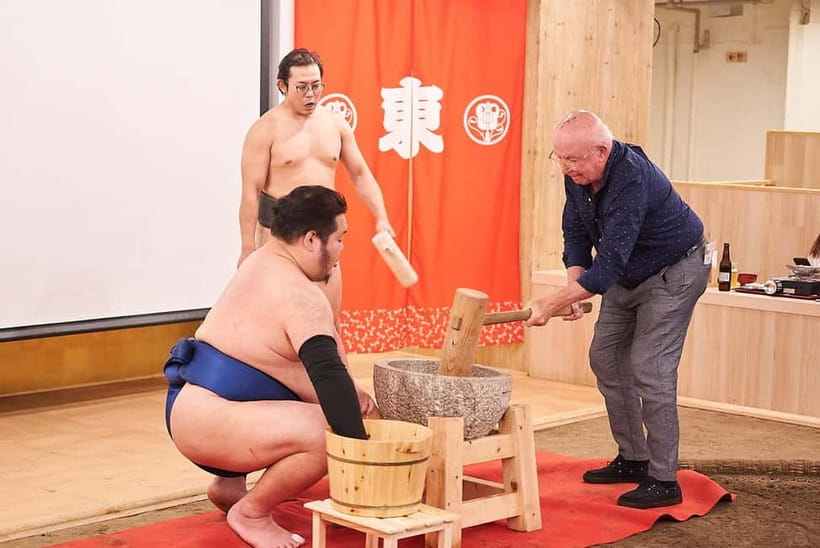
This is a strong fit if you:
- Want an authentic-feeling cultural experience in a sport’s home area
- Like food-centered activities, especially chanko nabe and mochi
- Travel with kids or teens who enjoy trying things
- Want a fun, lighter take on sumo rather than serious training tours
If you are traveling solo, it still works because you join a structured show and can participate directly. If you are traveling as a couple, it is a great “shared memory” event because both of you can try mochi and get on the ring.
One caution: it is not suitable for wheelchair users, so plan another option if mobility is an issue.
What to Bring (and What to Expect With Kids)
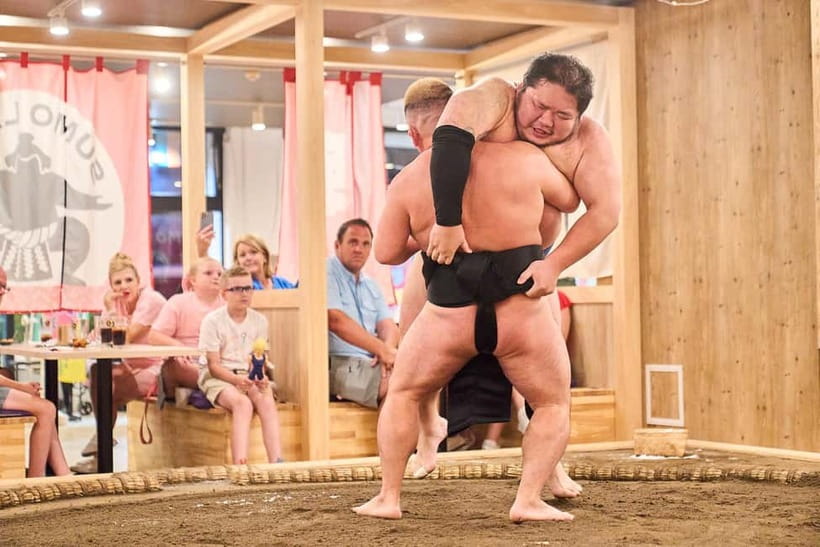
Bring a camera and comfortable clothes. You will be moving and you will be close enough to photograph the action. Also plan for the fact that you may get called up during participation moments, so wearing something you can bend, stand, and move in helps.
Seat planning is worth thinking through. Seat locations are assigned by the venue. You cannot request specific seats. And for standard seats, it can be dangerous to sit while holding a child on your lap. Box seats are safer for holding a child, and they can fit up to six people. If you are bringing a child, make sure your reservation matches your seating needs rather than assuming standard seating will work.
Smoking is not allowed, so you can breathe easy during the session.
Quick Tips to Make Your Two Hours Go Smoothly
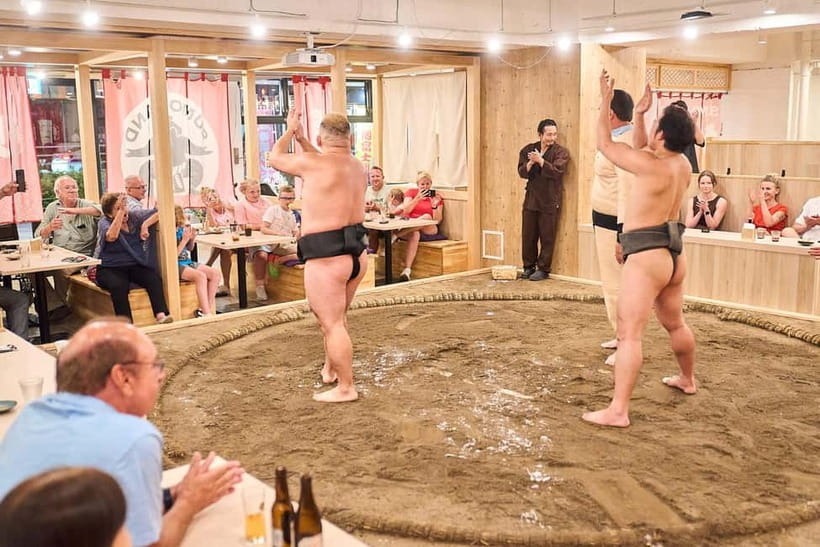
- Arrive a few minutes early so you do not rush into assigned seating
- If you have dietary restrictions, request them ahead of time (especially vegan/vegetarian and gluten-free)
- If alcohol affects you, note that some guests mentioned a complimentary sour plum drink; ask or skip if that matters for you
- If you want great photos, bring a camera you can handle quickly when you are called for the ring
Should You Book This Tokyo Sumo Experience?
I would book it if you want a short, high-energy cultural experience with real food and real participation. The combination of ringside sumo energy, wrestler-supervised chanko nabe, and mochi pounding plus hands-on sumo makes it feel worth the money. And the feedback pattern stays consistent: people remember the interaction, the food, and the way the hosts keep everyone involved.
I would hesitate only if you dislike active events, need fully accessible seating for a wheelchair, or are uncomfortable with assigned seating rules and the child-lap safety note. For everyone else, this is one of those Tokyo activities that gives you more than a photo. You leave with a story you can retell: hot pot in your stomach and mochi on your hands.
FAQ
Where do I meet for the sumo experience?
The meeting point is at the store on the first floor, a short walk from Ryogoku Station. It is marked with a large sumo wrestler sign and flags.
How long is the Tokyo sumo experience?
The experience lasts about 2 hours.
What activities are included during the session?
You will eat chanko nabe, watch sumo close up around the dohyo, try sumo techniques and wrestling on the ring, and take part in mochi pounding and mochi making, then enjoy the mochi for dessert.
Can I request vegetarian, vegan, or gluten-free meals?
Yes. Vegetarian and vegan meals and gluten-free options can be provided if you notify the provider at least two days before your reservation date.
Is a halal meal available?
Halal meals cannot be provided, but you are allowed to bring your own food.
Are seat locations chosen by me?
No. Seat locations are assigned by the venue, and you cannot choose or request specific seats.
Is this experience wheelchair accessible?
No, it is not suitable for wheelchair users.