REVIEW · HOI AN
Hoi An Eco Tour Cooking Class & Fishing (Local market,basket boat,learn cooking)
Book on Viator →Operated by Hoi An Eco Tour and Papa's Cooking Class · Bookable on Viator
A morning starts with a market. Then it ends with lunch you cooked. This Hoi An Eco Tour Cooking Class & Fishing pairs a local-market shopping trip with a basket boat ride through the coconut/palm ecosystem and a hands-on fishing session, before you cook and eat what you helped make. I like the small-group feel and the way you’re guided through ingredients step-by-step by Mr Tran, not just tossed into a classroom. One catch: you should expect the cooking class to teach by doing, but you may not receive recipe cards afterward.
The best part is that it’s not only about food. You also get a look at rural life around Bay Mau Coconut Forest, plus traditional fishing techniques using bamboo basket-style boats. If you want calm, quiet scenery time, note the boat can be social with singing/karaoke depending on the group vibe.
In This Review
- Key Things That Make This Tour Worth It
- Market Morning in Hoi An: Where Your Cooking Starts
- Bay Mau Coconut Forest by Basket Boat: Nature With a Purpose
- Fishing Time: Traditional Techniques and Real Participation
- 11:15 AM Restaurant Welcome: Start of the Class Meal
- Two Hours in the Kitchen: Learn by Doing Vietnamese Classics
- Value Check: Is $29 a Good Deal for This Much Food and Action?
- Who This Tour Suits Best (and Who Should Skip It)
- Practical Tips Before You Go
- Should You Book This Hoi An Eco Tour Cooking Class & Fishing?
- FAQ
- What’s included in the Hoi An Eco Tour Cooking Class & Fishing?
- Does the tour include pickup from my hotel?
- How long is the tour?
- Is it a small group tour?
- Do I get to eat what I cook?
- What if the weather is bad?
Key Things That Make This Tour Worth It
- Market-to-meal structure: you shop ingredients first, then cook with what you chose
- Mr Tran-style ingredient guidance: he walks you through foods one by one for the class
- Bay Mau coconut forest basket boat ride: you see the nipa/water palm area up close
- Hands-on fishing try: you actively participate rather than just watch
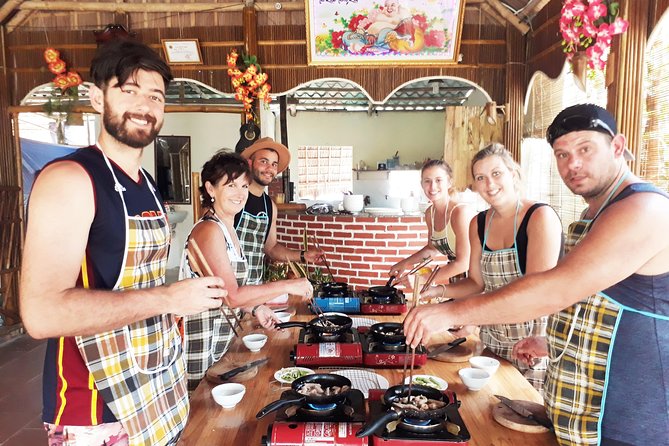
- Two-hour cooking class with lunch you make: the food is a real payoff, not a side show
- Return pickup from Hoi An included: easier logistics for most visitors
Market Morning in Hoi An: Where Your Cooking Starts
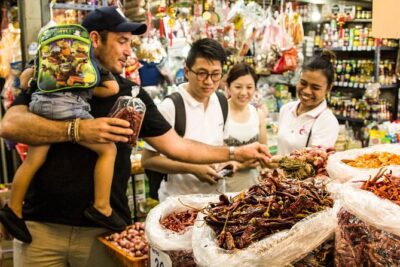
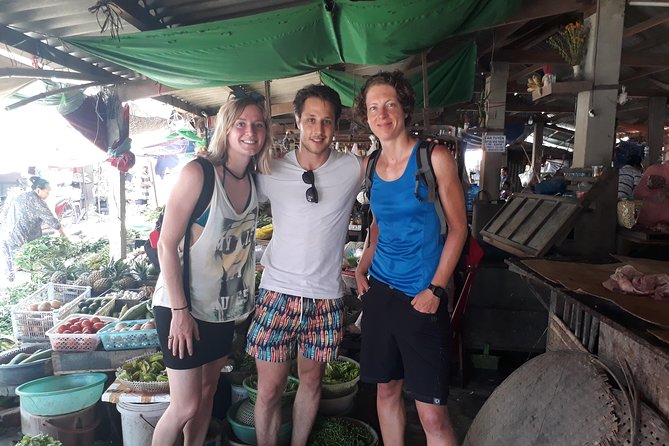
This tour begins with hotel pickup at 8:30 AM in Hoi An. From there, you head straight to the local market with an English-speaking guide who also acts as the cooking lead. In practice, that means you’re not just identifying items on a stall. You’re learning what they do, why they’re used, and which ingredients matter for Vietnamese flavors.
What I like here is the pacing. The guide introduces different ingredients one by one, so you can build a mental map before you ever touch a knife. It also keeps the experience grounded in the real food system of Hoi An: quick produce decisions, sauces and aromatics, and the small basics that make the dishes taste right.
You’ll be gathering items for the cooking class. That matters for two reasons. First, it makes the class more memorable because you’re invested in the ingredients. Second, it improves what you can replicate later at home, because you understand what the ingredient is and where it fits in the dish.
You can also read our reviews of more tours and experiences in Hoi An.

Bay Mau Coconut Forest by Basket Boat: Nature With a Purpose
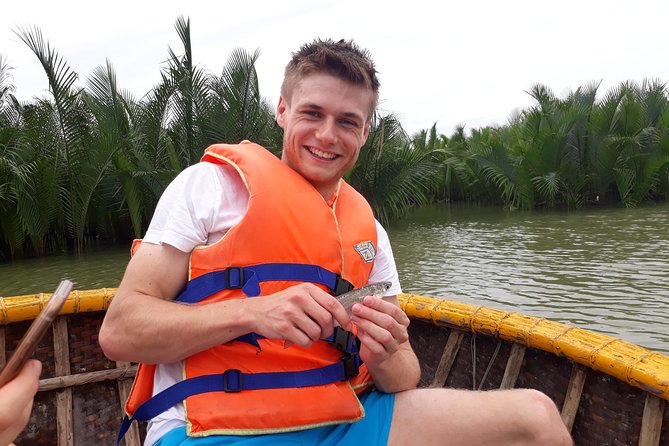
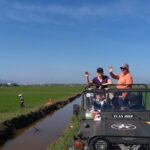
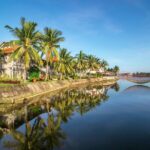
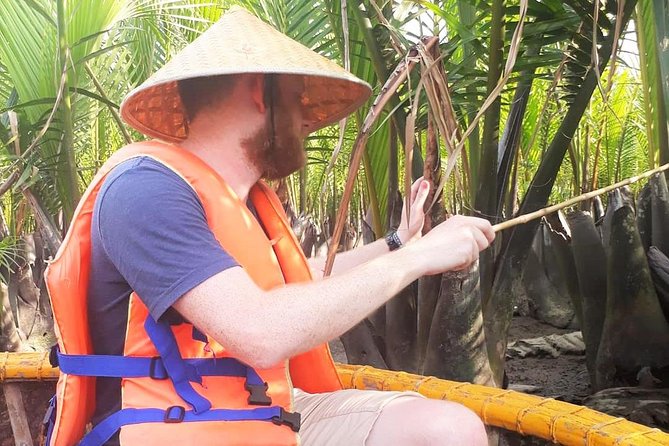
After the market, the day turns outdoors. You’ll visit Bay Mau Coconut Forest and explore by basket boat through the nipa/water coconut/palm water area. This is one of those tours where the transportation is part of the learning.
You’re not going fast. You’re moving in a way that lets you see how the local water-and-palm landscape works. You’ll also get practical gear for being on the water: life jacket and the usual rain/weather protection kit (including an umbrella and raincoat). That’s a real value in Vietnam, where a quick shower can change your plans.
One practical note: the coconut forest part isn’t a long, in-depth ecology lecture. You’re there to see the habitat and understand why the crop matters. If you’re the type who wants quiet and serious nature interpretation, keep expectations realistic. If you’re fine with a fun, lively ride, you’ll likely enjoy it more.
Fishing Time: Traditional Techniques and Real Participation
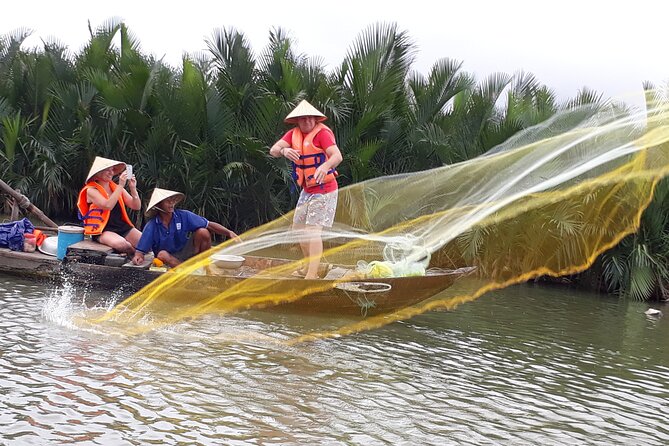
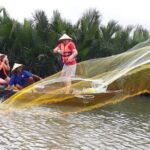
Next comes the river fishing section, built around traditional methods. You get to paddle around in bamboo basket boats and try using the techniques locals use. The experience emphasizes participation, not observation: you’ll try fishing methods like catching fish and also attempting crabs.
This is where the tour can feel more “activity” than “class.” Your hands work, your attention stays on what’s happening, and you’ll learn by doing. The tour description stresses the freshness of the catch and the satisfaction of catching for yourself, and the energy reflects that.
There’s also a group-social element on the boats. Some tours in this style can turn into singing/karaoke time, and you might notice others treating the boat ride as a party moment rather than quiet fishing practice. If you love nature and want silence, that’s something to consider. If you like fun and don’t mind noise while you work, you’re in the right place.
And yes, in this kind of setup, small gratuities sometimes come up for extra help or boat handling. The smart move is simple: keep a little cash on hand so you can respond if it’s expected. Don’t feel pressured, but plan for the reality of small on-the-water courtesies.
11:15 AM Restaurant Welcome: Start of the Class Meal
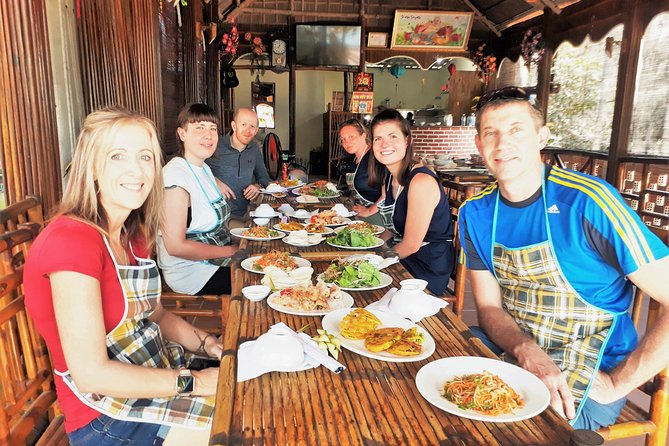
By around 11:15 AM, you’ll arrive at the restaurant for a warm greeting and drinks. This is the transition point where the day shifts from outdoors to cooking.
What I find appealing is the way the tour sets you up to cook as part of the experience, not after the fact. You’ve already seen the ingredients in a market and you’ve just spent time on the water and countryside. By the time you sit down, you’re in a food mindset.
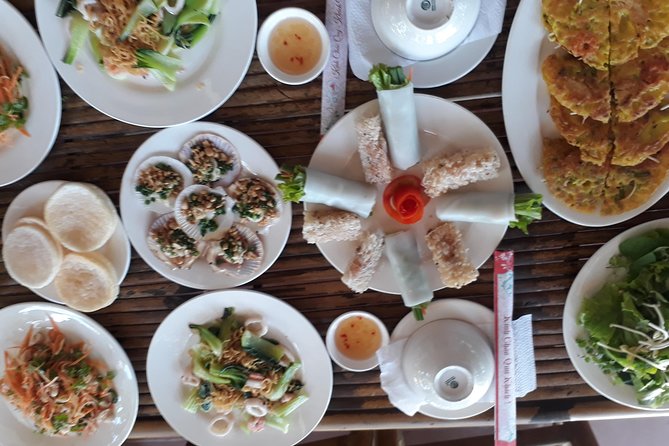
Lunch or dinner is included, depending on the session. Either way, you’ll eat what you cook. That’s a major value point because you’re not paying for theory alone.
Two Hours in the Kitchen: Learn by Doing Vietnamese Classics
You’ll spend about two hours in the cooking class with the chef and guides. The class is positioned as traditional Vietnamese cooking, and the goal is that you can practice later at home.
In a class like this, the best learning happens when you understand the why behind each step. You should expect to work with Vietnamese flavors rather than just following motions. Since you bought ingredients at the market, you’ll recognize them while cooking, which makes the instructions easier to remember.
Also, portions here are generous. More than one person notes the food is filling and more than you can comfortably finish. That’s good news for most visitors because it lowers the “will I be hungry?” worry that some food tours create.
If you’re someone who hates wasting food, you’re in luck. Leftovers are easy to pack, and the meal is substantial enough that taking some home can be a real win.
One more important thing: you may not receive recipes afterward. If you love writing down every detail, bring a notebook or take photos while you cook (when permitted). The class is built around the lesson itself, not a handout.

Value Check: Is $29 a Good Deal for This Much Food and Action?
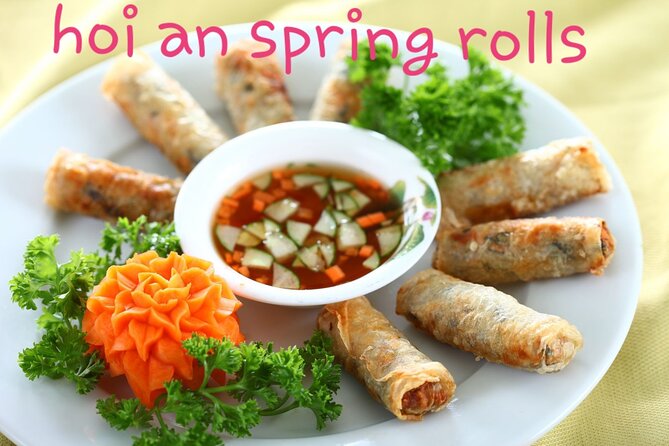
$29 per person sounds like a steal on paper because you’re getting a half-day mix of transportation, market time, fishing participation, a coconut forest boat ride, an English-speaking guide/chef, and a full meal you cooked.
But the real value comes from the combination:
- you’re not only learning recipes
- you’re not only touring rural scenery
- you’re doing both, and the meal closes the loop
For visitors, logistics are part of the value too. The tour includes pickup and drop-off within Hoi An. If you’re staying in Da Nang, pickup is extra—listed as $15 per person for private car transfer. So, if you’re based in Da Nang, compare that add-on to how much you’ll realistically enjoy the fishing and cooking parts.
Also note the small-group size: maximum 10 travelers. In a hands-on cooking setup, small groups generally mean more attention and less waiting around.
Who This Tour Suits Best (and Who Should Skip It)
This tour fits best if you want a real taste of Hoi An beyond the old town walks.
You’ll likely love it if:
- you enjoy hands-on experiences more than passive sightseeing
- you want market context before cooking
- you’re curious about rural waterways and traditional fishing methods
- you like your food tours to end with a meal you made
You might feel less thrilled if:
- you want a quiet, nature-first coconut forest lecture (this is more “ride + brief learning” than classroom-style ecology)
- you expect written recipe cards at the end
- you’re sensitive to a party-like boat vibe (singing/karaoke can happen depending on the group)
Practical Tips Before You Go
A few small prep moves will make the day smoother:
- Wear something you don’t mind getting damp. Even with rain gear, you’ll be near water.
- Bring light cash. Small tips or extras can come up during boat activities.
- Have a backup plan for your appetite. After fishing, you’ll likely work up hunger fast, then cook and eat.
- Bring a phone and notebook. Since recipes may not be provided, capture what matters to you.
For timing, expect a morning flow that ends back at your hotel around 1:00 PM. It’s designed as a half-day break from Hoi An’s daytime heat, with steady activities that keep you moving.
Should You Book This Hoi An Eco Tour Cooking Class & Fishing?
If you want value that feels real, book it. This is one of those rare food tours where the meal connects to the ingredients you chose, and the cooking connects to the countryside you saw that morning.
I’d especially recommend it for couples or small groups who want a hands-on day with a local guide and a chef-led cooking class, without spending the whole day commuting around. The only real reason to hesitate is if you specifically need recipe cards or a quiet, wildlife-focused boat experience.
If you match the vibe—active, hands-on, and food-forward—you’ll likely leave happy, fed, and with a couple new techniques you can repeat at home.
FAQ
What’s included in the Hoi An Eco Tour Cooking Class & Fishing?
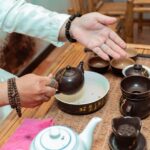
The tour includes an English-speaking guide (chef), lunch or dinner that you cook, Vietnamese tea and a water bottle, pickup and drop-off in Hoi An, a basket boat ride to explore the nipa (water coconut) forest, life jacket and umbrella/raincoat, and the ticket to visit the coconut forest.
Does the tour include pickup from my hotel?
Yes. Pickup and drop-off are included for accommodations in Hoi An. If you need pickup from Da Nang, there is an extra $15 USD per person for private car transfer.
How long is the tour?
The duration is listed as about 4 hours 30 minutes. The morning schedule starts at 8:30 AM.
Is it a small group tour?
Yes. The maximum group size is 10 travelers.
Do I get to eat what I cook?
Yes. You’ll have a cooking class for about two hours and then enjoy lunch or dinner made by you.
What if the weather is bad?
This experience requires good weather. If it’s canceled due to poor weather, you’ll be offered a different date or a full refund.