REVIEW · HOI AN
Hoi An: Teh Dar Vietnamese Bamboo Circus at Lune Center
Book on GetYourGuide →Operated by Lune Production · Bookable on GetYourGuide
If you like skill and stories, start here. Teh Dar Vietnamese Bamboo Circus turns bamboo into a full-on theater world in the heart of Hoi An.
I love two things most about this show. First, the bamboo dome setting feels special before the first move happens, so you’re already in the mood. Second, the performance blends energetic live rhythm and tribal instruments with daring acrobatics, so it isn’t just a stunt show.
One thing to plan around: phones and cameras are not allowed. If you’re the type who wants a recording, that rule changes the experience, fast, and it can feel strict in the moment.
In This Review
- Quick hits before you go
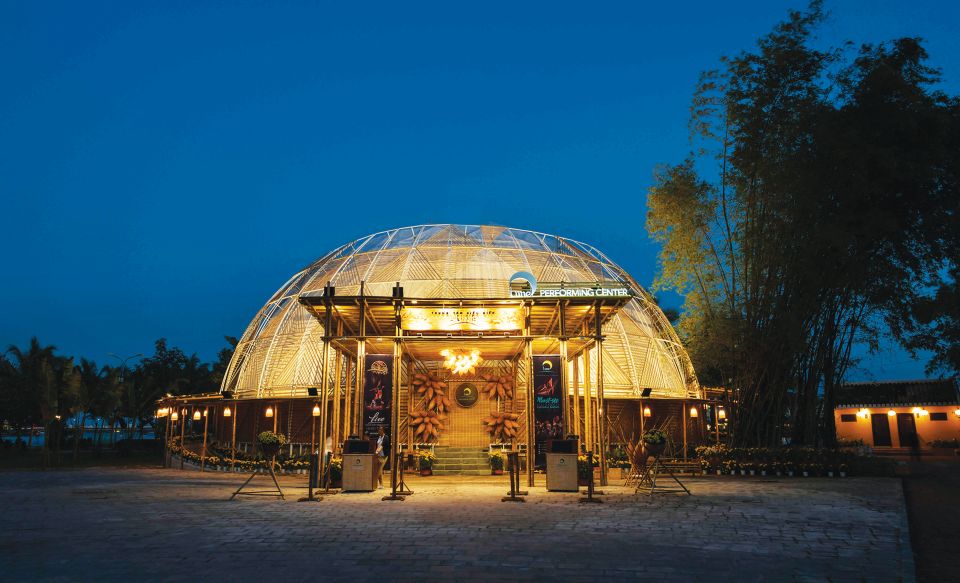
- Entering Teh Dar inside Hoi An’s bamboo dome
- What the name Teh Dar signals: circle-of-life storytelling
- The show itself: bamboo and rope acrobatics with real speed
- Live tribal instruments: why the soundtrack matters here
- Your hour-by-hour game plan: arrive early, settle in, then enjoy the ride
- Seating and ticket value: where you sit changes the feeling
- Who should go (and who should skip)
- The small rules that can trip you up
- Should you book Teh Dar at Lune Center?
- FAQ
- How long is the Teh Dar show?
- Where is the show located?
- What’s included in the ticket price?
- Is hotel pickup or drop-off included?
- Are cameras or phones allowed during the show?
- Are children allowed?
- What should I bring or prepare for my child?
- How are seats assigned, and can we sit together?
Quick hits before you go
- A bamboo dome right in Hoi An Ancient Town: it’s a real atmosphere-maker, not a generic venue.
- Tribal live music with energetic rhythm: the sound drives the pace of the action.
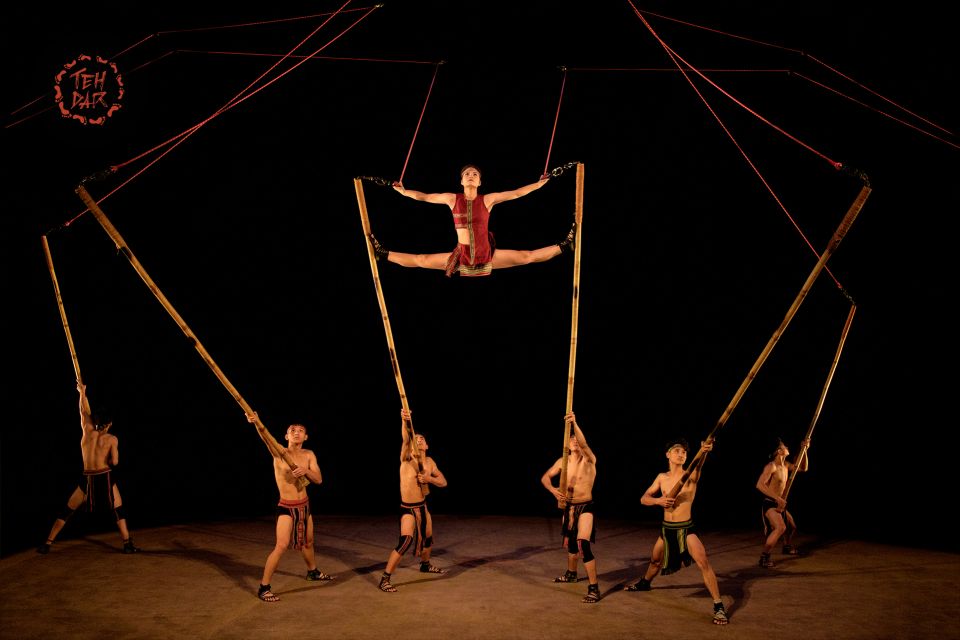
- High-energy acrobatics using bamboo and rope: you’ll see real strength and control.
- Stories from Vietnamese highlanders and folk tales: it’s culture plus spectacle, not one or the other.
- Arrive up to 30 minutes early: you’ll get a complimentary local drink while you settle in.
- Strict no cameras and no cellphones during the show: think “watch with your eyes,” not “record.”
Entering Teh Dar inside Hoi An’s bamboo dome
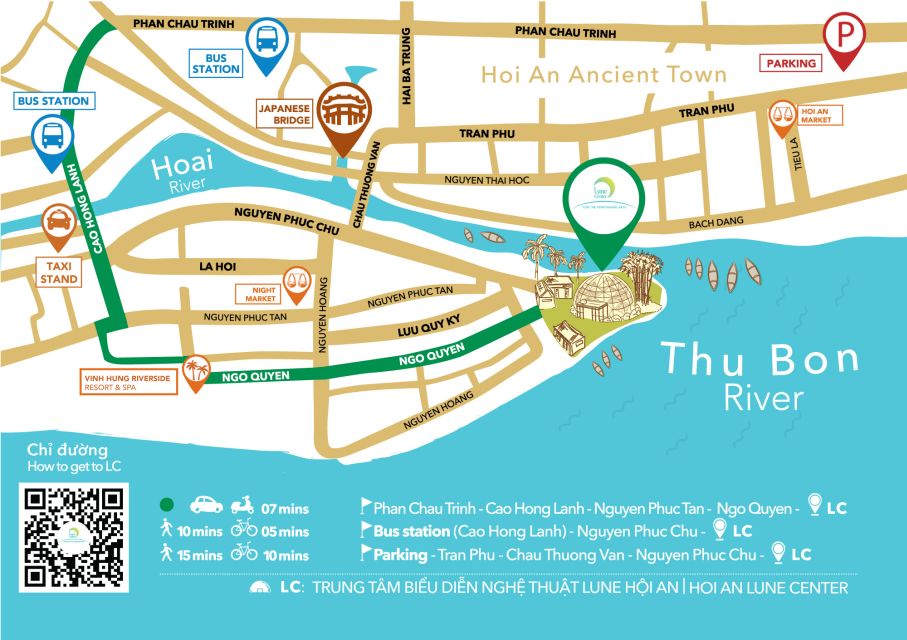
The big draw is the venue itself: the show happens in an iconic bamboo cirque within the Hoi An Lune Center. It’s located at 1A Nguyen Phuc Chu, Minh An Ward, Hoi An, Quang Nam, Vietnam, right where you want your evenings when you’re exploring the Old Town.
What that means for you is simple. You’re not walking into some blank auditorium and waiting for a production to start. You’re walking into the concept. The bamboo architecture sets expectations for what happens next: movement, precision, and a kind of raw, human energy.
The room is also designed for closeness. In practice, that’s why people consistently call out the show as easy to watch from many seats. There’s less “far away, can’t see” frustration than you get in some larger theaters—so you can focus on what matters: the performers and the rhythm.
You can also read our reviews of more tours and experiences in Hoi An.



What the name Teh Dar signals: circle-of-life storytelling
Teh Dar is tied to a meaning shared across many Vietnamese ethnic languages: going in circle. That’s not just a poetic title. The show’s structure leans into the idea of cycles—life, nature, and the way stories repeat across generations.
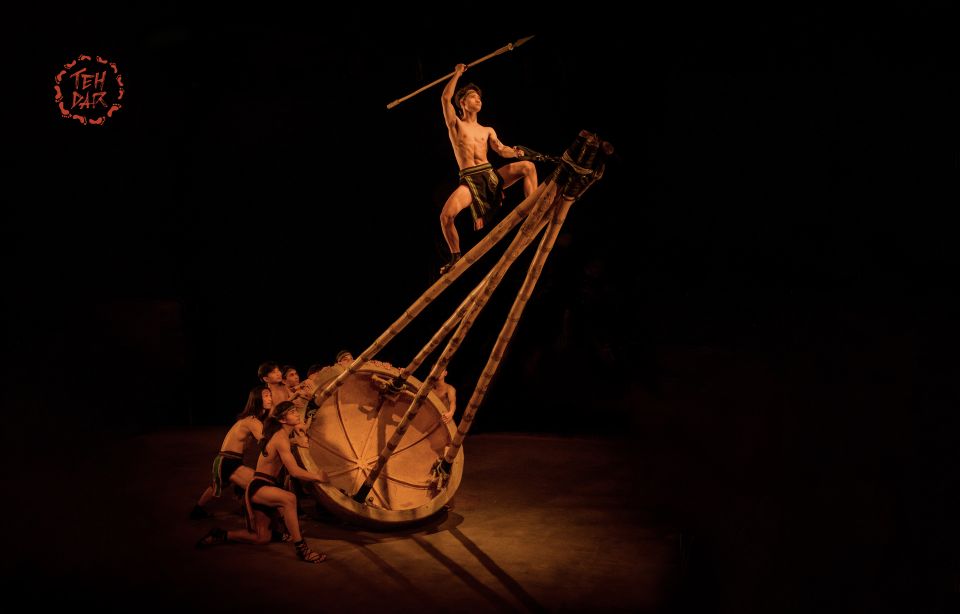
The program doesn’t present culture like a museum label. It uses myth, characters, and imagery inspired by Vietnamese highlanders and folklore. Expect scenes described as mountain-conqueror energy, animal-life drama, and thrilling creatures pulled from traditional folk storytelling.
Even if you don’t know the background, the format helps. The live music and the physical storytelling work together, so you can follow the arc without needing subtitles or a guide beside you. You may miss some cultural references, but you shouldn’t miss the emotional beats: tension, play, bravery, and transformation.
The show itself: bamboo and rope acrobatics with real speed
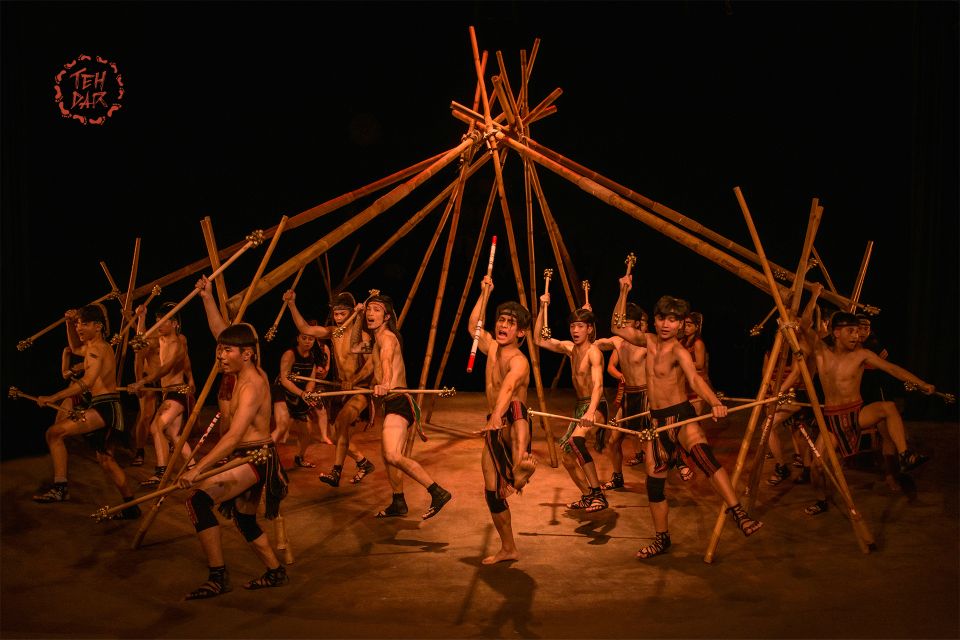
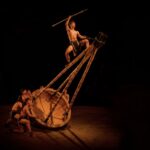
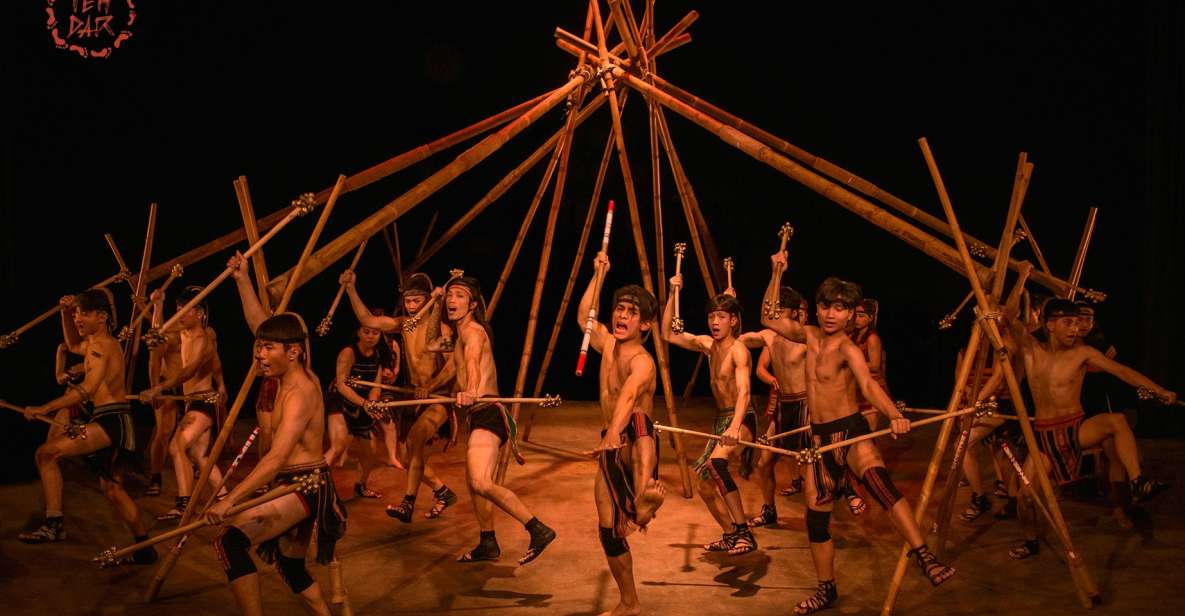
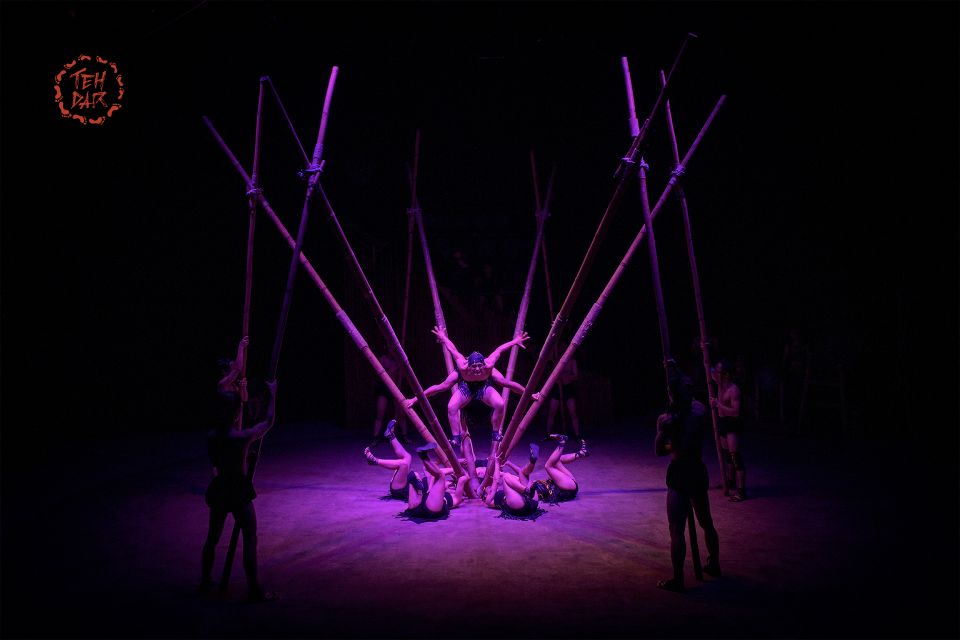
This is one-hour of circus with a specific flavor: daring acrobatics built around bamboo structures. The show’s identity is that bamboo isn’t decoration—it’s the main tool. You’ll see performers moving through bamboo scenes that demand control with poles, ropes, and shifting platforms.
What I like for practical reasons is that the acrobatics don’t rely on one trick. You get sequences that build on each other—so the show doesn’t feel like a single highlight reel. The overall pace stays high, and the choreography is described as naturally flowing rather than overly theatrical.
So what should you watch for?
- Body control and timing: the performers hit marks with confidence, not chaos.
- Strength disguised as play: bamboo makes the stunts feel closer to everyday life than a sci-fi circus set.
- Story scenes: the acrobatics are tied to moments in the storyline, not random “stunt, next stunt.”
And yes, there are “breath-taking” circus moments. Multiple parts of the show are built for that wow factor—stuff that makes you stop thinking about the ticket price and just watch what’s possible with human balance.
Live tribal instruments: why the soundtrack matters here
The soundtrack is not background noise. It’s part of the engine.
Teh Dar is built around exciting, energetic rhythm performed live with tribal instruments. That matters because bamboo acrobatics are all about timing. When the rhythm is strong and consistent, you feel the momentum even before you fully process the story on stage.
You’ll also notice something about how the music supports the mood. The show has an almost hypnotic pull at times—music and motion lock together, so the action feels continuous. That keeps the performance from turning into “look at this, then look at that.”
For you, this is a plus if you’re tired of shows that feel like disconnected segments. Here, the sound design helps stitch the whole hour into one experience.
Your hour-by-hour game plan: arrive early, settle in, then enjoy the ride
There’s no long itinerary—this is a focused one-hour performance. Still, the timing around it affects how smooth your evening feels.
1) Arrive up to 30 minutes early
Make your plan to show up early at Hoi An Lune Center. The experience notes suggest you arrive up to 30 minutes before show time. You’ll be offered a complimentary local drink as you wait. Some people also highlight the venue’s hospitality while waiting, including hot or cold tea.
This waiting period isn’t wasted time. It’s when you get your bearings inside the dome and notice how the venue staff manage the flow into seats.
2) Use your seat, then watch
Seats are assigned by the system on a first-come, first-served basis when your booking is successful. Your ticket pass shows your seat number, so stick to it.
A key detail: if you want to sit together, book the tickets in the same order. That’s the simplest way to avoid awkward spacing with group bookings.
3) During the show: no recording, no distractions
Cameras are not allowed. Video recording is not allowed. Cellphones are not allowed. Food and drinks are also not allowed inside the auditorium.
This rule can sound like a buzzkill, but it actually helps the show land. Less screen light, fewer interruptions, and the performers can work in cleaner conditions.
4) After the show
You can take a group photo with the artists at the end. It’s a nice closer, especially if you want a memento without breaking the no-recording rule during the performance.





Seating and ticket value: where you sit changes the feeling
At $28 per person for a 1-hour show, this is priced in the “worth it if it fits you” category—especially in a tourist-friendly city where you can spend less. The value comes from the mix: athletic performers, a bamboo-built venue, and live music that’s tied to the action.
Seat choice can shift the experience. Reviews emphasize that front and central seating feels more immersive. Others suggest that mid-range seats can still offer a great view, and that cheaper seats don’t ruin the show.
Here’s a practical way to decide:
- Choose front-row style seats if you want to feel the motion up close and watch details like rope placement and footwork.
- Choose mid-range if you want a strong view without pushing the budget too hard.
- Don’t stress too much if you’re not in the most expensive tier; the theater is described as small enough that most seats work.
Also note a big practical point: seats are not picked freely in the moment. The system assigns them, and late-arriving folks may lose their chance to enter once the doors close.
Who should go (and who should skip)
Teh Dar works for a wide range of people because it blends culture cues with pure physical storytelling.
It’s a strong pick if you:
- enjoy live performance with energy
- like circus acts that feel tied to real themes
- want a change of pace from wandering streets and lantern-lighting your way through Hoi An
It’s also a smart “one big night” plan. The show gives you a full hour that’s clearly defined, so you don’t need to build a complex schedule around it.
Who might not love it:
- Children under 5 are not allowed in the auditorium due to sound, lighting, and content.
- If your family includes kids in the 5–12 range, a child rate applies, but you should still take the show seriously as a real theater environment, not a quiet classroom experience.
- If you strongly want to record the performance, this isn’t the right match because cameras and phones are banned.
There’s also a practical admin detail: parents should prepare a copy of a child’s passport on a phone, as the organizer may conduct random age checks.
The small rules that can trip you up
This show has a tight focus, and that comes with clear boundaries.
No cameras. No video recording. No cellphones. No food or drinks. Those are not “recommendations”—they’re the conditions of entry. If you bring a phone out during the show, you’ll be fighting the flow and the staff will have to enforce the rules.
The other rule to respect is entry timing. The show is scheduled to run right on its start, and the doors close when it begins. So treat the “arrive early” advice as real. If you walk in at the last minute, you’re making your own evening harder.
Should you book Teh Dar at Lune Center?
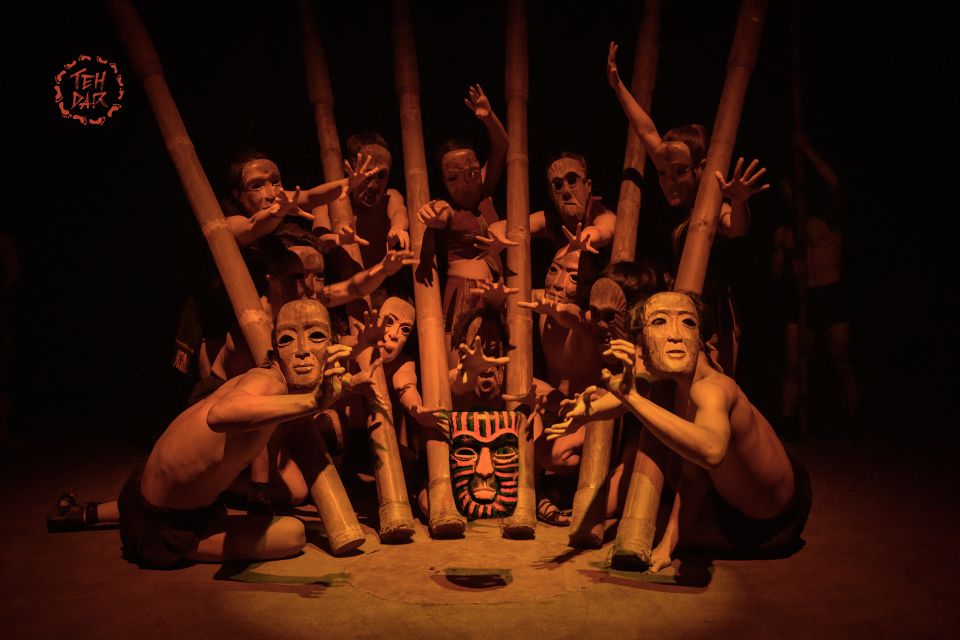
Book it if you want one high-impact cultural performance that’s easy to fit into your Hoi An routine. For a 1-hour show at $28, the combination of tribal live music, bamboo-built spectacle, and storytelling-driven acrobatics makes it a strong value purchase—especially when you compare it to many “just entertainment” options that don’t include live rhythm and a cultural narrative.
Skip it if you’re traveling with a child under 5, or if you plan to rely on filming as your main way of remembering the night. In this show, the best souvenir is what you saw—cleanly and uninterrupted.
If you’re already planning your Hoi An nights, Teh Dar is the kind of ticket that makes your itinerary feel complete.
FAQ
How long is the Teh Dar show?
The performance lasts 1 hour.
Where is the show located?
You’ll meet at Hoi An Lune Center, 1A Nguyen Phuc Chu, Minh An Ward, Hoi An, Quang Nam, Vietnam.
What’s included in the ticket price?
Your ticket includes admission to the Teh Dar show and seating based on the option you selected.
Is hotel pickup or drop-off included?
No. Hotel pickup and drop-off are not included.
Are cameras or phones allowed during the show?
No. Cameras, video recording, and cellphones are not allowed in the auditorium.
Are children allowed?
Children under 5 are not allowed in the auditorium. A child rate applies for ages 5 to 12.
What should I bring or prepare for my child?
Parents should prepare a copy of the child’s passport on their phone, since the organizer may do random age checks.
How are seats assigned, and can we sit together?
Seats are assigned by the system on a first-come, first-served basis when booking succeeds. You should book tickets in the same order to be seated together, and you should follow the seat number on your Theater Pass.