REVIEW · MOUNT BATUR
From Ubud: Mount Batur Hiking
Book on GetYourGuide →Operated by Your Bali Trekking Tour · Bookable on GetYourGuide
Mount Batur wakes Bali up early. This sunrise hike lets you climb in the dark, then watch orange-gold light spill over the volcano rim, with guides like Sat and Luna often going the extra mile for pacing and photos. You get the full payoff: jungle-night trekking, a caldera view down to Lake Batur, and big-sky moments you can’t really fake.
Two things I really like here. First, the experience is built around a good local guide: you’ll have an English-speaking trekking lead who checks in with the group and helps with photos, like guides Sat and Rati did for their hikers. Second, the included food and drinks are actually useful—hot drink before the climb, bottled water, and a light breakfast once the light shows up.
One drawback to plan for: sunrise is weather-dependent. If clouds sit over the summit, you may still enjoy the hike and viewpoints, but the classic moment can be muted. Also, it’s cold and windy early, and the route can feel steep even though it’s short.
In This Review
- Key highlights to know before you go
- The 2:30am pickup that makes sunrise possible
- From the base to the summit: a short hike with steep moments
- Sunrise over the caldera: Lake Batur and the volcano lineup
- Descending through younger craters: where the work continues
- The coffee plantation stop: small, real, and optional
- Guides and transport: what quality looks like at 2:30am
- Price and included value: why $20 can feel fair
- What to pack: warm layers and grip matter more than souvenirs
- Managing the hustle and the monkeys at the summit
- Should you book this Mount Batur hike from Ubud?
- FAQ
- How long is the Mount Batur hiking experience?
- What time are pickups available from Ubud and nearby areas?
- What’s included in the tour price?
- Is the sunrise guaranteed?
- Do I get hotel pickup and drop-off?
- What should I bring for the hike?
- Are luggage and pets allowed?
- Is the tour suitable for children or pregnancy?
- Can I cancel and get a full refund?
Key highlights to know before you go
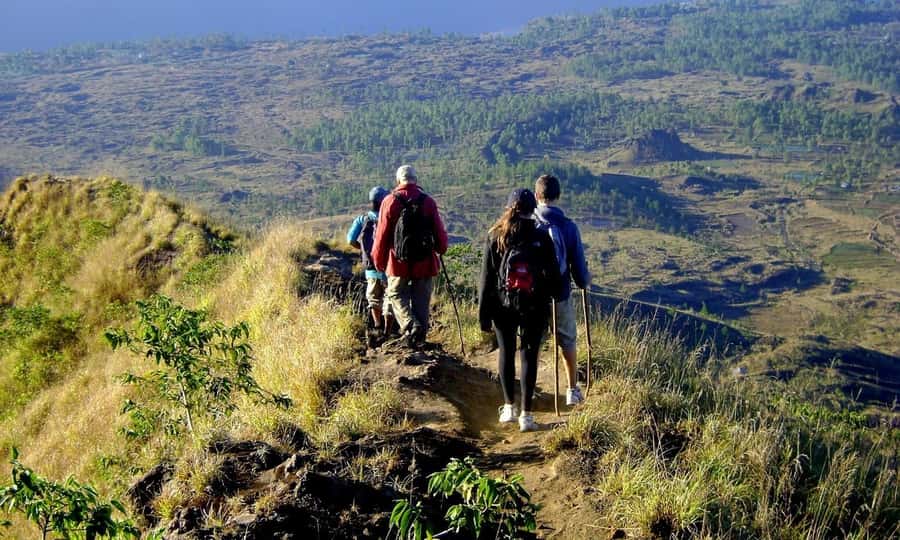
- Early starts that are worth it: pickup options run around 2:30am–3:00am from the Ubud/Kintamani area
- A real guided climb: an English trekking guide plus equipment so you can focus on the steps
- Sunrise + volcano panorama: views including Mt Agung, Abang, and Rinjani from the summit area
- Breakfast with the sunrise: light breakfast served as the sky changes
- Volcanic caldera descent: you’ll go down through younger craters with volcanic scenery along the way
- Optional coffee stop: taste traditional coffee and tea in the Kintamani area
The 2:30am pickup that makes sunrise possible
Doing Mount Batur right means leaving while it’s still dark. Depending on where you’re staying, pickup runs around 2:30am from the Ubud and Tegalalang areas, and around 3:00am if you’re in the Kintamani area. The driver also contacts you on WhatsApp with an estimated arrival time, which is a lifesaver when your alarm is trying to fight for dominance.
The ride itself is part of the day’s story. You’re heading toward the Kintamani region, and many mornings start with a fast drive over uneven roads. That matters because you’ll be tired, warm layers may help, and you’ll want your body ready for the climb right after you arrive.
If you’re staying in Ubud, this is one of the easiest ways to do it without worrying about buses, transfers, or finding the start point in the dark. You’ll either get pickup and drop-off if your option includes it, or you’ll meet at the starting area if you didn’t choose transport.
You can also read our reviews of more tours and experiences in Mount Batur.

From the base to the summit: a short hike with steep moments
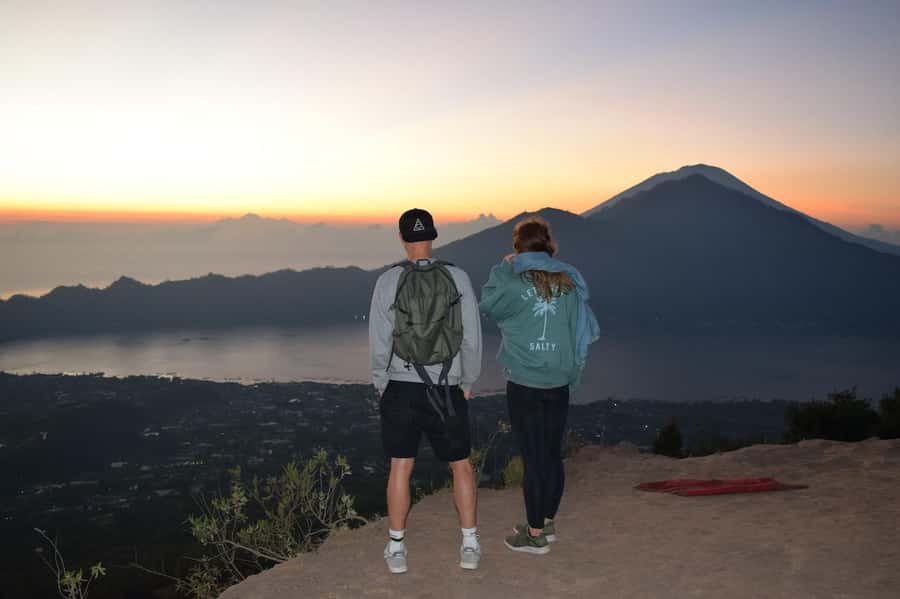
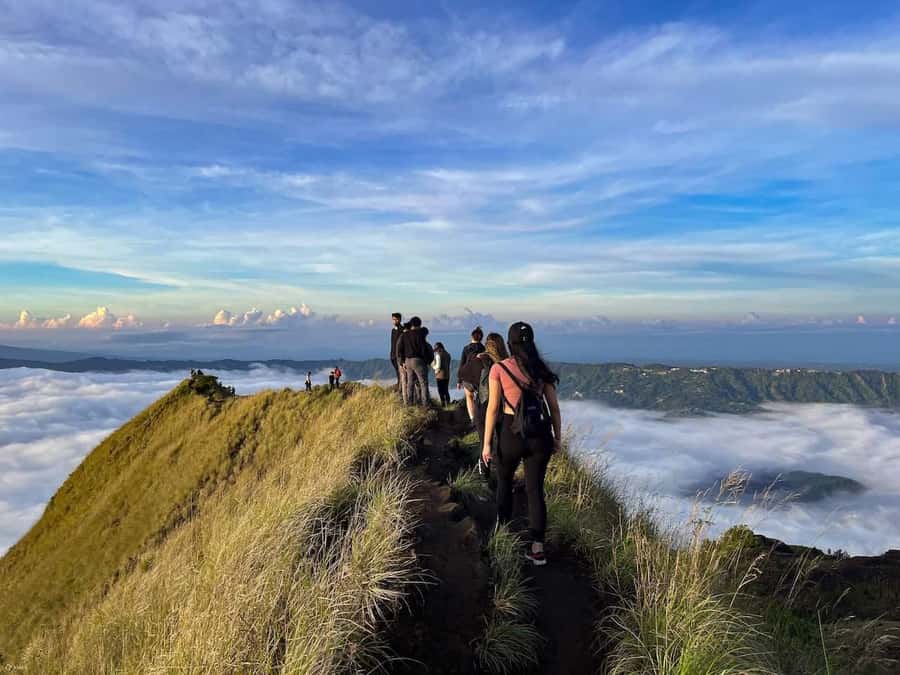
Once you’re at the base, you start trekking right near the bottom of Mount Batur. You’ll typically climb for about two hours to the peak area, with starry-night walking before the horizon brightens. This is the part where a guide earns their keep. A good guide keeps the group moving, watches footing on uneven ground, and helps you settle into a steady pace.
What I like about the way this tour is structured is that it doesn’t try to turn a sunrise hike into a marathon. It’s not “all-day hiking.” Still, you should expect steep sections. Several hikers describe it as intense at parts, and the honest truth is that steep isn’t the same thing as long. Bring warm clothing, because it’s cold before sunrise even in Bali.
The tour includes trekking equipment plus a hot drink at the starting point. That small detail helps more than you’d think. Warmth plus caffeine-like comfort makes the first stretch feel manageable, and it gets you into the mindset for the ascent.
Practical note: you’ll want solid hiking shoes with grip. The ground can be loose, and early darkness means you’ll trust your footing more than your phone flashlight. If you’re sensitive to cold, wear more than you think you need.
Sunrise over the caldera: Lake Batur and the volcano lineup
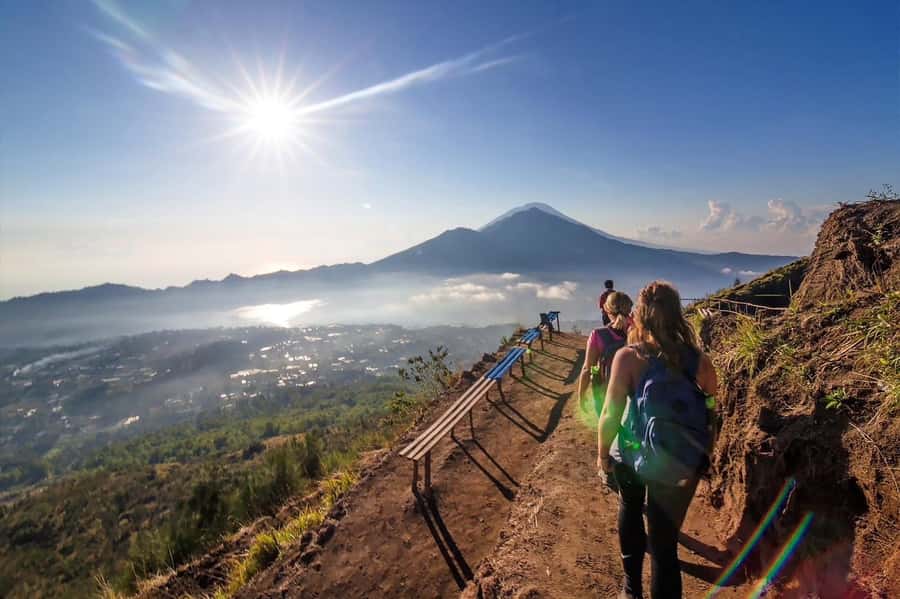
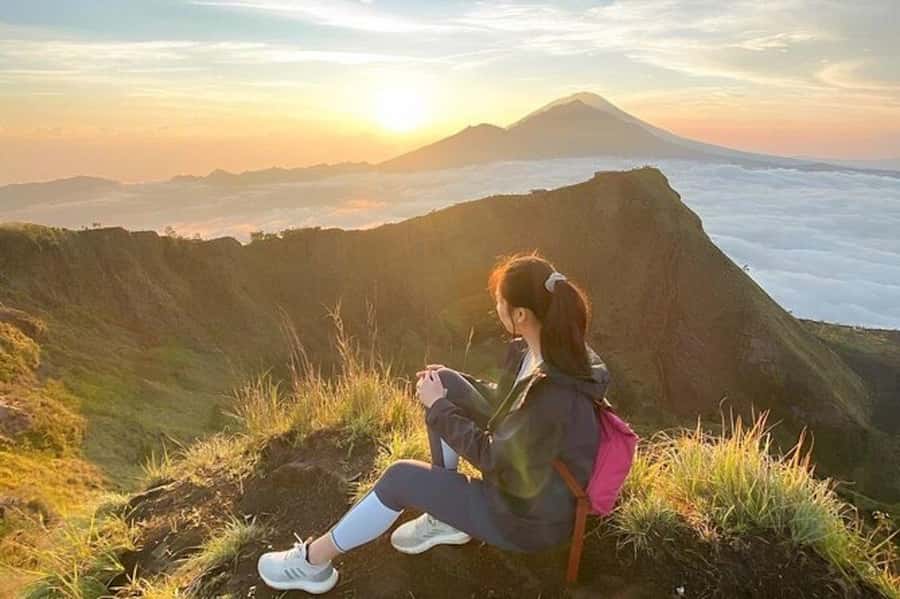
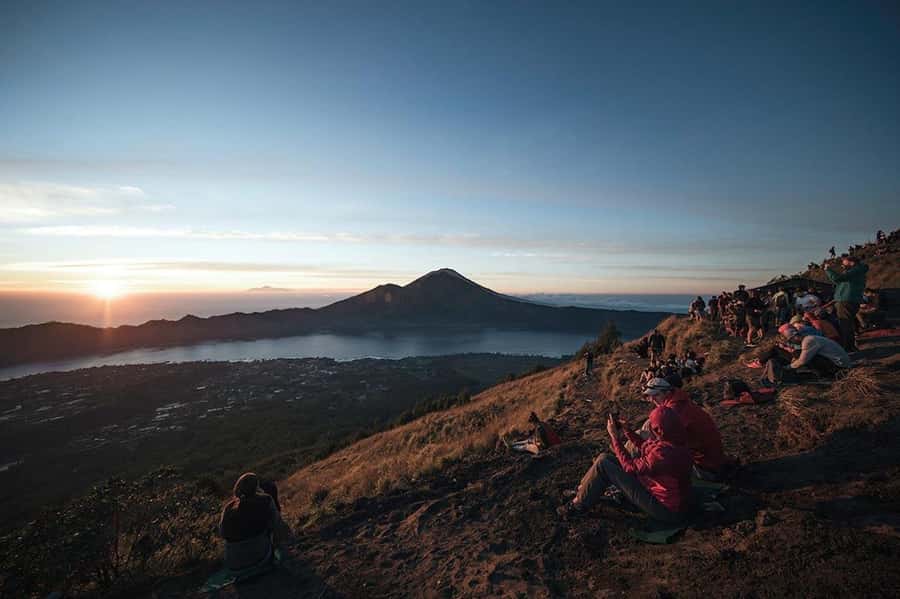
The main event is the peak sunrise moment, and this hike is designed so you’re there when the sky turns. You’ll arrive before full daylight, then watch the thick darkness shift into orange and gold rays. People describe the view like a switch flipping from night to spectacle.
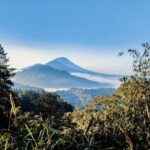
The summit area gives you the chance to appreciate Mount Batur’s sacred volcanic setting. You’re looking across the caldera, with Lake Batur often mentioned as glassy and untouched-looking when visibility is good. And the panorama includes the three volcanoes highlighted by this experience: Mt Agung, Abang, and Rinjani.
If you’re wondering whether that means anything beyond photos, it does. Seeing multiple volcano peaks aligned helps you understand why Kintamani’s volcanic zone feels so dramatic in person. The terrain isn’t just a backdrop; it’s the reason the region looks the way it does.
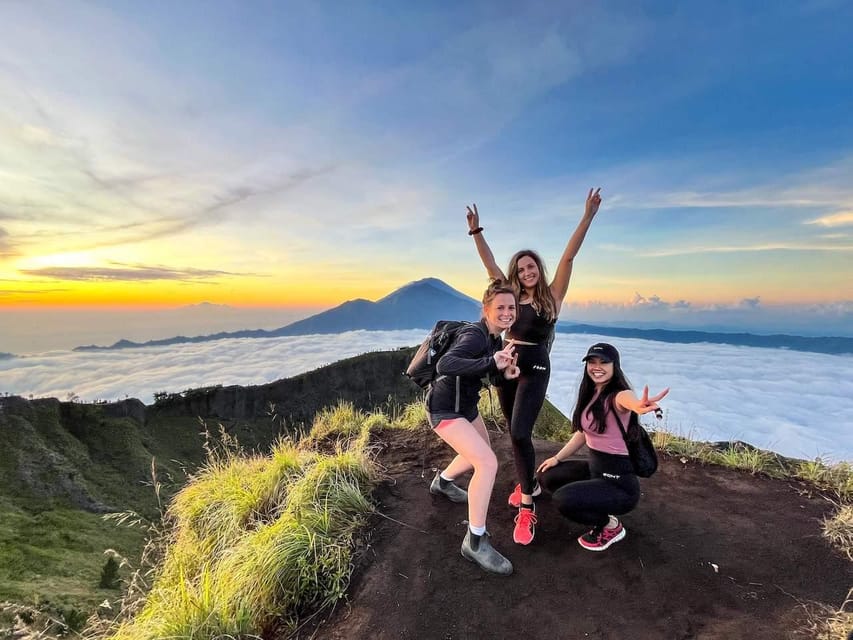
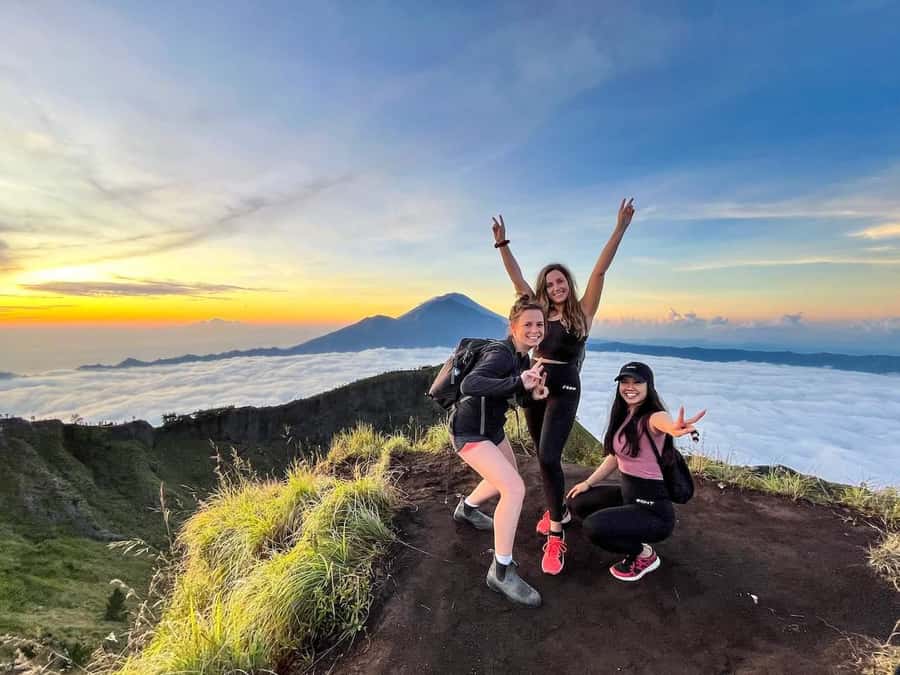
Light breakfast is served on top as sunrise happens. It’s not a huge buffet, and that’s fine. You’re eating warm, practical fuel while the weather does its thing above the clouds. Guides often help with photos and will sometimes take multiple shots so you’re not stuck posing awkwardly while the light changes fast.
Descending through younger craters: where the work continues
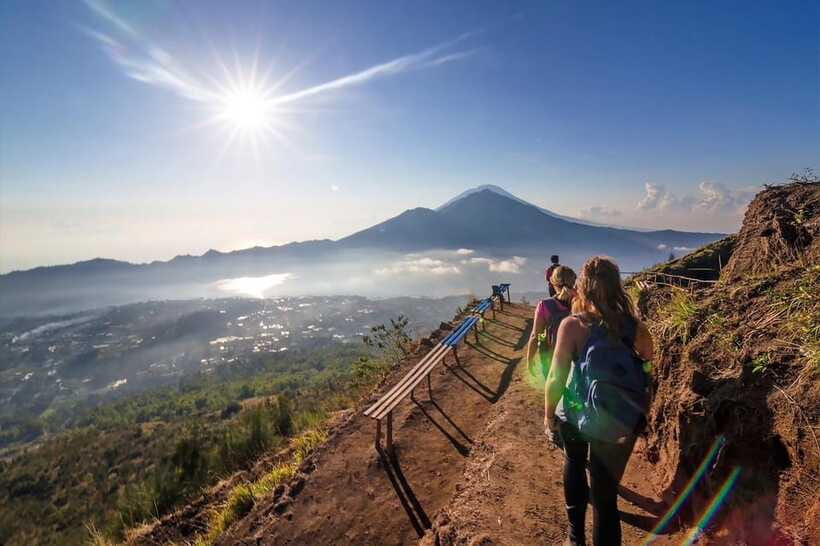
After the sunrise stop, you return toward the starting area. The descent is where legs get tested, because going down can be harder on knees than going up feels in your head. The good news is that it’s still a controlled, guided process, not a free-for-all.
This experience includes exploring three younger craters as you descend. That part matters for two reasons. First, it breaks up the hike so you’re not staring at the same trail rhythm for the entire way down. Second, it makes the volcanic terrain feel varied rather than repetitive.
Expect volcanic ground, shifting views, and plenty of photo moments. The same summit viewpoint that looked epic from above is also worth appreciating from different angles as you move. Your guide will usually keep an eye on the group and stop when someone needs a breather on the steeper parts.
One thing to watch: clouds can change what you see. If the peak is foggy, you might still enjoy crater views and steam/power-of-nature energy, but the horizon can be less dramatic. Either way, the hike’s pacing and guidance are what help you have a good day, not just the weather jackpot.
The coffee plantation stop: small, real, and optional
Many versions of this hike include a stop in the Kintamani area to learn about local coffee and tea. In this experience, you can visit a coffee plantation site to try traditional coffee and tea before heading back.
This is not a fancy museum stop. It’s more like a quick cultural add-on that helps you break the morning’s physical focus with something hands-on. Even if you’re not a coffee fanatic, it’s a chance to see how the region links crops to daily life.
Important reality check: a coffee stop is short by design. If you want a full, separate deep-dive coffee tour, you may need an add-on day. But as part of a Mount Batur morning, it’s a pleasant bonus that keeps the day from ending abruptly after the hike.
Guides and transport: what quality looks like at 2:30am
The standout theme in the feedback you gave me is how much people trust the guides. Names pop up often: Andi as a driver, Luna as a trekking guide, and Rati as a guide known for checking on hikers and helping keep everyone safe on steep sections. Sar also comes up as a friendly guide with great energy, and Ismail is repeatedly mentioned as punctual and easy to chat with during the drive.
In practice, this means you can expect:
- Guides who keep the group together and don’t just race ahead
- Photo help at the top so you’re not relying on strangers with shaky hands
- Support on steep parts, sometimes including extra encouragement or brief stops
- A smoother schedule, especially because pickup happens so early
Transport quality also matters here because you’re leaving in the dark. This experience is described as highly rated for transport, and multiple people credit drivers for being on time and for making the early drive feel safe and calm.
Price and included value: why $20 can feel fair
This hike costs $20 per person, with hotel transfer available depending on your chosen option. On Bali, that’s the kind of price point where value depends on what’s included, and here the essentials are covered.
You get:
- a licensed English-speaking trekking guide
- trekking equipment
- hot drink at the starting point
- bottled water
- light breakfast on top
- an included Kintamani ticket depending on options
- insurance
That combination is what makes $20 feel realistic. You’re not paying extra for a guide, core gear, and the morning food that keeps the hike from feeling like you’re just surviving on cold air and stubborn willpower.
What you may still spend extra on: coffee at the top and any souvenirs or snacks sold along the trail. Guides usually try to keep the focus on your experience, but selling pressure exists around popular summits anywhere, especially early.
What to pack: warm layers and grip matter more than souvenirs
Mount Batur is one of those places where your packing list determines how much you enjoy it. The essentials are simple and repeatedly emphasized by hikers you shared with me.
Bring:
- warm clothing (layers, not just one hoodie)
- hiking shoes
Also plan for:
- wind up high, which can make your breath feel sharper even when the sun rises
- a dark start, meaning you should trust clothing that stays put and footwear that grips
You’ll also need to follow the rules:
- no pets
- no luggage or large bags
- bring your e-ticket to show staff
This tour isn’t ideal for everyone physically or medically. It’s not suitable for children under 8, and it’s also not for pregnant women. The information you provided also says it isn’t allowed for customers who are menstruating, so be sure to check your situation before booking.
Managing the hustle and the monkeys at the summit
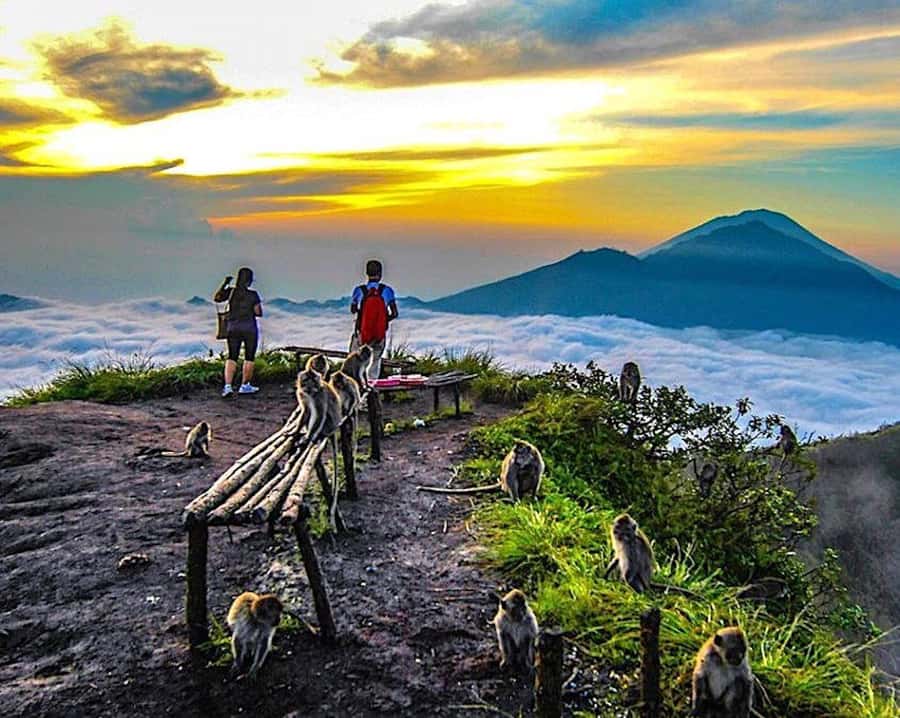
Two things show up around Mount Batur’s peak area: sellers and monkeys.
On the selling side, you might feel pressure from bike taxis or locals offering things at the top. The best approach is calm and polite. Decline what you don’t want and don’t linger if the conversation turns pushy. A friendly no is still a no.
Then there are the monkeys. One hiker specifically noted that monkeys can grab food if it’s accessible. That means your breakfast needs a little common sense. Keep items covered or secured, don’t wave snacks around, and avoid leaving your camera bag or loose food unattended.
If you remember those two points, you’ll enjoy the summit more. You’ll spend less time negotiating and more time watching the sky do its thing.
Should you book this Mount Batur hike from Ubud?
Book it if you want a structured sunrise hike with an English guide, included warm drinks and breakfast, and a chance to see Lake Batur plus a volcano panorama that includes Mt Agung, Abang, and Rinjani. It’s also a great fit if you’re staying in Ubud and want pickup handled without guesswork.
Think twice if:
- cold steep early hikes don’t match your comfort level
- you’re worried about sunrise being cloudy (it can happen)
- you fall under the tour’s not-suitable conditions (like pregnancy, or the menstruation rule listed by the provider)
- you hate trekking descents just as much as ascents
If the idea of climbing in the dark feels intimidating, know this: you don’t need to be a mountain athlete. You do need steady legs, warm layers, and a willingness to take it step by step with your guide.
My practical advice: choose this tour when you’re rested enough to handle an alarm at 2:30am, and bring the warmest layers you own. The sunrise is the star, but the real win is doing it safely, with help, and with the caldera views you came for.
FAQ
How long is the Mount Batur hiking experience?
It runs about 5 to 8 hours, depending on the scheduled start time and how the day flows.
What time are pickups available from Ubud and nearby areas?
Pickup time slots listed are around 2:30am for the Ubud area and 2:30am for the Tegalalang area, and around 3:00am for the Kintamani area.
What’s included in the tour price?
The experience includes an English-speaking trekking guide, trekking equipment, hot drink at the starting point, bottled water, light breakfast on top of Mount Batur, and insurance. Some options also include a Kintamani ticket and hotel transfer.
Is the sunrise guaranteed?
Sunrise depends on the weather. Clouds can affect what you see from the summit.
Do I get hotel pickup and drop-off?
Pickup and drop-off are provided if you choose the option that covers customers staying in the Ubud and Kintamani areas. For other areas, meeting points may vary by option.
What should I bring for the hike?
You should bring warm clothing and hiking shoes.
Are luggage and pets allowed?
Pets are not allowed. Luggage or large bags are not allowed.
Is the tour suitable for children or pregnancy?
It is not suitable for children under 8 years old or for pregnant women.
Can I cancel and get a full refund?
Yes. You can cancel up to 24 hours in advance for a full refund.
If you tell me your hotel area (Ubud, Tegalalang, or Kintamani), your fitness level, and whether you’re sensitive to cold, I can help you pick the best pickup slot and what to wear for the most comfortable climb.