REVIEW · PATONG
Phuket: Elephant Sanctuary Guided Tour with Hotel Transfers
Book on GetYourGuide →Operated by My Holiday Centre Company Limited · Bookable on GetYourGuide
One hour with rescued elephants beats a zoo visit. This Phuket guided tour brings you into an ethical sanctuary setting where retired and rescued elephants live with room to roam, and you’ll learn their daily routines and conservation work. I like that the experience is built around respectful, animal-first interaction, not tricks or staging.
I also love the hotel pickup and drop-off. It saves you from the usual Phuket puzzle of finding your way to rural outposts, especially when you’re trying to fit an elephant stop into a beach-heavy schedule. One thing to consider: the active part is about 1 hour, so you may not see every elephant in the sanctuary during your visit.
In This Review
- Key Things to Know Before You Go
- Your One-Hour Sanctuary Visit in Phuket (What the Time Really Means)
- Hotel Pickup and Drop-Off: The Convenience You’re Paying For
- What You Actually Do: Feed, Walk, Observe (Not Perform)
- The Sanctuary Experience: Retired Elephants, Keepers, and Conservation
- Photos, Food, and the Reality Check on Contact
- Guide Quality: English, Stories, and That Human Touch
- How Much It Costs (and Why It Feels Like Value)
- Logistics on Phuket Time: Morning vs Afternoon
- Who This Tour Best Fits
- Should You Book This Phuket Elephant Sanctuary Guided Tour?
- FAQ
- How long is the guided sanctuary visit?
- Is hotel pickup and drop-off included?
- What language is the tour guide?
- What do I do during the tour with the elephants?
- Are there any rules about alcohol or drugs?
- Do I get to choose a morning or afternoon time?
- What if I need to cancel?
Key Things to Know Before You Go

- Hotel transfers are included from most Phuket areas, so you spend less time stuck in transit and more time watching elephants.
- It’s a short, focused sanctuary visit. Expect feeding, guided learning, and a walk/observation period, then back to your hotel.
- You hand-feed herbal elephant food and get time for photos during the encounter windows.
- No riding or forced washing. You can watch natural behaviors like bathing, while the sanctuary keeps handling minimal.
- Your guide is central to the value. People rave about clear English and real stories about the elephants’ pasts and care.
- It’s ethical-first with rules like no intoxication and no alcohol/drugs during the experience.
Your One-Hour Sanctuary Visit in Phuket (What the Time Really Means)
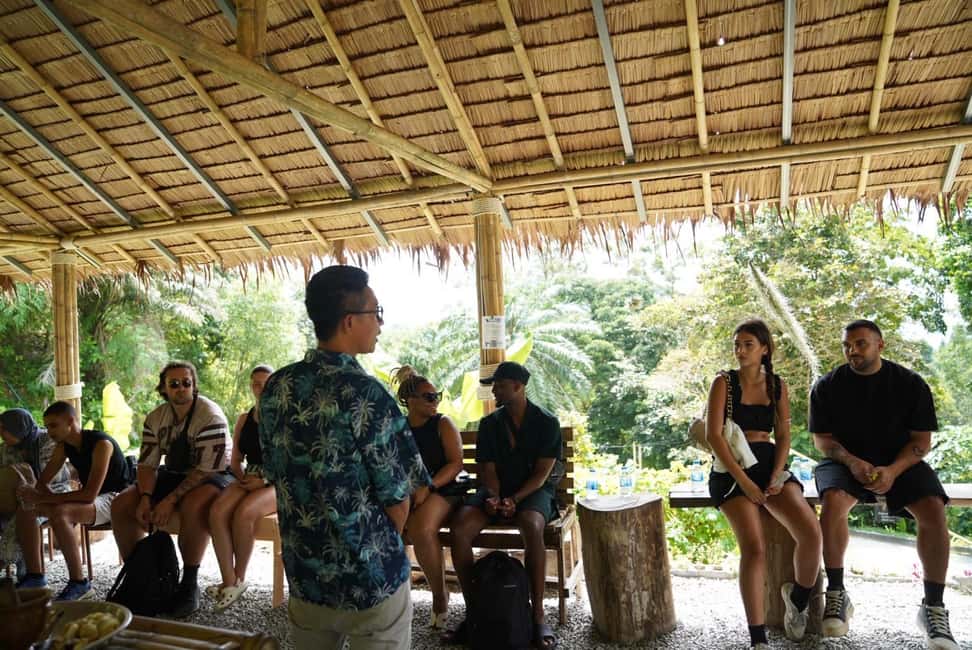
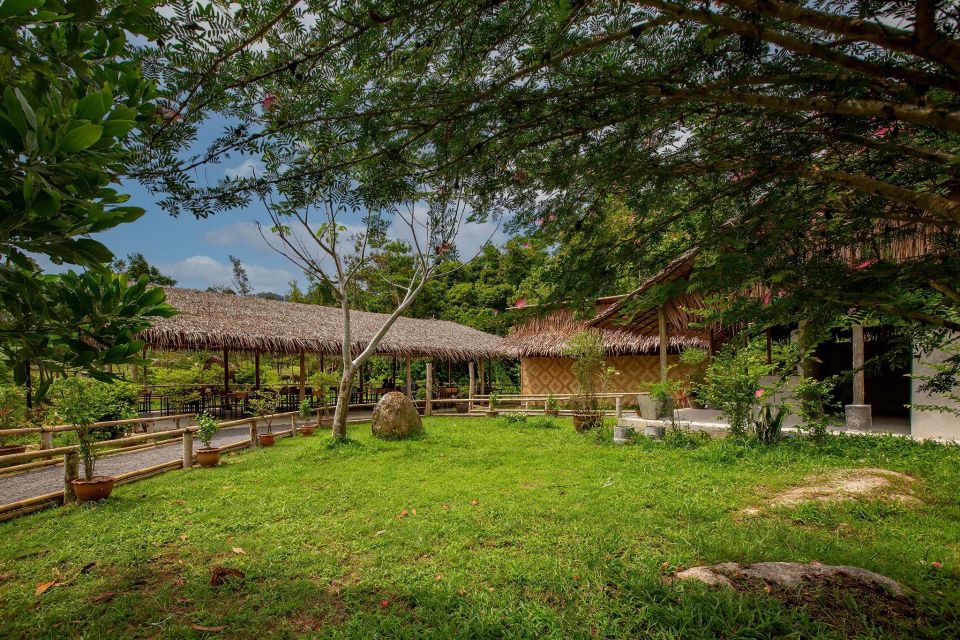
This tour is designed for travelers who want something meaningful without losing an entire day. You’ll head from your Phuket pickup point to the sanctuary, then spend roughly one hour on the guided portion at the elephants’ care area. In practice, that timing matters. A short visit keeps things calmer for the elephants and easier for you, especially in Phuket heat.
During that hour, you’ll do the core “sanctuary basics”: meet and feed the elephants, walk with them in the jungle area, and learn what you’re seeing as their routines unfold. You’ll also have time to take photos as you interact—enough to get the memories, not enough for it to turn into a circus of camera flashes.
Is it rushed? If you want a long, slow, hour-after-hour immersion with elephants you can watch doing everything from eating to socializing, you might feel the time limit. But if you want a solid introduction that’s still respectful and well-paced, this length is a sweet spot.
Hotel Pickup and Drop-Off: The Convenience You’re Paying For
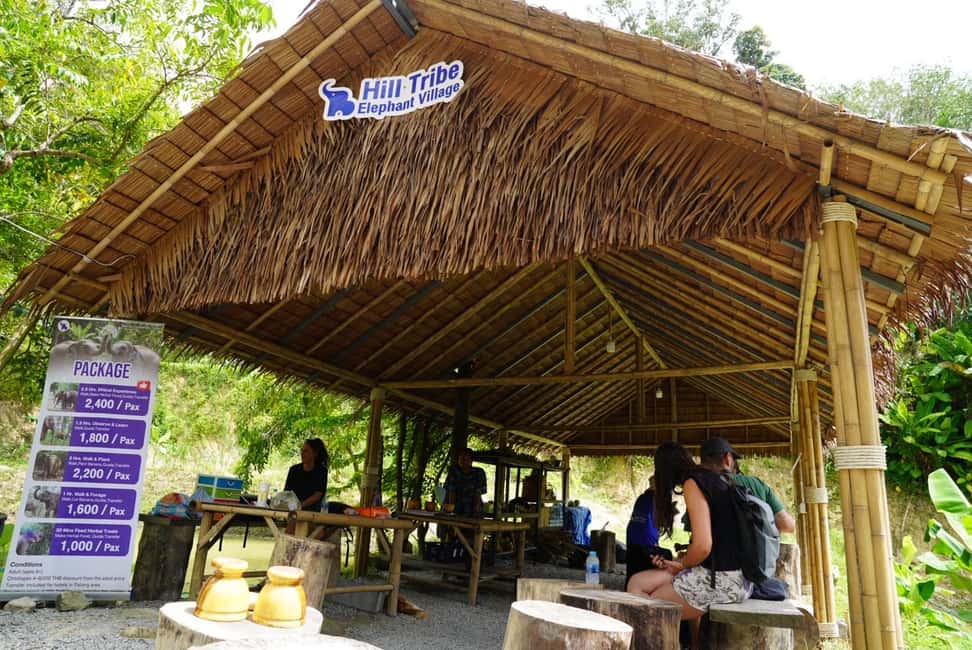
Phuket can be a traffic puzzle. So for this experience, the round-trip transport is not a small perk—it’s part of the value.
The tour includes pickup and drop-off from a lot of places across the island, including common beach bases like Kamala, Patong, Karon, and Chalong, plus areas around Choeng Thale. Pickup is also listed for a range of Phuket zones such as Ao Por Pier, Bangtao Beach, Kalim Beach, Kata Beach, Rawai Beach, Panwa Beach, Phuket Town, and even Leam Hin Pier and Kho Siray. That’s a wide net, and it matters because many Phuket attractions are hard to reach without arranging your own rides.
You’re also working with a real-world schedule: you choose morning or afternoon, and the operator runs pickup windows accordingly. Reviews describe smooth timing and easy transfers, including air-conditioned vehicles. One traveler noted they were picked up on time from their hotel and the whole flow ran without drama.
The takeaway for you: if you want elephants plus minimal logistics headache, this transfer-included format is a big reason to book.
What You Actually Do: Feed, Walk, Observe (Not Perform)
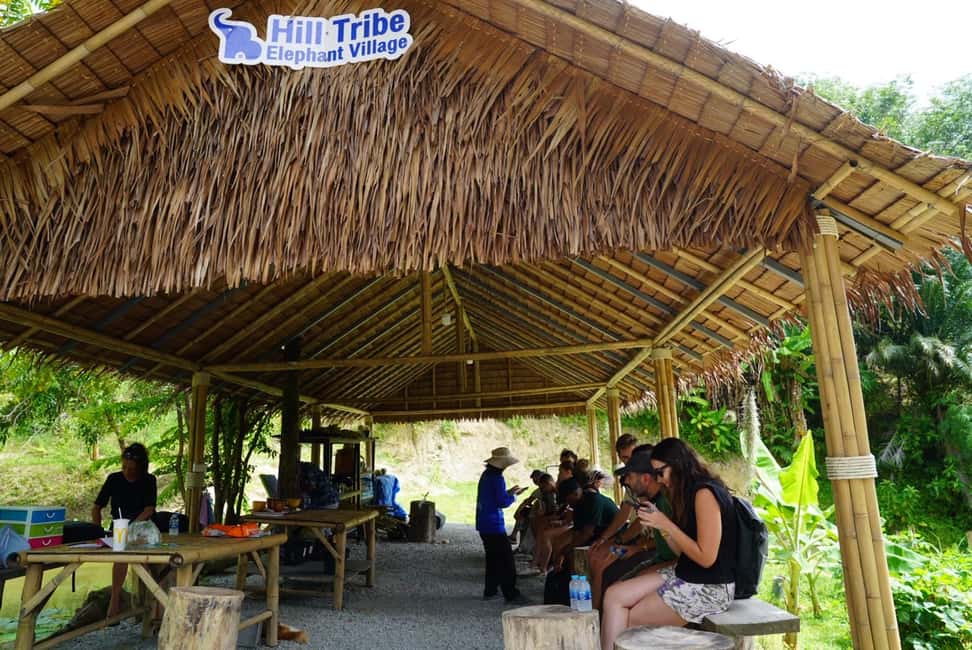
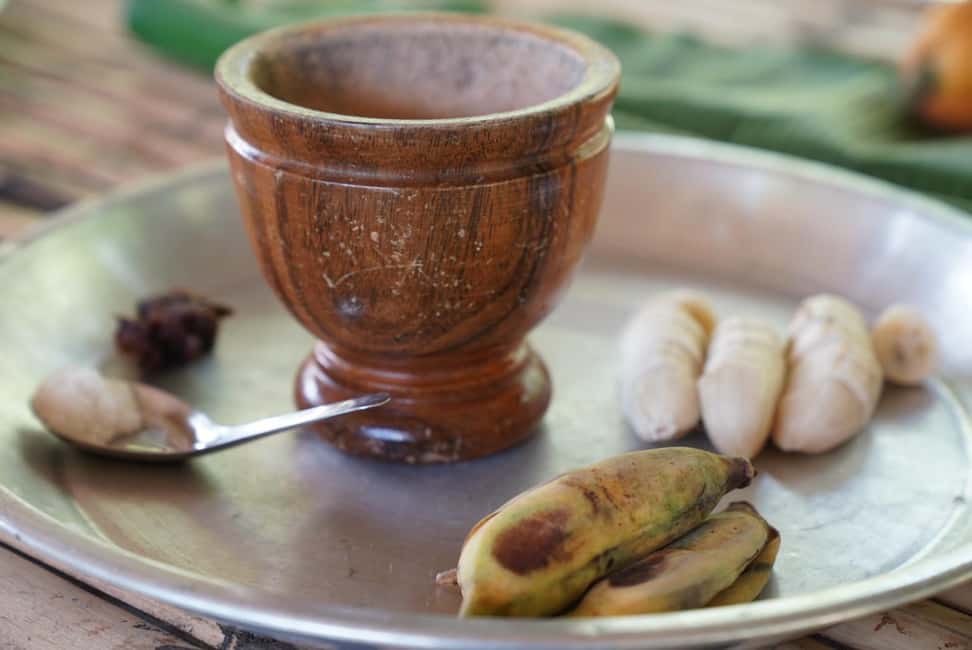
The heart of the tour is simple. You go to the elephants’ area, meet them, and feed them their favorite food. The tour info calls it herbal elephant food, and you’ll hand-feed the elephants during the visit.
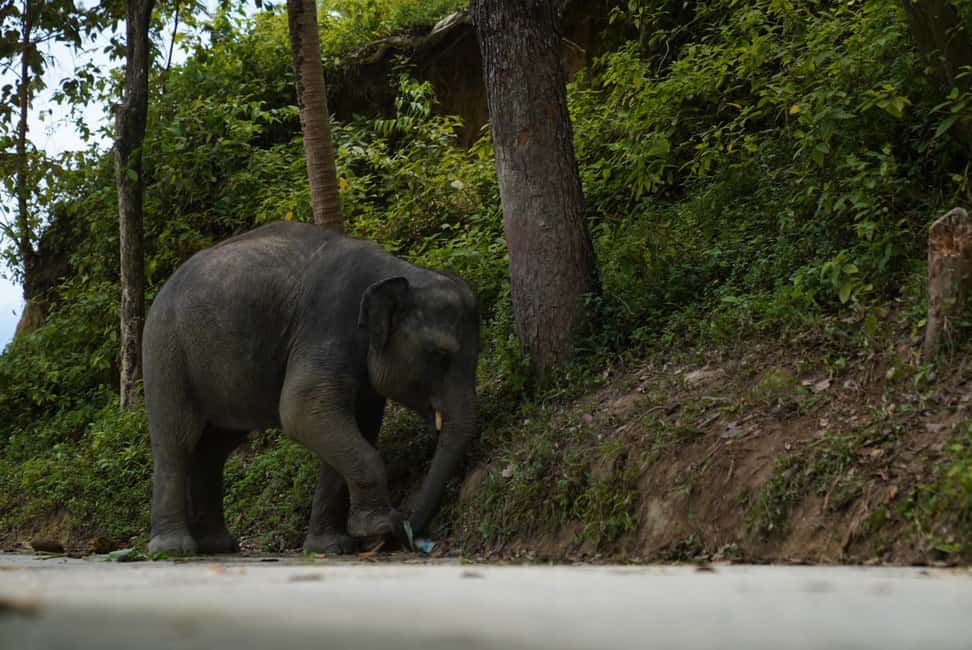
Then comes the part that makes it feel real: you walk and observe as the elephants move through their environment. This is not “stand here while an animal does a trick.” You’ll learn the patterns behind what you see—eating, resting, interacting, and natural behaviors that happen because the elephants are living their day.
A few details show up again and again in feedback:
- Elephants roam more freely than people expect in a typical attraction setting.
- Interaction feels calmer and on the elephants’ terms.
- You’re watching natural routines rather than being encouraged to force contact.
Food-first interaction also gives you something useful to do without turning the visit into constant handling. One of the best parts is that feeding feels purposeful: the guide explains what the food is and how it fits the elephants’ routine, so you’re not just tossing treats and hoping for good photos.
And about bathing: you might see bathing behavior, but it’s described as something the elephants do themselves while you observe from the bank. One review specifically mentioned not washing them. That distinction matters. In an ethical setup, the sanctuary doesn’t have to manufacture “contact moments” that mimic entertainment.
The Sanctuary Experience: Retired Elephants, Keepers, and Conservation

The tour focuses on rescued and retired elephants—meaning these are animals that are no longer doing the jobs they may have been forced into elsewhere. That’s the emotional center of the whole visit.
You’ll hear the stories of the resident elephants and how the center supports them in daily care. Your guide will connect what you’re seeing to the bigger conservation picture. The tour description mentions endangered species protection and conservation efforts by sanctuaries, and the guide’s job is to make that connection understandable in normal human language.
One of the most reassuring details from feedback: elephants appear healthy and happy, and caretakers are described as dedicated. Several comments mention that each elephant has its own keeper and that the elephants are not forced to do things they don’t want to do. That’s exactly what you want from an ethical sanctuary—comfort and choice.
This also changes the vibe. Instead of feeling like you’re “getting close,” you feel like you’re being taught how to respect distance and timing while the elephants follow their own agenda.
Photos, Food, and the Reality Check on Contact
Yes, you’ll get photos. The tour description highlights photo time as you meet and feed the elephants, and reviews repeatedly mention multiple opportunities for photos.
But here’s the reality check: photo time is built around respectful interaction, not constant touching. One review even flagged that they wished there was more encouragement to pet the elephants. That tells me the sanctuary’s approach is still fairly controlled—meaning you’ll likely do more feeding and observing than extended stroking.
So if you’re coming with the expectation of lots of hands-on petting, adjust your mindset. Plan for hand-feeding and walking/observation, with contact only when it feels appropriate to the elephants’ comfort. That’s not a downside for most people. It’s actually part of what makes the experience feel ethical rather than performative.
If you’re photographing, I’d focus on two things: elephants’ faces during feeding (they’re right there) and the moment they move into the trees for a natural “where did they go” shot. The sanctuary environment gives you context you won’t get in a paved zoo pen.
Guide Quality: English, Stories, and That Human Touch
This is one of the most praised elements of the tour. The guide is live and the tour language is English, and that’s a big deal. Elephants don’t operate like a scripted show. You need someone to explain behavior, routines, and how to interact safely and respectfully.
In feedback, guides are described as warm, friendly, and full of knowledge. People also mention that guides take questions seriously and explain the elephants’ histories and daily care.
There’s also at least one specific name you’ll hear: Tinn. One review thanks Tinn and notes how much they enjoyed the experience, calling him a great guide. Even if you don’t get Tinn, the consistent pattern is clear: the tour quality depends on a guide who can translate animal behavior into something you can actually understand while you’re standing there.
For your planning, that means you’ll get more out of the hour if you show up curious. Ask why feeding looks the way it does. Ask how keepers monitor daily routines. Those questions fit what the guide is clearly prepared to cover.
How Much It Costs (and Why It Feels Like Value)
The price listed is $40 per person, with hotel transfers and a guide included. On paper, $40 sounds straightforward. In Phuket terms, it can be a great deal because you’re bundling transport, guidance, and a structured sanctuary experience.
The value comes from three places:
- You don’t arrange your own ride. Transfer-included tours reduce both cost and stress.
- You get time with elephants plus interpretation. Many “attractions” just let you wander and hope you figure it out.
- The duration is realistic. One hour at the sanctuary is enough to learn behavior and see the elephants up close without dragging your whole day into heat.
Also, the tour has a 4.7 rating from 1,256 reviews, which is a helpful signal that the experience is landing well with many different types of people. I still recommend reading the tone of reviews with an ethics lens—if you’re hoping for a rescue-focused, non-riding experience, the overall feedback supports that direction.
Could you find cheaper? Maybe. But if you’re comparing to any option that requires separate transport and a separate entry ticket, this bundled format often wins.
Logistics on Phuket Time: Morning vs Afternoon
You can choose either a morning or afternoon experience. That choice affects comfort more than anything else. Elephant visits involve standing outdoors and moving short distances through natural areas, so heat and glare matter.
Morning is often the calmer pick if you’re trying to avoid the day’s strongest sun. Afternoon can work better if you want to sleep in after a beach morning. Since your active time is about an hour, you can also pair it with a beach plan that comes before or after.
One practical note from feedback: if you’re staying near Karon, the ride can be around one to one and a half hours even with transport included. That’s not bad, just plan your day so you don’t build it around a tight timing window.
Who This Tour Best Fits
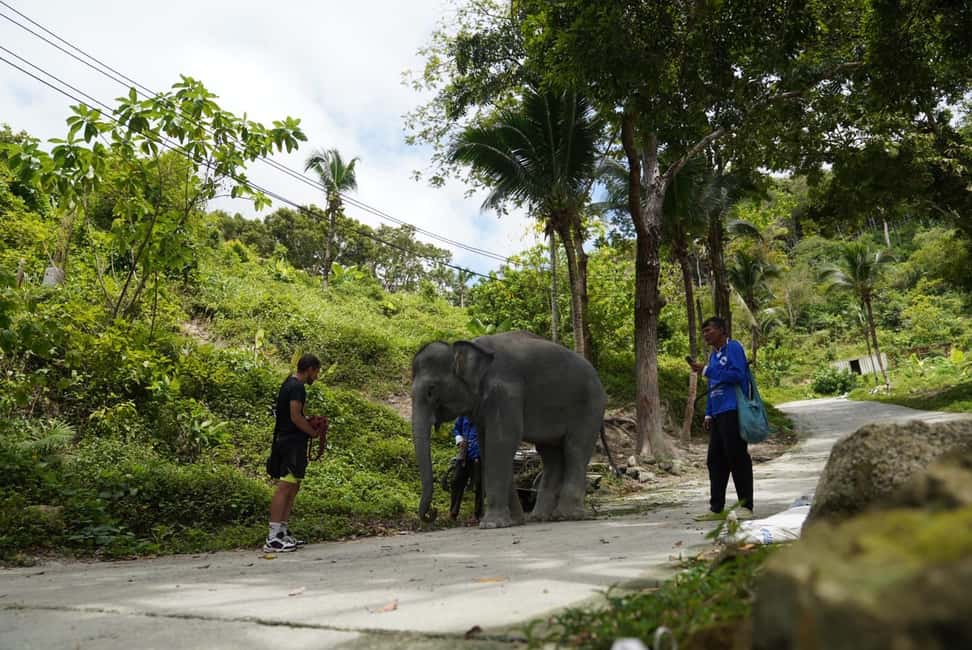
This tour is a strong match if you want:
- An ethical, rescue-focused elephant experience where interaction is limited and respectful.
- A guided introduction to elephant care and conservation, in English.
- Hotel pickup and drop-off, because you don’t want to drive or coordinate a taxi around Phuket traffic.
It’s also a good fit for couples, solo travelers, and families who want a meaningful nature break without a full-day commitment. One review specifically mentions the guide made a great effort with young kids, which suggests the pacing and explanations can work across ages.
Who might not love it? If you’re the type who wants to spend the whole day in the sanctuary, watching each elephant’s full routine with no time cap, you may feel you’re seeing only part of the story. Even feedback mentions meeting only a subset of elephants during the visit, so manage expectations.
Should You Book This Phuket Elephant Sanctuary Guided Tour?
If you care about ethics, want straightforward value, and prefer not to wrestle with Phuket logistics, I’d book it. The combination of hotel transfers, an English-speaking guide, and a structured hour at an ethical sanctuary makes it a practical choice.
I’d also book it if you like experiences that teach you how to read animal behavior. The best moment here isn’t just feeding—it’s understanding what you’re seeing and why the center’s approach matters.
The only reason to pause is the one-hour limit. If your goal is maximum time with elephants, you might want an option that stays longer. But for most people doing a Phuket itinerary, this tour hits a useful balance of time, comfort, and ethical elephant interaction.
FAQ
How long is the guided sanctuary visit?
The activity duration is listed as about 1 hour. The full experience includes pickup and drop-off time.
Is hotel pickup and drop-off included?
Yes. Hotel pickup and drop-off are included, with pickup and drop-off locations across Phuket and also listed pickup access points such as Ao Por Pier and Phuket Town.
What language is the tour guide?
The live tour guide is English.
What do I do during the tour with the elephants?
You’ll be guided to meet and feed the elephants their favorite herbal food, take photos, and walk/observe as part of the sanctuary visit.
Are there any rules about alcohol or drugs?
Intoxication, alcohol, and drugs are not allowed during the experience.
Do I get to choose a morning or afternoon time?
Yes. You can choose either a morning or afternoon experience to match your Phuket schedule.
What if I need to cancel?
Free cancellation is available up to 24 hours in advance for a full refund.