REVIEW · BALI
Bali: Tanah Lot UNESCO World Heritage Sites Full-Day Tour
Book on GetYourGuide →Operated by TripGuru · Bookable on GetYourGuide
Ten hours, four UNESCO stops, one smooth Bali day.
What makes this tour fun is the mix: temples built for water, plus the Jatiluwih rice terraces that still feed local life. I love how the day is paced so you’re not just rushing from one photo spot to the next; you get context at each site from your guide.
My other favorite part is the small-group feel—up to 5 people—so questions don’t disappear and you can actually hear explanations in the car and at the temples. One consideration: it’s a full day with real driving time, and it’s not ideal if you have heart or respiratory issues or if walking on uneven grounds is hard for you.
In This Review
- Key Highlights Worth Planning For
- A Full-Day UNESCO Route That Feels Like One Story
- Small-Group Comfort, Pick-Up Timing, and Why It Matters
- Pura Taman Ayun: The Royal Water Temple First
- Lake Bratan and Ulun Danu Bratan: A Crater-Lake View That Hits
- Lunch Break: Keep Your Energy for the Terraces
- Jatiluwih Rice Terraces: Traditional Farming You Can Actually See
- Tanah Lot at Sunset: When Sea Gods and Photography Collide
- Price and What You’re Really Getting for $40
- What to Pack and the Dress Code That’s Really Enforced
- Who Should Book This Tour (and Who Should Skip It)
- My Booking Advice: When This Tour Makes the Most Sense
- Should You Book Bali Tanah Lot UNESCO World Heritage Sites?
- FAQ
- How long is the Bali Tanah Lot UNESCO World Heritage Sites full-day tour?
- What is the group size?
- Are hotel pickup and drop-off included?
- What’s included in the tour price?
- Are meals included?
- Do I need cash for entrance fees?
- What should I bring and wear?
Key Highlights Worth Planning For
- Taman Ayun Royal Water Temple: Bali’s largest and architecturally distinguished shrine of its type
- Ulun Danu Bratan on Lake Bratan: crater-lake views and a temple tied to Bali’s spring origins
- Jatiluwih terraced rice: proof that traditional sustainable farming is still happening
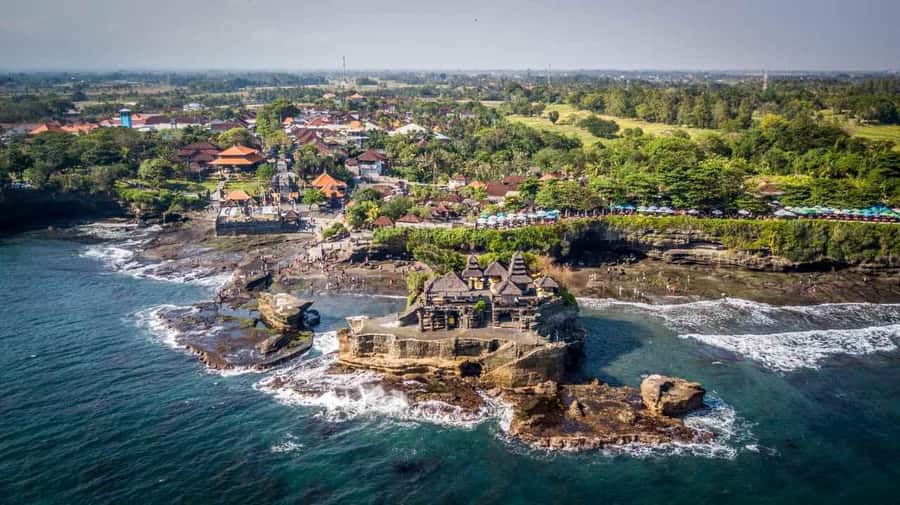
- Tanah Lot at sunset: dramatic sea-god atmosphere at the edge of the water
- Small group (max 5): more speaking time with your English-speaking guide
- Guides who shoot photos: many guides help with photos and videos so you don’t just pose and disappear
A Full-Day UNESCO Route That Feels Like One Story
This isn’t a “hit ten attractions” itinerary. It’s a tightly chosen loop where each stop explains a piece of Bali’s relationship with water—spiritual water in temples and practical water in rice farming. You start with a royal water temple, then move to a crater-lake temple, then step into working terraces, and end with a sea-temple sunset.
I like that the day reads like a theme instead of a checklist. If you’re the type who wants meaning behind what you’re seeing, this tour gives you that without turning into a lecture marathon.
And yes, you’ll get classic scenery: temple courtyards, lake views, tiered green fields, and that famous Tanah Lot shoreline feel. But the real win is that you’re watching how people live with these landscapes—religion, farming, and daily rhythms all tied together.
You can also read our reviews of more tours and experiences in Bali.



Small-Group Comfort, Pick-Up Timing, and Why It Matters
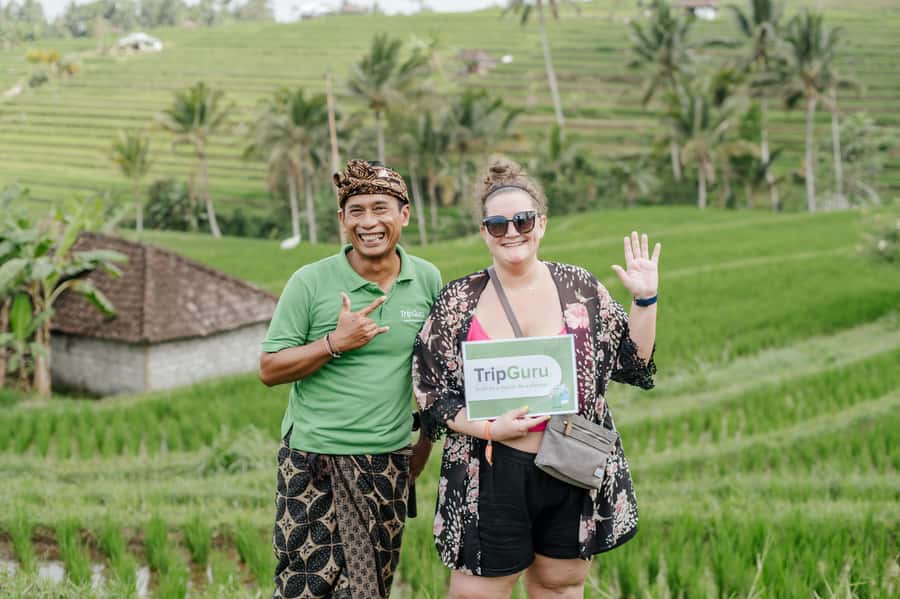
You’ll be picked up at your hotel in Bali, and the day starts from different areas depending on where everyone is staying. The driver will contact you the evening before to confirm the exact time, and you’ll wait at the hotel lobby. That “evening before” heads-up is important; Bali traffic can be unpredictable, and starting on time keeps the whole day relaxed.
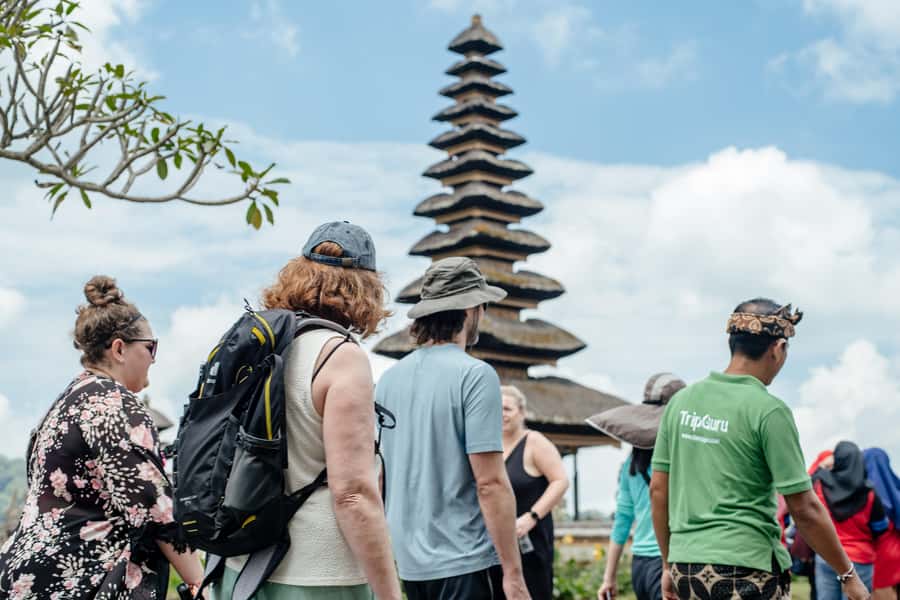
The tour uses an air-conditioned vehicle, which is a big deal in Bali’s heat—especially when you’re going to be standing outside at temples. With a small group (limited to 5 participants), you’re not competing for space, and you’re less likely to feel rushed when you stop for photos.
You’ll also have an English-speaking guide (with availability for French and German too, depending on the booking). In the best versions of this tour, the guide is careful, explains the sites and Balinese culture clearly, and helps with photos. I saw a lot of praise for guides like Didik, Alit, Dewar, Dewa, Made, and Nyoman Sudarma for exactly that: calm driving, good explanations, and patient photo help.
Pura Taman Ayun: The Royal Water Temple First
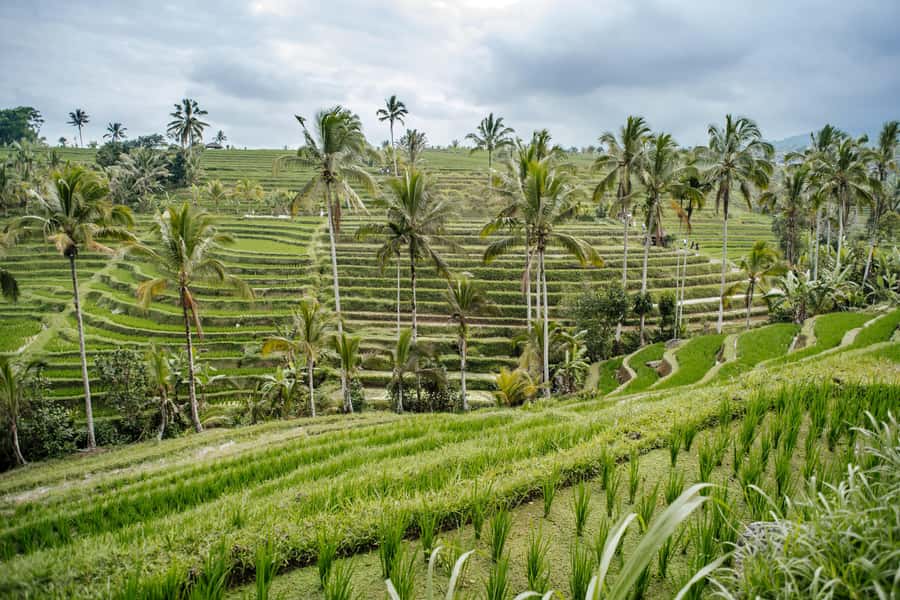
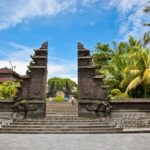
You’ll begin at Pura Taman Ayun, described as an 18th-century Royal Water Temple and noted as the largest and most architecturally distinguished shrine of its type on the island. Starting here works well because it sets the tone: this is Bali’s religious architecture, designed for water and ritual space, not just scenic sightseeing.
What I like about the way this stop is handled is that it’s early in the day. You’re more likely to have comfortable light for photos and fewer “we’re running late” feelings. Your guide typically walks you through what matters in the compound so you’re not just staring at stone and thinking, Now what?
Practical note: some sites enforce a strict dress code. You’ll want clothing that covers shoulders, underarms, back, and knees. If you don’t have the right coverage, plan to bring something like a sarong, scarf, or light layer you can pull on quickly.
Lake Bratan and Ulun Danu Bratan: A Crater-Lake View That Hits
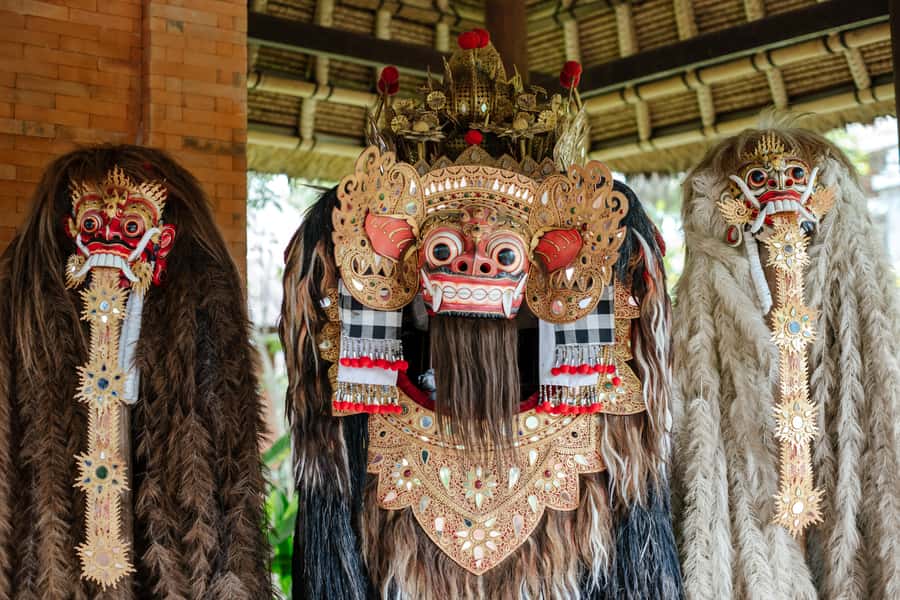
Next is Pura Ulun Danu Bratan, standing at the edge of Lake Bratan. The tour focuses on the view from the water temple and the temple’s meaning—Ulun Danu Bratan is regarded as the ultimate origin of every spring and river in Bali.
This is one of those stops where the scenery and the explanation work together. You’re not only looking at a lake and temple silhouette; you’re hearing why this place matters to the island’s idea of water as a living source. That connection is what makes it feel deeper than a standard temple photo.
Expect outdoor time. Even if you’re not doing any hiking, you’ll be standing for views and guided moments. Comfortable shoes help a lot, because temple grounds can be uneven and slippery depending on the weather.
Also, this stop is a longer one compared with the rice-terrace time. You’re given time to really take it in and not just do the “arrive, snap, leave” routine.
Lunch Break: Keep Your Energy for the Terraces
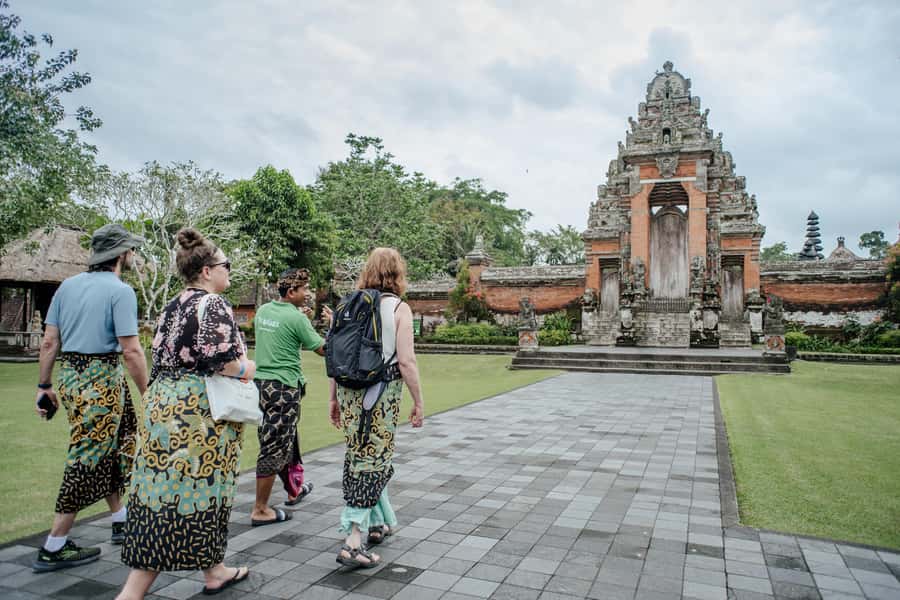
You’ll have a lunch break at a local restaurant, with about an hour set aside. The tour lists meals as not included, so treat this as a chance to eat locally rather than a guarantee of a paid-for meal. Bring some cash or be ready to pay for your own lunch.
Why this matters: the day’s biggest visual moments are the terraces and the sunset, and both require energy. If you eat light and hydrate, you’ll enjoy the next segment more—especially in the late-afternoon sun.
Also, use this break to reset your mind. By the time you leave Ulun Danu Bratan, you’re thinking about water as origin and spirituality. Jatiluwih will flip that idea into daily life: water managed for farming, generation after generation.






Jatiluwih Rice Terraces: Traditional Farming You Can Actually See
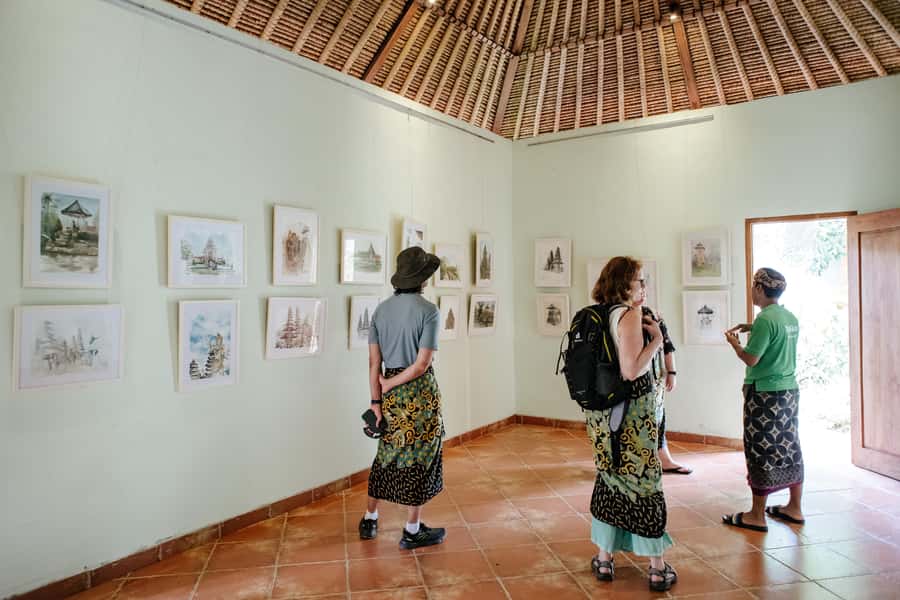
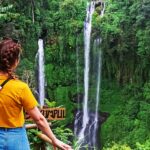
Then comes Jatiluwih, one of Bali’s oldest and best examples of terraced paddy landscapes. The tour highlights that local communities still practice sustainable farming there, so you’re not just looking at “nice green steps.” You’re seeing how farming works as a long-term system.
This is where I find the tour becomes more grounded. Temples are powerful, but terraces show the practical side of water and patience. You get guided time plus scenic sightseeing as you move through the area.
If you’re the kind of person who likes learning how locals live, this stop is a strong match. You’ll likely hear simple, human explanations tied to daily cultivation rather than big abstract theories. It’s also a good spot to slow down for photos—especially with a guide who knows where to stand for better angles.
One heads-up: the tour includes comfortable shoes, and that’s not random. Even short walks around terraces can be tough if you’re wearing slippery sandals or shoes with poor grip.
Tanah Lot at Sunset: When Sea Gods and Photography Collide
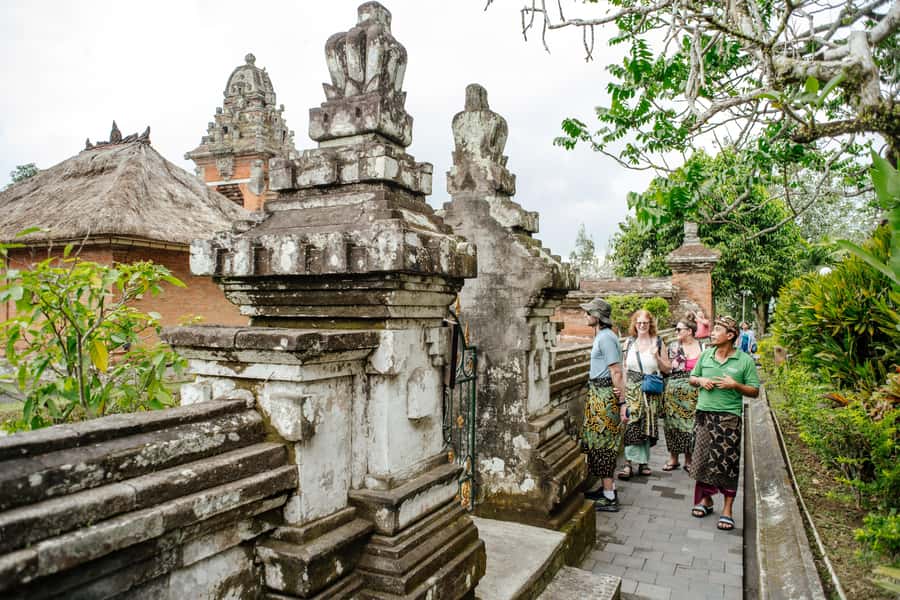
The final big moment is Tanah Lot Temple, whose name is described as meaning land in the sea. It’s a dramatic 16th-century edifice on the edge of the water, where people have been worshipping sea gods for centuries.
Sunset is the main event here. The tour is built around timing so you can catch Bali’s best sunset at Tanah Lot, and that’s the right kind of priority. You’ll want to arrive ready to stand, watch, and take photos as the light shifts.
What makes Tanah Lot special on this route is the contrast. Earlier, you’re in temple space linked to springs and rivers. Here, water becomes the ocean edge, and the spiritual idea ties to the sea itself. It helps the whole day feel connected, not like four separate Pinterest boards.
If you’re camera-first, this is your payoff. Many guides on this tour are praised for being good photographers—helping with photos and even short videos—so you don’t have to hand your phone to a stranger and hope for the best. Names that came up often include Dewa, Agus, and Alit for taking great shots and keeping the experience relaxed.
Price and What You’re Really Getting for $40
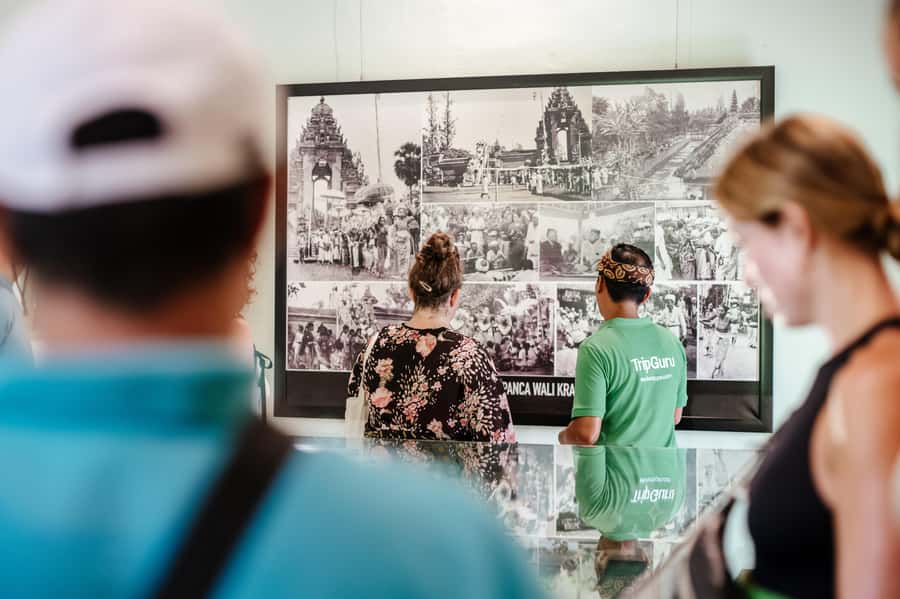
At $40 per person for a 10-hour day, this tour is positioned as strong value for a full UNESCO-style circuit. You’re paying for more than entry tickets: you’re buying transport, a guide who speaks English (plus French and German availability), and a vehicle that keeps you comfortable through driving time.
Included items are hotel pickup and drop-off, an air-conditioned vehicle, entry fees depending on your selected option, and water. Lunch and personal expenses aren’t included, so you’ll still plan for food on your own.
The real value angle is the small group size. If you were doing this DIY, you’d spend time figuring out routes, traffic, timing for sunset, and entrance coordination. Here, someone else handles the sequencing and keeps you moving through the day without chaos.
So if your priority is “see the key sites, with explanation, and arrive at sunset without stress,” $40 can be a bargain. If your priority is “maximize free time to wander” and you hate scheduled stops, then the full-day structure might feel like a lot.
What to Pack and the Dress Code That’s Really Enforced
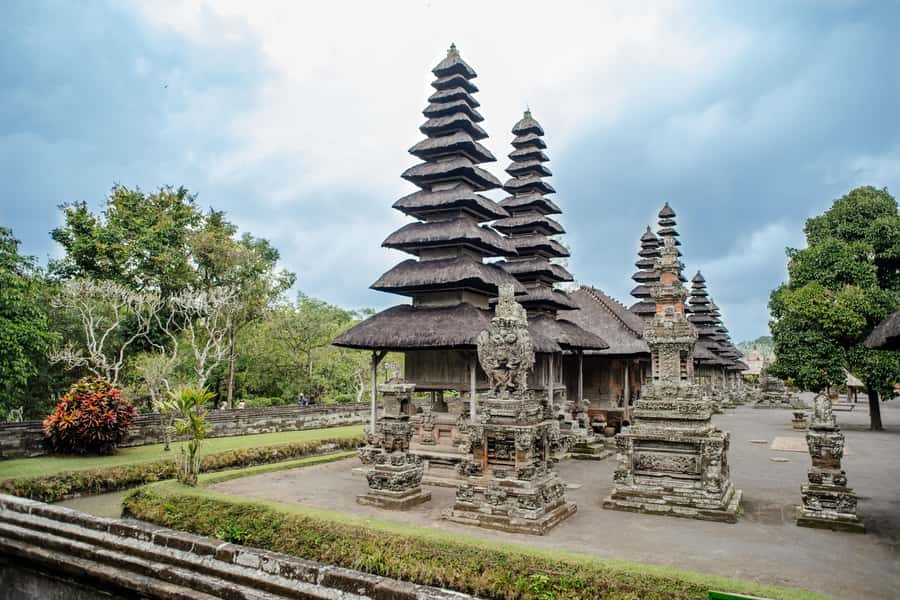
This tour is very clear about what you should bring, and that list is practical. Pack comfortable shoes, sunglasses, a hat, camera, sunscreen, and insect repellent. You’ll be outside for temple views and rice-terrace time, so sun and bugs are not hypothetical.
Also pack cash. If you choose a non-inclusive option, you’ll need to pay entrance fees on-site, listed around IDR 210K per person.
Most important: dress code rules. Clothes revealing shoulders, underarms, back, and knees are not allowed in some sites, and it’s said to be strictly enforced. Bring a sarong/scarf/sweater or wear clothing that already fits the rules.
Finally: no luggage or large bags. If you’re traveling light, you’re set. If you’re carrying extra stuff, plan to keep it minimal.
Who Should Book This Tour (and Who Should Skip It)
This experience is a good match if you want:
- A day focused on the most famous UNESCO-linked highlights in Bali
- Guided context (not just photo stops)
- A manageable group size with English support
- Sunset at Tanah Lot as a priority, not an optional afterthought
It may not be a fit if you have heart problems, respiratory issues, or mobility impairments. Even though the day isn’t described as an extreme hike, you will spend time standing and walking on temple and terrace grounds.
If you’re traveling solo, the small group format can feel like a best-of-both-worlds solution: you get company without losing your independence to a huge crowd. Many guides also handle photos so you’re not stuck figuring out self-timer angles in the heat.
My Booking Advice: When This Tour Makes the Most Sense
Book this tour if you only have one full day in Bali and you want a balanced sweep: royal temple architecture, a crater-lake spiritual stop, terrace farming you can understand, and a true sunset send-off at Tanah Lot. It’s built for people who like seeing meaning in what they photograph.
For timing, be ready for an early start because pickup times vary by area. One practical tip from guests: if you can manage it, plan your morning around an early departure (some recommend being set by about 7:30 am) so you waste less time fighting traffic.
For guide quality, you can’t always choose the person in advance, but this tour has a track record of guides who drive carefully, explain culture respectfully, and help with photos. Names that repeatedly appeared with praise include Didik, Anom, Dewar, Alit, Dewa, Made, Agus, and Nyoman Sudarma.
If your goal is value, pick the option that includes entry fees if you can. If not, just budget the cash amount listed for entrance fees.
Should You Book Bali Tanah Lot UNESCO World Heritage Sites?
Yes—if you want a single full-day plan that connects Bali’s temples and working water systems, and you’d rather have a guide manage the timing than gamble on route and sunset logistics. The best parts are the way the day stays thematic and the small-group attention at every stop.
Skip it only if you know you’ll struggle with a long day, outdoor standing, and the strict dress-code enforcement at some sites. If that sounds fine, this is a strong way to see a lot of what makes Bali feel like Bali—without feeling scattered.
FAQ
How long is the Bali Tanah Lot UNESCO World Heritage Sites full-day tour?
It runs for 10 hours.
What is the group size?
It’s a small group limited to 5 participants.
Are hotel pickup and drop-off included?
Yes. Pickup and drop-off are included, and the driver contacts you the evening before to confirm the exact pickup time.
What’s included in the tour price?
Included items are hotel pickup and drop-off, an English-speaking tour guide, an air-conditioned vehicle, entry fees depending on your selected option, and water.
Are meals included?
Meals are not included. The itinerary includes a lunch break at a local restaurant, but you’ll pay for your own meal.
Do I need cash for entrance fees?
If you choose the option that does not include entry fees, you’ll need cash on hand. The tour notes entrance fees around IDR 210K per person.
What should I bring and wear?
Bring comfortable shoes, sunglasses, a hat, camera, sunscreen, insect repellent, and cash. You also need to follow the dress code: avoid revealing shoulders, underarms, back, and knees, and consider bringing a sarong/scarf/sweater to cover up.