REVIEW · BALI
Seminyak: Balinese Cooking Class & Market Tour
Book on GetYourGuide →Operated by Anika Group · Bookable on GetYourGuide
Your spoon starts with a spice hunt. This Seminyak class turns a morning market tour into a hands-on Balinese cooking session, then ends with the meal you make. You get an English-speaking team, plenty of prep time, and a recipe book so the flavors don’t fade after you fly home.
I especially love how the chefs explain ingredients in plain terms—what goes into the pastes, how to handle fresh produce, and how to swap items when you’re cooking abroad. Another win is the small-group setup: you’re not stuck waiting while someone else asks the only question in the room. One consideration: the market part involves walking and you’ll want comfortable shoes, and the pickup is included but the hotel drop-off is not.
In This Review
- Key things I’d plan around
- Seminyak Morning: How the day actually starts
- The Market Run with Your Chef: Where the flavor begins
- Back to the cooking venue: Small groups, clear stations, real hands-on work
- What you’ll actually cook: Balinese pastes, classic dishes, and Indonesian favorites
- The meal at the end: A banquet, not a token tasting
- Price and value: Why $45 feels fair
- Who should book this cooking class in Seminyak
- Tips to get the most from your morning
- Should you book this Seminyak cooking class?
- FAQ
- How long is the Seminyak Balinese Cooking Class & Market Tour?
- What’s included in the $45 per person price?
- Is hotel drop-off included?
- What time does pickup happen?
- If my hotel is outside pickup areas, where do I meet?
- What language is the instruction?
- What should I bring?
- Is luggage allowed?
- Do I take anything home?
- Is free cancellation available?
Key things I’d plan around
- Market first, cooking second: you shop herbs, spices, fish, meats, vegetables, and fruits with your chef
- Small group help: multiple staff support so you can actually keep up with what you’re learning
- Chef-led ingredient logic: you’ll hear what each ingredient does in a dish and why it matters
- Hygiene and workstations: handwashing reminders and clean stations keep the flow moving
- You eat what you make: the meal at the end is a real feast, not a tiny tasting plate
- Take-home recipes + certificate: you leave with a recipe book and a completion certificate
Seminyak Morning: How the day actually starts
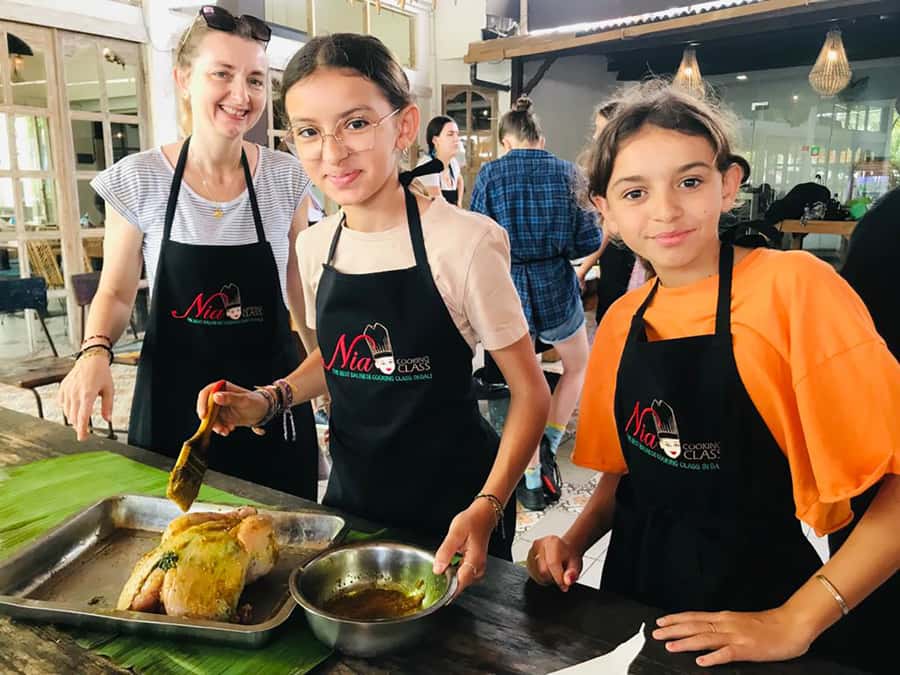
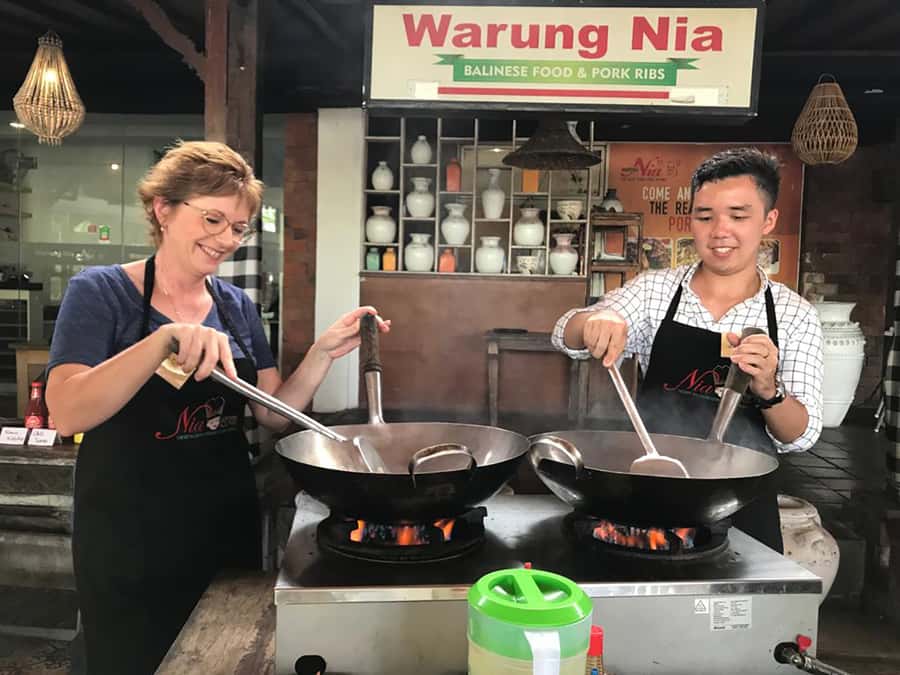
This is a four-hour experience that begins early enough to feel like a true “morning in Bali,” not just a snack-and-shop add-on. Pickup is included if you’re staying in Seminyak, Legian, or Kuta, with pickup scheduled at 8:00 AM. If you’re outside those areas, you’ll meet at Warung Nia on Jl. Kayu Aya Square (No. 19–21) in Seminyak.
The practical takeaway is simple: plan your morning around that 8:00 AM start. If your hotel breakfast runs late, you might want to skip it and come hungry. That lines up with what the class delivers afterward: you’ll be cooking a lot, then eating it.
What to wear matters more than you’d think. You’re walking the market and chopping at the cooking station, so comfortable shoes and clothes are non-negotiable. Also, you can’t bring luggage or large bags—so travel light and keep your daypack small.
You can also read our reviews of more tours and experiences in Bali.



The Market Run with Your Chef: Where the flavor begins
The first real “aha” happens at the local market near the cooking venue. Your mentoring chef walks you stall to stall and helps you identify ingredients based on what you’ll cook later. This is not a generic sightseeing stop where you just point and smile. You’re learning the why behind the buy.
Here’s what the market part typically emphasizes:
- Fresh herbs and aromatics used to build Balinese flavors
- Spices and pastes ingredients (and how they support the final taste)
- Selecting quality produce—especially when it comes to freshness for fish, meats, and vegetables
- Fruits and condiments that add balance to savory dishes
One of the most useful parts for home cooks is that your chef ties ingredients to what’s easy to find abroad, especially in Asian grocery stores. That’s huge because Bali dishes often depend on specific herbs and spice blends. Knowing what you can replace (and what you should try not to substitute) makes the recipe book actually usable when you’re back in your own kitchen.
You’ll also notice the market is lively, and some walking is expected. If it’s raining, it can turn your market experience into a soggy morning. While the class still runs as an organized flow, it’s worth keeping an eye on conditions and dressing accordingly.
Back to the cooking venue: Small groups, clear stations, real hands-on work
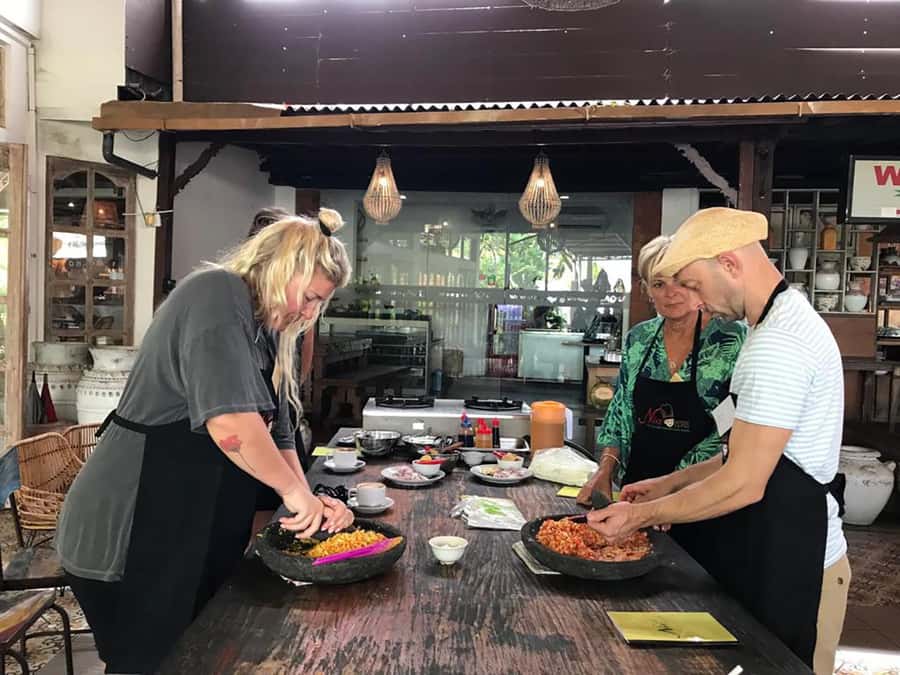
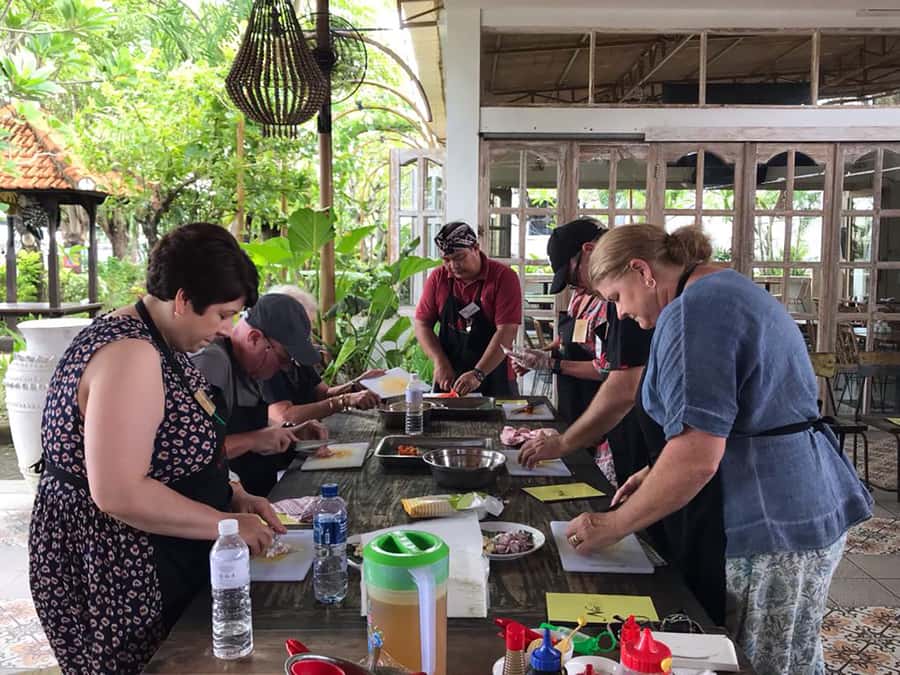
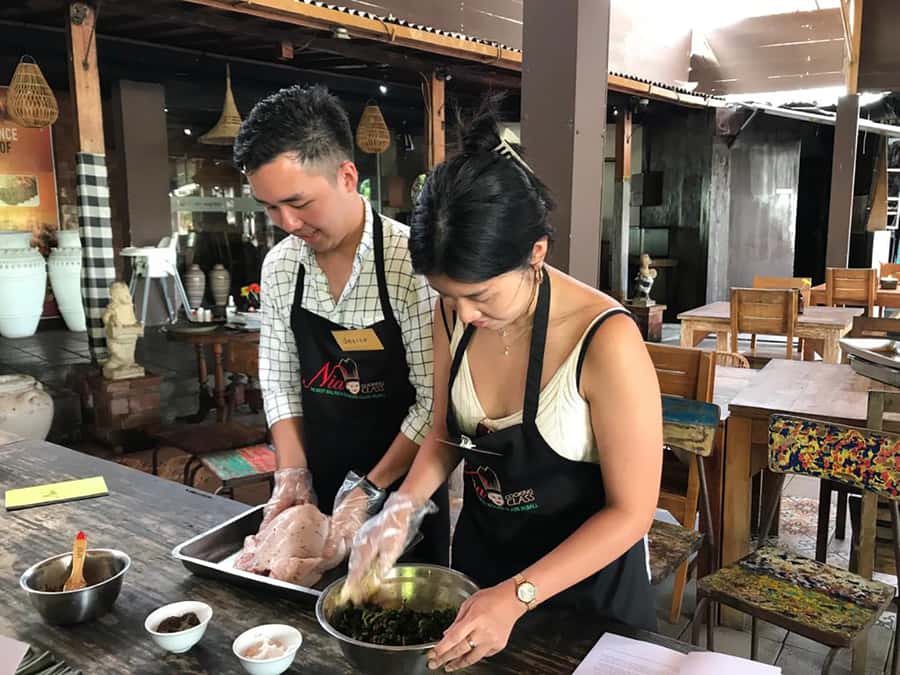
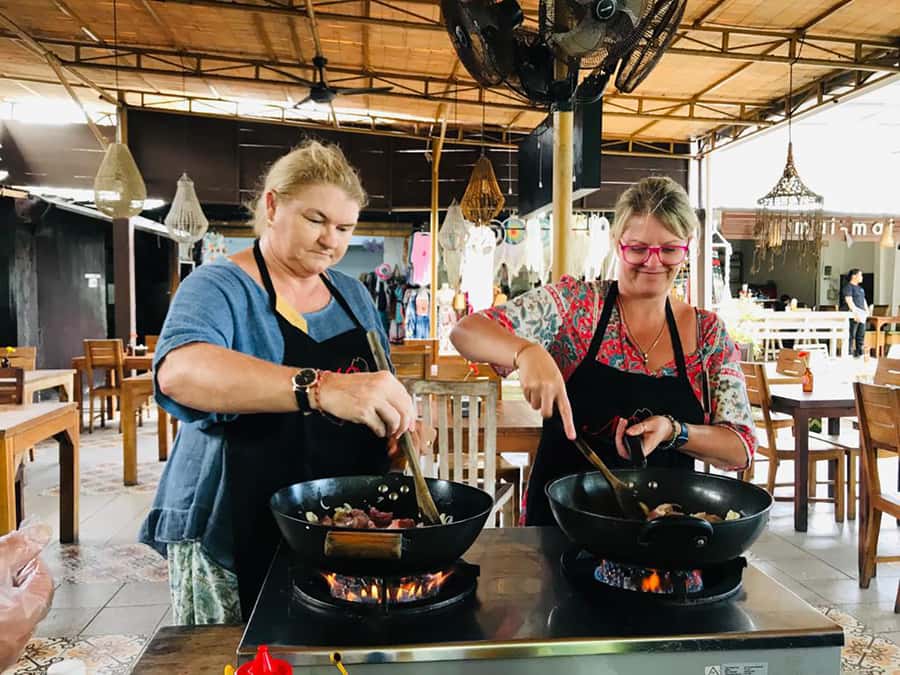
After the market, you return to the cooking venue to start cooking. This is where the experience earns its reputation for value. Instead of watching one dish being made slowly, you work through multiple recipes, with staff resetting ingredients and equipment so you can stay focused on the steps.
Small groups are a big deal here. The goal is hands-on learning, not crowded chaos. In past sessions, groups cooked enough dishes that people mentioned numbers like six, eight, ten, or even around twelve. The specific menu changes, but the pattern holds: you’ll make multiple Balinese dishes and likely several parts of pastes and seasoning bases along the way.
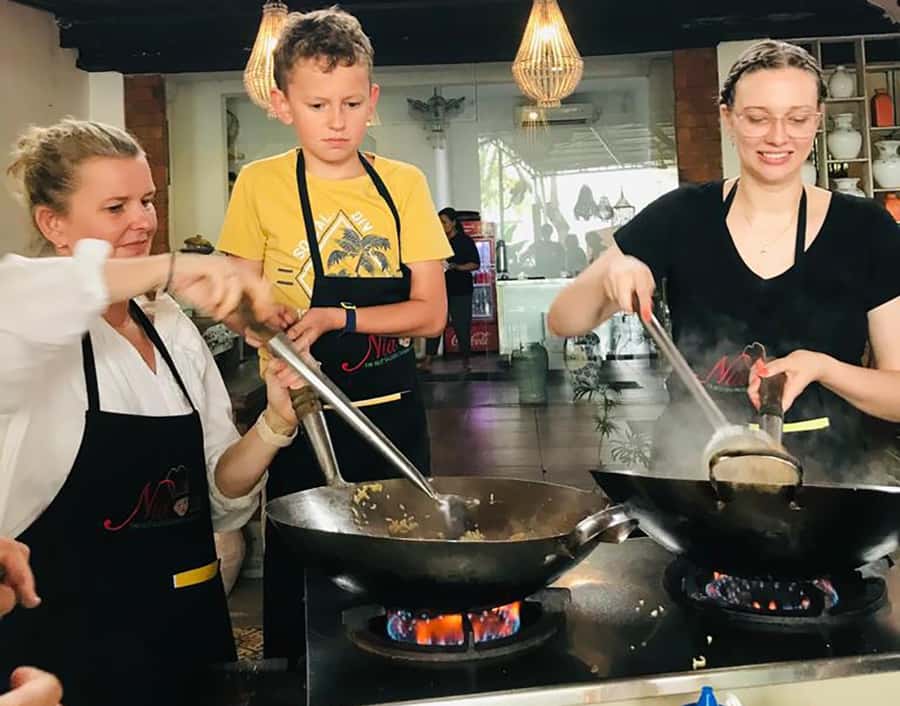
You’ll interact with fellow cooks while your chef and assistant staff guide you through techniques. Many participants highlight that there’s 1:1 support at the station level, plus staff who help with prep and cleanup so you’re not stuck waiting for tools or ingredients.
Two things I’d personally watch for during the cooking part:
- Knife technique and basic prep—how you hold the knife and handle aromatics
- Paste building and seasoning timing—when to blend, when to add, and how aroma changes while cooking
A chef-led class also tends to include small teaching moments that feel practical, like adjustments to seasoning based on smell and taste (not just measuring by the book). For example, one participant mentioned the chef could tell salt differences by aroma alone—exactly the kind of skill you can carry home.
Hygiene is part of the process, not an afterthought. You’ll get reminders to wash hands between steps, and stations are kept clean during the class. That matters when you’re mixing raw ingredients, handling pastes, and then cooking immediately after.
What you’ll actually cook: Balinese pastes, classic dishes, and Indonesian favorites
The class focuses on authentic Balinese cooking with some popular Indonesian dishes included. Based on what’s been cooked in recent sessions, expect to see a mix that often includes:
- Curry pastes prepared from scratch
- Savory dishes using chicken and fish
- Pork dishes and satays in some menus
- Balinese-style seasoning blends that rely on fresh aromatics
Even when dishes change, you can anticipate the method: build a paste or seasoning base, then cook with the right balance of heat, saltiness, and aromatic depth. One participant specifically noted preparing multiple curry pastes and then turning those into numerous dishes. That’s a useful way to think about the learning: you’re not only making a final plate; you’re learning how the flavor system works.
Presentation can be part of the lesson too. People mentioned banana leaf styling in plates, which is a classic Bali touch. It’s not just decorative—banana leaves help with aroma and the overall feel of the meal.
If you’re curious about what makes Balinese food distinct from other Indonesian styles, this class is a strong starting point. Your chef’s explanation of ingredients and their purpose (including notes about medicinal or functional properties of certain herbs) helps you understand the logic, not just memorize steps.
The meal at the end: A banquet, not a token tasting
One of the best surprises is how much you end up eating. A recurring theme is that the final meal is generous—often described as a banquet where there’s so much food people couldn’t finish it.
After cooking, you sit down and enjoy everything you made with your group. Staff keep the setup running smoothly, and the flow is designed so you can actually taste what you worked on while it’s at its best.
You’ll also likely get some light refreshments during the session. The experience includes morning tea, and some participants noted a cold drink and sweet snack being provided at the restaurant before cooking begins.
This is one of those tours where the payoff is immediate: you learn by doing, then you eat the evidence. If you’ve ever taken cooking classes that felt like a long demo with a tiny bite at the end, this setup is built to avoid that problem.






Price and value: Why $45 feels fair
At $45 per person for a four-hour experience, this class is priced like a value deal for Bali. Here’s why it adds up:
- You get hotel pickup within Seminyak/Legian/Kuta (transport is real cost)
- You get a guided market run that focuses on ingredients, not just photos
- You get the cooking class with English instruction
- All ingredients are included
- You receive a recipe book and a certificate
The big value lever is that you’re not paying just for teaching time. You’re paying for the ingredient sourcing experience plus the food outcome. Multiple dishes are cooked, you’re guided through techniques with staff support, and the final meal is part of what you paid for.
Could you find cheaper cooking experiences in Bali? Sure. But if you want one where ingredients, guidance, and meal are wrapped together—and where you leave with a recipe book you can realistically follow—this is the kind of class that tends to feel worth the money.
Who should book this cooking class in Seminyak
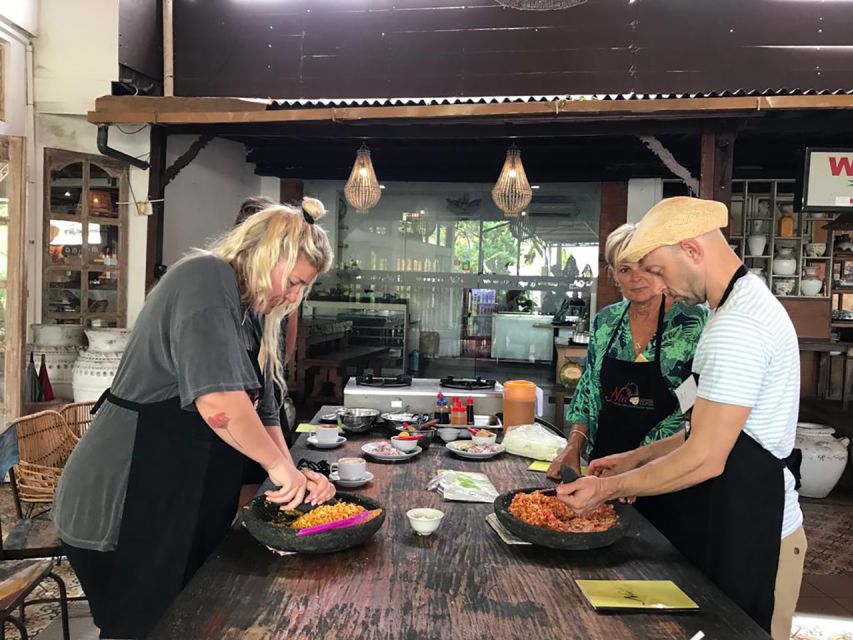
This works best if you want a practical, hands-on food lesson and you enjoy learning through doing. It’s especially good for:
- Couples who want a shared activity with a clear payoff at the table
- Solo travelers who want interaction without feeling singled out
- Food lovers who want authentic Balinese ingredients and the logic behind them
- People who like a structured experience, but still want to cook, not just watch
If you hate markets, keep in mind the market stop is part of the start of the class. If rain is a concern for your comfort, plan for that with the right footwear and clothing and be ready to move with the group.
Tips to get the most from your morning
A few small choices can make your class smoother:
- Wear comfortable shoes with grip. Market floors can be uneven.
- Keep clothing light but comfortable; you’ll move and chop.
- Bring a small bag for water and a phone so you’re not juggling it during prep.
- Keep your expectations realistic: you’re cooking many dishes, so you’ll likely eat more than you planned.
Also, pay attention during the market when the chef talks about what’s easy to find abroad. That’s not just trivia. It directly affects how successfully you can recreate the dishes later.
Should you book this Seminyak cooking class?
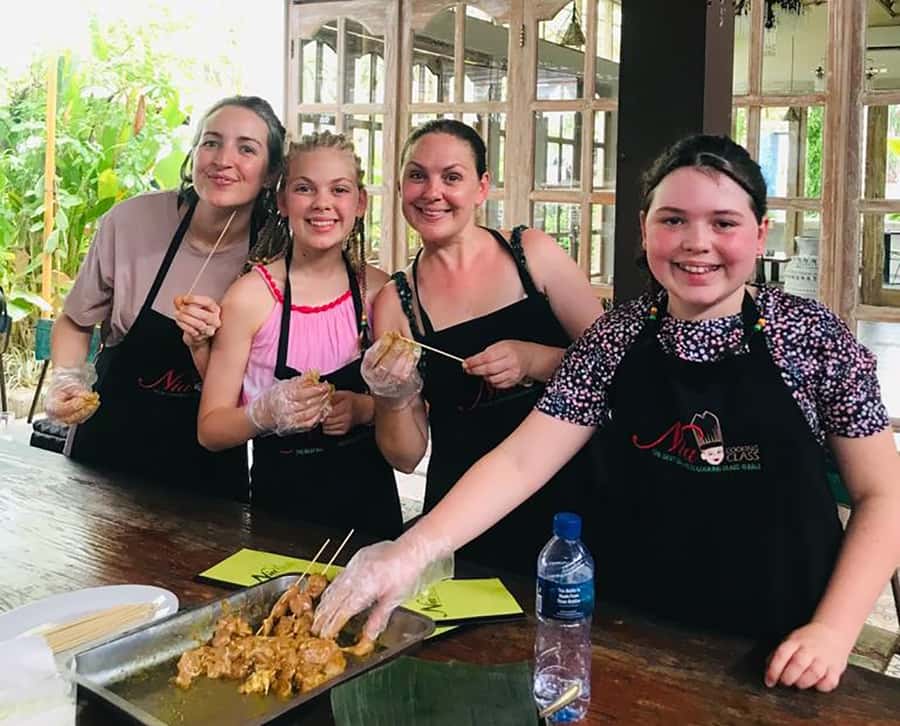
If you want a reliable Bali food experience that combines a proper ingredient market lesson with hands-on cooking and a full meal at the end, I think it’s an easy yes. The pricing feels fair because you’re getting more than a single dish demo, and the small-group approach makes it more likely you’ll actually learn techniques instead of waiting your turn.
Book it if:
- You like structured, practical teaching
- You’re excited to cook multiple Balinese dishes
- You want a recipe book and certificate to bring home
Skip or reconsider if:
- You’re unwilling to walk a bit in a local market
- You’re traveling with large luggage (you won’t be able to bring it)
- You only want a quick tasting and don’t want the work of cooking
If you’re even a little excited by spices, fresh ingredients, and learning how pastes turn into real meals, this is the kind of class that leaves you with both memories and recipes you can use.
FAQ
How long is the Seminyak Balinese Cooking Class & Market Tour?
The experience lasts 4 hours.
What’s included in the $45 per person price?
Hotel pickup (Seminyak, Legian, and Kuta only), market tour, cooking class, all ingredients, morning tea, and a certificate.
Is hotel drop-off included?
No, hotel drop-off is not included.
What time does pickup happen?
Pickup is included at 8:00 AM for hotels in Kuta, Legian, and Seminyak.
If my hotel is outside pickup areas, where do I meet?
The meeting point is Warung Nia, Jl. Kayu Aya Square, No. 19–21, Jl. Kayu Aya, Seminyak.
What language is the instruction?
Instruction is in English.
What should I bring?
Wear comfortable shoes and comfortable clothes.
Is luggage allowed?
No luggage or large bags are allowed.
Do I take anything home?
Yes. You receive a recipe book and a certificate of completion.
Is free cancellation available?
Yes. You can cancel up to 24 hours in advance for a full refund.