REVIEW · TOKYO
Nikko: Kegon Falls, Lake Chuzenji & Toshogu Temple
Book on GetYourGuide →Operated by AMIGO TOURS JAPAN GK · Bookable on GetYourGuide
A day trip that feels like two worlds. Nikko brings you from Tokyo’s buzz to a cedar-forest shrine, then into big mountain nature around Kegon Falls and Lake Chuzenji. Along the way, you get clear photo viewpoints like the red Shinkyo Bridge.
I especially love how the visit to Toshogu Shrine is guided, so the details (including the famous wise monkeys) land fast instead of feeling like random decoration. I also like the balance of built-in structure and breathing room, because Kegon Falls and Lake Chuzenji give you time to look, wander, and shoot photos.
One consideration: it’s a long day. You’ll spend several hours on the coach for the Tokyo–Nikko round trip, so pack patience and plan for a lot of sitting.
In This Review
- Key highlights that make this Nikko day trip worth your time
- Ginza to Nikko: what the 11-hour rhythm feels like
- Shinkyo Bridge: the red gateway you see before the big shrine
- Toshogu Shrine: UNESCO details, wise monkeys, and shot planning that helps
- Kegon Falls: how to make the observation deck time count
- Lake Chuzenji: shoreline time for photos and a slower breath
- The coach ride, the guides, and the details that make the day smoother
- Lunch at Nikko: what you’re really paying for in the premium option
- Price and value: is $89 a good deal for Nikko?
- Who should choose this Nikko day trip, and who should skip it
- Should you book this Nikko tour?
Key highlights that make this Nikko day trip worth your time
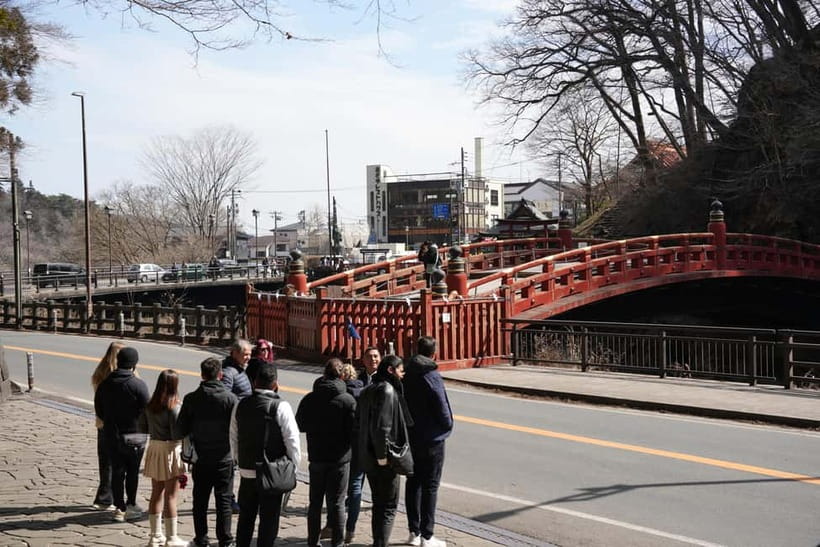
- Shinkyo Bridge first: the famous red arch is your quick “you’re here” moment
- Toshogu Shrine with guidance: symbols, stories, and practical shot planning
- Kegon Falls observation deck: built-in viewpoint time for the falls
- Lake Chuzenji shoreline walking time: calm scenery when you want a slower pace
- English/Spanish guide all day: culture tips plus clear meeting-time reminders
- January–February swap: Kegon Falls and Lake Chuzenji are replaced with temple panoramas
Ginza to Nikko: what the 11-hour rhythm feels like
This is a classic full-day Nikko run. The day starts from Ginza in central Tokyo, then you hop onto an air-conditioned coach and head north toward the mountains. Expect the pace to feel “time-boxed but not rushed” because the stops are spaced to keep you moving while still giving you real viewing time.
The ride time matters here. You’re out with the coach for much of the day (including a substantial return drive back to Tokyo), so bring a little entertainment for the bus and wear shoes you can walk in easily. If you’re hoping for a slow, local day with zero deadlines, this format might feel too scheduled.
You can also read our reviews of more tours and experiences in Tokyo.
Shinkyo Bridge: the red gateway you see before the big shrine
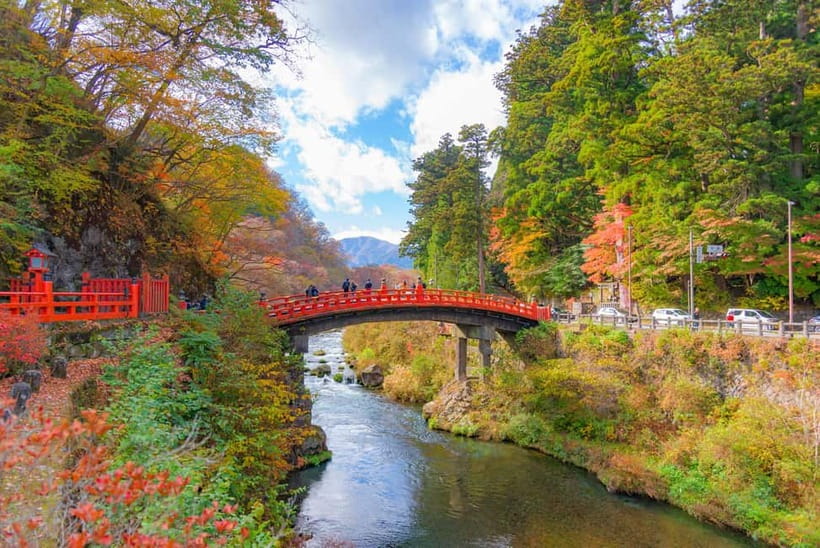
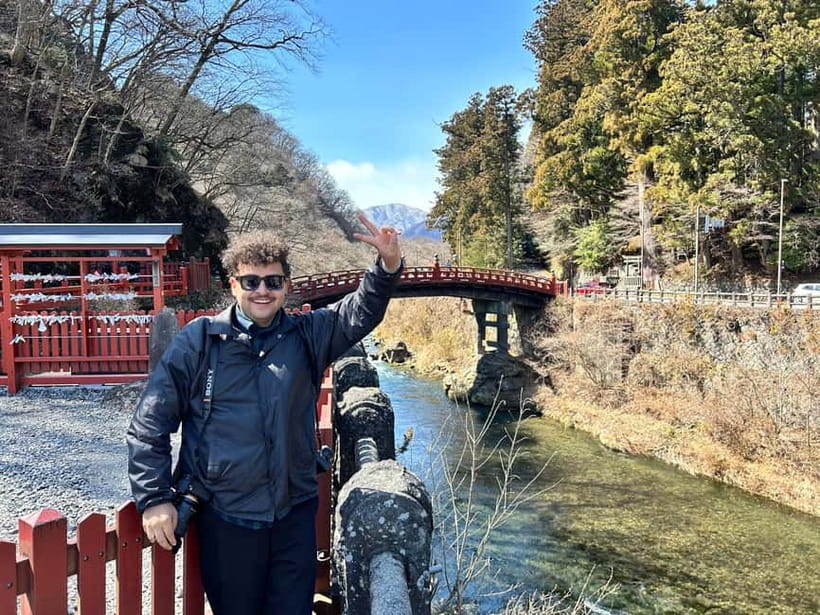
You’ll get a scenic break early with the Shinkyo Bridge. It’s that deep red, curved structure over the Daiya River, and seeing it right away helps your brain switch into Nikko mode. It’s also an easy photo stop because the bridge frames the river setting nicely without requiring a long hike.
This early stop is more than a photo moment. It sets expectations for what Nikko does well: mix human-made design and nature, then make the transition feel symbolic. If the day later gets crowded inside the shrine areas, having this calm river view first gives you a reset.
Toshogu Shrine: UNESCO details, wise monkeys, and shot planning that helps
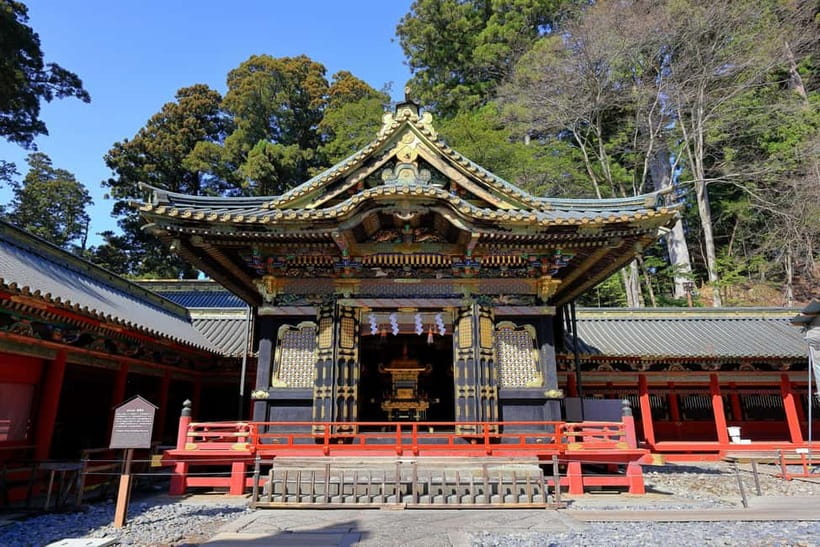
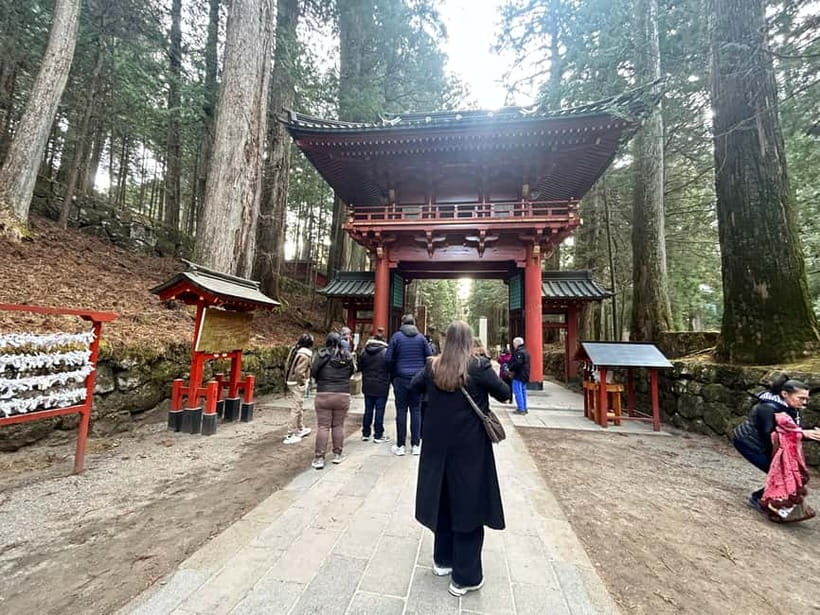
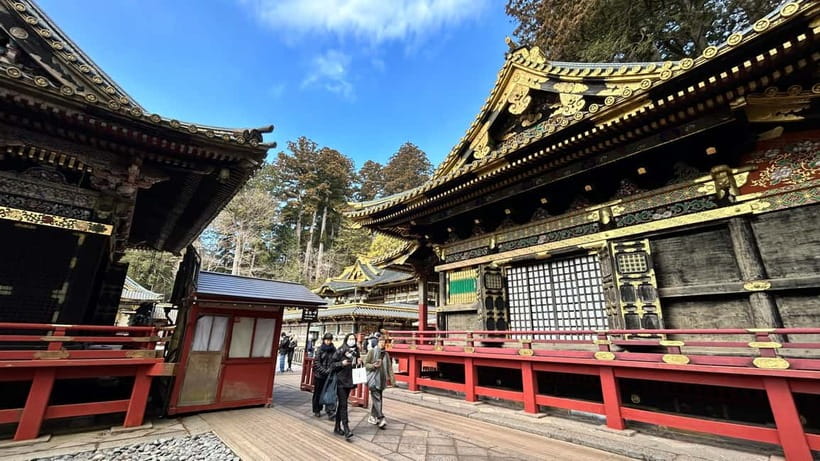
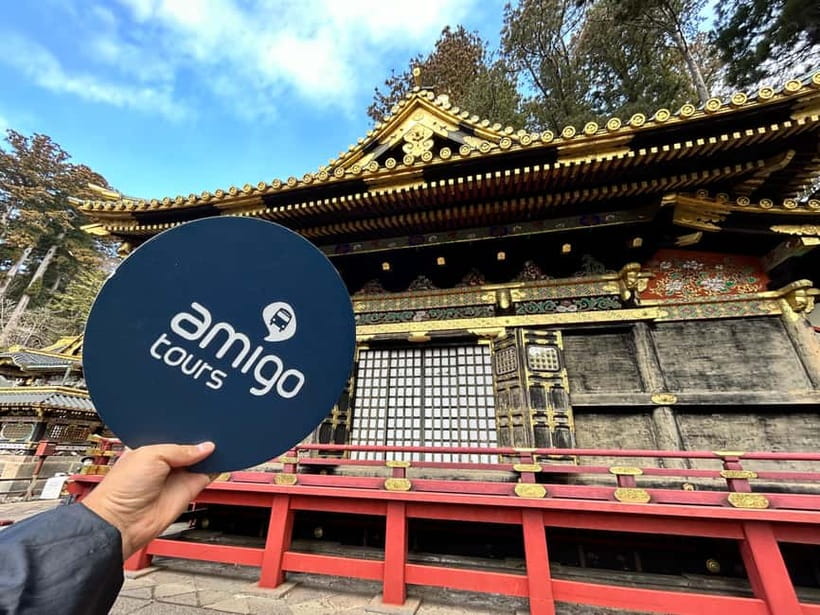
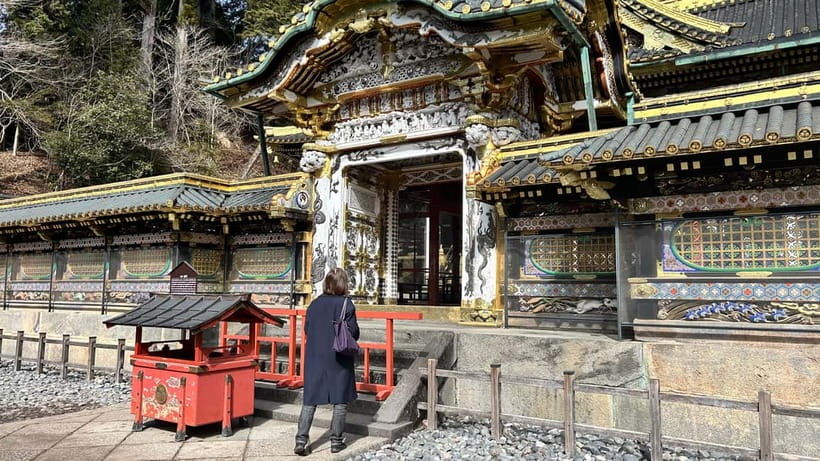
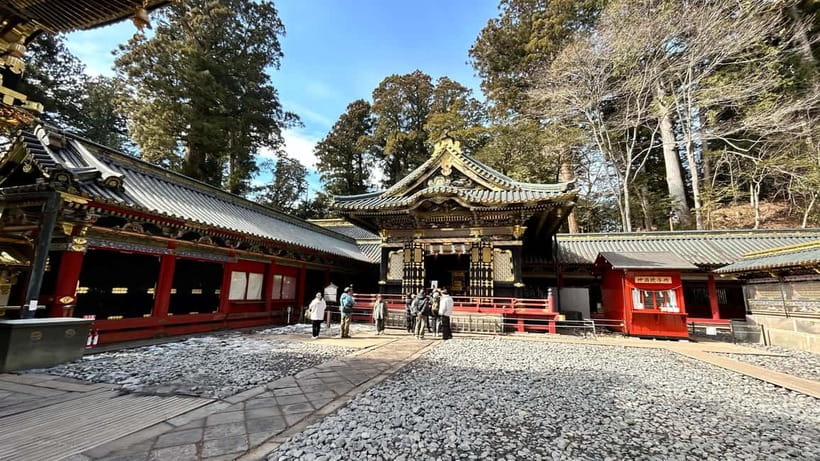
The headline cultural stop is Toshogu Shrine, part of the UNESCO World Heritage area. It’s famous for ornate carvings and gold accents, but the real value of this tour is that you’re not left to guess what you’re seeing. With the bilingual guide (English and Spanish), the symbolism becomes easier to follow, including the trio of wise monkeys tied to a traditional proverb.
This is also where you should think strategically about your time. The tour includes a guided visit plus access that depends on the ticket option you choose. If you pick the option that includes shrine entrance, you get full access to the richly decorated gates and sacred buildings, which is the difference between seeing the “outside vibe” and actually getting the inside experience that Nikko is known for.
Practical tip: after your guided time, use your free moments to walk slowly and look up. Toshogu rewards that habit. One reason I like this tour format is that the guide often helps you plan where to stand for the best viewpoints and when to move so you don’t lose time trying to figure it out.
Kegon Falls: how to make the observation deck time count
Next comes Kegon Falls, one of Japan’s dramatic waterfall scenes. The falls are close to about 100 meters and plunge into a valley from rocky cliffs. Even if you’ve seen waterfalls elsewhere, this one tends to land because the drop is visible and the setting feels heavy with mountain air.
Your stop includes both lunch time and free time, with a dedicated block that’s long enough to do more than a quick look. The key is to use the observation deck time intentionally:
- Arrive ready to shoot, then take a second pass after the first photos. Lighting can change fast around misty areas.
- If you want calmer walking, save a little time for the edges where you can step back from the main viewing spots.
Also note the weather rule: during January and February, the tour replaces the Kegon Falls and Lake Chuzenji visits with a panoramic view of Rinnoji Temple and the Futarasan Shrine. If those months are your travel window, don’t build your day around waterfall photos only. This swap keeps the spiritual-and-scenic theme, just with a different natural feel.
Lake Chuzenji: shoreline time for photos and a slower breath
Then you’ll head to Lake Chūzenji, set at the base of Mount Nantai. This alpine lake comes with a volcanic origin story (and you’ll feel that “mountain bowl” geography in the views). Compared with Kegon Falls’ force, Lake Chuzenji is the calm counterweight: forested hills, misty looks at times, and enough shoreline time to take in the air and settle your pace.
Your free time here is shorter than the falls stop, so prioritize what you want:
- If you’re photo-focused, pick a spot near the shore and give yourself time for a few angles.
- If you’re just tired and want a breather, walking a loop near the water often feels better than racing to every viewpoint.
Again, in January–February, Lake Chuzenji is replaced by the temple panoramas. In other seasons, though, this stop is the one that helps the day feel complete rather than just “shrine then waterfall then done.”


The coach ride, the guides, and the details that make the day smoother
This is where the tour’s quality shows. Reviews consistently praise the combination of the guide’s storytelling and the driver’s calm handling of mountain roads. People even named drivers like Waku, Hashimoto-san, Sakamoto-san, Jikuchi-san, and Kikuchi-san, and guides like Melody, Beru, Jorge, Eric, and Francisco. While you won’t know your exact team until booking, the pattern matters: you’re getting bilingual interpretation and active group management.
Here’s why that matters for you. Nikko isn’t hard to read once you get there, but it is easy to feel lost if you’re trying to manage timing, ticket access, and photo logistics all by yourself. A good guide solves that. They also help with culture and behavior reminders (small things like how to act on shrine grounds), plus they answer questions during free time instead of disappearing once the group splits.
Coach comfort also helps. Several comments highlight the windows on the bus, which is practical because the scenery changes during the mountain drive. If you care about views from inside the vehicle, you’ll want to sit where you get the best window angle when the bus starts curving up.
One extra practical detail from the day: there can be a planned stop where you can withdraw cash needed for the tour day, and some guests noted breakfast options there. Since cash habits can vary at lunch counters and small purchases, I’d bring at least a little yen in your pocket to avoid the scramble.
Lunch at Nikko: what you’re really paying for in the premium option
Lunch is included only if you choose the premium ticket option. The standard option may not include it, so check what’s covered before you decide. Either way, you’ll eat around the Kegon Falls area stop, when you’re already near the main sights.
From a value perspective, lunch isn’t just about food. It’s about time and stress. Having lunch handled reduces the risk of wasting your limited Nikko hours searching for a place that matches your tastes, your Japanese comfort level, or your dietary needs. If you choose the lunch-inclusive option, you’re buying that convenience.
Practical tip: if you plan to buy lunch yourself at the stop, be ready for cash or ticket-machine style ordering. One review specifically advised bringing physical cash, which is a good reminder that tourist areas can still be cash-friendly.
Price and value: is $89 a good deal for Nikko?
At about $89 per person for an ~11-hour day, the big question is whether you’re buying convenience or just paying for a bus ticket. In this case, the value is strongest when you care about:
- Guided interpretation at Toshogu Shrine (where symbolism is the point)
- A smooth, timed route between distant sights from Tokyo
- Built-in viewing windows at Kegon Falls and Lake Chūzenji
- Bilingual support so you don’t spend mental energy figuring things out
If you already plan to independently navigate transportation and you’re comfortable buying tickets and finding meeting points without a structured schedule, you might feel the price is high. But if you want the day to run cleanly, this format can feel like a bargain compared with doing it yourself while managing long travel times.
Also consider the Toshogu entrance decision. The tour offers an option with shrine entrance included. You’ll want to compare that to buying separately if you’re trying to control costs. One guest felt the temple ticket was cheaper online when bought separately, so if you’re price-sensitive, comparison shopping can pay off.
Who should choose this Nikko day trip, and who should skip it
This tour is a great fit if you:
- Want a single-day Nikko highlight sweep without managing transfers
- Appreciate guided context, especially for shrine symbolism and etiquette
- Like photo stops with enough time to actually get shots
- Speak English or Spanish and want smooth translation throughout the day
It may not be ideal if you:
- Need wheelchair access. The tour is listed as not suitable for wheelchair users.
- Hate long coach rides. You’ll spend a lot of time traveling between Tokyo and Nikko.
- Are traveling in January or February expecting the classic waterfall-and-lake day. The winter replacement changes the nature stops for panoramic temple views.
Should you book this Nikko tour?
If you want an efficient, guided way to see Toshogu Shrine, Kegon Falls, Lake Chūzenji, and the Shinkyo Bridge in one go, I think this tour is a solid choice. The combination of bilingual guidance and practical timing makes it easier to enjoy the sights instead of juggling logistics.
Book it if you value interpretation and a structured day. Skip it if your idea of Nikko is slow travel with flexible pacing, or if accessibility needs are a factor. For winter dates, check the substitution plan first so you’re not disappointed when the waterfalls and lake are swapped for temple panoramas.