REVIEW · TOKYO
Tokyo: Mt. Fuji, Hakone, Arakura Fuji Sengen w/ Ramen Making
Book on GetYourGuide →Operated by LIMON Tours · Bookable on GetYourGuide
Fuji in one long day sounds risky, right? This Mt. Fuji tour is interesting because it mixes a Hakone Lake Ashi cruise with a hands-on ramen-making lunch, then ends at iconic Fuji viewpoints. I love that you’re not just driving past sights—you’re actually making lunch and then climbing toward the best photo angles. One thing to consider: it’s a full day with a lot of riding time, and the weather has to cooperate for the clearest Fuji views.
I also like the way the day is built around variety: shrine photography at Arakura, steaming food after a morning appetite-builder, then the calm ponds and shopping at Oshino Hakkai. If you’re sensitive to time pressure, plan for shorter sightseeing windows at each stop and be flexible if traffic or fog changes what you can see.
In This Review
- Key highlights
- A One-Day Mt. Fuji Reset From Shinjuku
- Hakone Pirate Ship on Lake Ashi: Views With Minimal Effort
- Ramen Factory Mt. Fuji: The Lunch You Actually Make
- Arakura Fuji Sengen Shrine and Tenku no Torii Photos
- Oshino Hakkai: The Eight Ponds Story in Yamanashi
- Timing, Traffic, and How Rushed You Might Feel
- What to Bring for a Smooth Fuji Day
- Is This Tour Worth $126?
- Who This Tour Fits Best
- Should You Book This Mt. Fuji and Ramen Day Trip?
- FAQ
- What time does the tour start from Shinjuku?
- How long is the tour?
- Is the Lake Ashi pirate cruise included?
- What exactly do we do during the ramen-making experience?
- Can you accommodate vegetarian or vegan meals?
- What should I bring, and what is not allowed?
Key highlights
- Hakone Pirate Ship on Lake Ashi for an easy, scenic break from the bus
- Scratch-made ramen where you control soup base, toppings, and noodle firmness
- Arakura Fuji Sengen Shrine with Chureito Pagoda views plus the Tenku no Torii viewpoint
- Historic shrine experience founded in 705, including multiple shrines on the route up
- Oshino Hakkai eight ponds explained by the volcanic-rock filtration story
- English-speaking guide with clear instructions (names like Mayumi, Hiro, Kaori, and Masa come up often)
A One-Day Mt. Fuji Reset From Shinjuku
This tour is a classic solution for the problem most first-time visitors have: you want to see Mt. Fuji, but you only have a day. You’ll start early at Shinjuku Center Building (about a 7-minute walk from JR Shinjuku Station West Gate). Meeting is at 7:30, with departure around 7:40, so you’ll feel the day’s momentum from the start.
The drive from Tokyo out toward Hakone and Fuji is part of the experience. On clear mornings, the bus windows can feel like a moving lookout, and the guide typically helps you read what you’re seeing instead of just naming places. If it’s cloudy, you still get plenty of scenery—Hakone is known for lush greenery, and the area can also look spectacular when cherry blossoms are in season.
The main practical trade-off is time. This is an 11.5-hour day, and you’ll spend a chunk of it on the coach. It’s worth it if you like packing a lot into one trip and you’re okay with shorter stops. If you prefer a slow travel pace with lots of wandering, you might feel the schedule tugging you forward.
You can also read our reviews of more tours and experiences in Tokyo.
Hakone Pirate Ship on Lake Ashi: Views With Minimal Effort
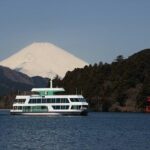
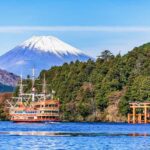
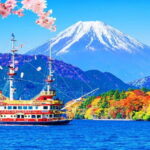
One of the smartest parts of this day is the Lake Ashi boat time. You board the Hakone Pirate Ship for a cruise around 25 minutes, which is long enough to relax your legs and short enough that you don’t lose the rest of the day.
What you’re really buying here is a low-effort switch in perspective. Instead of climbing and walking right away, you’re on the water. The lake sits in a dramatic volcanic region, and the scenery often includes dense greenery or seasonal blossoms, with Mt. Fuji sometimes visible in the distance depending on the day’s visibility.
Practical tip: bring your camera ready. On many Fuji days, the best moments are brief—when the sky clears a bit or the boat turns. If you’re with a group, you’ll also appreciate that this stop is straightforward: you get your boarding ticket, you go, you photograph, you get back on the plan.
This cruise is also a good mood reset before lunch. After the morning driving, you’ll likely feel hungry by the time you reach the ramen workshop, and the boat ride helps you arrive with energy instead of exhaustion.
Ramen Factory Mt. Fuji: The Lunch You Actually Make
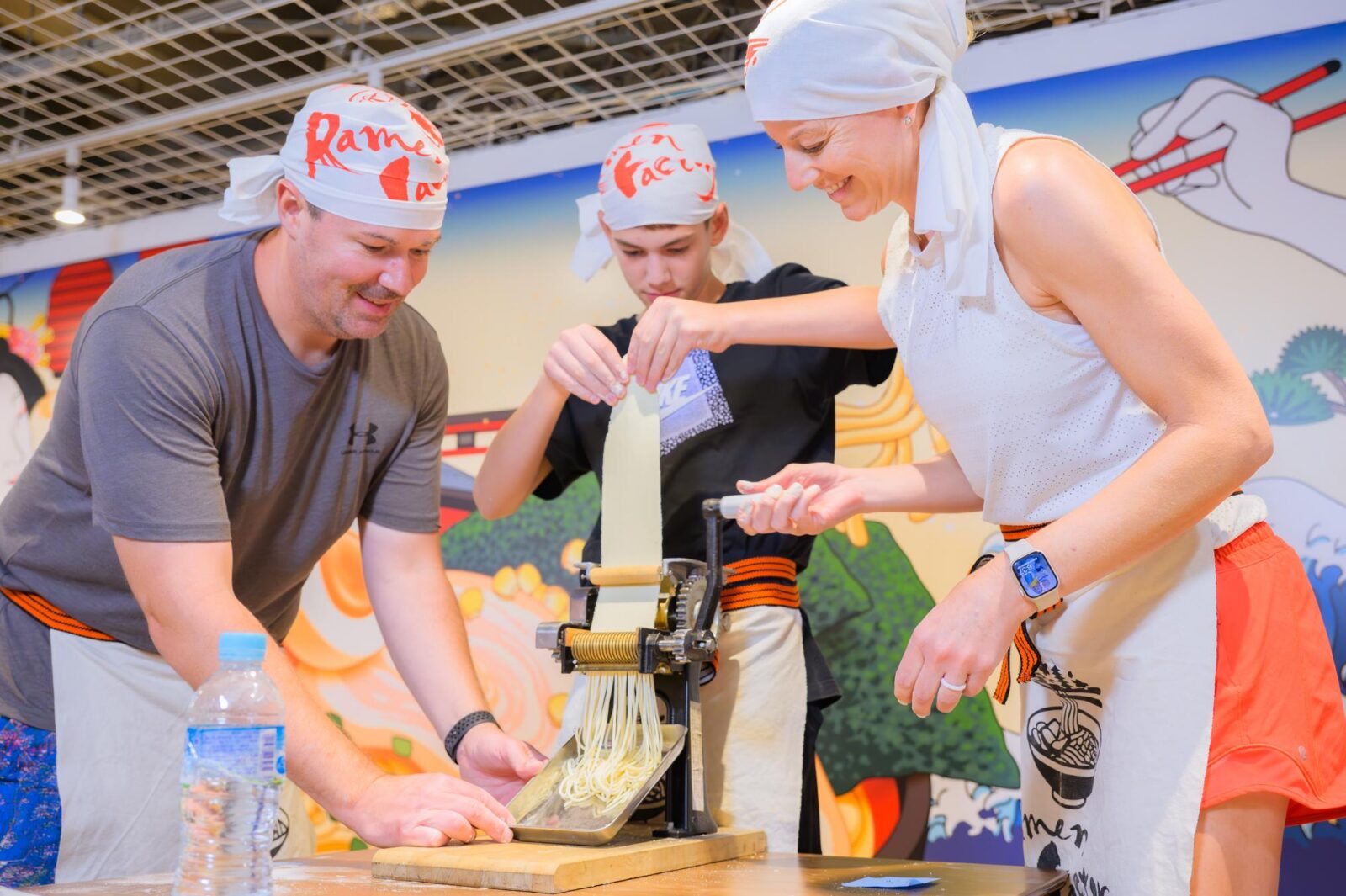
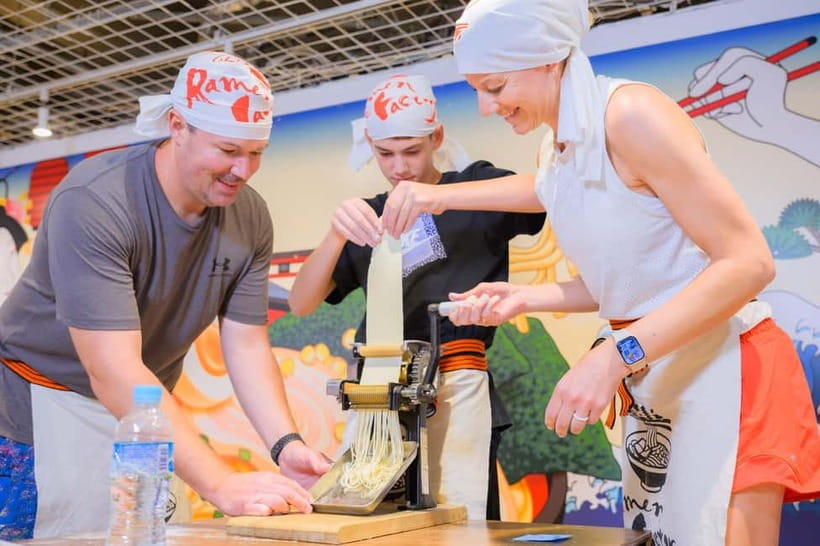
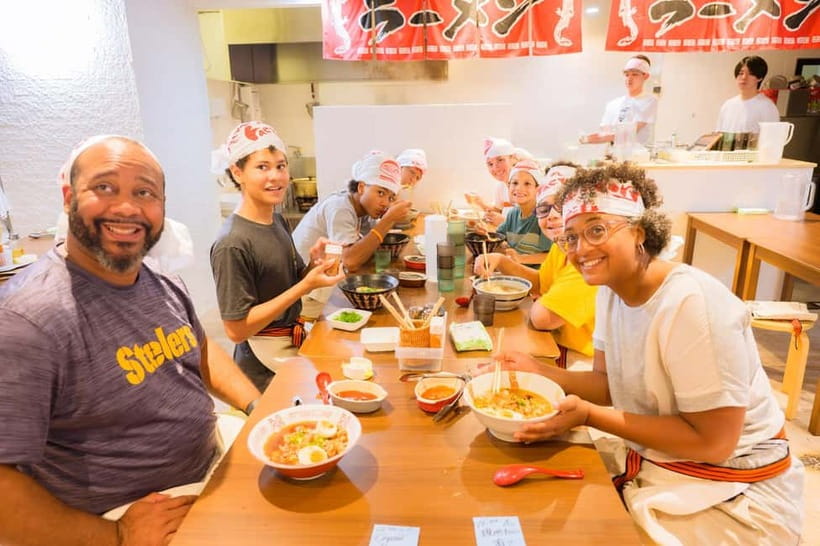
If you’ve ever wished a Japan tour included something hands-on, this is the part. At Ramen Factory Mt. Fuji, you get a real ramen-making experience that lasts about an hour, and it’s not just eating—you’re building.
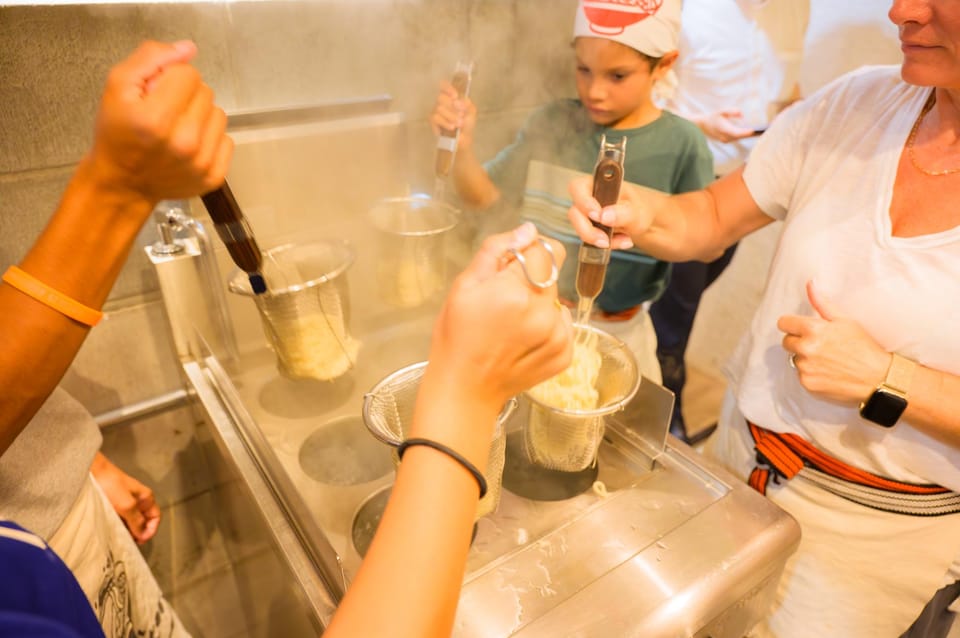
You start from scratch, including making your own noodles. Then you get to customize your bowl: you choose the soup base and seasonings, add your toppings, and even control how your noodles are cooked by boiling them to your preferred firmness. That’s the difference between eating ramen and understanding it. You learn how small choices change the final bite.
For lunch, this is also great value because you’re getting an experience (skills + participation) plus a meal. The best part for most people is that you’ll actually enjoy it more than a standard lunch stop. You’re not rushing through a restaurant line—you’re inside the process.
A couple of practical thoughts:
- Wear clothes you’re comfortable in. Cooking sessions can get warm.
- If you brought a camera, you’ll want it for the hands-on moment.
- If you’re the type who likes to try local food but gets picky about spice, you’ll still have customization options for your ramen style.
Arakura Fuji Sengen Shrine and Tenku no Torii Photos
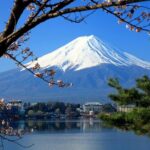
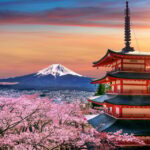
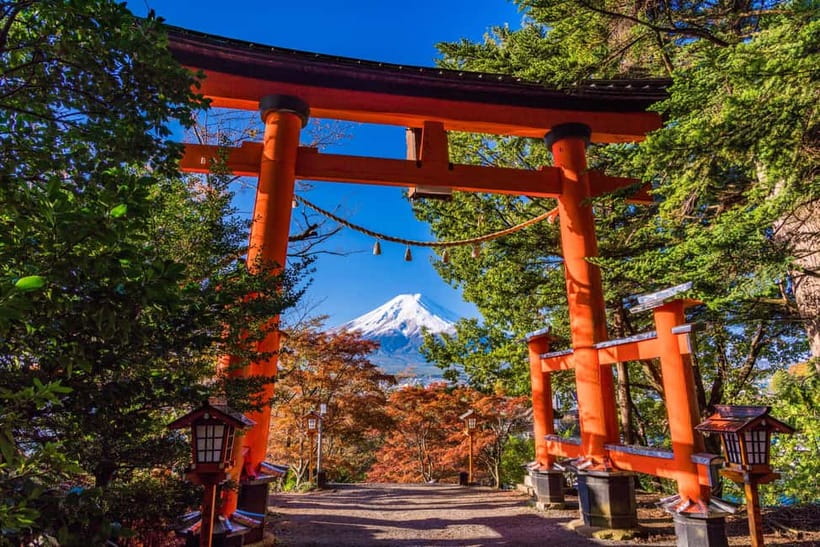
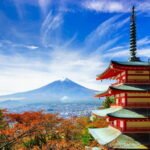
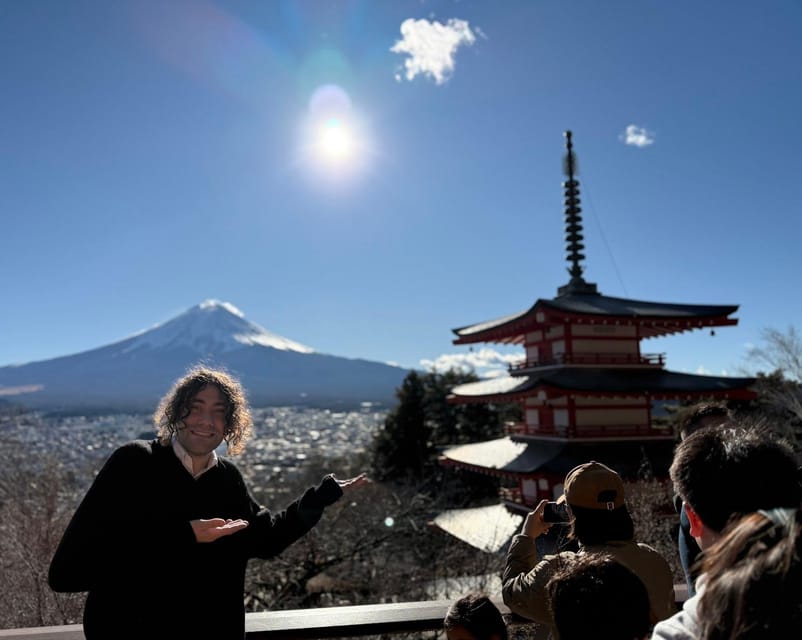
This is the photo stop that makes the whole day feel like it’s about Mt. Fuji. Arakura Fuji Sengen Shrine sits above the town, giving you a classic view of Mt. Fuji paired with the famous Chureito Pagoda area. The shrine itself traces back more than 1,500 years, with its foundation dated to 705, so you’re stepping into a spot people have cared about for a very long time.
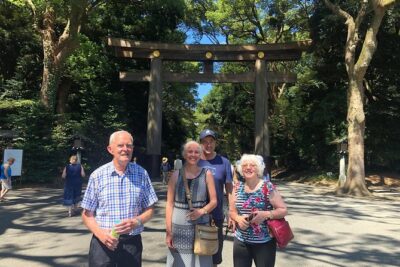
The approach starts at the foot of Mt. Arakura, and you’ll pass through a grand red torii gate before reaching the main hall. Along the stone route, you’ll see smaller shrines connected to specific themes—Shiogama Shrine (safe childbirth) and Atago Shrine (fire protection). Even if you don’t read every sign, the guide’s explanations help you connect what you’re seeing to why it matters to worshippers.
Here’s the big practical detail you should plan for: to reach the Churei-to Pagoda and the observatory deck, you can choose either:
- a staircase route with 398 steps, or
- a gentler sloping path.
If you’re traveling with someone who struggles with stairs, take the slope and still expect great views. If you’re able-bodied and you like a workout, the stairs are short, direct, and lead you right into the best “above-the-town” angles.
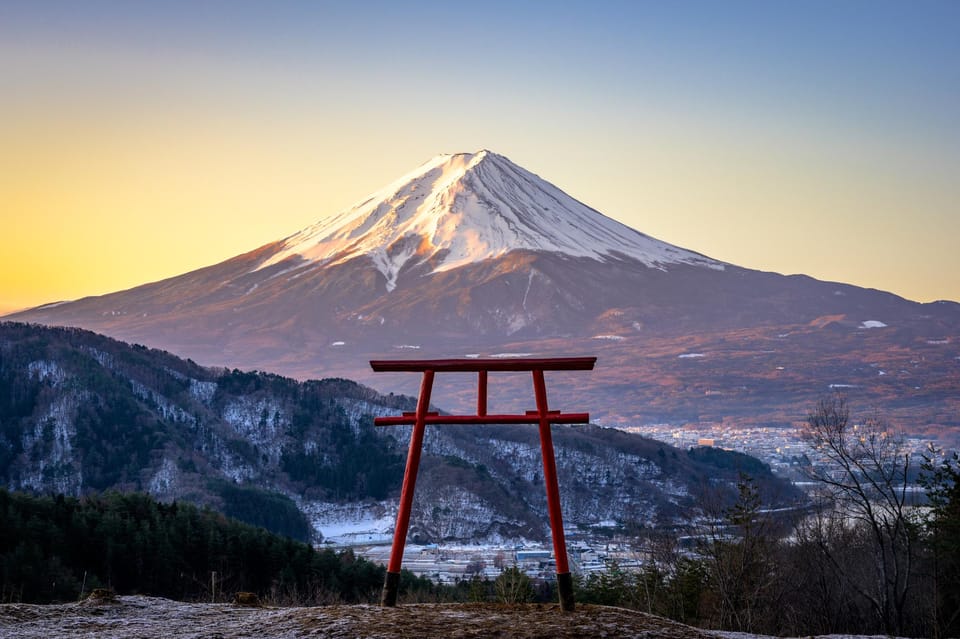
Then there’s Tenku no Torii—the mountaintop viewpoint highlighted on this tour. The name basically signals the sky-like feeling of being up high, and that fits what you’re doing here: reaching a point where Fuji feels larger and closer in your frame.
Also, Arakura is known for cherry blossoms, so if you hit it during spring timing, the colors can add a whole extra layer to your photos.
Oshino Hakkai: The Eight Ponds Story in Yamanashi
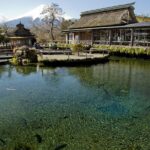
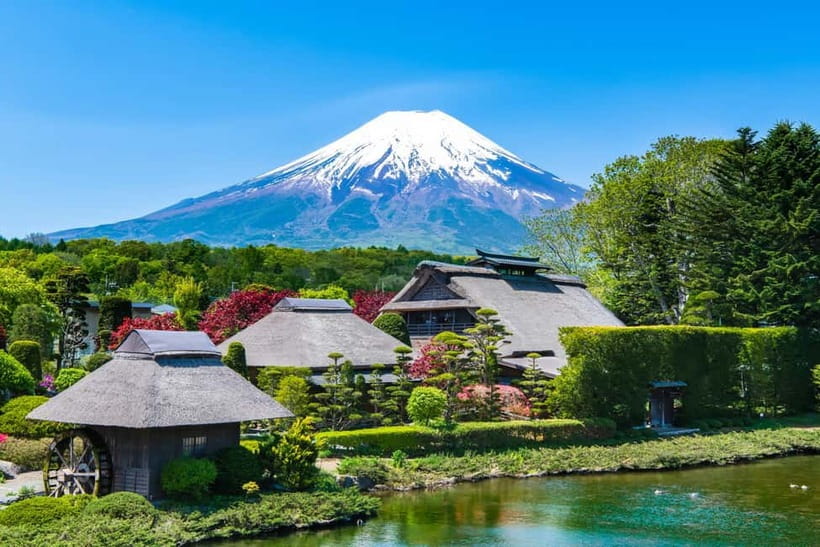
After the shrine climb and ramen fuel, the tour shifts into a calmer, more wandering-friendly vibe at Oshino Hakkai. The word hakkai means eight seas, and in this case it refers to eight pristine ponds created from Mt. Fuji’s melted snow.
The explanation you’ll get on site is the fascinating part: the snowmelt doesn’t just appear. It’s filtered through volcanic rock over a process that takes about 80 years. That’s the kind of detail that turns a pretty stop into something you remember.
Oshino Hakkai also functions as a place to snack, browse, and pick up small souvenirs. You’ll find larger markets and smaller local vendors selling local wine, fresh fruit, and regional treats, plus the usual array of Fuji-themed souvenirs. The Yamanashi angle helps too—this area is often described as Japan’s “fruit kingdom,” so it’s a good place to taste something local without needing a reservation.
One timing note: this is a guided visit plus shopping time, so you’ll likely feel you have enough time to walk the pond area and still buy a few things. If you’re a slow shopper, you can focus on one or two vendor clusters rather than trying to see everything.

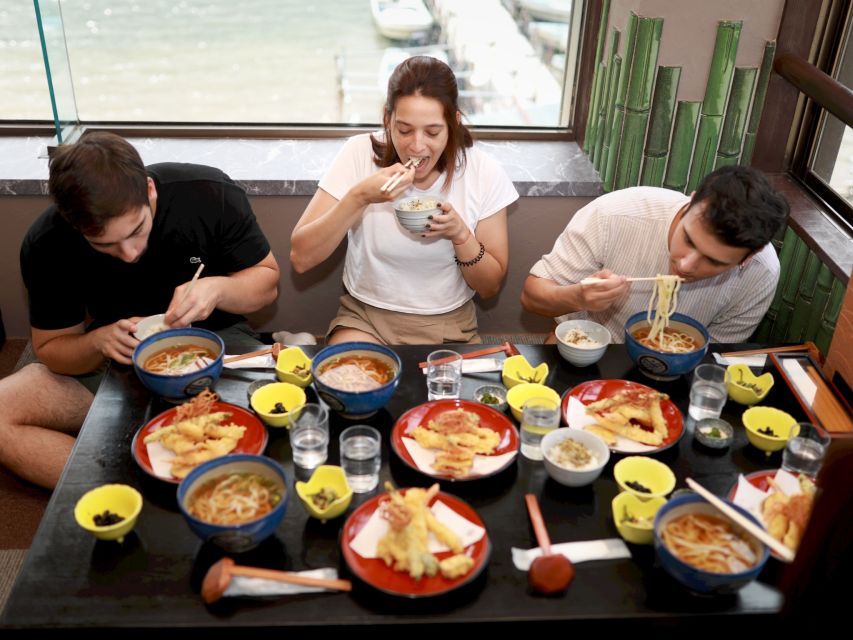
Timing, Traffic, and How Rushed You Might Feel
This is the reality check section. This is a full-day coach tour, and your experience will depend on two variables:
- Visibility for Mt. Fuji (weather can bring fog or clear skies), and
- Traffic and road conditions (the schedule can shift for safety).
Even with good planning, you should expect that each major stop is time-boxed. Some people describe coach-tour sightseeing as feeling a bit compressed at certain points. If you like to linger—especially at scenic viewpoints—plan your mindset around efficient photo time and a quick wander, not all-day wandering.
The good news is that the guide can help you make the most of the time you do have. Guides like Mayumi and Hiro are often noted for caring instructions and practical photo timing, while others (names like Kaori and Masa also show up) are praised for clarity and smooth pacing. Even if the weather isn’t perfect, that kind of guidance can make the difference between a frustrating day and a satisfying one.
Also, keep your expectations realistic: Fuji is shy. When you see it, enjoy it quickly and often. When you don’t, focus on the experience itself—shrines, lake views, ramen making, and the pond area are still worthwhile.
What to Bring for a Smooth Fuji Day
You’ll be walking at shrine areas and likely standing for photos, so pack like you’re doing a long day outdoors. The tour suggests:
- Comfortable shoes
- Camera
- Snacks and water
- Comfortable clothes
That last point matters because you’ll go from bus to boat to outdoor climbs and back. I’d also bring a small layer. Morning can feel cooler, and weather at higher elevations can change quickly.
A couple of “don’t forget” rules:
- No pets
- No oversize luggage
- No smoking in the vehicle
If you’re traveling with bags, keep them easy to handle. You don’t want to spend your day fighting your own luggage when you should be taking photos or walking up to the pagoda area.
Is This Tour Worth $126?
At about $126 per person, you’re paying for convenience and for structure. This isn’t just transportation to Fuji. You’re getting:
- an English-speaking guide
- a ramen-making experience and lunch (including noodle-making and customization)
- a Lake Ashi cruise boarding ticket
- guided time at both Arakura Fuji Sengen Shrine and Oshino Hakkai
- ticket handling that helps you skip ticket lines
So the value isn’t only the sites—it’s that you don’t have to coordinate bus routes, timing, and ticket queues across multiple stops in one day. That matters if you’re short on time or you don’t want to spend your vacation troubleshooting transit.
That said, if you’re the type who wants maximum freedom and long stays at each location, you may feel like the price also includes some schedule tightness. The best way to decide is to ask yourself: do you want a guided “greatest hits” day with one big hands-on food moment, or do you want slow, independent exploration?
Who This Tour Fits Best
This tour is a strong match if:
- you want a Mt. Fuji day trip from Tokyo without planning multiple connections
- you’re a food person who likes hands-on experiences (ramen making is the centerpiece)
- you want iconic viewpoints like Chureito Pagoda and the Tenku no Torii area
- you enjoy a mix of photo stops and calmer wandering (Oshino Hakkai brings the pace down)
It’s also a good option for first-timers. You get the structure of a guide day, plus key cultural context at the shrine and a clear explanation of how the eight ponds form.
If you hate long coach rides or you need lots of free time at each site, you might prefer a different style of itinerary. Here, the goal is to see a lot in one go.
Should You Book This Mt. Fuji and Ramen Day Trip?
I’d book this if you want the best shot at a classic Fuji day using a guided plan, and if you genuinely want that hands-on ramen-making lunch instead of just another meal stop. The combination of Lake Ashi pirate cruise, Arakura shrine views, and Oshino Hakkai’s eight-pond story gives you variety, not just a single highlight.
Skip or adjust your expectations if you’re very weather-dependent (fog can hide Fuji) or if you dislike tight timing and shorter windows. In that case, consider booking only if you can stay flexible with what you photograph and focus on the experience itself.
If you do book, wear comfortable shoes, bring water and a camera, and aim to treat Fuji like a bonus that you catch when it shows up—because when it does, this day is the kind that turns into a lot of great pictures and a memorable bowl of ramen you helped make.
FAQ
What time does the tour start from Shinjuku?
You meet at 7:30 and depart at about 7:40 from in front of Shinjuku Center Building (about a 7-minute walk from JR Shinjuku Station West Gate).
How long is the tour?
The duration is listed as 11.5 hours (starting times vary based on availability).
Is the Lake Ashi pirate cruise included?
Yes. You get a sightseeing cruise boarding ticket, and you board the Hakone Pirate Ship on Lake Ashi.
What exactly do we do during the ramen-making experience?
You make ramen from scratch, including making your noodles. You choose your soup base and seasonings, add toppings, and can boil the noodles to your preferred firmness.
Can you accommodate vegetarian or vegan meals?
Vegetarian meals require you to contact the provider at least 7 days prior. Halal and vegan lunches are not available.
What should I bring, and what is not allowed?
Bring comfortable shoes, a camera, snacks, water, and comfortable clothes. Pets and oversize luggage are not allowed, and smoking is not permitted in the vehicle.