REVIEW · TOKYO
Tokyo 6hr Private Tour with Government-Licensed Guide
Book on Viator →Operated by Japan Guide Agency · Bookable on Viator
Tokyo can overwhelm you fast. That’s why a government-licensed guide helps you navigate with confidence while you choose a customizable itinerary of classic Tokyo neighborhoods like Asakusa and Shibuya. I like the way the guide turns big landmarks into understandable stories, not just photo stops, and I like how the day is built around what you actually want to see. One drawback to plan for: most entrances and meals are extra, so bring a bigger yen buffer than you’d expect.
This is a walking-heavy private tour, usually mixing on-foot time with public transit. You meet on foot within a designated area, and pickup is offered on foot, so it feels more like a local plan than a bus-and-briefcase day. If you hate walking or you want very slow, sit-down museum time, this style may feel tight for a 6-hour window.
In This Review
- Key things I’d watch for before you book
- Why a government-licensed guide makes Tokyo feel smaller
- Price and logistics: what $155.86 gets you (and what it doesn’t)
- A 6-hour private day built around 3 to 4 stops
- Asakusa and Sensoji: start in old Tokyo without getting lost
- Imperial Palace grounds: history and photos, not a full interior tour
- Garden stops that actually calm the day
- Shinjuku Gyoen National Garden
- Hama Rikyu Gardens
- Koishikawa Korakuen Garden
- Rikugien Garden
- Shibuya Crossing and Hachiko: modern Tokyo in one loud moment
- Tsukiji Fish Market: food heaven, but time is the real ingredient
- Meiji Jingu and shrine etiquette you can use again
- Akihabara and Harajuku: if you want Tokyo’s subcultures
- Garden-to-skyline add-ons: Tokyo Tower, Odaiba, and Golden Gai
- Tokyo Tower
- Odaiba
- Shinjuku Golden Gai
- How to prepare so the day feels smooth, not chaotic
- Who this Tokyo private tour suits best
- Should you book this tour?
- FAQ
- How long is the Tokyo private tour?
- Is this tour private or shared?
- Do you get a pickup?
- Does the tour include admission to the inside of the Imperial Palace?
- Are entrance fees included in the tour price?
- Are meals included?
- Will we use a private car?
- How do you get between stops?
- What’s included for the guide?
- Can I cancel for a refund?
Key things I’d watch for before you book
- Government-licensed English guides: the explanations are the point, and guides tailor the day instead of running a script.
- Pick 3–4 sites from a menu: you avoid the classic Tokyo problem of seeing too much, too fast, in the wrong areas.
- Walking + subway routing: guides often teach you how to move through stations so you can keep going after the tour.
- Entrance fees and lunch aren’t included: you’ll want cash/IC card value ready for what you choose.
- No private vehicle: this is about efficiency and local movement, not comfort rides.
- Imperial Palace inside is not included: plan around the outer grounds and views, not a full interior tour.
Why a government-licensed guide makes Tokyo feel smaller
Tokyo looks impossible until someone shows you how to move through it. With this tour, the guide is government-licensed and English speaking, which matters more than people think. You’re not just following a map—you’re understanding what you’re looking at, why that place exists, and how the neighborhood fits into the city’s bigger story.
I also like how the tour is designed to reduce the stress of “where do we go next?” Tokyo’s neighborhoods are close on paper and far in real life if you’re guessing station exits. Guides handle the logistics for you and keep the day efficient with walking and public transportation.
The reviews also give you clues about the guide style. Guides like Taichi and Sho are described as making each stop click with clear, practical context. Other guides, like Toshiro and Noripy, are praised for teaching rail basics so you can travel on your own afterward. And if you’re into temple and shrine etiquette, May and Koba are specifically mentioned for showing you how to participate respectfully.
Bottom line: you come away with better Tokyo instincts, not just a checklist.
You can also read our reviews of more tours and experiences in Tokyo.

Price and logistics: what $155.86 gets you (and what it doesn’t)
At $155.86 per person for a 6-hour private experience, you’re paying for time, coordination, and a guide who can steer you around Tokyo. That can be better value than building the whole day yourself—especially if you’re short on time, don’t read Japanese, or just don’t want to burn hours figuring out subway transfers.
Here’s the practical breakdown based on what’s included and what’s not:
- Included: a licensed local English speaking guide, and a customizable walking/public-transport tour of 3–4 sites you pick. Guide entry fees are covered for the sights included in the tour options.
- Not included: transportation fees between sights, entrance fees for stops that say not included, lunch/meals, and other personal expenses.
- No private vehicle: it’s a walking tour with public transit, so your budget should include transit rides and IC card top-ups.
This is also where your budgeting mindset should shift. One review complained the fish market segment felt rushed, which hints at how time can get spent when a chosen stop is crowded and fast-paced. If you’re expecting everything to be slow and included, you may feel the pinch. If you plan for extra yen and treat lunch as part of the experience you choose, you’ll likely be happier.
A 6-hour private day built around 3 to 4 stops
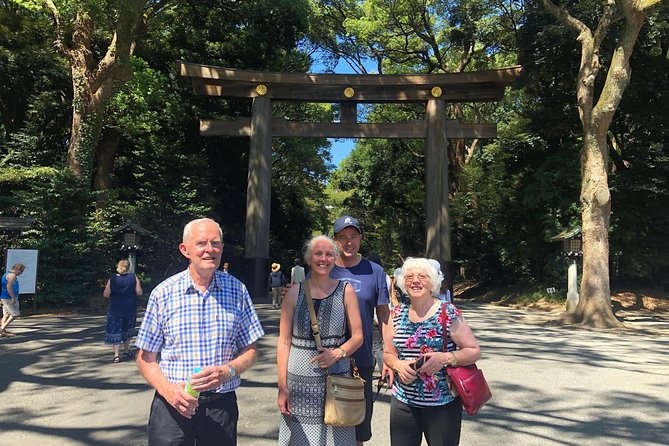
This tour is private, meaning it’s only your group with the guide. That’s a big deal in Tokyo, where even “major sights” can be huge lines, tight sidewalks, or confusing station exits.
The structure is simple:
- You select places from the recommended list.
- The guide builds a route around walking time and transit.
- You go neighborhood by neighborhood, not “randomly everywhere.”
Most of the itinerary options you’re choosing from include a mix of:
- classic old Tokyo streets (Asakusa)
- a royal-history zone (Imperial Palace grounds)
- shrines you can walk through (Meiji Jingu, and options like Gotokuji)
- parks and gardens to breathe (Shinjuku Gyoen, Koishikawa Korakuen, Hama Rikyu, Rikugien)
- the modern photo icons (Shibuya Crossing, Harajuku area)
- themed districts (Akihabara)
Practical pacing note: even though the tour is 6 hours, a good chunk of time will be movement—walking plus subway. One 4/5 review suggested the route felt fast because there was so much to see. Your best move is to choose fewer, higher-priority stops if your main goal is atmosphere.
Asakusa and Sensoji: start in old Tokyo without getting lost
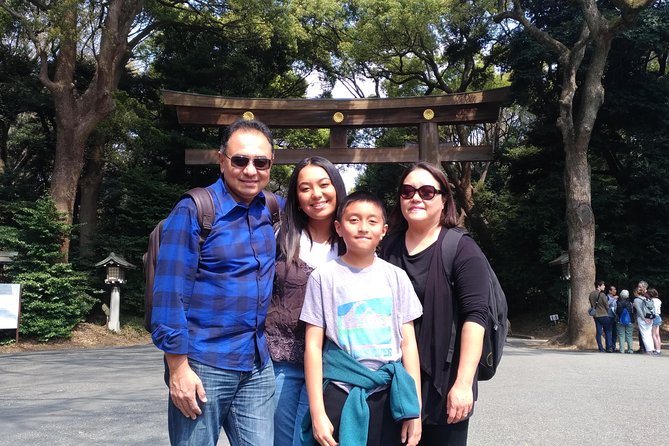
Asakusa is Tokyo’s shitamachi, the low-city feeling where you can still sense the earlier decades of the city. The big anchor stop is Sensoji, one of Tokyo’s most colorful and popular Buddhist temples.
Why I’d put this first (or near-first):
- You get a strong sense of Tokyo’s street life early.
- Admission is free for the temple visit option.
- It’s easy to recognize what you’re seeing: lanterns, incense-style temple rhythms, snack and souvenir lanes nearby.
What to expect on the ground:
- Crowds. This is a major attraction, so plan for shoulder-to-shoulder moments.
- Lots of side streets and tempting purchases. If you’re tight on time, decide ahead of time what you actually want to do: temple viewing, a snack walk, or a short shopping circuit.
One more practical tip: if you’re also choosing Tsukiji Fish Market on the same day, keep expectations realistic. Market areas can eat time fast, especially if you stop for samples or a proper sit-down lunch.
Imperial Palace grounds: history and photos, not a full interior tour
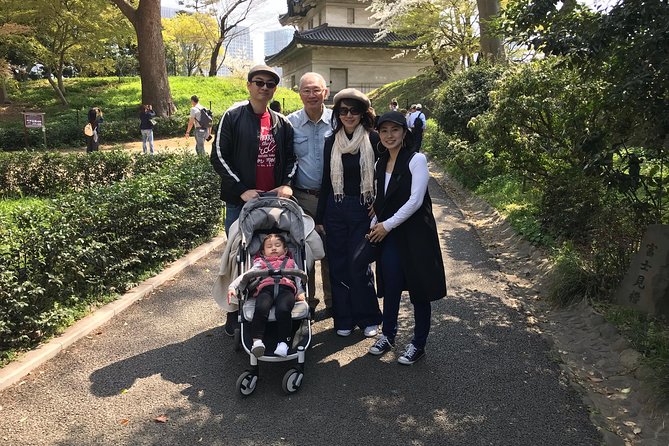
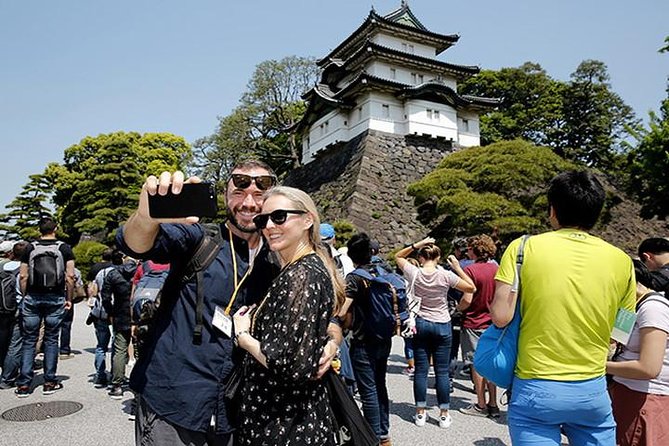
The Imperial Palace stop is about the area around the palace, not the inside. The grounds sit on the former site of Edo Castle, framed by moats and massive stone walls.
This stop works well in a “Tokyo navigation” tour because it’s:
- a free, easy-to-understand landmark zone
- a clear visual break from shopping districts and heavy crowds
- a short pause where you can reset and regroup
The trade-off is straightforward: if you want to go inside the palace itself, this specific tour option won’t deliver that.



Garden stops that actually calm the day
Tokyo can feel like nonstop motion. That’s why the garden choices matter. You’re not just collecting greenery; you’re getting a different pace and a different kind of Tokyo experience.
Here are the garden and park options you can swap in:
Shinjuku Gyoen National Garden
Shinjuku Gyoen is one of Tokyo’s largest popular parks, with lawns, winding paths, and peaceful scenery. It’s also close to Shinjuku Station, which makes it practical for routing.
Consideration: admission is listed as not included, so plan for extra cash/IC card top-up.
Hama Rikyu Gardens
Hama Rikyu sits alongside Tokyo Bay and is known for seawater ponds that change level with the tides, plus a teahouse setting. It’s a nice choice if you want something that feels “Tokyo coastal” without leaving the city.
Consideration: also listed as not included for admission, so factor in extra cost.
Koishikawa Korakuen Garden
Koishikawa Korakuen is one of Tokyo’s older Japanese gardens, built in the early Edo Period at the residence tied to the Mito branch of the ruling family.
Consideration: it’s another garden with admission not included, so you’ll want to pick it if gardens are genuinely your thing.
Rikugien Garden
Rikugien is often highlighted as one of Tokyo’s most beautiful Japanese landscape gardens, built around the early 1700s. It’s the kind of place where paths and viewpoints feel planned, like a walking artwork.
Consideration: admission is not included, so it becomes an easy “yes/no” based on your budget.
My advice: if the weather is good, choose one garden or park as your “breather.” If the weather is bad, consider swapping to shorter, indoor-friendly stops like museums only if you’ve already confirmed what’s included.
Shibuya Crossing and Hachiko: modern Tokyo in one loud moment
Shibuya Crossing is famous for a reason. It’s called Shibuya scramble locally and is one of the busiest crossings in the world, plus it’s home to the beloved Hachiko statue.
This stop is ideal when:
- you want a big “I’m really in Tokyo” moment
- you like people-watching and fast-moving street energy
- you want an easy, recognizable meeting point for your route
What to watch out for:
- It’s crowded, and it can be hard to linger if your schedule is tight.
- Photo time can expand when you’re not careful, so if you want to hit nearby areas too, decide where you’ll stand and for how long.
If you’re also adding Harajuku/Takeshita Street, this combo can work well: Shibuya for the iconic crowd moment, then Harajuku for fashion-style street culture.
Tsukiji Fish Market: food heaven, but time is the real ingredient
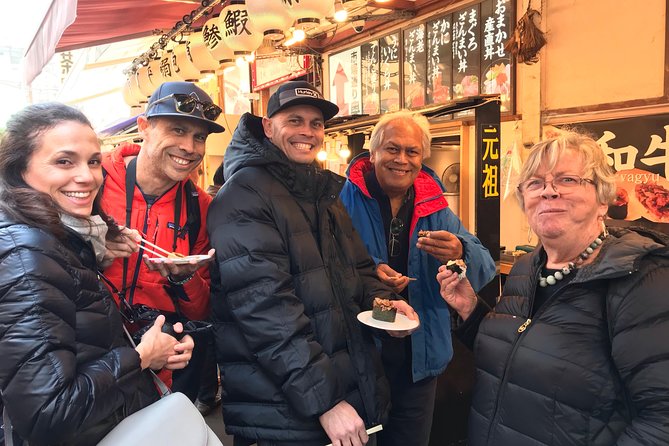
Tsukiji is the old fish market of Japan, and it’s full of delicious and unique foods. Admission is free for the market area visit option.
I like this stop because it’s sensory. You’re not reading about Tokyo; you’re tasting and walking through it.
What you should expect:
- Lots of choices, lots of sampling, and a lot of motion.
- You may need to make peace with short waits and tight spaces.
Lunch matters here. Many guides use Tsukiji as the start point for a meal. In reviews, guides have arranged standout lunches and tastings—sushi and sake, and even items like Kobe beef and green tea strawberries (depending on what you choose). But remember: lunch is not included in the tour price, so decide your budget ahead.
One caution from the pacing side: there’s a real risk of feeling rushed at market stops if you choose too many “food and look” areas in one day. If you care about actually enjoying your meal, you’ll want your guide to prioritize time for eating over extra browsing lanes.
Meiji Jingu and shrine etiquette you can use again
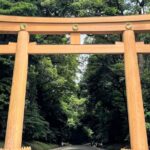
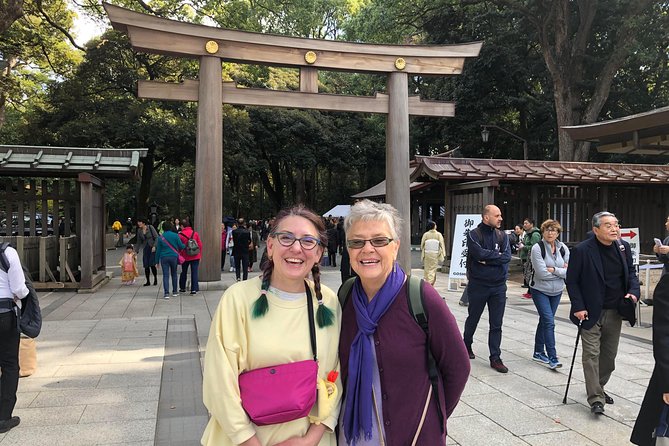
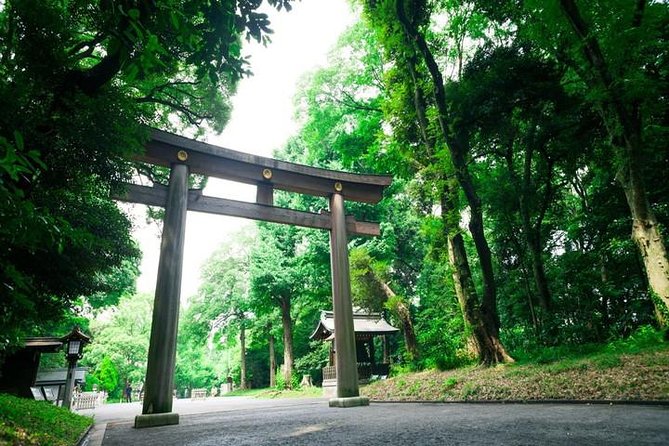
Meiji Jingu is dedicated to the deified spirits of Emperor Meiji and his consort, Empress Shoken. It sits right beside the busy Harajuku station area, making it an easy fit into a route that mixes old and new Tokyo.
Why this stop is worth time:
- It’s a calmer, respectful counterpoint to the shopping and crowds around it.
- It teaches you how to participate correctly, which makes repeat visits much better.
This is one area where certain guides get extra praise. Reviews mention May and Koba teaching visitors how to enter temples and shrines and how to pay respects. Koba also gets noted for giving shrine coins and explaining what to do—small details, big payoff when you’re unsure of the rhythm.
If you’re also choosing Gotokuji Temple, you can add a different personality: Gotokuji is said to be the birthplace of the maneki-neko, the luck-inviting cat figurine. It’s a fun option if you like cultural symbols and want something less standard than the biggest shrine names.
Akihabara and Harajuku: if you want Tokyo’s subcultures
Akihabara is famous for electronics shops and, more recently, its recognition as a center for things like anime and related culture. It’s one of those places where you can lose an hour without noticing.
Harajuku’s Takeshita Street is the fashion and teenage-culture center. If your Tokyo trip includes style hunting, this is your stop.
How to make these work well in a 6-hour plan:
- Don’t try to “see everything.” Pick one or two streets or shop zones.
- Use your guide to set priorities, since these districts can spin out quickly.
- Wear shoes you can stand in. Window displays don’t slow you down; your feet do.
These are best as part of a mixed itinerary. One of the strengths of this tour is it can combine high-energy districts with quieter parks and temples.
Garden-to-skyline add-ons: Tokyo Tower, Odaiba, and Golden Gai
Depending on what you pick, you might add modern Tokyo icons beyond Shibuya.
Tokyo Tower
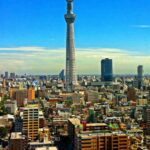
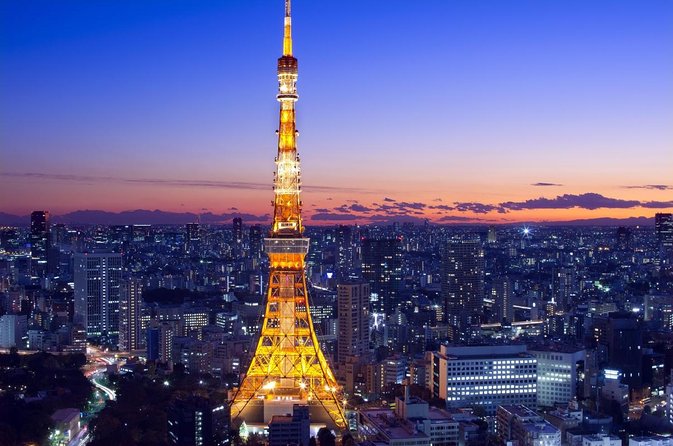
Tokyo Tower is an optional stop, and the guide coverage includes going up to the main deck, not the top deck. It’s described as a retro cute version of Tokyo Skytree, and it’s visible in lots of anime backgrounds.
Odaiba
Odaiba is a shopping and entertainment district on a manmade island in Tokyo Bay. It has a daiba origin tied to small fort islands, so there’s a bit of historical flavor under the retail scene.
Shinjuku Golden Gai
Golden Gai is a cluster of tiny bars and narrow lanes in Shinjuku, said to have started around 1950 as the black market area moved. It’s a character area, the kind you enjoy with a guided plan if you’re curious about local nightlife culture.
These add-ons are great if your taste runs modern. The trade-off is time. In a 6-hour day, skyline stops can steal minutes from temples, gardens, or food.
How to prepare so the day feels smooth, not chaotic
Tokyo navigation gets easier fast once you’re in motion. Still, you can make your life easier with a few steps before you meet your guide.
Bring:
- Yen for transit and extra admissions
- an IC card option you can use on subway and buses (Suica is a name that came up in reviews)
- comfortable walking shoes
- something for weather changes (one review praised a guide handling cold rain smoothly)
During the tour:
- Ask how to get back to your next location. Several guides were praised for teaching rail basics and helping visitors figure out future trips.
- If a stop is crowded, set a micro-goal: a specific viewpoint, a specific photo corner, or a short shopping loop.
And when you choose your 3–4 stops, think in blocks:
- Old + modern (Asakusa/Sensoji + Shibuya)
- Temple + garden (Meiji Jingu + Shinjuku Gyoen)
- Food + culture (Tsukiji + shrine/temple)
That approach keeps you from building a schedule that only works on paper.
Who this Tokyo private tour suits best
Book this if:
- you want a private guide and a plan that adapts to your interests
- you’re visiting for the first time and want a “get your bearings fast” day
- you like mixing classic Tokyo with modern neighborhoods
- you’re the type who will ask questions and enjoy context, not just photos
It may not be the best fit if:
- you hate walking or dislike subway transfers
- you want only one area and lots of time sitting still
- you expect meals and entrance fees to be included
- you specifically want Imperial Palace interior access (this option does not include it)
Should you book this tour?
Yes, if you want a guided Tokyo day that feels efficient and human. The biggest value is the guide: they help you move, they explain what you’re seeing, and they tailor your 3–4 stops so you’re not wasting time in the wrong places.
Skip it or adjust your expectations if you’re on a shoestring budget, because transit, entrances, and lunch are extra. Also adjust your stop choices if you want a slower pace—this kind of day works best when you pick a few priorities and let the guide protect your time.
FAQ
How long is the Tokyo private tour?
It lasts about 6 hours.
Is this tour private or shared?
It’s private, so only your group participates.
Do you get a pickup?
Pickup is offered, but the tour is a walking tour and pickup/meeting is on foot within a designated area.
Does the tour include admission to the inside of the Imperial Palace?
No. The Imperial Palace inside access is not included.
Are entrance fees included in the tour price?
Guide entry fees are covered only for sights listed under what to expect. Entrance fees are not included in general, so you should expect extra costs depending on your selected stops.
Are meals included?
No. Meals and entrance fees cost extra, and lunch is not included.
Will we use a private car?
No. The tour does not include a private vehicle.
How do you get between stops?
You’ll likely use public transportation and walk between locations.
What’s included for the guide?
The tour includes a licensed local English speaking guide, entry fees for the selected sights that fall under the tour options, and a meet-up on foot.
Can I cancel for a refund?
Yes. Free cancellation is available up to 24 hours in advance for a full refund.