REVIEW · TOKYO
From Tokyo: Nikko, Toshogu Shrine, Waterfall & Chūzenji Lake
Book on GetYourGuide →Operated by AMIGO TOURS JAPAN GK · Bookable on GetYourGuide
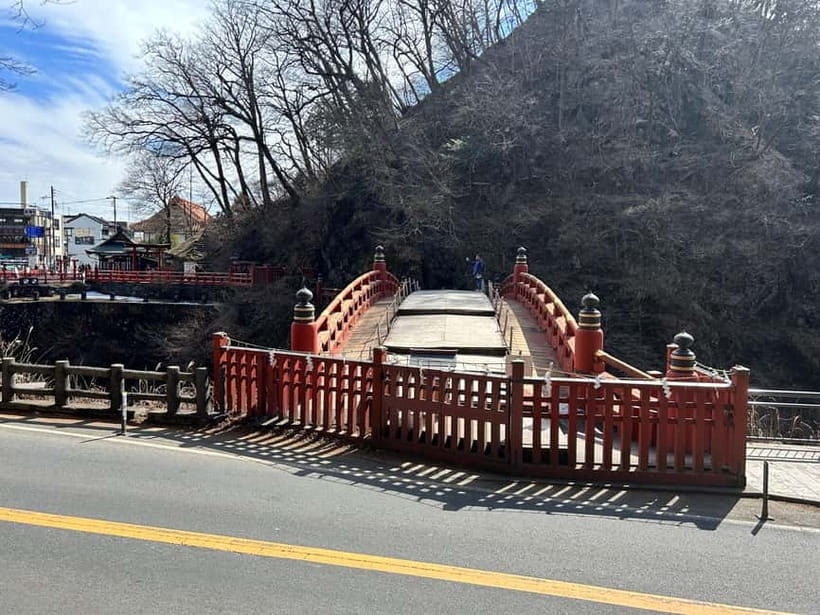
Red gates and waterfall thunder, all in one day. From Ginza Inz 2, you ride with an English/Spanish guide team and start with the panoramic Shinkyo Bridge view before heading toward the Toshogu Shrine area, where staff like Antonio and Paula are known for keeping the day smooth and easy to follow.
Two things I really like are the guided, timed walk through Toshogu Shrine (complete with the entrance that gets you into the good parts) and the chance to actually look at Kegon Falls from the observation deck, not just take a quick peek. The guides also tend to explain what you’re seeing in plain language, which makes the gold details and sacred symbolism feel a lot less intimidating.
One consideration: the day runs on a schedule, and weather can trigger road closures. If getting to Kegon Falls is unsafe, the plan swaps in a stop in front of Rinnoji Temple, and you may end up with a different pace at the other sites.
In This Review
- Key highlights to clock in your head first
- From Ginza Inz 2 to Nikko: the day starts where it should
- Shinkyo Bridge: your red-curve photo cue and timing reset
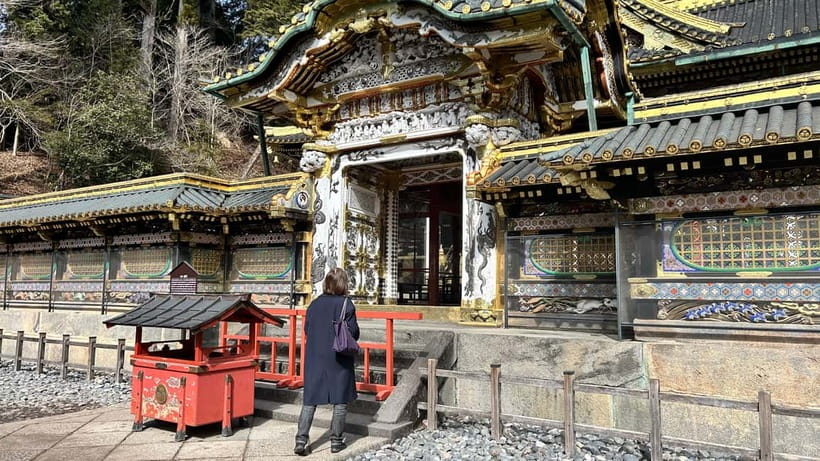
- Toshogu Shrine (UNESCO): gold details, wise monkeys, and a guided pace that works
- Practical tips for Toshogu so you don’t lose time
- Kegon Falls: the observation deck view, lunch window, and the weather plan
- If roads close: Rinnoji Temple replaces Kegon Falls
- Lake Chūzenji: 40 minutes to breathe, walk, and photograph
- Price and value: $54 worth it for a Tokyo-to-Nikko day
- What to bring (and what to skip) so the day feels easy
- Should you book this Nikko day tour
- FAQ
- Where do I meet the guide in Tokyo?
- How long is the day trip?
- What’s included in the tour price?
- Is lunch included?
- What languages are available for the guide?
- What happens if Kegon Falls is closed due to weather?
- Is the elevator near Kegon Falls included?
- Is the tour suitable for wheelchair users?
Key highlights to clock in your head first
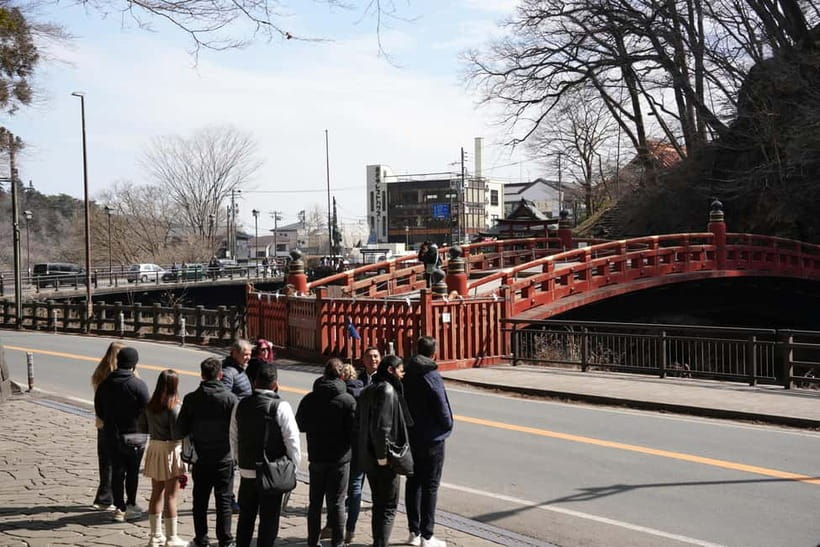
- Shinkyo Bridge scenic drive gives you the Nikko framing shot early
- Toshogu Shrine includes entrance plus a guided tour in a cedar forest
- Kegon Falls has a set viewing window with time to eat nearby
- Lake Chūzenji gives you 40 minutes to walk the shore and take photos
- Weather backup swaps Kegon Falls for Rinnoji Temple if roads close
From Ginza Inz 2 to Nikko: the day starts where it should
If you want Nikko without stress, this trip does the heavy lifting for you. You meet at Ginza Inz 2, right across from Tokyo Hands, and the tour starts from there with an air-conditioned coach. It helps that you have clear station options too: Ginza Station Exit C9 or JR Yurakucho Station Central Exit, plus a reminder to arrive at least 10 minutes early so you don’t end up doing the Japanese version of sprinting.
The ride itself is part of the experience. Tokyo’s streets gradually give way to greener hills and mountain roads, so the whole day flips from city energy into something calmer. Even if you’re not a big bus person, the coach is the easiest way to fit Toshogu, a waterfall, and a lake into one day without juggling transfers.
I also like that the guide team is bilingual, English and Spanish, which makes questions far more doable. Names pop up in the guide roster from past groups, like Antonio, Paula, Beru, Vanessa, and others, and the consistent theme is that they keep things organized and answer questions in a way that helps you move confidently from stop to stop.
You can also read our reviews of more tours and experiences in Tokyo.

Shinkyo Bridge: your red-curve photo cue and timing reset
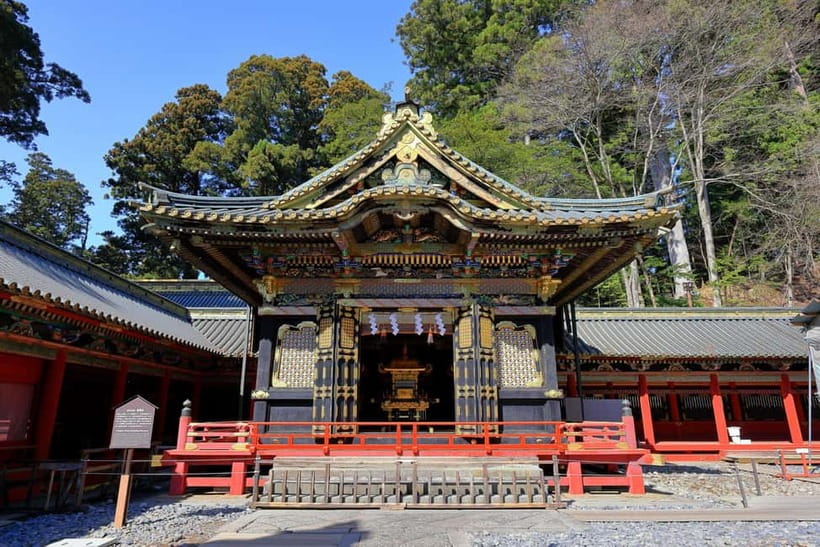
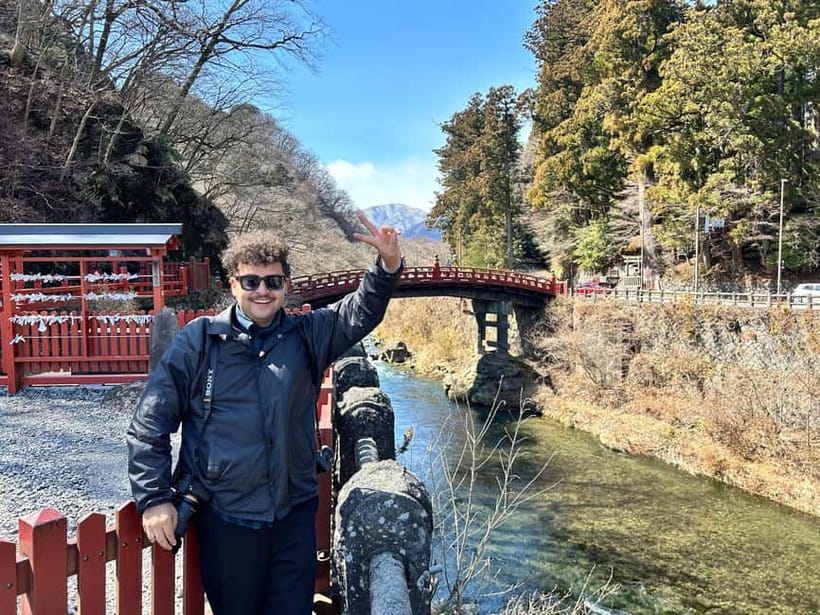
Before you even reach the shrine grounds, you get a classic Nikko moment: Shinkyo Bridge across the Daiya River. It’s a deep red arch that hits your eye right away, and it works as a mental cue. You’re not stumbling into Nikko—you’re arriving with a clear visual marker that says you’ve made it.
This stop is especially useful if it’s your first time in the area. Seeing Shinkyo early helps you understand the layout later: Nikko’s vibe is all about thresholds and transitions. You’ll feel that again at Toshogu, but the bridge is where the day starts to make sense.
Also, don’t over-plan your camera stance here. This is set up as a scenic drive style stop, so move fast, get your shots, and be ready to hop back on the coach when the group regroups.
Toshogu Shrine (UNESCO): gold details, wise monkeys, and a guided pace that works
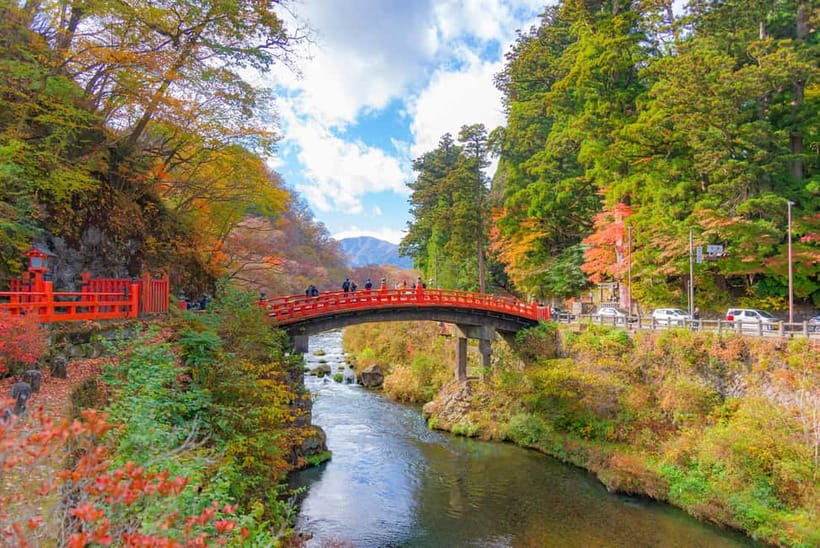
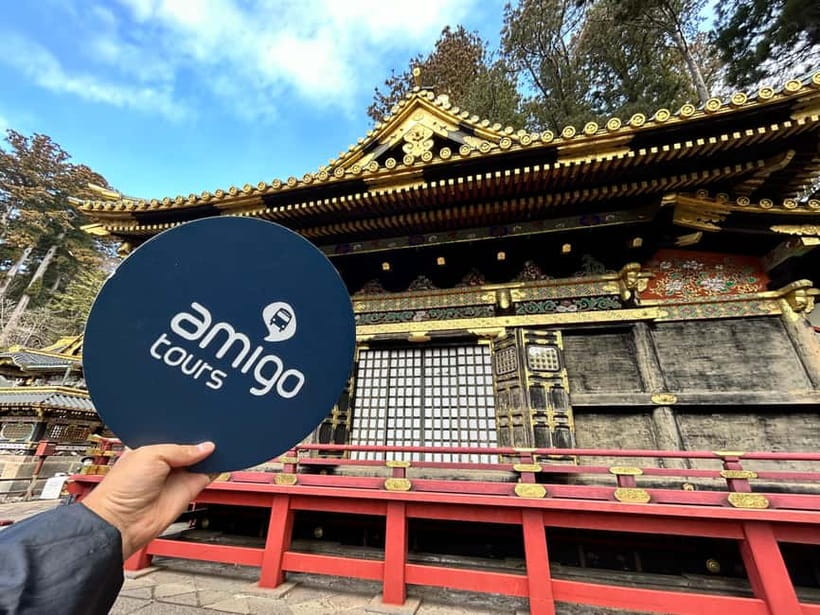
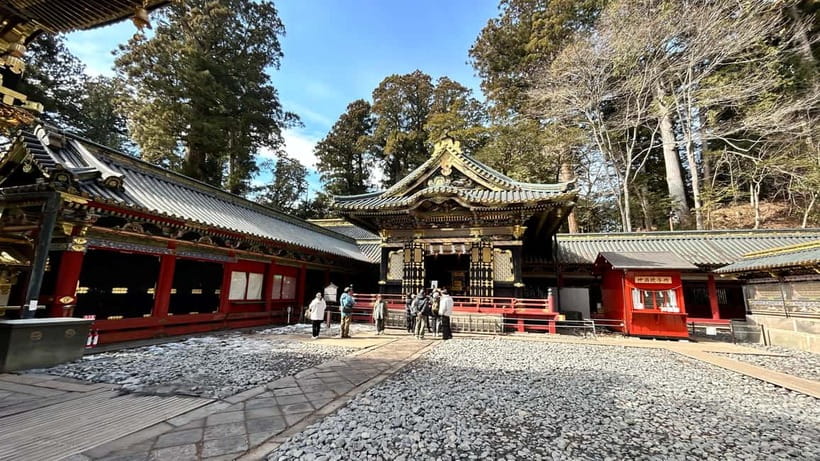
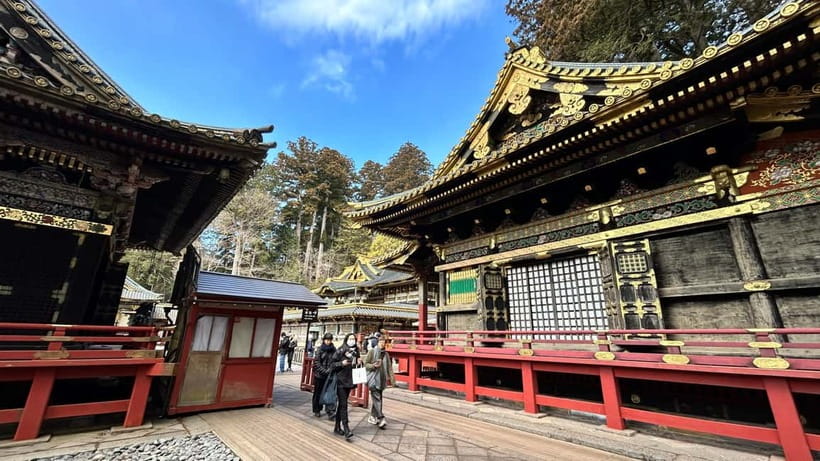
Toshogu is the reason many people come to Nikko, and this is where the tour earns its value. The shrine is a UNESCO World Heritage Site, and you get entrance included plus a guided tour that lasts about 2.25 hours. That time matters. Without a guide, you can end up wandering, reading a little here and there, and still missing how the pieces connect.
Your first job is to look up and slow down. Toshogu is famous for ornate carvings and decoration, including gold accents, and the guide helps translate what you’re seeing. A big theme is the symbolism tied to the Tokugawa shogunate, and you’ll also spot the famous trio of wise monkeys described through a traditional proverb. Even if you’ve seen photos before, the real impact hits once you’re standing among the buildings and gates.
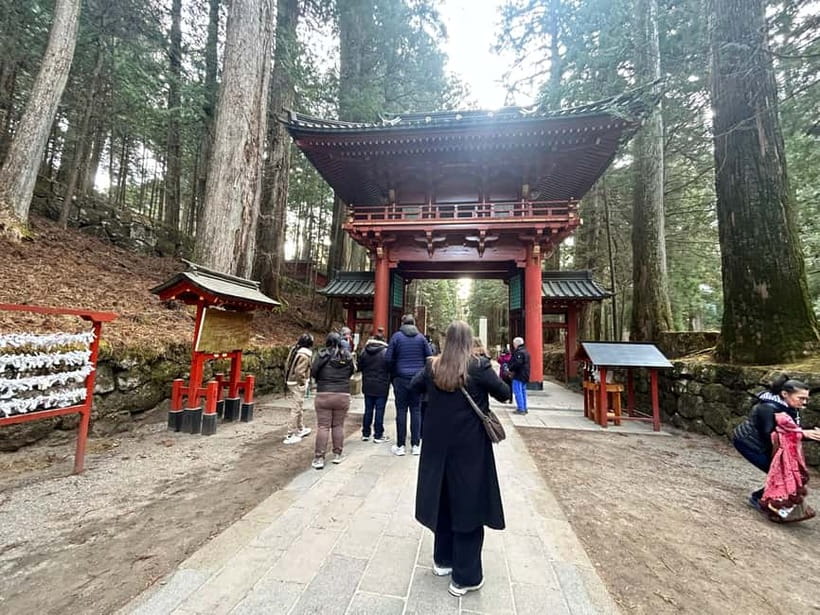
The forest setting is part of why the place feels powerful. You’re moving through a cedar-lined environment, not a shopping street, so the mood changes as you walk. Guides like Antonio and Paula (and others in similar roles) tend to keep the timing tight enough that you reach key points before the crush, while still giving you time to actually take photos without feeling like you’re being herded.
Practical tips for Toshogu so you don’t lose time
Wear comfortable shoes. The ground can be uneven, and you’ll be walking for stretches. Bring water and a hat if it’s sunny, because the mountain daylight can surprise you even on a clear Tokyo morning.
And here’s the quiet strategy I’d use: treat the guided route as your backbone, then use your eyes for a second pass. You’ll often notice the small details—carving patterns, color choices, symbolic elements—much more when you understand the story first.
Kegon Falls: the observation deck view, lunch window, and the weather plan
Then comes the main natural wow factor: Kegon Falls. It’s nearly 100 meters high, and from the observation deck you get a strong sense of scale—water dropping hard, cliff edges framing the fall, and a sound level that makes you instinctively stop talking for a minute.
This part of the day is built for a mix of seeing and doing. You get a total window of about 85 minutes that includes time for lunch and free time at the falls. Lunch costs are not included, but the tour schedules in time at a local restaurant area so you’re not hunting for food while everyone else is already queuing for photos.
You’ll also want to know about an option at the falls. There’s an elevator that can take you closer to the water, but it’s not included in the tour. You can take it on your own during your free time if you want the closer angle and don’t mind the extra effort and time it adds.


If roads close: Rinnoji Temple replaces Kegon Falls
Weather can be the curveball in Nikko. The tour notes that road closures may prevent access to Kegon Falls. If that happens, your Kegon Falls visit is replaced by a stop in front of Rinnoji Temple (no entry included). That means your day still continues, but the highlight shifts from a waterfall to a temple viewing moment.
So if Kegon Falls is your #1 priority, check conditions the morning you depart and don’t assume you’ll get exactly the same view in every season or storm. The good news is you still end up with a full day that includes Toshogu and Lake Chūzenji.
Lake Chūzenji: 40 minutes to breathe, walk, and photograph
After the rush of Toshogu and the big drop of Kegon Falls, Lake Chūzenji is where the day slows down. The tour gives you about 40 minutes of free time at the lake, with a shore stroll and photo opportunities.
This alpine lake sits at the base of Mount Nantai, and it has a softer, wider feel than the shrine grounds. You’ll see forested hills and often misty views depending on the weather. The lake is also volcanic in origin, which is one of those details guides can connect to what you’re seeing in the scenery.
With only 40 minutes, you’ll want a quick plan. Spend the first part getting oriented along the shore, then use the remaining time to decide on one or two angles rather than chasing endless viewpoints. When the sun hits and the wind calms, you can get really satisfying reflection-type photos—but you don’t need to wait forever. Grab the best shot you can in the moment and keep moving.
One more timing note: if earlier parts of the day run tight due to traffic or weather, your lake time can feel shorter. That doesn’t mean it’s not worth it; it just means you’ll enjoy it more if you travel light and ready to move.
Price and value: $54 worth it for a Tokyo-to-Nikko day
At $54 per person, this Nikko day trip is priced as a value option for people who want multiple major stops without doing the full logistics grind. The tour includes transportation from Tokyo and a bilingual guide, plus entrance to Toshogu Shrine.
Lunch isn’t included, so plan on spending your own money for that meal. But that’s also why the price can stay reasonable. You’re paying for the core costs that matter most for a day like this: getting out of Tokyo, reaching the sites efficiently, and covering the shrine entrance.
Compared to planning Nikko solo, the big win is time. Nikko is the kind of place where moving between attractions can add up quickly. Here, you’re stacking the highlights in one day with an organized rhythm, and that’s hard to replicate cheaply unless you’re comfortable with transfers and route changes.
Is it perfect value? If your goal is only one site (like just Toshogu), you might spend less alone. But if you want Toshogu + a waterfall + a lake with a guide explaining what you’re looking at, the pricing makes sense.
What to bring (and what to skip) so the day feels easy
This trip is simple, but it rewards smart packing. Bring comfortable shoes first. Then add a camera, water, sunscreen, and a hat. The weather can change as you move away from Tokyo, and the shrine and falls both involve time outdoors.
A small but important note: the tour isn’t listed as suitable for wheelchair users. If mobility is a concern, it’s worth contacting the provider directly to ask about on-the-ground accessibility for your specific route and pace.
Also, don’t plan a heavy shopping mission on this day. You’ll have focused photo and walking time at each stop, and the flow is designed around sightseeing. If you want souvenirs, buy what fits in the schedule rather than turning the day into an errand list.
Finally, keep your expectations aligned with how day trips work. You’re seeing major highlights, but you’re not living there for a week. The payoff is the variety: a shrine with deep symbolism, a waterfall with raw force, and a lake for quiet walking.
Should you book this Nikko day tour
Book it if you want a well-paced, low-stress Nikko highlights day from Tokyo. This is especially good if you like guided context for Toshogu and you want a real viewing window at Kegon Falls and Lake Chūzenji without timing anxiety.
Skip or reconsider if Kegon Falls is your only must-see and you’re traveling when weather is volatile. The tour has a weather backup, but you might not get the waterfall itself. Also, if you hate bus days and want hours of unstructured wandering, you may find the schedule a bit strict.
If you want the practical sweet spot—major sites, guided explanations in English and Spanish, and a day that doesn’t eat your planning energy—this one is a solid choice.
FAQ
Where do I meet the guide in Tokyo?
Meet your guide at Ginza Inz 2, right across the street from Tokyo Hands. The address listed is Ginza, 2 Chome 2番地先, and you should arrive at least 10 minutes before departure.
How long is the day trip?
The total duration is listed as 11 hours. Starting times vary, so you’ll need to check availability for the specific departure.
What’s included in the tour price?
Transportation from Tokyo, a bilingual English/Spanish guide, and entrance to Toshogu Shrine are included.
Is lunch included?
Lunch is not included. The schedule does include time for lunch at the Kegon Falls area, so you’ll pay for your meal separately.
What languages are available for the guide?
The guide is available in English and Spanish.
What happens if Kegon Falls is closed due to weather?
If access to Kegon Falls is blocked by road closures, the tour will replace the Kegon Falls visit with a stop in front of Rinnoji Temple, with no entry included.
Is the elevator near Kegon Falls included?
No. There is an elevator that can take you closer to the waterfall, but it is not included. You can use it during your free time if you want to.
Is the tour suitable for wheelchair users?
The tour is not suitable for wheelchair users.