REVIEW · MUMBAI
Mumbai: Full-Day Sightseeing Tour of Mumbai
Book on GetYourGuide →Operated by Amaze Tours · Bookable on GetYourGuide
Mumbai in one long day feels like magic. You’ll move through colonial landmarks and everyday street life, from Gateway of India to the working chaos of Dhobi Ghat, with a driver-guide keeping the pace realistic in traffic. It’s a fast way to understand why Mumbai is so talked about: history and street-level life in the same frame.
What I like most is the smart mix of big-name sights and places you’d never find on your own, like the market stops and the viewpoints over Malabar Hill. I also like that you get hotel pickup and drop-off plus an air-conditioned ride, so the day stays comfortable even when the city gets loud outside.
One thing to keep in mind: this is a “see a lot” day, so some stops are quick photo moments or short walks. If you want long, slow museum time at every stop, you might feel a bit rushed on a tight schedule.
In This Review
- Key highlights worth planning around
- A First-Timer Route Through Mumbai’s Big Contrasts
- Pickup, Air-Con Comfort, and How the Day Really Moves
- Gateway of India to Kala Ghoda: Colonial Showpiece Meets Street Reality
- Oval Maidan, Rajabai Clock Tower, and Chhatrapati Shivaji Maharaj Vastu Sangrahalaya
- Chhatrapati Shivaji Terminus: The UNESCO Masterpiece With Commuter Energy
- Crawford Market: Snacks, Spices, and the Most Real Section of the Day
- Marine Drive: The Arabian Sea Promenade, Mumbai’s Evening Postcard
- Mani Bhavan and Gandhi’s Mumbai: A Personal History Stop
- Banganga Tank and Hanging Gardens: Calmer Views After Big Streets
- Dhobi Ghat: Watching a System Still Working
- How Guides Shape the Day: From Ganesh to Abdul
- Price and Value: Why This Can Feel Like a Steal
- What to Pack and What to Expect on Your Feet
- Who This Tour Fits Best (and Who Might Want Something Else)
- Should You Book This Mumbai Full-Day Tour?
- FAQ
- How long is the Mumbai full-day sightseeing tour?
- How much does the tour cost?
- What’s included in the price?
- Is food included?
- What language is the tour guide?
- Is pickup required or optional?
- Is this tour private or shared?
- What stops will I visit during the day?
- If I’m arriving by cruise, where do I meet?
- What about entrance fees?
- Can I cancel if my plans change?
Key highlights worth planning around
- Door-to-door pickup with a driver-guide to handle Mumbai traffic and time gaps
- Chhatrapati Shivaji Terminus (UNESCO) with real commuter energy, not just a photo stop
- Kala Ghoda to Oval Maidan: colonial facades, art galleries, and the Rajabai area
- Crawford Market + Marine Drive: where Mumbai eats, buys, and walks off the day
- Mani Bhavan to Banganga Tank to Hanging Gardens: Gandhi’s story, then calmer hill views
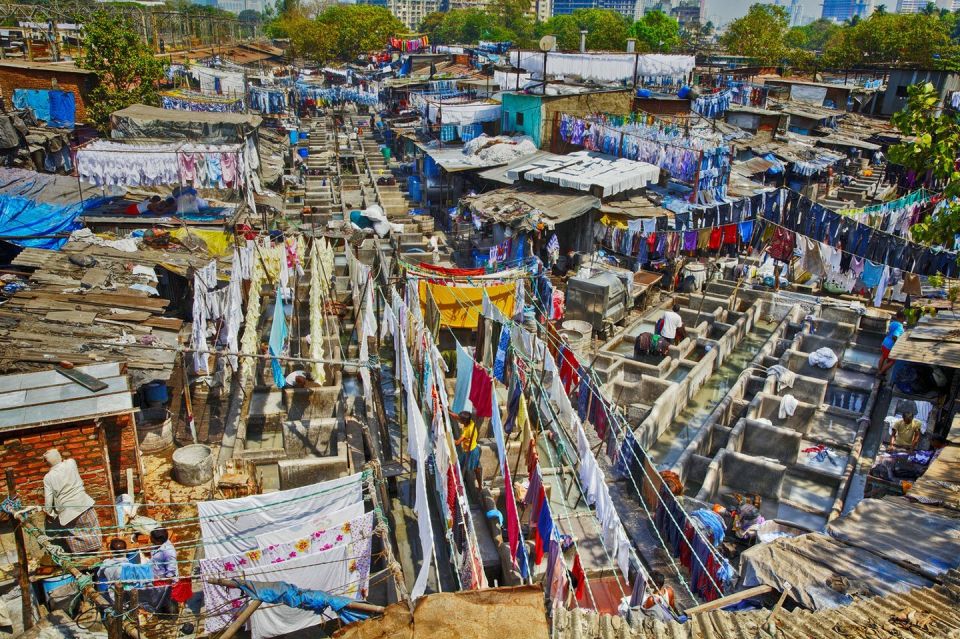
- Dhobi Ghat: the chance to watch an open-air laundry system still in motion
A First-Timer Route Through Mumbai’s Big Contrasts
Mumbai can feel like two cities at once. On this tour, you get the grand waterfront monuments and Gothic architecture, then you also spend time in market areas and places that run on daily routines.
The day is designed as a loop that starts near the harbor, swings through central landmarks and art-district streets, then heads toward Malabar Hill before finishing with the laundry-scene contrast. That structure matters because Mumbai distances can eat your day if you’re navigating solo.
You can also read our reviews of more tours and experiences in Mumbai.


Pickup, Air-Con Comfort, and How the Day Really Moves
The tour includes hotel pickup and drop-off, and you ride in an air-conditioned vehicle with a driver-guide. For Mumbai, that’s not a small perk. Traffic can swing from slow to chaotic, and an experienced driver saves you stress and time.
Typical tour timing is 5 to 10 hours, depending on your exact starting point and the option you book. You’ll also get bottled water, which helps on a warm day when you’ll be out and about for short walks.
One practical note: the tour is described as being led by the driver (with a guide depending on the option). In real terms, that usually means you’re not waiting around while someone argues over logistics—you’re moving.
Gateway of India to Kala Ghoda: Colonial Showpiece Meets Street Reality

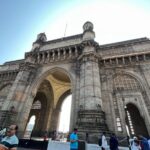
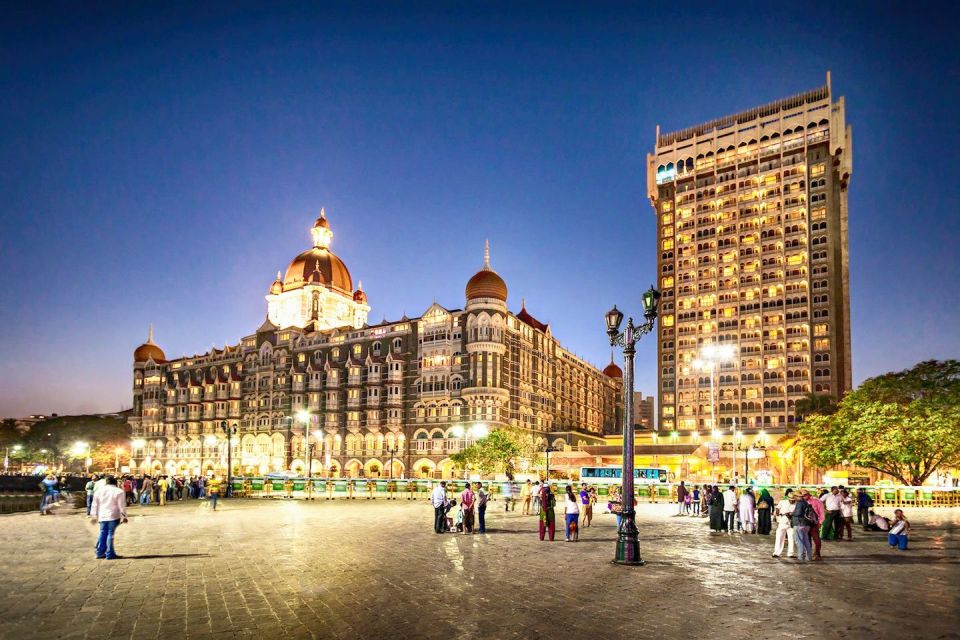
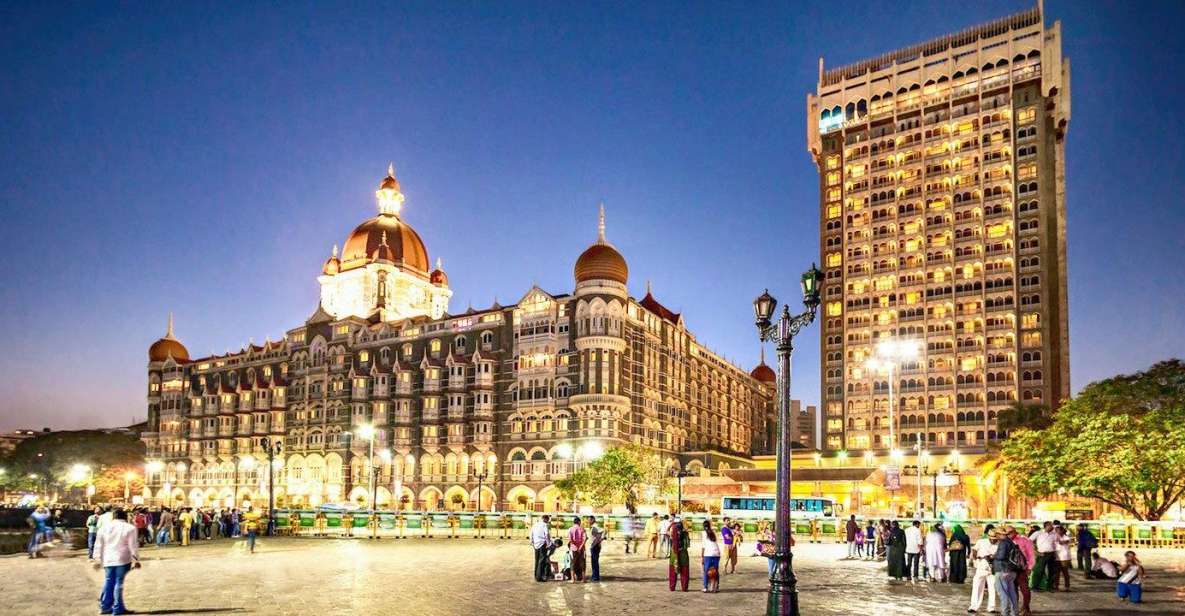
You’ll begin at the Gateway of India, with a photo stop and time to walk near the harbor. It’s right by the Taj Mahal Palace Hotel area, so you get that instantly recognizable colonial-era skyline set-up with the Arabian Sea in the background.
From there, the route skims through the Kala Ghoda Art District area. This is where Mumbai’s face shows more than one mood: colonial buildings, galleries, and streets that feel more local than tourist-bubble. You’ll pass (and in some versions, pause briefly) for spots like Sassoon Library and the Jehangir Art Gallery area.
Expect quick stops rather than long museum-style time here. The upside is you’re not stuck in one neighborhood for hours—you’re building a map of the city fast.
Oval Maidan, Rajabai Clock Tower, and Chhatrapati Shivaji Maharaj Vastu Sangrahalaya
Next comes the part of Mumbai where architecture takes center stage. You’ll see Oval Maidan for photos and a short walk, with Rajabai Clock Tower nearby and Bombay High Court in the background from the right angle.
Along the way, the route includes a pass by the Chhatrapati Shivaji Maharaj Vastu Sangrahalaya (the museum area). If you love buildings as much as exhibits, this stretch is a treat because you’re looking at the city’s older civic confidence—big stone, sharp lines, and a sense of planning.
Then you’ll hit the Asiatic Society of Mumbai area. The stop is brief, but it gives you a quick sense of how Mumbai functions as both a modern port city and a long-standing intellectual hub.
Chhatrapati Shivaji Terminus: The UNESCO Masterpiece With Commuter Energy
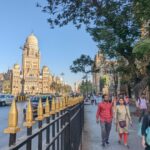
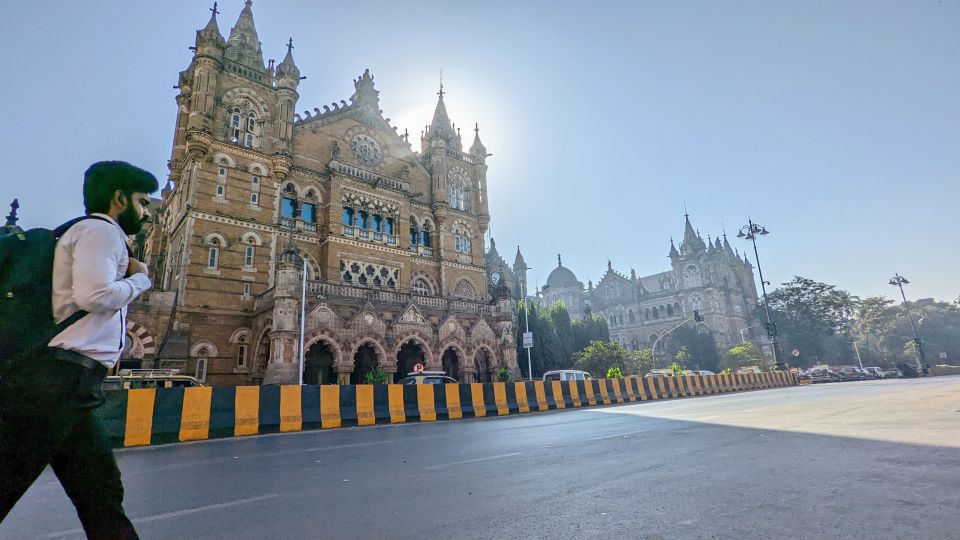
The highlight for many people is Chhatrapati Shivaji Maharaj Terminus (CSMT). You’ll have time for a photo stop and a walk inside/around the station area.
This isn’t just architecture behind glass. CSMT works as a real terminal, so the experience has motion—people streaming, announcements, and that sense that this landmark is still doing its job after more than a century. The guide framing here helps: you don’t just see Victorian Gothic details; you understand why the place matters in Mumbai’s urban growth.
If you want to photograph well, aim for steady minutes inside the station rather than only the outer views. That’s where the building details feel most alive.



Crawford Market: Snacks, Spices, and the Most Real Section of the Day
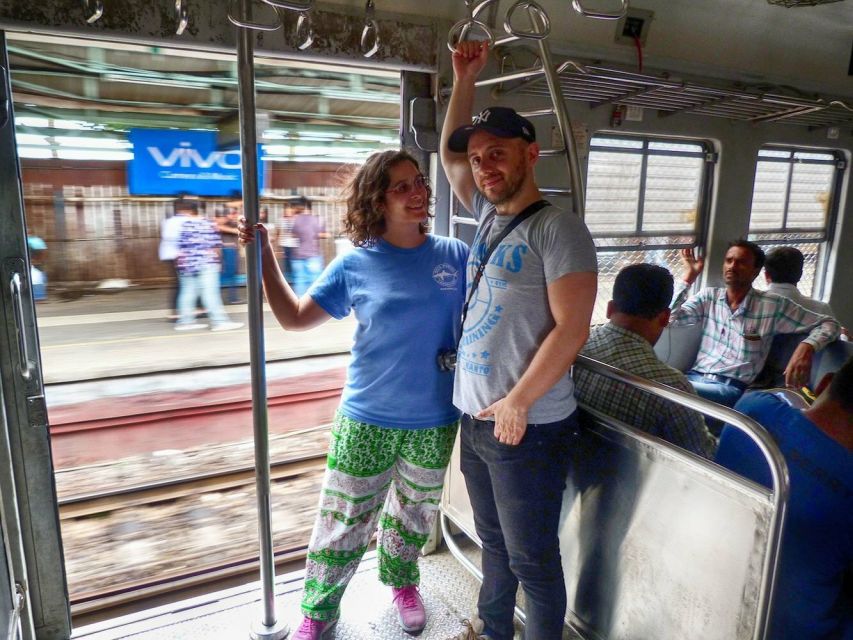
Then you roll into Crawford Market, where the city gets practical. You’ll get time to visit, walk around, and do a bit of shopping.
This is one of those stops where your senses lead. Fresh produce, colorful spices, and the constant flow of shoppers are the point. If you’ve only seen Mumbai from the viewpoint of monuments, this section corrects that fast.
It’s also the part of the day where you’ll feel why the tour is worth doing with a guide. You’re not just looking; you’re learning what to notice and how to move without getting stuck.
Also remember: food isn’t included. That doesn’t stop people from grabbing a snack or tea during market time, but it’s still on you. The bottled water helps, though.
Marine Drive: The Arabian Sea Promenade, Mumbai’s Evening Postcard
After Crawford Market, you get Marine Drive, with time for photos and a walk. This is a scenic break from the indoor-style market energy.
Marine Drive is where you see how the city relates to the sea—not in a quiet way, but in a lived-in way. You’ll be able to catch wide views of the shoreline, and it’s one of the easiest places to re-center yourself after a busy stop.
If it’s sunny, bring sun protection. You’ll be out for a short walk, and the open views make heat feel faster.
Mani Bhavan and Gandhi’s Mumbai: A Personal History Stop
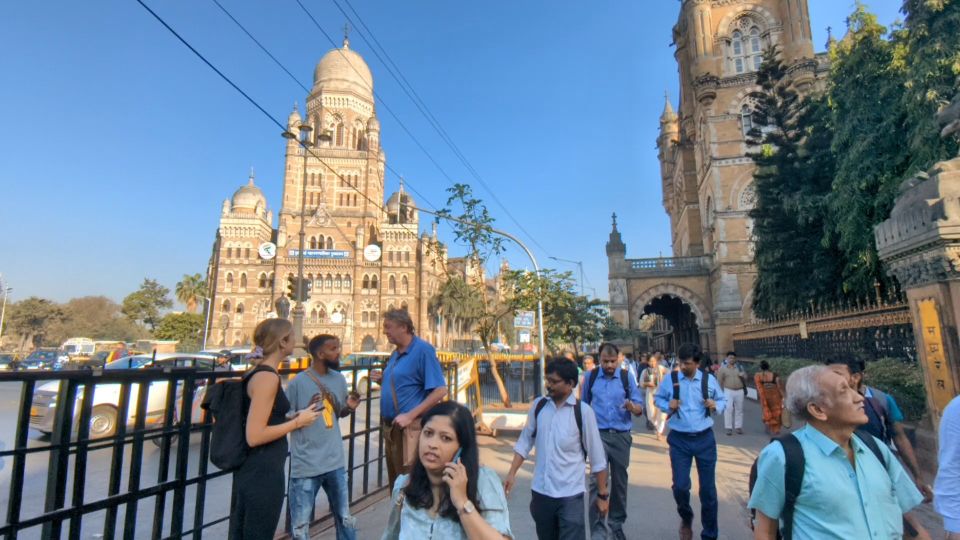
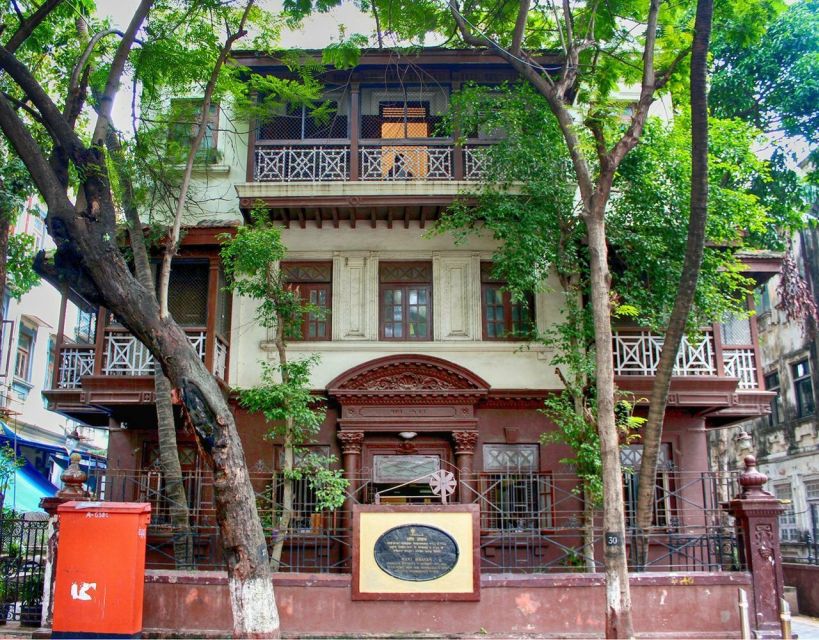
Next up is Mani Bhavan, the museum connected to Mahatma Gandhi’s time in Mumbai. This stop is longer than a quick photo moment, with time to visit and walk around.
What makes Mani Bhavan land emotionally is that it shifts you from architecture and streets into lived choices and political story. It’s also helpful for first-timers because it gives context to what you’ve been seeing across the city—Mumbai isn’t just a place to photograph, it’s a place that shaped people and movements.
If you like museums but hate being rushed, Mani Bhavan is one of the best pacing choices on this route.
Banganga Tank and Hanging Gardens: Calmer Views After Big Streets
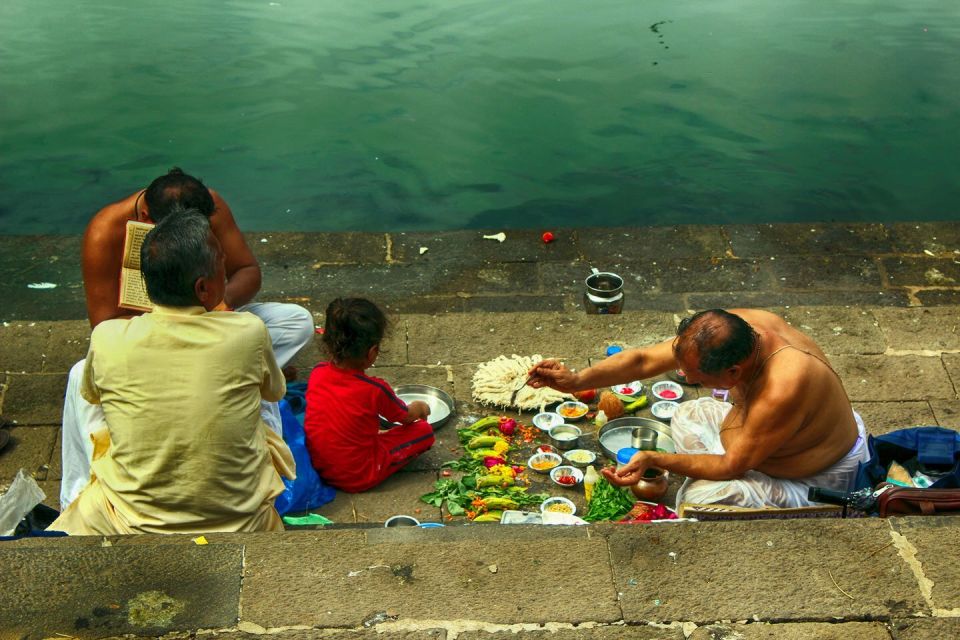
Then the tour goes toward Banganga Tank and the nearby hill area. You’ll stop for photos and walk time at Banganga Tank, with the Hanging Gardens also on the schedule.
This is the contrast moment. After markets, terminals, and crowded streets, these stops slow your breathing. Even if the time is still “tour-length,” the setting helps you feel the topography of Mumbai—how hills shape views and how sacred sites and public gardens sit close to the city’s intensity.
You’ll also drive by notable residences along the way, including a glimpse of Antilia from the road. It’s a weird kind of perspective: one side of Mumbai built from extreme wealth, the other side built from daily work and crowds.
Dhobi Ghat: Watching a System Still Working
You’ll finish the day near Dhobi Ghat, the well-known open-air laundry area. The stop is short, with a photo stop time, but it can still feel unforgettable because you’re watching something functional, not staged.
The tour framing here is important. You’re not just seeing clothes; you’re seeing a working system—people, workflow, and constant activity that’s been part of Mumbai’s rhythm for a long time.
If you’re hoping for a long, slow walkthrough, this stop might feel quick. But as a “last contrast stamp,” it works. You leave with one of the strongest images of how Mumbai runs.
How Guides Shape the Day: From Ganesh to Abdul
The best version of this tour is the one where your guide connects the dots between places. Many guides on this route are praised for clear English explanations, humor, and pacing that matches your energy.
Names that come up repeatedly include Ganesh, Abdul, Suresh, Loki, Imran, Dinesh, Jamal, and Imran again across different days and groups. You’ll also hear about drivers like Mohmd for safe, skilled driving in Mumbai traffic and guides who adjust timing so you don’t get stuck walking while exhausted.
One small but useful tip: when your guide asks if you want breaks, say yes early if you need one. The tone of many guides is accommodating, and it’s easier to build rest into the schedule than to demand it later.
Price and Value: Why This Can Feel Like a Steal
At about $24 per person, this tour is priced like a budget day—yet it includes a lot that usually costs extra. You get hotel pickup and drop-off, an air-conditioned vehicle, bottled water, entrance fees for the listed stops, and parking, fuel, taxes, and tolls.
That combination is the value play. A lot of city tours charge separately for transport and entry tickets, and in Mumbai you’ll also pay for time lost to logistics. Here, you’re basically buying a planned route plus the comfort of not having to figure it out alone.
Food and drinks are not included, so budget a snack or meal yourself. Still, for the number of major sights and the amount of walking-through experiences, the total value tends to work well—especially if it’s your first day and you want a city “map” fast.
What to Pack and What to Expect on Your Feet
Even with a vehicle and short walks, you’ll spend meaningful time outside. Wear comfortable shoes with grip. Mumbai sidewalks can vary from smooth pavement near major attractions to more uneven surfaces near markets and hill viewpoints.
Bring sun protection and a light layer. You’ll be in open areas like Marine Drive and around harbor viewpoints, and those places can feel exposed.
If you plan to take extra photos at stations or markets, you’ll want a phone battery strategy too. Quick stops mean you’ll capture best angles in short windows.
Who This Tour Fits Best (and Who Might Want Something Else)
This tour is ideal if:
- You’re in Mumbai for a short time and want a broad overview of landmarks plus daily city life
- You enjoy city walking but want the transport stress handled for you
- You want a mix of architecture, markets, and meaningful cultural stops like Mani Bhavan
You might want a different plan if:
- You prefer slow museum time and deep study at fewer sites
- You’re not a fan of market environments and busy street energy
- You want a full-day Dhobi Ghat experience rather than a shorter photo-and-look stop
Should You Book This Mumbai Full-Day Tour?
If it’s your first trip to Mumbai and you want to understand the city quickly, I think this is a strong pick. The route hits the high-impact sights you’ll hear about—Gateway of India, CSMT, Crawford Market, Marine Drive, Gandhi’s Mani Bhavan—and then adds the working-life contrast of Banganga and Dhobi Ghat.
Book it if you like variety and you’re okay with a day that’s structured, efficient, and occasionally fast. Skip it if you want an unhurried, one-neighborhood deep dive. For most first-timers, this tour gives you the right mental picture of Mumbai without making you battle logistics.
FAQ
How long is the Mumbai full-day sightseeing tour?
The duration is listed as 5 to 10 hours, depending on the starting time and route conditions.
How much does the tour cost?
The price is $24 per person.
What’s included in the price?
Hotel pickup and drop-off, a driver-guide or tour guide (based on the option), an air-conditioned vehicle, bottled water, entrance fees for places mentioned, parking fees, fuel, and taxes/road tolls.
Is food included?
No. Food and drinks are not included.
What language is the tour guide?
The live tour guide is offered in English.
Is pickup required or optional?
Pickup is optional. If you choose pickup, you’ll receive the driver’s contact details via WhatsApp (or email if you don’t use WhatsApp) one day before.
Is this tour private or shared?
Private or small groups are available, depending on the option you select.
What stops will I visit during the day?
The route includes stops such as Gateway of India, Chhatrapati Shivaji Terminus, Crawford Market, Marine Drive, Mani Bhavan, Banganga Tank, Hanging Gardens, and Dhobi Ghat, along with several pass-by/photo stops.
If I’m arriving by cruise, where do I meet?
For cruise passengers, you meet at Greengate, about 300 meters from the cruise terminal. A free shuttle is provided by the port.
What about entrance fees?
Entrance fees for the places mentioned are included in the tour price.
Can I cancel if my plans change?
Free cancellation is available up to 24 hours in advance for a full refund.