REVIEW · MUMBAI
Mumbai: Dharavi Slum Slumdog Millionaire Tour with a Local
Book on GetYourGuide →Operated by Amaze Tours · Bookable on GetYourGuide
Dharavi feels like a city with its own pulse. I love the community spirit you feel while walking the tight alleys, and I love how clearly you see small-scale industries at work, from handmade cosmetics to pottery and textiles. One drawback: this is a real working neighborhood, so you should be ready for hard conditions and to treat it with respect rather than a casual photo stop.
I also like that the tour is guided by local people who know how to move through Dharavi and keep the day easy. If you choose the option with hotel transfers, you skip the extra stress of figuring out logistics in Mumbai traffic. The walk typically ends at a pottery factory, where your guide helps you plan the next step—either a taxi right away or, if you want to stay longer, a vegetarian meal with a local family.
In This Review
- Key highlights worth planning for
- Walking Dharavi Like a Working Neighborhood
- Starting at Dharavi and Getting Oriented Without the Headache
- Narrow Alleys, Real Doors, and Small Industries You Can Trace
- The Recycling Economy: How Materials Become Products
- Community Life You Notice When You Slow Down
- Ending at a Pottery Factory and Choosing Your Next Move
- What to Pack: Comfortable Feet Win in Dharavi
- Safety, Respect, and Who This Tour Fits Best
- Price and Value: Why About $10 Is Such Good Timing
- Should You Book the Dharavi Slum Tour With a Local?
- FAQ
- How long is the Dharavi slum tour?
- What does the tour cost?
- Is hotel pickup and drop-off included?
- What’s included in the price?
- Where do I meet my guide?
- Is the tour offered in English?
- Can I take photos or videos?
- What should I bring?
- Is the tour suitable for everyone?
- Can I add a vegetarian meal?
- What’s the cancellation policy?
Key highlights worth planning for
- Local guide-led streets: You’re not just passing through; you’re learning as you walk.
- Small industries you can name: soap and handmade cosmetics, textiles, pottery, and more.
- Recycling as a real production chain: you’ll understand how materials get turned into products.
- Community life beyond stereotypes: you’ll see schools, a hospital, and everyday services.
- Weather-proof timing: it runs in rain or shine, so come prepared.
- Pottery factory ending: it gives you a clean endpoint and an easy way to continue your day.
Walking Dharavi Like a Working Neighborhood
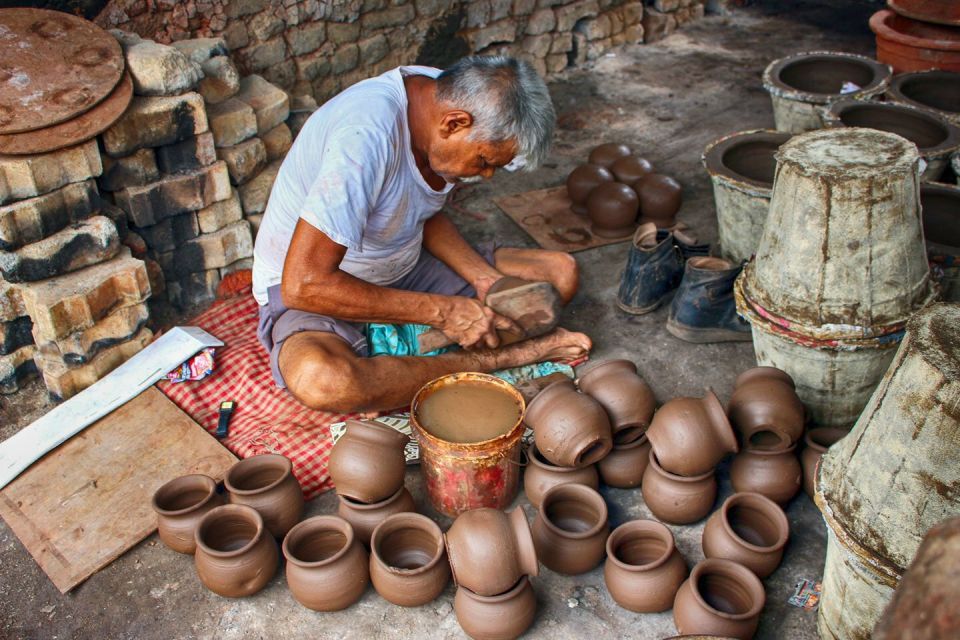
Dharavi is famous because of the Oscar-winning film Slumdog Millionaire, but the best part of this tour is that you stop thinking of it as a movie set. You start seeing it as a place where people run businesses, make goods, and rely on each other to get through the day.
On this tour, I like that the focus stays on work and community, not pity. Even when conditions are tough, you still get a sense of structure—people know where to go, what to do, and how to keep their local economy moving with small operations that add up to a lot.
You’ll also notice how quickly your own expectations change. The phrase slum can feel like a label, but Dharavi is more like a layered city: residential lanes next to production spaces, homes beside small shops, and busy hands everywhere you look.
You can also read our reviews of more tours and experiences in Mumbai.


Starting at Dharavi and Getting Oriented Without the Headache
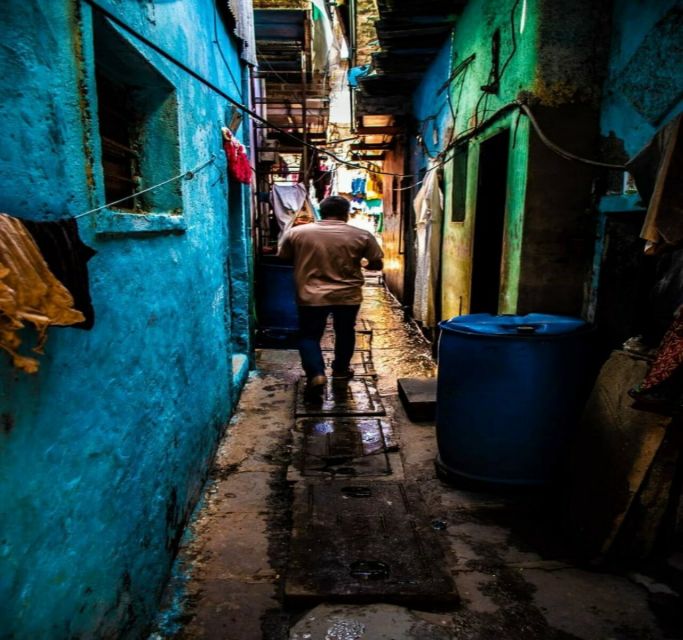
You’ll meet your guide at Dharavi (the exact meeting point can vary by the option you book), and you’ll start the day with an immediate sense of direction. That first stretch matters because Dharavi’s alleys are narrow and easy to lose your bearings in.
This is where the local guide really earns their fee. I like that you’re not dropped in front of a map and told to explore. Instead, you walk with someone who understands what to show, what to explain, and how to keep the group together.
If you select hotel pickup and drop-off, the logistics get simpler. Mumbai can be a lot on a tight schedule, so having transfers handled helps you actually enjoy the visit instead of spending energy on navigation and timing.
Also, the group is typically private or small. That makes it easier to move at a walking pace, ask questions, and interact with people you meet along the way without feeling like you’re in a moving crowd.
Narrow Alleys, Real Doors, and Small Industries You Can Trace
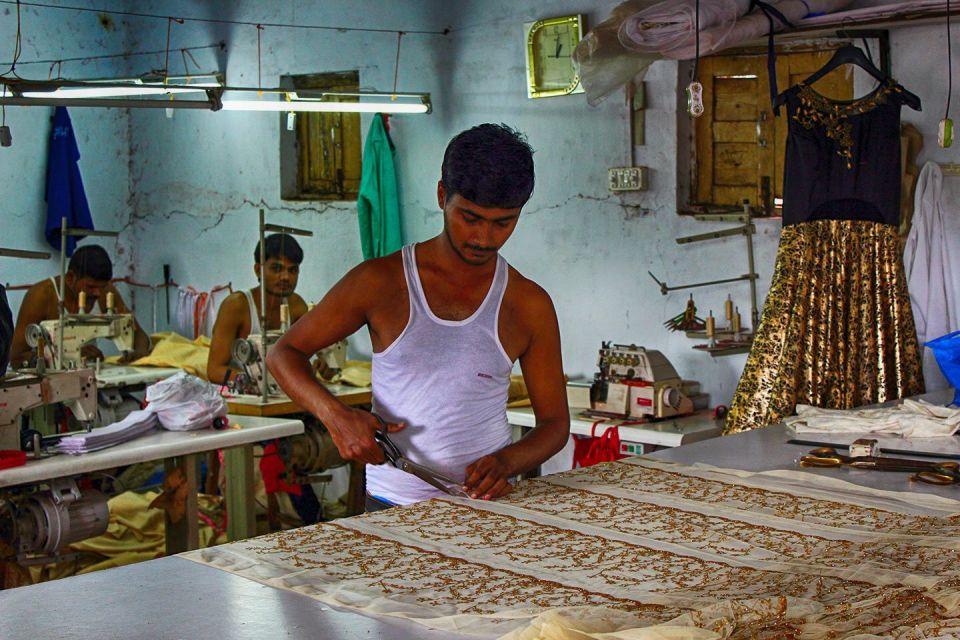
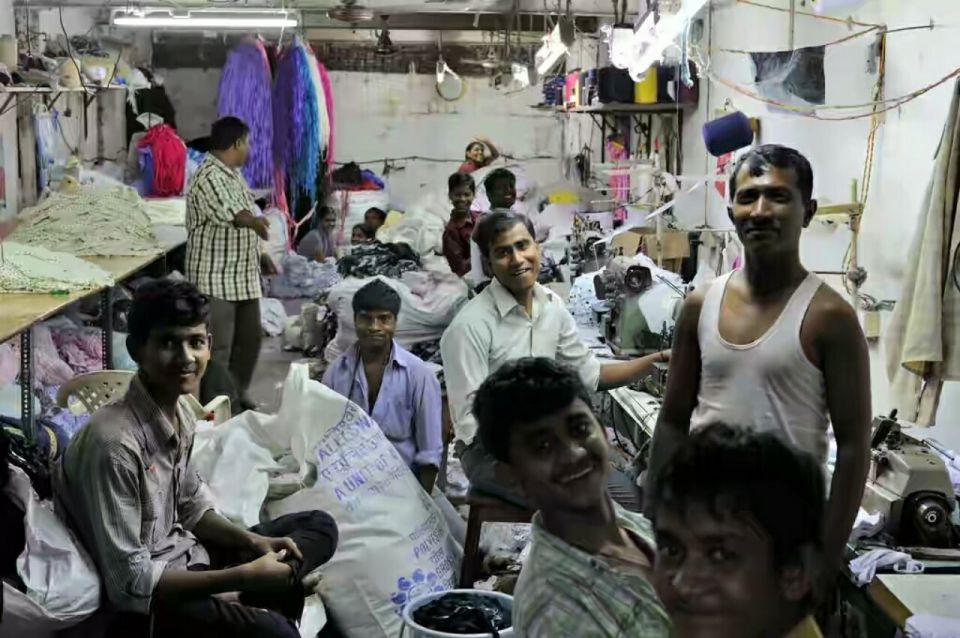
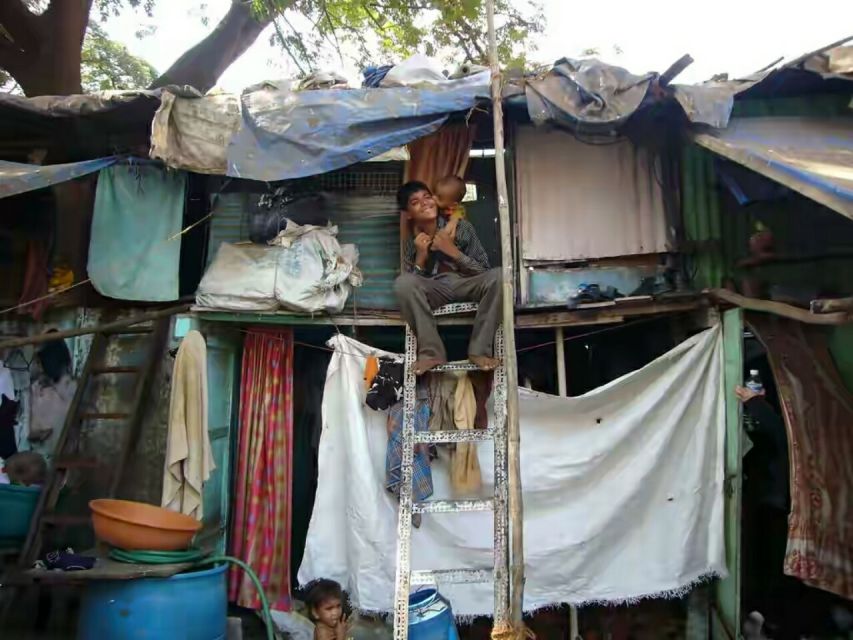
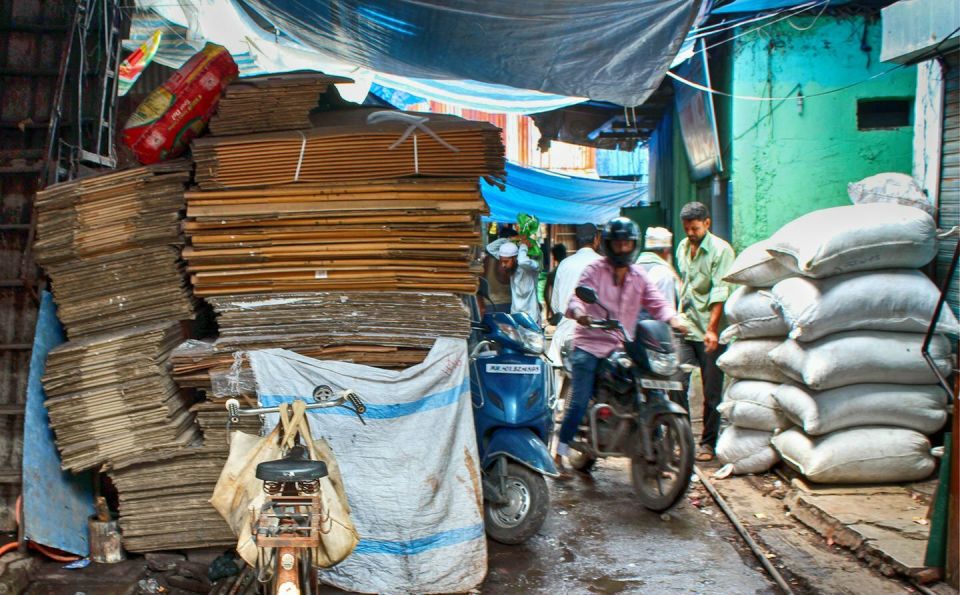
The tour spends a lot of time walking through Dharavi’s narrow lanes, where the day-to-day rhythm is visible. You’ll see how the area functions like a neighborhood, but you’ll also see the business side—small production rooms and storefronts that keep products flowing.
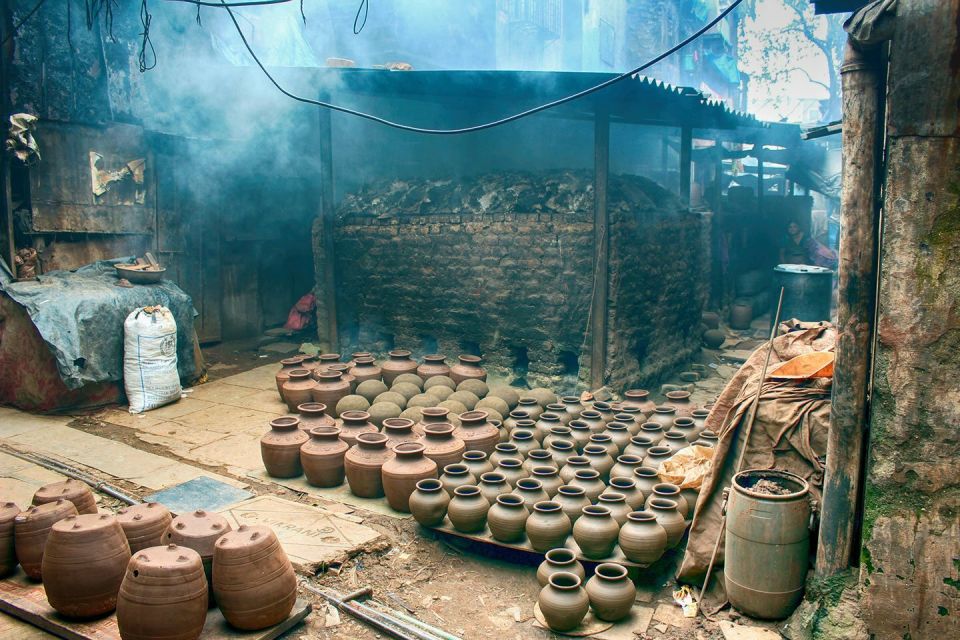
One of the most practical surprises is how many kinds of work happen in a small area. You might spot places making exotic soaps and handmade cosmetics, and you’ll learn how other trades connect around them. Pottery and textiles show up too, so you get a wider picture than one single industry.
I also like that this isn’t just visual. Your guide helps you understand what you’re seeing and how the pieces connect—who does what, where materials come from, and why these small operations matter.
Because the tour is designed around walking and short interactions, you’ll likely feel the pace of Dharavi more than you would from a “drive-by” sightseeing option. And that means you’ll come away with clearer answers when someone back home asks what the place is actually like.
The Recycling Economy: How Materials Become Products
Dharavi’s recycling industry is one of the biggest reasons the area is talked about internationally. On this tour, you’ll learn how that work operates on the ground, not just as a headline.
What I appreciate is that the guide connects recycling to outcomes. You don’t just hear that materials get reused; you learn the production chain and how different steps feed into each other. That kind of explanation changes the way you look at everyday objects, because suddenly you understand how things can travel through many hands before they reach the market.
There’s also a human side to it. Guides often explain the realities faced by migrant and seasonal workers in these industries, which brings a difficult contrast into view. It’s not comfortable to witness, but it is educational—and it helps you understand why wages, working conditions, and heat matter in a place where people keep production moving every day.
Community Life You Notice When You Slow Down
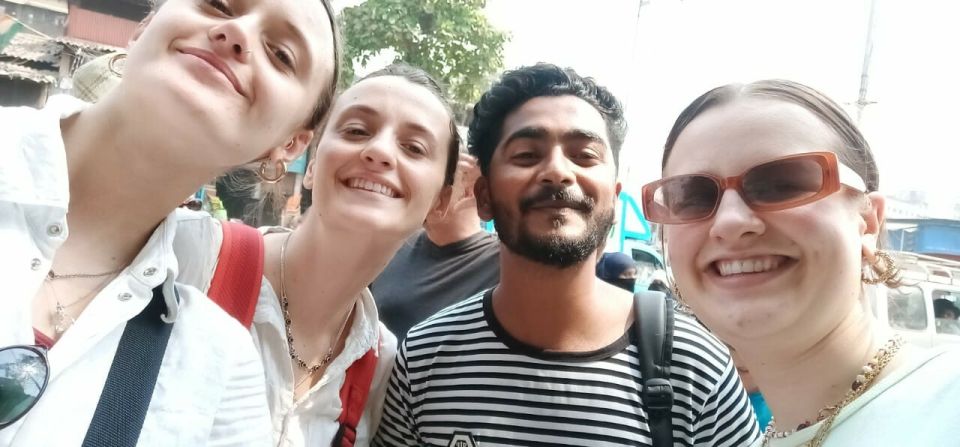
Dharavi isn’t only factories and alleys. It’s also community life—religions, traditions, and services all living side by side.
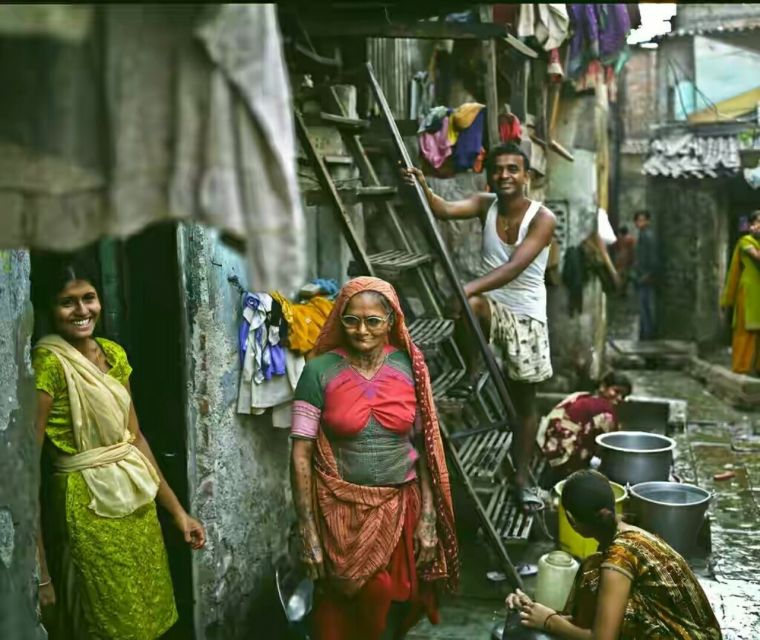
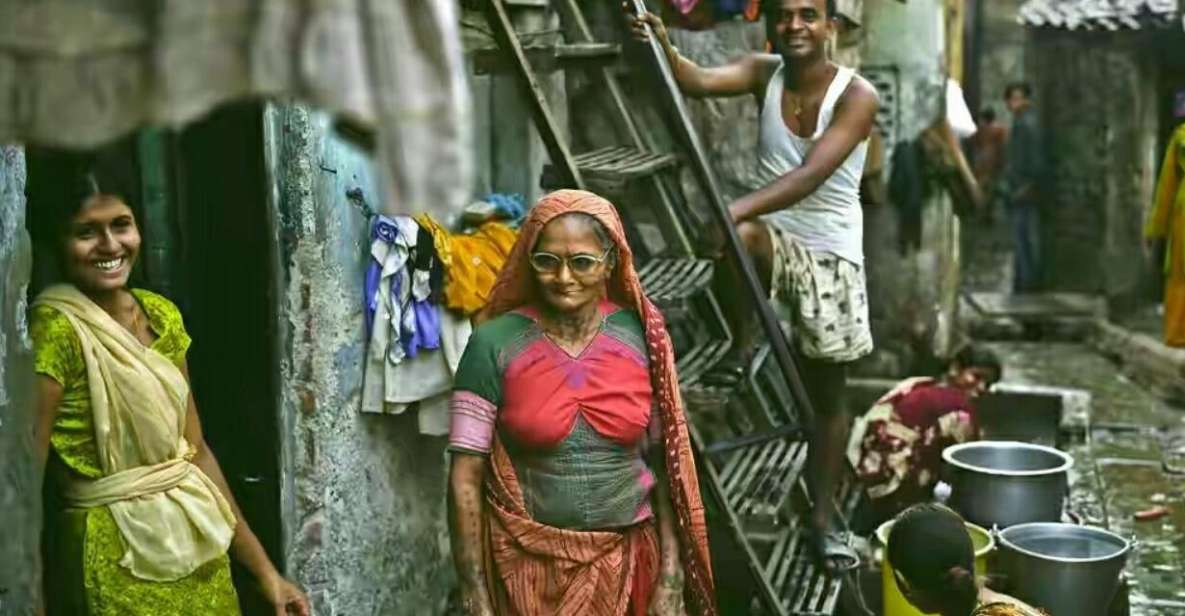
A strong part of this experience is that your guide points out the layers you might miss if you’re only watching for work sites. You learn that Dharavi includes things like schools and a hospital, along with countless small businesses that operate like a local city inside Mumbai.
I like this approach because it makes the visit more balanced. You come away recognizing that people are dealing with real problems, but they’re also building stability where they can—through family businesses, shared knowledge, and local routines.
You’ll also have chances to interact with people during the walk. That doesn’t mean it turns into a fantasy scenario where everything is easy. It means you see relationships at work, and you understand that the community isn’t a background—it’s the main story.

Ending at a Pottery Factory and Choosing Your Next Move
Your walking tour typically wraps up at a pottery factory. That’s a helpful endpoint because it ties back to what you’ve been seeing along the way and gives you a practical final stop.
From there, you can ask your guide for a taxi. I like that this tour gives you an exit plan instead of leaving you stuck at the end. Some guides also help you time your return smoothly, including how to get back toward downtown areas.
If you want to stay longer, you can add a vegetarian meal with a local family in their home. This is the kind of option that shifts the tone from sightseeing to a personal window into daily life. If you choose it, you should expect it to take extra time and you’ll want to go in with an open, respectful attitude.
What to Pack: Comfortable Feet Win in Dharavi
This tour is all about walking, so shoes matter. Plan on comfortable shoes because you’ll be moving through narrow alleys and uneven areas.
Bring sunglasses and a sun hat, plus long pants. Even if the day starts mild, Mumbai weather can change fast and you’ll be outside for much of the experience.
The tour also runs in rain or shine, so pack like you mean it. If you tend to get chilled in wet weather, consider a light layer or something that dries quickly.
One more important item: keep your phone ready, but your camera behavior polite. Photography and videography is not permitted at most places on the tour. Your guide can tell you where (or if) it’s okay, so ask before you shoot.
Safety, Respect, and Who This Tour Fits Best
From what I’ve seen described, local guides work hard to keep the group together and feeling secure on transfers and in tight spaces. That matters because Dharavi is not a “wide sidewalk” kind of place, and safety often comes down to timing, attention, and knowing when to slow down.
Sensitivity matters too. This isn’t a place you visit to collect shock. It’s a place you visit to learn how people live, work, and support each other in real conditions—while keeping your questions thoughtful.
This tour is not suitable for pregnant women, people with mobility impairments, or people with heart problems. If any of those apply, it’s smart to choose a different type of Mumbai experience that’s easier on your body.
Price and Value: Why About $10 Is Such Good Timing
At about $10 per person, this tour is priced for real accessibility. But the better question is value for your time and attention.
You’re getting an English-speaking local guide, bottled water, and—if you book that option—hotel pickup and drop-off. You’re also getting a guided route into areas you wouldn’t be able to navigate comfortably on your own, plus explanations that connect what you see to how the local economy works.
Even without adding the optional meal, the structure makes it efficient. The tour typically lasts 1.5 to 3 hours depending on the start time and the exact flow of your day, and it ends with help getting to your next step.
One small thing to plan: meals and drinks aren’t included unless you add the family vegetarian meal. Tips are optional and not included in the ticket price, so if you like your guide’s style, it’s appropriate to budget a tip.
Should You Book the Dharavi Slum Tour With a Local?
I think this is a strong choice if you want Mumbai that feels human and specific—workshops, small industries, recycling, and community life, all explained by someone who can answer your questions on the spot.
Book it if:
- you want a local-led walk with a real production focus
- you’re comfortable with modest conditions and close quarters
- you like learning from lived experience (and you’re respectful when you see hard realities)
Skip it if:
- you need lots of photo freedom (many places restrict it)
- you have mobility or health limitations that make tight walking difficult
- you’re not up for rain or shine outdoor time
If you want the kind of experience that changes how you think about cities, labor, and community, this tour fits the bill.
FAQ
How long is the Dharavi slum tour?
The duration is listed as 1.5 to 3 hours, and the main walking experience is about 2 hours.
What does the tour cost?
The price is $10 per person.
Is hotel pickup and drop-off included?
Hotel pickup and drop-off are included only if you select the option that includes transfers.
What’s included in the price?
The tour includes an English-speaking local guide and bottled water. If you select the transfer option, hotel pickup and drop-off are included. A meal with a local family is included only if you add the meal option.
Where do I meet my guide?
The meeting point may vary depending on the option booked.
Is the tour offered in English?
Yes, the guide is English-speaking.
Can I take photos or videos?
Photography and videography are not permitted at most places on the tour. Ask your guide before taking any pictures or videos.
What should I bring?
Bring comfortable shoes, sunglasses, a sun hat, and long pants.
Is the tour suitable for everyone?
It is not suitable for pregnant women, people with mobility impairments, or people with heart problems.
Can I add a vegetarian meal?
Yes. You can add a vegetarian meal with a local family if you want to stay a bit longer in the area.
What’s the cancellation policy?
You can cancel up to 24 hours in advance for a full refund.